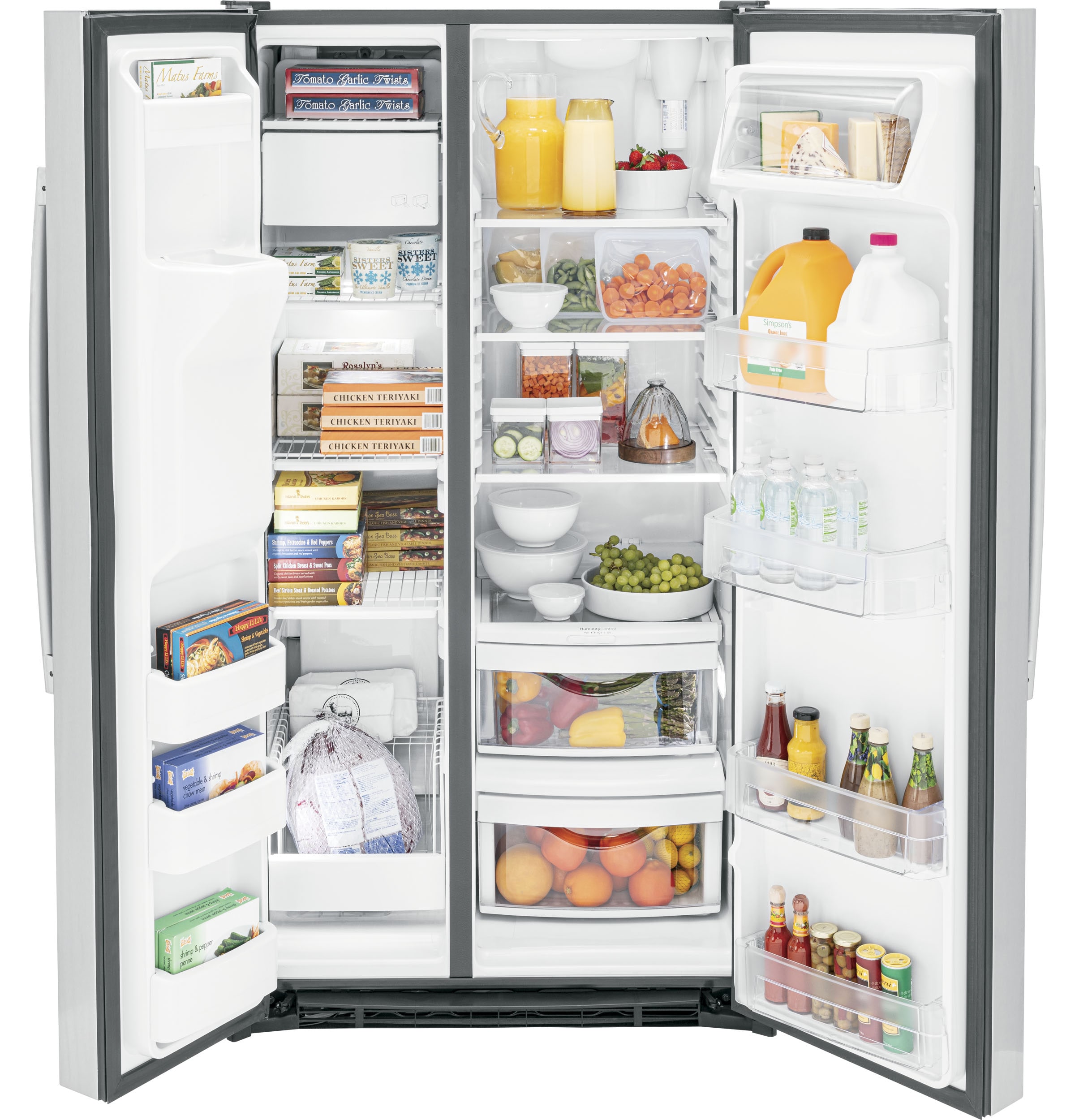
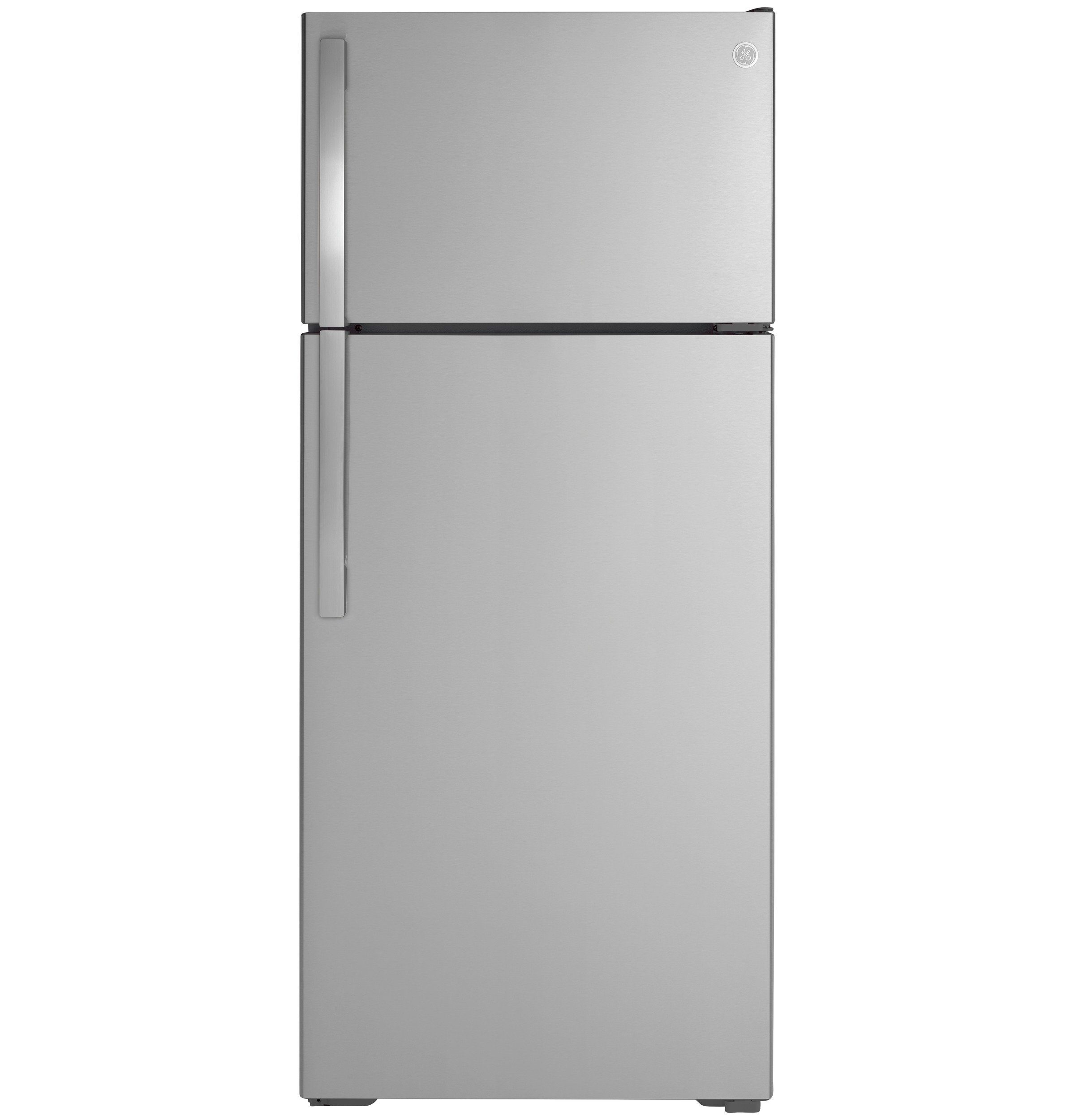
Consider which items you use most frequently and should be placed for easy access.
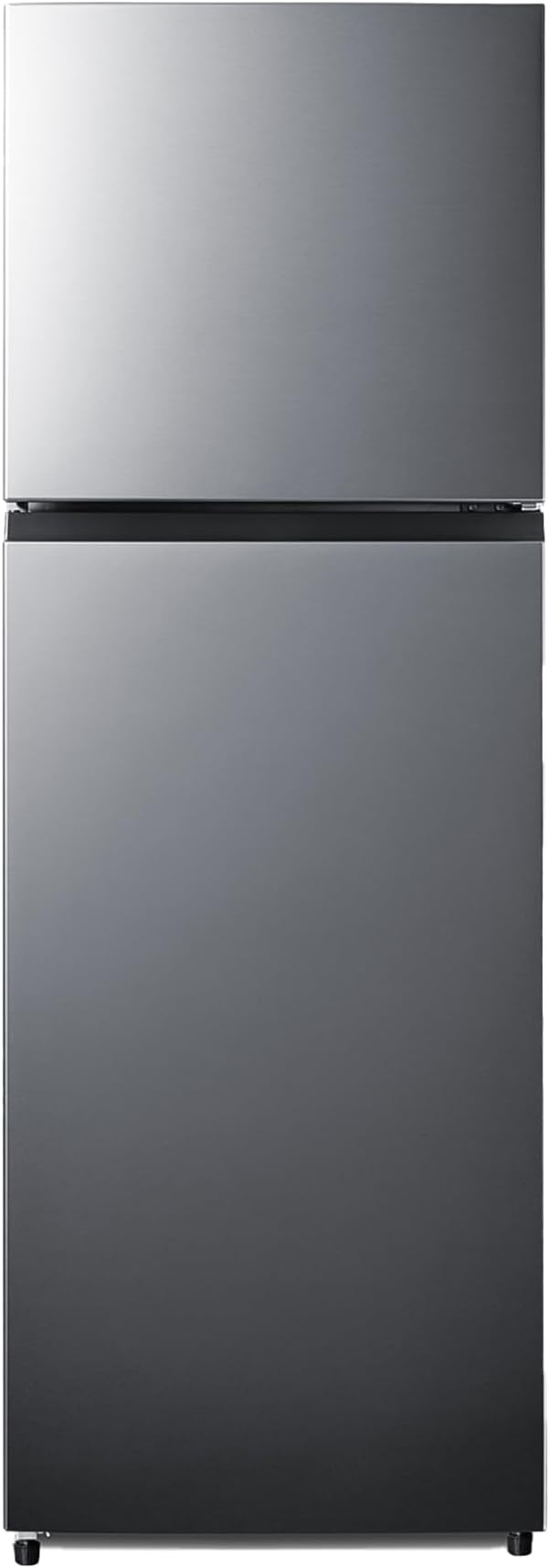
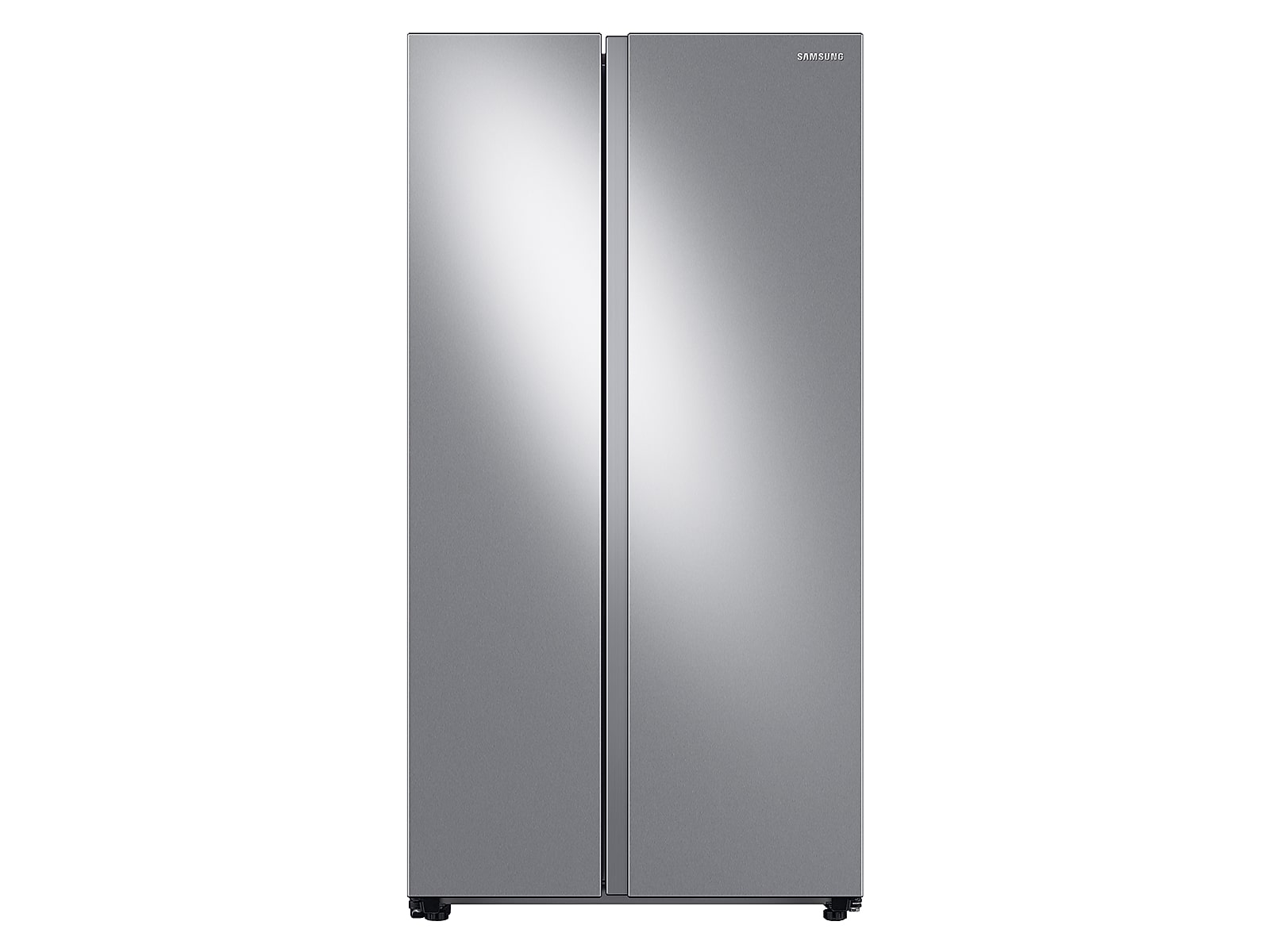
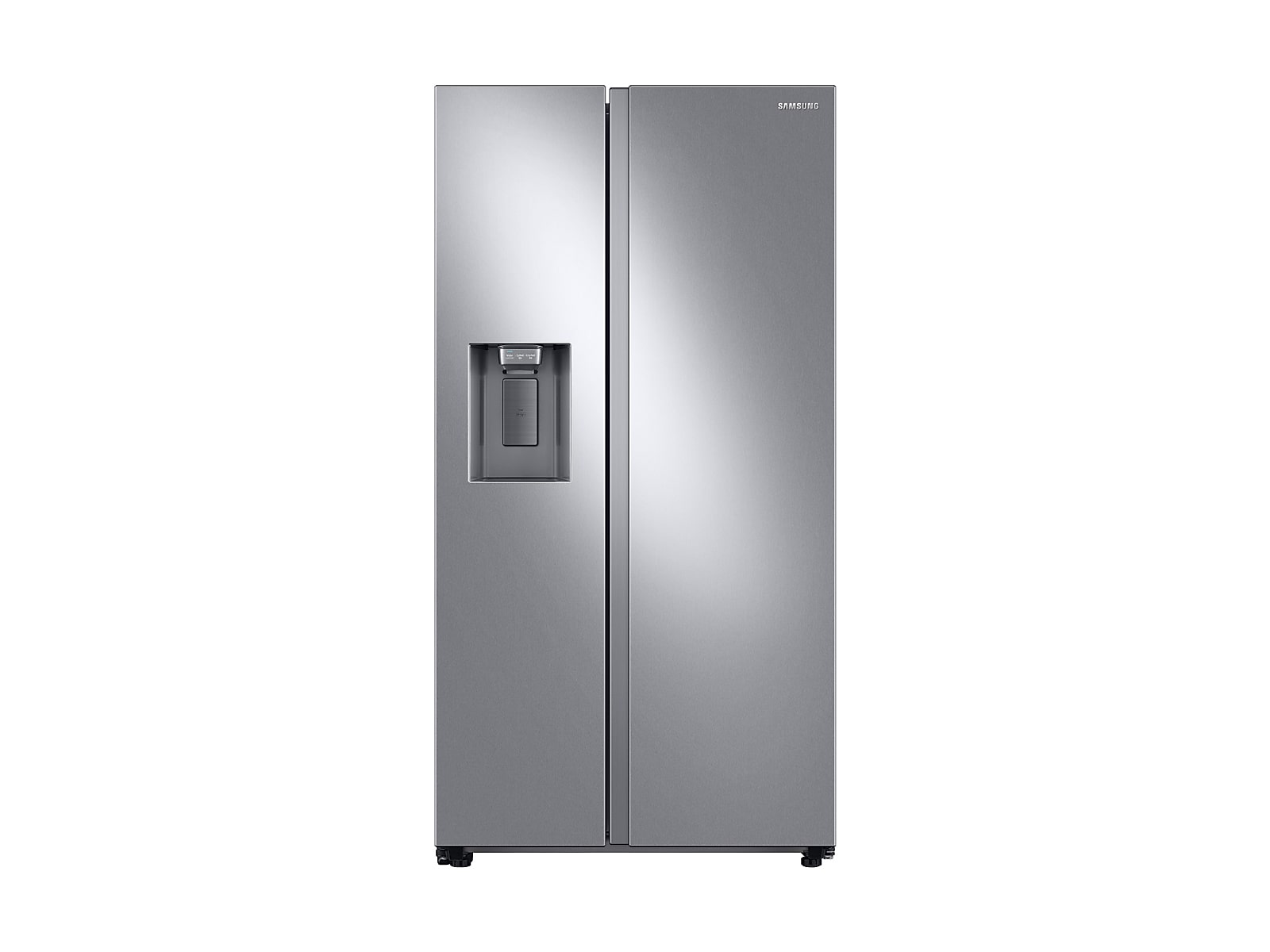
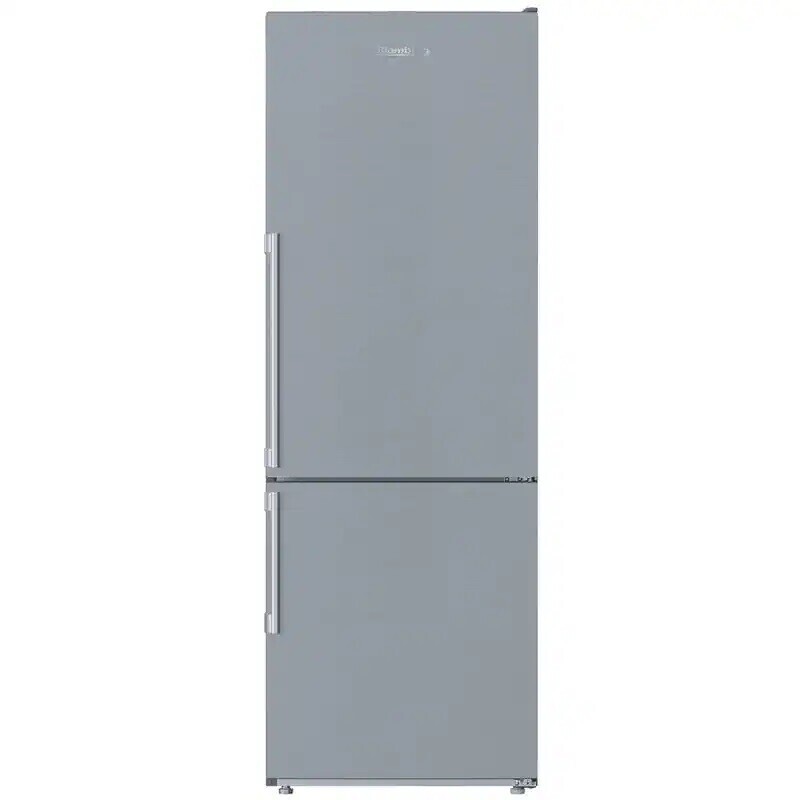
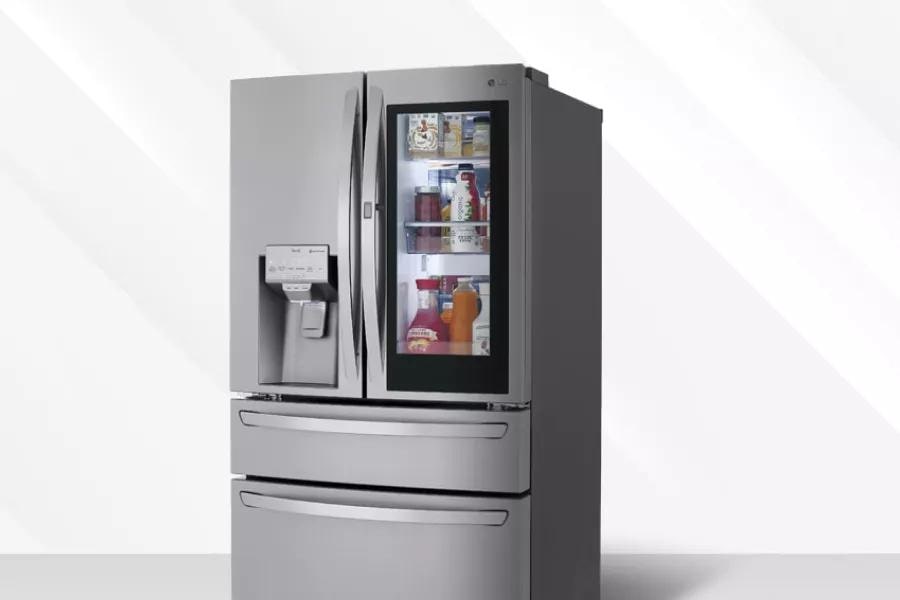
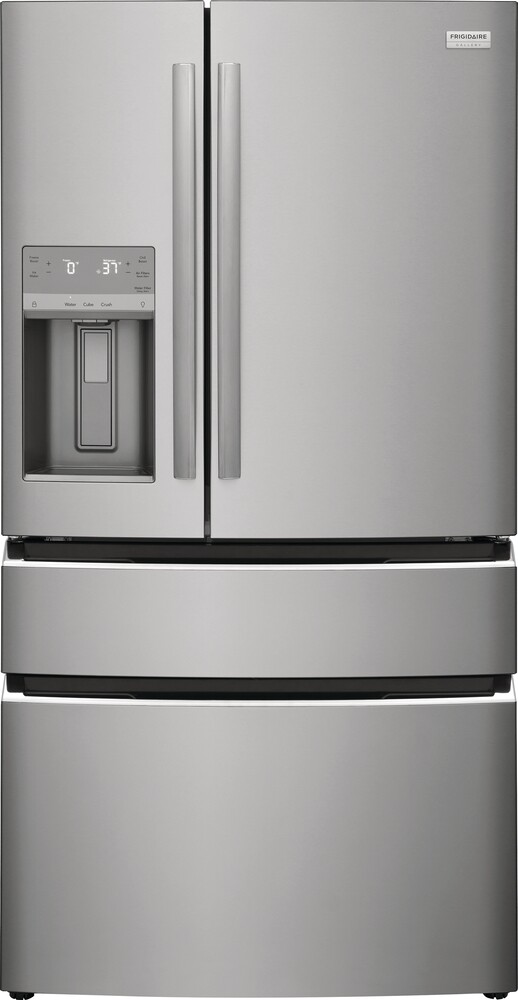
For those interested in organizing other types of refrigerators, such as a 2 door or french door model, Fridge.com has articles that cater specifically to those designs.
For example, frequently used items should be more accessible, while less frequently used items can be stored further back.
Here are some tips on how to make use of vertical space and the advantages of adjustable shelves to get your undercounter refrigerator in tip-top shape.
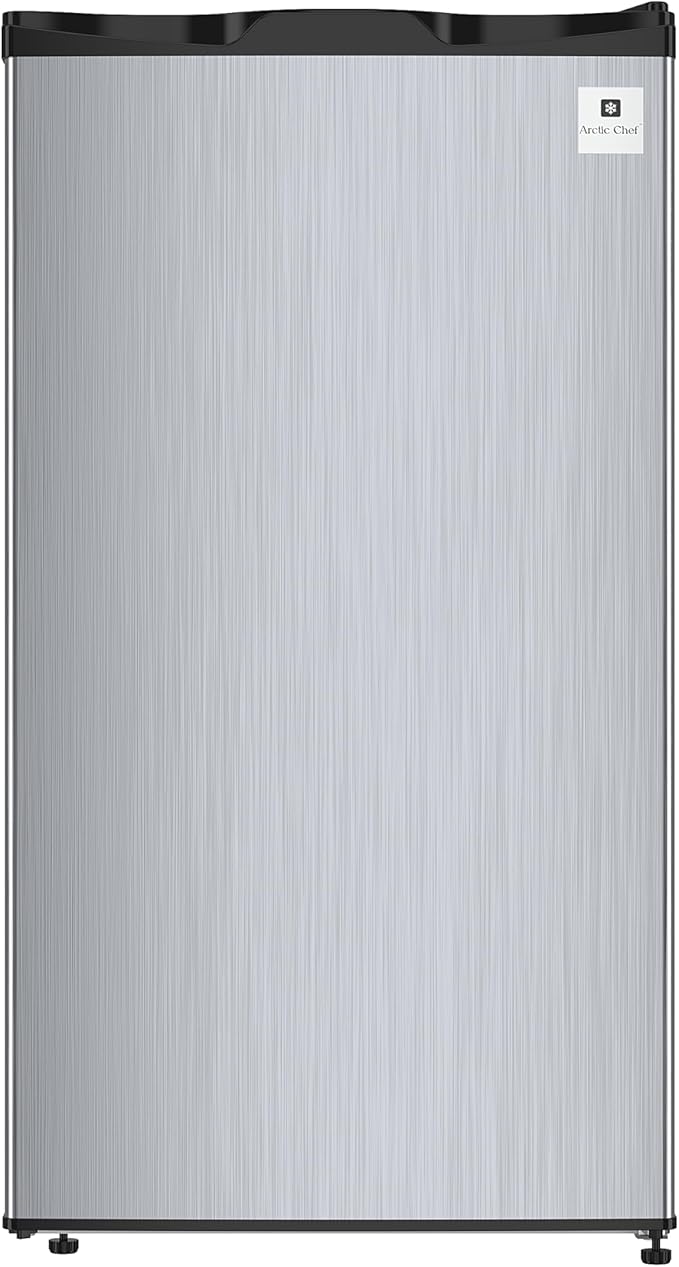
An undercounter refrigerator is a compact cooling appliance designed to fit snugly beneath kitchen counters, bars, or office desks. It is a space-saving solution that provides additional refrigeration without taking up valuable floor space. These units come in various sizes and styles, tailored to fit seamlessly into existing cabinetry or stand alone as a statement piece in any room.
The Benefits of an Organized Fridge
Organizing your undercounter refrigerator comes with a multitude of benefits. Not only does it maximize space, allowing you to store more items efficiently, but it also saves time and reduces waste. With a well-organized fridge, you can easily see and access what you have, which means less food is forgotten and expired. Additionally, an organized fridge can help maintain consistent temperature and airflow, contributing to better food preservation and energy efficiency.
An orderly refrigerator also streamlines meal preparation and entertaining. When every item has its place, restocking and cleaning become more manageable, leading to a more functional living or working space. Whether you're a homeowner, renter, or use the refrigerator in a professional setting, keeping an organized undercounter refrigerator can enhance your daily routine and contribute to a more harmonious environment.
Before you can enjoy the benefits of an organized undercounter refrigerator, you'll need to assess your available space and clean out any items that are no longer needed or have expired. This will help you take inventory of what you have and plan the best way to organize everything efficiently.
Assessing Your Space
Start by measuring the internal dimensions of your undercounter refrigerator. Knowing the exact height, width, and depth will guide you in selecting the right containers and helping you understand the space you have to work with. Take note of any built-in features like shelves or drawers, as these will affect how you can organize the space.
Next, consider the types of items you plan to store and how often you access them. This will influence the placement of goods within your refrigerator for convenience and efficiency. For example, frequently used items should be more accessible, while less frequently used items can be stored further back.
Cleaning Out and Taking Inventory
The first step to organizing your undercounter refrigerator is to clean it out completely. Remove all items and check for any past their prime or expired. This is a good opportunity to wipe down all surfaces with a food-safe cleaner to ensure your refrigerator is sanitary and odor-free.
Once your refrigerator is clean, categorize the items you've removed. Group them into categories such as beverages, dairy, condiments, produce, and so on. This will give you a clear picture of what types of items you're storing and how much space each category may require.
Category
Quantity
Notes
Beverages
10
Includes milk, juices, and sodas
Dairy
5
Cheese, yogurt, butter
Condiments
15
Various sauces and dressings
Produce
8
Fruits and vegetables
After cleaning and categorizing, you can begin to plan how to place items back into the fridge. Consider which items you use most frequently and should be placed for easy access. For more specific organizational strategies, you can refer to articles like how to organize a 2 door refrigerator or how to organize a beverage cooler for ideas that can be adapted to undercounter models.
By completing these preliminary steps, you've laid the groundwork for an organized undercounter refrigerator that will save you time and reduce food waste. With a clear understanding of your space and what you have, you can move on to implementing organizing principles to maintain an efficient and orderly fridge.
Organizing Principles for Undercounter Refrigerators
Organizing an undercounter refrigerator can significantly enhance the functionality of your kitchen or space. By following a few essential principles, you can ensure that your items are easy to find, stay fresher longer, and your fridge remains clutter-free.
Grouping Similar Items Together
One of the most effective ways to organize your undercounter refrigerator is by grouping similar items together. This method not only makes it easier to locate what you need but also helps in maintaining order within the fridge. Here’s how you can categorize your items:
Dairy products: milk, cheese, yogurt
Beverages: juices, soda, water bottles
Fresh produce: fruits and vegetables
Deli meats and cheeses
Condiments and sauces
By having designated areas for each type of food, you decrease the time spent searching and reduce the chances of items being forgotten or expiring unnoticed.
Utilizing Containers and Bins
Containers and bins are invaluable tools for compartmentalizing your undercounter refrigerator. They can help contain spills, separate foods, and maximize space. Here are some suggestions for using these organizers:
Clear bins for fruits and vegetables
Stackable containers for leftovers
Separate bins for raw meats to avoid cross-contamination
Slim containers for condiments and small jars
When selecting containers, opt for transparent ones to easily view the contents inside. This helps in quickly identifying what you have and what needs restocking.
The Importance of Labeling
Labeling is a crucial aspect of refrigerator organization, especially when it comes to leftovers, meal preps, and any item that's not in its original packaging. Labels can indicate contents, preparation dates, and expiration dates, helping you to:
Avoid waste by using foods before they spoil
Ensure food safety by keeping track of how long items have been stored
Simplify meal planning by knowing what's ready to eat
Consider using erasable labels or chalkboard stickers to easily update information as the contents of your fridge change.
By applying these organizing principles to your undercounter refrigerator, you'll create a more efficient and user-friendly environment. Whether you're storing daily essentials, meal preps, or beverages, a well-organized fridge can save you time, reduce food waste, and make your culinary endeavors more enjoyable.
For more tips on organizing various types of refrigerators, feel free to check out Fridge.com guides on how to organize a 2 door refrigerator, how to organize a french door refrigerator, and how to organize a wine fridge for tailored advice on managing these specific fridge models.
In the compact environment of an undercounter refrigerator, making the most of every inch is key. Here are some tips on how to make use of vertical space and the advantages of adjustable shelves to get your undercounter refrigerator in tip-top shape.
Making Use of Vertical Space
Vertical space is often underutilized in undercounter refrigerators. To maximize this space, consider:
Stacking: Use stackable containers to take full advantage of the height between shelves. This will allow you to store more items without wasting precious space.
Hanging: Some undercounter refrigerators come with wine racks or can holders that hang underneath shelves, which can be used to store bottles or cans, thus freeing up shelf space.
Adjusting: If your refrigerator has adjustable shelves, move them to fit the height of your items perfectly and avoid unused gaps.
Make sure to not overcrowd the shelves, as this can restrict air circulation and lead to uneven cooling. Also, avoid storing items in a way that obstructs the interior light, as visibility is crucial for maintaining organization.
Adjustable Shelves and Their Advantages
Adjustable shelves are a godsend for undercounter refrigeration, providing flexibility and helping to create a custom storage solution that can adapt to your changing needs. The advantages include:
Customization: You can rearrange the shelves to fit larger items when needed, such as after a big grocery shop or when storing tall pitchers.
Accessibility: By adjusting the shelves to an ergonomic height, you can ensure that frequently used items are easy to reach, reducing the need to stoop or stretch.
Cleaning: Removable shelves make it easier to clean spills and crumbs without having to contort around fixed shelving.
Shelf Position
Advantages
High
Ideal for small, light items
Middle
Great for eye-level accessibility
Low
Best for heavier, bulkier items
To learn more about how to keep your undercounter refrigerator organized, check Fridge.com guides on how to make the most of specific models, such as how to organize a undercounter freezer and how to organize a beverage cooler.
Implementing these strategies will help you to efficiently utilize the space within your undercounter refrigerator and maintain an orderly storage system that is both functional and visually appealing. Keep in mind that organization is not a one-time task but an ongoing process that might require periodic adjustments to maintain its effectiveness.
Practical Tips for Efficient Organization
Achieving an organized undercounter refrigerator can streamline your kitchen routine and help maintain the freshness of your food. Here are some practical tips to help you keep everything in order.
Rotating Food Items Regularly
To ensure that you're using items before they expire and making the most of your groceries, it's crucial to rotate your food items. This means placing newer items at the back and moving older items to the front. This 'first in, first out' approach is a simple yet effective method to minimize waste and keep track of what needs to be consumed soon.
Keeping Track of Expiry Dates
Expired food not only takes up valuable space in your undercounter refrigerator but also poses health risks. Keep a close eye on expiry dates by placing items with closer expiration dates in more visible spots. Consider using a whiteboard or labels to note down the dates on items with a shorter shelf life. Implementing a system to monitor these dates will help you consume food while it's still fresh and reduce waste.
Food Type
Average Shelf Life
Dairy Products
1-3 weeks
Cooked Leftovers
3-4 days
Raw Meat
1-2 days
Vegetables
1-2 weeks
Fruits
1-4 weeks
Handling Leftovers and Meal Preps
Leftovers and meal preps can save you time and effort throughout the week, but they can also clutter your refrigerator if not stored properly. Use clear, airtight containers to store these items, which helps you see what's inside at a glance and keeps food fresh longer. Stackable containers maximize space and maintain organization. Remember to label each container with the contents and date prepared, so you know when it's time to eat them.
By following these practical tips, you'll be able to keep your undercounter refrigerator tidy and functional. Regular rotation of food items, vigilant tracking of expiry dates, and efficient handling of leftovers and meal preps are key to maintaining an organized fridge. For additional organization strategies and maintenance advice, check out related articles on how to organize a bottom freezer refrigerator and how to organize a undercounter freezer.
Maintaining an organized undercounter refrigerator ensures that it operates efficiently and your food stays fresh longer. Regular cleaning and periodic reassessments are key to optimal fridge organization.
Regular Cleaning Schedule
Implementing a cleaning schedule is imperative for the hygiene and functionality of your undercounter refrigerator. It is recommended to clean the interior at least once a month to prevent the buildup of spills, crumbs, and odors. Here's a simple table to help you keep track of a cleaning routine:
Task
Frequency
Wiping down shelves and drawers
Monthly
Vacuuming the condenser coils
Every 6 months
Checking the door seals
Monthly
Defrosting, if necessary
As per manufacturer’s guide
Remember to unplug the refrigerator before cleaning. Use a mild detergent and warm water for the interior and a soft brush or cloth for the condenser coils. After cleaning, ensure everything is dry before turning the refrigerator back on. For guidance on cleaning specific types of refrigerators, you may find Fridge.com article on how to organize a undercounter freezer useful.
Periodic Reassessments for Space Optimization
As your needs and the contents of your refrigerator change, it's beneficial to reassess the space. Every few months, take time to re-evaluate the organization of your undercounter refrigerator. This could involve:
Rearranging shelves to accommodate different sized items.
Reorganizing the layout to ensure frequently used items are easily accessible.
Adding or removing storage bins and containers.
These periodic checks not only help in maintaining organization but also in recognizing and addressing any inefficiencies in storage. It's also an excellent opportunity to check for any wear and tear on the refrigerator's components.
By maintaining a regular cleaning schedule and conducting periodic reassessments of space, you ensure that your undercounter refrigerator remains a reliable and organized appliance in your home. For more detailed organization strategies based on refrigerator type, explore Fridge.com guides on how to organize a 2 door refrigerator, how to organize a 3 door refrigerator, and how to organize a beverage fridge.
Compare refrigerator prices on Fridge.com
Compare current prices and specifications on Fridge.com, then buy from the retailer you choose; delivery, installation and warranty terms are the retailer’s.
It also has tons of awesome articles about kitchen stuff and home news. Enhance your home, garage, backyard, patio, and office with the coolest essentials. With every necessary type of residential refrigerator or freezer in the collection, you're covered.
Frequently Asked Questions
An undercounter refrigerator is a compact cooling appliance designed to fit snugly beneath kitchen counters, bars, or office desks. It is a space-saving solution that provides additional refrigeration without taking up valuable floor space. These units come in various sizes and styles, tailored to fit seamlessly into existing cabinetry or stand alone as a statement piece in any room.