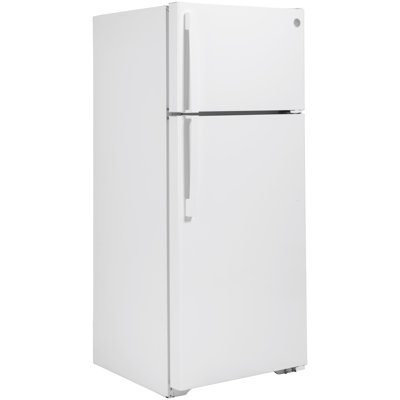
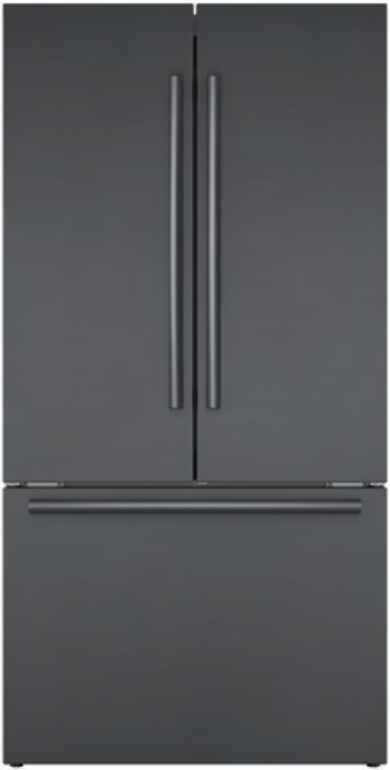
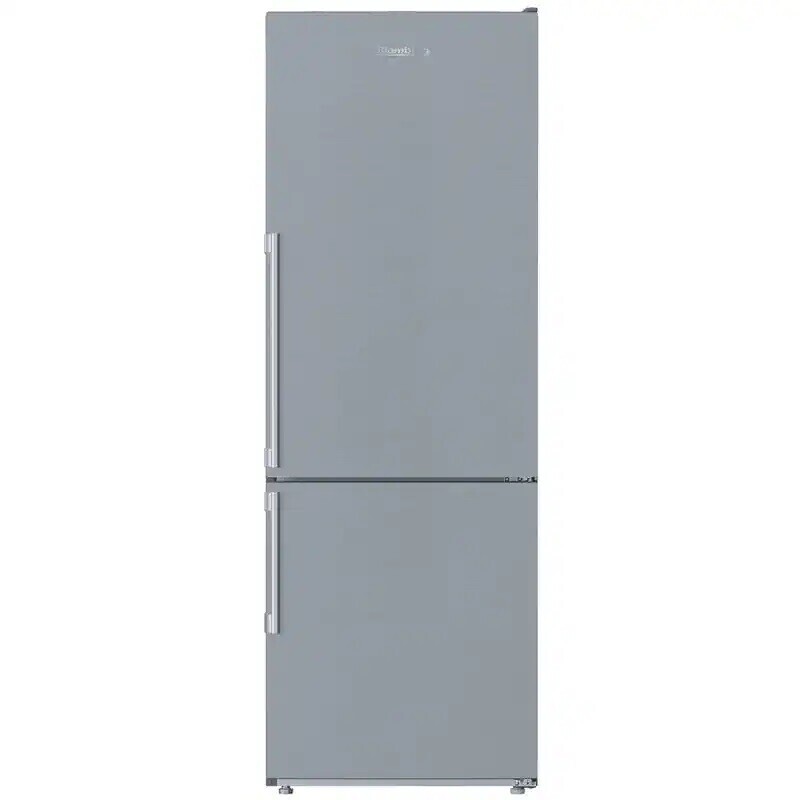
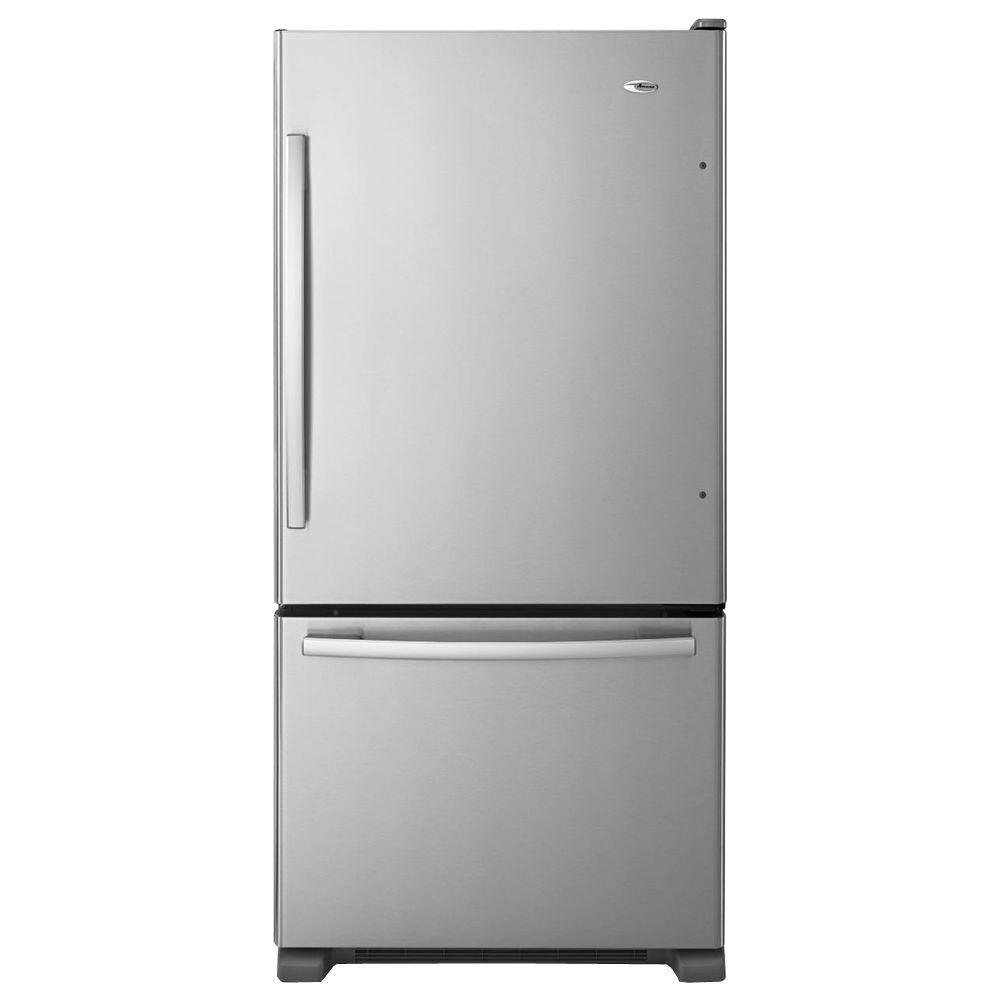
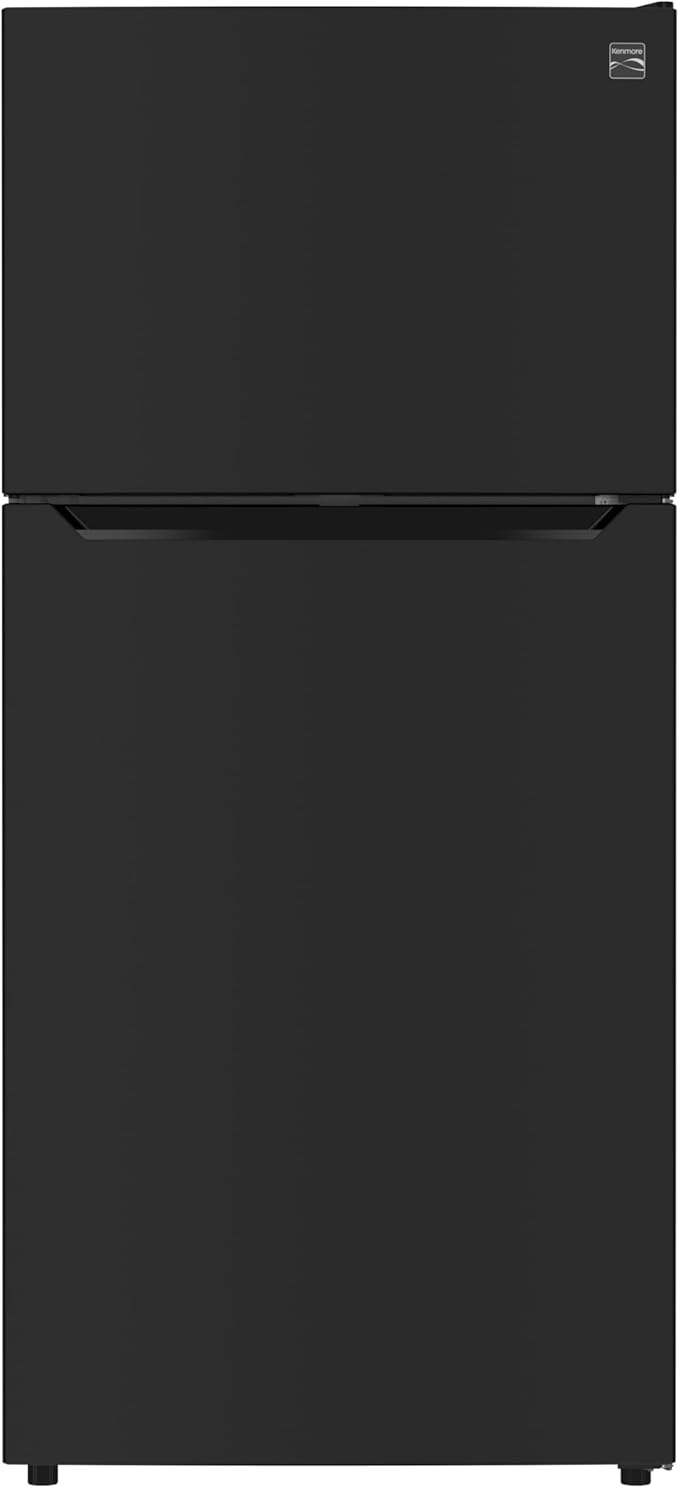
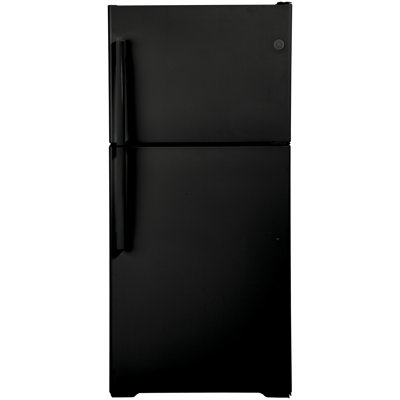
The USDA recommends keeping your refrigerator at or below 40°F (4°C) and your freezer at 0°F (-18°C) to prevent bacterial growth.
It's important to consider these factors to effectively organize and maintain your outdoor refrigeration unit.
For more specific organization tips, you can explore guides like how to organize a beer fridge or how to organize a wine cooler based on the type of outdoor fridge you own.
Your outdoor refrigerator requires regular cleaning to prevent the buildup of dirt and bacteria, which is especially important considering its exposure to the outdoor environment.
Understanding the Need for an Organized Outdoor Refrigerator
An organized outdoor refrigerator can significantly improve your outdoor entertainment experience. With proper organization, you can easily access beverages, condiments, and food, saving time and minimizing the hassle during barbecues and gatherings. It also helps to maximize space, reduce food waste by keeping track of perishables, and maintain cleanliness for hygienic food storage.
The Differences Between Indoor and Outdoor Refrigerator Organization
Organizing an outdoor refrigerator presents unique challenges when compared to its indoor counterpart. Outdoor fridges are often exposed to fluctuating temperatures, humidity, and could be accessed by various people during events, which could lead to disorganization.
Here are some key differences:
Factor
Indoor Refrigerator
Outdoor Refrigerator
Temperature Control
Consistent indoor climate
Variable due to outdoor conditions
Usage
Daily family use
Seasonal, entertainment-focused
Contents
Variety of foods
Often beverages, grilling meats, condiments
Accessibility
Controlled by household
Guests may access during events
While organizing an indoor refrigerator focuses on daily meal prep and family needs, how to organize an outdoor refrigerator emphasizes on ease of access and durability to withstand external conditions. It's important to consider these factors to effectively organize and maintain your outdoor refrigeration unit. For more specific organization tips, you can explore guides like how to organize a beer fridge or how to organize a wine cooler based on the type of outdoor fridge you own.
Initial Steps to Organize Your Outdoor Refrigerator
Before diving into the organization of your outdoor refrigerator, it's essential to start with a few preparatory steps to ensure that everything is clean, functional, and tailored to your storage needs.
Cleaning and Maintenance Tips
Your outdoor refrigerator requires regular cleaning to prevent the buildup of dirt and bacteria, which is especially important considering its exposure to the outdoor environment. Begin by unplugging the unit and removing all items. Using a solution of warm water and mild detergent, wipe down all interior surfaces, including shelves and drawers. For stubborn stains or odors, a baking soda solution can be effective. Ensure that you also clean the door seals to maintain an airtight closure.
Once the interior is clean, don't overlook the exterior, where grease and dust can accumulate. Wipe down the outside surfaces with a suitable cleaner. Additionally, check and clean the condenser coils, which are typically located at the back or beneath the unit, to ensure your refrigerator operates efficiently. Refer to the manufacturer's guide for specific maintenance recommendations.
Assessing Your Space and Storage Needs
An organized outdoor refrigerator starts with understanding what you need to store and how much space you have available. Take inventory of the items you plan to keep in your outdoor refrigerator. Consider categorizing them into groups such as beverages, condiments, grilling ingredients, and snacks.
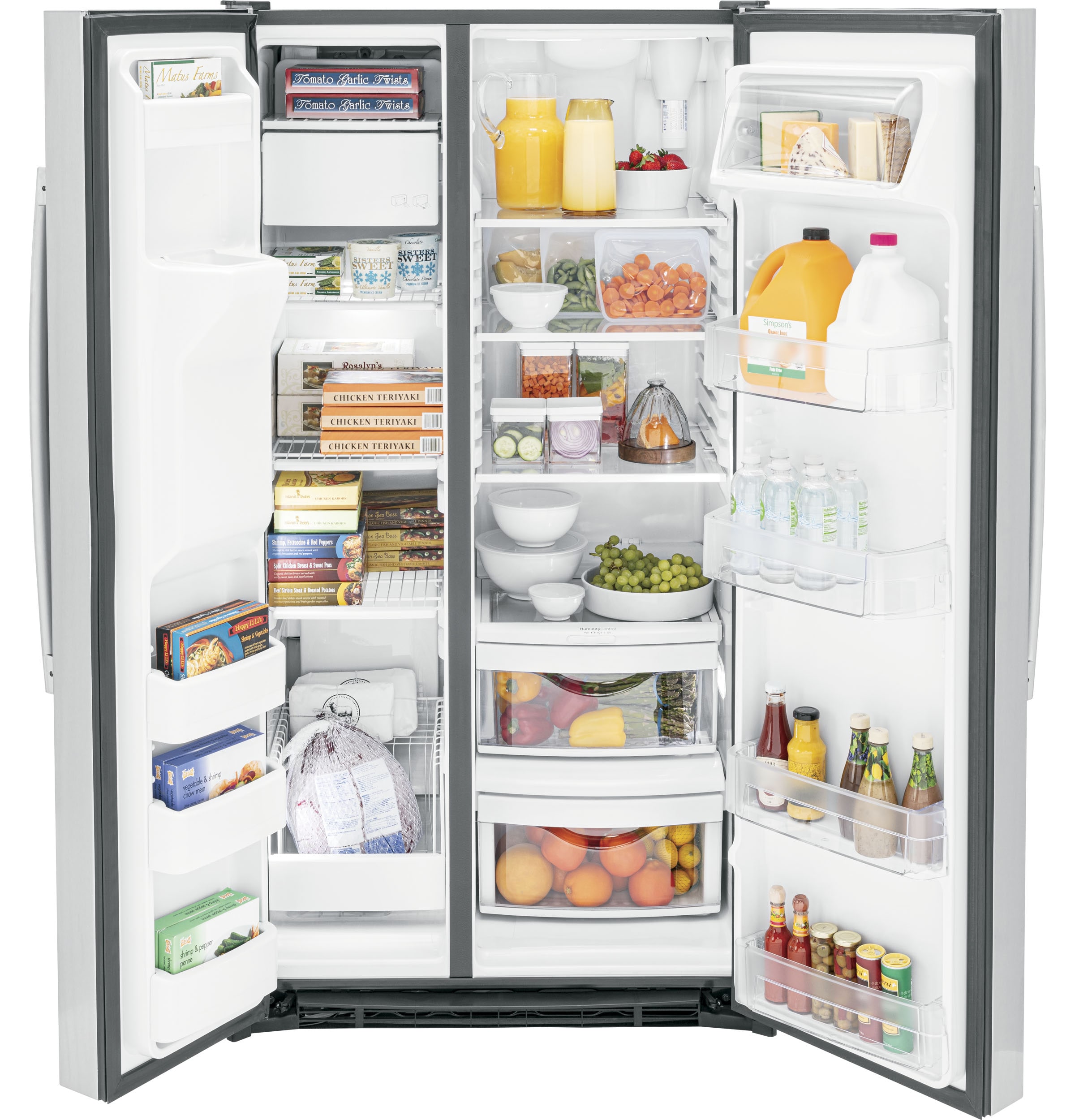
Evaluate the interior of your refrigerator to determine how to best utilize the space. Does your outdoor refrigerator have adjustable shelving? Can you rearrange the door bins? Assessing the configuration options of your refrigerator will help you customize the storage to fit your needs. For example, a side-by-side refrigerator may offer different organization opportunities compared to a single door refrigerator.
Once you have a clear idea of what you need to store and how much space you have, you can begin to plan your organization strategy. This might involve purchasing additional storage solutions such as bins or stackable containers to maximize space and maintain order.
By completing these initial steps, you'll set a solid foundation for an organized and efficient outdoor refrigerator. With your appliance clean, maintained, and tailored to your storage needs, you're ready to move on to specific organizing strategies that will keep your items easily accessible and in good condition.
When it comes to managing your outdoor refrigerator, employing strategic organizing techniques can make all the difference in maximizing space and maintaining order. Let's explore how to effectively utilize zones and the implementation of containers and bins to achieve a well-organized outdoor fridge.
Utilizing Zones for Efficient Storage
Creating zones within your outdoor refrigerator can streamline the way you store and access items. By designating specific areas for different types of food and beverages, you can keep items neatly organized and easily find what you need.
Zone 1: Beverages - Allocate the door shelves or a bottom shelf for drinks, such as sodas, beers, and bottled water.
Zone 2: Fresh Foods - Use the upper shelves for items that are used frequently, like snacks and fresh produce.
Zone 3: Raw Meat and Seafood - Dedicate a drawer or the lowest shelf for raw meats and seafood to prevent cross-contamination.
Zone 4: Condiments and Sauces - Store condiments, dressings, and sauces in the door bins or a designated area on the shelves.
Zone 5: Leftovers and Prepared Foods - Keep prepared foods and leftovers on a middle shelf, where they're visible and can be consumed promptly.
By assigning these zones, you can streamline your food retrieval process and maintain a better organized outdoor refrigerator. For further guidance on zoning other refrigerator types, consider reading how to organize a side-by-side refrigerator or how to organize a top freezer refrigerator.
Implementing Containers and Bins
Containers and bins can be indispensable tools in keeping your outdoor refrigerator organized. They help to group similar items together, prevent spills, and make it easier to slide items in and out.
Clear Bins: Opt for clear, stackable bins to store items like fruits, vegetables, or condiments. This allows you to see contents at a glance without needing to move things around.
Labelled Containers: Consider using containers with labels to store leftovers or meal prep items. Labels help you track what's inside and when it was stored.
Drawer Dividers: If your outdoor fridge has drawers, use dividers to separate different types of produce or meats.
Beverage Holders: Specialized holders can keep bottles and cans neatly arranged and prevent them from rolling around.
For those looking to organize other specific types of refrigerators or storage spaces, you may find valuable tips in articles such as how to organize a beer fridge or how to organize a beverage cooler.
By implementing these organizing strategies, you can ensure that your outdoor refrigerator remains tidy, functional, and ready to support your next gathering or family cookout. Remember, a well-organized fridge not only looks appealing but also helps in maintaining food safety and reducing waste.
Best Practices for Food Safety and Preservation
Maintaining food safety and extending the shelf life of perishables are key aspects of organizing an outdoor refrigerator. Proper temperature regulation and the segregation of raw and cooked foods are critical to preventing foodborne illnesses.
Temperature Regulation and Monitoring
For your outdoor refrigerator, it's imperative to regulate and monitor the internal temperature. The USDA recommends keeping your refrigerator at or below 40°F (4°C) and your freezer at 0°F (-18°C) to prevent bacterial growth. Since outdoor conditions can be unpredictable and can influence the appliance's cooling efficiency, installing a freestanding appliance thermometer can ensure temperatures remain within safe limits.
Recommended Appliance Temperatures
Fahrenheit
Celsius
Refrigerator
≤ 40°F
≤ 4°C
Freezer
0°F
-18°C
To help maintain consistent temperatures, avoid overstocking the refrigerator, which can block air circulation, and minimize the frequency and duration of door openings. For further details on organizing specific models, you might find Fridge.com articles on how to organize a 2 door refrigerator or even how to organize a wine cooler helpful.
Storing Raw and Cooked Foods Separately
Cross-contamination between raw and cooked foods is a significant concern in any food storage setting. Always store raw meats, poultry, and seafood on the lowest shelves to prevent their juices from dripping onto other foods. Use containers with tight-fitting lids to seal raw items and further prevent any spillage.
Cooked and ready-to-eat items should be placed on the upper shelves, above raw foods. Here's a simple guide to help you remember:
Food Type
Storage Location
Raw meats, poultry, seafood
Bottom Shelves
Cooked and ready-to-eat foods
Upper Shelves
Implementing these practices not only promotes food safety but also aids in maintaining the quality and taste of your food. If you're looking for tips on organizing other types of freezers or refrigerators, from how to organize a beer fridge to how to organize a freestanding drawer refrigerator, Fridge.com comprehensive guides cover all bases for efficient and safe food storage.
Maximizing Space in Your Outdoor Refrigerator
When it comes to your outdoor refrigerator, maximizing space is key to keeping everything organized and easily accessible. Whether you're storing beverages for a backyard barbecue or keeping fresh produce for an outdoor kitchen, utilizing every inch effectively can make all the difference. Here are some strategies to help you make the most of the space in your outdoor refrigerator.
Adjustable Shelving Solutions
Adjustable shelving is a game-changer in the realm of refrigerator organization. It allows you to customize the layout of your fridge to accommodate items of various sizes, from tall pitchers to small condiment bottles. Look for shelves that can be easily adjusted or removed to create the space you need for larger items.
Shelf Type
Benefit
Sliding Shelves
Easy access to items in the back
Foldable Shelves
Space for tall items when needed
Removable Shelves
Customizable layout for large events
To organize effectively, assess the items you frequently store and rearrange the shelves to create designated areas for each type of product. Remember to place heavier items on the bottom shelves to ensure stability. For more shelving tips, explore Fridge.com guides on how to organize a 2 door refrigerator and how to organize a side-by-side refrigerator.
Vertical Space Optimization
Don't overlook the vertical space in your outdoor refrigerator. By stacking items properly and using organizing tools like stackable bins or hanging baskets, you can significantly increase the storage capacity.
Here are some vertical space optimization techniques:
Stackable Bins: Use clear bins to stack items neatly, making it easier to see and grab what you need without disrupting the organization.
Hanging Baskets: Attach baskets to the underside of shelves to store smaller items like snack packs or fruit.
Bottle Holders: Implement bottle holders or racks to keep bottles in place and prevent them from rolling around.
Storage Solution
Purpose
Stackable Bins
Organize and separate items vertically
Hanging Baskets
Utilize empty space under shelves
Bottle Holders
Secure bottles and maximize space
For beverages, consider using a dedicated area with bottle holders or racks to keep drinks organized and easy to find. If you're looking for specific beverage storage solutions, check out how to organize a beer fridge and how to organize a wine cooler.
By implementing these shelving solutions and optimizing vertical space, you can ensure your outdoor refrigerator stays orderly, even during the busiest times. Regular maintenance and reevaluation of your organization strategy will help you adapt to changing storage needs and continue to make the most of your refrigerator's capacity. For seasonal organization tips, you might also want to read about how to organize an outdoor freezer and how to organize a garage refrigerator.
Maintaining an outdoor refrigerator requires diligence and awareness of the changing seasons. This section provides you with strategies to keep your outdoor refrigerator in top condition all year round.
Regular Cleaning Schedule
To ensure your outdoor refrigerator operates efficiently, establish a regular cleaning routine. This involves:
Monthly Cleaning: At least once a month, unplug the unit and remove all contents. Use a mild soap and warm water solution to wipe down the interior surfaces, including shelves and drawers. Dry thoroughly before restocking.
Condenser Coil Check: Every six months, inspect and clean the condenser coils. This can help prevent overheating and ensure energy efficiency.
Door Seals Inspection: Regularly check the door seals for any wear or tear that could lead to energy loss. Clean the seals with a soft cloth to remove any debris that might hinder a tight seal.
Preparing Your Outdoor Refrigerator for Different Seasons
Your outdoor refrigerator will face varying weather conditions throughout the year. Taking steps to prepare for each season can prolong its lifespan and maintain its performance.
Spring: Inspect and clean the unit after the winter months. This is a good time to check for any issues that might have arisen during colder weather.
Summer: Ensure that the refrigerator is shaded from direct sunlight to prevent it from overworking. Adjust the temperature settings to account for higher ambient temperatures.
Fall: As temperatures start to drop, reduce the temperature setting to save energy. This is also a good time to clean and prepare the unit for the colder months ahead.
Winter: If you live in an area with harsh winters and you won't use the outdoor refrigerator, consider unplugging it and storing it in a dry, cool place. If it will be in use, ensure that it's weatherproof and well insulated.
By adhering to a consistent cleaning schedule and preparing your outdoor refrigerator for the changing seasons, you can enjoy chilled beverages and fresh food whenever you're entertaining outside. Remember, the organization is key to maximizing space and efficiency, so refer to Fridge.com guides on how to organize different types of refrigerators such as how to organize a 2 door refrigerator, how to organize a side-by-side refrigerator, or how to organize a beverage fridge for specific tips tailored to your model.
Compare refrigerator prices on Fridge.com
Compare current prices and specifications on Fridge.com, then buy from the retailer you choose; delivery, installation and warranty terms are the retailer’s.
It also has tons of awesome articles about kitchen stuff and home news. Enhance your home, garage, backyard, patio, and office with the coolest essentials. With every necessary type of residential refrigerator or freezer in the collection, you're covered.
Free tool
Kitchen Space Planner
Free interactive tool from Fridge.com — get a quick answer while you read.