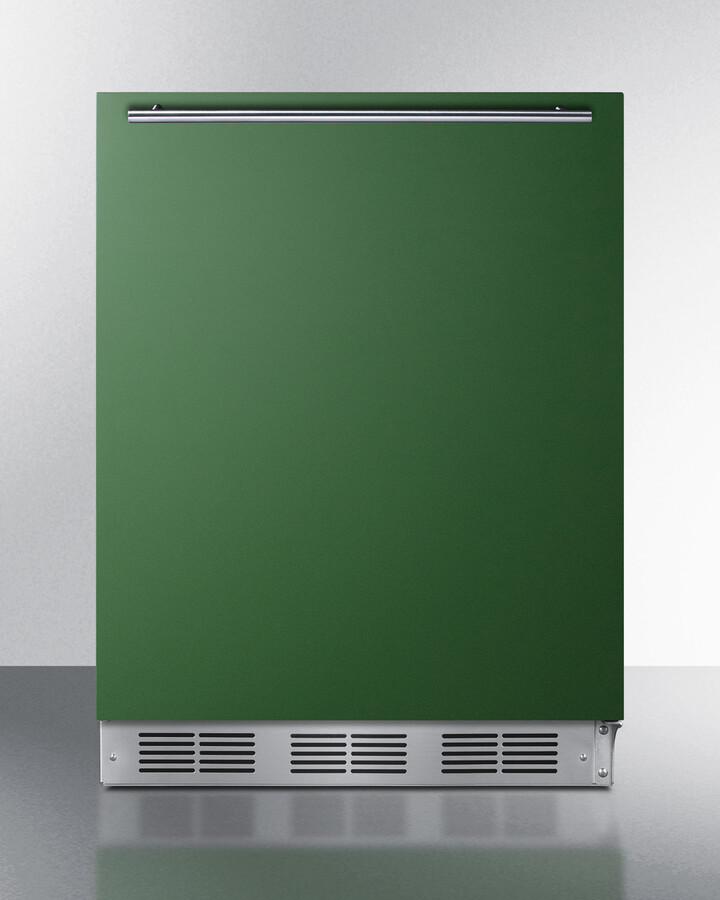
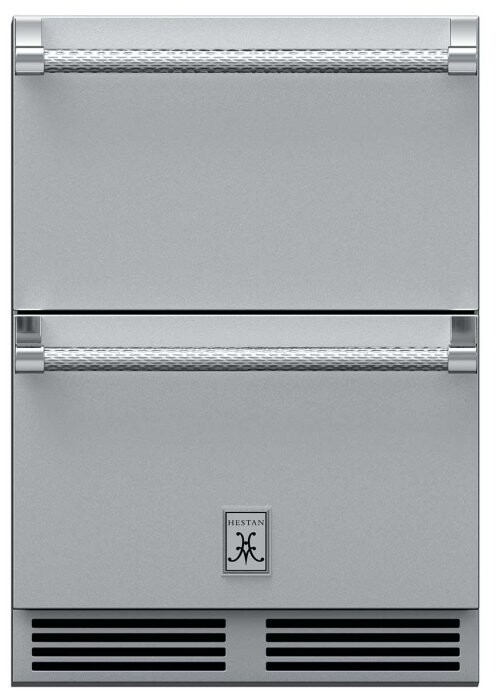
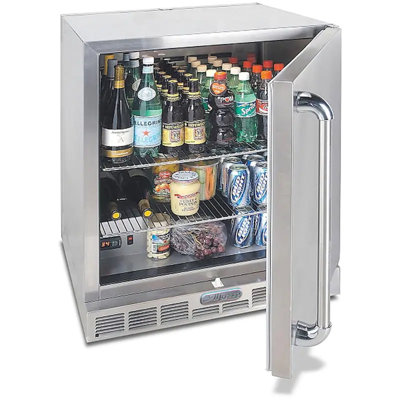
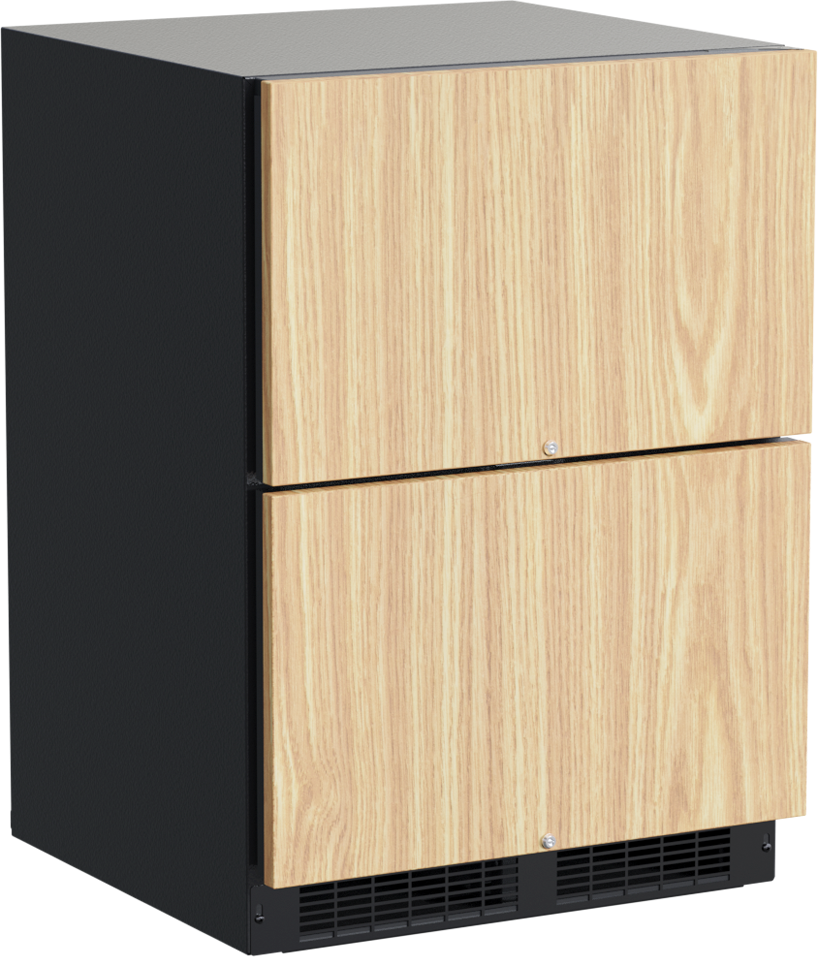
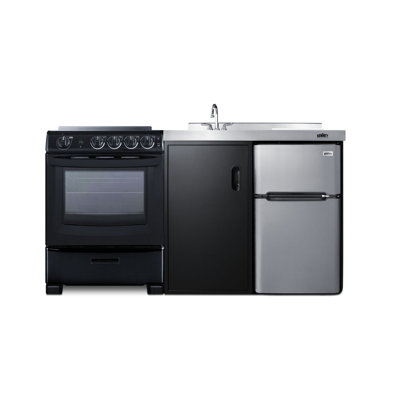
Usually, a mini fridge will slurp down somewhere between 100 and 250 kWh a year, depending on a few things.
To see how much today's fridge run will cost you, take those kilowatt-hours and multiply by your electric rate, which you’ll find on your bill as cents per kWh.
Temperature Settings: Keep that temperature dial at a cool 37°F, where your fridge is both efficient and effective.
So, keeping a medium mini fridge cool might tack on about $8.42 every month.
Understanding the Impact of a Mini Fridge on Your Electricity Bill
Thinking about snagging a mini fridge but worried it might sneak some extra charges onto your electricity bill? Knowing how these little appliances sip energy will help you anticipate what’s coming.
How Much Energy Does a Mini Fridge Consume?
Mini fridges might be small, but they still need juice to keep your sodas chilled. They don’t guzzle as much power as a regular fridge, but it’s still wise to keep their energy use in mind. Usually, a mini fridge will slurp down somewhere between 100 and 250 kWh a year, depending on a few things.
Mini Fridge Category
Average Energy Use (kWh/year)
Compact Mini Fridge
100 - 150
Standard Mini Fridge
150 - 250
High-efficiency Mini Fridge
80 - 120
To see how much today's fridge run will cost you, take those kilowatt-hours and multiply by your electric rate, which you’ll find on your bill as cents per kWh.
What Changes the Energy Sip of a Mini Fridge?
Several culprits address how much power your mini buddy uses up:
Size and Capacity: Bigger ain't always better. Smaller fridges typically munch on less energy, so pick one that suits your food-storing needs without extra space.
Age and Condition: Like an old car, an ancient fridge hogs more power. Picking a newer, spunky model might help trim your bill down.
Usage Patterns: Unnecessary open-and-shuts mean you're inviting warm air in and making the fridge work overtime. Keep its door shut tight unless you need a snack.
Location: Don't tuck your fridge next to a heat lamp or under a window soaking up the sun. These heat traps make it suck down more power to stay cool.
Temperature Settings: Keep that temperature dial at a cool 37°F, where your fridge is both efficient and effective.
So, you're thinking about adding a mini fridge, huh? Before you make that move, you gotta know what it’ll do to your electric bill. Let’s break down how a mini fridge might play in the grand scheme of your monthly expenses.
Average Energy Usage of Mini Fridges
Mini fridges are pretty good at keeping their power needs in check, but depending on the size and model, they can pull different amounts of juice. They generally sip between 50 and 120 watts an hour. Here's a cheat sheet of what to expect:
Wanna know how to crack the number on the monthly cost? Use this formula:
Monthly Cost = (Wattage × How Many Hours It Runs Each Day × Days in a Month) / 1000 × Electricity Price (per kWh)
Let's say your mini fridge is humming along 24/7, and your electricity costs $0.13 per kWh. For a medium fridge sucking down 90 watts, here’s the lowdown:
Calculation Step
Value
Wattage
90 W
Hours On Per Day
24 hours
Days Per Month
30
Total Monthly Usage (kWh)
64.8 kWh
Average Electricity Price
$0.13 / kWh
Monthly Cost Breakdown
$8.42
So, keeping a medium mini fridge cool might tack on about $8.42 every month. Having this number handy lets you see where your budgeting stands. For tips on keeping those costs low, check out energy-smart models and other articles Fridge.com has lined up.
By nailing down what power your mini fridge munches on, you can get a pretty good handle on whether it’ll fit nicely into your financial picture.
Energy-Efficiency Tips
Want your mini fridge to be a lean, mean cooling machine without cranking up those electricity costs? Try these nifty energy-saving hacks.
Setting the Right Temperature
Picking the right temp for your mini fridge is like finding the sweet spot where Goldilocks would be comfy — not too cold, not too warm. Aim for 37°F and 40°F (3°C to 4°C). Crank it down too low and you'll be freezing money instead. Keep it too warm? Well, your cheese might decide to take on a life of its own.
Temperature Range
Purpose
32°F (0°C)
Freeze warning: Ice time!
37°F (3°C)
Just right for cooling
40°F (4°C)
The max before you risk funky smells
Grab yourself a simple appliance thermometer to keep tabs on your fridge's mood. This handy gadget can help you tweak things for top efficiency.
Proper Maintenance of Your Mini Fridge
Taking good care of your mini fridge keeps it humming along and sipping rather than guzzling power. Check out these pointers:
Coil Checkup: Those condenser coils collect more dust than your old DVDs. A quick wipe-down every few months keeps things efficient.
Seal the Deal: Make sure the door slams shut snugly. Worn seals are like leaving your fridge open a crack — hello, energy waste! Fix those puppies if they're looking shabby.
Space It Out: Don't treat your mini fridge like a clown car. Stuffing it might seem smart, but it messes with air flow and overworks the compressor.
Pack It Up: On the flip side, a half-empty fridge is a loner wasting energy. Fill 'er up to help maintain its chill.
Nailing the right temperature and showing your mini fridge some love can shave some bucks off your electricity bill. If you're itching for more penny-pinching tricks, check out Fridge.com article on how much does a mini fridge add to your bill.
Figuring out how a mini fridge stacks up against a regular one in terms of power usage can really help you pick the right gadget for your home. They both chill your grub, but they take different bites out of your energy bill.
Energy Use: Face-Off
Mini fridges usually sip less electricity than their full-sized cousins. How much they draw from the power grid depends on things like how big they are, how old they are, and how often you raid them for snacks. Here’s a quick look at their power appetites:
Fridge Type
Daily Power Use (kWh)
Monthly Electricity Expense ($)
Mini Fridge
0.5 - 1.0
1.50 - 3.00
Standard Fridge
1.5 - 2.5
4.50 - 7.50
Clearly, the little guys use less juice, helping you keep the electricity bill a bit skinnier.
Figuring Out the Bang for Your Buck
When weighing the cost-effectiveness of a mini fridge Vs. a regular one, think about how much they cost to buy, maintain, and run. Minis generally cost less upfront, but they don't hold as much stuff—so you might find yourself opening that door a lot more.
Here’s what it typically looks like:
Cost Aspect
Mini Fridge
Regular Fridge
Purchase Cost
$100 - $300
$600 - $1,500
Yearly Power Cost
$18 - $36
$54 - $90
Lifespan (Years)
6 - 10
10 - 20
While mini fridges win the buy-and-run price race, they might conk out sooner, meaning you'll need to upgrade more frequently. Balancing your budget is a lot easier when you think about what you really need out of a fridge. Looking to save even more? Check out Fridge.com piece on what a mini fridge will add to your bill.
So there you have it! This head-to-head gives you the nitty-gritty on choosing between a mini cooler and a standard icebox. You can find one that grooves with your lifestyle—without freezing out your wallet.
When you're adding a mini fridge to your home setup, spare a thought for the planet. These tiny coolers might seem harmless, but they do use electricity, and if that's coming from coal or oil, we're talking more pollution. So, what can you do? Well, give the eco-friendly models a peek and shrink that carbon impact!
Here’s the scoop on what to watch out for:
What
Why It Matters
Power Source
Green energy means cleaner air.
Longevity
A durable fridge saves resources—nobody wants quick replacements.
Going for a fridge that’s ENERGY STAR® approved means you’re saving the Earth and your wallet.
Choosing an Energy-Efficient Model
Getting your hands on a power-miserly mini fridge isn’t just about slashing those electricity bills. Here’s how to snag the right model:
Seek ENERGY STAR® Approval: This badge means the fridge meets the U.S. Environmental Protection Agency's efficiency rules.
Scope Out the Energy Guide: This handy sticker breaks down yearly cost and energy use, giving an easy nod to the most frugal options.
Pick the Proper Size: Don’t oversize it! Choose a fridge that’s just right for your stash—think drinks and munchies.
Think About Your Habits: If you’re in and out of that fridge like it's a revolving door, investing in an efficient model is the ticket.
Feature
Upside
Right Fit
Matches your needs, no wasted watts here.
Maintenance
Keep your mini machine running tip-top with regular care.
Factoring all these points lets you be savvy about picking a mini fridge that’s kind to Mother Earth while also pondering, how much does a mini fridge add to your bill?. So, live it up with your new gadget, knowing you’ve made a cool, green choice!
Frequently Asked Questions
Mini fridges might be small, but they still need juice to keep your sodas chilled. They don’t guzzle as much power as a regular fridge, but it’s still wise to keep their energy use in mind. Usually, a mini fridge will slurp down somewhere between 100 and 250 kWh a year, depending on a few things. Mini Fridge Category.
Average Energy Use (kWh/year).
.
Compact Mini Fridge.
100 - 150.
.
Standard Mini Fridge.
150 - 250.
.
High-efficiency Mini Fridge.
80 - 120.
. To see how much today's fridge run will cost you, take those kilowatt-hours and multiply by your electric rate, which you’ll find on your bill as cents per kWh.