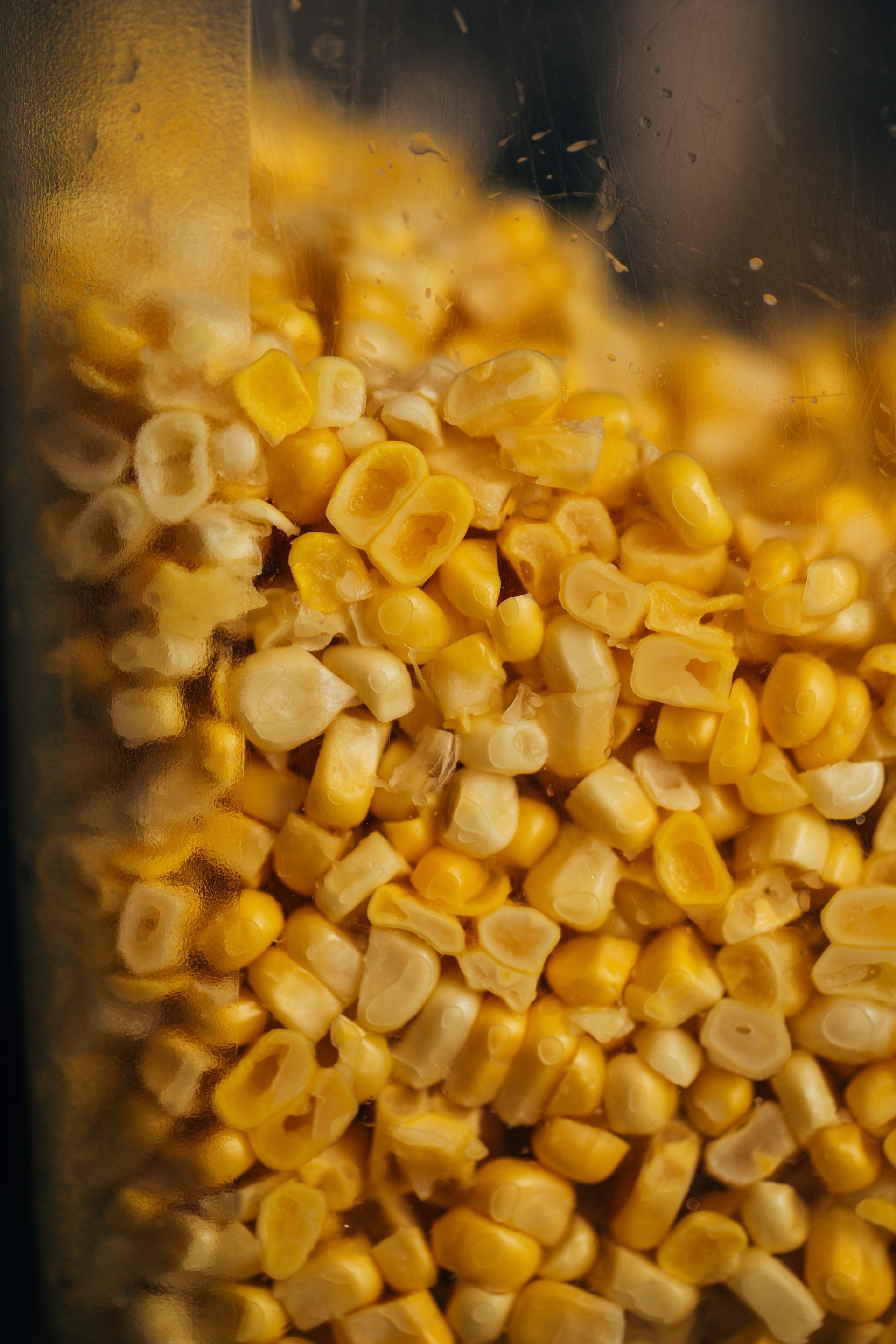
Canned corn lasts 3 to 4 days in the refrigerator once opened, while an unopened can stays safe for years past its printed date when kept in a cool, dry pantry. The canning process seals the kernels in an airtight can and heats them to kill bacteria, so the shelf-life clock really only starts ticking after you break the seal. Below you'll find exact storage times for opened and unopened cans (also sold as tinned sweetcorn), how to freeze leftovers for 8 to 10 months, the warning signs of spoilage, and whether canned corn is still safe to eat after the expiration date. Opened cans keep best under steady, even cold — explore our refrigerators.
Understanding the Shelf Life of Canned Corn
Canned corn, like other canned vegetables, has a long shelf life because of the canning process, which seals the food in an airtight container and subjects it to high temperatures to kill bacteria and inactivate enzymes. As a result, unopened canned corn can last for years without spoiling if stored in a cool, dry place.
Once opened, however, the shelf life diminishes significantly. To keep it safe, transfer the corn to an airtight container and refrigerate it. Properly stored, opened canned corn stays safe and good in the fridge for 3 to 4 days.
Factors Affecting the Shelf Life
Several factors can influence how long canned corn lasts in your fridge once opened:
Temperature: The fridge should be set at or below 40°F (4°C). Temperatures above this can encourage bacterial growth and spoilage.
Air Exposure: Minimizing air exposure by using airtight containers can help prevent contamination and oxidation.
Cross-Contamination: Keeping canned corn away from raw meats and foods that spoil quickly can prevent the spread of bacteria. Always scoop it out with clean utensils.
Acidity: The natural acidity of corn can affect its shelf life. Corn with lower acidity may spoil faster.
Preservatives: Some canned corn contains added preservatives that can extend its shelf life.
How long you can expect your canned corn to remain consumable depends on whether it's unopened or opened.
Unopened Canned Corn
Canned corn that hasn't been opened benefits from the hermetic sealing process, which keeps it safe for extended periods. You'll often see a "best by" or "use by" date on the can, but these indicate peak quality, not a hard safety cutoff. Stored in a cool, dry pantry, unopened canned corn typically keeps its best quality for about 2 to 5 years past the printed date, and it usually stays safe well beyond that as long as the can stays intact. Refrigeration is not needed for an unopened can, and chilling it does not change the shelf life.
Storage Location
Expected Shelf Life (Unopened)
Pantry
2-5 years past 'Best by' date (best quality)
Refrigerator
Not needed; same shelf life as pantry
Opened Canned Corn
Once the seal is broken, canned corn's shelf life diminishes significantly. After opening, transfer the corn into an airtight container if you're not using it immediately. Never leave leftover corn sitting in the opened can in the fridge, since the exposed metal can impart a metallic taste and offers less protection against contamination. Properly stored in an airtight container, opened canned corn lasts in the refrigerator for 3 to 4 days. Keep your refrigerator at 40°F (4°C) or below to maintain its freshness.
Storage Condition
Expected Shelf Life
Refrigerated in airtight container
3-4 days
Left in the opened can (not recommended)
3-4 days, with possible metallic taste
For optimal storage of your opened canned corn, consider reading Fridge.com guides on how long do raspberries last in the fridge? and how long does homemade soup last in the fridge? for insights into proper refrigeration practices that can be applied to a variety of foods.
Remember, these time frames are general guidelines. Always check for signs of spoilage before consuming canned corn that has been stored in the fridge for any duration. If you're curious about the shelf life of other items in your fridge, explore Fridge.com articles on how long does crab last in the fridge? or how long do strawberries last in the fridge? for more information.
Signs of Spoiled Canned Corn
Can corn go bad? Yes. Even though the canning process gives it a long life, canned corn can spoil, especially once the can is compromised or the corn has been opened and left too long. Recognizing when canned corn has gone off is essential for your health and safety. Here are the signs that your canned corn should not be consumed.
Visual Indicators
When inspecting canned corn for spoilage, look for these visual cues:
Discoloration: Any significant changes in color, such as a dull appearance or a darkening of the kernels, might indicate spoilage.
Mold Growth: Any visible mold, which could appear as fuzzy, green, or black spots, is a clear sign that the canned corn has spoiled and should be discarded.
Can Integrity: If the can is dented, rusted, leaking, or swollen (bulging), these are warning signs that the contents may be compromised. A bulging can is a red flag for dangerous bacteria and should be thrown out without tasting.
Smell and Texture Changes
Spoilage can also be detected by smell and texture:
Off-putting Smell: A sour or otherwise unpleasant odor emanating from the canned corn is a strong indicator of spoilage.
Altered Texture: If the kernels feel excessively mushy or have a slimy coating, this is a sign that they are no longer good to eat. Slimy canned corn is caused by bacterial growth and should be discarded rather than rinsed and eaten.
It is important to trust your senses when evaluating canned goods. If anything seems amiss with your canned corn, err on the side of caution and dispose of it. Moreover, always ensure proper food storage to maintain the quality and safety of your canned vegetables.
Proper storage of canned corn is key to maintaining its freshness and extending its shelf life once you've brought it home. Whether you're storing unopened cans in the pantry or opened corn in the fridge, following these guidelines will help keep your canned corn safe and tasty to eat.
Temperature Guidelines
Canned corn should be stored in a cool, dry place away from direct sunlight and sources of heat. When unopened, it can be stored at room temperature; once opened, keep it refrigerated to prevent spoilage. The USDA recommends storing canned goods below 85°F (29°C) and keeping your refrigerator at 40°F (4°C) or below to safely store perishable foods.
Storage Location
Recommended Temperature
Pantry (Unopened)
≤ 85°F (≤ 29°C)
Refrigerator (Opened)
≤ 40°F (≤ 4°C)
For more specific information on how long other items last in the fridge, such as how long do raspberries last in the fridge? or how long does crab last in the fridge?, you can find comprehensive guides on Fridge.com website.
Storage Containers
Once you've opened a can of corn, transfer any unused portion to a storage container with a tight-fitting lid. This prevents the corn from drying out and protects it from absorbing other odors and flavors from the fridge.
Glass or plastic containers with sealable lids are excellent choices for storing opened canned corn. You can also use resealable plastic bags if they are freezer-safe, should you decide to freeze the corn for longer preservation.
Storage Type
Material
Notes
Containers
Glass/Plastic
Use containers with airtight lids to retain freshness.
Bags
Resealable Plastic
Only use freezer-safe bags if freezing.
Safe Handling Tips
A few simple handling habits keep opened canned corn safe for its full 3 to 4 days:
Refrigerate quickly: Get the airtight container into the fridge promptly rather than leaving corn at room temperature.
Use clean utensils only: Always scoop with a clean spoon or fork to avoid introducing bacteria.
Label and date: Write the opening date on the container so you can track how long it has been stored.
Inspect the can first: Before opening, check for dents, rust, or bulging, which can signal compromised contents.
For best results, consume opened canned corn within 3 to 4 days for the best quality and safety. If you're curious about the storage life of other products, you might want to read about how long does homemade soup last in the fridge? or how long does spinach last in fridge? for further insights.
Refrigeration plays a pivotal role in extending the lifespan of canned corn once opened. To maximize freshness and maintain quality, follow these guidelines:
Transfer the corn to an airtight container immediately after opening the can.
Ensure your fridge temperature is set to 40°F (4°C) or below, which is the optimal range for preventing spoilage.
Position the container in the main section of the fridge, avoiding the door, where temperature fluctuations are more common.
By adhering to these refrigeration tips, you can expect your opened canned corn to retain its quality for up to 3 to 4 days. For additional insights on preserving freshness, explore Fridge.com article on how long does spinach last in fridge?
Freezing Canned Corn
Can you freeze canned corn after opening? Yes. Freezing is an excellent method for extending the shelf life of canned corn (and tinned sweetcorn) well beyond its typical refrigerator span. To freeze canned corn effectively:
Drain any excess liquid from the corn after opening and transfer it to a freezer-safe bag or container.
Remove as much air as possible before sealing to prevent freezer burn.
Label the container with the current date to keep track of how long it has been stored.
The following table illustrates the expected shelf life of canned corn when stored in the freezer:
Storage Method
Shelf Life
Refrigeration (opened)
3-4 days
Freezing (opened)
8-10 months
Remember, while freezing preserves the safety and nutritional value of canned corn, texture and flavor may be affected over time. For more information about freezing and its impact on food, take a look at how long do strawberries last in the fridge?, which includes freezing tips for another popular perishable.
Using Canned Corn Beyond the Expiry Date
Safety Considerations
When it comes to consuming canned corn past its expiry date, safety should be your top priority. The expiry date is an indication of the product's quality rather than its safety, so canned corn that is a year or more past the date is often still fine if the can is undamaged. Consuming canned corn after the expiry date may lead to a compromise in taste, texture, and nutritional value, but if the can is intact and shows no signs of spoilage, the contents could still be safe to eat.
Before using canned corn that is past its expiry date, inspect the can for any dents, rust, or swelling. These can be signs of botulism, a potentially fatal food poisoning. Never taste the corn directly from the can to decide whether it's safe. If you notice any odd smells, discoloration, or if the can spurts liquid upon opening, discard the corn immediately.
Inspection Criteria
Safe
Unsafe
Can Condition
No dents, swelling, or rust
Any dents, swelling, or rust
Odor
Normal, corn-like smell
Foul or unusual odor
Appearance
Normal color, no visible mold
Discoloration, mold present
Liquid on Opening
No spurting
Liquid spurts out
Can You Eat Canned Corn Cold?
Yes, you can eat canned corn cold straight from the can. Because the kernels are fully cooked by the high heat used during canning, they are already safe to eat without further cooking. For the best taste, drain and rinse the corn to remove some of the canning liquid and sodium before eating it cold in salads, salsas, or dips. Heating it through is optional and a matter of preference, not safety, as long as the can was undamaged and the corn shows no signs of spoilage.
Creative Ways to Use Canned Corn
If your canned corn is safe to consume but you're hesitant to serve it as a plain side dish, there are plenty of creative ways to incorporate it into your cooking:
Corn Fritters: Mix the corn with flour, eggs, and spices to create a batter and fry up some savory fritters.
Cornbread: Enhance your cornbread recipe with the addition of canned corn for extra moisture and flavor.
Soups and Stews: Add canned corn to chicken, beef, or vegetable soups and stews for a hearty, nutritious element.
Casseroles: Incorporate the corn into a casserole, combined with other ingredients, for extra flavor and nutrition.
Salads: Toss the corn into a salad for added texture and a sweet flavor contrast.
Salsas and Dips: Combine the corn with tomatoes, onions, and spices for a quick corn salsa or dip.
Simple Side Dish: Warm it with a little butter, salt, and pepper for an easy side.
Always cook the canned corn thoroughly when using older product in these dishes, as this helps eliminate any potential bacteria. For further guidance on how long various foods can last in the fridge, read Fridge.com articles on how long do vegetables last in the fridge? and how long does homemade soup last in the fridge?.
Remember that when in doubt, it's better to err on the side of caution and dispose of any canned goods you suspect might be compromised. Food safety should never be taken lightly, so pay attention to the signs of spoilage and follow proper storage guidelines.
How long does opened canned corn last in the fridge?
Opened canned corn lasts 3 to 4 days when transferred to an airtight container and refrigerated at 40°F (4°C) or below. Discard it after that, or if it develops an off smell, slimy texture, or mold.
How long is canned corn good for after the expiration date?
The date on the can reflects quality, not safety. Unopened and stored in a cool, dry pantry, canned corn typically holds its best quality for about 2 to 5 years past the printed date and often stays safe longer if the can is free of dents, rust, swelling, and leaks. If the can is bulging or damaged, throw it out without tasting.
Can you freeze canned corn after opening?
Yes. Drain the corn, pack it in a freezer-safe bag or container with as little air as possible, label it, and freeze for 8 to 10 months. This works the same for tinned sweetcorn. Texture may soften after thawing, so frozen corn is best used in cooked dishes.
Can you eat canned corn cold?
Yes. Canned corn is fully cooked during canning, so it is safe to eat cold straight from the can. Drain and rinse it first for the best flavor. Heating is optional.
Why is my canned corn slimy?
A slimy coating on canned corn is a sign of bacterial spoilage, usually because it was left open too long or stored above 40°F (4°C). Slimy corn should be discarded, not rinsed and eaten.
How long does opened canned (tinned) sweetcorn last in the fridge?
The same as canned corn: about 3 to 4 days in an airtight container in the fridge. You can also freeze opened tinned sweetcorn for 8 to 10 months.
What temperature should canned food be stored at?
Store unopened cans in a cool, dry spot below 85°F (29°C). Once opened, keep the leftovers in the refrigerator at 40°F (4°C) or below.
Compare prices on Fridge.com
Compare current prices and specifications on Fridge.com, then buy from the retailer you choose; delivery, installation and warranty terms are the retailer’s.
It also has tons of awesome articles about kitchen stuff and home news. Enhance your home, garage, backyard, patio, and office with the coolest essentials. With every necessary type of residentialrefrigeratoror freezer in the collection, you're covered.
Frequently Asked Questions
How long you can expect your canned corn to remain consumable depends on whether it's unopened or opened.