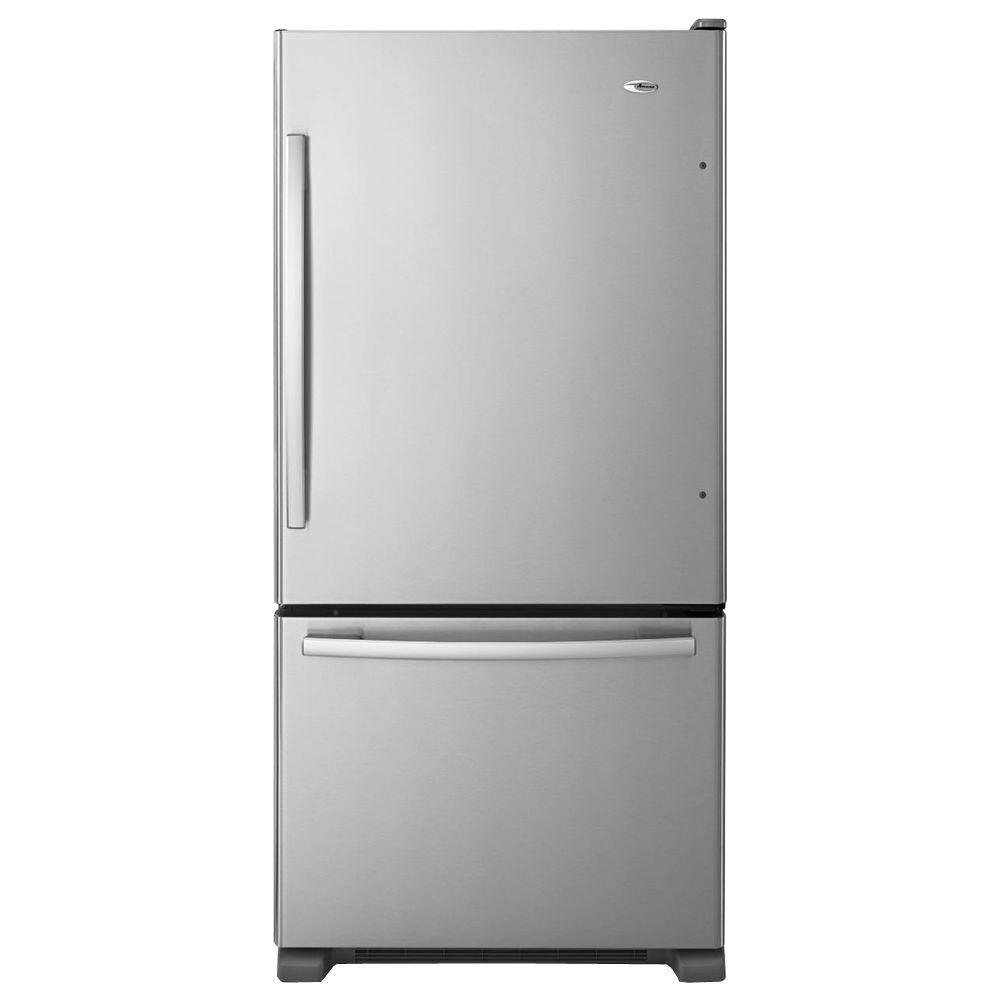
Temperature: The ideal fridge temperature for storing breastmilk is at or below 40°F (4°C).
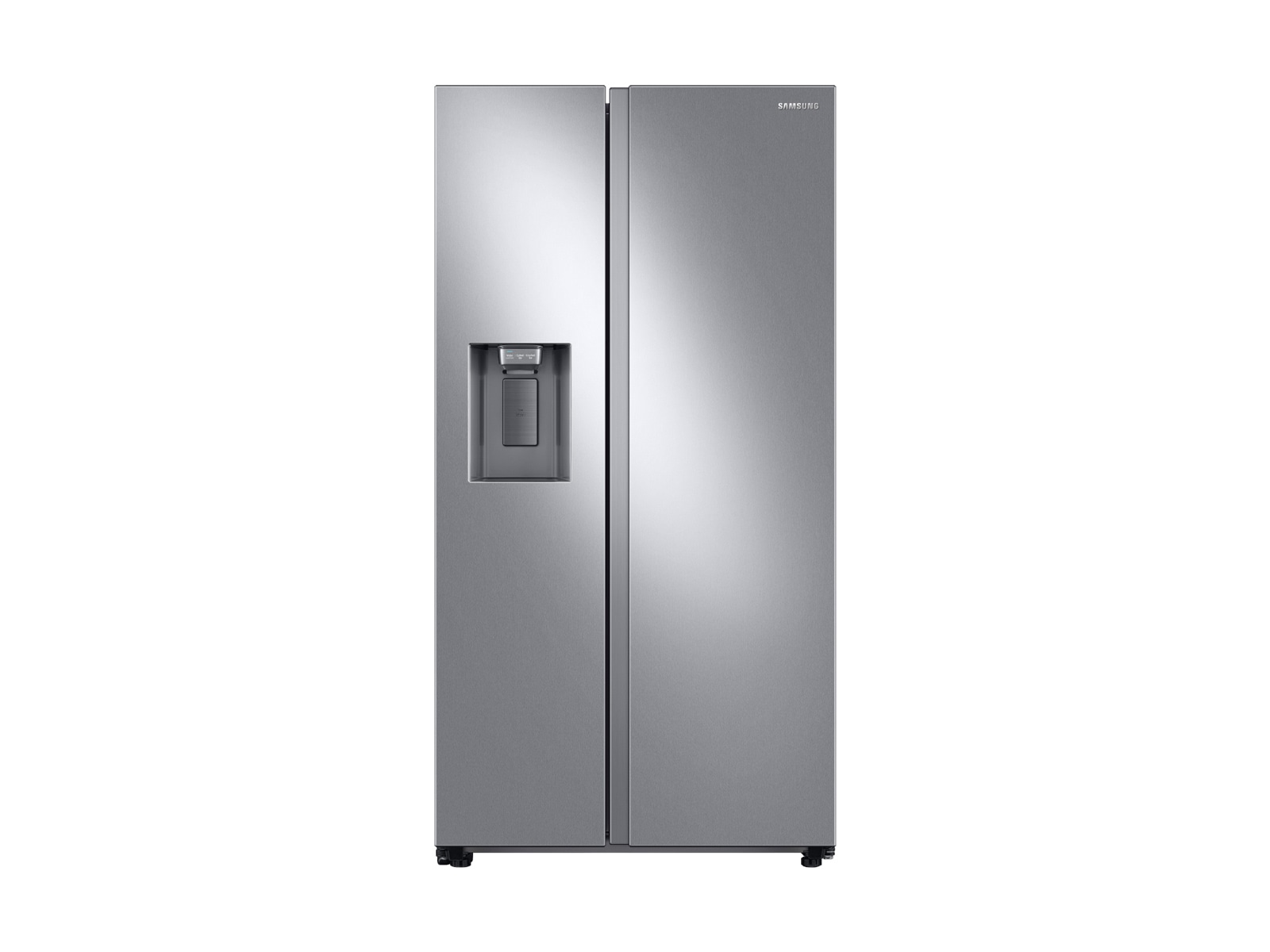
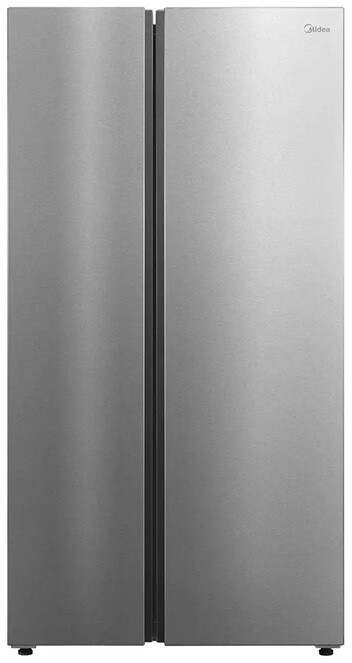
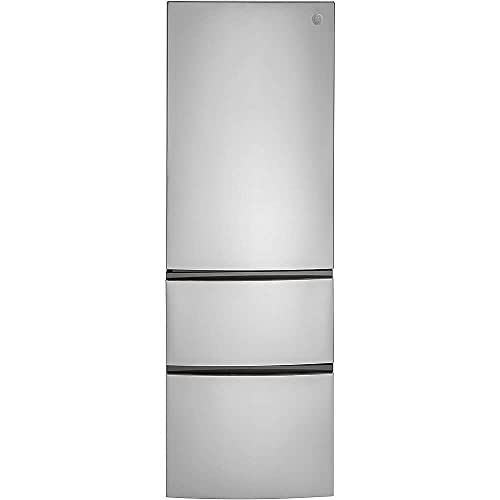
For fridge recommendations ideal for storing breastmilk, see our list of top refrigerators 2023.
Breastmilk stays good in the refrigerator for up to 4 days at or below 40°F (4°C), 4 to 6 hours at room temperature, and 6 to 12 months in a freezer at 0°F (-18°C) or colder.
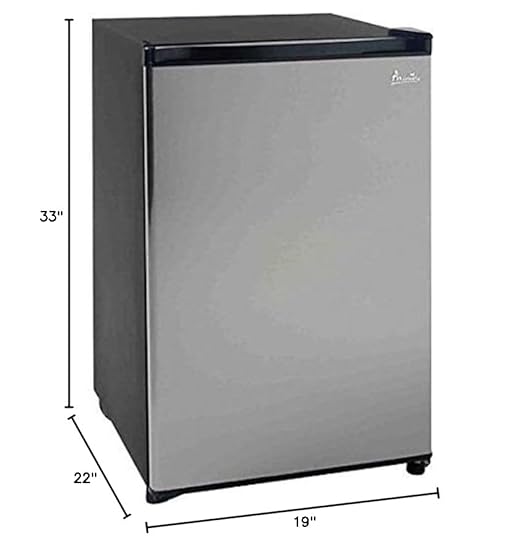
You can explore the best options for your home, whether it's a bar fridge, outdoor freezer, or an 80/20 fridge freezer, to ensure your breastmilk is stored at the correct temperature.
Breastmilk stays good in the refrigerator for up to 4 days at or below 40°F (4°C), 4 to 6 hours at room temperature, and 6 to 12 months in a freezer at 0°F (-18°C) or colder. Freshly expressed milk keeps longest, so refrigerate or freeze it as soon as possible after pumping, store it in clean food-grade containers or breastmilk storage bags, keep it toward the back of the fridge or freezer where the temperature is most stable, and always use the oldest milk first.
Factors Affecting Breastmilk Shelf Life
The longevity of breastmilk in the fridge is influenced by several factors:
Temperature: The ideal fridge temperature for storing breastmilk is at or below 40°F (4°C). You can explore the best options for your home, whether it's a bar fridge, outdoor freezer, or an 80/20 fridge freezer, to ensure your breastmilk is stored at the correct temperature.
Freshness: The fresher the breastmilk when it goes into the fridge, the longer it will retain its quality. Refrigerate breastmilk as soon as possible after expressing.
Storage Container: Using clean, food-grade containers with secure lids is essential. See Fridge.com article on refrigerator with screen, which can help monitor your storage conditions.
Power and Consistency: A consistent power supply keeps the refrigerator's temperature stable. Learn about handling power outages in Fridge.com guide on how long can a freezer go without power?
Hygiene: Wash your hands thoroughly and ensure all pumping equipment is clean and sterilized before expressing and handling breastmilk.
Always check your refrigerator's temperature with a reliable thermometer, and refer to our fridge temp guide for maintaining the optimal environment for breastmilk storage.
Store breastmilk at or below 40°F (4°C). This temperature range inhibits bacterial growth and helps keep the milk safe for consumption. For information on setting and maintaining your refrigerator temperature, see Fridge.com article on fridge temp. Keep milk toward the back of the fridge, not in the door, where the temperature is most consistent.
How Long Can Breastmilk Stay in the Fridge?
Freshly expressed breastmilk can be kept in the refrigerator for up to 4 days. Use or freeze the milk within this time frame to ensure it remains safe for your baby. The exact duration depends on the cleanliness of the storage container and how the milk was handled before refrigeration.
Here's a simple table to help you remember how long breastmilk can be stored:
Storage Location
Duration
Room Temperature (up to 77°F/25°C)
4-6 hours
Cooler with Ice Packs
24 hours
Refrigerator (40°F/4°C or colder)
Up to 4 days
Freezer (0°F/-18°C or colder)
6-12 months (best used within 6 months)
These are general guidelines, and it's always best to err on the side of caution. If you're uncertain about the quality of the stored milk, discard it rather than risk your baby's health.
For those looking to balance fridge and freezer space, consider options such as an 80/20 fridge freezer or fridge freezer combo models. If you need to store larger amounts of breastmilk, look into freezer freezer or outdoor freezer solutions for added capacity. Whether you're storing breastmilk in a bar fridge, tall refrigerators, or even a camping fridge freezer, the key is to keep it cold and use it within the recommended time frames.
Storing Breastmilk in the Freezer
Freezing extends breastmilk far beyond its refrigerator window. How long it lasts depends on the type of freezer and how stable its temperature stays. Milk kept in a single-door refrigerator's built-in compartment lasts only about 2 weeks, because the temperature fluctuates each time the fridge door opens. A freezer with its own separate door holds milk for 3 to 6 months, and a deep or chest freezer at -4°F (-20°C) or colder keeps it for 6 to 12 months. For the best quality and nutrient retention, use frozen breastmilk within 6 months even when a longer window is possible.
Freezer Type
Storage Duration
Freezer compartment inside a single-door refrigerator (variable temperature)
2 weeks
Freezer with a separate door (0°F / -18°C)
3-6 months
Deep or chest freezer (-4°F / -20°C or colder)
6-12 months (best used within 6 months)
Best Practices for Freezing Breastmilk
Freeze in small portions: Store milk in 2 to 4 ounce amounts to avoid waste and help it thaw quickly.
Leave headroom: Leave about an inch of space at the top of each container or bag, because breastmilk expands as it freezes.
Freeze bags flat: Lay storage bags flat to freeze. This saves space and speeds up thawing.
Freeze promptly: Freeze breastmilk as soon as possible after expressing to preserve its quality.
Label and date: Write the date of expression (and volume, or time if you pump several times a day) on each container using a waterproof label.
Rotate first in, first out: Place newer containers behind older ones and always use the oldest milk first.
Store toward the back: Keep milk in the coldest, most stable part of the freezer, away from the door.
Keep the freezer at 0°F (-18°C) or lower and confirm it with a freezer thermometer, since many units run warmer than the dial suggests. Minimize door openings and avoid overloading so air can circulate and the temperature stays consistent. For handling outages, read Fridge.com guide on how long can a freezer go without power?
Thawing and Using Frozen Breastmilk
Thaw frozen breastmilk in the refrigerator, in a warm water bath, or under running lukewarm water. Refrigerator thawing is slowest but best preserves quality. Never thaw or heat breastmilk in a microwave, which creates hot spots that can burn your baby's mouth and destroy nutrients.
Thawing Method
Time Required
Refrigerator thawing (4 oz container)
~24 hours
Warm water bath
20-30 minutes
Running lukewarm water
10-15 minutes
Once breastmilk has thawed, use it within 24 hours if kept in the refrigerator, or within 1 to 2 hours if left at room temperature. Never refreeze thawed breastmilk. Gently swirl the container to blend the separated cream layer rather than shaking vigorously, and check the temperature on the inside of your wrist before feeding.
Choose containers made of food-grade, BPA-free materials. Glass containers with tight-fitting lids or hard, BPA-free plastic containers are ideal. Breastmilk storage bags designed for this purpose also work, but avoid disposable bottle liners or plastic bags not intended for breastmilk.
Container Type
Benefits
Glass Containers
Chemical-free, durable, non-reactive
Hard Plastic Containers
Lightweight, shatterproof (ensure BPA-free)
Breastmilk Storage Bags
Pre-sterilized, space-saving
Consider the capacity and shape that best fit within your fridge or fridge freezer combo. For smaller spaces like a bar fridge or mini refrigerator, compact storage bags may be more practical.
Labeling and Dating Breastmilk Containers
Label and date breastmilk containers before placing them in the refrigerator. This helps you track freshness and use the oldest milk first. Write the date of expression and the baby's name (if the milk is going to a childcare provider) using a waterproof label or marker.
Information to Include
Example
Date of Expression
04/01/2023
Baby's Name (if applicable)
Baby Smith
This labeling system is especially important if you have multiple containers stored in a larger unit like an outdoor freezer or american fridge freezers.
Thawing Refrigerated Breastmilk Safely
Thaw breastmilk in the refrigerator rather than at room temperature. Plan ahead, as it can take several hours for the milk to thaw completely. To use the milk more quickly, place the sealed container under cool running water, gradually increasing the temperature to lukewarm. Never use a microwave to thaw or heat breastmilk, as this can create hot spots that could burn your baby's mouth and destroy nutrients. For more on managing your refrigerator's settings, see Fridge.com article on fridge temp.
Breastmilk is spoiled when it has an off smell, taste, or appearance. Fresh breastmilk can have a slightly sweet or soapy scent and a blueish or yellowish tint, and it naturally separates into a cream layer and a milk layer that swirl back together. Any dramatic change could signal spoilage.
Sign
Description
Smell
Sour or rancid, similar to spoiled cow's milk
Taste
Bitter or sour, unlike the slightly sweet taste of fresh breastmilk
Appearance
Clumpy or discolored, rather than a homogenous mixture
Consistency
Separation is normal, but failure to mix when gently swirled may indicate spoilage
If you notice any of these signs, discard the milk to avoid health risks to your baby. For more on choosing the right unit to extend shelf life, see Fridge.com article on fridge size.
Safety Precautions to Take with Spoiled Breastmilk
If you suspect stored breastmilk has spoiled, take these precautions:
Discard the Milk: Do not use breastmilk you believe is spoiled. Err on the side of caution and dispose of any milk showing signs of spoilage.
Clean Containers: Wash containers that held spoiled milk thoroughly with soap and hot water, or use a dishwasher to sanitize them before next use.
Monitor Your Baby: If your baby consumed milk you later suspect was spoiled, watch for signs of discomfort or illness and consult a pediatrician if you have concerns.
Proper Storage: Store breastmilk in the back of the refrigerator where the temperature is most consistent. For fridge recommendations ideal for storing breastmilk, see our list of top refrigerators 2023.
Label Milk: Always label breastmilk with the date it was expressed to track freshness and use the oldest milk first.
Guidelines for Using Stored Breastmilk
Using Stored Breastmilk for Feeding
Handle refrigerated breastmilk gently to preserve its nutritional and immunological properties. Always grab the oldest dated milk first, following the first-in, first-out principle so no milk goes beyond the recommended storage period. To prepare the milk:
Gently swirl the container to mix the separated fat without shaking vigorously, which can break down some of the milk's beneficial components.
Warm the milk to body temperature by placing the container in a bowl of warm water or using a milk warmer. Avoid the microwave, which creates hot spots and damages nutrients.
Reheating Breastmilk
If your baby doesn't finish a bottle, you can offer it again within 2 hours of the start of the feeding. After that, discard it to prevent bacterial growth. When reheating unused milk stored in the fridge:
Heat the milk to a comfortable feeding temperature, checking it on the inside of your wrist.
Stir or swirl the milk to ensure even heat distribution.
Discarding Unused Breastmilk
Discard any milk your baby does not finish after a feeding. If breastmilk has been stored longer than the recommended time frames, discard it. Here's a quick reference for breastmilk storage limits in the fridge:
Storage Location
Recommended Storage Duration
Refrigerator (40°F / 4°C or colder)
Up to 4 days
When in doubt, it's better to err on the side of caution. If the milk smells sour or seems off, throw it away. For more tips on safe food storage and refrigeration units that could suit your needs, check out Fridge.com articles on fridge freezer combo and integrated fridge freezer 70/30.
Freshly expressed breastmilk keeps for up to 4 days in a refrigerator at or below 40°F (4°C). Store it toward the back of the fridge, not in the door, and use or freeze it within that window.
How long does breastmilk last in the freezer?
Breastmilk lasts 6 to 12 months in a deep or chest freezer at -4°F (-20°C) or colder, 3 to 6 months in a freezer with a separate door at 0°F (-18°C), and only about 2 weeks in the compartment of a single-door refrigerator. For best quality, use it within 6 months.
How long is thawed breastmilk good for?
Once thawed, use breastmilk within 24 hours if kept in the refrigerator, or within 1 to 2 hours at room temperature.
Can you refreeze thawed breastmilk?
No. Never refreeze breastmilk that has already been thawed. Use it within the thawed time frames or discard it.
How long can breastmilk sit out at room temperature?
Freshly expressed breastmilk can stay at room temperature (up to 77°F/25°C) for 4 to 6 hours. In a cooler with ice packs, it keeps for about 24 hours.
Can you save breastmilk left over from a feeding?
You can offer a partially used bottle again within 2 hours of the start of the feeding. After that, discard it, because bacteria from your baby's mouth can grow in the milk.
How much breastmilk should I freeze at a time?
Freeze in small 2 to 4 ounce portions to reduce waste and speed thawing, and leave about an inch of space at the top of each container because breastmilk expands as it freezes.
How can you tell if breastmilk has gone bad?
Spoiled breastmilk smells sour or rancid, tastes sour, and may look clumpy or fail to swirl back together after separating. When in doubt, throw it out.
Compare prices on Fridge.com
Compare current prices and specifications on Fridge.com, then buy from the retailer you choose; delivery, installation and warranty terms are the retailer’s.
It also has tons of awesome articles about kitchen stuff and home news. Enhance your home, garage, backyard, patio, and office with the coolest essentials. With every necessary type of residential refrigerator or freezer in the collection, you're covered.
Frequently Asked Questions
Freshly expressed breastmilk can be kept in the refrigerator for up to 4 days. Use or freeze the milk within this time frame to ensure it remains safe for your baby. The exact duration depends on the cleanliness of the storage container and how the milk was handled before refrigeration. Here's a simple table to help you remember how long breastmilk can be stored:. Storage Location.
Duration.
.
Room Temperature (up to 77°F/25°C).
4-6 hours.
.
Cooler with Ice Packs.
24 hours.
.
Refrigerator (40°F/4°C or colder).
Up to 4 days.
.
Freezer (0°F/-18°C or colder).
6-12 months (best used within 6 months).
. These are general guidelines, and it's always best to err on the side of caution. If you're uncertain about the quality of the stored milk, discard it rather than risk your baby's health. For those looking to balance fridge and freezer space, consider options such as an 80/20 fridge freezer or fridge freezer combo models. If you need to store larger amounts of breastmilk, look into freezer freezer or outdoor freezer solutions for added capacity. Whether you're storing breastmilk in a bar fridge, tall refrigerators, or even a camping fridge freezer, the key is to keep it cold and use it within the recommended time frames.