Ice cream spoilage science
If you’ve ever found yourself staring at a slowly slurping scoop of mint chocolate chip on a hot afternoon, you might wonder how long can ice cream sit out freezer without going bad? Whether you’re entertaining friends in your backyard or scooping dessert after dinner, it helps to know when that creamy treat is still safe and when it’s best to toss.
Ice cream is more than sugar, fat, and flavor. It’s an emulsion of dairy, air, and ice crystals held together by stabilizers. When it stays rock-solid, everything stays in balance. Once it melts, two things happen: bacteria can start to grow if temperatures climb above safe levels, and the texture starts to break down. Let’s look at what triggers spoilage and why that matters for your pint or tub.
What causes spoilage
- Bacterial growth: Dairy is a breeding ground for bacteria once it warms past 40°F
- Separation: Fat and water separate, leading to a grainy or icy texture
- Oxidation: Exposure to air can change flavor, making it taste stale or “off”
- Freezer burn: Ice crystals form on the surface, sucking moisture from the product
Role of ingredients
Different ice creams spoil at different rates. Premium brands with higher fat content resist melt-through longer, while lighter, low-fat or dairy-free versions may break down more quickly. Add-ins like nuts or fruit can also change the timeline, sometimes trapping moisture or introducing extra bacteria at the moment of churning.
Safe sitting durations
Knowing how long ice cream can sit out of the freezer before it goes bad is key to worry-free entertaining. Here’s a simple breakdown:
At room temperature
- 20 to 30 minutes: Ideal window for serving most ice creams
- 30 to 45 minutes: Texture may soften excessively but still safe if it hasn’t warmed above 40°F
- Over 45 minutes: Risk of bacterial growth increases if left on a warm counter
Under shade vs direct sun
Heat exposure makes all the difference. In direct sunlight on a 75°F day, your scoop could go from solid to soupy in 10 minutes. In a shady spot or air-conditioned kitchen, you might stretch your safe serving window by another 10 to 15 minutes.
Table: Safe serving times at various temperatures
| Ambient temp | Soft-serve window | Safety threshold |
|---|---|---|
| 65°F | 30–45 minutes | 60 minutes |
| 75°F | 20–30 minutes | 45 minutes |
| 85°F | 10–20 minutes | 30 minutes |
Remember, the USDA recommends discarding perishable dairy products left above 40°F for more than two hours. Ice cream’s sugar and fat slow bacterial growth a bit, but don’t treat that as a free pass for marathon scooping sessions.
Factors affecting spoilage
Not all serving situations are the same. These factors can speed up or slow down how long you can safely leave ice cream out.
Ambient temperature
Warmer rooms mean faster melt and quicker bacterial growth. If you’re serving ice cream in a steamy kitchen after cooking, aim to serve within 20 minutes.
Container type
- Cardboard cartons lose cold faster than hard plastic tubs
- Wrapped pint containers can insulate slightly better than wide bowls
- Portion-control cups keep scoops colder longer since there’s less surface area exposed
Ice cream composition
- High-fat, premium ice creams hold structure longer
- Light or “no sugar added” varieties have more moisture and melt faster
- Dairy-free or sorbet may thaw and refreeze with a grainier texture
Serving utensils
Scoops or spoons warmed by dishwashers can speed melting. Rinse tools in cold water before scooping for a slower melt.
Identify spoilage signs
Even if you nail your timing, always check your ice cream before handing out bowls. Here’s what to look for:
- Off smell: Sour or rancid odors mean bacteria have set in
- Grainy texture: Large ice crystals or a sandy mouthfeel indicate refreeze cycles or freezer burn
- Separation: Excess liquid pooling around solids is a red flag
- Discoloration: Any yellowing or dark spots signal spoilage or freezer burn
If you spot any of these, better to err on the side of caution and scoop out a fresh portion.

Protect ice cream longer
Want to keep scoops looking perfect when you entertain? Try these tricks to slow down melting and spoilage.

Use chilled serveware
Pop bowls or dessert glasses in the freezer for 10 to 15 minutes just before serving. Cold surfaces slow transfer of heat to your ice cream.
Try insulated carriers
- Insulated serving trays or baskets with gel packs below your pints
- Vacuum-sealed coolers set to “ice cream” mode if you’re outside
- Portable gel-pack coolers for backyard barbecues or RV trips
Pre-scoop portions
Scoop out single-serve balls onto a chilled baking sheet then transfer quickly to guests. Smaller balls melt slightly faster, but they look neat and limit exposure time for the rest.
Control portion sizes
Offer sample spoons or mini cones so guests aren’t tempted to nibble on a big scoop that sits around warming.
Store melted leftovers
Life happens, and sometimes that pint melts quicker than you planned. If your ice cream has only partially melted and stayed below 40°F, here’s how to handle it:
Repack and refreeze
- Use an airtight container
- Remove any liquid puddle on top, pouring it out gently
- Press plastic wrap directly onto the surface to minimize air
- Refreeze at 0°F or colder
Expect some texture change—melt-refreeze can lead to bigger ice crystals and a slightly grainier mouthfeel.
Understand texture changes
Even with careful repackaging, ice cream usually loses that silky smooth consistency after melting and refreezing. Save refrozen leftovers for milkshakes, smoothies, or baking applications where texture matters less.
Choose the right freezer
If you’re serious about long-term ice cream enjoyment, your freezer choice matters. Here’s what to consider before upgrading.
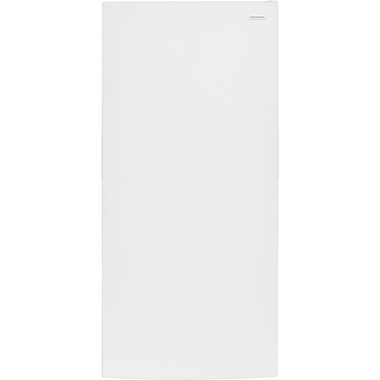
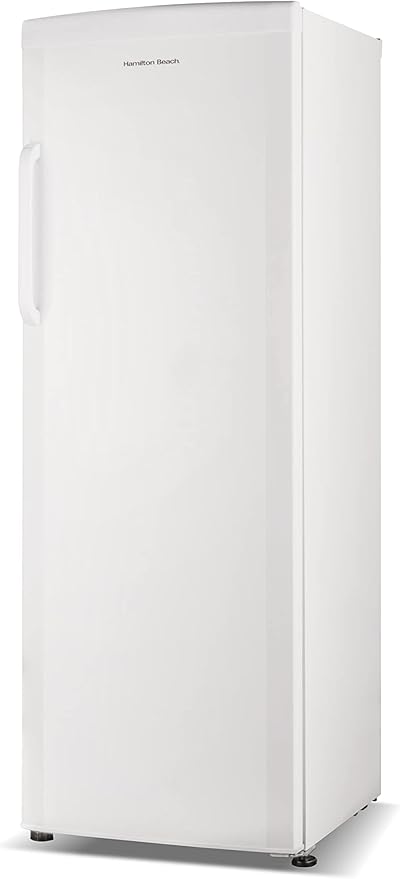
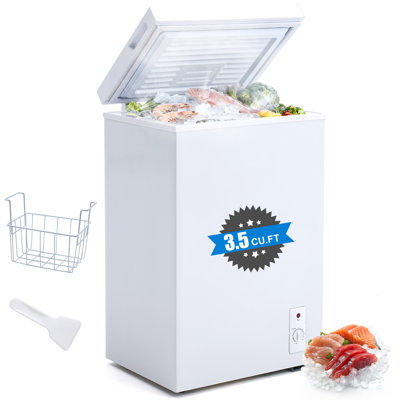
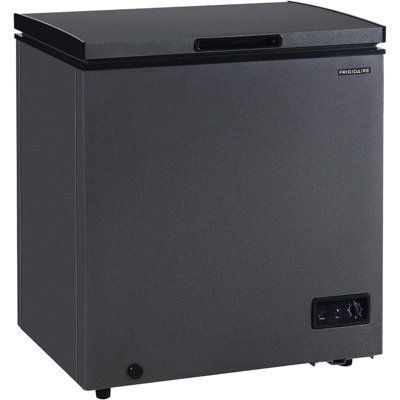
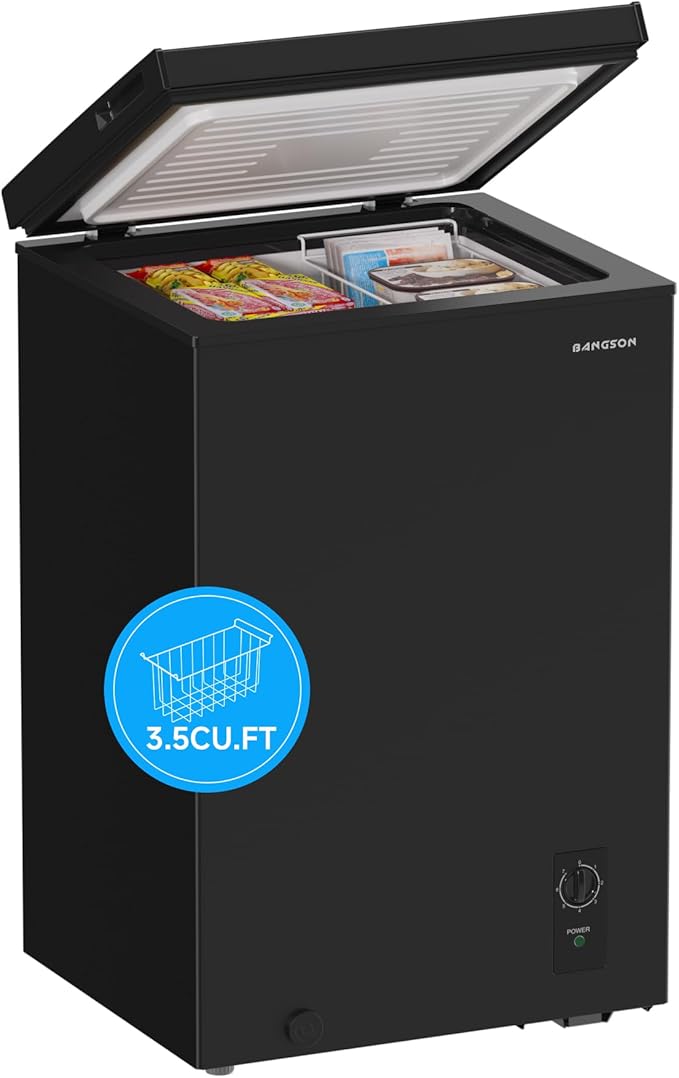
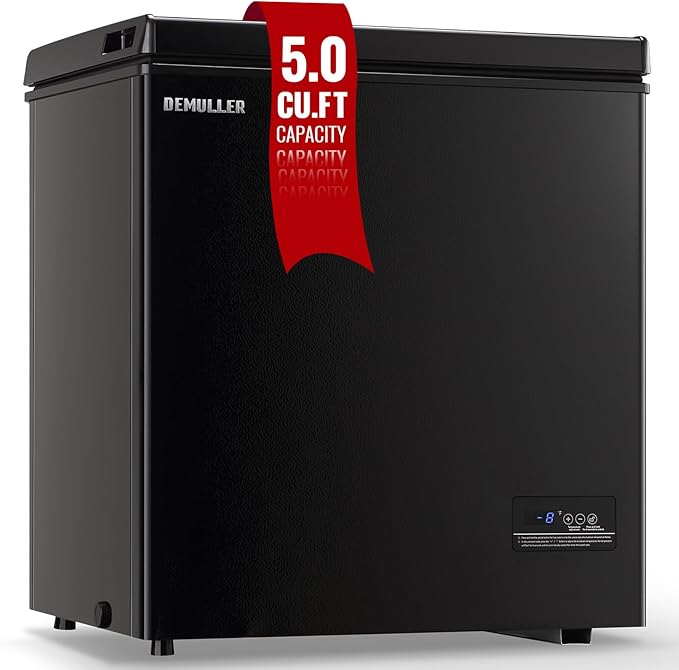
Chest freezer vs upright
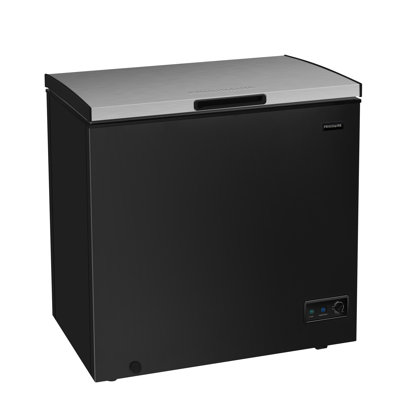
Chest freezer
- Keeps temperature more stable
- Less air exchange when you open the lid
- Generally more energy efficient
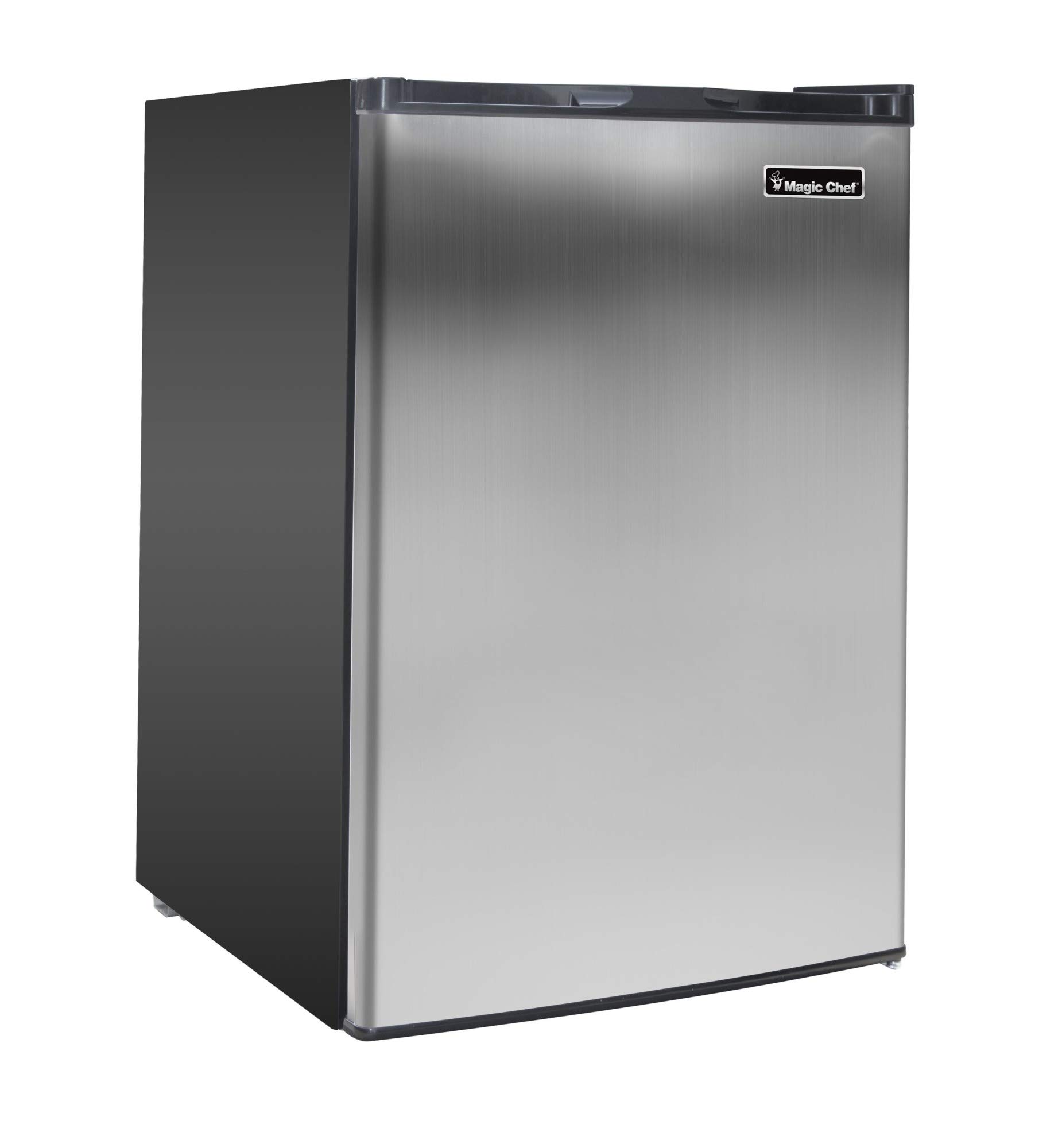
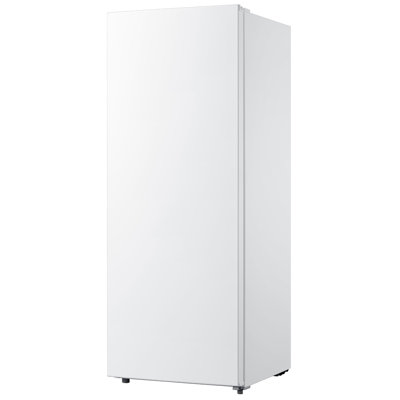
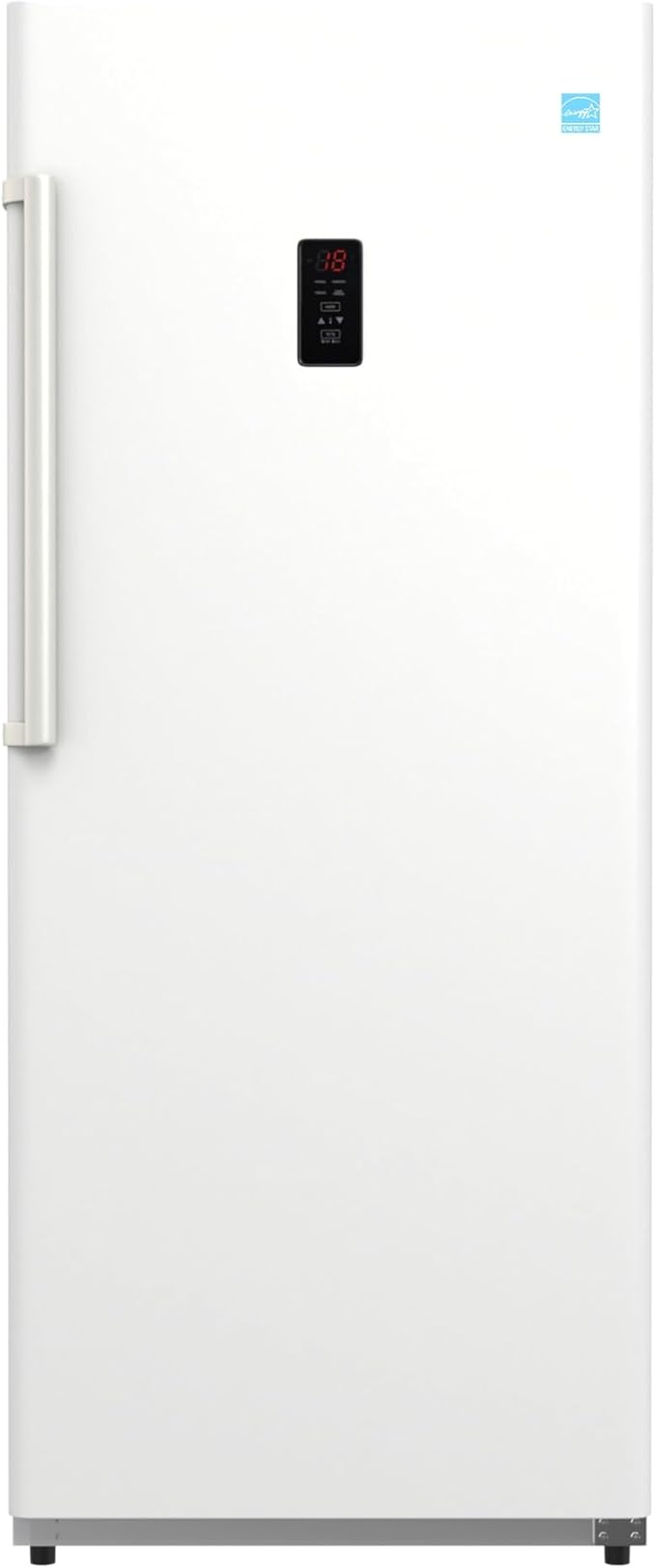
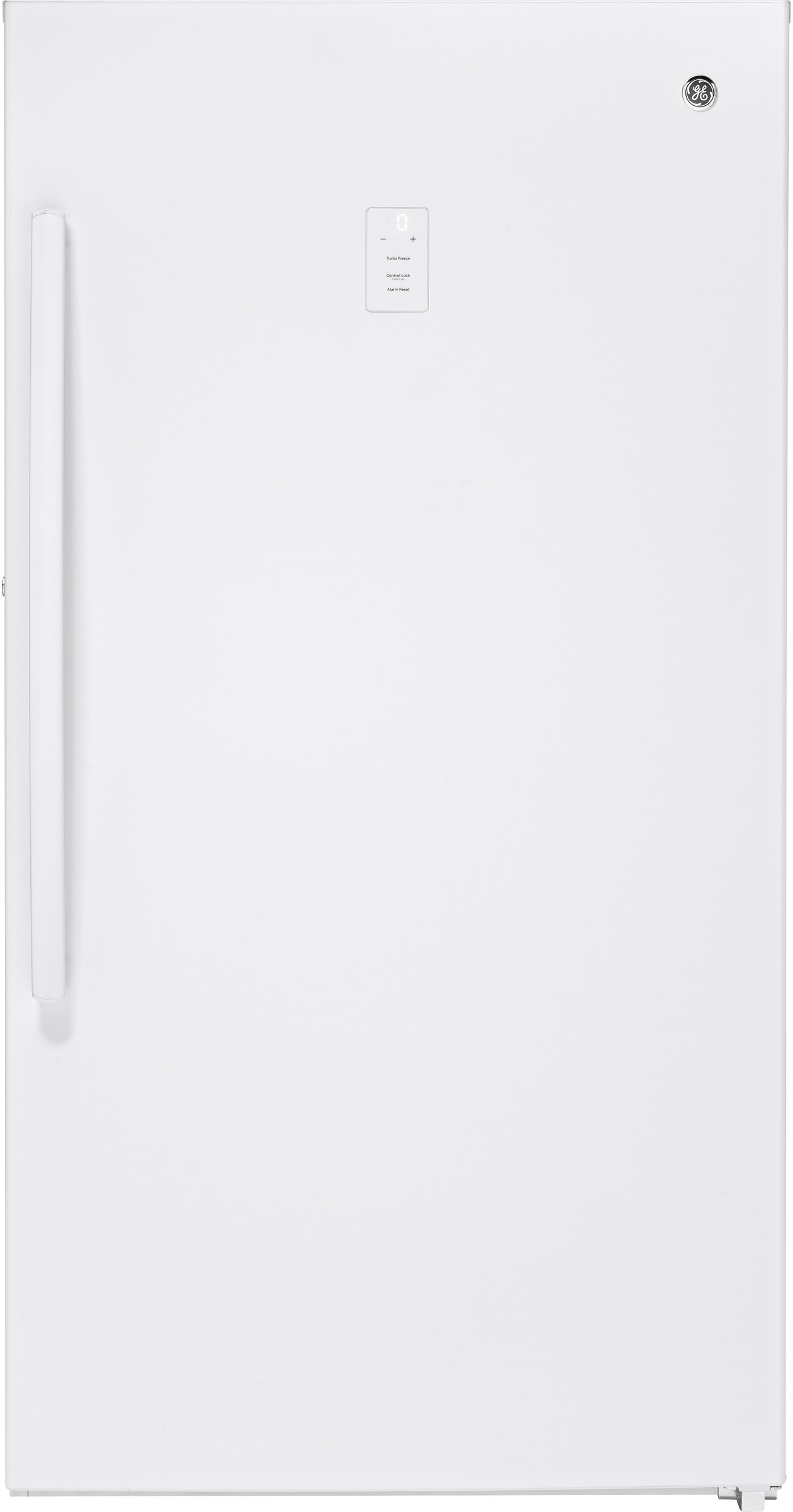
Upright freezer
- Easier access and organization
- Better fit for kitchens with limited floor space
- Often comes with built-in door shelving
Look for temperature control
- Digital thermostat for precise settings
- Fast-freeze mode to lock in ice crystal structure after major restocks
- Interior lights help you find that pint of rocky road quickly
Freezer comparison table
| Feature | Chest freezer | Upright freezer |
|---|---|---|
| Temperature stability | Excellent | Good |
| Energy efficiency | Very high | High |
| Space efficiency | Takes more floor | Uses vertical |
| Organization | Bins and baskets | Shelves and doors |
| Average price | $$ | $$$ |
If you’re ready to upgrade, buy at Fridge.com for a wide range of models tailored for ice cream aficionados and serious meal-preppers alike.
Final key takeaways
Knowing how long ice cream can sit out freezer without going bad gives you the confidence to serve dessert without worry. Remember these essentials:
- Serve most ice creams within 20 to 30 minutes at room temperature
- Watch for signs of spoilage: odor, texture changes, separation
- Use chilled bowls, gel packs, or insulated carriers to slow melt
- If you do refreeze, expect a slight texture shift—perfect for shakes and baking
- Choose a freezer with stable temperatures and digital controls for the best long-term results
With these tips you can indulge in every scoop, host worry-free get-togethers, and keep your freezer stocked for family, friends, and spontaneous dessert cravings. Enjoy that ice cream bliss, one perfectly chilled bite at a time!