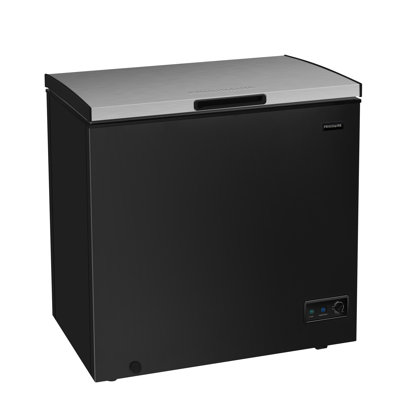
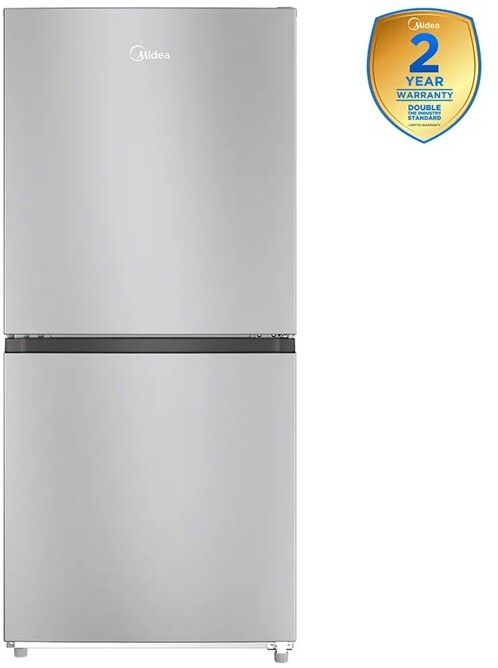
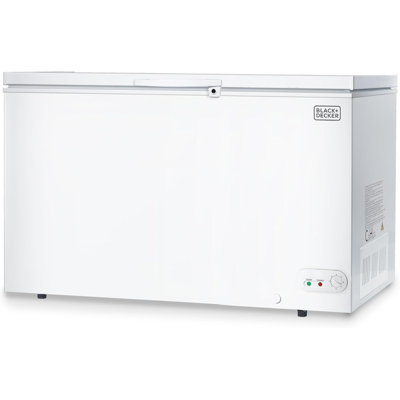
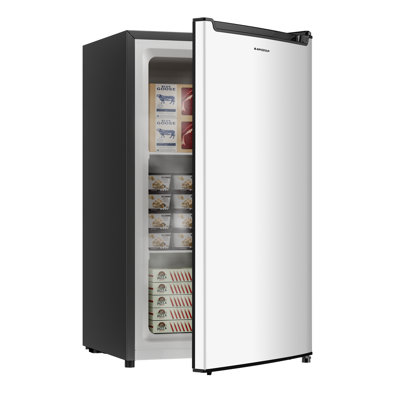
Keeping track of your freezer's health is like keeping an eye on your car's gas gauge—better safe than sorry, right? Here’s when you might want to think about trading in that old icebox.
Ice Party: Frost Build-Up
If you open up your freezer and you're greeted with a scene straight out of "Frozen," something's up. We've all seen a sprinkle of frost here and there—especially if the door gets a workout—but when it feels like Elsa's been hanging out in your kitchen, you’ve got a problem. That extra frosting is bad news for insulation and can make your trusty freezer work way too hard.
Frost Severity
What's Going On?
What to Do?
Light Frost
Just normal moisture
Keep an eye on it
Moderate Frost
Stuffed too full or seal isn't sealing
Check those seals!
Heavy Frost
Probably not defrosting right
Time to think about a new one
Temperature Twerking: Up and Down Up and Down
Your freezer playing fast and loose with temperatures? It's supposed to chill like a cucumber at 0°F (-18°C), not bounce around like a yo-yo. If your ice cream's suddenly soft or turning into a brick, it might be a sign of a compressor going kaput or other issues that mean it's quit on you.
If your freezer’s making more noise than a rock concert, it’s trying to tell you something. A little hum can be music to your ears—normal machinations at work. But if it starts clanking and banging like an old jalopy, your motor might be waving a white flag.
Noise Type
What It Means
What to Do About It
Gentle Hum
All good here
Kick back, relax
Click Click Boom
Minor motor grumble
Keep listening
Rattle and Roll
Major headache
Probably time for a swap out
Catching these not-so-fun symptoms—frost overload, erratic temperatures, and noise pollution—can help you decide if a new freezer is in your future. For a peek at keeping your existing fridge in mint condition, check out how to deep clean your fridge.
Wondering if your freezer is past its prime? Let’s break down what to watch for, so you don’t end up with mystery freezer pops.
Food Spoilage
Is ice cream turning into a slushy mess? If frozen foods are fast becoming science experiments, your freezer might not be pulling its weight. Those pesky ice crystals and frostbitten chicken are red flags for improper cooling. Here's a handy guide for how long you can stash foods at zero degrees Fahrenheit:
Food Type
Ready-to-Toss Date
Ground meat
3-4 months
Whole chicken
1 year
Fatty fish
2-3 months
Blanched veggies
10-12 months
Keep tabs on food grooves—if they taste funky or seem snowed in, it's time to sleuth it out.
Inefficient Cooling
Patchy cooling is a no-go. To check if your freezer's playing it cool, pop a thermometer inside. The magic number is 0°F. If it’s skirting that line, your freezer might be slipping:
Temperature (°F)
Food Preservation
0°F and lower
Top-notch
10°F
Tango with spoilage
20°F
Quality takes a nosedive
Spot a temp in the warm zone? It might be a sign your freezer’s mechanical bits are calling it quits.
Excessive Energy Consumption
Spike in those bills? It could be that your old freezer’s acting like a power-hungry teenager. Keep an eye out:
Signs of Energy Guzzling
Action Plan
Utility bills on the rise
Peek at the energy rating
Feeling warm to the touch
Might be losing its cool vibes
Ever-humming motor
Potential compressor drama
Thinking about an upgrade? Check out Fridge.com guide on picking a slick energy-saver with the oomph to save you cash. Keep these pointers in mind, and you'll know when it's time to find a new freezer that treats your frozen groceries like royalty.
Figuring out how old your freezer is and noticing its wear can help you decide when to retire it. Over time, freezers might start to show their age by not working as well as they used to.
Lifespan of Freezers
Usually, freezers stick around for 10 to 20 years, but it depends on the type and how you've taken care of it. Here's a quick look at the lifespan of different freezers:
Freezer Type
Average Lifespan (Years)
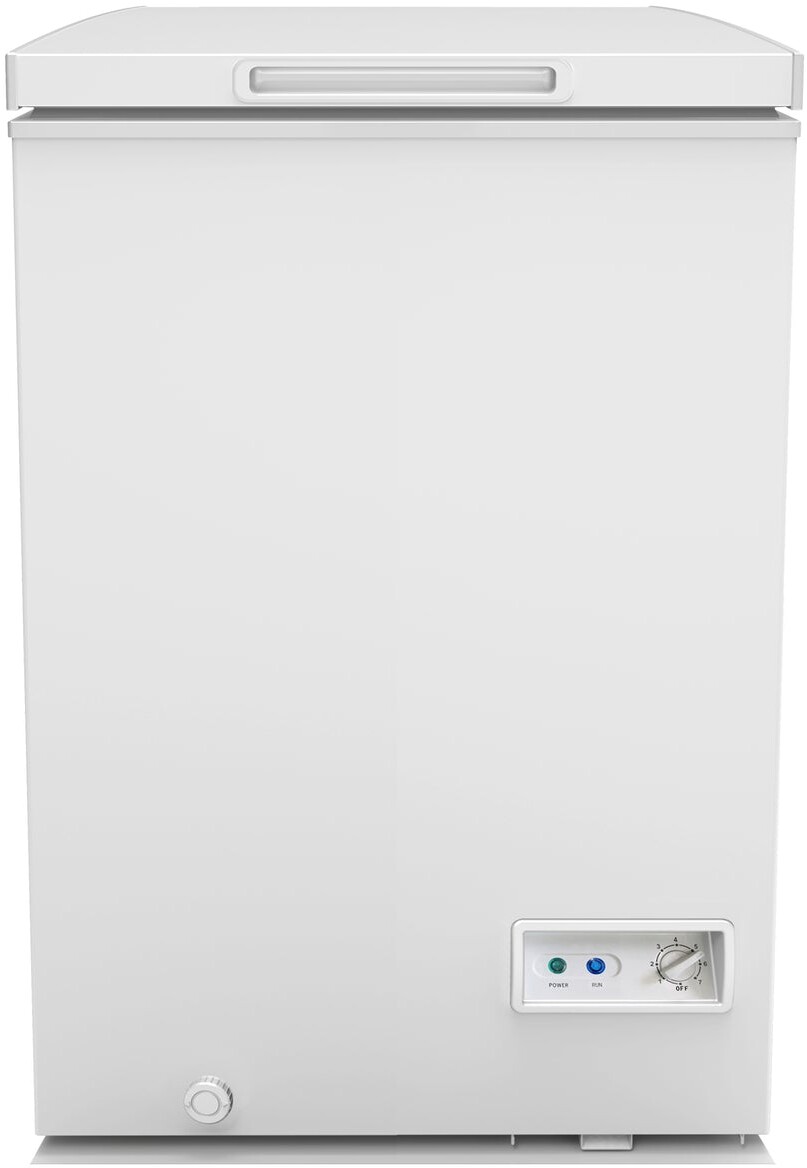
Chest Freezer
15 - 20
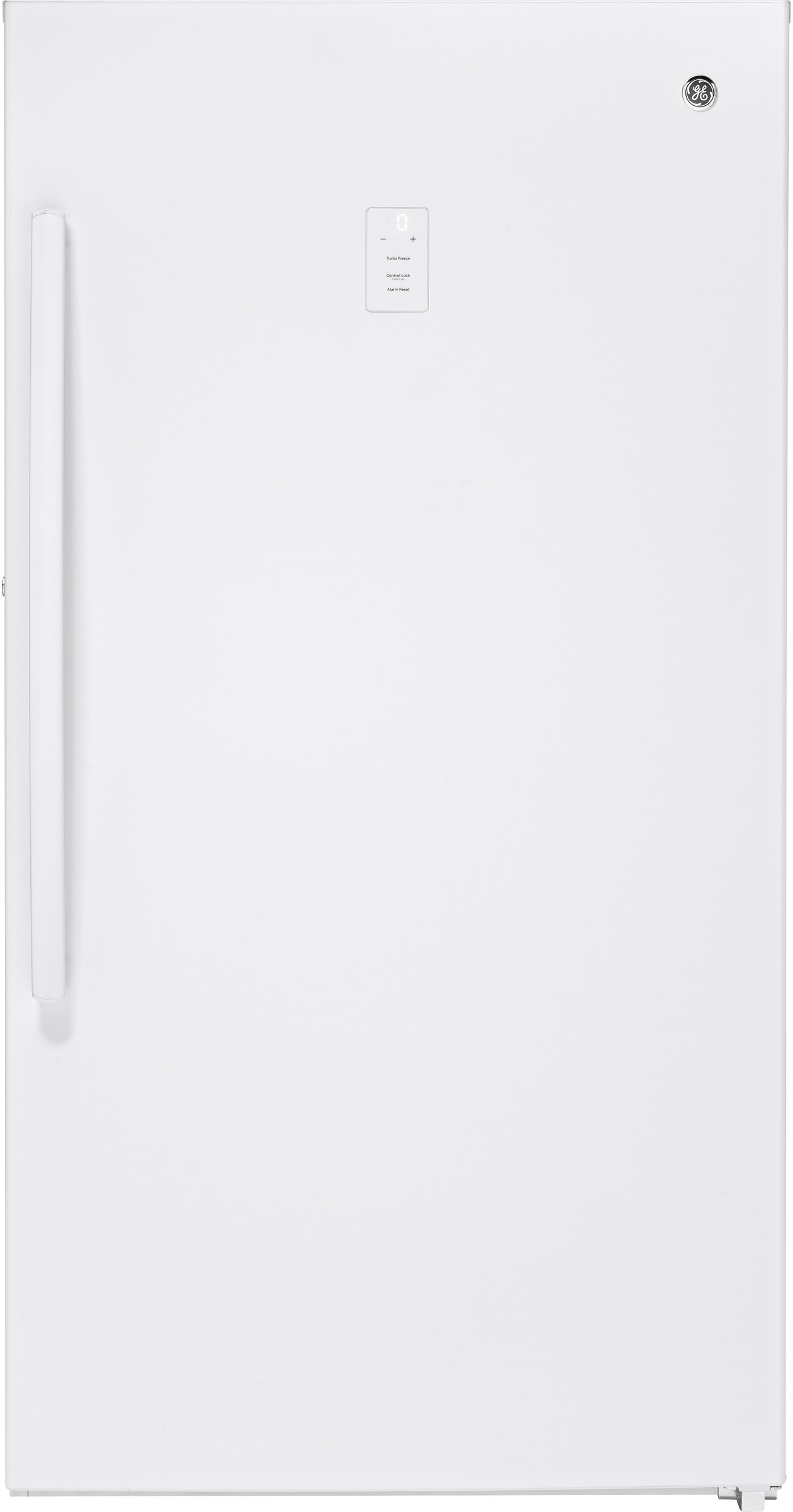
Upright Freezer
10 - 15
Mini Freezer
5 - 10
If you're reaching those years or past them, maybe it's time to think about a new one. Check out our shop mini freezer area to find out more about different models.
Wear and Tear
Using your freezer daily can wear it out, affecting how well it keeps things cold. Look out for these signs:
Interior Trouble: Any cracks or dents inside can mess with the temperature.
Door Trouble: If the seals on the door are worn, you might see more frost or feel a draft, making the freezer work harder.
Cooling Trouble: Not cooling like it used to? That might be a sign of trouble with the compressor or other parts.
These problems can make your energy bill climb. If you think your freezer’s wear is causing these issues, check out our guidance on whether to fix or replace it in the repair Vs. replace section.
Keeping an eye on these things helps you know if you need an update to a more reliable freezer, especially if you’re frequently packing it with grub for friends or family. Regular checks on your freezer's health can make sure it stays in tip-top shape.
Thinking about whether to keep that old clunker of a freezer or jump to a shiny new model? Efficiency should top your list. New freezers not only help you save on energy but come packed with nifty features that'll make your life easier and give Mother Nature a hug.
Energy Efficiency Ratings
All those numbers and letters might seem like gibberish, but they're worth knowing when picking a new freezer. These energy efficiency ratings tell you how power-hungry an appliance is, compared to others. They rate from A to G, with A being the superstar of saving.
Check out this handy chart for quick reference:
Rating
Description
Energy Consumption
A+++
Super saver
Low
A++
Pretty good
Moderate
A+
Decent
Average
B
So-so
Above average
C
Meh
High
D
Power guzzler
Very high
E to G
Yikes!
Excessive
Swapping out your old icebox for an A-rated model can cut your power bills down to size. Your wallet will thank you, especially if the old one’s been around since the Ice Age. Got more questions about energy savers? Check out how long should a compressor last on a refrigerator.
Modern Features
Today's freezers aren't just cold boxes; they're smart, efficient sidekicks. Check out some cool features they offer:
Frost-Free Fun: Kiss goodbye to the ice pick and manual defrosting.
Adjustable Shelves: Find room for everything from cheesecake to lasagna.
Brainy Tech: Control your freezer with your phone, because why not?
Temperature Tweaks: Keep your veggies crispy and your steaks icy with custom settings.
LED Lights: Brighten up your grub hunt without wasting juice.
These bells and whistles make finding and preserving food a breeze. If you're cooking up storms for Sunday dinners or hosting your book club, a modern freezer's efficiency can be the game-changer in your kitchen life. Peek at more perks in Fridge.com piece on best mom friendly fridges.
Whether it's for feeding the crowd at a shindig or just making dinner for the fam, today's freezers bring that efficiency and pizzazz you need to get your culinary groove on.
Considerations Before Replacing
When you're wondering if it's time to ditch the old freezer, remember that there's more than just its performance to think about. You need to juggle repair possibilities, budget constraints, and your eco-consciousness, which can all sway your decision.
Repair Vs. Replace
Before tossing your trusty freezer to the curb, take a minute to weigh your choices. Sometimes a little TLC can make a world of difference - like fixing those funky noises or frost layers that pop up.
Here's a quick cheat sheet to help you figure out whether to stick with what you've got or splurge on a newbie:
Issue
Repair Cost Estimate
Replacement Cost Estimate
Recommendation
Frost Build-Up
$100 - $200
$300 - $2,000
Repair (if minor)
Temperature Fluctuations
$100 - $150
$300 - $2,000
Repair (if minor)
Strange Noises
$50 - $150
$300 - $2,000
Repair (if minor)
If you find yourself staring at a repair bill that's bigger than expected or if the freezer's been around since flip phones were cool… well, maybe it's time to explore new options.
Budget Breakdown
Your wallet's gonna have a say in this too. Count not just the cost of the freezer, but also what it takes to get it home, installed, and running smoothly. And let's not forget those sneaky future energy bills. Here’s the break down of what you might spend:
Freezer Type
Price Range
Chest Freezer
$200 - $1,000
Upright Freezer
$300 - $1,500
Compact Freezer
$150 - $500
Mini Freezer
$100 - $300
Ponder whether going green with an energy-efficient model might lighten your bills over the years. If you're eyeing mini freezers, head over to our shop mini freezer guide to find one that suits you best.
Eco-Friendly Choices
For those who lose sleep over their carbon footprint, snagging an eco-minded freezer can feel like doing the planet a solid. Seek out high-efficiency ratings. These babies not only cut down on energy use but also on guilt.
Things to search for if you’re going green:
Energy Star Certification: Means your purchase meets top efficiency standards.
Recyclable Materials: Some units are made from materials that don’t just end up in a landfill.
Low GWP Refrigerants: Cuts down on those nasty greenhouse gas emissions.
Going eco-friendly isn't just about hugging trees. It can be the responsible choice, leaving behind a feel-good sensation. Curious on how to keep your freezer running in top condition? Check out how to keep your garage refrigerator odor free for cool tips.
With all this under your belt, you should have a fine-tuned sense of whether to give your old freezer some love or show it the door. Either way, you'll be ready to chill—literally—with friends and family, content that your choice plays nicely with your lifestyle and budget.
Keepin’ your freezer in tip-top shape makes sure your food stays fresh and your appliance lives a long, chilled life. Here’s a cozy guide with some trusty tips for cleaning, organizing, and the regular upkeep of your freezer buddy.
Cleaning and Defrosting
You gotta keep things clean and fresh. Here's the lowdown on the right way to give your freezer a bath:
Unplug the Freezer: Safety first! Pull the plug before you start cleaning. We don’t want any shocking surprises.
Empty the Contents: Clear everything out. Maybe pop your goodies in a cooler so they don’t thaw while you’re busy cleaning.
Melt the Ice: If you’ve got frost turning your freezer into an iceberg, let it drip away. Speed things up with a bowl of hot water - it's like giving your ice the spa treatment.
Soap It Up: Grab some warm water and mild soap to gently scrub inside. Harsh stuff’s a no-no ‘cause they can scratch and damage the insides.
Dry All the Things: Make sure every corner is dry before loading it back up and turning it on again. Wet is not welcome in freezers.
Pop over to Fridge.com handy guide on how to deep clean your fridge for more scrubbing secrets.
Organizing for Efficiency
Avoid a messy meltdown in your freezer with these smart organization tricks:
Category
Chill Factor (Temperature)
Meat & Poultry
At or below 0°F
Vegetables
At or below 0°F
Prepared Meals
At or below 0°F
Ice Cream
Between -10°F and 0°F
Groupies Unite: Put all meats together and veggies in their own section, same for meals. Makes grabbing stuff easy-peasy.
See-Through Stash: Use clear boxes or bags with labels. Helps you spot things quickly and cuts down on food forgetting.
First In, First Out: Just like a polite line, use the oldest items first so nothing gets left behind.
Tracking Cheats: A little whiteboard or notepad on the door lets you keep tabs on what’s inside, so you don’t play peek-a-boo every time.
To keep your freezer running smooth, don’t forget these maintenance moves:
Temperature Check: Measure the chill with a thermometer. Adjust the controls if things start heating up.
Dust Those Coils: Fluffy coils mean your freezer works harder. Give them a quick sweep every few months for best performance.
Seal the Deal: Examine door seals for any holes or tears. A tight seal locks in chill and saves energy. Swap out crusty seals if needed.
Leak Laughs: Spot any puddles? Fix those leaks fast to avoid bigger issues later on.
These friendly tips on cleaning, organizing, and checking up on your freezer will help it last as long as possible. Catch problems early and know when it’s time to part ways with an old freezer. For more freezer know-how, check out the links sprinkled in this guide!
From Fridge.com research
Figures below come from data Fridge.com builds and maintains. Each links to the record behind it.
Fridge.com Energy Index, built on U.S. EPA and DOE ENERGY STAR records
Across 5,455 ENERGY STAR certified refrigerators and freezers from 263 brands, median use is 360 kWh per year.