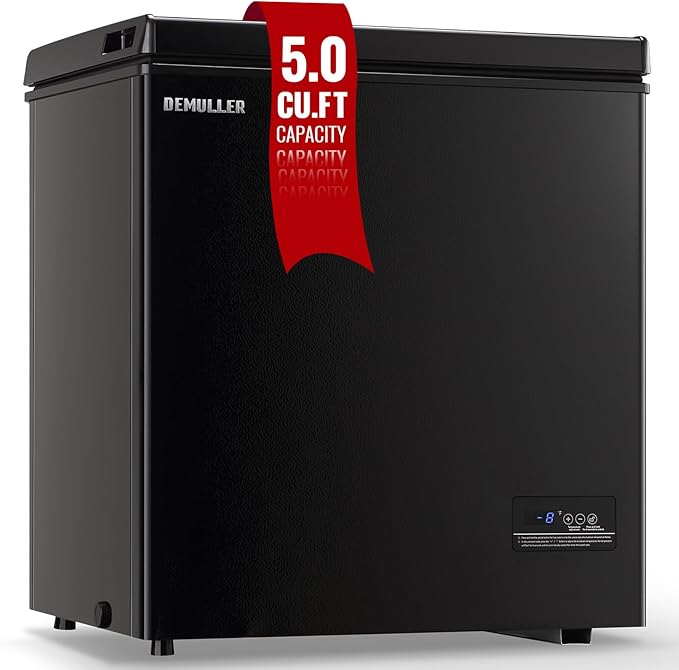
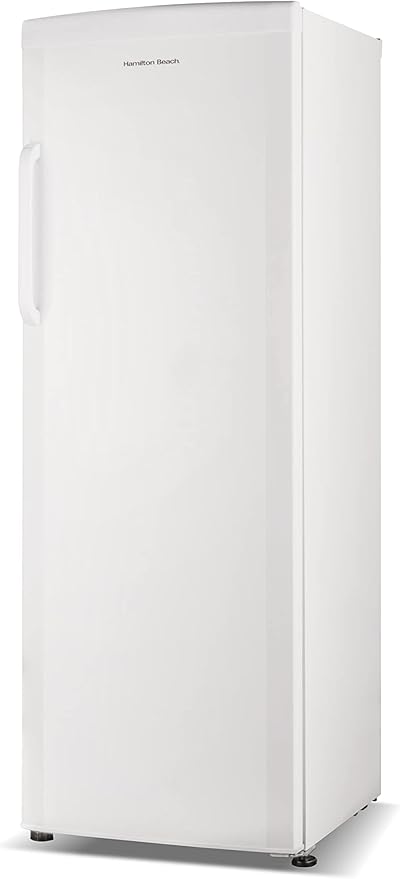
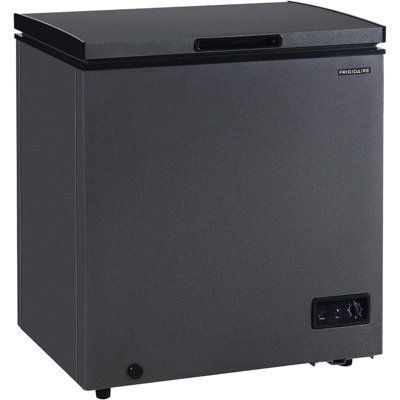
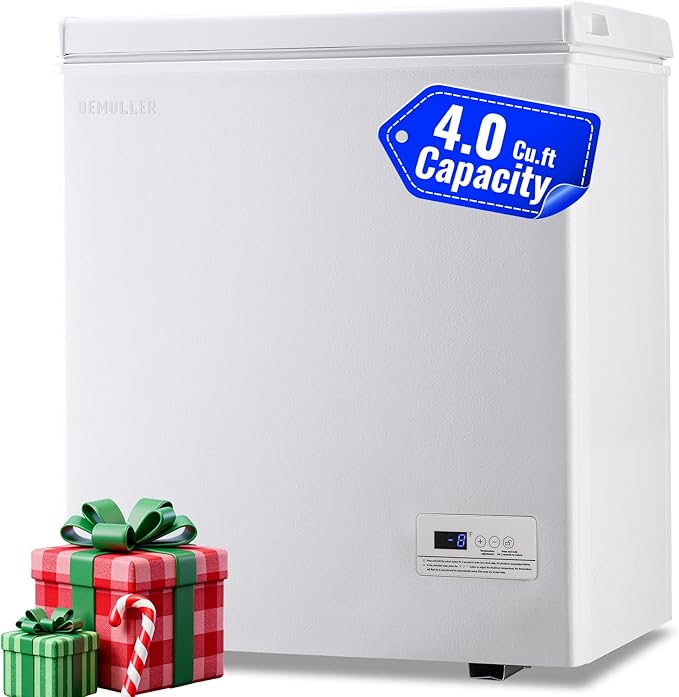
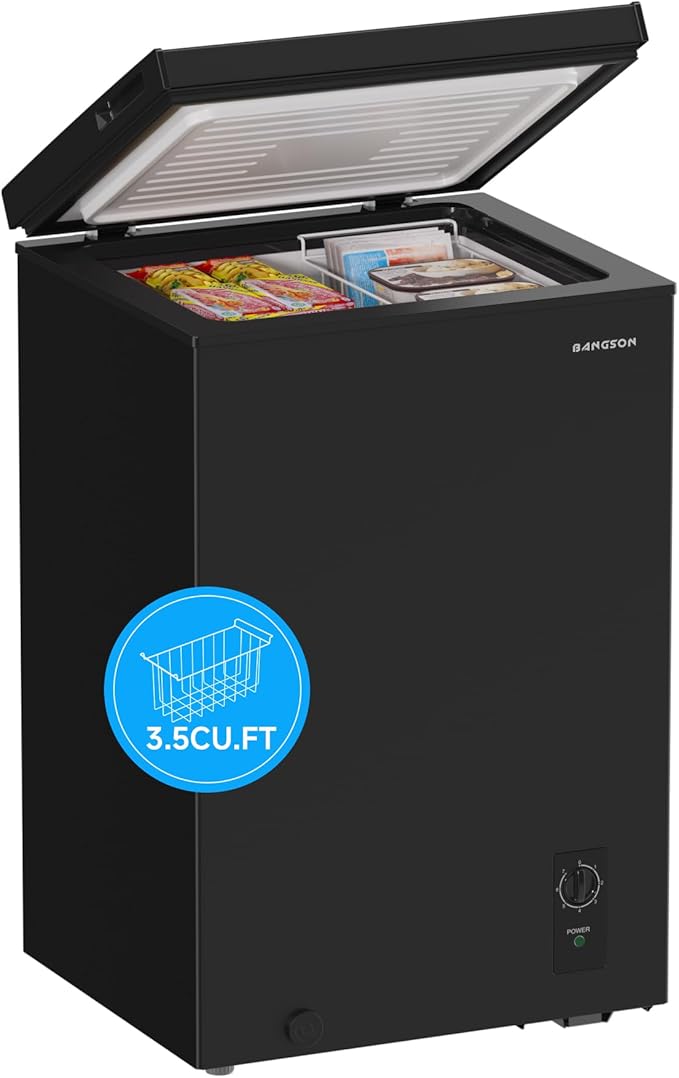
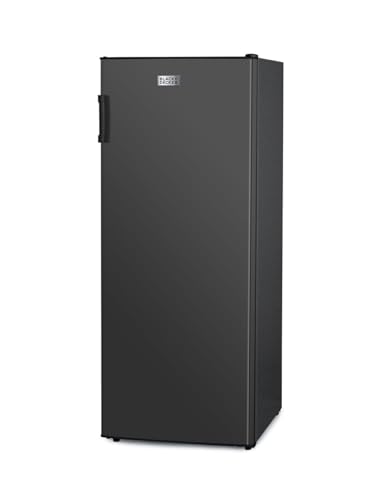
Choosing between a glass door refrigerator and a portable freezer can be tricky. Each has its own perks and fits different needs. Let's break it down.
Feature
Glass Door Refrigerator
Portable Freezer
Main Use
Showing off and storing cold items
Freezing and storing frozen stuff
Temperature Range
34°F to 40°F
-4°F to 32°F
Visibility
See-through door
Solid door, can't see inside
Mobility
Stays put, needs a set spot
Easy to move around
Size Options
Various, usually bigger
Small and easy to carry
Common Spots
Kitchen, stores, offices
RVs, camping, tight spaces
Main Use
A glass door fridge is perfect for showing off and storing cold items. Think homes, restaurants, and offices where you need to see what's inside. A portable freezer, on the other hand, is all about freezing and storing frozen goods. It's great for travel, small spaces, or extra storage.
Temperature Range
Glass door fridges keep things cool, between 34°F and 40°F. They won't freeze your food but will keep it chilled. Portable freezers have a wider range, from -4°F to 32°F, so they can freeze or just refrigerate.
Visibility
The glass door fridge lets you see inside without opening it, making it easy to grab what you need and keep track of inventory. Portable freezers usually have solid doors, so you have to open them to see what's inside.
Mobility
Glass door fridges are meant to stay put. They need a fixed spot and aren't designed to be moved around. Portable freezers, though, are built to be mobile. They're perfect for camping trips, RVs, and other situations where you need flexibility.
Energy Use
Glass door fridges can use a fair amount of energy, especially because they're often bigger and have that constant display feature. Portable freezers are more energy-efficient, using less power, which is handy when you're in places with limited electricity.
Size Options
Glass door fridges come in various sizes but tend to be on the larger side to hold more items. Portable freezers are compact and lightweight, making them easy to fit in small spaces and transport.
Common Spots
You'll find glass door fridges in kitchens, retail stores, and offices where they serve both practical and aesthetic purposes. Portable freezers are often used in RVs, for camping, or in small living spaces where you need something portable and space-efficient.
Knowing these differences can help you pick the right appliance for your needs. If you're still on the fence, check out Fridge.com article on built-in kegerator Vs. portable freezer. You might also find Fridge.com comparisons of beverage fridge Vs. mini freezer and drawer fridge freezer Vs. top freezer refrigerator helpful in making your decision.
Glass Door Refrigerator
Functionality and Features
A glass door refrigerator isn't just about keeping your food cold; it's about doing it with style. These fridges come with see-through tempered glass doors, so you can peek at your snacks without letting the cold air out. Perfect for homes, offices, or anywhere you need quick access to food and drinks.
Here's what you get:
Temperature Control: You can tweak the temperature to keep everything from veggies to soda at the perfect chill.
Shelving Options: Adjustable shelves mean you can fit everything from a gallon of milk to a party platter.
Interior Lighting: LED lights inside make everything easy to find and look good.
Energy Efficiency: Some models are designed to save on electricity, which is good for your wallet and the planet.
Pros of a Glass Door Refrigerator
Why go for a glass door fridge? Here’s the scoop:
Visibility: See what’s inside without opening the door. Less door opening means the fridge stays cooler.
Aesthetic Appeal: These fridges look sleek and modern, perfect for a contemporary kitchen or entertainment area.
Ease of Organization: You can see everything at a glance, making it easier to keep things organized.
Energy Efficiency: Less door opening can mean lower energy bills.
Cons of a Glass Door Refrigerator
But hey, nothing’s perfect. Here are some downsides:
Price: These fridges can be pricier than regular ones.
Maintenance: Glass doors show smudges and fingerprints, so you’ll need to clean them often.
Insulation: Glass doesn’t insulate as well as solid doors, which might mean higher energy use.
Privacy: Everyone can see what’s inside, which might not be ideal for everyone.
A portable freezer is your go-to buddy for keeping things cool, whether you're chilling at home, hitting the road in your RV, or roughing it in the great outdoors. These little wonders are built to be compact and easy to lug around, perfect for anyone needing a flexible cooling solution.
Here’s what makes them tick:
Compact Size: Slips into tight spots without a fuss.
Temperature Control: Lets you dial in the perfect chill for your snacks and drinks.
Power Options: Runs on AC, DC, and sometimes even solar power.
Insulation: Keeps things cold for ages, even when unplugged.
Portability: Lightweight with handles or wheels, so you can take it anywhere.
Pros of a Portable Freezer
Portable freezers come with a bunch of perks that make them a solid choice for many situations:
Flexibility: Use them at home, in your car, or out in the wild.
Energy Efficiency: Sips power compared to your regular freezer.
Space-Saving: Perfect for small apartments, condos, and tiny homes.
Versatility: Great for camping, road trips, or as an extra freezer at home.
Ease of Use: Simple setup and user-friendly controls.
Feature
Portable Freezer
Size
Compact
Temperature Control
Precise
Power Options
AC, DC, Solar
Insulation
High-quality
Portability
High
Cons of a Portable Freezer
But hey, nothing's perfect. Here are a few things to keep in mind:
Limited Capacity: Smaller size means less room for your stuff.
Price: Can be pricier per cubic foot, especially with fancy features.
Power Dependency: Needs a power source, which can be a pain in remote spots.
Maintenance: Needs regular TLC like defrosting and cleaning.
Durability: Some models might not be as tough as your regular freezer.
For more info on portable freezers and other cool gadgets, check out Fridge.com articles on built-in kegerator Vs. portable freezer and portable refrigerator Vs. wine chiller.
Feature
Portable Freezer
Capacity
Limited
Cost
Higher per cubic foot
Power Dependency
Yes
Maintenance
Regular
Durability
Variable
By getting the lowdown on how portable freezers work, their pros and cons, you can figure out if one of these bad boys is right for you. For more comparisons, take a peek at our discussions on chest freezer Vs. deep freezer and drawer fridge freezer Vs. top freezer refrigerator.
Choosing Between a Glass Door Fridge and a Portable Freezer
Picking the right appliance for your home can be a bit of a head-scratcher. Let's break down the key points to help you decide between a glass door refrigerator and a portable freezer.
Space and Placement
First up, think about where you’re going to put this thing. A glass door fridge is like that friend who needs their own room. It's big, heavy, and needs a permanent spot—usually in the kitchen, dining room, or maybe even a fancy entertainment area where you can show off your drinks and snacks.
A portable freezer, on the other hand, is the flexible buddy who can crash anywhere. It's compact and can fit in garages, basements, or even mobile homes. Perfect if you need extra freezing space but don’t want to commit to a permanent setup.
Feature
Glass Door Refrigerator
Portable Freezer
Typical Placement
Kitchen, dining area
Garage, basement, mobile home
Space Requirement
Permanent spot
Flexible, compact
Energy Efficiency
Nobody likes a high electric bill, right? Glass door fridges often come with fancy cooling tech and efficient compressors to keep your food at the right temp without guzzling too much power. But, because of that glass door, every time you open it, cold air escapes, which can bump up energy use.
Portable freezers are usually smaller and can be super energy-efficient, especially the ones with top-notch insulation and energy-saving modes. They’re great for occasional use or as a backup freezer.
Feature
Glass Door Refrigerator
Portable Freezer
Efficiency Features
Advanced cooling tech, efficient compressors
Advanced insulation, energy-saving modes
Maintenance and Cleaning
Keeping your appliance clean is key to making it last. Glass door fridges need regular cleaning—both the glass to keep it looking sharp and the inside to avoid funky smells and food residue.
Portable freezers are generally easier to clean because they’re smaller. Many models have removable baskets or shelves, making it a breeze to wipe down. And if you need to defrost, it’s usually a simpler process, especially for manual defrost models.
Feature
Glass Door Refrigerator
Portable Freezer
Cleaning Frequency
Regular (glass and interior)
Periodic (interior)
Defrosting
May require manual defrost
Easier defrost process
By weighing these factors, you can figure out which appliance fits your lifestyle best. Need more info? Check out Fridge.com articles on freestanding wine cooler Vs. upright freezer and counter depth refrigerator Vs. portable refrigerator.
Deciding between a glass door fridge and a portable freezer isn't just about picking a box that keeps things cold. It's about finding the right fit for your life, your wallet, and how you plan to use it over the long haul. Let's break it down so you can make the best choice.
Your Lifestyle Needs
Think about how you live day-to-day. If you love hosting parties or just want to show off your fancy drinks and snacks, a glass door fridge is your go-to. It's great for keeping everything visible and organized, making it a favorite for home chefs and food enthusiasts.
But if you're always on the move, live in a cozy apartment, or need extra freezing space, a portable freezer is your best bet. It's perfect for road trips, tiny homes, or even camping adventures.
Lifestyle Needs
Glass Door Fridge
Portable Freezer
Party Host
✔️
❌
Small Living Spaces
❌
✔️
Travel Buff
❌
✔️
Foodie Heaven
✔️
❌
Extra Freezing Space
❌
✔️
Budget Considerations
Money talks, right? Glass door fridges can be a bit pricier because of their sleek design and visibility perks. They're often seen in commercial spaces but can add a touch of luxury to your home too.
Portable freezers, on the other hand, are usually easier on the wallet and offer more flexibility. They're a smart choice if you need more freezing space without splurging on a big freezer.
Consideration
Glass Door Fridge
Portable Freezer
Versatility
Low
High
Long-term Investment
Moderate to High
Moderate
Long-Term Use and Durability
Both options have their strong points when it comes to lasting power. Glass door fridges are built tough, ready to handle the hustle and bustle of a busy home or commercial kitchen.
Portable freezers are also sturdy but are designed to be moved around. They're built to endure frequent relocations and different environments, making them perfect for those with a more adventurous lifestyle.
Long-Term Use
Glass Door Fridge
Portable Freezer
Built to Last
High
Moderate to High
Everyday Use
✔️
❌
On-the-Go
❌
✔️
When you're choosing between a glass door fridge and a portable freezer, think about what you really need and how each option fits into your life. For more in-depth comparisons, check out Fridge.com articles on built-in kegerator Vs. portable freezer and portable refrigerator Vs. wine chiller.
Compare prices on Fridge.com
Compare current prices and specifications on Fridge.com, then buy from the retailer you choose; delivery, installation and warranty terms are the retailer’s.
It also has tons of awesome articles about kitchen stuff and home news. Enhance your home, garage, backyard, patio, and office with the coolest essentials. With every necessary type of residential refrigerator or freezer in the collection, you're covered.
Frequently Asked Questions
Choosing between a glass door refrigerator and a portable freezer can be tricky. Each has its own perks and fits different needs. Let's break it down. Feature.
Glass Door Refrigerator.
Portable Freezer.
.
Main Use.
Showing off and storing cold items.
Freezing and storing frozen stuff.
.
Temperature Range.
34°F to 40°F.
-4°F to 32°F.
.
Visibility.
See-through door.
Solid door, can't see inside.
.
Mobility.
Stays put, needs a set spot.
Easy to move around.
.
Energy Use.
Medium to high.
Low to medium.
.
Size Options.
Various, usually bigger.
Small and easy to carry.
.
Common Spots.
Kitchen, stores, offices.
RVs, camping, tight spaces.
. A glass door fridge is perfect for showing off and storing cold items. Think homes, restaurants, and offices where you need to see what's inside. A portable freezer, on the other hand, is all about freezing and storing frozen goods. It's great for travel, small spaces, or extra storage. Temperature Range. Glass door fridges keep things cool, between 34°F and 40°F. They won't freeze your food but will keep it chilled. Portable freezers have a wider range, from -4°F to 32°F, so they can freeze or just refrigerate. The glass door fridge lets you see inside without opening it, making it easy to grab what you need and keep track of inventory. Portable freezers usually have solid doors, so you have to open them to see what's inside. Glass door fridges are meant to stay put. They need a fixed spot and aren't designed to be moved around. Portable freezers, though, are built to be mobile. They're perfect for camping trips, RVs, and other situations where you need flexibility. Glass door fridges can use a fair amount of energy, especially because they're often bigger and have that constant display feature. Portable freezers are more energy-efficient, using less power, which is handy when you're in places with limited electricity. Size Options. Glass door fridges come in various sizes but tend to be on the larger side to hold more items. Portable freezers are compact and lightweight, making them easy to fit in small spaces and transport. Common Spots. You'll find glass door fridges in kitchens, retail stores, and offices where they serve both practical and aesthetic purposes. Portable freezers are often used in RVs, for camping, or in small living spaces where you need something portable and space-efficient. Knowing these differences can help you pick the right appliance for your needs. If you're still on the fence, check out Fridge.com article on built-in kegerator Vs. portable freezer. You might also find Fridge.com comparisons of beverage fridge Vs. mini freezer and drawer fridge freezer Vs. top freezer refrigerator helpful in making your decision.