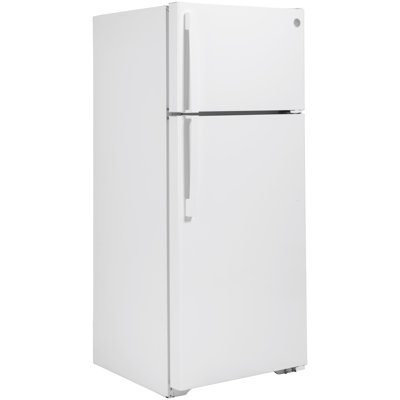
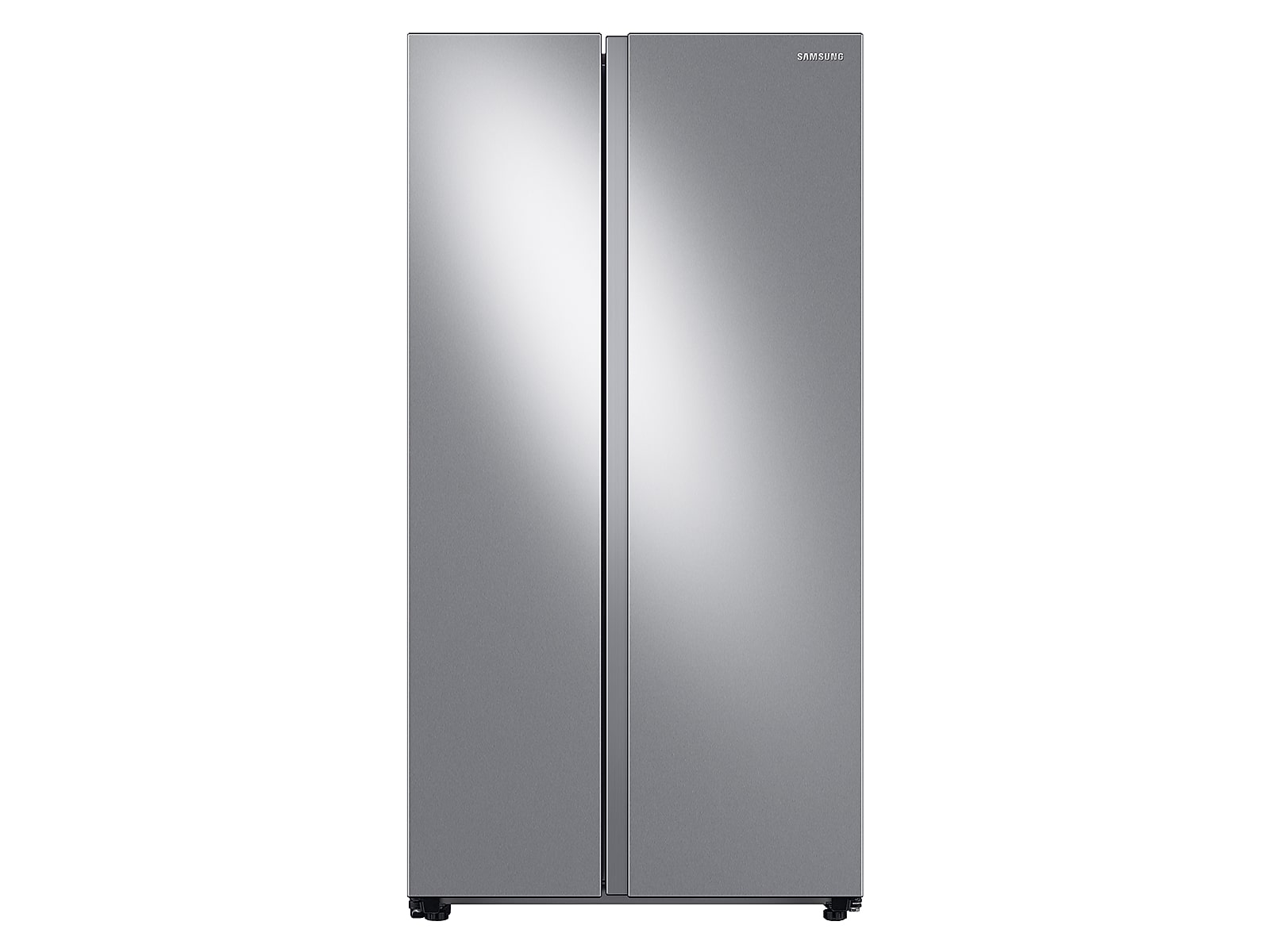
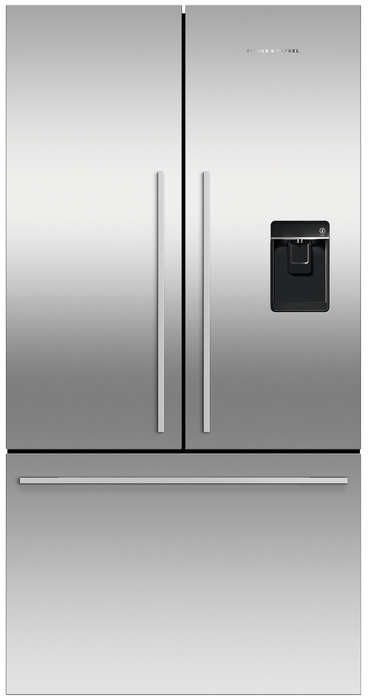
Glass door refrigerators usually run on standard AC power, while portable refrigerators offer multiple power sources, including DC and solar.
One of the standout features of a portable refrigerator is its ability to operate on multiple power sources.
When choosing between a glass door refrigerator and a portable refrigerator, it's important to compare their features to determine which one best suits your needs.
Glass door refrigerators offer larger capacities, ideal for stocking up on groceries and beverages.
When it comes to choosing between a glass door refrigerator and a portable refrigerator, there are several factors to consider. Both types of refrigerators offer unique benefits and cater to different needs. Understanding the key differences and features can help you make an informed decision that best suits your lifestyle and requirements.
Overview of Refrigerator Types
Glass door refrigerators are designed to showcase their contents through a transparent door, making them ideal for commercial settings, entertainment areas, and kitchens where visual appeal is a priority. They are typically larger and offer ample storage space, allowing you to organize and access your items easily.
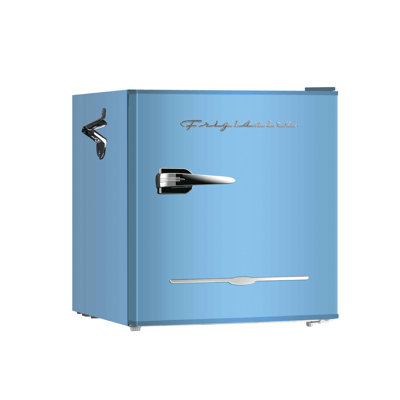
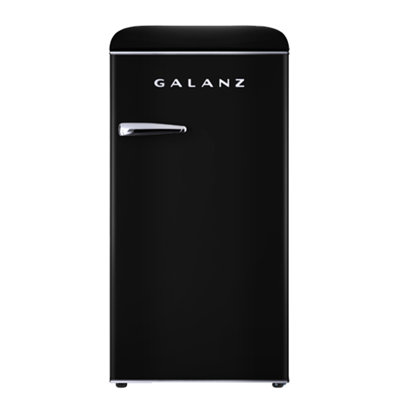
Portable refrigerators, on the other hand, are compact and designed for mobility. They are perfect for on-the-go scenarios such as camping, road trips, and small living spaces like dorm rooms or tiny homes. These refrigerators can be powered by various sources, including AC, DC, and even solar panels, providing flexibility in different environments.
Factors to Consider Before Choosing
Before deciding between a glass door refrigerator and a portable refrigerator, consider the following factors:
Usage: Determine the primary purpose of the refrigerator. Will it be used in a fixed location or do you need the flexibility to move it around?
Space: Assess the available space in your home or vehicle. Glass door refrigerators typically require more room, while portable refrigerators are designed to fit into smaller spaces.
Capacity: Consider your storage needs. Glass door refrigerators offer larger capacities, ideal for stocking up on groceries and beverages. Portable refrigerators have limited space but are sufficient for short-term use and smaller quantities.
Power Source: Evaluate the power options available to you. Glass door refrigerators usually run on standard AC power, while portable refrigerators offer multiple power sources, including DC and solar.
Aesthetics: Think about the visual appeal. Glass door refrigerators add a stylish touch to any space, showcasing your items beautifully. Portable refrigerators focus more on functionality and practicality.
Cost: Compare the costs of both types of refrigerators. Glass door refrigerators tend to be more expensive due to their size and design, while portable refrigerators are generally more affordable.
By considering these factors, you can choose the refrigerator that best meets your needs and enhances your lifestyle. For more information on different refrigerator options, check out Fridge.com article on compact freezer Vs. glass door refrigerator.
Glass Door Refrigerator
Design and Aesthetics
When it comes to design, glass door refrigerators stand out for their sleek and modern look. These refrigerators feature transparent glass doors, allowing you to view the contents without opening the door. This design not only adds an aesthetic appeal to your kitchen or office but also helps in easily locating items, reducing the time the door remains open.
Feature
Benefit
Transparent Glass Door
Easy to see contents
Modern Look
Enhances kitchen aesthetics
Quick Access
Reduces door opening time
Energy Efficiency
Energy efficiency is a crucial factor to consider when choosing a refrigerator. Glass door refrigerators are designed to be energy-efficient, with many models featuring advanced insulation and LED lighting. The ability to see inside without opening the door helps maintain the internal temperature, reducing the energy required to cool the contents.
Feature
Benefit
Advanced Insulation
Maintains internal temperature
LED Lighting
Energy-efficient illumination
Reduced Door Opening
Saves energy
Maintenance and Cleaning
Maintaining and cleaning a glass door refrigerator is relatively easy. The glass doors can be wiped clean with a damp cloth, and the transparent nature allows you to spot spills and messes quickly. Many models also come with removable shelves and drawers, making it easier to clean the interior.
Feature
Benefit
Easy-to-Clean Glass Doors
Quick maintenance
Removable Shelves and Drawers
Simplifies interior cleaning
Visible Spills
Immediate clean-up
Glass door refrigerators offer a combination of modern design, energy efficiency, and ease of maintenance, making them a popular choice for homeowners and businesses alike. For more comparisons, check out Fridge.com articles on medium size refrigerator Vs. slate refrigerator and counter depth refrigerator Vs. office refrigerator.
Portable Refrigerator
Portability and Versatility
A portable refrigerator offers unparalleled convenience when it comes to mobility. Designed for ease of transport, these units are perfect for various settings, including road trips, camping, or even as an extra fridge in your home or office. Their lightweight build and compact size make them easy to carry and fit into tight spaces.
The versatility of a portable refrigerator extends beyond just mobility. It can be used in different environments, such as your car, RV, or even a boat. This makes it a great option for those who need a reliable cooling solution on the go.
Power Source Options
One of the standout features of a portable refrigerator is its ability to operate on multiple power sources. This flexibility ensures that you can keep your food and beverages cool regardless of your location. Typical power source options include:
AC Power: Allows you to plug the refrigerator into a standard wall outlet, making it suitable for home or office use.
DC Power: Enables you to connect the refrigerator to your vehicle's cigarette lighter socket, making it ideal for road trips and camping.
Battery: Some models come with built-in rechargeable batteries or can be connected to external battery packs for added convenience.
Power Source
Suitable For
AC Power
Home, Office
DC Power
Car, RV, Boat
Battery
Outdoors, Camping
Capacity and Storage
Portable refrigerators come in a range of capacities to suit different needs. While they are generally smaller than traditional refrigerators, they still offer ample storage space for your essentials. When choosing a portable refrigerator, it's important to consider the capacity in terms of liters or cubic feet to ensure it meets your requirements.
Capacity (Liters)
Suitable For
5-10
Snacks, Beverages
10-20
Short Trips, Small Families
20-40
Longer Trips, Larger Groups
In addition to capacity, the internal storage design can vary. Some models feature removable shelves or baskets, which allow for better organization and easier access to your items. This flexibility ensures that you can make the most out of the available space, whether you're storing food, drinks, or other perishables.
When choosing between a glass door refrigerator and a portable refrigerator, it's important to compare their features to determine which one best suits your needs. Let's explore their cooling performance, temperature control, and noise level.
Cooling Performance
Cooling performance is a critical factor to consider. Glass door refrigerators generally provide robust cooling capabilities, making them ideal for storing a variety of perishable items. They are often equipped with powerful compressors and advanced cooling technologies to maintain consistent temperatures.
Portable refrigerators, on the other hand, are designed for mobility and versatility. While they may not offer the same level of cooling power as glass door refrigerators, they are efficient enough to keep food and beverages cold during travel or outdoor activities. Their cooling performance can vary based on the type and quality of the unit.
Feature
Glass Door Refrigerator
Portable Refrigerator
Cooling Power
High
Moderate
Temperature Stability
Excellent
Variable
Usage
Home, Commercial
Travel, Outdoor
Temperature Control
Temperature control is essential for preserving the freshness and quality of stored items. Glass door refrigerators usually come with precise temperature control settings, allowing you to adjust the temperature to suit different types of food and beverages. Some models even offer separate temperature zones for added convenience.
Portable refrigerators also feature temperature control, but the options may be more limited compared to glass door refrigerators. However, many portable units still provide digital controls, making it easy to set and monitor the temperature.
Feature
Glass Door Refrigerator
Portable Refrigerator
Temperature Settings
Multiple, Precise
Limited, Basic
Digital Controls
Yes
Yes
Separate Zones
Often
Rarely
Noise Level
Noise level is an important consideration, especially if the refrigerator will be placed in a living space or near sleeping areas. Glass door refrigerators tend to be quieter due to their higher-quality components and insulation. They are designed to operate efficiently without causing much disturbance.
Portable refrigerators, while generally quieter than traditional refrigerators, can still produce noise, particularly when the compressor is running. The noise level can vary depending on the model and brand.
Feature
Glass Door Refrigerator
Portable Refrigerator
Noise Level
Low
Moderate
Suitable for Quiet Spaces
Yes
Sometimes
Compressor Noise
Minimal
Audible
By comparing these features, you can make an informed decision about whether a glass door refrigerator or a portable refrigerator is the right choice for you. For more detailed comparisons, check out Fridge.com articles on medium size refrigerator Vs. slate refrigerator, counter depth refrigerator Vs. office refrigerator, and built in freezer Vs. small chest freezer.
When choosing between a glass door refrigerator and a portable refrigerator, consider practical aspects such as space requirements, cost comparison, and longevity and durability. These factors will help ensure you make an informed decision that suits your needs.
Space Requirements
Space is a crucial factor when selecting a refrigerator. Glass door refrigerators are typically larger and require more space. They are ideal for kitchens, dining areas, or commercial settings where visibility of contents is beneficial. Portable refrigerators, on the other hand, are compact and designed for mobility. They are perfect for small apartments, offices, garages, or outdoor activities.
Refrigerator Type
Average Dimensions (H x W x D)
Recommended Space
Glass Door Refrigerator
70" x 36" x 30"
Kitchens, Dining Areas, Commercial Spaces
Portable Refrigerator
20" x 15" x 18"
Small Apartments, Offices, Garages, Outdoor Activities
Cost Comparison
The cost of acquiring and maintaining a refrigerator varies based on the type. Glass door refrigerators tend to be more expensive due to their size, design, and additional features like interior lighting and adjustable shelving. Portable refrigerators are generally more affordable and cost-effective in terms of energy consumption.
Refrigerator Type
Average Initial Cost
Estimated Annual Energy Cost
Glass Door Refrigerator
$1,500 - $3,000
$50 - $100
Portable Refrigerator
$200 - $500
$20 - $50
For more information on cost-effective refrigerators, visit Fridge.com comparison on medium size refrigerator Vs. slate refrigerator.
Longevity and Durability
Longevity and durability are essential considerations. Glass door refrigerators are built for long-term use with robust materials and advanced cooling systems. They are designed to last for years with proper maintenance. Portable refrigerators are also durable but are typically built for shorter-term use and frequent transportation. Their durability depends on the materials and build quality.
Refrigerator Type
Average Lifespan
Durability
Glass Door Refrigerator
10 - 20 years
High
Portable Refrigerator
5 - 10 years
Moderate
For insights into the durability of different refrigerator types, explore Fridge.com article on garage refrigerator Vs. refrigerator cooler.
By considering space, cost, and durability, you can make a well-informed choice between a glass door refrigerator and a portable refrigerator. Each has its unique benefits, making them suitable for different needs and environments.
Compare prices on Fridge.com
Compare current prices and specifications on Fridge.com, then buy from the retailer you choose; delivery, installation and warranty terms are the retailer’s.
It also has tons of awesome articles about kitchen stuff and home news. Enhance your home, garage, backyard, patio, and office with the coolest essentials. With every necessary type of residential refrigerator or freezer in the collection, you're covered.