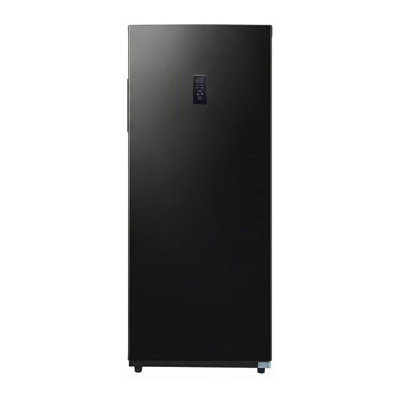
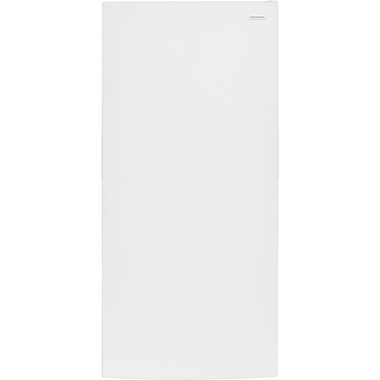
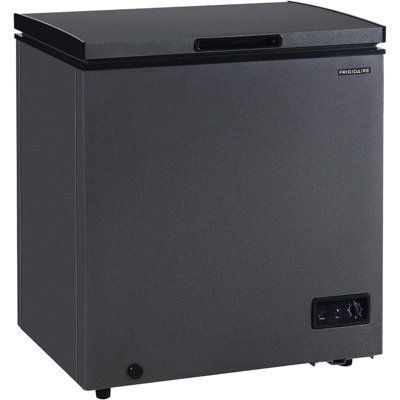
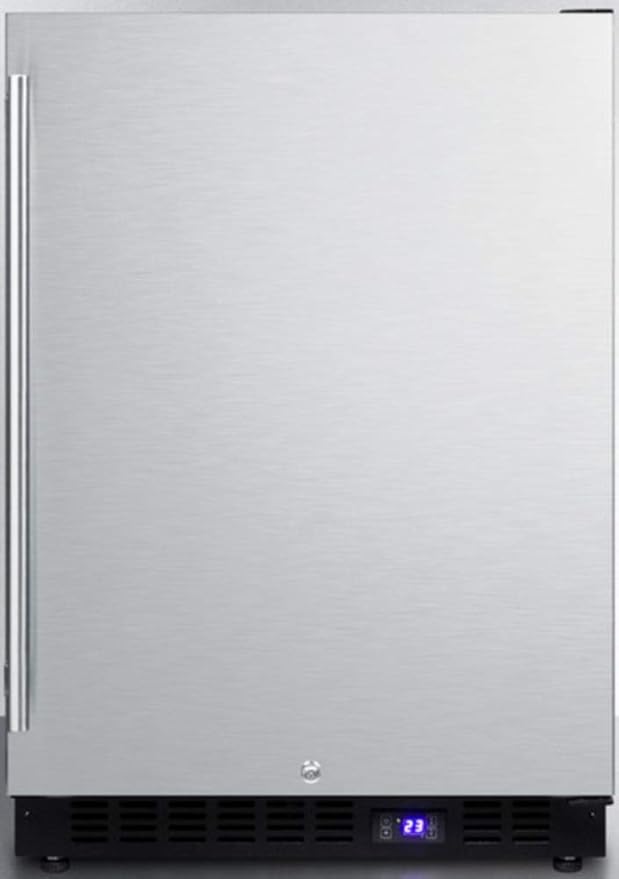
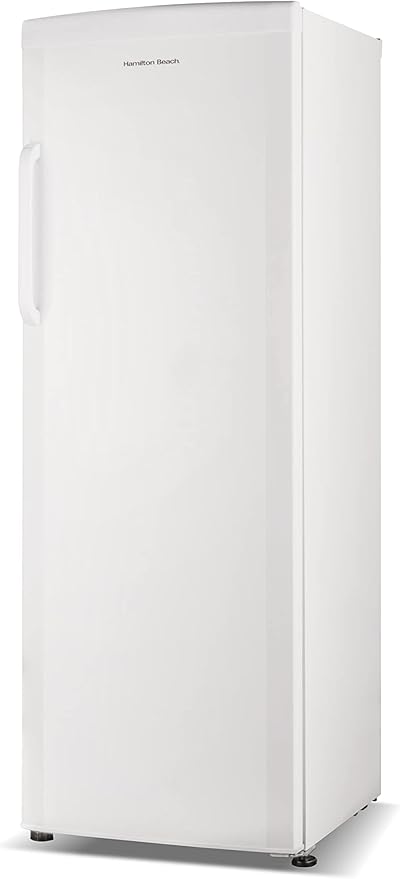
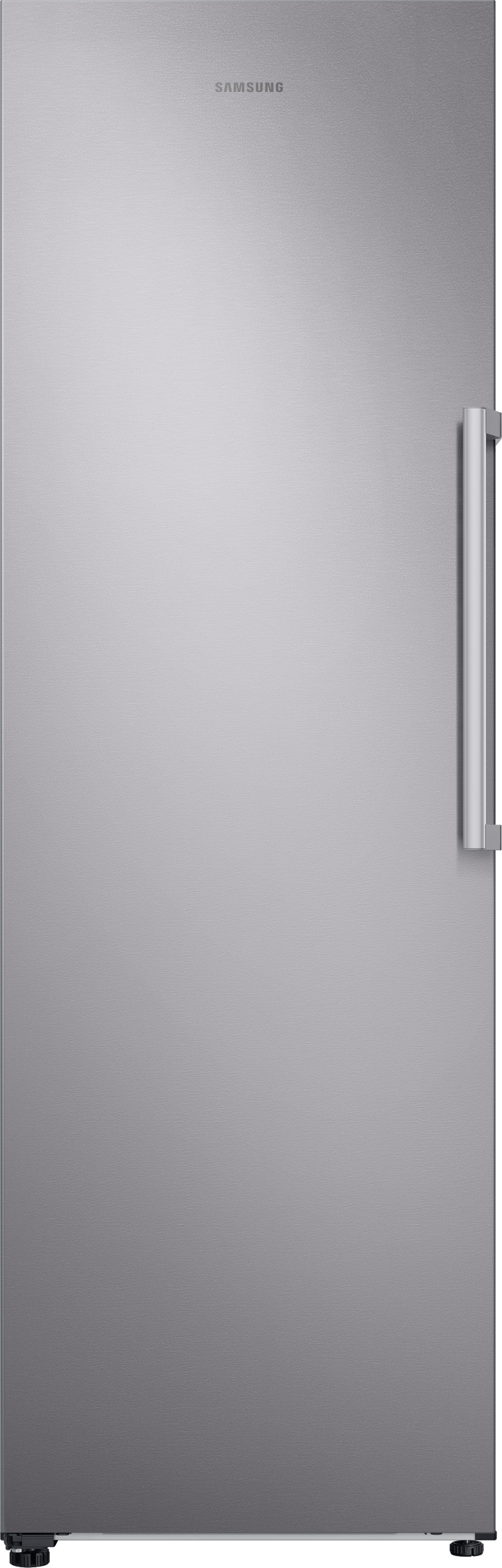
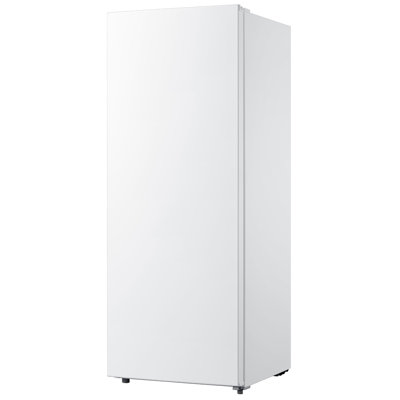
These freezers maintain a consistent low temperature, typically below 0°F (-18°C), ensuring that ice cream remains solid and creamy.
-10°F to 0°F (-23°C to -18°C).
Aesthetic Appeal: The sleek design of glass door refrigerators adds a modern touch to any setting, making them ideal for kitchens, bars, or outdoor spaces.
Specialized Design: These freezers are designed specifically for frozen desserts, making them ideal for storing ice cream, sorbets, and frozen yogurt.
When deciding between a glass door refrigerator and an ice cream freezer, it is essential to understand their distinct functionalities and uses. Both appliances serve to store food and beverages, but they cater to different needs and environments.
Glass Door Refrigerator
A glass door refrigerator is designed primarily for storing a variety of perishable items, beverages, and snacks. Its transparent door allows for easy visibility, making it ideal for commercial settings like convenience stores, cafes, and restaurants, as well as for home use in kitchens, basements, or entertainment areas.
Feature
Description
Temperature Range
32°F to 40°F (0°C to 4°C)
Ideal For
Beverages, fruits, vegetables, dairy products
Visibility
Clear glass door for easy access and display
Ice Cream Freezer
An ice cream freezer, on the other hand, is specifically designed to keep frozen desserts, such as ice cream and sorbet, at optimal serving temperatures. These freezers maintain lower temperatures than standard refrigerators, ensuring that ice cream remains solid and retains its texture.
Feature
Description
Temperature Range
-10°F to 0°F (-23°C to -18°C)
Ideal For
Ice cream, frozen treats, and desserts
Visibility
Often has a glass top for viewing contents
Key Differences
Understanding the key differences between these two appliances can help you make an informed decision based on your specific needs.
Aspect
Glass Door Refrigerator
Ice Cream Freezer
Primary Use
Storing perishable items
Storing frozen desserts
Temperature Control
Above freezing
Below freezing
Display
Open view for easy access
Usually closed with a top display
In summary, while both appliances serve the purpose of food storage, their designs, temperature ranges, and intended uses vary significantly. Depending on whether you want to keep items refrigerated or frozen, your choice between a glass door refrigerator and an ice cream freezer will differ. If you're considering additional storage options or want to know more about how to maintain these appliances effectively, check out Fridge.com articles on counter depth refrigerators and double drawer freezers.
Glass Door Refrigerator
Functionality and Features
A glass door refrigerator is designed to provide visibility while maintaining the freshness of your food and beverages. The transparent doors allow you to see the contents inside without the need to open the unit, which can help reduce energy consumption. These refrigerators typically come equipped with adjustable shelves, LED lighting, and temperature control settings that make it easy to store and access various items.
Feature
Description
Visibility
Glass doors provide a clear view of contents.
Adjustable Shelves
Customizable storage options for different items.
LED Lighting
Bright interior lighting for easy visibility.
Benefits of a Glass Door Refrigerator
There are numerous benefits to choosing a glass door refrigerator. These units are not only practical but also offer a stylish addition to your kitchen, office, or entertainment space. Here are some of the primary advantages:
Enhanced Visibility: The transparent doors allow you to quickly locate items without rummaging through, saving time and effort during meal preparation or entertaining guests.
Energy Savings: By reducing the frequency of door openings, a glass door refrigerator can help lower energy bills compared to traditional models.
Aesthetic Appeal: The sleek design of glass door refrigerators adds a modern touch to any setting, making them ideal for kitchens, bars, or outdoor spaces.
Temperature Maintenance: These refrigerators often have better insulation, maintaining optimal temperatures for food and beverages.
Versatility: With various sizes and configurations available, you can find a glass door refrigerator that fits your specific needs, whether for a home, office, or event space.
For more insights on refrigeration options, explore Fridge.com article on counter depth refrigerator or learn about other types of cooling solutions like the pink fridge Vs. wine cellar.
An ice cream freezer is specifically designed to store frozen desserts at optimal temperatures. These freezers maintain a consistent low temperature, typically below 0°F (-18°C), ensuring that ice cream remains solid and creamy. Most ice cream freezers have adjustable temperature controls, allowing you to customize the settings based on the type of frozen treat you are storing.
Many ice cream freezers come equipped with glass doors, providing a clear view of the contents while keeping the cold air inside. This feature is especially useful for businesses or home settings where you want to showcase your frozen desserts.
Feature
Description
Temperature Range
Below 0°F (-18°C)
Door Type
Glass or solid
Adjustable Temperature
Yes
Display Capability
Clear visibility of contents
Benefits of an Ice Cream Freezer
Choosing an ice cream freezer offers several advantages, particularly for those who love frozen treats or run a business that sells them.
Optimal Storage Conditions: Ice cream freezers maintain a low and stable temperature, preventing ice crystals from forming in your ice cream, which keeps it smooth and enjoyable.
Specialized Design: These freezers are designed specifically for frozen desserts, making them ideal for storing ice cream, sorbets, and frozen yogurt.
Showcase Your Treats: If you enjoy entertaining or have a business, the glass door feature allows guests or customers to see what delicious options you have available without having to open the freezer.
Versatile Use: While primarily designed for ice cream, these freezers can also store other frozen items like popsicles and frozen cakes, providing versatility in your frozen storage solutions.
Energy Efficiency: Many modern ice cream freezers are designed with energy efficiency in mind, helping to keep your energy costs down while still preserving your favorite treats.
When selecting a glass door refrigerator, there are several factors to keep in mind. Capacity, storage options, energy efficiency, and maintenance play a significant role in the overall functionality and practicality of these appliances.
Capacity and Storage Options
Understanding the capacity and storage options of a glass door refrigerator is essential for ensuring it meets your needs. These refrigerators come in various sizes, making it important to assess the space available in your kitchen, garage, or outdoor area.
Size Category
Typical Capacity (Cubic Feet)
Ideal Use
Small
5 - 10
Apartments, small kitchens
Medium
10 - 15
Family kitchens, offices
Large
15 - 30
Restaurants, events, outdoor entertaining
Storage options within glass door refrigerators can vary greatly. Look for models that offer adjustable shelving, door bins, and compartments to help organize your items efficiently. This versatility allows you to maximize space, making it easier to store beverages, snacks, and other food items.
Energy Efficiency and Maintenance
Energy efficiency is a key consideration when purchasing a glass door refrigerator. Investing in an energy-efficient model can lead to significant savings on your utility bills over time. Look for units with the Energy Star label, which indicates that they meet energy efficiency guidelines set by the U.S. Environmental Protection Agency.
Regular maintenance is also crucial for keeping your refrigerator functioning optimally. Here are some maintenance tips to consider:
Maintenance Task
Frequency
Clean condenser coils
Every 6 months
Check door seals
Monthly
Defrost (if applicable)
As needed
Clean interior and exterior
Monthly
By following these maintenance guidelines and choosing an energy-efficient model, you can ensure that your glass door refrigerator remains a reliable appliance for years to come. For more information on maximizing storage and efficiency, explore Fridge.com article on best office fridge for a lean to cottage.
Considerations for Ice Cream Freezers
When selecting an ice cream freezer, there are several factors to consider to ensure it meets your needs for storage and temperature control. This section will discuss the importance of temperature control and settings, as well as storage capacity and organization options.
Temperature Control and Settings
Temperature control is critical when it comes to ice cream freezers. Maintaining the right temperature ensures that your ice cream remains at the ideal consistency and texture. Most ice cream freezers come with adjustable temperature settings, allowing you to customize the cooling level based on the type of ice cream or frozen treats you are storing.
Here are some common temperature ranges for ice cream freezers:
Freezer Type
Ideal Temperature (°F)
Typical Range (°F)
Ice Cream Freezer
-10 to -20
-5 to -20
Chest Freezer
-10 to -20
-10 to -20
Upright Freezer
0 to -10
0 to -10
It is essential to regularly check and adjust the temperature settings to ensure your frozen treats remain at their best. Consider using a thermometer to monitor the internal temperature of the freezer accurately.
Storage Capacity and Organization Options
Storage capacity is another important consideration when choosing an ice cream freezer. Depending on your needs, you may require a freezer with ample space to store various flavors or large quantities of ice cream. Ice cream freezers typically come in different sizes, ranging from small countertop models to larger standalone units.
When evaluating storage capacity, consider the following:
Freezer Size
Approximate Capacity (Cubic Feet)
Suitable For
Small Countertop
1 - 3
Home use, limited flavors
Medium Upright
4 - 8
Small gatherings, family use
Large Chest
10 - 20
Large parties, events
In addition to capacity, organization options can enhance your experience. Look for ice cream freezers that offer shelves, bins, or adjustable dividers. These features help you keep different flavors separated and easily accessible. If you often entertain or celebrate, organizing your ice cream selection can streamline serving and enhance the overall experience.
By considering temperature control and storage options, you can select an ice cream freezer that best fits your lifestyle and entertaining needs. For more insights on refrigeration options, explore Fridge.com article on glass door refrigerator Vs. ice cream freezer.
Choosing between a glass door refrigerator and an ice cream freezer depends on your specific needs and preferences. Each appliance serves different purposes and offers unique benefits that can enhance your food storage and entertaining experience.
Matching Your Needs and Preferences
When deciding between these two options, consider how you plan to use the appliance. If you frequently entertain guests, a glass door refrigerator may be more suitable. It provides easy visibility of contents, allowing you to quickly grab drinks and snacks. For ice cream lovers or those who enjoy frozen desserts, an ice cream freezer is designed specifically to keep your favorite treats at the perfect temperature.
To help you visualize the differences, here’s a comparison table:
Feature
Glass Door Refrigerator
Ice Cream Freezer
Ideal for
Beverages and snacks
Ice cream and frozen desserts
Visibility
High
Moderate
Temperature Range
32°F to 40°F
Below 0°F
Capacity Options
Varies
Typically larger for bulk
Factors to Consider Before Making a Decision
Several factors should influence your choice between a glass door refrigerator and an ice cream freezer:
Storage Needs: Assess your storage requirements. If you need to store large quantities of ice cream or frozen foods, an ice cream freezer is better suited. For a variety of items, a glass door refrigerator is more versatile.
Space Availability: Measure your available space. A glass door refrigerator may fit better in tighter areas due to its slimmer design, while ice cream freezers often require more space.
Energy Consumption: Consider energy efficiency. Glass door refrigerators typically consume less energy than ice cream freezers, making them a more economical choice for everyday use.
Accessibility and Convenience: Think about how often you will access the items. Glass door refrigerators offer easy access to beverages and snacks, while ice cream freezers may require opening the lid, which can lead to temperature fluctuations.
Aesthetic Appeal: Reflect on how each appliance fits into your overall decor. A glass door refrigerator can serve as a stylish display for your beverages, while an ice cream freezer may have a more utilitarian appearance.
When selecting between a glass door refrigerator and an ice cream freezer, weigh these considerations against your individual needs. Both options have their merits, and understanding your priorities will lead to the best choice for your home or entertaining space.
Compare prices on Fridge.com
Compare current prices and specifications on Fridge.com, then buy from the retailer you choose; delivery, installation and warranty terms are the retailer’s.
It also has tons of awesome articles about kitchen stuff and home news. Enhance your home, garage, backyard, patio, and office with the coolest essentials. With every necessary type of residential refrigerator or freezer in the collection, you're covered.
Frequently Asked Questions
Choosing between a glass door refrigerator and an ice cream freezer depends on your specific needs and preferences. Each appliance serves different purposes and offers unique benefits that can enhance your food storage and entertaining experience.