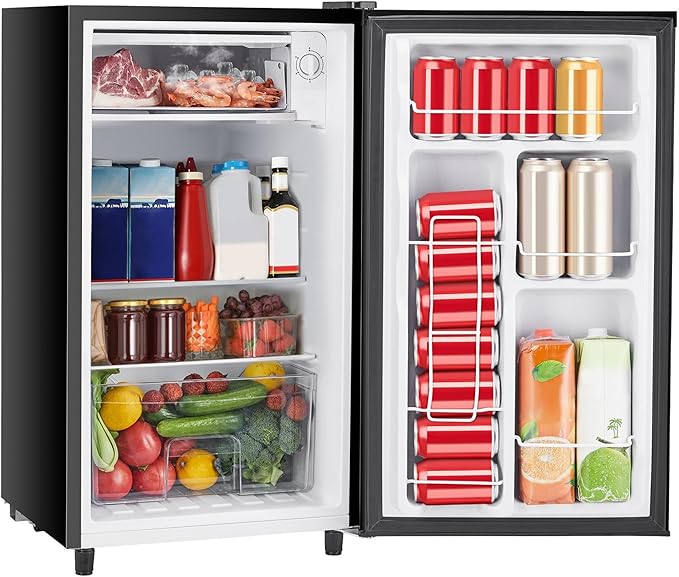
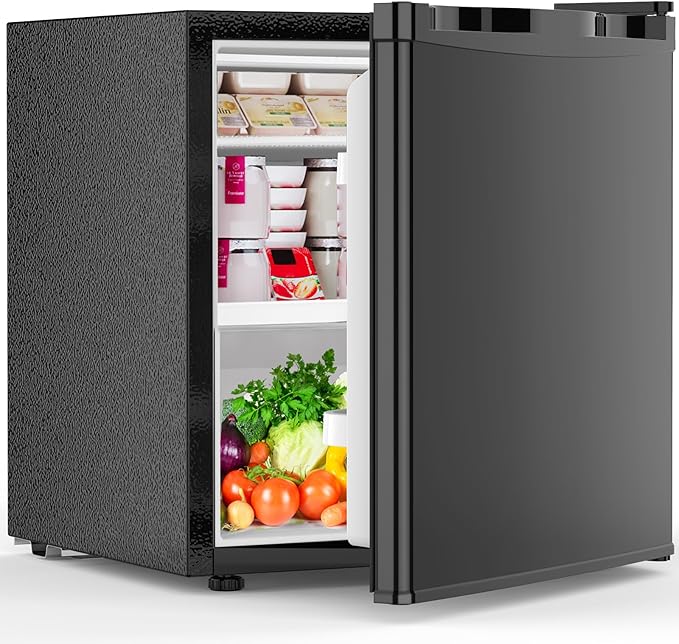
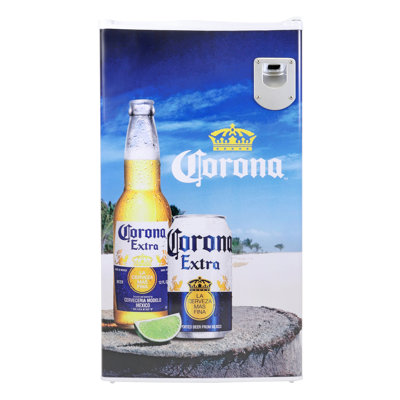
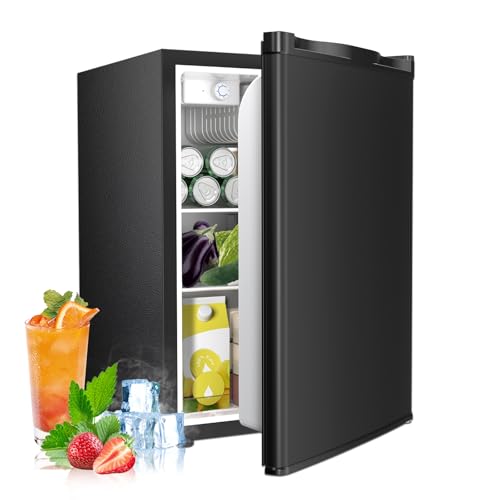
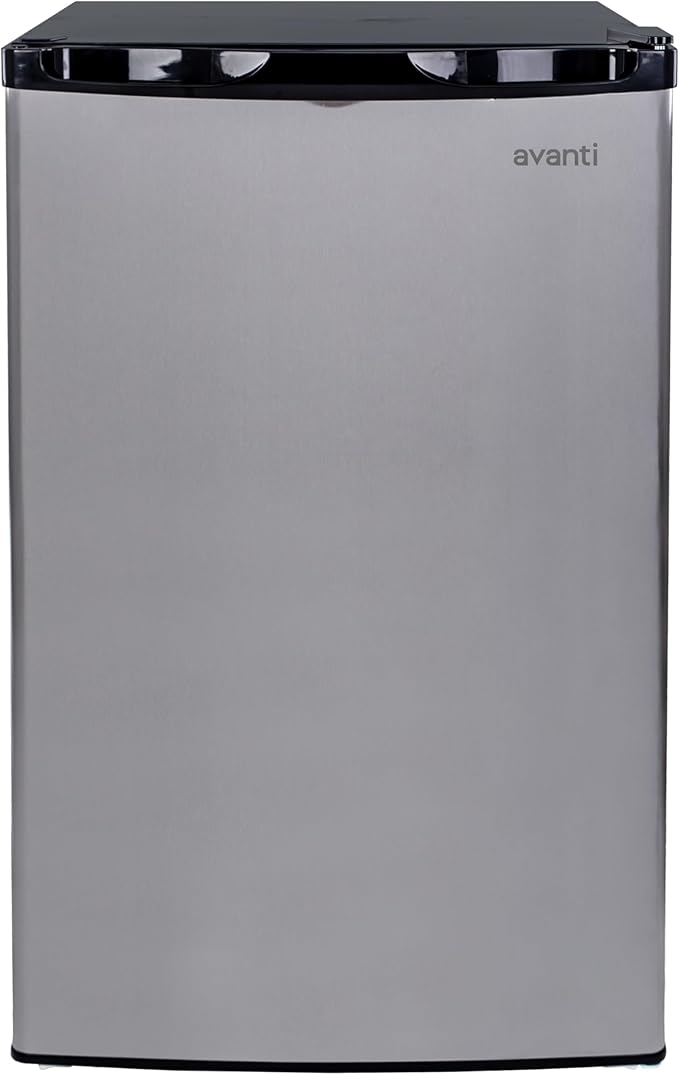
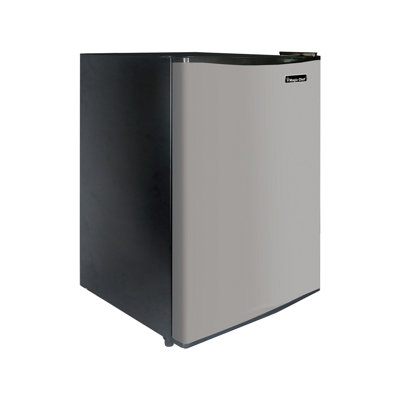
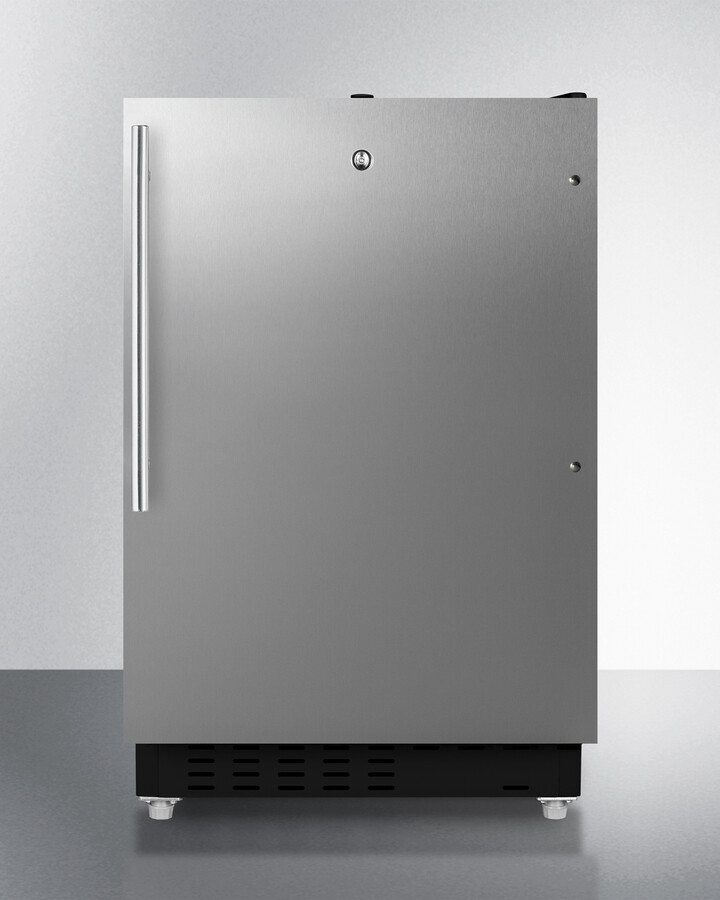
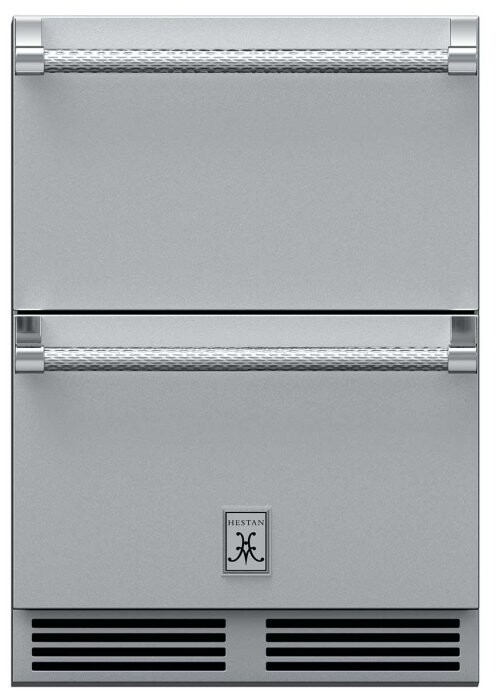
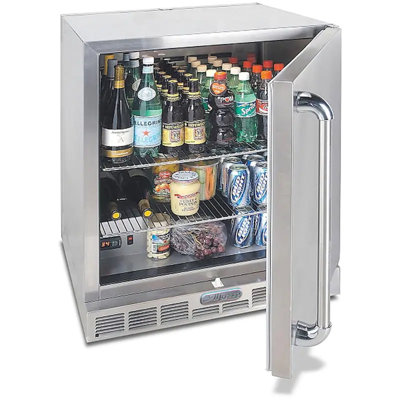
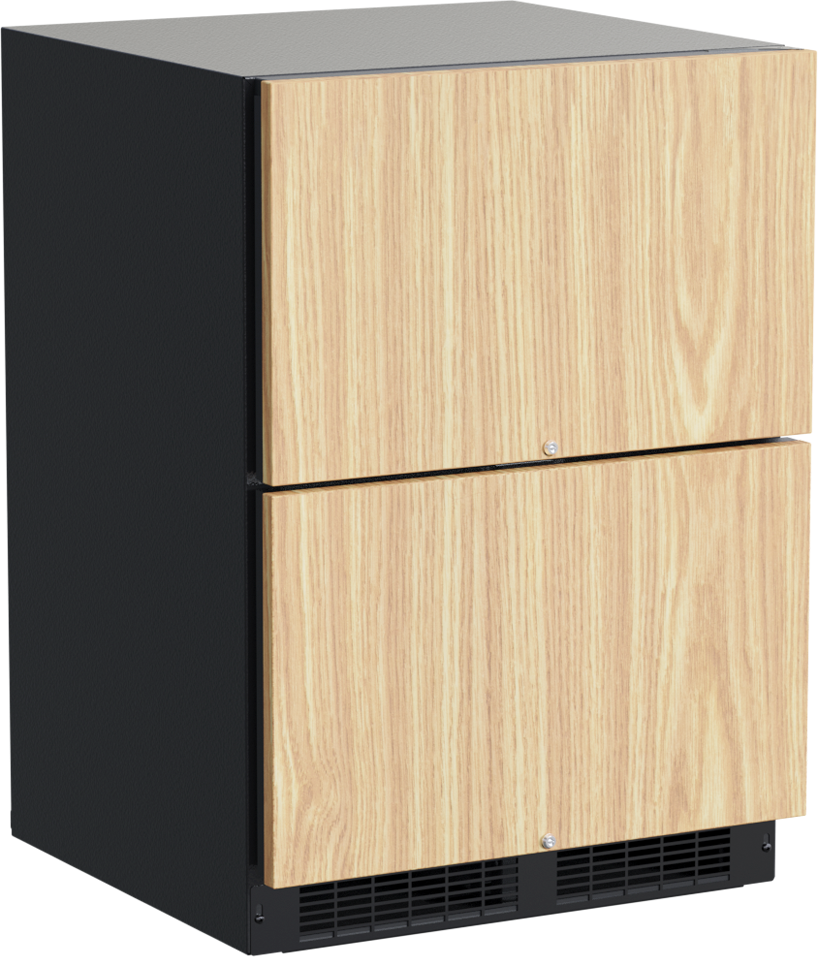
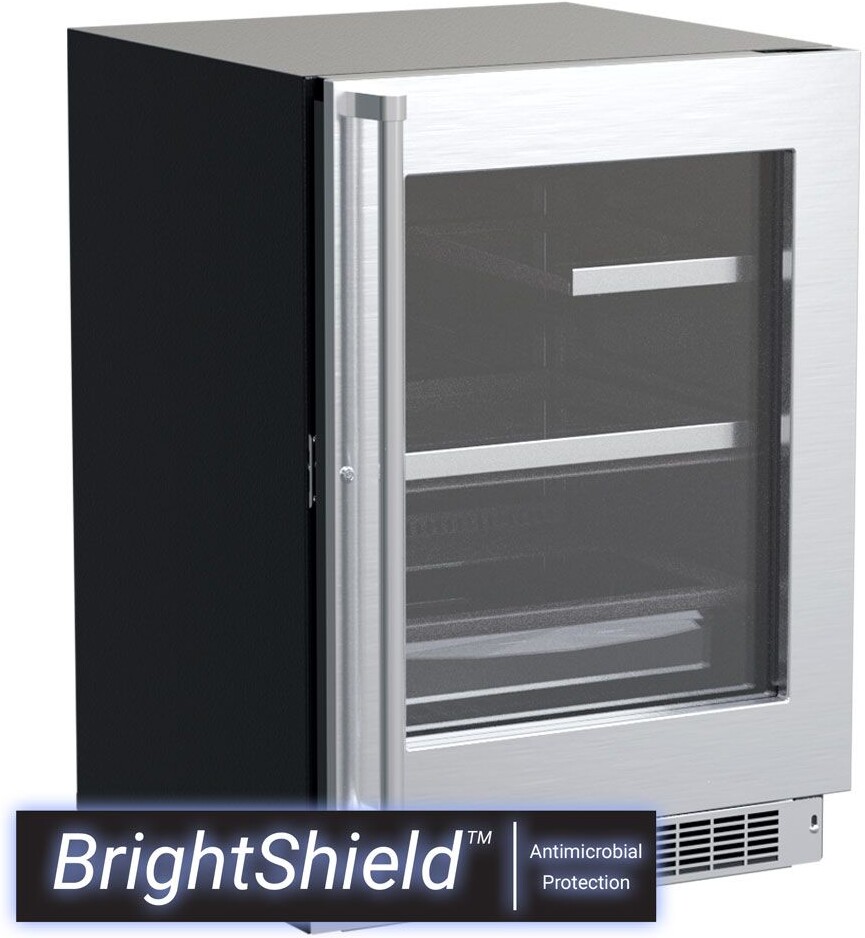
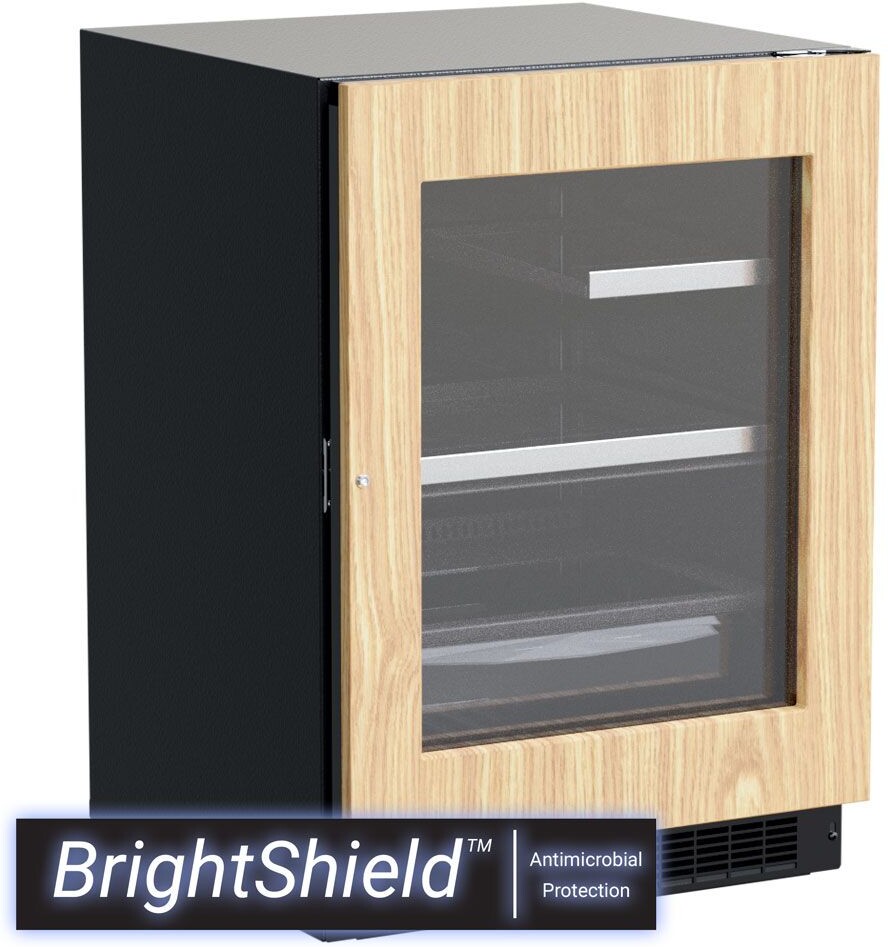
A glass door mini fridge typically serves well in settings where display is important, such as for beverages in a retail environment or for hosting guests at home.
For those looking to maximize their space, a larger capacity with more shelving may be ideal.
When choosing a glass door mini fridge, it's important to consider both the aesthetic value it brings and its practical features.
Introduction to Mini Fridge and Portable Refrigerator Options
When you're in the market for a compact cooling solution, you might find yourself comparing a glass door mini fridge with a portable refrigerator. Each has its advantages and caters to different needs, whether you're outfitting a home bar, prepping for road trips, or simply looking for additional storage space.
Understanding the Basics of Glass Door Mini Fridges
A glass door mini fridge, often celebrated for its sleek appearance, typically serves as a stationary fixture in your home or office. The transparent door allows you to view the contents easily, making it a popular choice for those who like to display beverages or specialty items.
These mini fridges come in various sizes and often include adjustable shelving to accommodate your storage needs. They're commonly used in spaces like home bars, entertainment areas, and even retail settings where visibility of the contents is beneficial.
Key features to consider with glass door mini fridges include:
Aesthetic appeal and how it complements your decor
Visibility of items without opening the door
Energy consumption, as the glass door can affect insulation
Understanding the Basics of Portable Refrigerators
Portable refrigerators offer the unique advantage of mobility. They're designed to be taken on the go and are perfect for camping trips, picnics, or any situation where you need to keep food and drinks cold away from home.
These units come with a variety of power source options, including standard AC, DC for car use, and even battery-powered models. They're built to be tough, often with reinforced exteriors to withstand the rigors of travel.
Considerations for portable refrigerators include:
How you plan to transport and use the unit
The type of power sources available for your activities
Durability, especially for outdoor or rugged use
Both glass door mini fridges and portable refrigerators serve the purpose of keeping your items cool, but the best choice depends on your specific needs, such as whether the fridge will be a fixture in your home or accompany you on adventures. For insights on how these two options fare against larger models or in different home settings, explore Fridge.com comparisons, such as large refrigerator vs. portable refrigerator and apartment size refrigerator vs. basement refrigerator.
When considering a refrigerator for your space, whether it be a home kitchen or an office lounge, glass door mini fridges offer a blend of style and functionality. These appliances are known for their sleek design and convenience, making them a popular choice across various settings.
Aesthetic Appeal and Visibility
Glass door mini fridges have a distinct advantage in terms of aesthetic appeal. The transparent door not only showcases the contents elegantly but also allows you to view what's inside without opening the door, which can help conserve energy. This feature is particularly useful when you're entertaining guests or if the fridge is being used in a commercial setting where product visibility is key.
Ideal Locations for Glass Door Mini Fridges
These fridges are versatile and can be placed in numerous locations. They are commonly found in:
Home kitchens for extra beverage storage
Office break rooms for easy access to refreshments
Garages for convenient snack storage during outdoor activities
Man caves or home bars for showcasing premium drinks
Retail settings for attractive product display
Each location benefits from the refrigerator's ability to integrate seamlessly into the decor while providing practical storage solutions.
Capacity and Shelving
Glass door mini fridges come in various capacities, suitable for different needs and spaces. Here's a snapshot of the typical storage options available:
Capacity Range (cubic feet)
Shelving Options
1.5 - 2.5
2-3 shelves
2.6 - 3.5
3-4 shelves
3.6 - 4.5
4-5 shelves
4.6+
5+ shelves
The shelving is often adjustable, allowing you to customize the space according to the size of the items you're storing. For those looking to maximize their space, a larger capacity with more shelving may be ideal. Conversely, for more compact areas or for those with minimal storage needs, a smaller fridge would be more appropriate.
When choosing a glass door mini fridge, it's important to consider both the aesthetic value it brings and its practical features. Assess the space where it will be placed, the typical items you plan to store, and how the visibility can benefit you. Compare this option with other refrigeration choices, such as portable refrigerators or standard fridge sizes, to ensure you're making the best decision for your space and needs.
Portable refrigerators offer flexibility and adaptability for those who need cooling on the go. They are a practical solution for a variety of situations and environments.
Mobility and Convenience
The most prominent feature of a portable refrigerator is its mobility. Designed for ease of transport, these refrigerators can be moved from place to place without much effort. Whether you're planning a camping trip, a tailgate party, or need additional cooling space at an event, a portable refrigerator can be a convenient option.
Feature
Benefit
Lightweight Design
Facilitates transport and relocation
Carrying Handles
Allows for easy lifting and carrying
Compact Size
Fits in various vehicles and spaces
When considering a portable refrigerator, reflect on how often and where you'll use it. Your decision might be influenced by its ease of transport and the convenience it offers for your specific needs.
Power Sources and Energy Efficiency
Understanding the power sources and energy efficiency of portable refrigerators is crucial. Most models are versatile, capable of running on AC power when indoors or DC power from a vehicle's cigarette lighter when on the road. Some even offer the option to run on battery power, providing freedom from electrical outlets.
Power Type
Usage
AC (Alternating Current)
Indoor use, compatible with standard wall outlets
DC (Direct Current)
Vehicle use, plugs into a car's 12V outlet
Battery Power
Remote use, where no other power sources are available
For those concerned about energy consumption, look for energy-efficient models. These refrigerators often have better insulation and more efficient compressors, which can conserve energy and save money in the long run. Consider the long-term savings when comparing options, such as an energy efficient refrigerator vs. undercounter freezer.
Durability and Outdoor Use
Durability is a significant factor for portable refrigerators, especially for those who intend to use them outdoors. These units are designed to withstand the rigors of travel and variable outdoor conditions.
Aspect
Importance
Rugged Construction
Ensures longevity and resistance to wear and tear
Weather-Resistant Materials
Protects against elements like rain and dust
Secure Latches
Prevents contents from spilling during transport
If you plan to use your portable refrigerator in outdoor or rough environments frequently, prioritize models known for their robustness and reliability. For outdoor enthusiasts, a durable refrigerator can mean the difference between a well-preserved meal and a spoiled one. Explore options such as the ice maker vs. outdoor freezer comparison to understand different cooling solutions for outdoor activities.
Portable refrigerators offer a unique set of features tailored for mobility, energy efficiency, and durability. Whether you're a frequent traveler, an outdoor adventurer, or simply someone who values convenience, these refrigerators can cater to your cooling needs in various scenarios. Keep these factors in mind as you decide on the best portable refrigerator for your lifestyle.
Comparing Glass Door Mini Fridges and Portable Refrigerators
When considering a glass door mini fridge vs. portable refrigerator, you must weigh several factors to determine which suits your needs best. Space and size, temperature control and maintenance, as well as cost, are all critical aspects to deliberate.
Space and Size Considerations
Space constraints and the size of the appliance are significant considerations. Glass door mini fridges tend to be bulkier and are designed to fit under counters or stand alone, making them suitable for stationary, space-conscious environments like offices or entertainment areas. Portable refrigerators are compact and ideal for travel, fitting easily into cars or camping sites.
Appliance Type
Height
Width
Depth
Glass Door Mini Fridge
32-34 inches
18-24 inches
18-24 inches
Portable Refrigerator
13-20 inches
16-22 inches
12-18 inches
Temperature Control and Maintenance
Temperature control is imperative for keeping your perishables fresh. Glass door mini fridges typically offer more precise temperature adjustments and may come with more sophisticated cooling systems compared to portable refrigerators. Maintenance for glass door mini fridges usually involves defrosting and cleaning, while portable refrigerators may require less maintenance due to simpler cooling mechanisms.
Appliance Type
Temperature Range
Defrost Type
Glass Door Mini Fridge
35-38°F (standard)
Manual/Auto
Portable Refrigerator
Variable (often wider range)
Manual
Cost Comparison
Cost is always a consideration, whether you're on a budget or looking for a long-term investment. Glass door mini fridges can be more expensive due to their size and features, while portable refrigerators may offer a more budget-friendly price point. However, prices can vary widely based on size, brand, and additional features.
Appliance Type
Initial Cost
Estimated Annual Operation Cost
Glass Door Mini Fridge
$200-$500
$30-$60
Portable Refrigerator
$100-$400
$20-$50
In summary, your choice between a glass door mini fridge and a portable refrigerator should align with your spatial availability, temperature needs, maintenance preferences, and budget constraints. To further explore other refrigerator and freezer comparisons, consider reading articles such as energy efficient refrigerator vs. undercounter freezer or large refrigerator vs. portable refrigerator to make an informed decision tailored to your specific circumstances.
Factors to Consider When Choosing Between the Two
When deciding between a glass door mini fridge and a portable refrigerator, several factors come into play. Your choice should align with your intended use, the environment where it will be placed, and considerations for long-term value and maintenance. Let's unpack these factors to help you arrive at the best decision for your chilling needs.
Intended Use and Functionality
The primary use of your refrigeration unit should guide your decision. A glass door mini fridge typically serves well in settings where display is important, such as for beverages in a retail environment or for hosting guests at home. On the other hand, a portable refrigerator is designed for on-the-go use, like camping trips or tailgating events where mobility is key.
Consider the functionality you require:
Glass Door Mini Fridge: Ideal for stationary use where visibility is desired.
Portable Refrigerator: Suited for travel and outdoor use where connection to varying power sources might be necessary.
Environment and Accessibility
The environment where the refrigerator will be used also influences your choice. Glass door mini fridges often complement indoor spaces and are not designed for exposure to the elements. Conversely, portable refrigerators are built to withstand diverse environmental conditions and can be more accessible in remote locations.
Here's a quick rundown of environment suitability:
Glass Door Mini Fridge: Best suited for indoor environments such as offices, dens, or garages.
Portable Refrigerator: Engineered for outdoor use and can operate in various settings, from a basement refrigerator to an outdoor freezer.
Long-Term Value and Upkeep
Long-term value entails considering the durability and maintenance of the unit over time. Glass door mini fridges may require regular cleaning to maintain their aesthetic, while portable refrigerators are built for rugged use with less frequent need for upkeep.
Consider the following maintenance aspects:
Glass Door Mini Fridge: Might demand more cleaning due to visibility of contents; consider energy consumption as it affects long-term costs.
Portable Refrigerator: Usually offers robust construction designed for minimal maintenance; may have higher initial costs but is built to last.
It’s wise to weigh these considerations against your specific needs and preferences. Whether you lean towards the beverage fridge vs. garage freezer for entertaining or require the versatility of a convertible refrigerator vs. energy efficient refrigerator for varied use cases, understanding these factors will assist you in making an informed choice that aligns with your lifestyle and refrigeration requirements.
When deciding between a glass door mini fridge and a portable refrigerator, several factors will guide your choice to ensure it aligns with your specific needs and preferences. Assessing your space, understanding your cooling requirements, and evaluating your budget are key steps in making an informed decision.
Assessing Your Space Requirements
Your available space will significantly influence whether a glass door mini fridge or a portable refrigerator is more suitable for you. Consider the area where you intend to place the appliance—be it your home, office, or a recreational vehicle.
Location
Glass Door Mini Fridge
Portable Refrigerator
Home Kitchen
✓
—
Office
✓
✓
Garage
—
✓
RV/Camping
—
✓
Dorm Room
✓
—
Take accurate measurements of the space to ensure proper fit and allow for ventilation. A glass door mini fridge often requires a dedicated spot and may be more stationary, while a portable refrigerator offers the flexibility to move as needed. For more on space-efficient refrigeration options, explore Fridge.com articles on apartment size refrigerator vs. basement refrigerator and standard refrigerator size vs. tall refrigerator.
Determining Your Cooling Needs
Consider what you'll be storing in your fridge. Glass door mini fridges typically serve well for beverages and snacks, offering easy visibility and access. Portable refrigerators can be more versatile, often used for perishables during travel.
Items to Store
Glass Door Mini Fridge
Portable Refrigerator
Beverages
✓
✓
Perishable Food
—
✓
Snacks
✓
✓
Medication
—
✓
If you require consistent cooling for sensitive items or need a fridge that can handle fluctuating outdoor temperatures, a portable refrigerator may be better suited to your needs. For insights into managing different items, see Fridge.com comparisons like drink fridge vs. fridge freezer and bottle refrigerator vs. ice cream freezer.
Evaluating Your Budget and Preferences
Budget considerations are crucial, as the price range for glass door mini fridges and portable refrigerators can vary widely. You'll also want to factor in the long-term costs, such as energy consumption and maintenance.
Aspect
Glass Door Mini Fridge
Portable Refrigerator
Initial Cost
$
$$
Maintenance
$$
$
Think about additional features that matter to you, such as aesthetics, energy efficiency, and durability. A glass door mini fridge might offer a sleek look for indoor settings, while a portable refrigerator provides ruggedness for outdoor use. For energy-saving options, Fridge.com article on energy efficient refrigerator vs. undercounter freezer could be helpful.
In summary, your choice should be tailored to how you'll use the fridge, where it will be placed, and what you're willing to invest. Whether you prioritize the visual appeal of a glass door mini fridge or the versatility of a portable refrigerator, ensure that it aligns with your lifestyle and meets your cooling needs effectively.
Compare prices on Fridge.com
Compare current prices and specifications on Fridge.com, then buy from the retailer you choose; delivery, installation and warranty terms are the retailer’s.
It also has tons of awesome articles about kitchen stuff and home news. Enhance your home, garage, backyard, patio, and office with the coolest essentials. With every necessary type of residential refrigerator or freezer in the collection, you're covered.
Free tool
Dorm Mini-Fridge Calculator
Free interactive tool from Fridge.com — get a quick answer while you read.