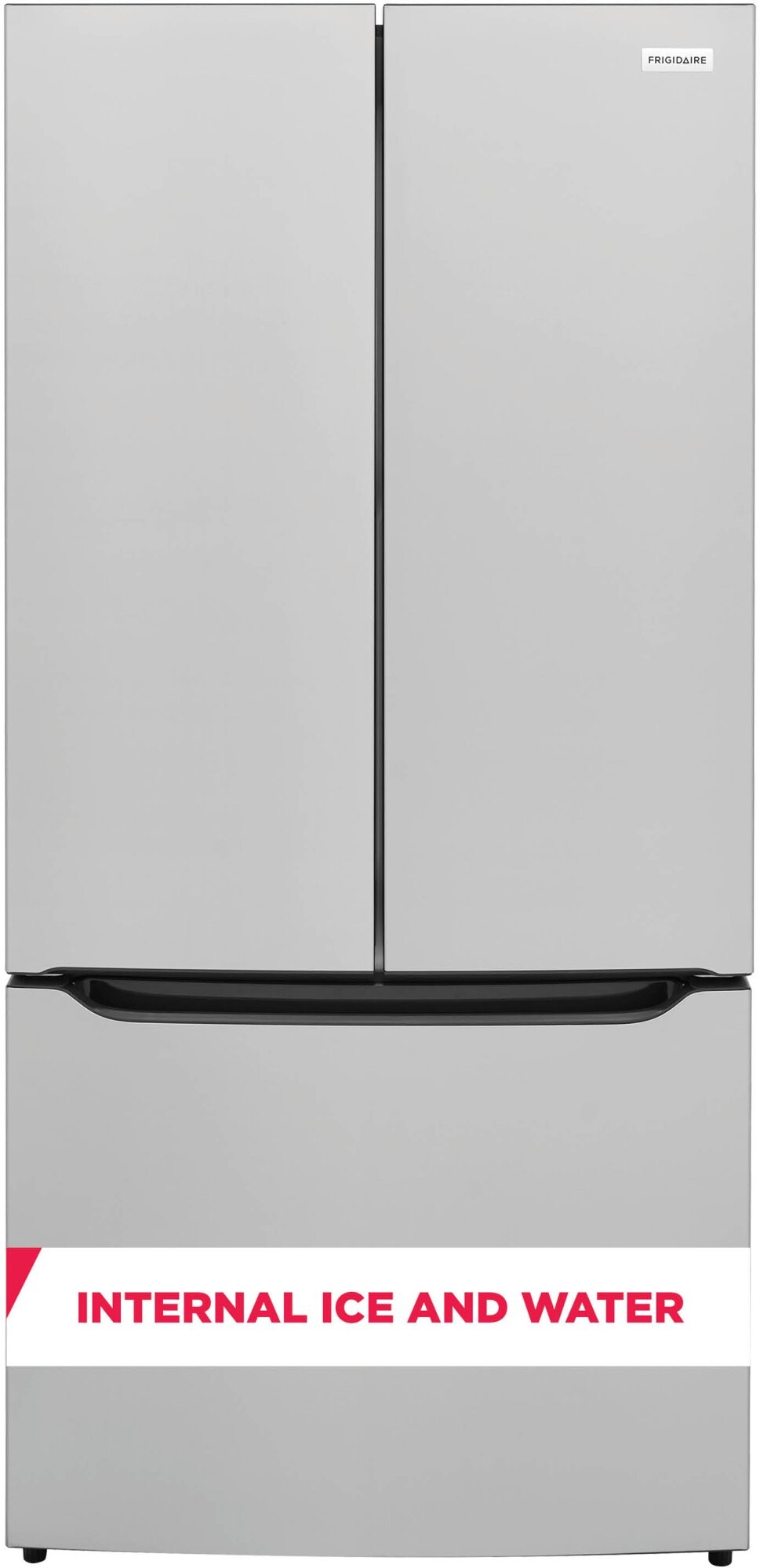
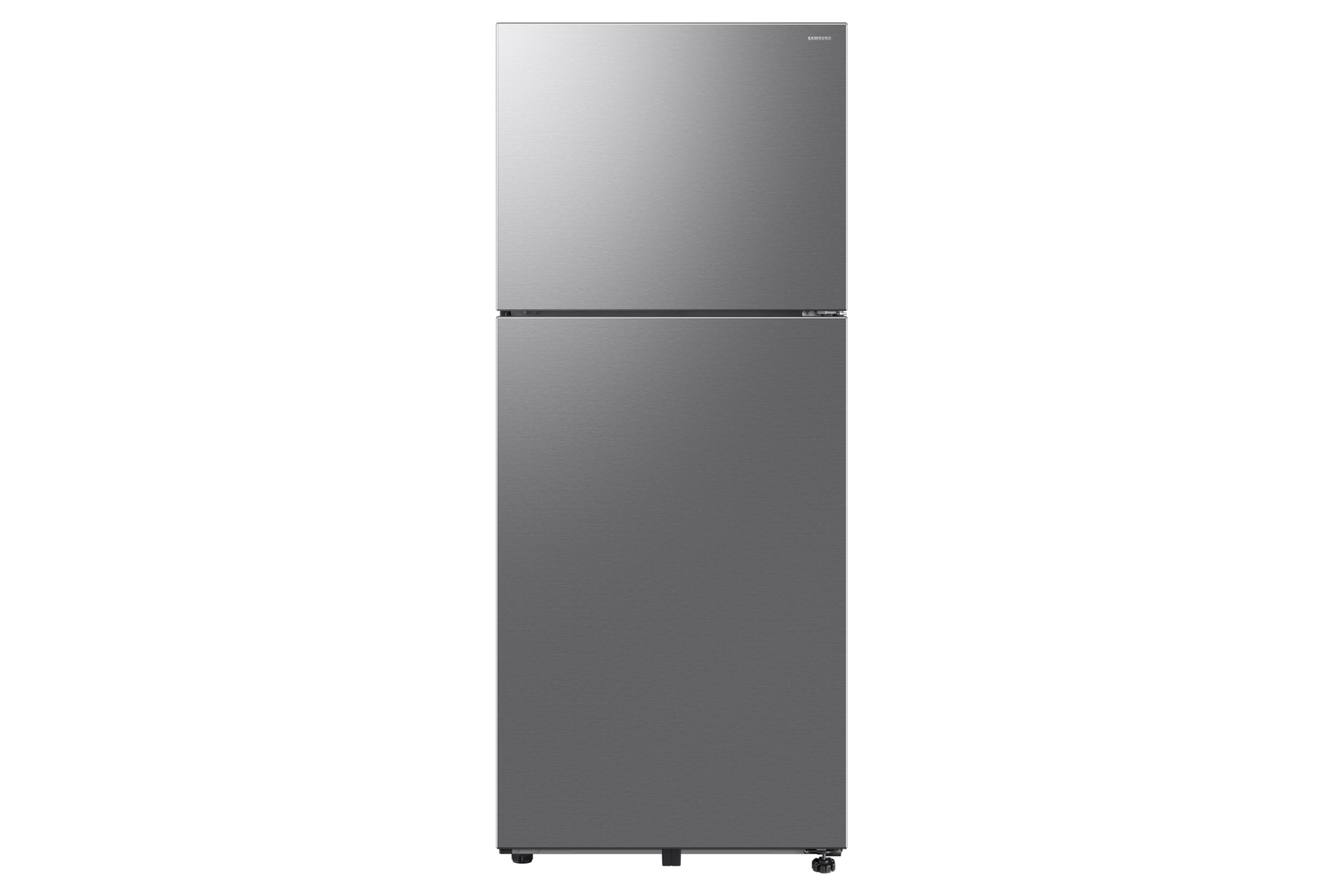
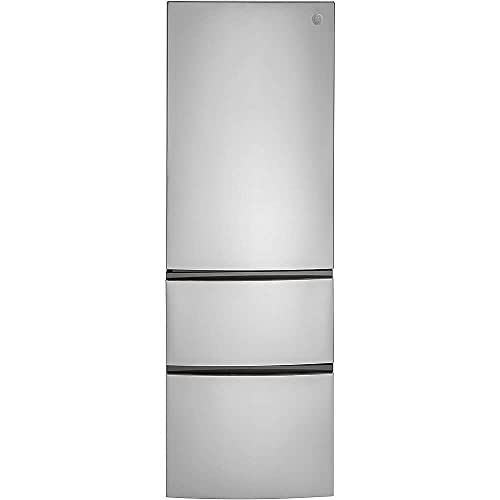
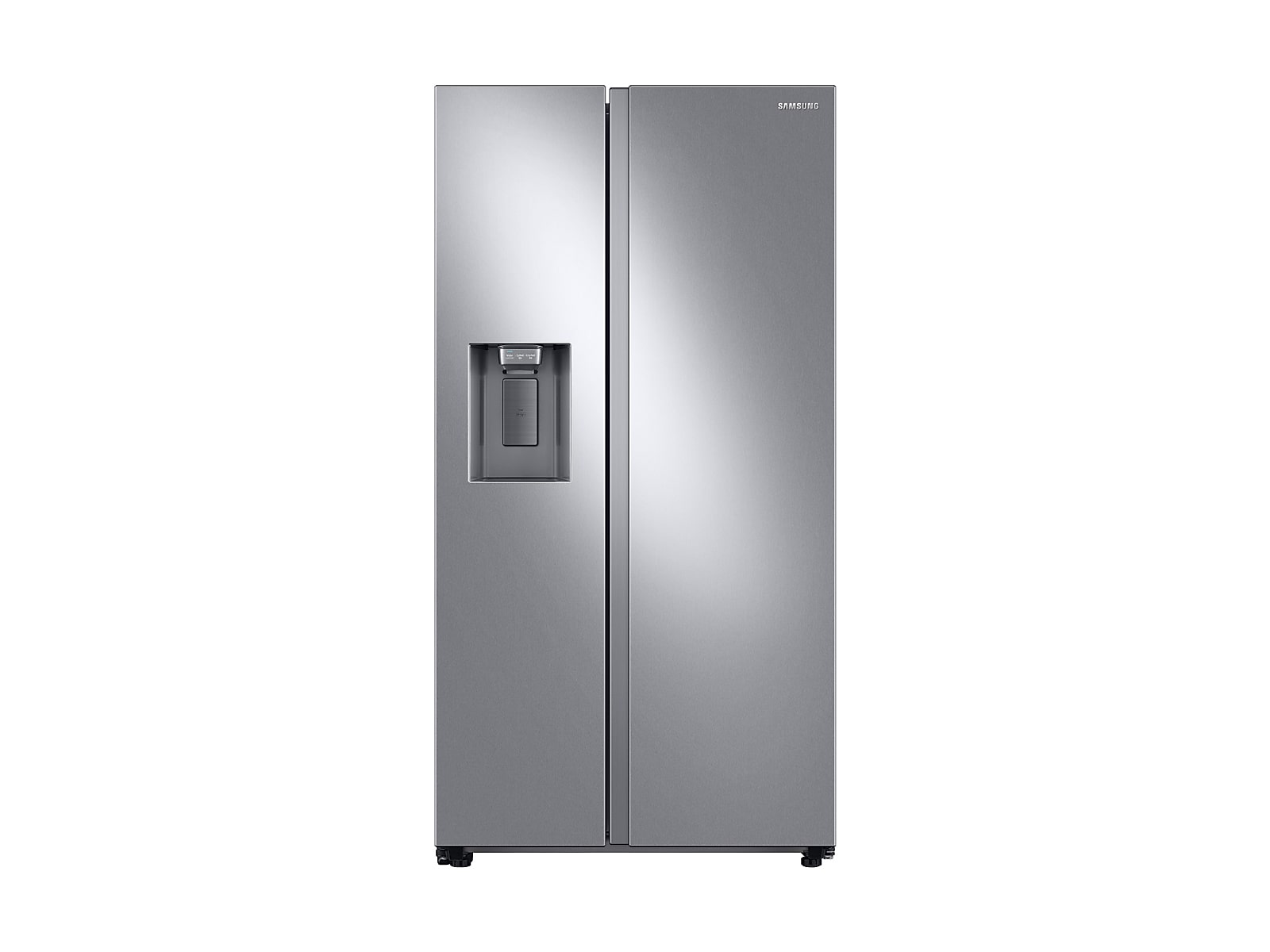
Families of four or more, households where multiple members cook, and homes that entertain frequently benefit most from the expanded capacity that tall models provide.
0–2 inches (tight fit common).
Buyers also sometimes assume that all tall refrigerators offer more usable space than all standard models, which is not always true.
Total capacity typically falls between eighteen and twenty-two cubic feet, split between a fresh food section of twelve to sixteen cubic feet and a freezer of four to six cubic feet.
When comparing a standard fridge size to a tall refrigerator, the decision hinges on kitchen layout, household storage demands, and how much vertical space you can dedicate to a single appliance. A standard-size fridge typically stands sixty-five to sixty-nine inches tall and provides eighteen to twenty-two cubic feet of capacity, while a tall refrigerator reaches seventy to eighty-four inches in height and delivers twenty-four to thirty cubic feet or more. Tall refrigerators appeal to families needing maximum capacity, but they also require specific kitchen dimensions and installation considerations that standard models avoid. This guide breaks down the practical differences so you can choose the right height and capacity for your home.
Defining Standard Fridge Size
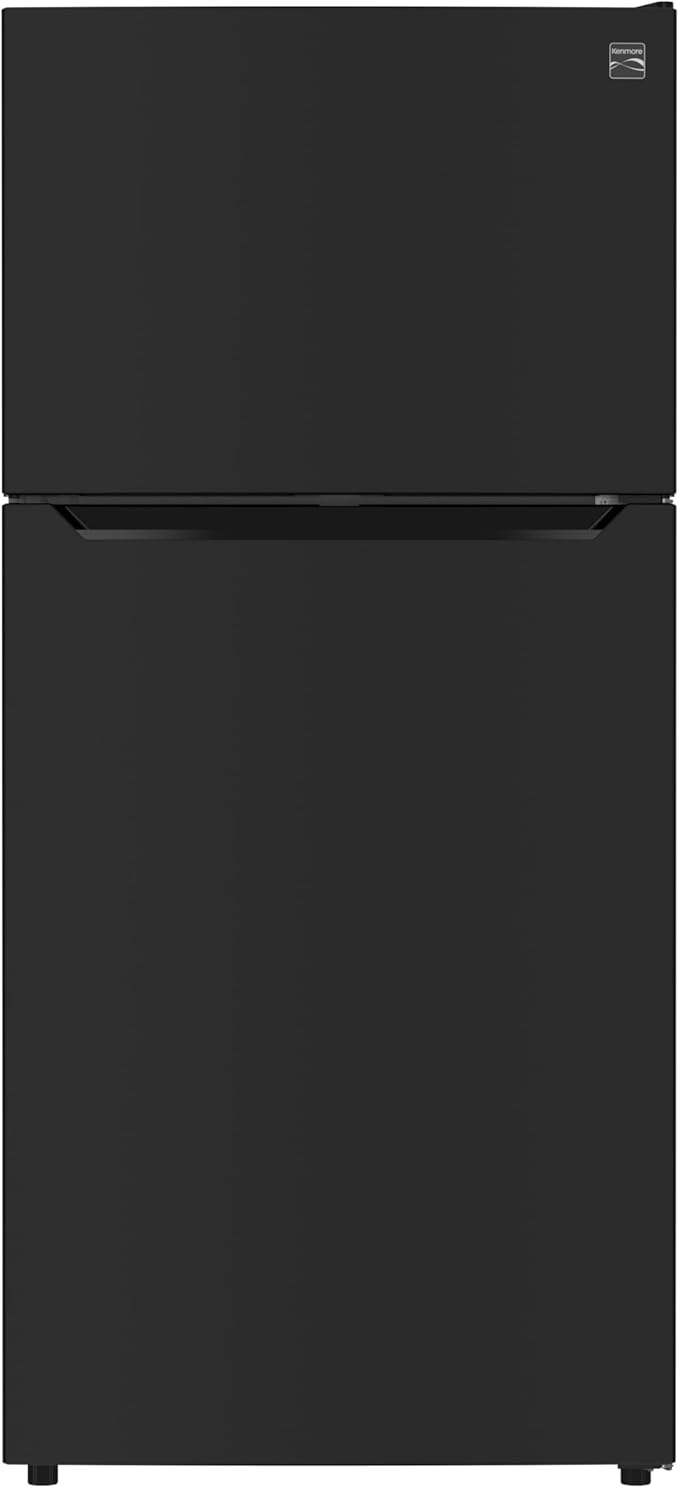
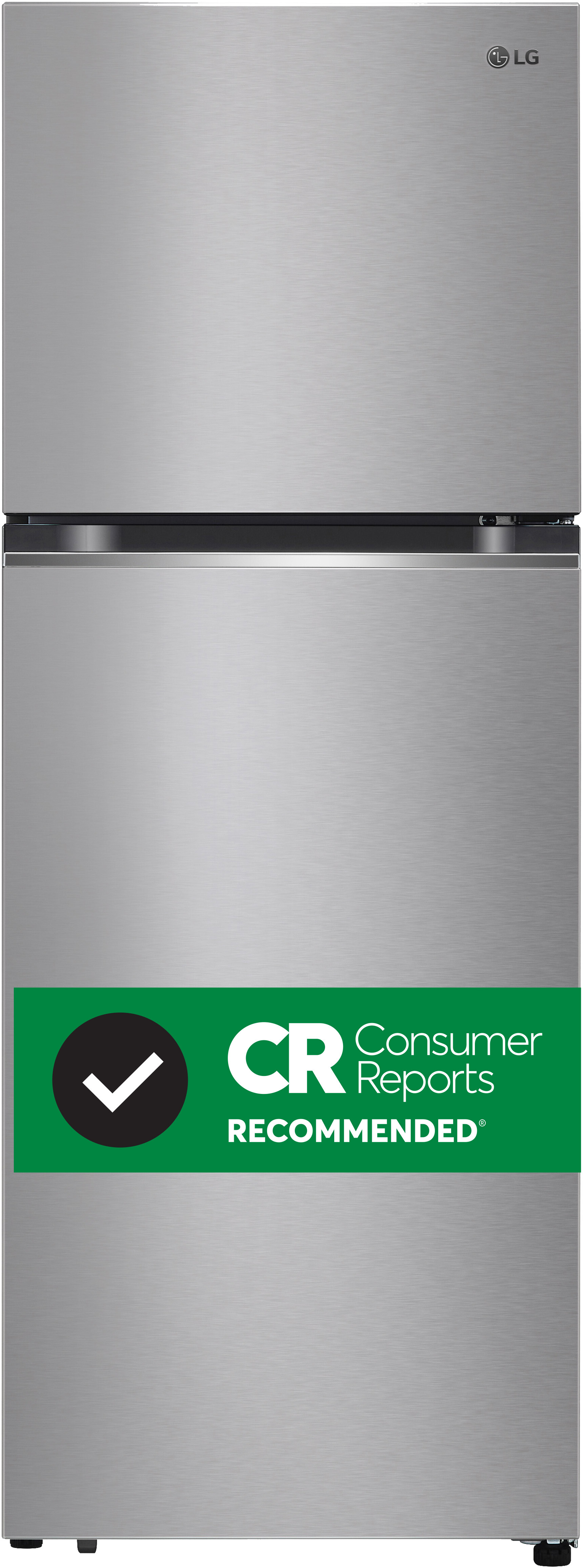
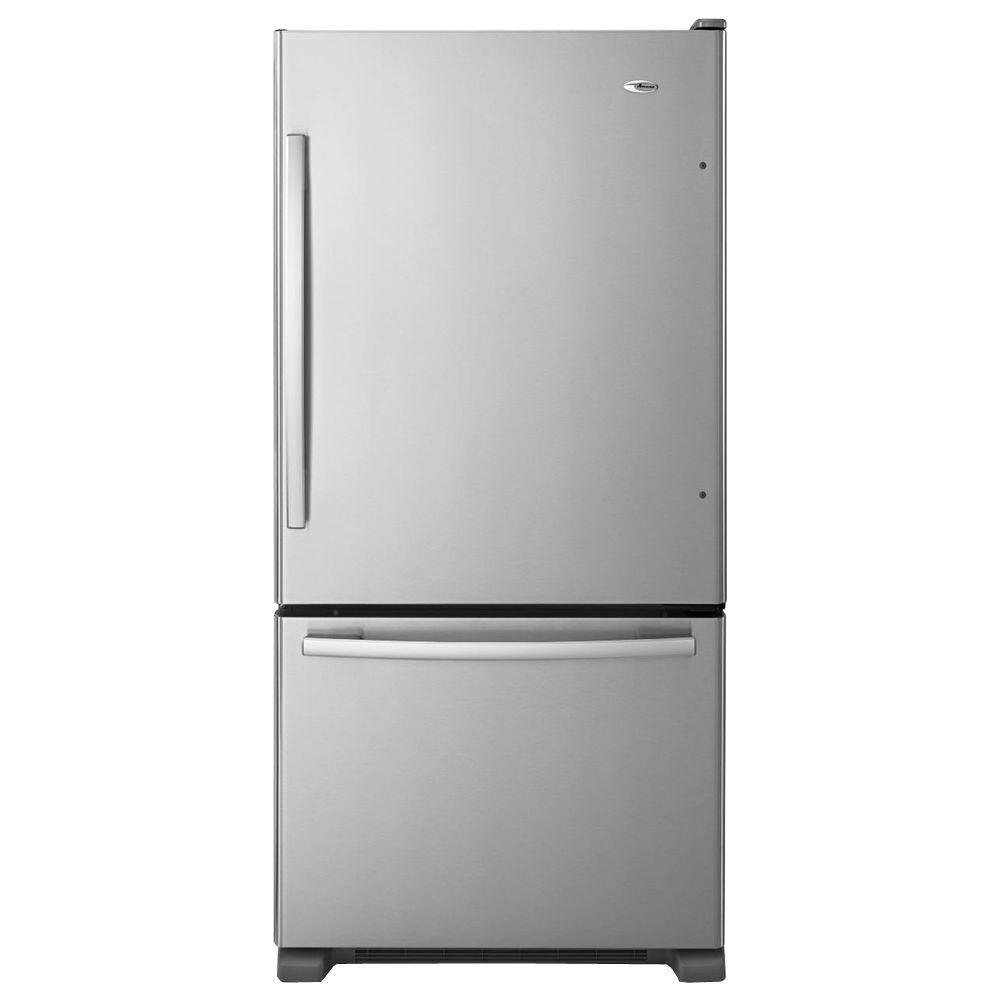
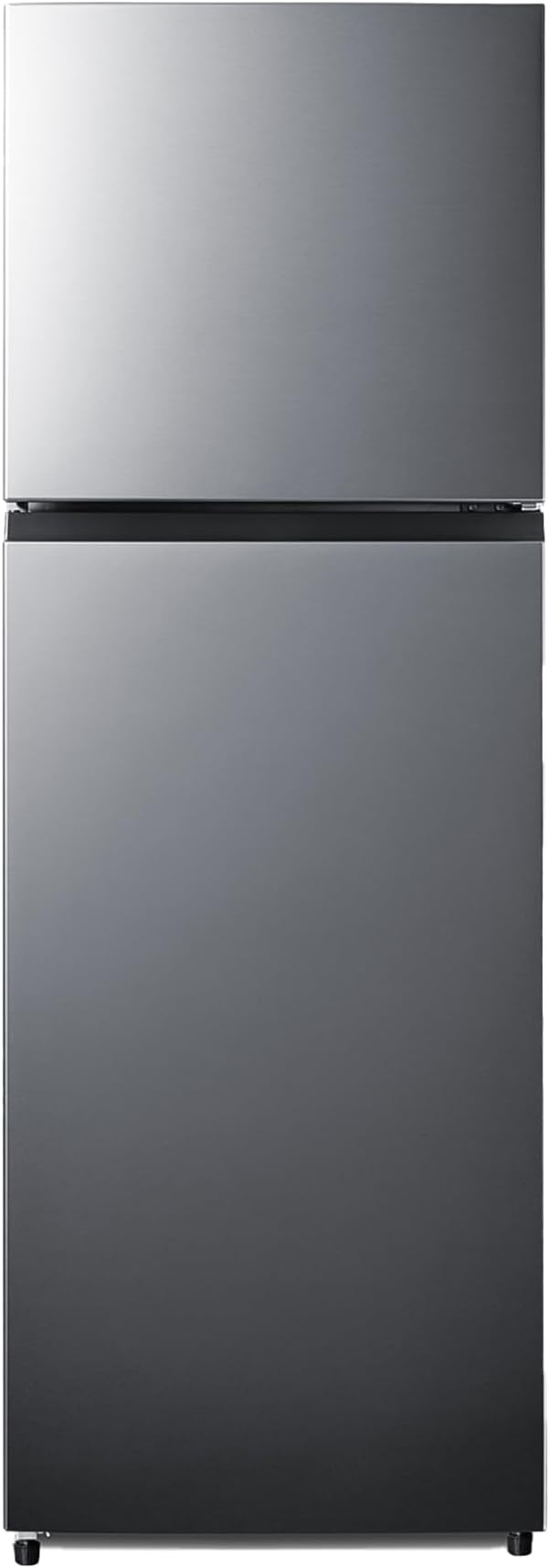
A standard-size fridge measures roughly twenty-nine to thirty-two inches wide, thirty to thirty-four inches deep, and sixty-five to sixty-nine inches tall. This size range encompasses the majority of top freezer, bottom freezer, and many French door refrigerators sold in the United States. These dimensions align with the kitchen cutout specifications found in most homes built from the nineteen sixties onward, fitting beneath standard overhead cabinets without modification and aligning with thirty-six-inch-high countertops on either side. Total capacity typically falls between eighteen and twenty-two cubic feet, split between a fresh food section of twelve to sixteen cubic feet and a freezer of four to six cubic feet.
Standard-size fridges suit households of one to four people who shop weekly and maintain moderate grocery inventories. The fresh food section provides three to four adjustable shelves, two crisper drawers, and multiple door bins, while the freezer offers two to three shelves or baskets and a door bin for smaller items. The moderate height means the top shelf and freezer section in top freezer models remain accessible to most adults without a step stool, and items on every shelf are within easy reach for daily use. This accessibility factor is one of the strongest practical advantages of standard sizing over taller units.
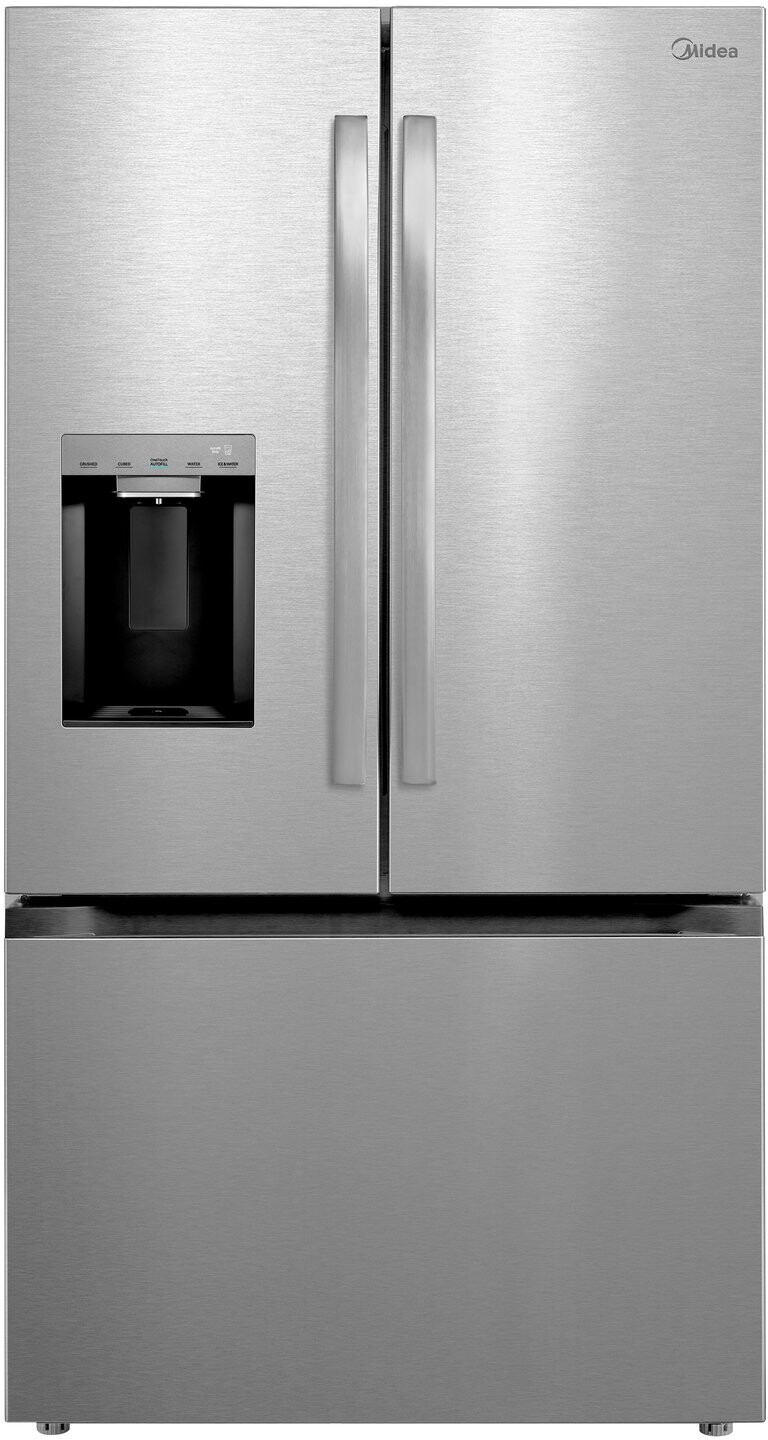
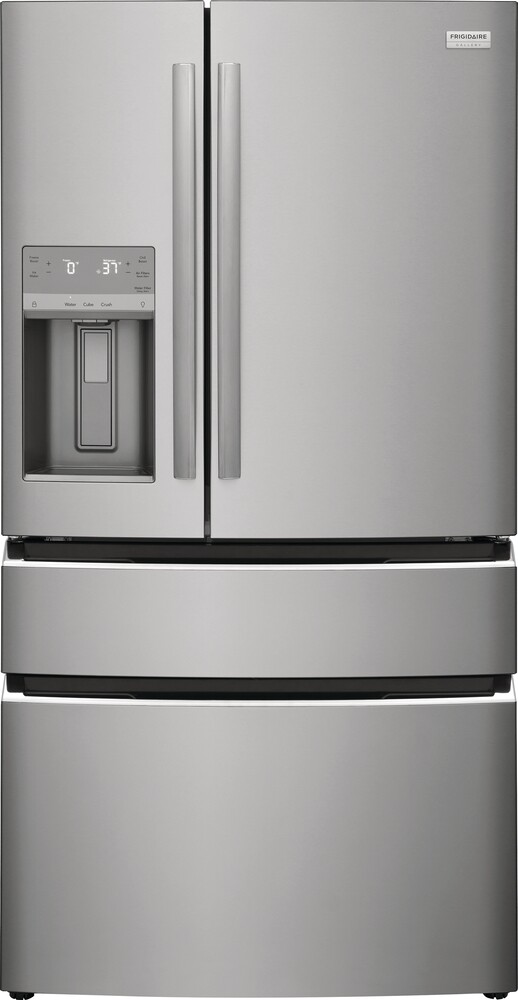
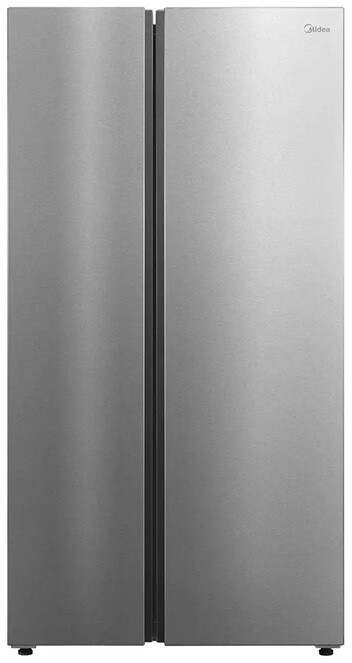
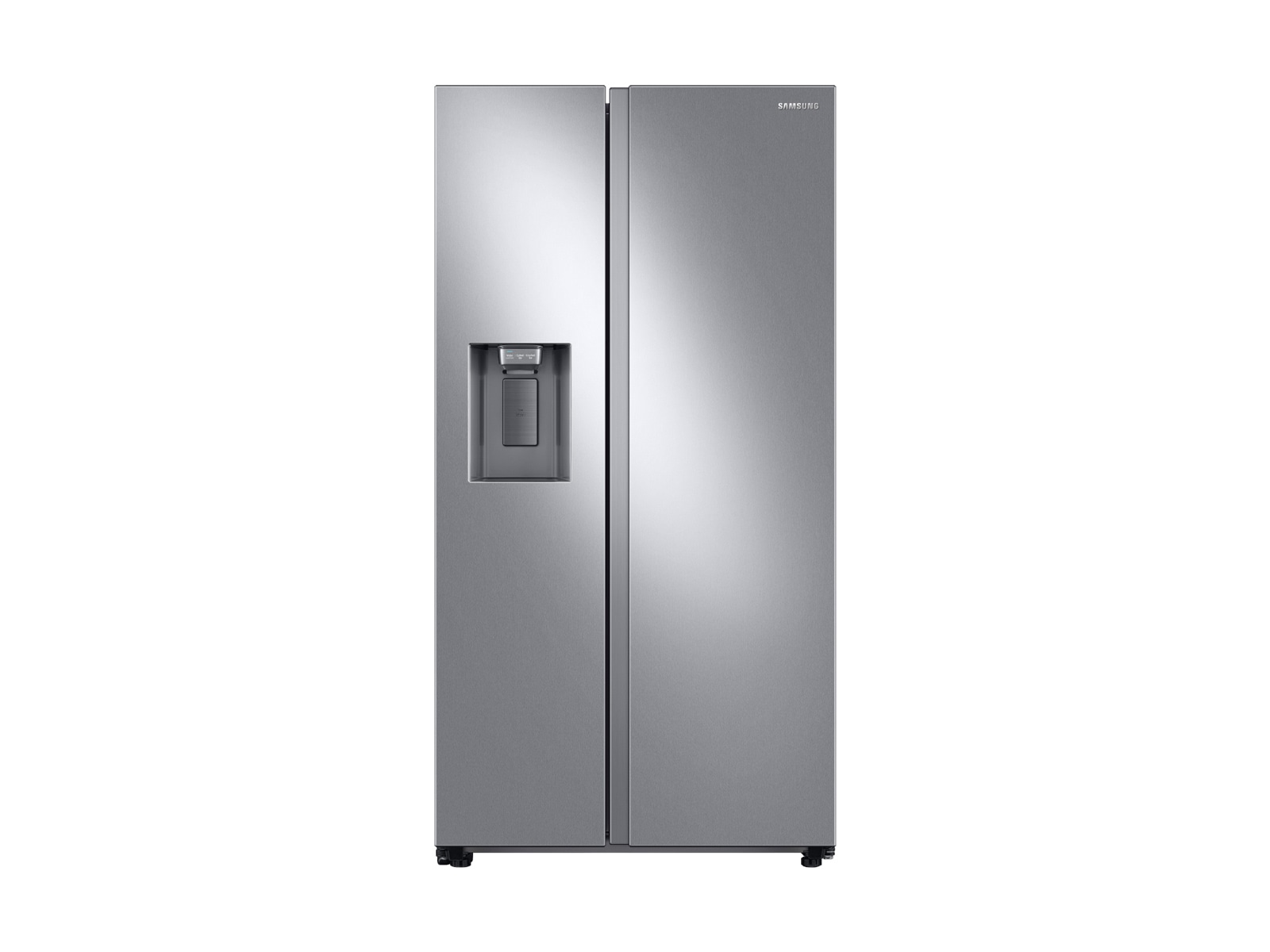
A tall refrigerator stands seventy to eighty-four inches high, with many premium models reaching the full eighty-four-inch height designed to align with the top of standard kitchen cabinet installations. These units measure thirty-three to thirty-six inches wide and thirty to thirty-six inches deep, providing total capacities of twenty-four to thirty cubic feet or more. Tall refrigerators include most large French door models, side-by-side configurations, four-door units, and built-in column refrigerators designed for custom kitchen installations. The additional height translates directly to more shelf levels and greater total storage volume.
The extra height in tall refrigerators serves both refrigerator and freezer sections. French door tall models often feature a spacious upper refrigerator section with five to six shelves and a lower freezer section with pull-out drawers, while side-by-side models split the full height into narrow but tall refrigerator and freezer columns. Four-door configurations add a middle drawer that can function as either an additional refrigerator zone or a convertible temperature compartment. Tall column refrigerators, which dedicate their entire interior to fresh food storage, offer maximum refrigerator capacity per unit with seven or more adjustable shelves and extensive drawer systems.
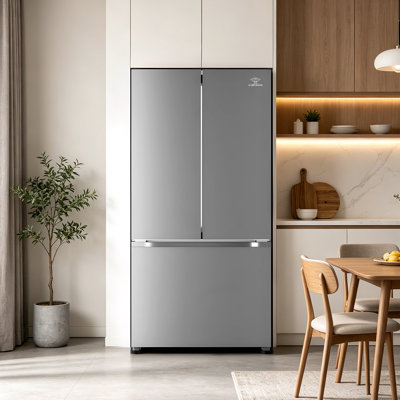
Standard-size fridges fit most kitchen layouts without modification because builders have designed kitchen cutouts around these dimensions for decades. The sixty-five to sixty-nine-inch height leaves room for overhead cabinetry in standard nine-foot ceiling kitchens, and the thirty-inch width matches the most common refrigerator alcove dimensions. If you are replacing an existing refrigerator in a kitchen that has not been remodeled, a standard-size model almost certainly fits your space without measuring concerns beyond confirming the exact width and depth.
Tall refrigerators require careful measurement and sometimes kitchen modifications to install properly. Models at eighty-four inches may not fit beneath existing overhead cabinets in kitchens with standard eight-foot ceilings, especially if the cabinets extend down twelve or more inches from the ceiling. Some installations require removing or raising overhead cabinets, trimming cabinet faces, or selecting a counter-depth model that reduces the protrusion past adjacent countertops. The wider thirty-three to thirty-six-inch footprint also needs a correspondingly wider alcove, which older kitchens may not have. Before purchasing a tall refrigerator, measure the available height from floor to the bottom of overhead cabinets, the width of the refrigerator alcove, and the depth from the back wall to the front edge of adjacent countertops.
Dimension
Standard Fridge Size
Tall Refrigerator
Height
65–69 inches
70–84 inches
Width
29–32 inches
33–36 inches
Depth
30–34 inches
30–36 inches
Total Capacity
18–22 cu ft
24–30+ cu ft
Overhead Clearance Needed
1–2 inches
0–2 inches (tight fit common)
Capacity and Storage Layout
The capacity difference between standard and tall refrigerators is substantial. A standard-size fridge at twenty cubic feet provides comfortable storage for weekly grocery runs serving two to four people. The fresh food section holds a reasonable variety of produce, dairy, proteins, beverages, and leftovers across its three to four shelves, and the freezer accommodates a modest supply of frozen items. This capacity works well for households that shop frequently and do not maintain large stockpiles of food.
A tall refrigerator at twenty-seven cubic feet provides roughly thirty-five percent more storage than a twenty-cubic-foot standard unit, which translates to one or two additional shelf levels, larger crisper drawers, deeper door bins, and a substantially bigger freezer section. This extra space accommodates bulk shopping trips, storage for a week and a half or more of groceries, space for large platters and party trays, and room to store multiple beverages without crowding other items. Families of four or more, households where multiple members cook, and homes that entertain frequently benefit most from the expanded capacity that tall models provide.
Standard-size fridges consume between four hundred and five hundred fifty kilowatt-hours annually, costing approximately forty-eight to sixty-six dollars per year in electricity depending on the configuration and local utility rates. Top freezer models in this size range are particularly efficient due to their simple mechanical design and proven insulation technology. Energy Star certified standard-size fridges consistently rank among the most cost-effective appliances to operate per cubic foot of storage.
Tall refrigerators use more total energy, typically between five hundred and seven hundred fifty kilowatt-hours annually, costing sixty to ninety dollars per year. The additional energy reflects the larger interior volume, more powerful compressor, additional features like ice makers and water dispensers, and greater cold air loss from larger door openings. However, the energy cost per cubic foot is often comparable to or even better than standard-size units because the larger compressor operates at a more efficient ratio relative to the interior volume it cools. Premium tall refrigerators with inverter compressors further close the efficiency gap by adjusting compressor speed to match real-time cooling demand.
Standard-size fridges typically produce between thirty-two and forty decibels during operation. The smaller compressor cycles on and off at moderate intervals, and the limited fan requirements for smaller interiors keep noise output low. For open-concept kitchens where the refrigerator is near living and dining areas, standard-size models provide a quieter background presence that rarely draws attention during meals or conversations.
Tall refrigerators generate between thirty-six and forty-six decibels due to larger compressors, more powerful circulation fans, and additional components like ice makers that produce intermittent operational sounds. The ice maker is often the most noticeable noise source, creating periodic filling, freezing, and harvesting sounds throughout the day and night. Premium tall models with inverter compressors and insulated compressor compartments reduce operational noise significantly, but even the quietest tall refrigerators tend to be slightly louder than comparable standard-size units.
Standard-size fridges offer excellent value at every price tier. Top freezer models start around five hundred dollars, bottom freezer models begin near seven hundred dollars, and French door models in the standard-size range cost between nine hundred and one thousand five hundred dollars. This pricing reflects mature, high-volume manufacturing with optimized production costs. Standard-size models represent the highest-volume category in the refrigerator market, which drives competitive pricing from all major manufacturers.
Tall refrigerators cost more across every configuration. Entry-level tall side-by-side models start around one thousand dollars, mid-range French door models cost between one thousand five hundred and two thousand five hundred dollars, and premium tall refrigerators with smart features, custom panels, and advanced storage systems range from two thousand five hundred to six thousand dollars. Built-in column refrigerators, which offer the tallest and most integrated design option, start at three thousand dollars and can exceed eight thousand dollars for premium models with custom panel compatibility and advanced climate management features.
Price Range
Standard Fridge Size
Tall Refrigerator
Budget
$500–$800
$1,000–$1,500
Mid-Range
$800–$1,500
$1,500–$2,500
Premium
$1,500–$2,000
$2,500–$6,000+
Annual Energy Cost
$48–$66
$60–$90
Installation Considerations
Standard-size fridges install with minimal planning. Confirm that the delivery path from your front door to the kitchen can accommodate the unit's dimensions, ensure the refrigerator alcove is at least two inches wider than the fridge, and verify that you have a standard electrical outlet and optionally a water line for models with ice makers. Most deliveries proceed smoothly because standard-size units fit through standard doorways and hallways without removing refrigerator doors or navigating tight turns.
Tall refrigerators require more careful planning. Their height can create challenges in homes with low doorways, narrow hallways, and tight turns between rooms. Measure every passage point along the delivery path and compare to the refrigerator's dimensions with doors removed, which is the slim-profile configuration used for tight-clearance deliveries. Verify that the kitchen alcove provides sufficient height clearance, accounting for any overhead cabinets or molding that reduces available space. Some tall refrigerator installations require professional measurement and cabinet modification before the unit can be placed, adding to the total project cost and timeline.
Standard-size fridges enjoy the longest average lifespan in the refrigerator market at thirteen to seventeen years. Their simpler mechanical systems, smaller compressors, and fewer electronic components contribute to reliable long-term operation. Routine maintenance includes condenser coil cleaning twice per year, water filter replacement every six months if equipped, door gasket inspection, and periodic interior cleaning. Repair parts are widely available and affordable due to the high volume of standard-size units in service.
Tall refrigerators last twelve to sixteen years on average, with the shorter expectation reflecting greater mechanical complexity. Larger compressors work harder, advanced features like ice makers and water dispensers introduce additional failure points, and sophisticated electronic controls can develop issues that simpler models avoid. Repair costs tend to be higher because parts are larger and more specialized. For premium models with smart features and custom components, repair costs can be substantial enough to justify purchasing an extended warranty at the time of sale.
The most common mistake is buying a tall refrigerator for a kitchen that cannot accommodate it. Measure height, width, and depth of your refrigerator space before shopping, and measure all doorways and hallways along the delivery path. Discovering that a tall unit does not fit after it arrives wastes delivery fees, restocking charges, and days of frustration.
Another frequent error is buying more capacity than your household actually uses. A half-empty refrigerator wastes energy cooling unused air space and costs more upfront for capacity that provides no practical benefit. Estimate your actual grocery volume and choose accordingly. A household of two people rarely needs more than twenty cubic feet, while a family of five typically uses twenty-five to twenty-eight cubic feet effectively.
Buyers also sometimes assume that all tall refrigerators offer more usable space than all standard models, which is not always true. Counter-depth tall refrigerators sacrifice several cubic feet of interior depth to achieve a flush look with cabinetry, and some tall side-by-side models have narrow individual compartments that struggle to hold wide platters or large items despite their impressive total cubic footage. Compare the actual shelf widths and usable dimensions, not just the total capacity number.
Who Should Buy Which
A standard-size fridge is the right choice for households of one to three people, kitchens with standard thirty-inch alcoves and overhead cabinets, buyers prioritizing affordability and proven reliability, and anyone replacing an existing standard unit without wanting to remodel their kitchen. The standard size delivers ample storage for weekly grocery needs at the lowest purchase and operating costs in the full-size refrigerator market.
A tall refrigerator is the right choice for families of four or more, kitchens designed or remodeled to accommodate larger appliances, households that buy groceries in bulk or entertain frequently, and custom kitchen designs where a built-in look with cabinet-height appliances is the design goal. The additional capacity and advanced features justify the higher investment for households that will use the extra space daily. Browse refrigerators in every size at Fridge.com to compare dimensions and features side by side.
Whether you need a space-efficient standard-size fridge or a capacity-maximizing tall refrigerator for your family kitchen, Fridge.com carries trusted brands in every size category. Compare heights, widths, capacities, and prices across Fridge.com full collection to find the perfect fit for your kitchen layout. Every purchase includes free shipping and expert support to help you choose and install your new refrigerator with confidence.
Frequently Asked Questions
10 to 18 inches taller — 80-84 inches vs 66-70 for standard. The extra height matches full cabinet bay height in luxury kitchens. Compare at Fridge.com.
From Fridge.com research
Figures below come from data Fridge.com builds and maintains. Each links to the record behind it.
Fridge.com Energy Index, built on U.S. EPA and DOE ENERGY STAR records
Across 5,455 ENERGY STAR certified refrigerators and freezers from 263 brands, median use is 360 kWh per year.