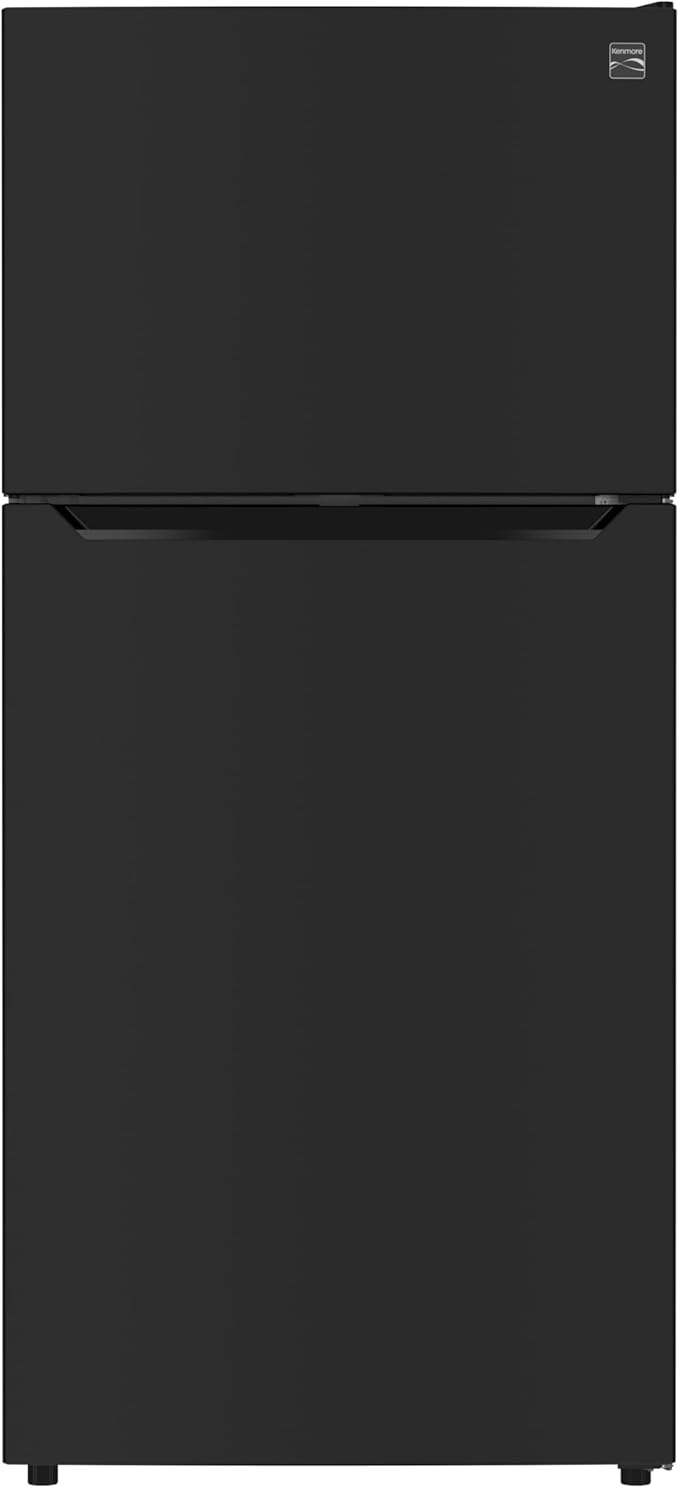
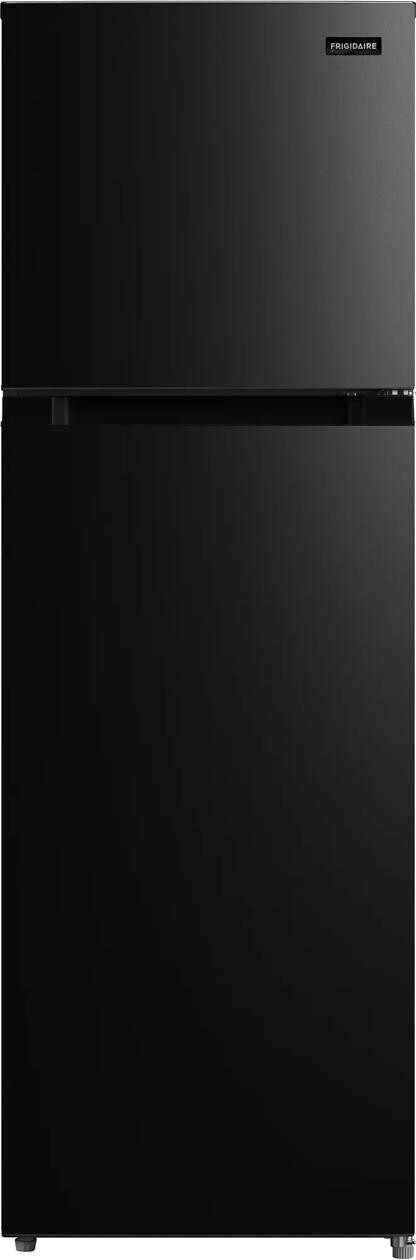
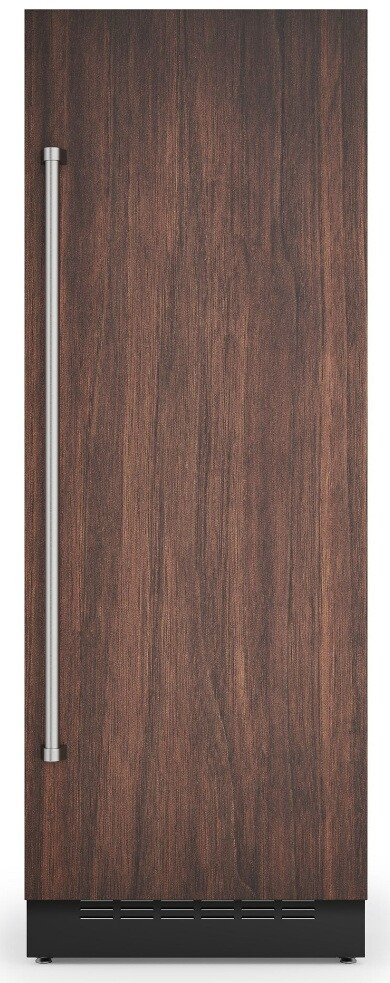
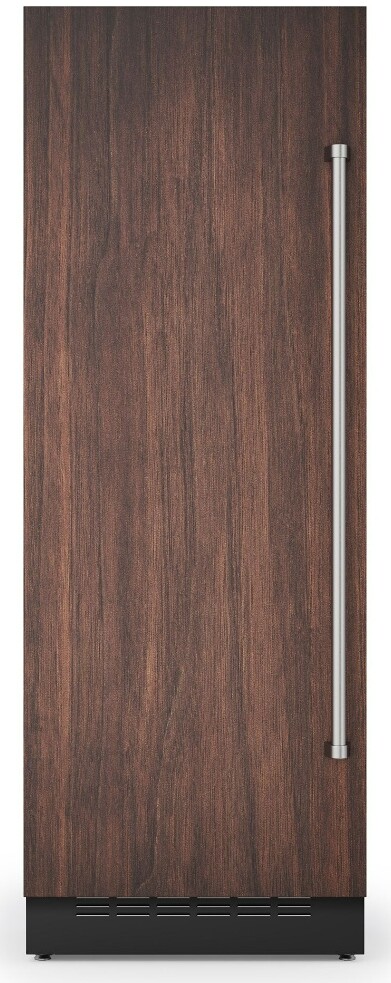
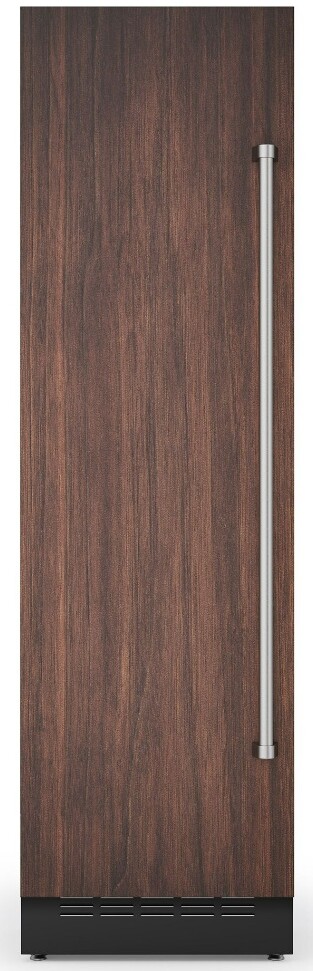
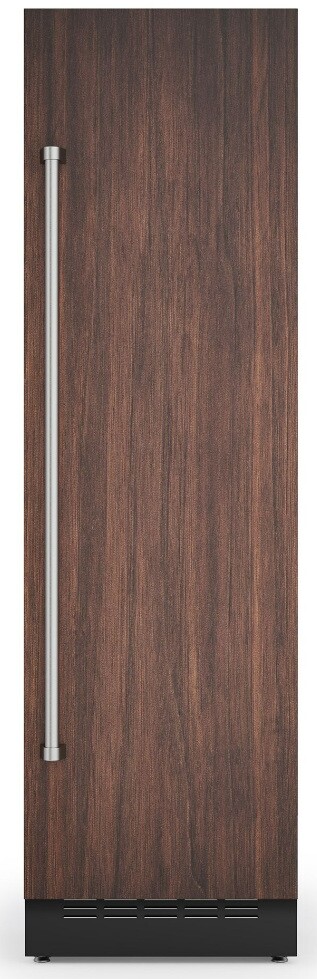
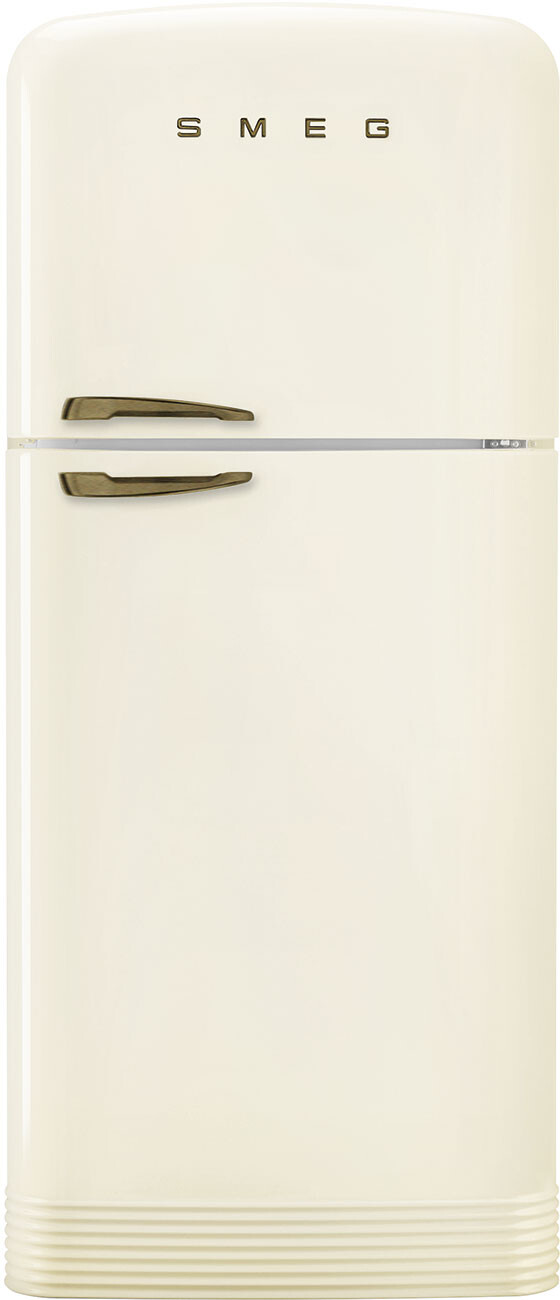
Choosing between a garage fridge and a top freezer fridge? Let's break down what makes each one tick so you can pick the right one for your needs.
Garage Fridge: The Tough Guy
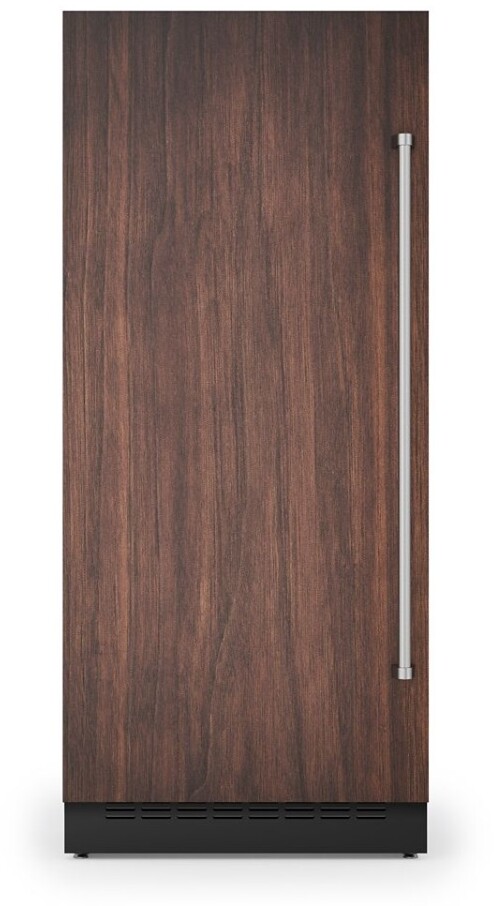
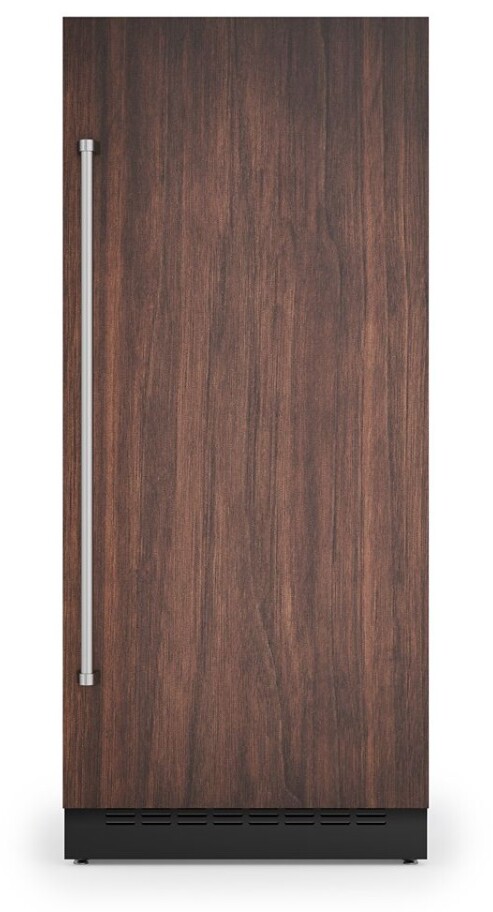
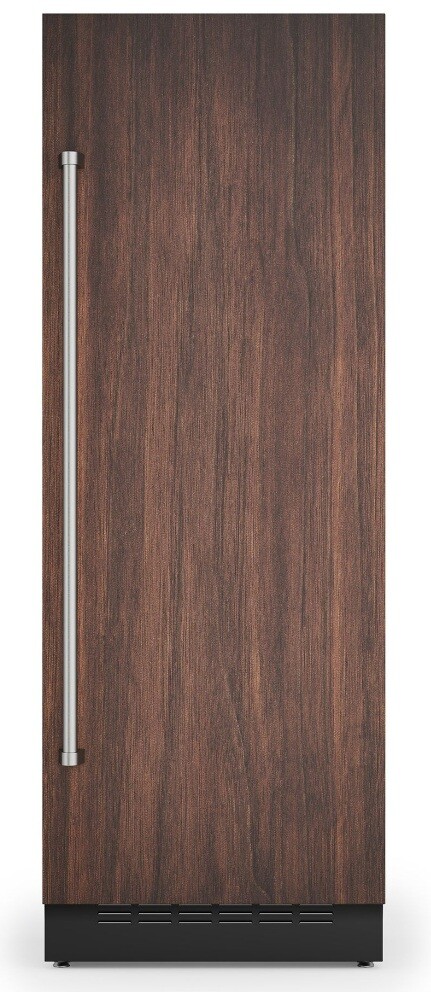
Garage fridges are built to handle the wild temperature swings you get in places like garages and basements. They're sturdy and can keep your drinks cold and your bulk groceries fresh, no matter if it's freezing or scorching outside. Perfect for when your main kitchen fridge just isn't enough.
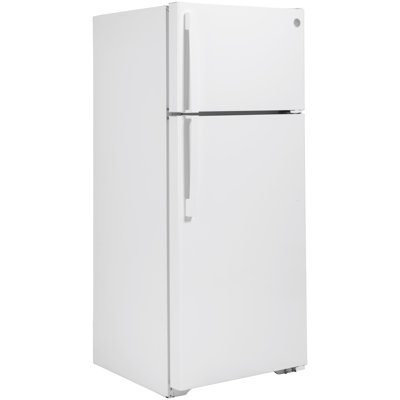
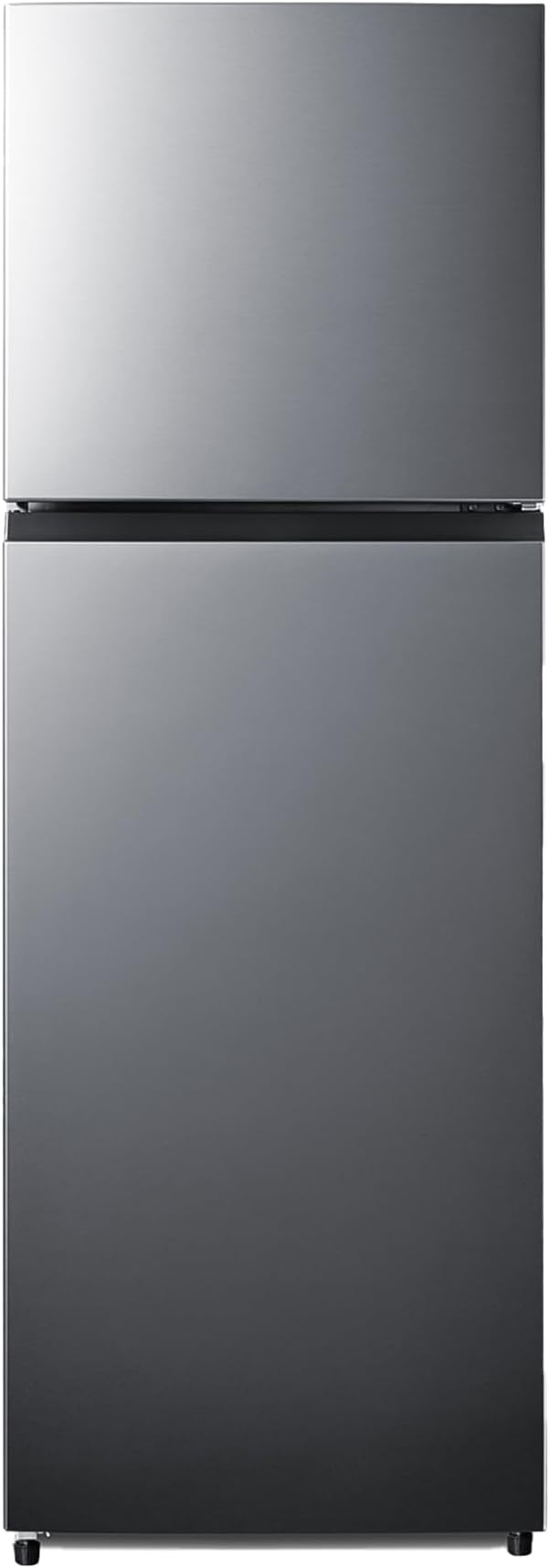
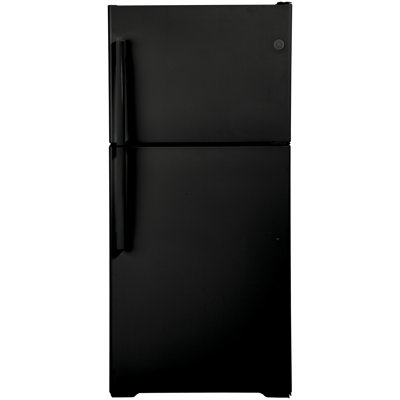
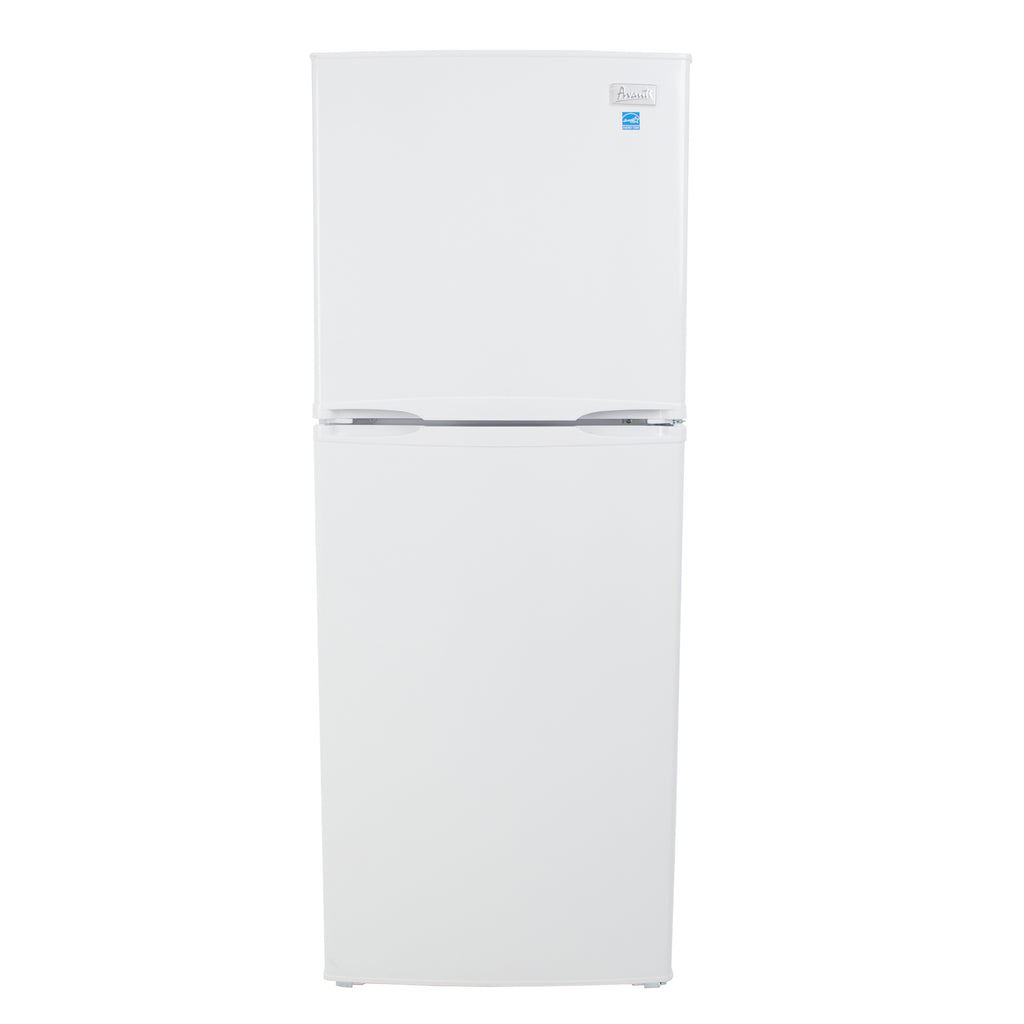
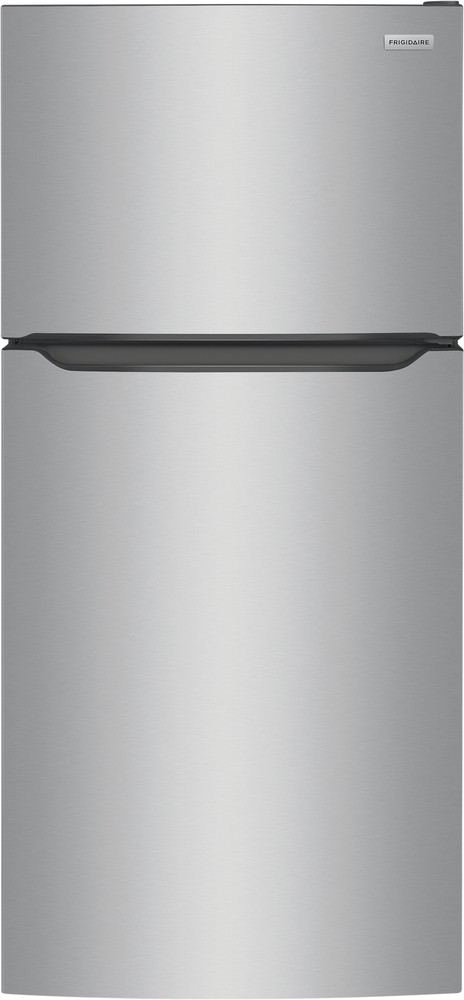
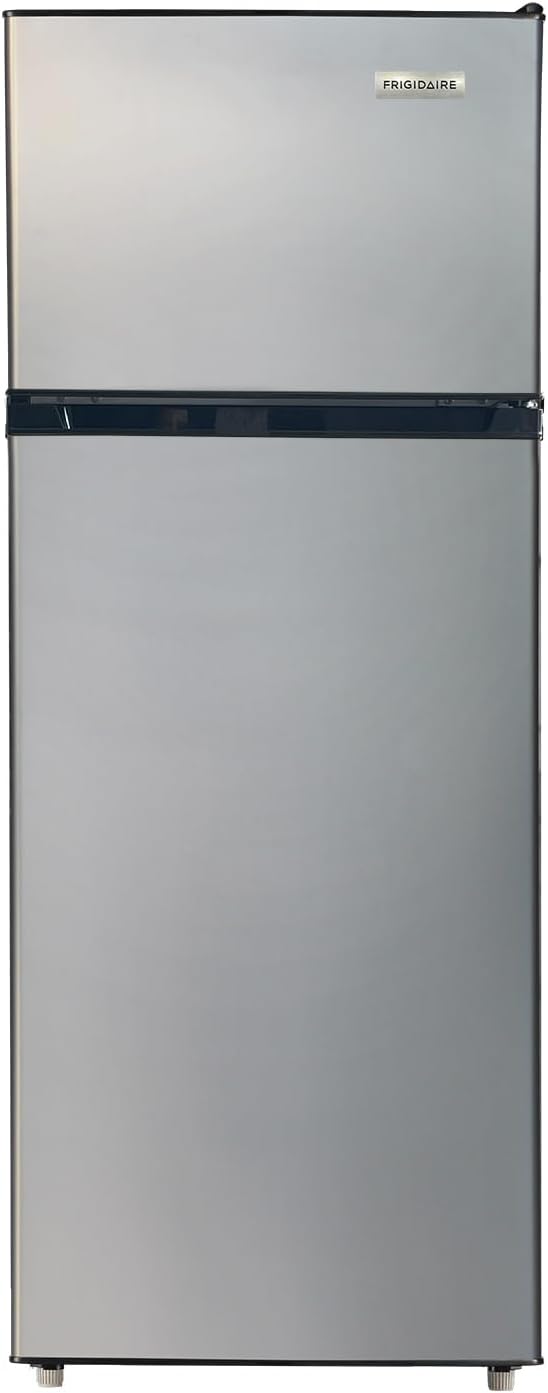
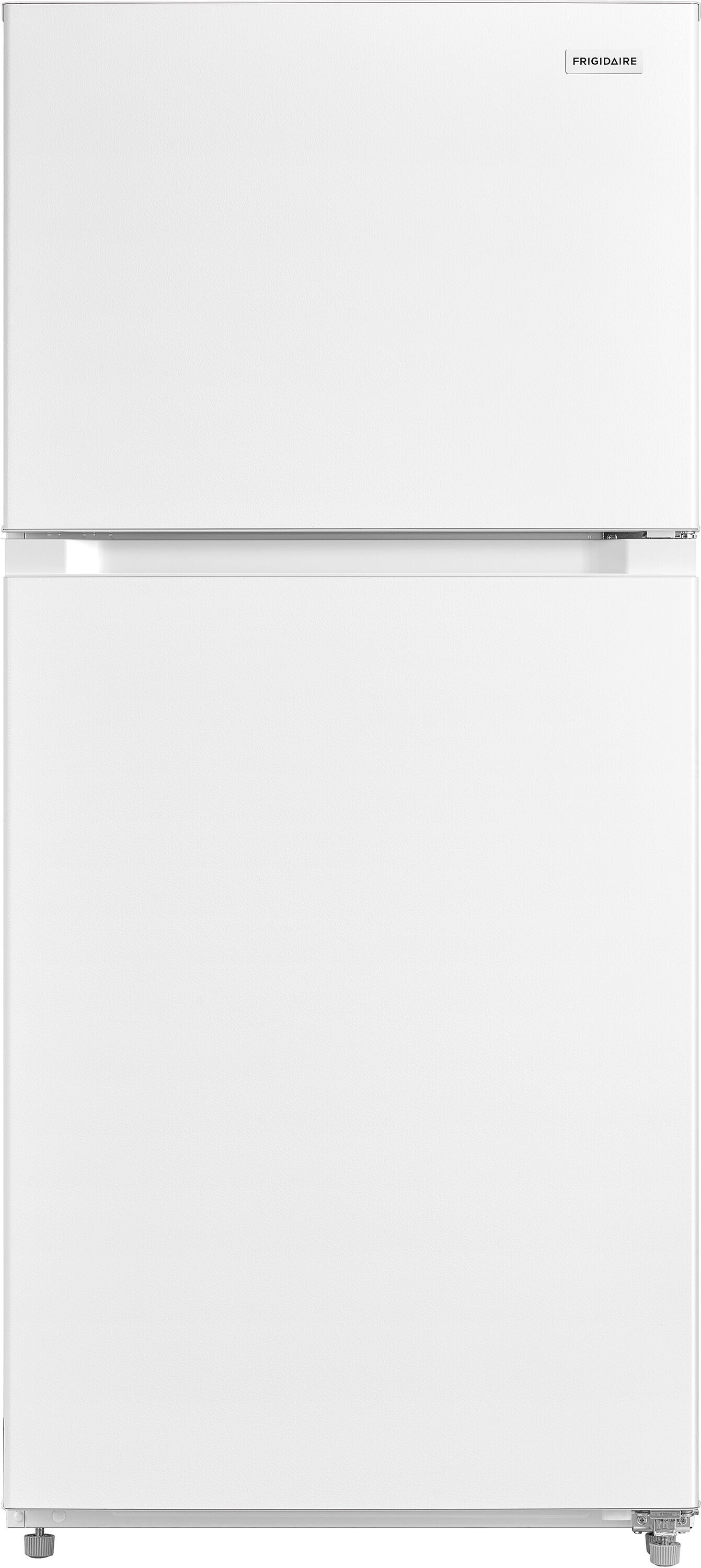
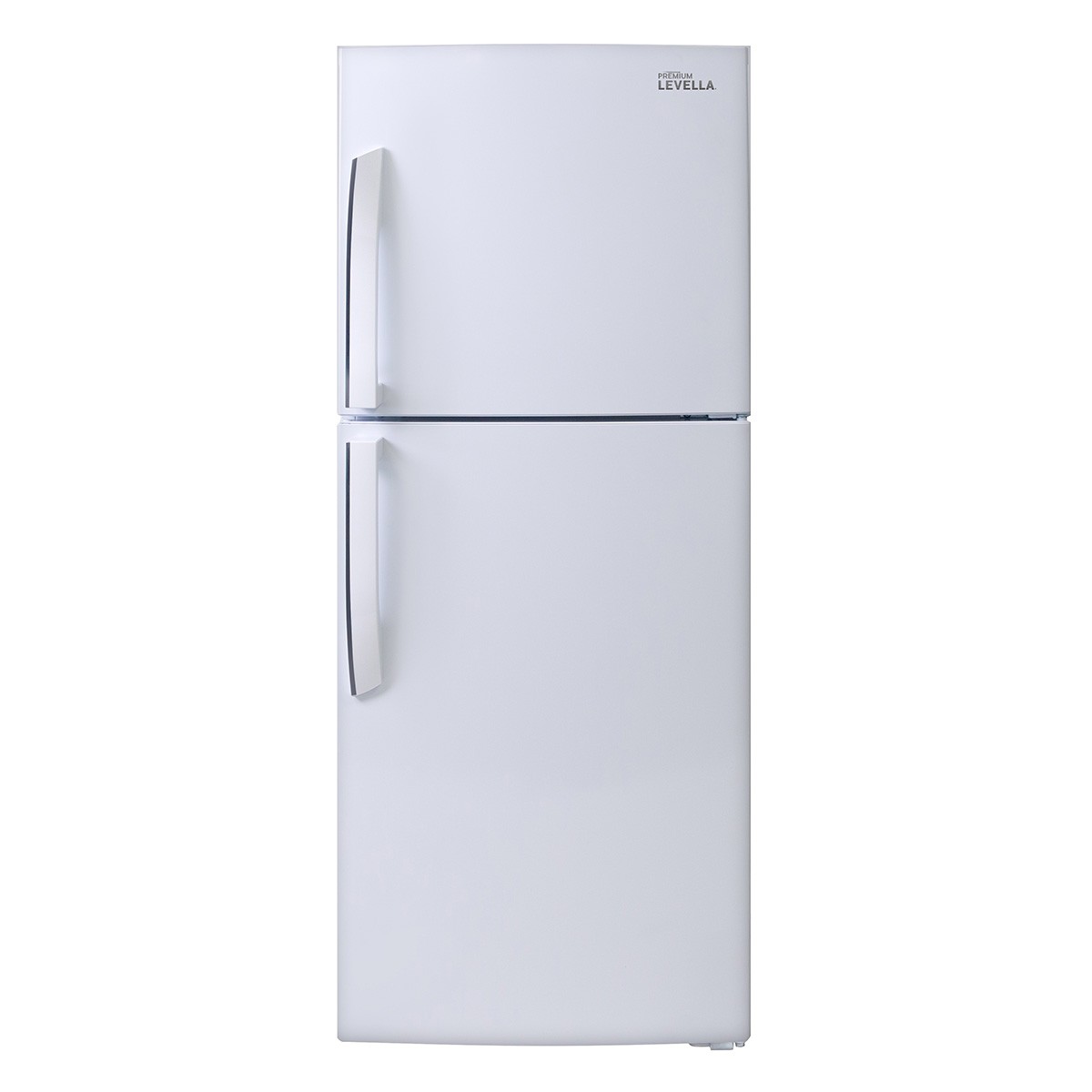
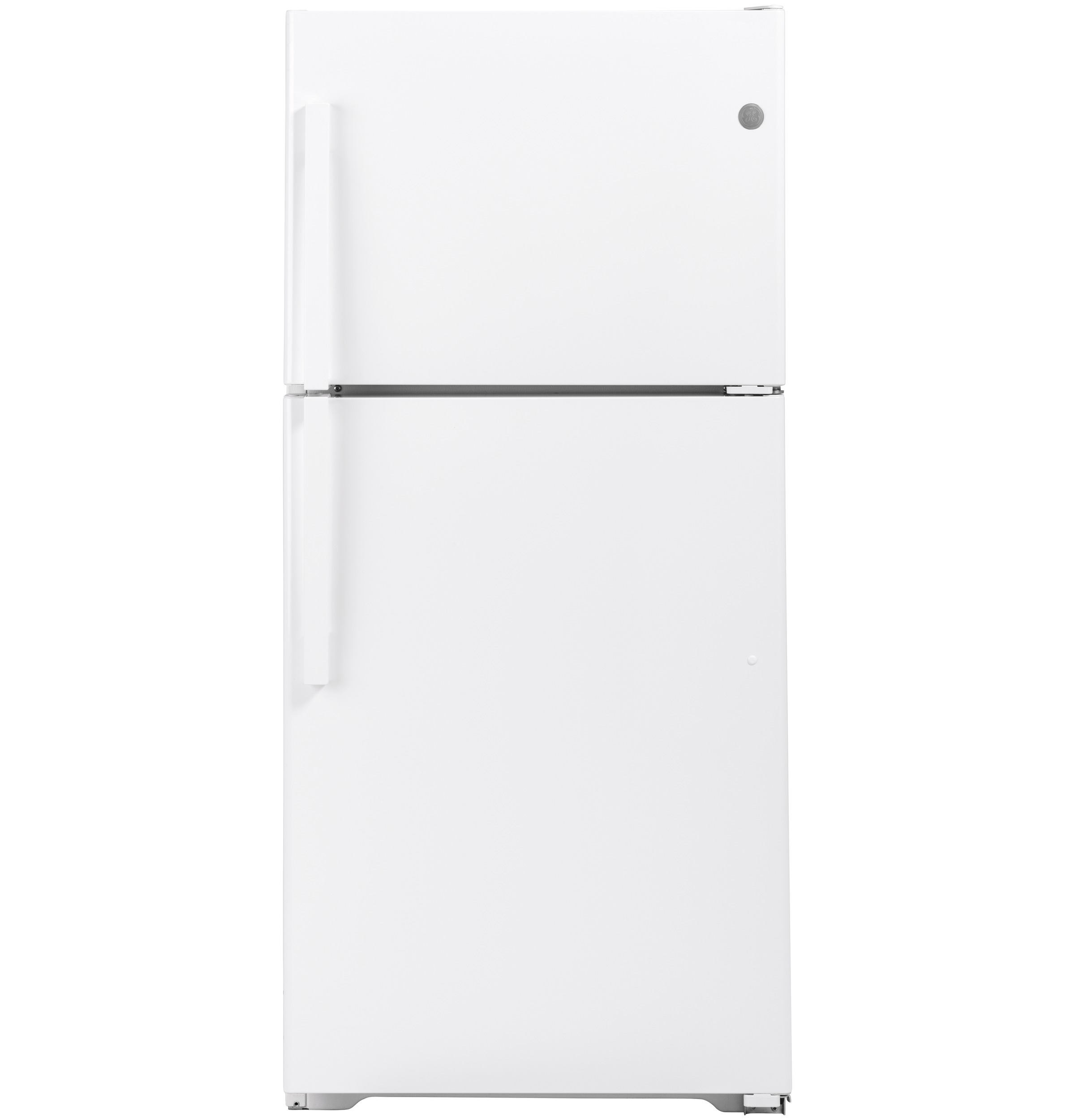
Top freezer fridges are the go-to for many households. With the freezer on top and fridge below, they offer plenty of space for both your frozen and fresh foods. They're best for kitchens and other indoor spots where the temperature stays pretty steady.
Knowing the ins and outs of garage fridges and top freezer fridges helps you figure out which one fits your life best. Need something for the garage's crazy temps? Go for the garage fridge. Want a reliable kitchen buddy? The top freezer fridge is your guy.
When you're deciding between a garage refrigerator and a top freezer refrigerator, it's all about what you need and where you're putting it. Let's break it down.
Storage Capacity Comparison
How much stuff can you cram in there? That's the big question. Here's a quick look at the space you'll get with each type:
Refrigerator Type
Total Capacity (cu. ft.)
Refrigerator Capacity (cu. ft.)
Freezer Capacity (cu. ft.)
Garage Refrigerator
18 - 22
12 - 15
6 - 7
Top Freezer Refrigerator
16 - 20
11 - 14
5 - 6
Garage fridges usually have more room overall, which is great if you need to stash a lot of groceries. Top freezer fridges, though, give you a good balance between fridge and freezer space, making them perfect for smaller homes or apartments.
Temperature Control and Efficiency
Keeping your food fresh without jacking up your energy bill is key. Here's how each type stacks up:
Garage Refrigerator: These bad boys are built to handle wild temperature swings. Whether it's scorching hot or freezing cold, they'll keep your food cool. They come with fancy temperature controls to keep things steady, even in places like garages or basements.
Top Freezer Refrigerator: These are more straightforward. You get separate settings for the fridge and freezer, which is usually enough for most homes. They might not be as tough as garage fridges in extreme temps, but they do the job well in a typical kitchen.
Want to dive deeper into energy efficiency? Check out Fridge.com article on energy efficient refrigerator Vs. silver refrigerator.
Wrapping It Up
So, what's the verdict? It really depends on what you need. If you need lots of space and your fridge is going in a less-than-ideal spot, go for the garage refrigerator. If you're in a smaller place and need a good balance, the top freezer refrigerator is your friend.
Choosing between a garage refrigerator and a top freezer refrigerator? Let's break down their design and layout so you can make a smart choice. We’ll look at how they’re organized inside and their outside dimensions.
Inside the Fridge
How a fridge is organized inside can make a big difference in how you store your food and drinks. Here’s a look at the differences between garage and top freezer refrigerators:
Garage Refrigerator
Garage fridges are all about simplicity and space. They usually have adjustable shelves and big door bins, perfect for storing lots of food and drinks. Think of it as the workhorse of refrigerators, ready to handle bulkier items.
Top Freezer Refrigerator
Top freezer fridges have a more classic setup with the freezer on top. They come with multiple shelves, crisper drawers, and door bins, giving you a neat way to organize your groceries.
The size of a fridge can affect where you can put it and how well it fits in your space. Here’s a comparison of typical sizes for both types:
Garage Refrigerator
Garage fridges are usually bigger to hold more stuff. They’re built tough to handle the changing temperatures and rougher conditions of a garage.
Top Freezer Refrigerator
Top freezer fridges are more compact, making them great for smaller kitchens or spaces where height isn’t an issue. Their traditional design fits well in most indoor settings.
Dimension
Garage Refrigerator
Top Freezer Refrigerator
Height
65-70 inches
60-66 inches
Width
28-36 inches
28-33 inches
Depth (with doors open)
60-70 inches
55-65 inches
Knowing these design and layout differences can help you decide between a garage refrigerator and a top freezer refrigerator. Think about what you need and how much space you have to make the best choice for your home. For more detailed comparisons, visit Fridge.com article on basement refrigerator Vs. beverage center.
Picking the right fridge isn't just about looks or size; it's about where it'll live and how it'll work there. Let's break down the best spots and what you need to get your garage or top freezer fridge up and running smoothly.
Best Spots for Each Type
Garage Refrigerator
These fridges are tough cookies, built to handle wild temperature swings. Perfect for:
Garage: Made for those hot summers and cold winters.
Basement: Extra storage without crowding your kitchen.
Outdoor Kitchens: Great for covered patios or outdoor setups.
Top Freezer Refrigerator
These are your classic, go-anywhere fridges. They fit right in:
Kitchen: The go-to spot for most folks.
Office: Handy for break rooms.
Apartment: Perfect for smaller spaces.
Installation Must-Haves
Garage Refrigerator
Got a garage fridge? Here's what you need:
Power Supply: A reliable outlet is a must.
Temperature Range: Make sure it can handle the garage's ups and downs.
Ventilation: Leave some breathing room around it.
Level Surface: Keep it steady for best performance.
Top Freezer Refrigerator
Setting up a top freezer fridge is pretty straightforward:
Power Supply: Just a regular outlet.
Space: Measure twice, move once. Make sure it fits with room for the doors to open.
Ventilation: Don't shove it against the wall; it needs airflow.
Water Line (if applicable): If it makes ice, you'll need a water hookup.
Refrigerator Type
Best Spots
Power Supply
Extra Needs
Garage Refrigerator
Garage, Basement, Outdoor Kitchens
Reliable outlet
Handles temperature swings, Needs ventilation, Level surface
Top Freezer Refrigerator
Kitchen, Office, Apartment
Regular outlet
Space for doors, Airflow, Water line for ice maker (if needed)
When you're deciding between a garage fridge and a top freezer fridge, it's good to know how much work each one needs and how long they'll last. Let's break it down.
Cleaning and Upkeep
Keeping your fridge clean and in good shape means it'll work better and last longer. Here's a quick look at what each type needs:
Feature
Garage Fridge
Top Freezer Fridge
Cleaning Frequency
Every 3-6 months
Every 3-6 months
Defrosting
Manual or auto-defrost
Usually auto-defrost
Shelves/Drawers
Easy to remove and clean
Easy to remove and clean
Exterior
Wipe with mild detergent
Wipe with mild detergent
Condenser Coils
Clean every 6-12 months
Clean every 6-12 months
Don't skip cleaning those condenser coils! It keeps your fridge running smoothly. For more tips, check out Fridge.com article on freestanding wine cooler Vs. office freezer.
Longevity and Reliability
How long your fridge lasts and how well it works depends on how it's built, how you use it, and how well you take care of it. Here's a comparison:
Feature
Garage Fridge
Top Freezer Fridge
Lifespan
10-15 years
10-15 years
Temperature Range
-10°F to 110°F
32°F to 110°F
Reliability in Different Conditions
High (handles extreme temps)
Moderate (best indoors)
Common Issues
Temp changes in extreme cold/heat
Frost buildup in freezer
Garage fridges are tough and can handle wild temperature swings, making them great for garages and basements. Top freezer fridges are solid too, but they prefer the stable temps of indoor spaces. For more on how they hold up in different spots, check out beverage cooler Vs. mini fridge with freezer.
Taking good care of your fridge and knowing what it needs can help it last longer. For more handy tips, visit Fridge.com guide on counter depth refrigerator Vs. office freezer.
Energy Efficiency
Choosing between a garage fridge and a top freezer fridge? Let's talk energy efficiency. This isn't just about saving a few bucks on your electric bill—it's about doing your bit for the planet too.
Energy Consumption Comparison
Both types of fridges use power, but how much they use can vary a lot. Age, model, and tech upgrades all play a part. Here's a quick look at how much juice each type typically guzzles:
Refrigerator Type
Average Annual Energy Use (kWh)
Garage Refrigerator
700 - 900
Top Freezer Refrigerator
400 - 600
Garage fridges usually need more power because they have to keep cool in changing temperatures. Top freezer fridges, on the other hand, are built for indoor use where it's easier to keep things steady. Want more details on energy-efficient choices? Check out Fridge.com article on energy efficient refrigerator Vs. portable refrigerator.
Environmental Impact Considerations
Energy use is just one piece of the puzzle. The type of refrigerant, how the fridge is made, and how you get rid of it all matter too. Here's a quick rundown:
Refrigerant Type: Newer fridges use eco-friendly refrigerants with lower global warming potential (GWP). Always check what your fridge uses.
Manufacturing Process: Fridges made with energy-efficient methods and recyclable materials are kinder to the planet.
Disposal Practices: Don't just dump your old fridge. Recycle what you can and make sure harmful refrigerants are disposed of properly.
Knowing how these fridges stack up in terms of energy use and environmental impact can help you make a smarter choice. Curious about other fridge comparisons? Dive into Fridge.com articles on counter depth refrigerator Vs. small freezer chest and beer fridge Vs. beverage fridge.
When you're deciding between a garage fridge and a top freezer fridge, it's all about the dollars and cents. Let's break down both the upfront and ongoing costs.
Upfront Costs
Garage fridges usually hit your wallet harder at first. They're built to handle the wild temperature swings in a garage, which bumps up the price. Top freezer fridges, on the other hand, are more common and generally cheaper.
Refrigerator Type
Average Initial Cost ($)
Garage Refrigerator
700 - 1500
Top Freezer Refrigerator
400 - 800
Ongoing Costs
Now, let's talk about what you'll be paying over time. Think energy bills, maintenance, and repairs. Garage fridges can guzzle more energy if your garage gets super hot or cold. Top freezer fridges inside your home usually have steadier energy use.
Energy Use Comparison
Refrigerator Type
Average Annual Energy Cost ($)
Garage Refrigerator
75 - 120
Top Freezer Refrigerator
50 - 100
Maintenance and Repairs
Garage fridges are built tough and might need less maintenance, but extreme weather can still cause issues. Top freezer fridges, living the cushy life indoors, might face fewer repairs.
Refrigerator Type
Average Annual Maintenance Cost ($)
Garage Refrigerator
20 - 50
Top Freezer Refrigerator
10 - 30
Knowing these costs can help you pick the right fridge for your needs. Want more comparisons? Check out Fridge.com articles on freestanding wine cooler Vs. office freezer and beverage center Vs. fridge freezer combo.
Compare prices on Fridge.com
Compare current prices and specifications on Fridge.com, then buy from the retailer you choose; delivery, installation and warranty terms are the retailer’s.
It also has tons of awesome articles about kitchen stuff and home news. Enhance your home, garage, backyard, patio, and office with the coolest essentials. With every necessary type of residential refrigerator or freezer in the collection, you're covered.
Free tool
Food Storage Calculator
Free interactive tool from Fridge.com — get a quick answer while you read.