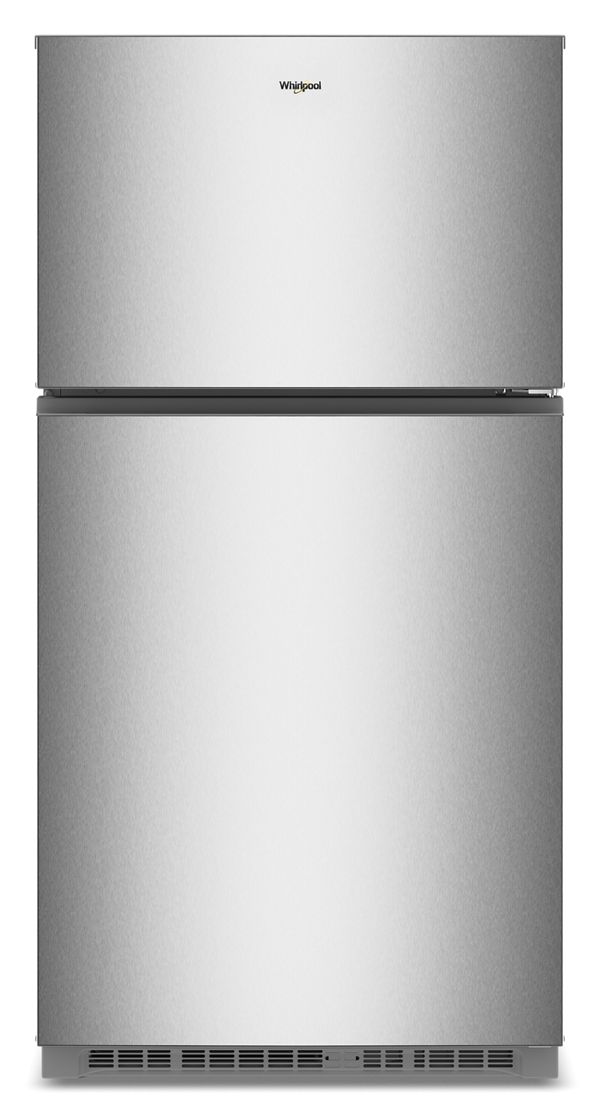
Alright, so you've filled your kitchen with a rainbow of fresh veggies, but keeping them fresh isn't as simple as tossing them into the fridge. Nope. Proper storage is your friend here. It keeps everything crunchy, tasty, and loaded with those good-for-you nutrients. When veggies spoil, it's not just about tossing something in the trash—it's losing part of what makes your meals exciting and nutritious! Imagine all that color and goodness ending up wilted and sad because of a small storage mistake.
Role of Fridge Vegetable Storage Containers
Here's the deal: the containers you choose aren't just about looking neat in the fridge. They have a big job. Good veggie storage containers can make those greens last longer by keeping pesky air, moisture and light out. Let's check out what makes each type handy:
Container Type
Benefits
Plastic Containers
They're like your trusty sidekick—lightweight, strong, and stack up nicely to save space.
Glass Containers
Calm and cool, these are easy to scrub and won't hold onto funky smells.
Produce Saver Containers
Think of them as breathable homes—they keep the air moving just right with some fancy venting technology.
Picking the right container isn't just about the veggies lasting longer. It's making sure your fridge is a place where everything is easy to find. Imagine opening your fridge and not having to go on a scavenger hunt. With practical choices in your arsenal, it's a breeze to stay on top of what you've got ready to cook.
And if you want more tips about storing food (who doesn't?), check out this great advice on fruit containers. Who knew fridge management could be this easy?
Looking to keep your veggies fresh and snappy? Picking the right containers is where the magic begins. Here’s the lowdown on three popular types you might want to throw into your fridge.
Plastic Containers
Plastic containers are like the multitaskers of the fridge world: handy and easy. They come in all shapes and sizes, perfect for stacking up your carrot sticks and bell peppers. Most come with tight seals that lock moisture in and keep the air out, helping your produce stay fresh as a daisy.
Feature
Perks
Lightweight
Easy peasy to shuffle around in the fridge.
Various Sizes
Great for all your veggie needs.
Airtight
Keeps your greens crisp.
Heads up, though—some of these aren't friends with the microwave. Check before you zap.
Glass Containers
Glass containers are the eco-friendly warriors in your kitchen. They don’t suck up odors or stains and are cool for both microwave and oven use (if they’re the oven-sorta guys). Plus, they’re super straightforward to clean, being most often dishwasher friendly.
Feature
Perks
Safe & Sound
No nasty stuff leaking into your food.
Tough
Built to last and nice on the eyes.
Oven-Loving
Perfect for reheating your leftover feast.
Go for clear glass ones so you can see what’s what and ensure nothing gets lost in the back of your fridge jungle!
Produce Saver Containers
Now, if you're aiming to keep your fruits and veggies fresh like they just came from the farmer's market, these little wonders are for you. They usually have vents to adjust airflow and humidity just right for different types of produce. Less spoilage means more taste and better texture.
Feature
Perks
Moisture Control
Tailors to what your veggies need.
Vents Galore
Airy and reduces spoilage.
Smart Design
Handy compartments for neat storage.
Having these in your fridge is like a secret weapon against food waste, helping keep everything neat and saving your veggies from going bad before their big day on the dinner table.
So, grab what's right for you and watch your kitchen game step up. Oh, and if you want a spic-and-span fridge to match, don’t miss Fridge.com guide on how to clean your refrigerator (deep clean guide).
Having a tidy fridge can make life a whole lot easier when you're hunting for those vegetable storage containers. By putting some thought into how you stash your goodies, you’re not just saving space, but also opening the door to a stress-free grab-and-go experience.
Using Storage Bins
Think of storage bins like little superheroes in your fridge, keeping everything tidy, especially your veggies. Assign those bins their roles—maybe one for leafy greens and another for root veggies. Voilà! Your fridge is now a neat haven of freshness and convenience.
Bin Type
Why It's Awesome
Clear Bins
See what’s inside without digging
Divided Bins
Keep veggies like your carrots and celery from touching, therefore avoiding spoilage fights
Stackable Bins
Use every inch of fridge height
Clear bins let you peek at what's what in a split second. Divided bins? Those are for the perfectionist in you, separating veggies to keep them fresher, longer. Stackable ones? They’ll help you take that cramped space to the next level, literally.
Labeling Your Containers
Labels aren’t just for high school binders—they're fridge game-changers! Slap a label on your container, and you’ll never tear the fridge apart looking for those stubborn veggies again.
Labeling Advice:
Waterproof Labels: Because the fridge likes to rain on your parade sometimes.
Expiration Dates: No one wants funky lettuce. This keeps the freshness timeline visible.
Group 'Em Up: Tag by type—greens, roots, herbs—and navigate like a boss.
Check out the table to see who lives where in your fridge world:
Container
Hanging Out Veggies
Goodbye Date
Bin #1
Lettuce, Spinach
5 days
Bin #2
Carrots, Celery
7 days
Bin #3
Bell Peppers, Cucumbers
7 days
Tidy up your fridge with bins and labels, and you'll save time and rescue veggies from ending up as compost. Want more tips? Check out Fridge.com deep dive into fridge vegetable storage containers and find more secrets to keeping vegetables fresh longer.
Want your veggies to stay as crisp as when you bought ‘em? You gotta play it smart with your fridge tricks. Keeping an eye on temperature and humidity levels can give your greens a fighting chance to outlast their usual lifespan alive in the crisper.
Temperature and Humidity Control
Your fridge is your veggies' home base—let’s make it cozy for them. The magic numbers? Between 32°F and 40°F (0°C to 4°C). Dialing into this range can put the brakes on spoiling. Wait, there's more! Veggies have friends—they like humidity. Some fridges have those nifty drawers with different humidity settings. Use ‘em right, and you’re in the freshness zone.
Veggie
Keep Chillin’ At
Humidity Vibes
Leafy Greens
32°F - 34°F
High Humidity
Carrots
32°F - 34°F
High Humidity
Bell Peppers
40°F
Moderate
Tomatoes
Don't Ice 'Em—55°F
Low
Proper Placement in the Fridge
Ever play Tetris with your fridge? Don't just stuff veggies anywhere—it matters! Crisper drawers are where it’s at. Keep those ethylene-making fruits (like sneaky apples and bananas) away from your precious leafy greens and friends. Otherwise, they'll speed up spoilage like it’s a road race.
Don’t cram! Veggies need room to breathe. Air needs to flow—like, free and easy. Blunt veggies like carrots and taters belong on the bottom shelf. It’s colder, and they can handle it.
Want more deets on the chilling science behind keeping veggies happy? Swing over to how to keep your fridge chill for veggies. Learn what you can do to level up your vegetable storage game with our awesome fridge storage tips!
Cleaning and Maintenance Tips
Keeping your produce fresh and tasty starts with a squeaky clean fridge. No one wants soggy lettuce or funky cucumbers, right? Here's your game plan to keep everything tidy and long-lasting.
Regular Cleaning
To keep your veggie boxes in tip-top condition, a good scrub is a must. Just sticking to a few easy steps will do the trick:
Empty Containers: Get those veggies outta there.
Wash with Soap: Grab some warm, soapy water. Give both containers and lids a gentle scrub. Steer clear of harsh stuff that could leave a residue you don't want.
Rinse Thoroughly: Rinse till you see no more soap.
Dry Completely: Let them dry out in the open air before popping them back in.
Cleaning Task
Frequency
Empty and Clean Containers
Every week
Deep Clean Refrigerator
Monthly ritual
Got more questions about giving your whole fridge a facelift? Check out our handy deep clean guide.
Checking for Spoilage
Spotting the bad apples before you eat 'em is a smart move! Follow this checklist to keep your veggies in the best shape:
Visual Inspection: Check for unwelcome mold or funky colors.
Smell Test: If it smells like something from last month's leftovers, it's time to say goodbye.
Texture Check: Any mushy or slimy touch means it's done for.
Try to make inspection a habit, like brushing your teeth—and do it when you clean. If some veggies seem to go bad faster than others, rethink how you’re storing them or upgrade your containers. Need more storage smarts? Fridge.com spills all its tips on fridge temps and tricks.
Following these quick tips will keep your veggies fresh and your meal-prep game strong. Happy organizing!
Cutting down on your environmental footprint is right at home, literally, in your kitchen. One simple way to do this is by switching to eco-friendly storage options for your fridge. Glass containers and biodegradable plastics are fantastic picks. Besides making your veggies last longer, they help you dodge the never-ending pile-up of plastic in landfills.
Check out these planet-friendly storage ideas:
Storage Type
Material
Benefits
Glass Containers
Glass
Reusable, recyclable, non-toxic
Bamboo Containers
Bamboo fiber
Biodegradable, lightweight
Recycled Plastic
Recycled plastics
Cuts down on new plastic making
Fabric Bags
Organic cotton
Washable, reusable, compostable
Using these goodies in your kitchen is a small move towards being green and clean. Curious about more green choices? Head over to check our fridge energy ratings explained.
Minimizing Food Waste
Tossing less food isn't just about being kind to the planet; it’s great for your wallet too. Using the right fridge vegetable storage keeps your produce fresher, longer. That's less wilt and more yum.
Here's a game plan to keep food waste under control:
Strategy
What's the plan?
Proper Storage
Get smart about storage. Leafy greens thrive in breathable bags while root veggies like carrots prefer sealed containers to stay crisp.
Plan Your Meals
Sketch out a weekly meal plan. Use what you've got before it turns into a science experiment. Keeps you on top of your edibles.
Regular Inventory
Peek into your fridge weekly, jot down what needs to be gobbled up first, and dodge the bummer of finding surprise mold.
By adopting these habits, you'll naturally minimize waste and stretch your dollar further. For a deep dive on kitchen management, check out Fridge.com guide on how to clean your refrigerator (deep clean guide).
Free tool
Freezer Storage Capacity Calculator
Free interactive tool from Fridge.com — get a quick answer while you read.