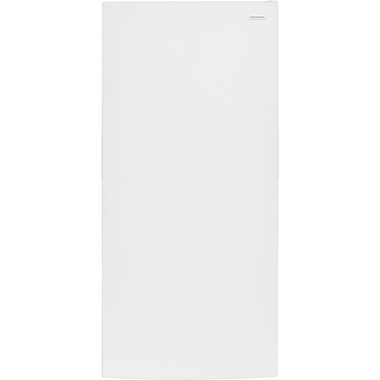
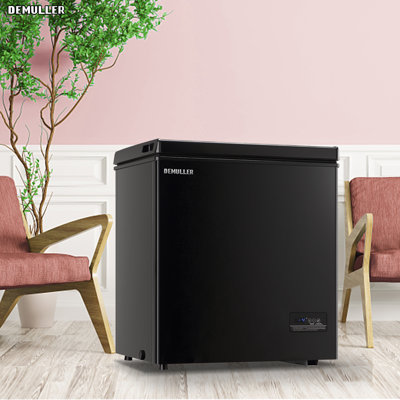
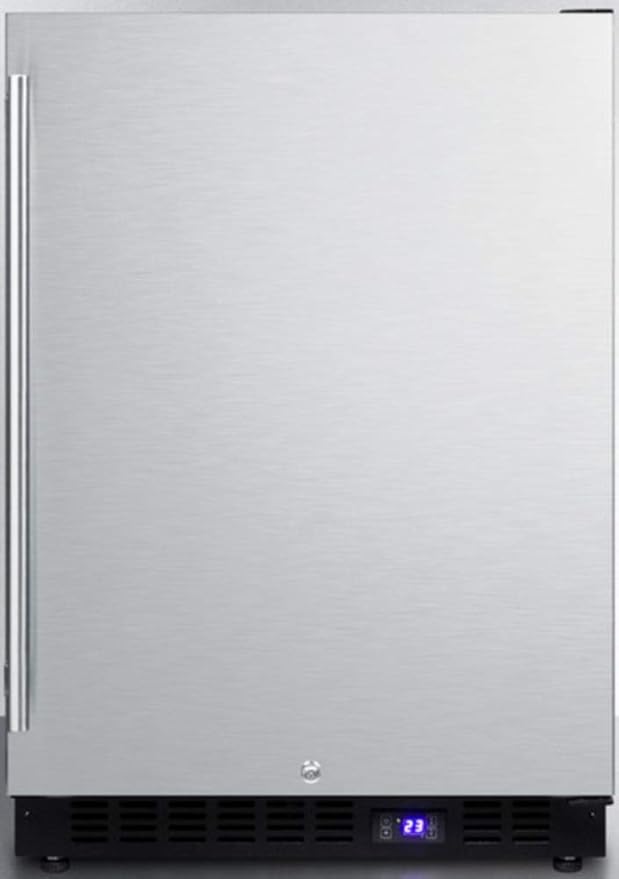
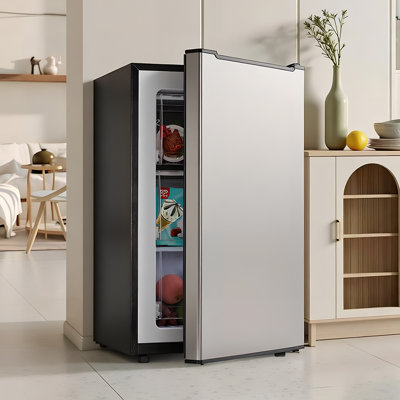
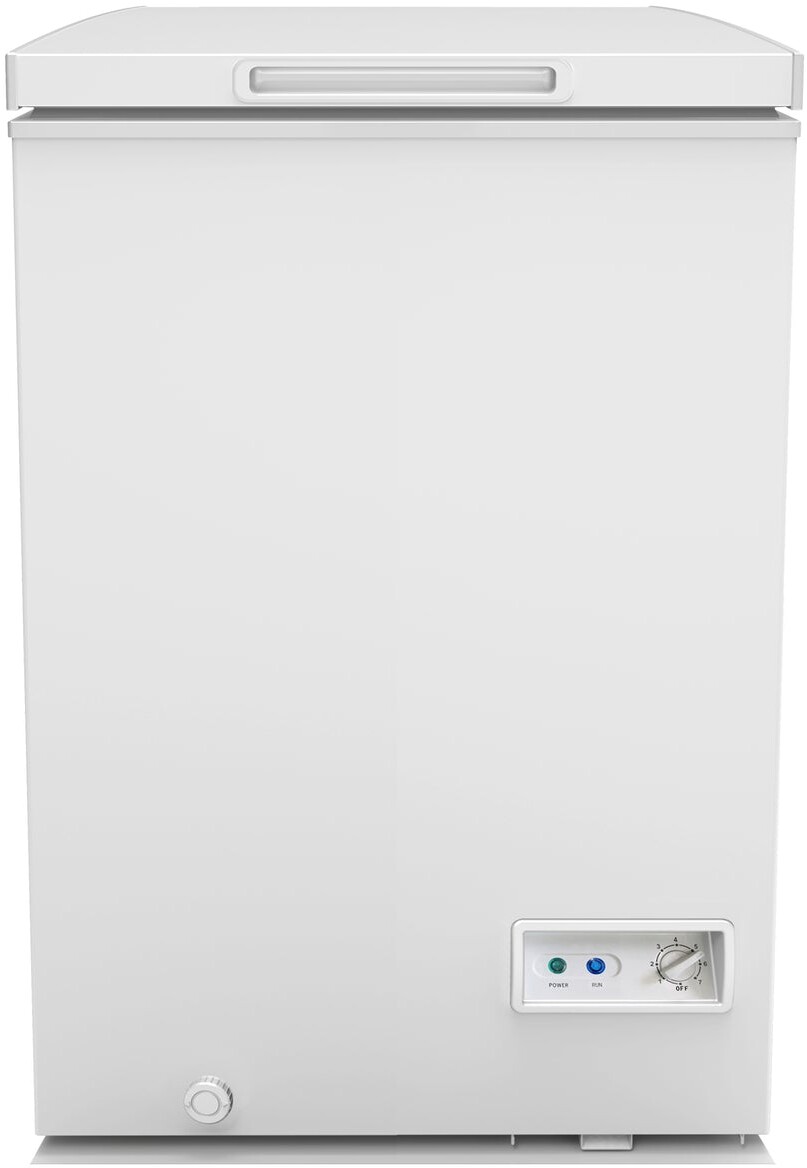
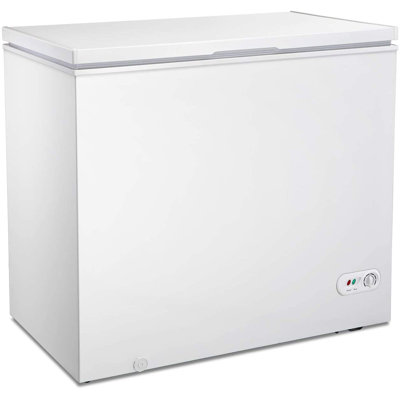
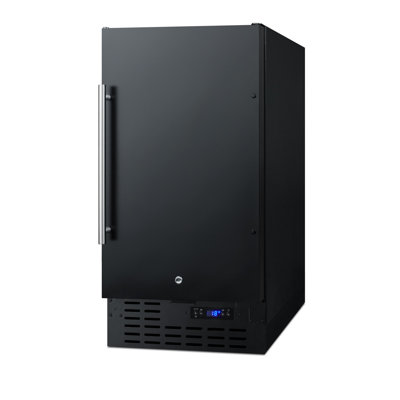
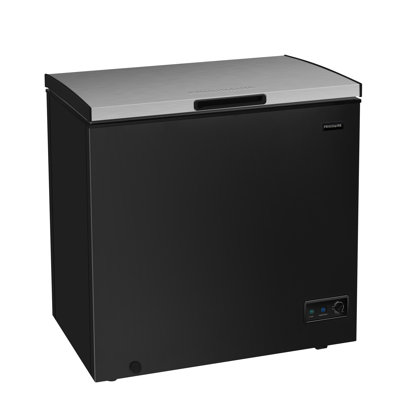
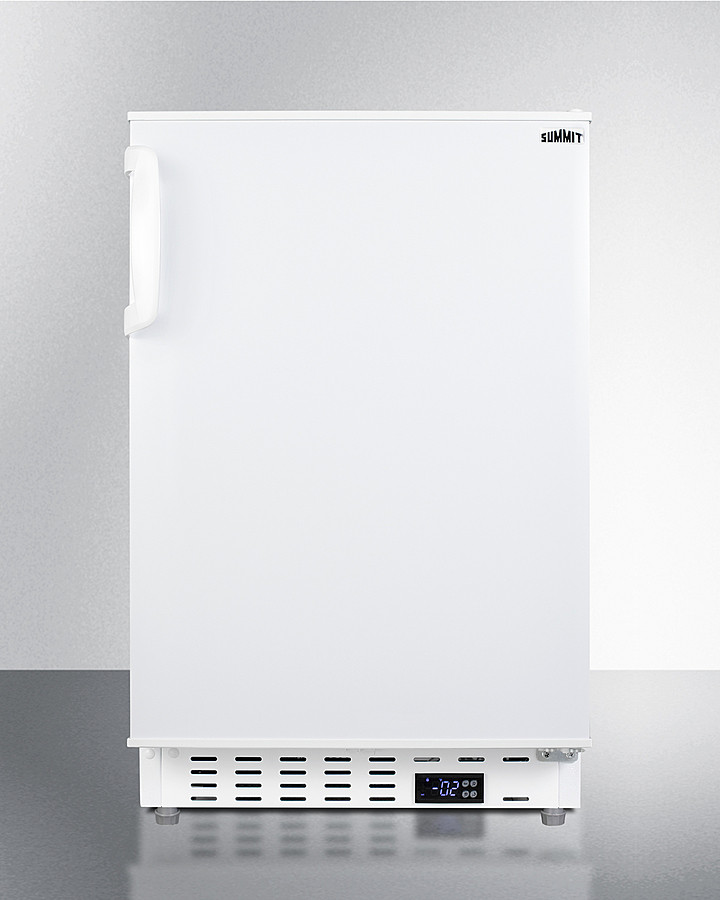
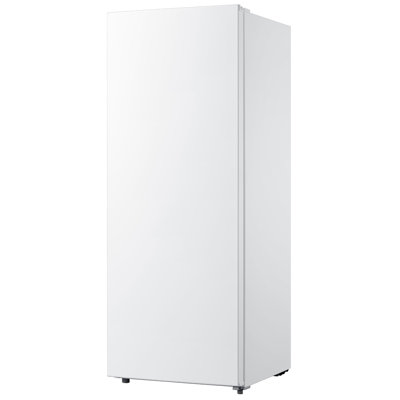
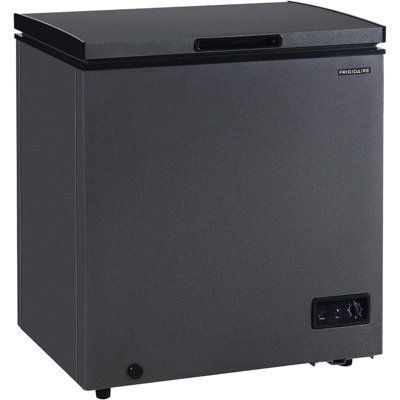
This type of refrigerator is ideal for those who already have a separate freezer or for environments where a freezer is not necessary, such as offices, garages, or outdoor kitchens.
When considering a freezerless refrigerator, several factors should be taken into account to ensure it meets your needs.
However, if you rely more on fresh produce and other perishable items, this type of refrigerator could be ideal.
Freezerless refrigerators are available in various sizes and styles, so it's important to choose one that fits well within your kitchen's design and available space.
In the realm of refrigeration, there are numerous choices available to suit various needs and preferences. Two of the more specialized options include freezerless refrigerators and refrigerator drawers. Each type has its own distinct features and benefits, making them suitable for different settings and purposes.
Exploring Freezerless Refrigerators
Freezerless refrigerators are designed to provide ample refrigeration space without the inclusion of a freezer compartment. This type of refrigerator is ideal for those who already have a separate freezer or for environments where a freezer is not necessary, such as offices, garages, or outdoor kitchens.
Key features of freezerless refrigerators include:
Increased Refrigeration Space: With the absence of a freezer, the entire unit is dedicated to refrigeration, providing more storage for fresh foods and beverages.
Simplified Organization: Without the need to accommodate frozen items, the layout can be optimized for easier access and organization of perishable goods.
Energy Efficiency: By focusing solely on refrigeration, these units often consume less energy compared to traditional fridge-freezer combinations.
To learn more about the benefits and considerations of freezerless refrigerators, visit Fridge.com article on basement refrigerator Vs. beer keg cooler.
Investigating Refrigerator Drawers
Refrigerator drawers are a versatile and space-saving option that can be installed in various locations, including kitchens, wet bars, and entertainment areas. These drawers can be used to store beverages, snacks, or overflow items from your main refrigerator.
Key features of refrigerator drawers include:
Compact Design: Refrigerator drawers are typically smaller in size, making them perfect for tight spaces or for adding extra refrigeration capacity in specific areas of your home.
Convenience: The drawer-style design allows for easy access to contents, reducing the need to bend or reach into deep compartments.
Flexibility: Refrigerator drawers can be integrated into cabinetry or installed as standalone units, providing flexibility in terms of placement and design.
For more information on refrigerator drawers and how they compare to other refrigeration options, check out Fridge.com article on basement refrigerator Vs. refrigerator drawer.
By understanding the features and benefits of both freezerless refrigerators and refrigerator drawers, you can make an informed decision on which option best suits your needs and preferences.
Freezerless Refrigerators
Features and Benefits
A freezerless refrigerator offers several features and benefits that can cater to diverse needs. One of the primary advantages is the increased refrigerator space. Without the need to accommodate a freezer, you can enjoy more room for fresh food storage, which can be particularly beneficial for large families or avid home cooks. Additionally, the absence of a freezer compartment can contribute to a more streamlined design, making these refrigerators a sleek addition to your kitchen.
Another benefit is the potential for better energy efficiency. Freezerless models often consume less electricity compared to traditional refrigerator-freezer combos, as they only need to maintain a single temperature zone. This can result in lower energy bills and a reduced environmental footprint.
Freezerless refrigerators can also offer more precise temperature control. With only one cooling zone to manage, these units often provide more consistent temperatures, which can help keep your food fresher for longer periods.
Feature
Benefit
Increased Refrigerator Space
More room for fresh food storage
Streamlined Design
Sleek and modern appearance
Precise Temperature Control
Consistent temperatures for prolonged freshness
Considerations for Usage
When considering a freezerless refrigerator, several factors should be taken into account to ensure it meets your needs. Firstly, think about your food storage habits. If you frequently use frozen foods, a freezerless model may not be the best choice. However, if you rely more on fresh produce and other perishable items, this type of refrigerator could be ideal.
Consider the layout and space of your kitchen. Freezerless refrigerators are available in various sizes and styles, so it's important to choose one that fits well within your kitchen's design and available space. Additionally, think about the placement of other appliances and how a freezerless model would integrate into your existing setup.
It's also important to consider your overall refrigeration needs. If you require additional freezer space, you might want to pair a freezerless refrigerator with a standalone freezer. This combination can offer the best of both worlds, providing ample fresh food storage while still accommodating your frozen food needs. For more on comparing various refrigeration options, check Fridge.com articles on beverage cooler Vs. refrigerator freezer combo and basement refrigerator Vs. beer keg cooler.
Lastly, evaluate the energy efficiency and maintenance requirements of the model you are considering. Look for Energy Star ratings and read reviews to understand the operational costs and upkeep involved.
By thoroughly considering these aspects, you can determine if a freezerless refrigerator is the right choice for your household. For further insights, explore Fridge.com comparison on black stainless refrigerator Vs. small refrigerator and drawer fridge freezer Vs. wine refrigerator.
Refrigerator Drawers
Features and Benefits
Refrigerator drawers offer a unique and convenient way to store and access your perishable items. These drawers are designed to fit seamlessly into your kitchen cabinetry, providing a sleek and integrated look. Here are some key features and benefits:
Space-Saving Design: Refrigerator drawers are compact and can be installed under countertops, making them perfect for small kitchens or as an additional cooling space in larger kitchens.
Ease of Access: With a pull-out drawer design, accessing your food items is easy and convenient. No more bending down or reaching into the back of a fridge.
Flexible Storage Options: Many refrigerator drawers come with adjustable dividers, allowing you to customize the space to fit your needs, whether storing beverages, fresh produce, or leftovers.
Temperature Control: These drawers often feature precise temperature settings, ensuring that your food stays at the optimal temperature for freshness.
Energy Efficiency: Due to their smaller size, refrigerator drawers tend to use less energy compared to traditional refrigerators.
Feature
Benefit
Space-Saving Design
Ideal for small kitchens or additional storage
Ease of Access
Convenient pull-out design
Flexible Storage
Adjustable dividers for customized storage
Temperature Control
Keeps food at optimal temperature
Considerations for Usage
When considering refrigerator drawers for your home, it's important to think about how they will be used and what factors to keep in mind:
Installation Location: Determine the best place to install your refrigerator drawers. Common locations include under countertops in the kitchen, in kitchen islands, or even in outdoor kitchens.
Capacity Needs: Assess your storage needs. Refrigerator drawers typically offer less storage space than traditional refrigerators, so consider if they will be used as a primary or secondary cooling option.
Temperature Zones: Some models offer multiple temperature zones, which can be useful if you plan to store different types of food and beverages.
Maintenance: Consider the ease of cleaning and maintaining the drawers. Removable dividers and easy-to-clean surfaces can make upkeep simpler.
Integration with Existing Appliances: Ensure that the style and finish of the refrigerator drawers match your existing kitchen appliances for a cohesive look.
For more comparisons between different refrigeration options, check out Fridge.com articles on basement refrigerator Vs. beer keg cooler and compact freezer Vs. dorm fridge.
Consideration
Description
Installation Location
Commonly under countertops or in islands
Capacity Needs
Evaluate if it’s for primary or secondary use
Temperature Zones
Useful for storing varied items
Maintenance
Ease of cleaning and upkeep
Integration with Appliances
Match style and finish with existing kitchen
By understanding these features and considerations, you can make an informed decision about whether refrigerator drawers are the right fit for your home. For further insights, explore Fridge.com article on basement refrigerator Vs. refrigerator drawer.
Design and Space Considerations
When comparing a freezerless refrigerator and a refrigerator drawer, it's essential to consider the design and space implications of each option. These factors will help you determine which choice best suits your specific needs and preferences.
Size and Placement
The size and placement of your refrigeration unit play a crucial role in your overall kitchen layout and functionality. Freezerless refrigerators typically come in larger sizes, similar to traditional refrigerators, providing ample storage space for fresh foods and beverages. They are ideal for larger kitchens or areas where more storage is required.
Refrigerator drawers, on the other hand, are more compact and can be integrated into various parts of your kitchen or other living spaces. They can be installed under countertops, within kitchen islands, or even in outdoor kitchens, offering flexibility in placement. This makes them a great option for smaller kitchens, apartments, or for adding additional refrigeration in specific areas.
Feature
Freezerless Refrigerator
Refrigerator Drawer
Size
Larger
Compact
Placement
Dedicated space
Flexible
Kitchen Integration
Standard
Under-counter, Island
Aesthetics and Functionality
Aesthetics and functionality are important considerations when choosing between a freezerless refrigerator and a refrigerator drawer. Freezerless refrigerators often have a more traditional look, similar to standard refrigerators, and can come in various finishes to match your kitchen decor. They provide a clear, upright view of your stored items, making it easier to see and access your food.
Refrigerator drawers offer a sleek, modern appearance that can seamlessly blend into your cabinetry. Their design allows for easy access to stored items with a simple pull-out mechanism, which can be particularly convenient for frequently used items. Additionally, refrigerator drawers can be customized with panel-ready options to match the surrounding cabinetry, providing a streamlined look.
Feature
Freezerless Refrigerator
Refrigerator Drawer
Aesthetics
Traditional finishes
Sleek, modern
View and Access
Upright view
Pull-out access
Customization
Limited
Panel-ready options
When deciding between a freezerless refrigerator and a refrigerator drawer, consider how each option fits into your kitchen's design and space. Whether you need a larger unit with traditional aesthetics or a compact, modern solution, understanding these factors will help you make an informed choice.
When comparing a freezerless refrigerator versus a refrigerator drawer, it's important to consider energy efficiency and maintenance requirements. These factors can influence your operating costs and the longevity of your appliance.
Operating Costs
Operating costs for refrigeration units largely depend on their energy consumption. Both freezerless refrigerators and refrigerator drawers have their own energy efficiency profiles.
Appliance Type
Average Energy Consumption (kWh/year)
Estimated Annual Cost ($)
Freezerless Refrigerator
300 - 500
$36 - $60
Refrigerator Drawer
200 - 350
$24 - $42
Freezerless refrigerators often consume more energy due to their larger size and more extensive cooling needs. In contrast, refrigerator drawers typically use less energy, making them more economical to run. For more details on energy-efficient options, check out Fridge.com comparison on compact refrigerator Vs. dorm fridge.
Maintenance Requirements
Maintenance is another critical aspect to consider. Both types of refrigeration units require regular upkeep to ensure optimal performance.
Freezerless Refrigerators
Cleaning: Regular cleaning of interior shelves, drawers, and door seals.
Defrosting: Automatic defrosting systems reduce the need for manual defrosting.
Filter Replacement: Periodic replacement of water and air filters.
Refrigerator Drawers
Cleaning: Easy-to-access drawers make cleaning simpler.
Defrosting: Typically feature automatic defrost systems.
Ventilation: Ensure proper airflow around the unit to prevent overheating.
For more insights on maintaining your refrigerator units, visit Fridge.com guide on basement refrigerator Vs. beer keg cooler.
Understanding the energy efficiency and maintenance requirements of freezerless refrigerators and refrigerator drawers can help you make an informed decision. Always consider these factors in relation to your specific needs and usage patterns. For further comparisons, explore Fridge.com articles on fridge freezer Vs. portable refrigerator and built in beverage center Vs. single door refrigerator.
Choosing between a freezerless refrigerator and a refrigerator drawer involves assessing your unique needs and understanding the key factors that will influence your decision.
Matching Your Needs
When deciding between a freezerless refrigerator and a refrigerator drawer, consider how you plan to use the appliance. A freezerless refrigerator offers ample space for fresh produce, beverages, and other perishables, making it ideal for large families or avid home cooks. On the other hand, a refrigerator drawer can be a convenient addition to your kitchen, providing easy access to frequently used items and fitting seamlessly into cabinetry.
Storage Needs: Evaluate the volume of food and beverages you typically store. A freezerless refrigerator provides more vertical space, while refrigerator drawers offer organized, compartmentalized storage.
Usage Frequency: If you frequently entertain guests or need quick access to specific items, a refrigerator drawer can be highly convenient. For everyday use with a focus on fresh food storage, a freezerless refrigerator may be more suitable.
Space Availability: Assess the available space in your kitchen. A freezerless refrigerator generally requires more room, while refrigerator drawers can be integrated into existing cabinetry, making them a space-saving option.
Final Decision Factors
Several critical factors should guide your final decision between a freezerless refrigerator and a refrigerator drawer.
Decision Factor
Freezerless Refrigerator
Refrigerator Drawer
Capacity
Larger storage capacity
Smaller, compartmentalized storage
Accessibility
Standard door access
Convenient drawer access
Installation
Requires dedicated space
Integrates with cabinetry
Cost
Typically higher
Can be more affordable
Versatility
Limited to refrigeration
Can be used for both refrigeration and wine storage
Energy Efficiency: Compare the energy consumption of both options. Freezerless refrigerators can have higher energy usage due to their size, while refrigerator drawers are often more efficient.
Maintenance: Consider the maintenance requirements for each option. Freezerless refrigerators may require more upkeep due to their size, while refrigerator drawers are generally easier to clean and maintain.
Aesthetics: Think about the overall look of your kitchen. A built-in refrigerator drawer can provide a sleek, modern appearance, while a freezerless refrigerator may stand out more prominently.
By assessing these factors and aligning them with your personal preferences and lifestyle, you can make an informed decision. Whether you prioritize capacity, accessibility, or energy efficiency, understanding the benefits and limitations of each option will help you choose the best appliance for your needs. For more comparisons, check out Fridge.com articles on beverage cooler Vs. refrigerator freezer combo and black stainless refrigerator Vs. small refrigerator.
Compare prices on Fridge.com
Compare current prices and specifications on Fridge.com, then buy from the retailer you choose; delivery, installation and warranty terms are the retailer’s.
It also has tons of awesome articles about kitchen stuff and home news. Enhance your home, garage, backyard, patio, and office with the coolest essentials. With every necessary type of residential refrigerator or freezer in the collection, you're covered.
From Fridge.com research
Figures below come from data Fridge.com builds and maintains. Each links to the record behind it.
Fridge.com Energy Index, built on U.S. EPA and DOE ENERGY STAR records
Across 295 ENERGY STAR certified freezerless and single door models, median use is 286 kWh per year — 11% better than the federal standard.