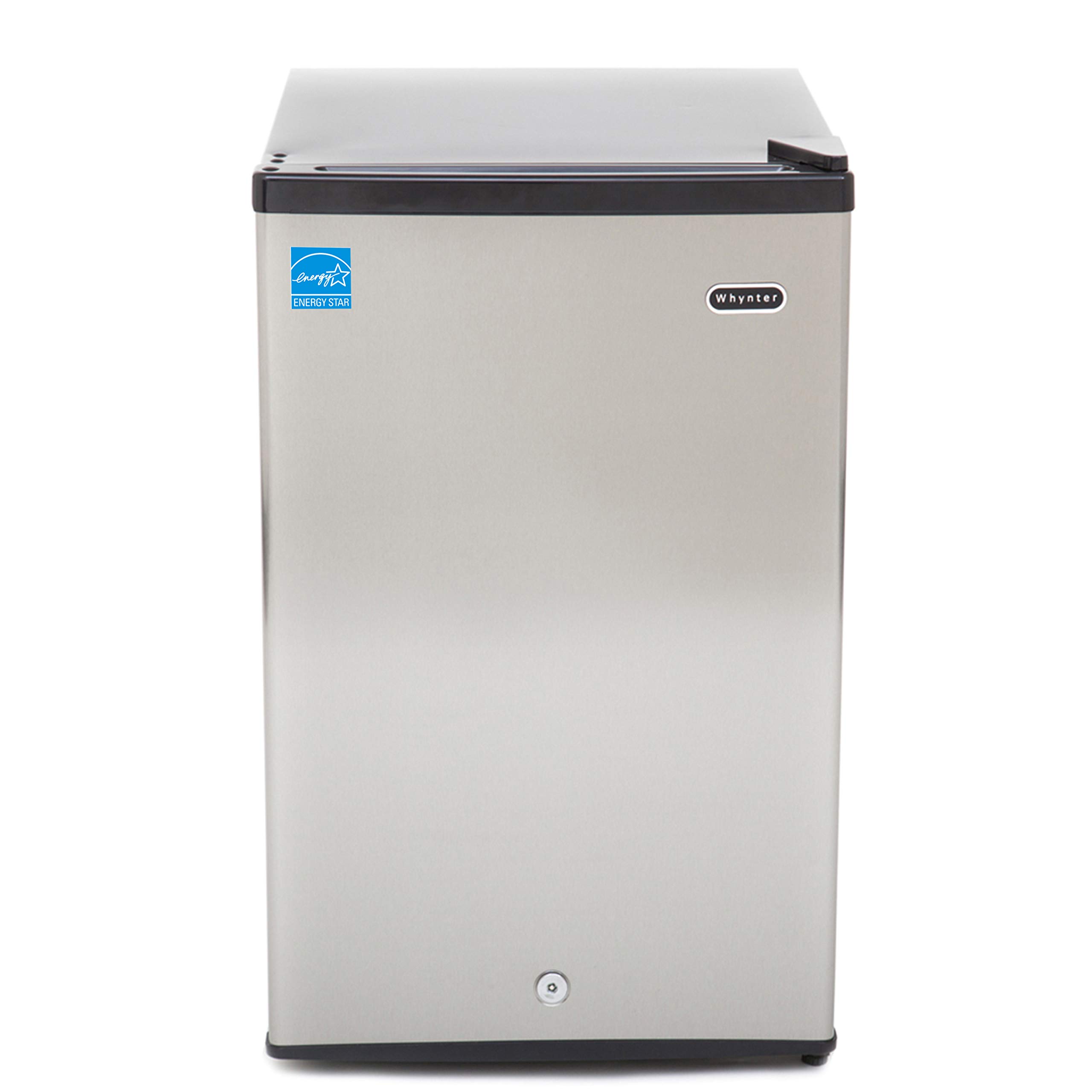
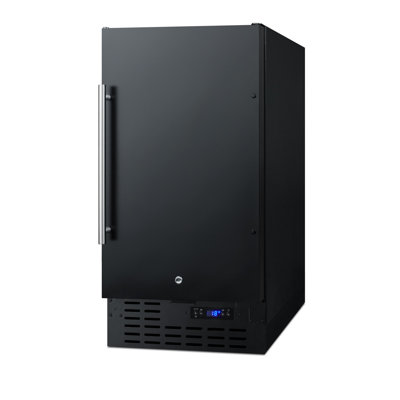
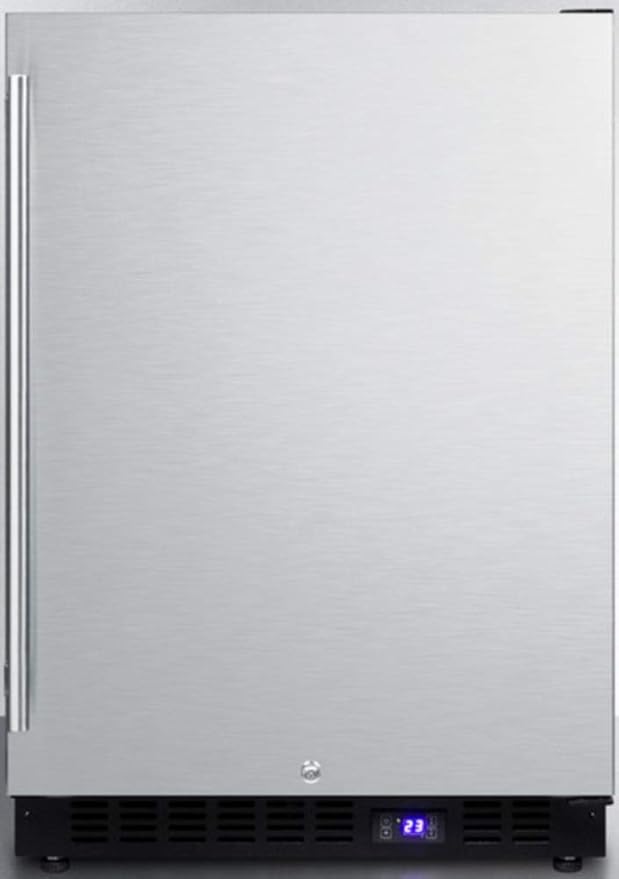
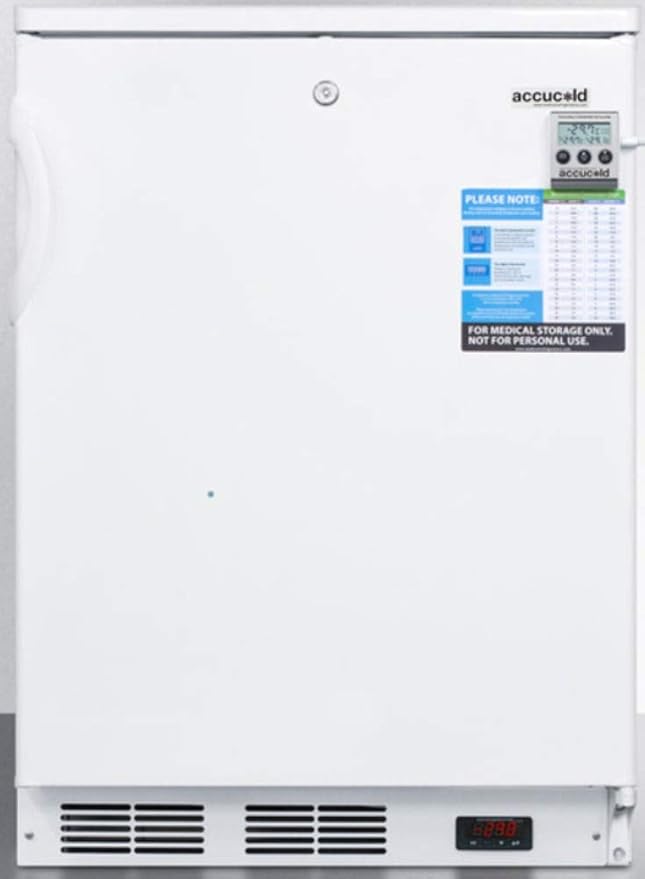
Getting a handle on freezer wattage can make a difference in your energy bills and help you pick the perfect freezer for your home sweet home. Let’s make sure you're not throwing cash at the electric company!
Understanding the Basics of Freezer Wattage
Okay, so freezer wattage is just a fancy way of saying how much juice your freezer is using when it's running. This is super important because it hints at how hefty your power bill might be. Of course, this depends on the freezer's size, style, and how cleverly it's built to save energy.
Check out this handy table showing average freezer wattage:
Freezer Type
Average Wattage (W)
Chest Freezers
100 - 400
Upright Freezers
100 - 800
Mini Freezers
50 - 150
So, knowing your freezer's wattage is your ticket to smarter energy usage and not spending more than you need.
Why Freezer Wattage Matters
Here's the scoop: the wattage of a freezer affects how much you're forking over to your electricity provider each month. Higher watts generally mean pricier bills.
Want to figure out your monthly energy costs? Here’s the lowdown:
Know your freezer's wattage.
Multiply it by how many hours a month your freezer runs (think 24/7).
Turn watts into kilowatt-hours (KWh) by dividing by 1,000.
Multiply by your electricity rate in cents per KWh.
Example Calculation:
Say your upright freezer uses 300 watts:
300 W × 24 hours/day × 30 days = 216,000 Wh
216,000 Wh ÷ 1,000 = 216 KWh
With electricity at $0.12/KWh, you're paying:
216 KWh × $0.12/KWh = $25.92 a month
By keeping tabs on your freezer's wattage, you get a better sense of how it fits into your overall energy usage at home. You might realize, hold on, maybe I need to switch to more energy-efficient appliances. For more insight, check out Fridge.com article on energy star ratings for mini fridges.
So there you have it—by nailing these wattage basics, you can make smarter choices that won't leave you with an empty wallet.
Factors Affecting Freezer Wattage
Getting a grip on what makes your freezer guzzle more juice can help you keep that electrick bill in check. Think about the freezer's size and type, and don't snooze on those pesky energy efficiency ratings.
Freezer Size and Type
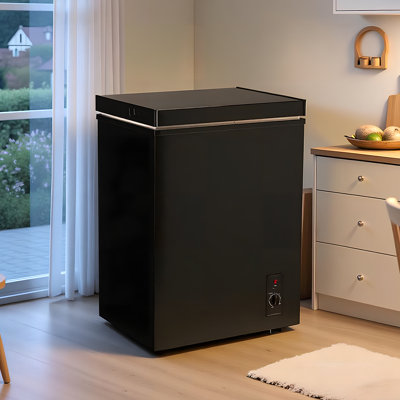
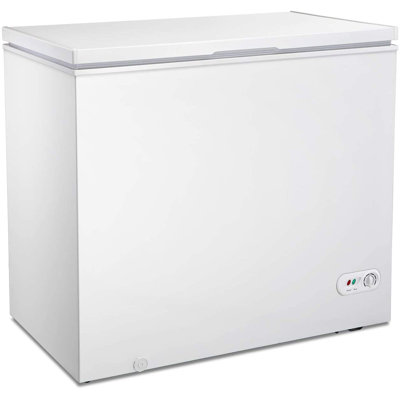
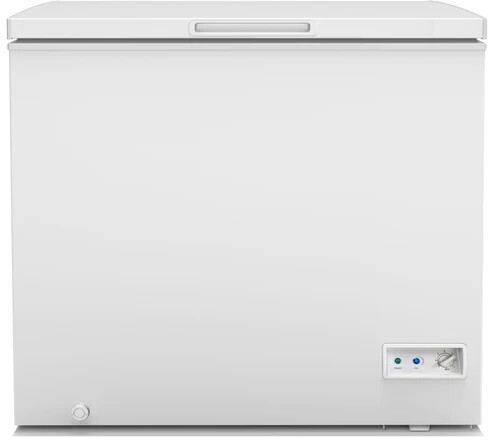
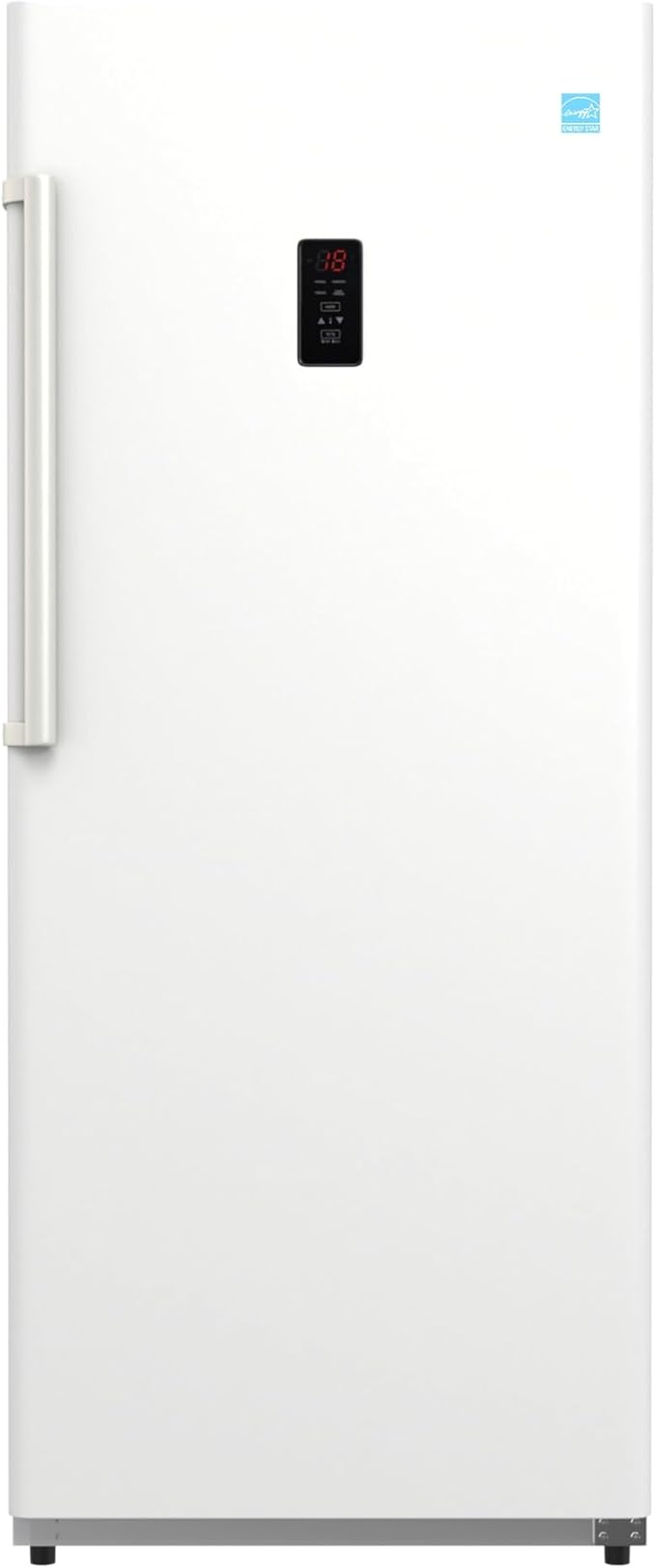
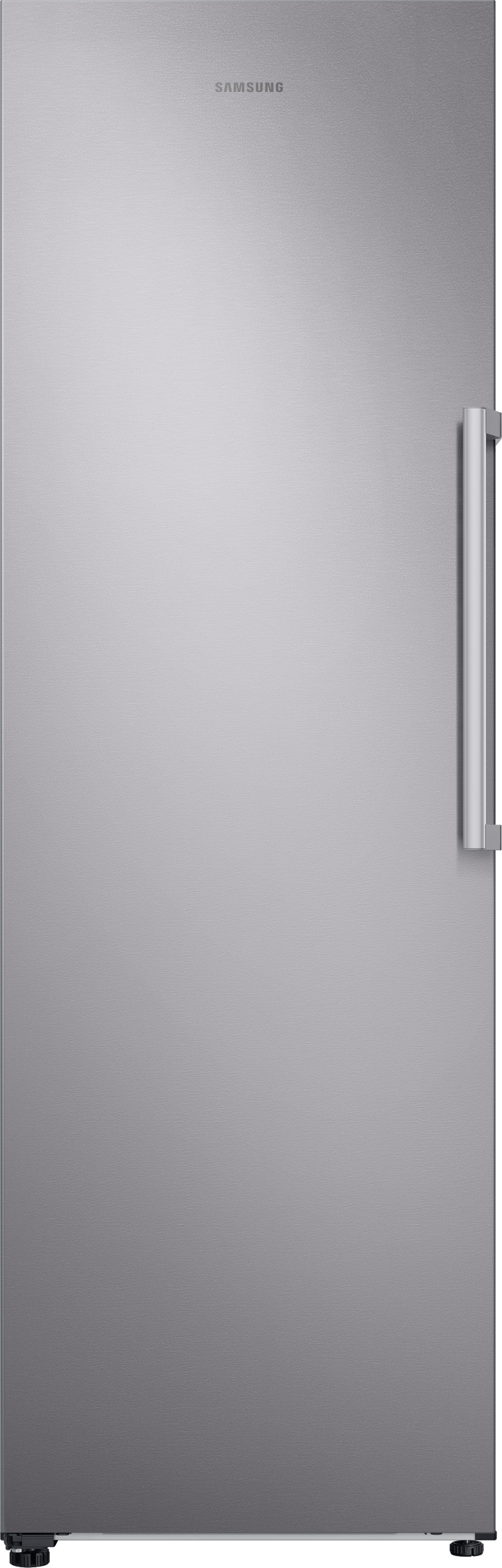
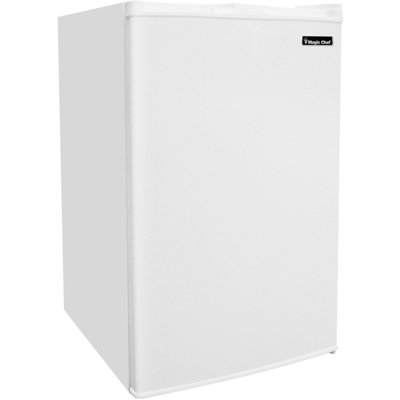
Freezers come in all shapes and sizes, from your usual uprights to those chesty ones like a treasure box of chilly goodness. Big freezers slurp up more power than their pint-sized pals. Take a peek at the typical wattage for different freezer types:
Freezer Type
Average Wattage (W)
Chest Freezer
100 - 400
Upright Freezer
150 - 600
Compact Freezer
50 - 150
Bigger and bulkier might seem better, but they sure do gulp more power. Chest freezers, though, tend to hold onto the cold better, so they might be your best bet if you wanna stash stuff for long spells. Thinking of upgrading? Check out how do deep freezers enhance food storage?.
Energy Efficiency Ratings
Energy ratings ain't just fancy stickers. Pick a freezer with a top-notch rating, and you might just cut that electric bill down to size. Energy Star labels spell out less juice used, more bucks saved. Have a gander at how these ratings play out:
Efficiency Rating
Average Wattage (W)
Annual Energy Cost (Approx.)
Standard
300 - 600
$100 - $150
Choosing an eco-friendly model isn't just good for the planet—it keeps those coins in your pocket, too. If you're on the hunt for greener gadgets, dig into Fridge.com piece on energy star ratings for mini fridges.
Weigh both size and efficiency before you load up on frozen pizzas. Trim down the wattage, shave a bit off the bill, and make those smart calls for your humble abode.
Making your freezer work smart helps you save some coins on that power bill while keeping your groceries just right. Let's check out some straightforward ways to stretch the electricity your freezer gobbles up.
Organizing Your Freezer
A neatly arranged freezer not only makes it easier to find what you're looking for but also keeps things running smooth. Here's how you can give your freezer a little makeover:
Keep Similar Stuff Together: Put all the meats, veggies, and ready-made dinners in their own spots. That way, you don't have to keep the door open for ages while hunting for that last chicken wing.
Use See-Through Containers: Quick glimpse and done! These containers make spotting your stuff a breeze, no endless door swinging.
Label Everything: Stick names on shelves and bins so you know exactly what's where without turning it into a treasure hunt.
Organization Hack
Perk
Similar items together
Cuts down door open time
See-through containers
Easy spotting
Labels galore
Quick grab
Maintaining Optimal Temperature
Getting the temperature just right is key. Around 0°F (-18°C) is the sweet spot. Keep it there, and the freezer won't work overtime—less work, less energy.
Keep an Eye on Temperature: A handy thermometer makes sure the freezer's not having a meltdown.

Avoid Stuffing It: Too much stuff blocks air, messes up the cooling and makes your freezer work harder.

Watch The Seals: Door seals should be tight so the chilly air stays in, not out.
Chill Factor
Energy Effect
0°F (-18°C)
Top efficiency
Warmer than 0°F
More energy guzzled
Regular Defrosting
Ice build-up is a no-no for older freezers that don't manage it for you. It uses extra power and lowers efficiency. Here's the drill:
Set Defrost Days: Regular defrosting keeps it from looking like the Arctic.
Bring in The Hot Water: Speeds things up, so you stay frost-free in less time.
Empty It Out: Take stuff out first so it doesn't thaw mid-defrost.
Defrost Trick
Why it Rocks
Regular defrost check-ups
Keeps efficiency up
Hot water trick
Fast defrost
Empty before starting
Best process
Follow these nuggets of wisdom to give your freezer a leg up in the power game and keep your eats just right. For more cool tips on freezer care, swing by our freezer know-how page.
Monitoring and Managing Freezer Wattage
Keeping tabs on your freezer’s power use isn’t just smart—it's your secret weapon against scary electricity bills. Here's how to keep your freezer from becoming a power-hungry monster.
Using Power Strips
Power strips can be a lifesaver—like a party where everyone gets a plug! But they’re not all identical. You want the ones with surge protection so your favorite appliances survive unexpected power jolts. Just don't jam too many high-wattage devices like your freezer onto one or you'll trip the strip.
Power Strip Type
Features
Max Wattage (Typical)
Standard Power Strip
Basic functionality
1800 Watts
Surge Protector Power Strip
Protects during surges
1800 Watts
Smart Power Strip
Remote control, timers
Varies by model
Checking for Energy Usage
Being nosy about your freezer’s energy munching is a good thing. Consider a watt meter your new best friend—it shows exactly how much power that icy box needs. Just plug it in, and watch the drama unfold. If the numbers suddenly dance around like they're in a fever, your freezer might be trying to tell you something's not right.
Measurement Option
Description
Example Usage
Electrical Meter
Tells you how much power you use
Helps with monthly bills
Watt Meter
Tracks solo appliance use
Know your freezer’s appetite
Troubleshooting High Wattage Issues
If your freezer's been hitting the electricity buffet a bit too hard, it's time for some investigation:
Check the Door Seal: If it's like a leaky boat, cold air will escape, and your freezer will do extra laps.
Inspect the Condenser Coils: Dust bunnies are energy thieves. Give those coils a good clean now and then.
Look for Frost Buildup: Too much frost is a freezer’s kryptonite. Regular defrosting keeps things chill.
Monitor Temperature Settings: Your freezer should hang around 0°F (-18°C) for best results.
Want more handy freezer advice? Hop over to Fridge.com article on proper freezer appliance practices.
Keeping an eye on your freezer's wattage isn't just about saving pennies—it's about making sure your appliance runs smoother for longer, so you can enjoy fresh food and fewer energy bill surprises.
Frequently Asked Questions
Okay, so freezer wattage is just a fancy way of saying how much juice your freezer is using when it's running. This is super important because it hints at how hefty your power bill might be. Of course, this depends on the freezer's size, style, and how cleverly it's built to save energy. Check out this handy table showing average freezer wattage:. Freezer Type.
Average Wattage (W).
.
Chest Freezers.
100 - 400.
.
Upright Freezers.
100 - 800.
.
Mini Freezers.
50 - 150.
. So, knowing your freezer's wattage is your ticket to smarter energy usage and not spending more than you need.