When deciding between a freestanding wine cooler and a standard fridge, several key factors should be taken into account to determine which option best fits your needs.
They have multiple compartments and shelves to store a wide range of food items, including perishables and beverages.
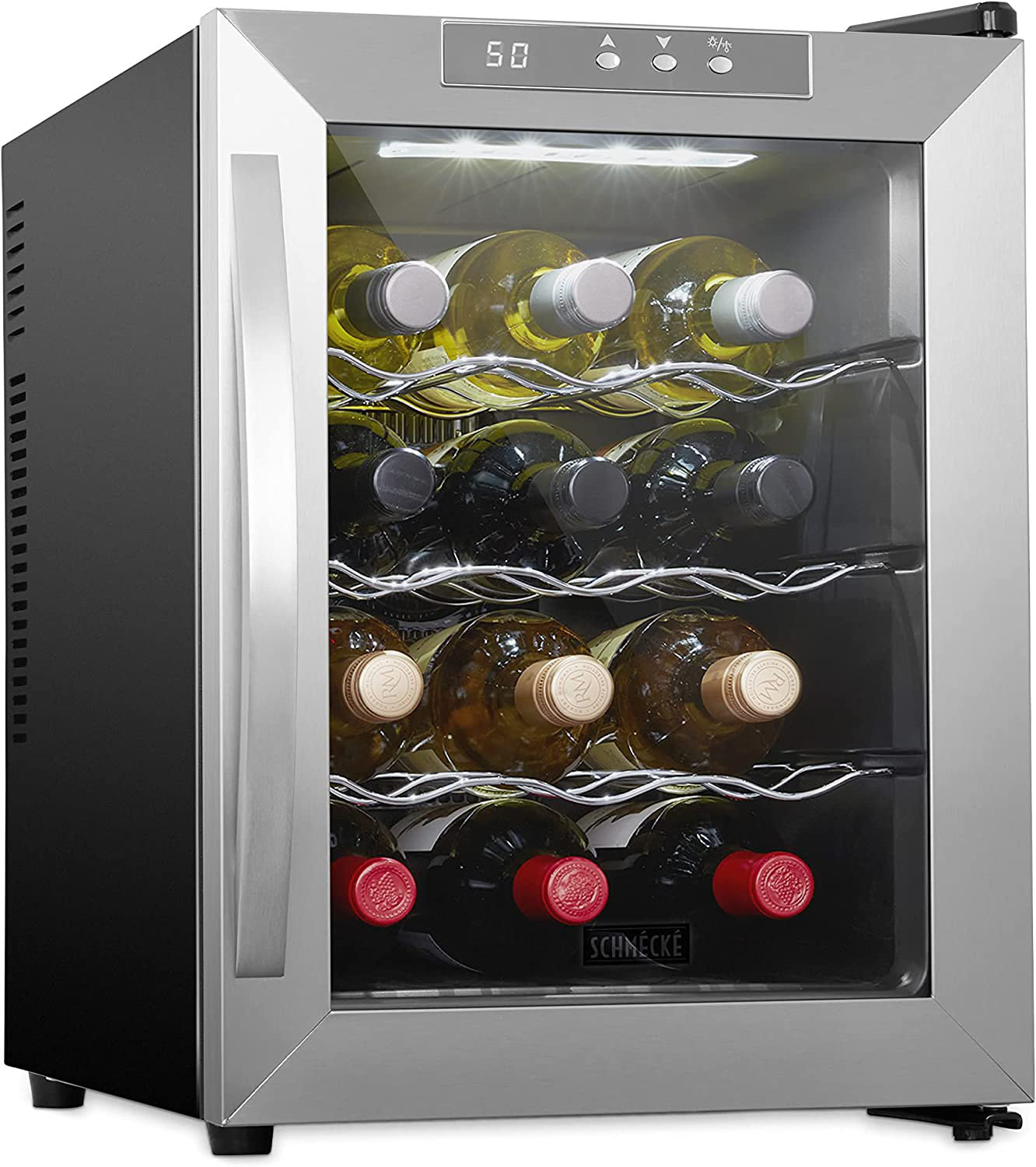
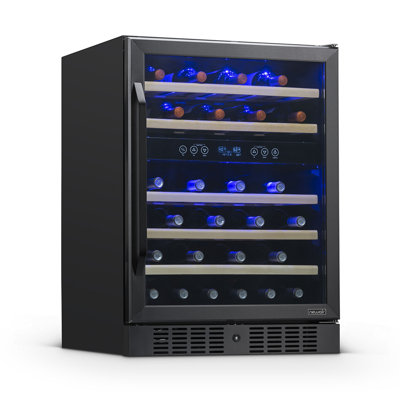
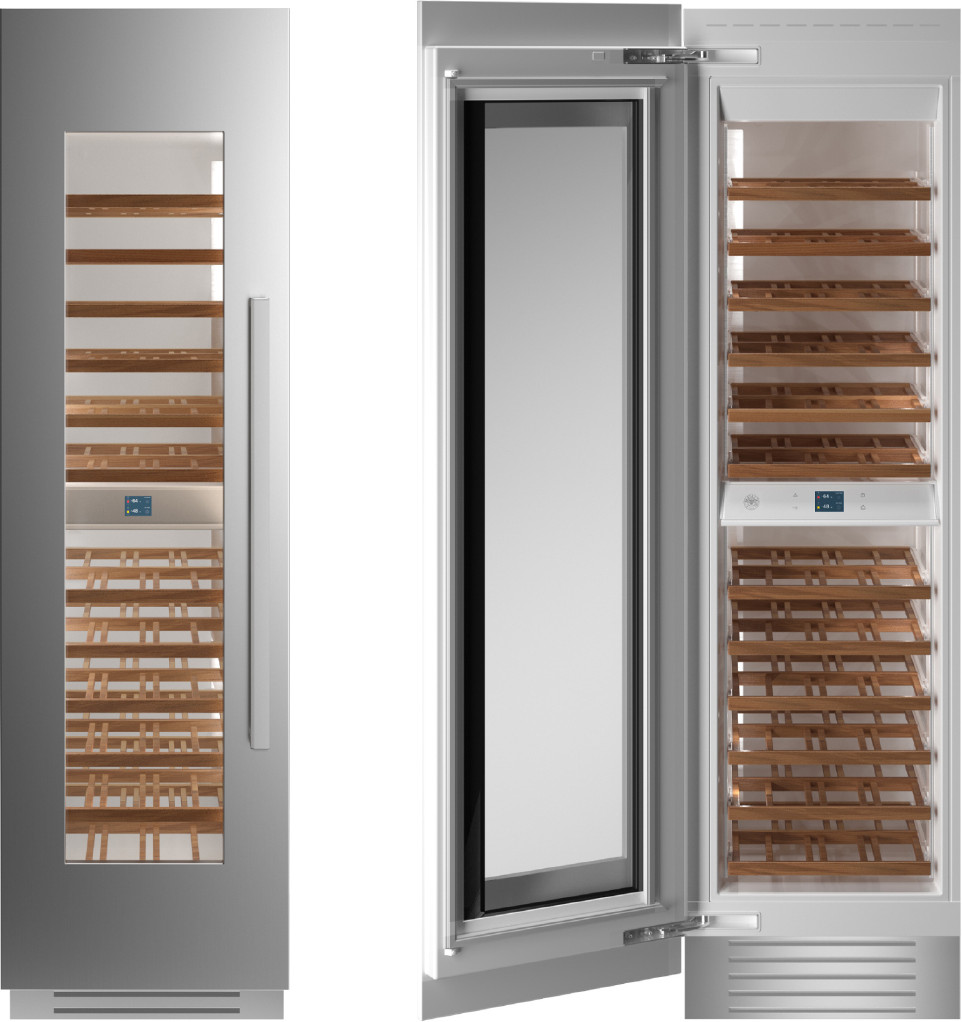
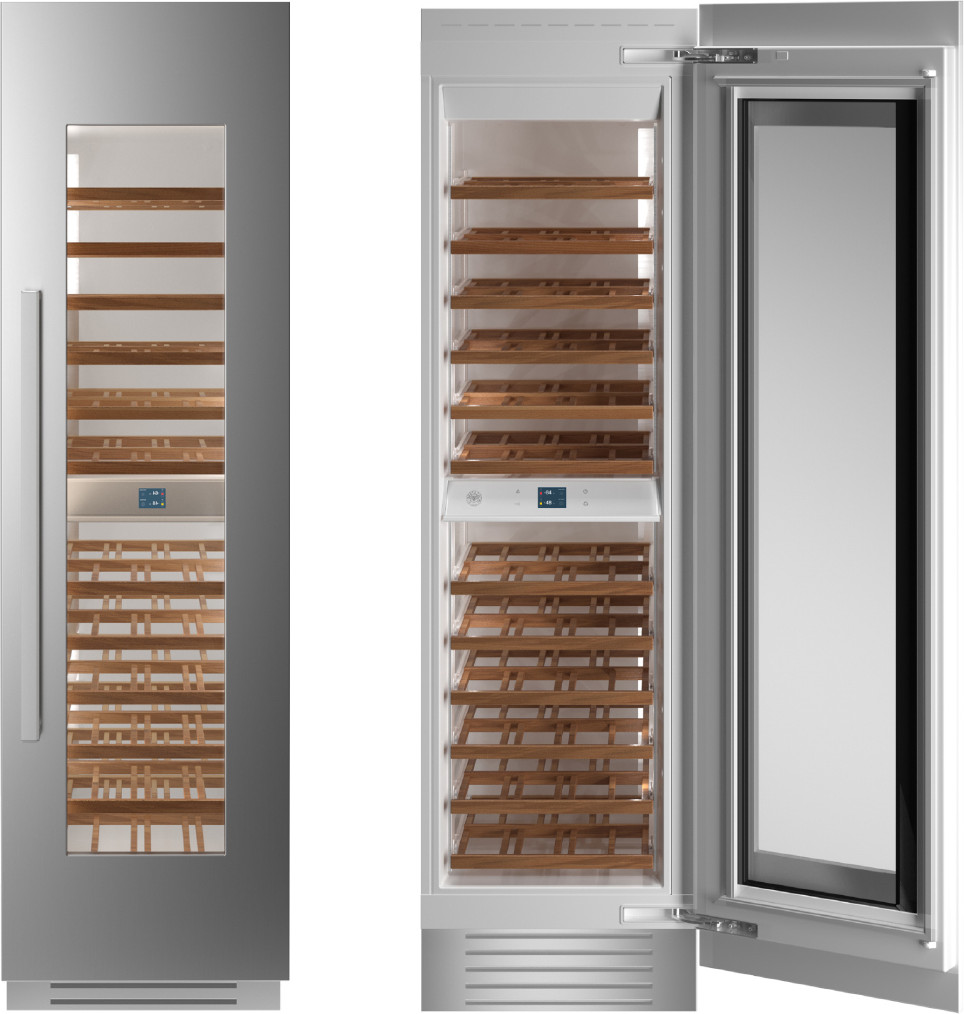
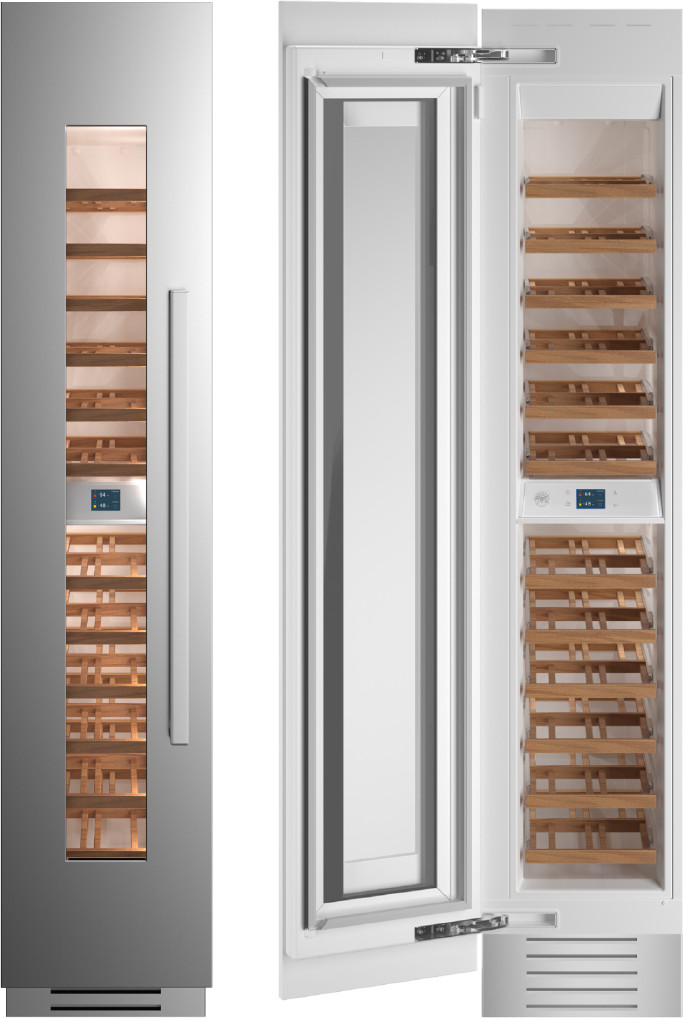
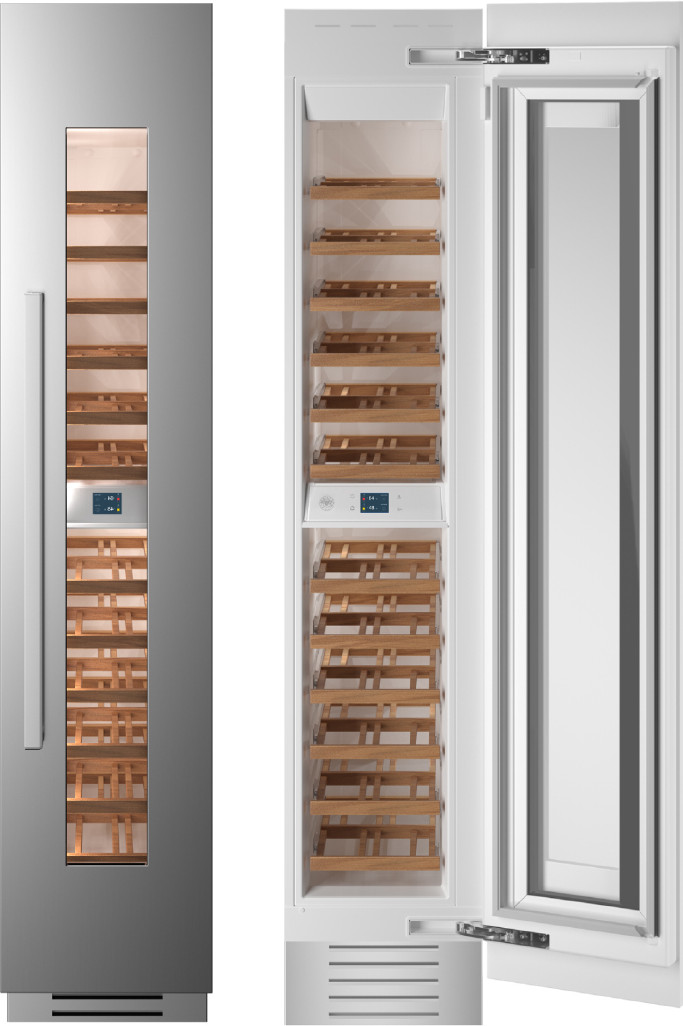
Wine coolers and standard fridges serve different purposes, reflecting in their design and functionality. A wine cooler is specifically designed to store wine at optimal conditions. It maintains a consistent temperature and humidity level, which is crucial for preserving the quality and taste of wine. Wine coolers often come with features like UV-resistant glass doors, vibration reduction systems, and precise temperature controls to ensure that your wine ages gracefully.
Differences in Size and Design Between Wine Coolers and Standard Fridges
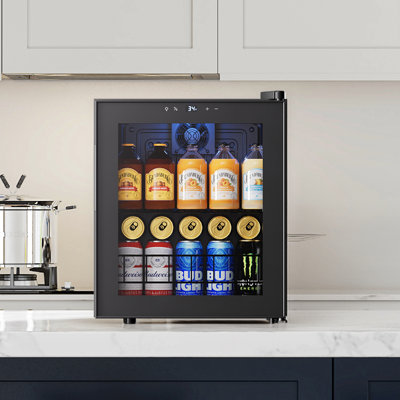
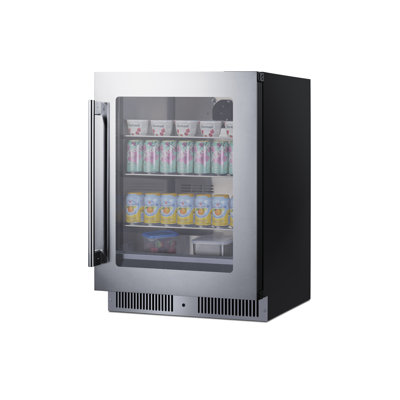
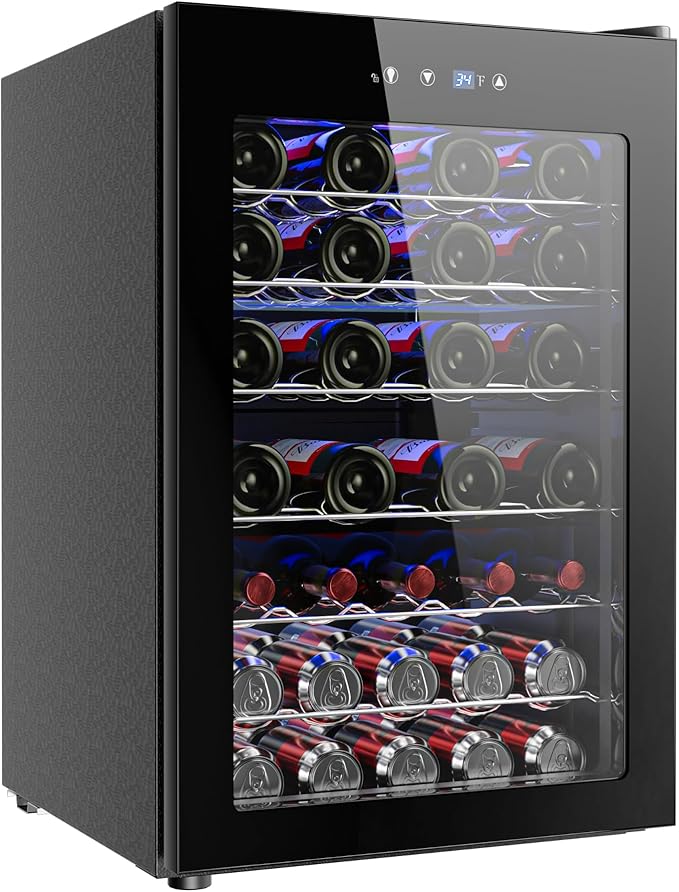
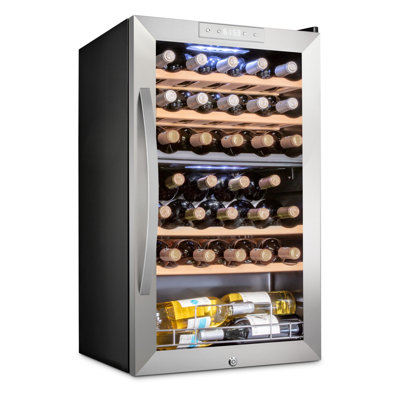
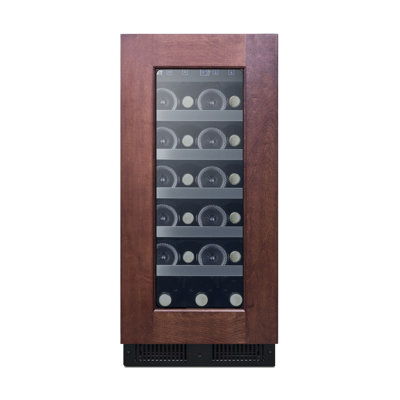
When considering the size and design, wine coolers and standard fridges have distinct characteristics. Wine coolers are typically more compact and designed to fit into various spaces, such as under counters or as freestanding units. They are built to hold wine bottles securely, often featuring adjustable shelves and racks to accommodate different bottle shapes and sizes.
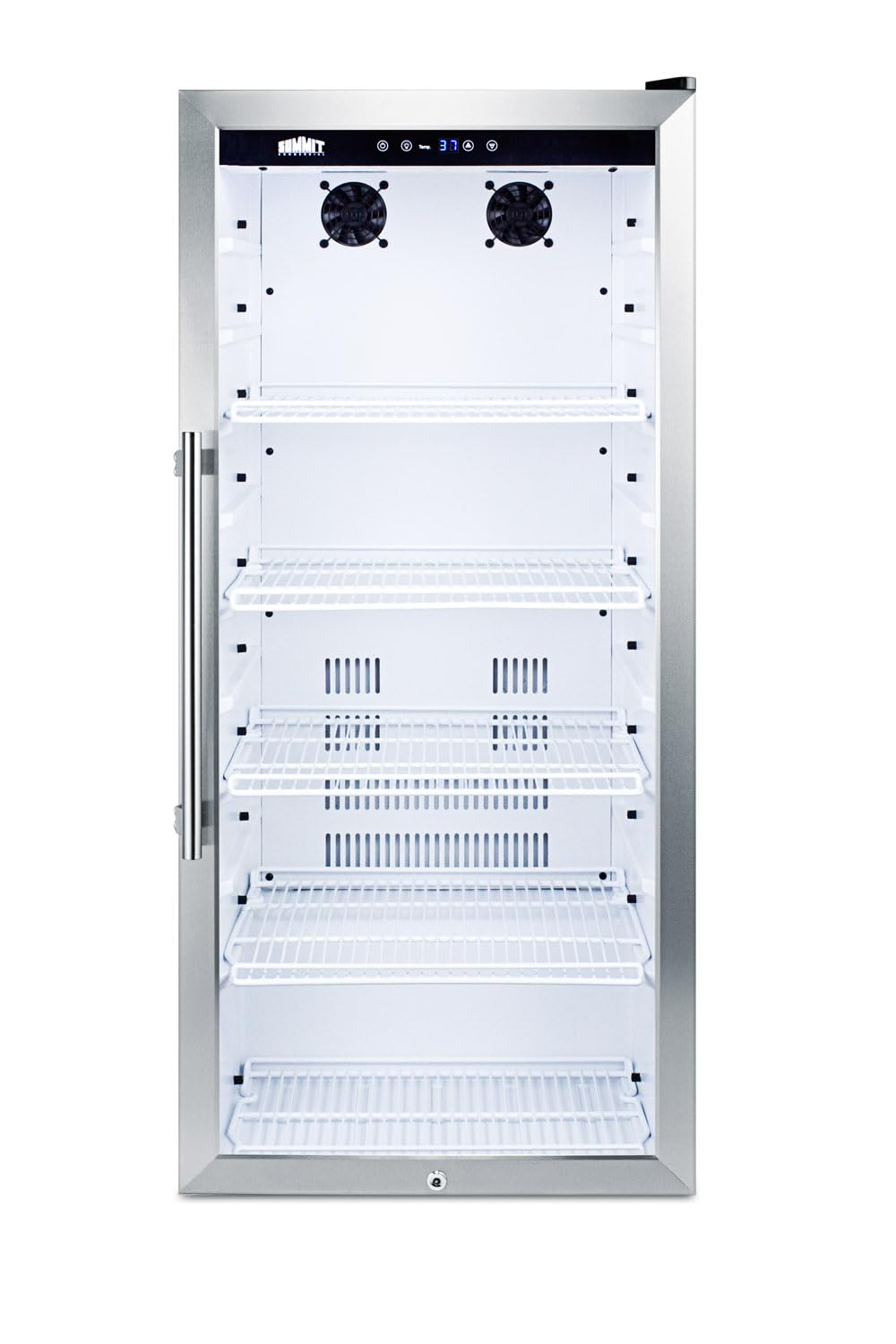
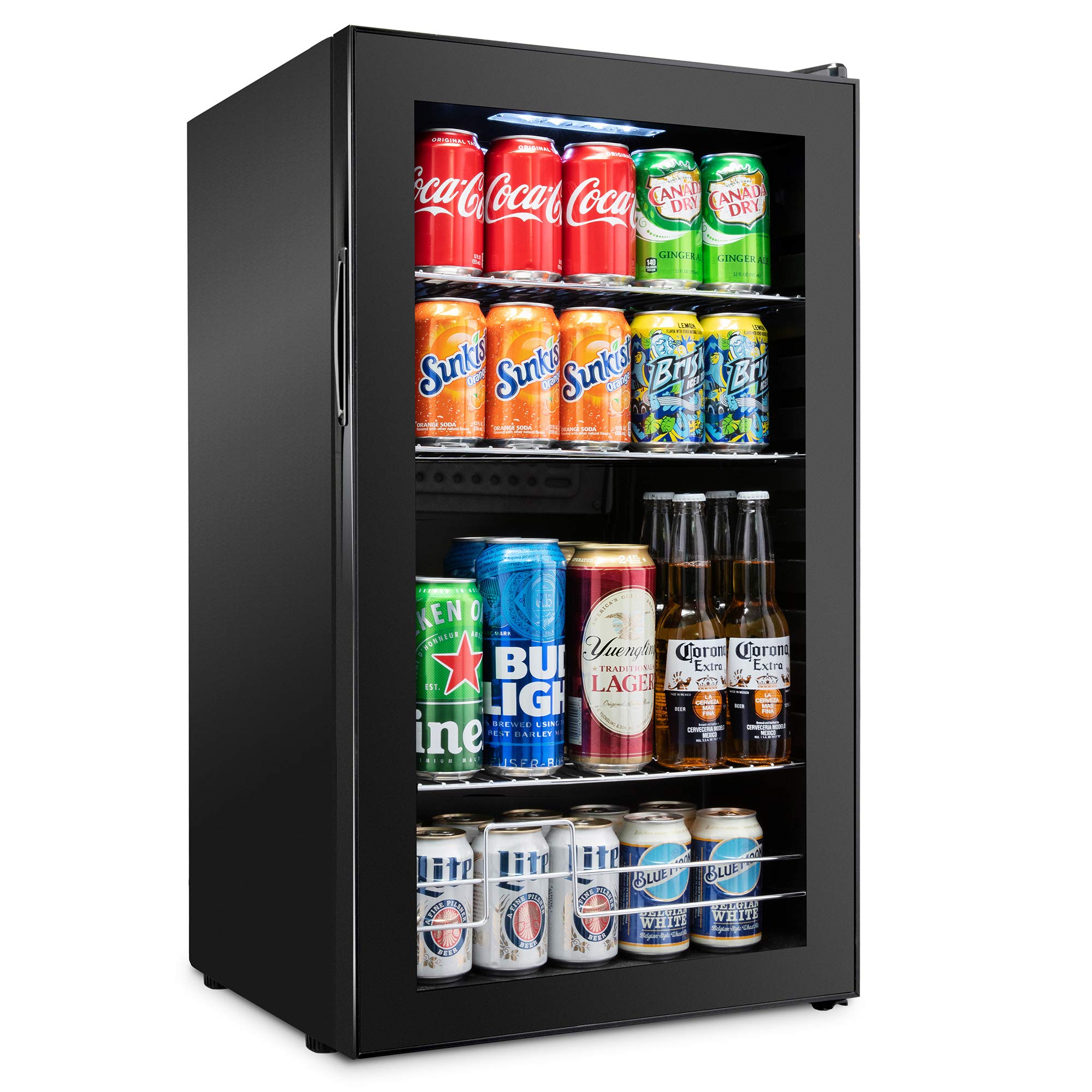
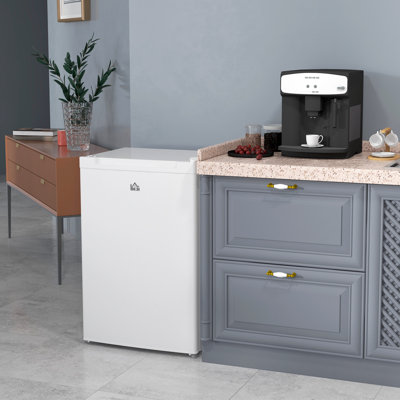
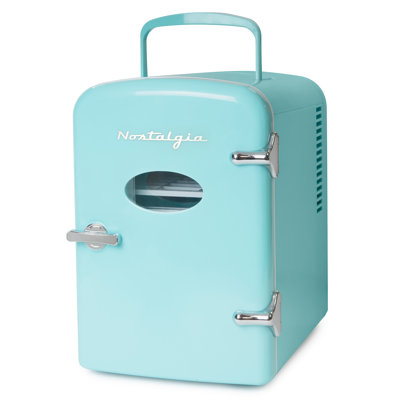
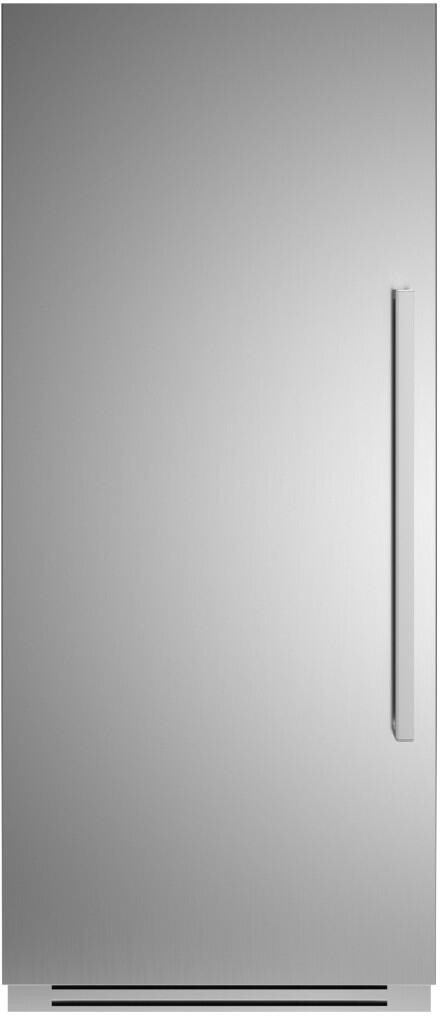
Standard fridges, on the other hand, are designed for general food storage and come in a variety of sizes, from compact models for small spaces to large family-sized units. They have multiple compartments and shelves to store a wide range of food items, including perishables and beverages.
When deciding between a freestanding wine cooler and a standard fridge, several key factors should be taken into account to determine which option best fits your needs.
Capacity and Storage Needs
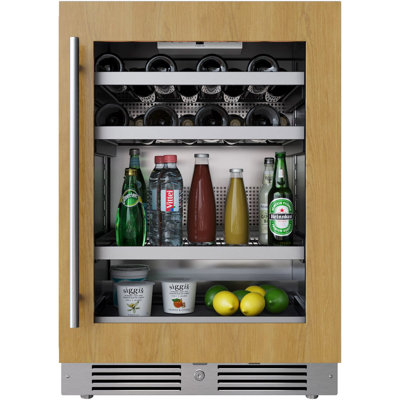
The capacity and storage requirements are crucial when choosing between a wine cooler and a standard refrigerator. Wine coolers are specifically designed to store wine bottles and typically have racks that hold the bottles securely in place. In contrast, standard fridges have adjustable shelves and compartments designed for general food storage but can be adapted for wine storage.
Factor
Freestanding Wine Cooler
Standard Fridge
Typical Capacity
12 - 50 bottles
Varies widely (up to 30 bottles)
Storage Design
Bottle racks
Adjustable shelves
For wine enthusiasts, a wine cooler with dedicated bottle racks may be more suitable. If you require versatile storage for both food and wine, a standard fridge might be more practical. For more on adaptable storage solutions, visit Fridge.com article on drawer refrigerator Vs. portable refrigerator.
Temperature Control and Humidity Levels
Proper temperature control and humidity levels are essential for preserving the quality of wine. Wine coolers are designed to maintain a consistent temperature and humidity level ideal for wine storage. Most wine coolers offer dual-zone temperature control, allowing you to store different types of wine at their optimal temperatures.
Factor
Freestanding Wine Cooler
Standard Fridge
Temperature Range
45°F - 65°F
35°F - 38°F
Humidity Control
Yes
No
Dual-Zone Control
Available
Not common
Standard fridges are not specifically designed for wine storage and may not provide the ideal environment for wine preservation. For more on specialized storage options, read Fridge.com article on dry age fridge Vs. wine cellar.
Placement and Aesthetics
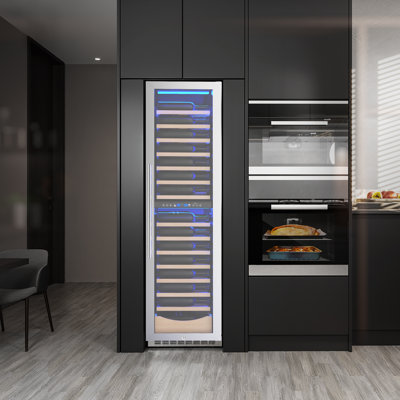
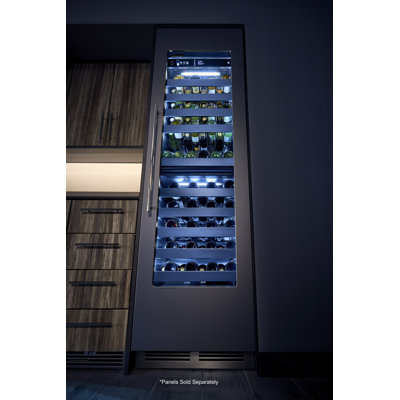
The placement and aesthetics of your cooling appliance can significantly impact your decision. Freestanding wine coolers are often designed with sleek, stylish exteriors that can complement your kitchen or dining area. They are available in various sizes to fit different spaces, including under-counter and full-height units.
Factor
Freestanding Wine Cooler
Standard Fridge
Placement Options
Under-counter, freestanding
Kitchen, garage, basement
Aesthetic Design
Sleek, specialized
General-purpose, varied designs
Standard fridges are more versatile in terms of placement and can be used in kitchens, garages, basements, and other areas. Their designs are more varied, catering to broader household needs. For more insights on fridge placements, explore Fridge.com article on basement refrigerator Vs. convertible freezer refrigerator.
Considering these factors will help you make an informed decision between a freestanding wine cooler and a standard fridge, ensuring you select the best option for your storage needs and lifestyle.
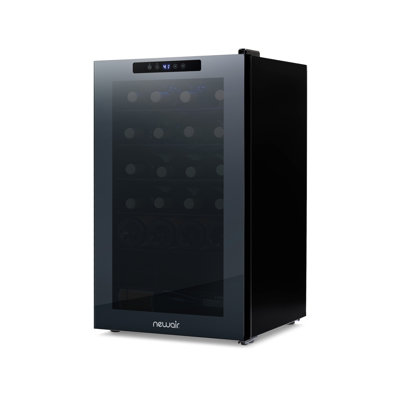
Freestanding wine coolers offer a range of features tailored to the needs of wine enthusiasts. These coolers are designed specifically for storing wine, ensuring optimal conditions for preserving flavor and quality. Key features include:
Temperature Control: Freestanding wine coolers provide precise temperature settings, essential for maintaining the ideal storage temperature for different types of wine.
Humidity Control: Many models offer humidity control to prevent corks from drying out, which helps in preserving the wine's integrity.
Vibration Reduction: These coolers often incorporate technology to minimize vibrations, which can disturb wine sediments and affect taste.
UV Protection: Tinted glass doors or UV-resistant materials protect wine from harmful light exposure.
Digital Displays: Easy-to-read digital displays allow you to monitor and adjust settings effortlessly.
Feature
Benefit
Temperature Control
Maintains optimal storage temperature
Humidity Control
Prevents corks from drying out
Vibration Reduction
Protects wine sediments from disturbance
UV Protection
Shields wine from harmful light exposure
Digital Displays
Simplifies monitoring and adjusting settings
Ideal Placement and Use Cases
Freestanding wine coolers are versatile and can be placed in various locations, making them suitable for different use cases. They are ideal for:
Homes: Place a wine cooler in your kitchen, dining room, or living area for easy access to your wine collection.
Offices: Enhance your workspace with a stylish wine cooler for entertaining clients or enjoying a glass after hours.
Basements: Utilize basement space for storing wine in a controlled environment.
Garages: Set up a wine cooler in your garage to keep your wine collection organized and accessible.
Outdoor Areas: Some models are designed for outdoor use, perfect for poolside or patio celebrations.
When choosing a location, ensure there is adequate ventilation around the cooler to avoid overheating. Consider the aesthetic appeal and how the cooler complements your existing decor. For more insights on placement and use, explore Fridge.com article on freezer cooler Vs. outdoor fridge.
By understanding the features and ideal placements of freestanding wine coolers, you can make an informed decision that enhances your wine storage experience. For further comparisons with other cooling appliances, check out Fridge.com guide on built in wine cooler Vs. small chest freezer.
Standard Fridges
Features and Benefits
Standard fridges, commonly found in kitchens, offer numerous features and benefits that make them a versatile choice for general food storage. These refrigerators come in various sizes and configurations, including top-freezer, bottom-freezer, side-by-side, and French door models. Key features include adjustable shelves, door bins, and crisper drawers for fruits and vegetables.
Standard fridges are designed to maintain a consistent temperature, ensuring that all types of food items are preserved effectively. They also often come with built-in ice makers and water dispensers, adding convenience for daily use. The spacious interiors allow for the storage of large quantities of food, making them ideal for families and households with diverse storage needs.
Feature
Benefit
Adjustable Shelves
Customized storage options
Crisper Drawers
Keeps fruits and vegetables fresh
Built-in Ice Maker
Convenient ice access
Water Dispenser
Easy hydration
Spacious Interior
Ample storage for various food items
Adaptability for Wine Storage
While standard fridges are primarily designed for general food storage, they can also be adapted for wine storage with some considerations. Unlike specialized wine coolers, standard fridges do not have the precise temperature and humidity control required for optimal wine preservation. However, with a few adjustments, they can still be used to store wine effectively.
One way to adapt a standard fridge for wine storage is by designating a specific shelf for your wine bottles. Ensure that the bottles are stored horizontally to keep the corks moist, which helps in maintaining the wine's quality. It's also important to monitor the temperature and avoid frequent temperature fluctuations, as they can negatively impact the wine's aging process.
For wine enthusiasts looking to store a larger collection, it might be beneficial to explore other storage options like a dry age fridge Vs. wine cellar. However, for occasional wine storage, a standard fridge can suffice with proper care.
Consideration
Adaptation Tip
Temperature
Set to a stable, moderate temperature
Humidity
Use a humidity control device if available
Bottle Position
Store horizontally to keep corks moist
Designated Space
Allocate a specific shelf for wine bottles
Standard fridges offer a broad range of features and benefits that cater to everyday food storage needs. With the right adjustments, they can also serve as a practical solution for storing wine, especially for those who do not require a dedicated wine cooler. For more comparisons, explore Fridge.com article on kegerator Vs. standard refrigerator size.
Pros and Cons Comparison
Freestanding Wine Coolers
Freestanding wine coolers are specifically designed to store and preserve wine, offering a range of features tailored to this purpose.
Pros:
Temperature Control: Freestanding wine coolers offer precise temperature control, essential for maintaining the ideal environment for wine storage.
Humidity Levels: These coolers maintain appropriate humidity levels to prevent corks from drying out and wine from spoiling.
Vibration Reduction: Many wine coolers are equipped with anti-vibration technology to minimize disturbance to the wine.
Aesthetic Appeal: Freestanding wine coolers often have a sleek design that can enhance the look of your space.
Cons:
Limited Versatility: Primarily designed for wine, these coolers are not ideal for storing other types of food or beverages.
Space Requirements: Freestanding units require dedicated space and may not fit seamlessly into existing kitchen layouts.
Cost: Typically more expensive than standard fridges due to specialized features.
Feature
Freestanding Wine Cooler
Temperature Control
Precise
Humidity Control
Yes
Vibration Reduction
Yes
Storage Versatility
Limited
Space Efficiency
Requires dedicated space
Cost
Higher
Standard Fridges
Standard fridges are versatile appliances designed to store a variety of food and beverages, including wine.
Pros:
Versatility: Standard fridges can store a wide range of items, making them a practical choice for general use.
Space Efficiency: These fridges are available in various sizes and can fit into most kitchen layouts.
Cost-Effective: Generally less expensive than specialized wine coolers, making them a budget-friendly option.
Cons:
Temperature Fluctuations: Standard fridges may not offer the precise temperature control needed for optimal wine storage.
Humidity Levels: These fridges are not designed to maintain specific humidity levels, which can affect wine quality.
Vibration: Standard fridges may not have anti-vibration features, which can disturb wine sediment.
Feature
Standard Fridge
Temperature Control
General
Humidity Control
No
Vibration Reduction
No
Storage Versatility
High
Space Efficiency
Versatile
Cost
Lower
For more insights on fridge options, check out Fridge.com article on freezer cooler Vs. outdoor fridge.
When deciding between a freestanding wine cooler and a standard fridge, consider your specific needs, available space, and budget. For more detailed comparisons, visit Fridge.com articles on blue refrigerator Vs. garage refrigerator and drawer refrigerator Vs. portable refrigerator.
When deciding between a freestanding wine cooler and a standard fridge, it's essential to consider your available space and specific storage needs. A freestanding wine cooler is designed to store wine at optimal conditions, including temperature and humidity levels. These coolers are perfect for wine enthusiasts who have a dedicated space for their collection.
Factor
Freestanding Wine Cooler
Standard Fridge
Space Requirements
Smaller, can fit in limited spaces
Larger, requires more space
Storage Needs
Specifically for wine bottles
General food and beverage storage
Temperature Control
Precise control for wine
General cooling temperatures
If you have a compact space or a smaller wine collection, a freestanding wine cooler might be the ideal choice. For larger households or those who need versatile storage for various food items, a standard fridge offers more flexibility.
Budget and Long-Term Use Factors
Budget is another crucial factor when choosing between a freestanding wine cooler and a standard fridge. While wine coolers are specialized appliances, they can be more cost-effective for wine storage in the long run. Standard fridges, on the other hand, serve multiple purposes but may not provide the ideal conditions for wine.
Factor
Freestanding Wine Cooler
Standard Fridge
Initial Cost
Moderate to High
Moderate to High
Long-Term Use
Ideal for wine storage, energy-efficient
Versatile, but may not maintain wine quality
Maintenance
Low, specific to wine storage
Moderate, general maintenance required
Consider your long-term use needs. If you are an avid wine collector, investing in a wine cooler might save you money and preserve your wine better over time. If you need a more general appliance that can handle various storage needs, a standard fridge might be the better investment.
Making the right choice depends on evaluating your space, storage requirements, and budget. For more comparisons on different refrigerator and freezer options, you can explore articles like freezer cooler Vs. outdoor fridge or energy efficient refrigerator Vs. freestanding refrigerator.
Compare prices on Fridge.com
Compare current prices and specifications on Fridge.com, then buy from the retailer you choose; delivery, installation and warranty terms are the retailer’s.
It also has tons of awesome articles about kitchen stuff and home news. Enhance your home, garage, backyard, patio, and office with the coolest essentials. With every necessary type of residential refrigerator or freezer in the collection, you're covered.
Free tool
Wine Refrigerator Calculator
Free interactive tool from Fridge.com — get a quick answer while you read.