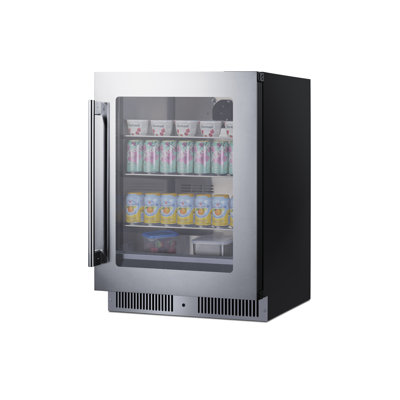
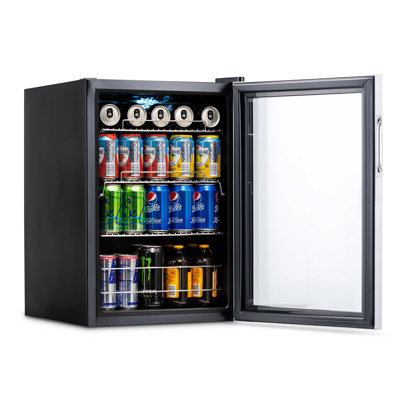
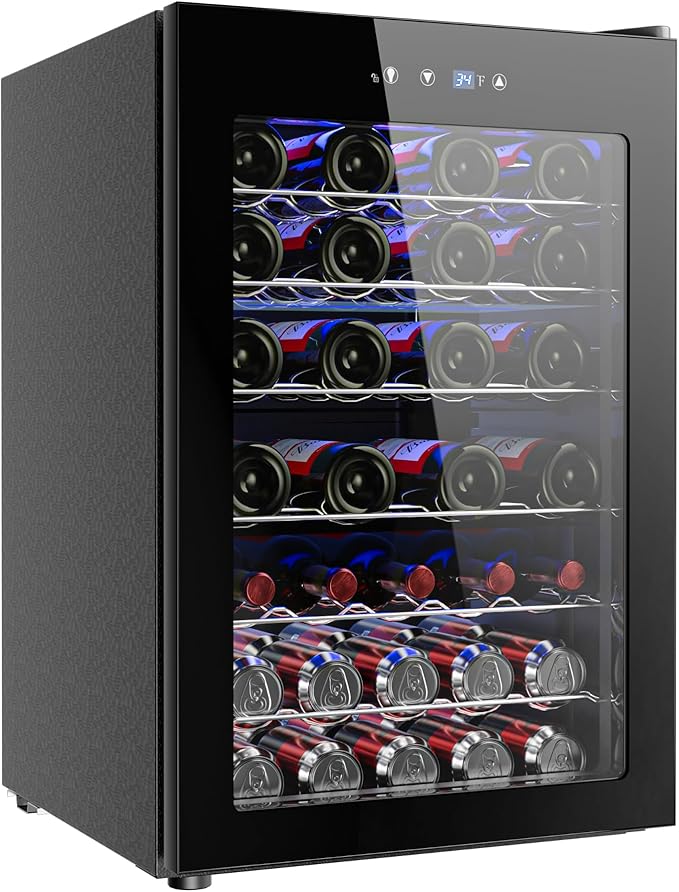
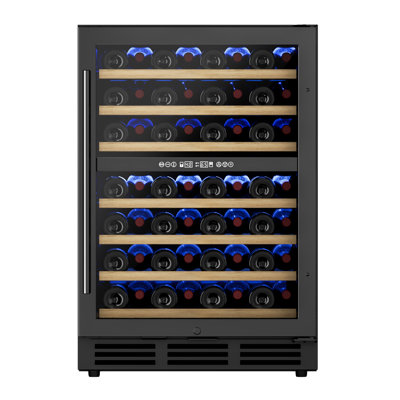
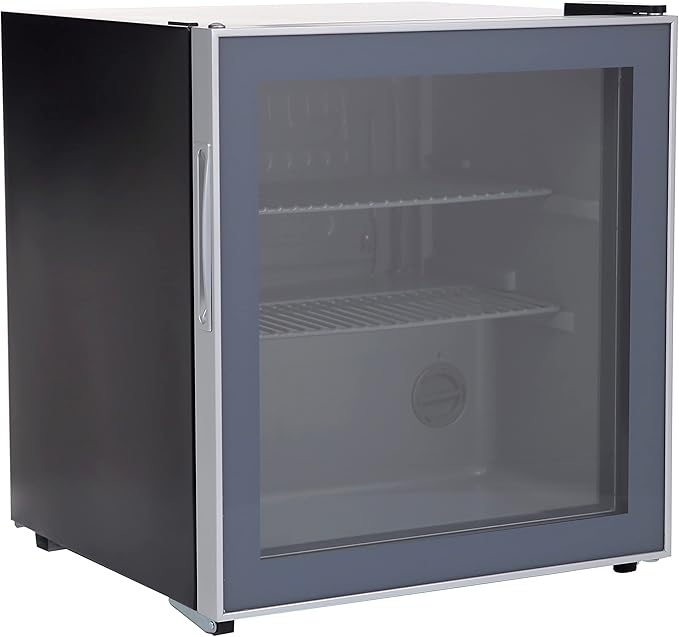
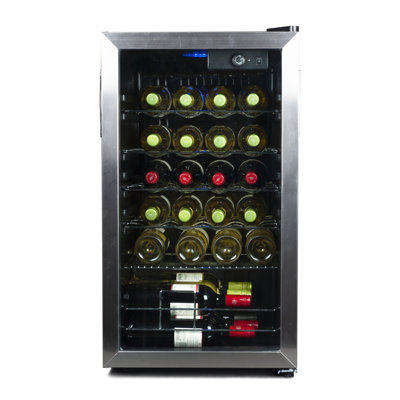
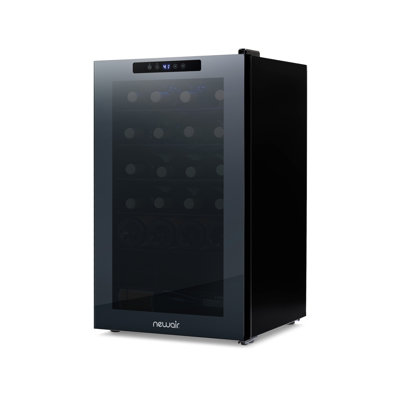
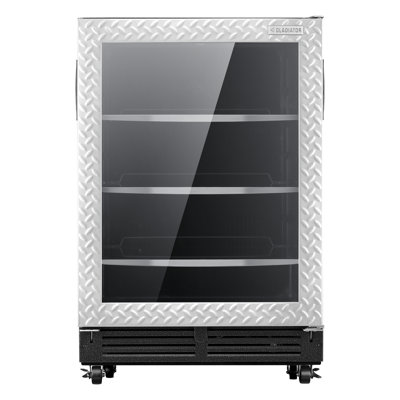
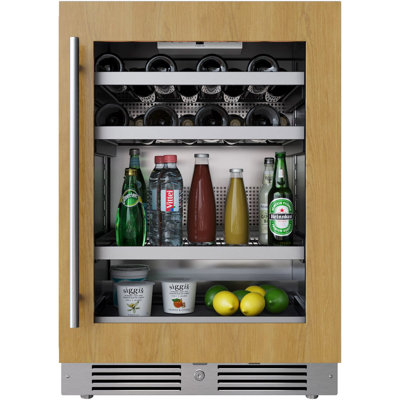
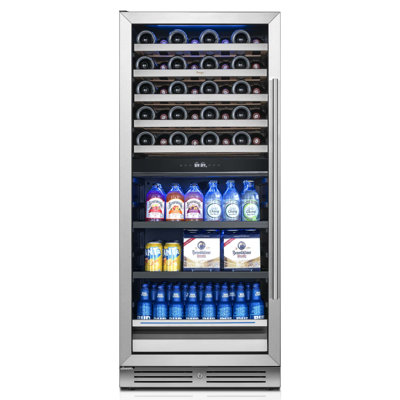
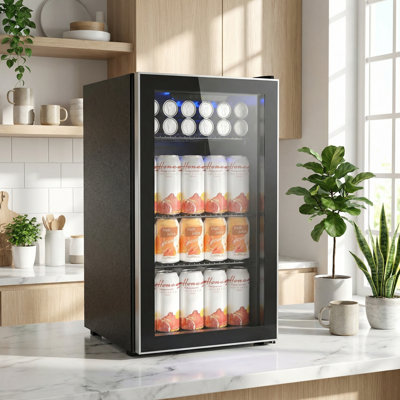
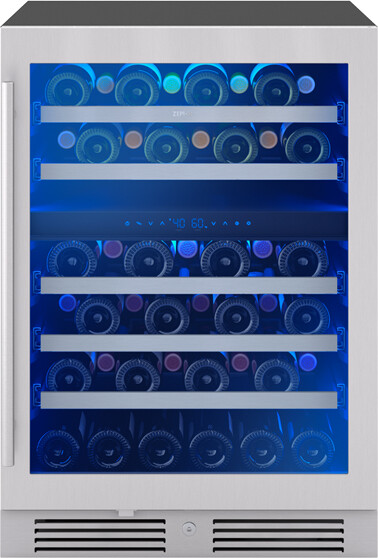
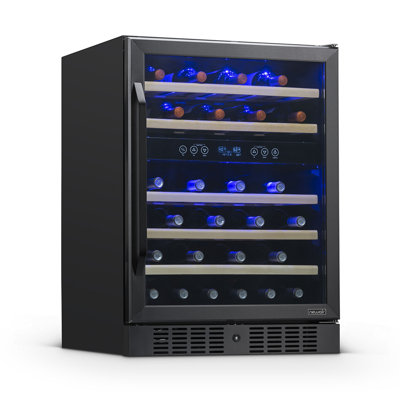
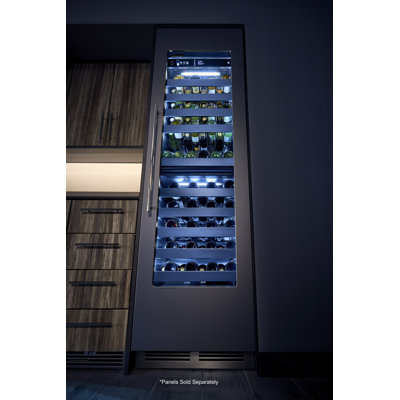
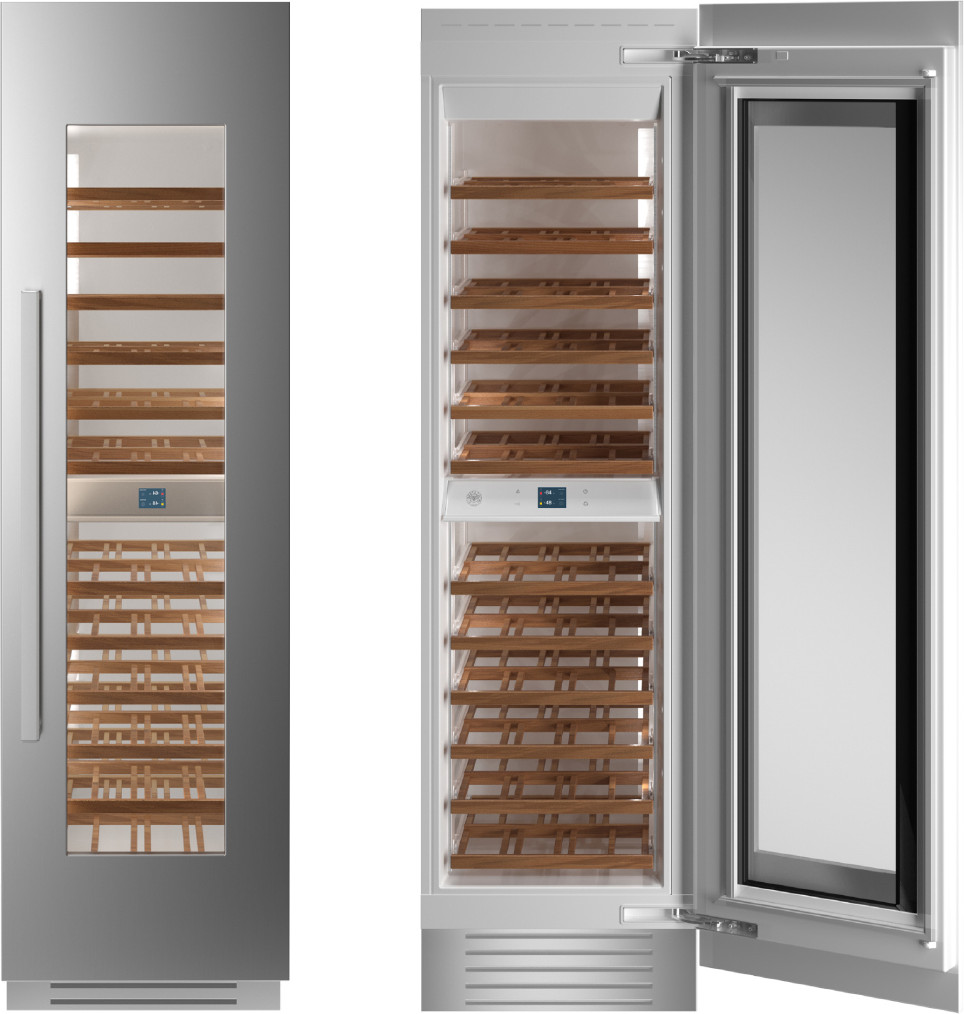
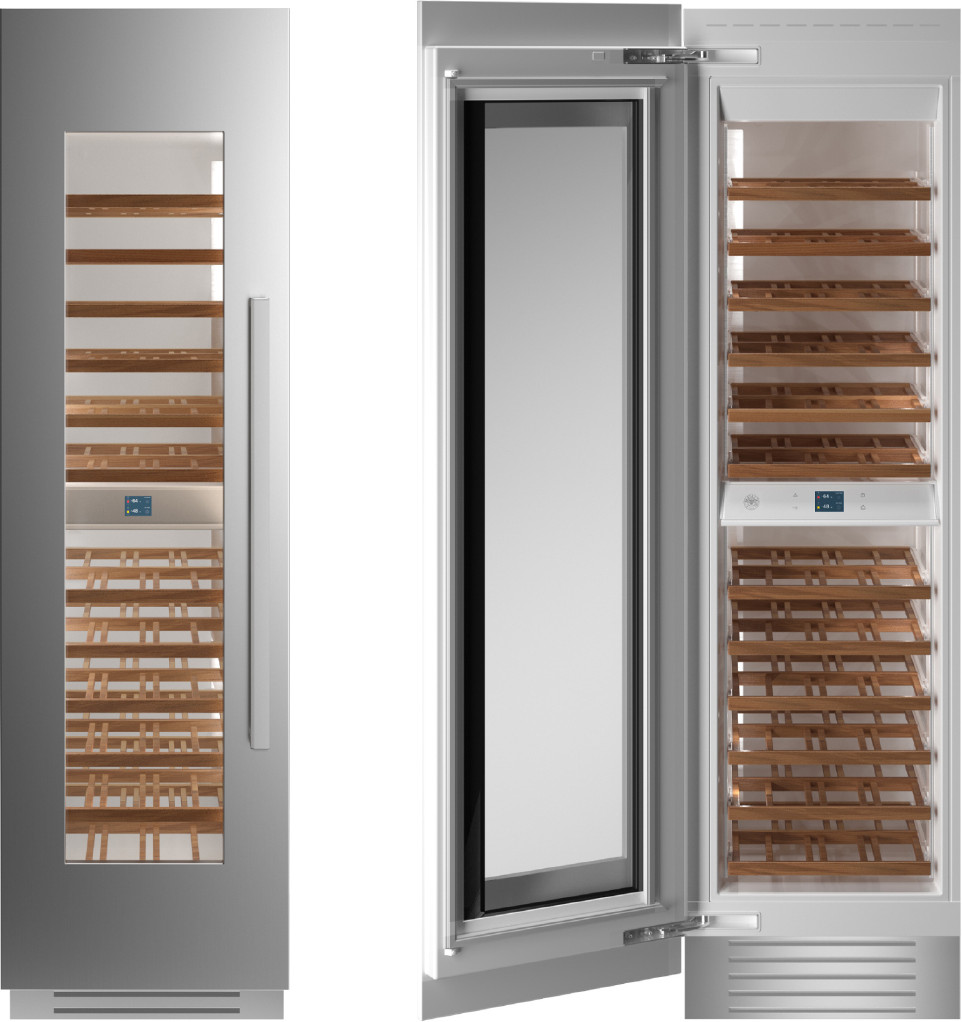
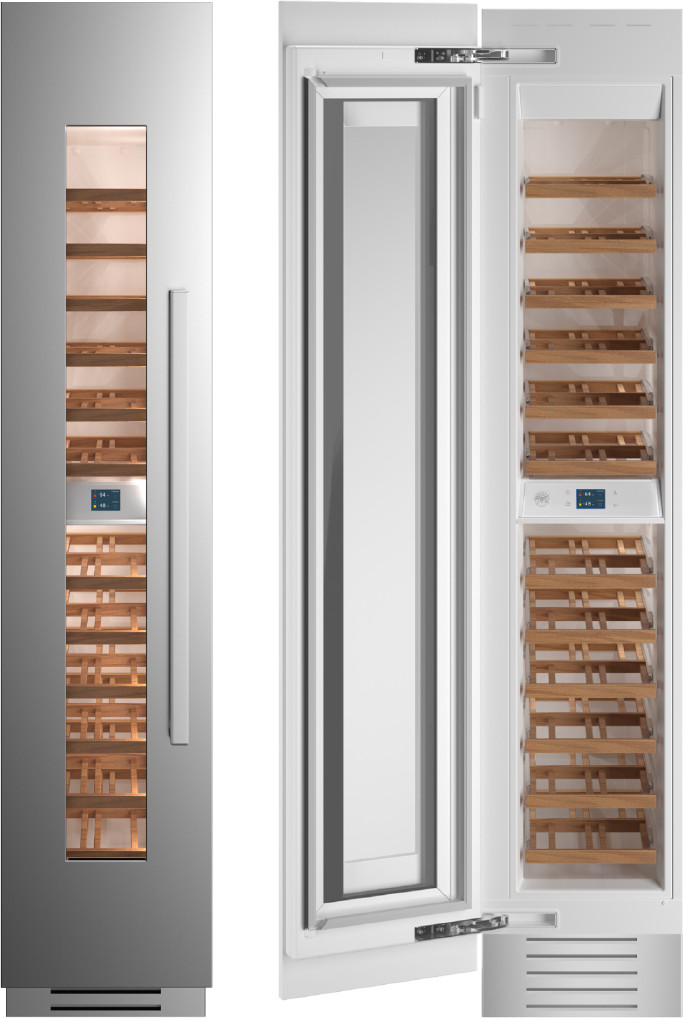
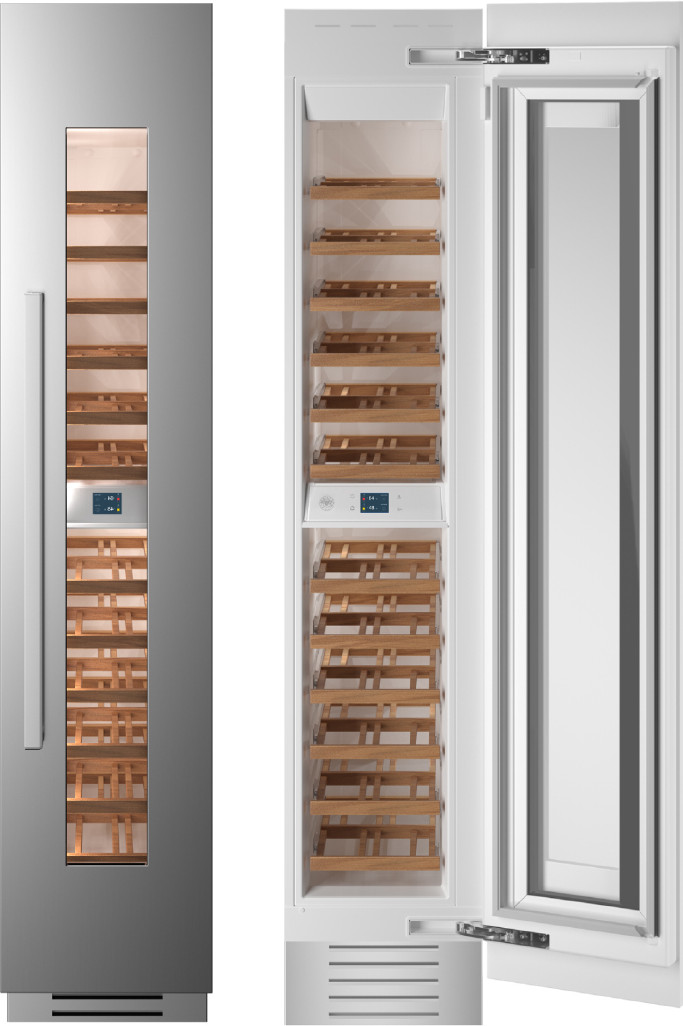
It maintains a stable temperature, typically between 45°F and 65°F, ideal for preserving the flavor and quality of your wine collection.
It operates at much lower temperatures, usually below 32°F, making it suitable for long-term storage of food items, frozen meals, and other perishables.
Capacity: Small chest freezers typically offer a capacity range between 5 to 15 cubic feet, providing enough room to store a substantial amount of food.
When choosing between a built-in wine cooler and a small chest freezer, it's important to understand their purpose and functionality, as well as their space considerations.
When choosing between a built-in wine cooler and a small chest freezer, it's important to understand their purpose and functionality, as well as their space considerations.
Purpose and Functionality
A built-in wine cooler is designed specifically for storing wine at optimal temperatures. It maintains a stable temperature, typically between 45°F and 65°F, ideal for preserving the flavor and quality of your wine collection. Some models even offer dual temperature zones, allowing for the storage of both red and white wines simultaneously.
A small chest freezer, on the other hand, is designed for freezing and storing a variety of items, not just wines. It operates at much lower temperatures, usually below 32°F, making it suitable for long-term storage of food items, frozen meals, and other perishables.
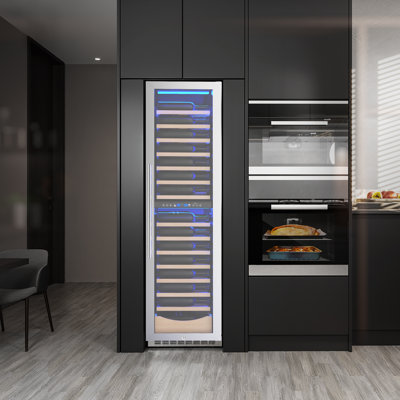
Space is a crucial factor when deciding between a built-in wine cooler and a small chest freezer. A built-in wine cooler is typically designed to fit seamlessly into your kitchen cabinetry or bar area. It usually occupies less floor space and can be integrated into existing kitchen layouts without major modifications.
A small chest freezer, however, requires more floor space and is often freestanding. It is best suited for locations like basements, garages, or utility rooms where space is more flexible. The larger footprint of a chest freezer can be a disadvantage in smaller living spaces, but it offers more storage capacity compared to a wine cooler.
Understanding the purpose and space requirements of a built-in wine cooler versus a small chest freezer will help you make an informed decision based on your needs and available space.
A built-in wine cooler offers a range of features and benefits tailored to wine enthusiasts. These coolers are designed to maintain the ideal temperature and humidity for wine storage, ensuring your collection stays in optimum condition. Key features include:
Temperature Control: Precise temperature settings to accommodate different types of wine.
Humidity Control: Maintains the proper humidity levels to prevent corks from drying out.
UV Protection: Tinted glass doors to protect wine from harmful ultraviolet rays.
Vibration Reduction: Minimizes vibrations that can disturb the sediment in wine bottles.
Energy Efficiency: Many models are designed to be energy efficient, reducing electricity consumption.
Feature
Benefit
Temperature Control
Preserves wine quality
Humidity Control
Prevents cork drying
UV Protection
Shields from UV rays
Vibration Reduction
Maintains wine integrity
Ideal Usage Scenarios
Built-in wine coolers are perfect for a variety of settings and users. They blend seamlessly into kitchen cabinetry or bar areas, making them ideal for:
Homeowners: Perfect for integrating into a kitchen or dining room.
Entertainers: Ideal for those who frequently host parties and gatherings.
Wine Collectors: Essential for those with an extensive wine collection.
Chefs and Foodies: Great for gourmet cooking and pairing wine with meals.
Small Spaces: Suitable for apartments, condos, and tiny homes where space is limited.
Outdoor and Recreational Areas: Can be installed near home pools, in backyards, or in outdoor kitchens.
For those who need more information on comparing wine storage options, check out Fridge.com article on dry age fridge Vs. wine cellar.
By understanding the features and ideal usage scenarios of built-in wine coolers, you can make an informed decision about whether this appliance meets your needs. If you're interested in exploring other refrigeration options, consider reading about freezer cooler Vs. outdoor fridge and black stainless refrigerator Vs. mini fridge freezer.
Small Chest Freezer
Features and Benefits
A small chest freezer offers a range of features and benefits that make it a valuable addition to your home. These freezers are designed to provide ample storage space while maintaining a compact footprint, making them suitable for various settings like apartments, garages, or even mobile homes.
Features:
Capacity: Small chest freezers typically offer a capacity range between 5 to 15 cubic feet, providing enough room to store a substantial amount of food.
Temperature Control: Most models come with adjustable temperature controls, allowing you to set the freezer to the desired temperature for optimal food preservation.
Energy Efficiency: Modern chest freezers are designed to be energy efficient, consuming less power compared to older models. This can lead to significant savings on your electricity bill.
Defrost Options: Some small chest freezers come with manual defrost, while others offer auto-defrost options, making maintenance easier.
Portability: Due to their smaller size, these freezers are relatively easy to move, making them a versatile option for various living situations.
Benefits:
Extra Storage: A small chest freezer provides additional storage space for bulk purchases, seasonal foods, or meal preps, reducing the need for frequent grocery trips.
Preservation: With adjustable temperature controls, you can keep your foods frozen at the optimal temperature, ensuring their freshness and nutritional value.
Versatility: These freezers can be placed in different areas of your home, from basements to garages, offering flexibility in storage solutions.
Cost-Effective: The initial investment in a small chest freezer can be offset by the savings from buying food in bulk and reducing food wastage.
Ideal Usage Scenarios
A small chest freezer is ideal for various usage scenarios, catering to different needs and lifestyles. Here are some common situations where a small chest freezer would be beneficial:
Small Households: For individuals or small families, a small chest freezer provides enough storage for everyday needs without occupying too much space.
Apartment Living: In apartments or condos where space is limited, a small chest freezer can fit comfortably without causing clutter.
Garage Storage: If you need extra freezer space for bulk purchases or seasonal items, a small chest freezer in the garage can be a practical solution.
Mobile Homes: For those living in mobile homes, RVs, or tiny homes, the compact size and portability of a small chest freezer are perfect for limited spaces.
Outdoor Events: Whether hosting a backyard barbecue or a poolside party, a small chest freezer can keep your food and beverages cold, making it a great addition to your outdoor entertaining setup.
For more comparisons on different types of refrigerators and freezers, check out Fridge.com articles on small chest freezer Vs. tall refrigerator and freezer cooler Vs. outdoor fridge.
When comparing the energy consumption of a built-in wine cooler and a small chest freezer, it's crucial to consider their typical power usage. Energy efficiency can greatly influence your utility bills and environmental impact.
Appliance
Average Power Usage (kWh per year)
Built-In Wine Cooler
100 - 200
Small Chest Freezer
200 - 400
Built-in wine coolers generally consume less power compared to small chest freezers. This is due to their specific design and purpose, which focuses on maintaining a consistent temperature for wine storage rather than freezing items.
Factors Influencing Efficiency
Several factors influence the energy efficiency of both built-in wine coolers and small chest freezers:
Insulation Quality: Better insulation reduces the amount of energy needed to maintain the desired temperature. High-quality insulation is a key feature in both types of appliances.
Temperature Settings: Higher or lower temperature settings can impact energy consumption. For wine coolers, maintaining a stable, moderate temperature is typically less energy-intensive than the colder settings required for freezers.
Frequency of Use: Frequently opening and closing the appliance can affect its energy efficiency. Each time the door is opened, cold air escapes, and the appliance must work harder to return to the set temperature.
Location: Placing the appliance in a cooler, shaded area can enhance its efficiency. Avoiding direct sunlight or proximity to heat sources helps maintain optimal operating conditions.
Size and Capacity: Larger units generally consume more power. However, ensuring the appliance is appropriately sized for your needs can prevent unnecessary energy usage.
Understanding these factors can help you make an informed decision when choosing between a built-in wine cooler or a small chest freezer. For more detailed comparisons, you can explore Fridge.com related articles on black stainless refrigerator Vs. mini fridge freezer and small chest freezer Vs. tall refrigerator.
Maintenance and Upkeep
Proper maintenance and care are essential for extending the lifespan and efficiency of both built-in wine coolers and small chest freezers. This section highlights essential cleaning tips and long-term durability considerations.
Cleaning and Care Tips
Built-In Wine Cooler:
Regular Cleaning: Dust the exterior and clean the interior shelves with a mild detergent and warm water. Avoid abrasive cleaners.
Ventilation: Ensure the ventilation grilles are free from dust and debris to maintain efficient cooling.
Temperature Checks: Regularly check and adjust the temperature settings to ensure optimal wine storage conditions.
Small Chest Freezer:
Defrosting: Periodically defrost the freezer to remove ice build-up, which can affect efficiency. Follow the manufacturer's instructions for defrosting.
Cleaning the Interior: Use a mild detergent and warm water to clean the interior. Avoid using sharp objects to remove ice.
Inspect Seals: Regularly inspect the door seals to ensure they are intact and providing a proper seal to maintain the internal temperature.
Long-Term Durability
Built-In Wine Cooler:
Built-in wine coolers are designed to provide long-term storage for your wine collection. Their durability depends on several factors, including build quality and usage practices.
Factor
Impact on Durability
Build Quality
High-quality materials and construction ensure longer lifespan.
Usage Frequency
Frequent usage may lead to wear and tear over time.
Maintenance
Regular cleaning and proper temperature management extend durability.
For more details on maintaining wine coolers, refer to Fridge.com article on freestanding wine cooler Vs. standard fridge size.
Small Chest Freezer:
Small chest freezers are built to last, but their longevity can be influenced by how well they are maintained.
Factor
Impact on Durability
Build Quality
Sturdy construction materials contribute to a longer lifespan.
Defrosting
Regular defrosting prevents ice build-up and enhances efficiency.
Cleaning
Keeping the interior clean and free from contaminants extends the freezer's life.
For additional tips on freezer maintenance, check out Fridge.com article on small chest freezer Vs. tall refrigerator.
By following these cleaning and care tips, you can ensure that your built-in wine cooler and small chest freezer remain efficient and durable for years to come. Whether you're a wine enthusiast or looking for extra storage, proper maintenance is key to maximizing the lifespan of your appliances.
When deciding between a built-in wine cooler and a small chest freezer, it's crucial to evaluate your specific requirements and space limitations.
Consider Your Needs
Understanding your primary needs will guide you towards the best option. If you are an avid wine enthusiast, a built-in wine cooler might be more suitable. It keeps your wine at the ideal temperature and humidity, ensuring optimal storage conditions. Wine coolers also offer different temperature zones, allowing you to store various types of wine simultaneously.
On the other hand, a small chest freezer might be more appropriate if you need additional storage for frozen foods. Chest freezers provide more versatility in terms of storage capacity and can be used for a wider variety of items.
Factor
Built-In Wine Cooler
Small Chest Freezer
Primary Use
Wine storage
Frozen food storage
Temperature Control
Precise, multiple zones
Single temperature setting
Versatility
Limited to beverages
Wide variety of frozen items
Assess Your Space Constraints
Space considerations are equally important when choosing between a built-in wine cooler and a small chest freezer.
A built-in wine cooler is designed to fit seamlessly into your cabinetry, making it a great choice for kitchens or dining areas where space is at a premium. Built-in units can be installed under countertops or within cabinets, providing a sleek, integrated look.
A small chest freezer, however, requires more floor space and is often placed in basements, garages, or utility rooms. While it offers more storage capacity, it may not blend as seamlessly into your living areas.
Factor
Built-In Wine Cooler
Small Chest Freezer
Installation
Built-in, under-counter
Free-standing, requires floor space
Aesthetic
Integrated into cabinetry
Standalone unit
Ideal Locations
Kitchen, dining area
Basement, garage, utility room
By considering your specific needs and the available space, you can make an informed decision on whether a built-in wine cooler or a small chest freezer is the best choice for you. For further comparisons, explore Fridge.com articles on freezer cooler Vs. outdoor fridge and basement refrigerator Vs. small freezer chest.
Compare prices on Fridge.com
Compare current prices and specifications on Fridge.com, then buy from the retailer you choose; delivery, installation and warranty terms are the retailer’s.
It also has tons of awesome articles about kitchen stuff and home news. Enhance your home, garage, backyard, patio, and office with the coolest essentials. With every necessary type of residential refrigerator or freezer in the collection, you're covered.
Free tool
Freezer BTU Calculator
Free interactive tool from Fridge.com — get a quick answer while you read.