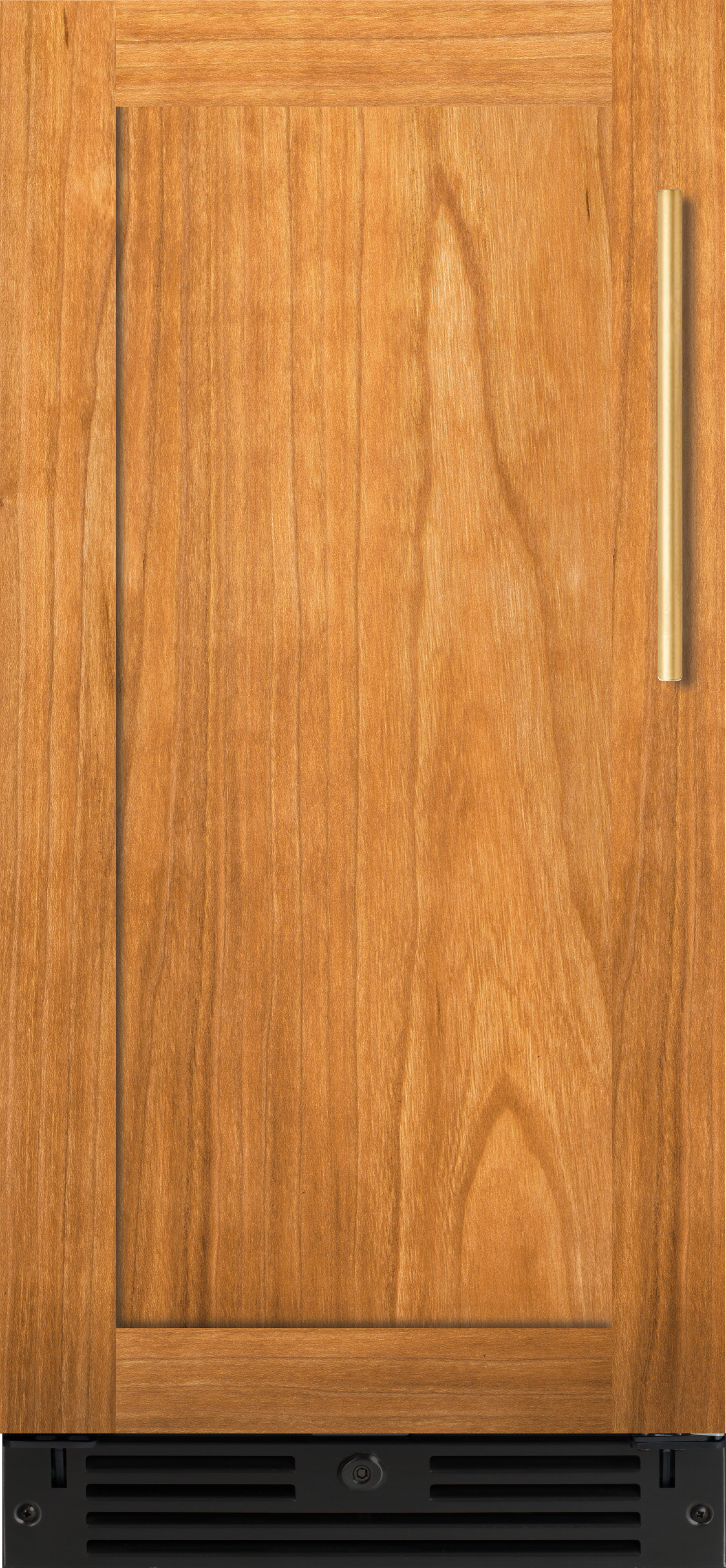
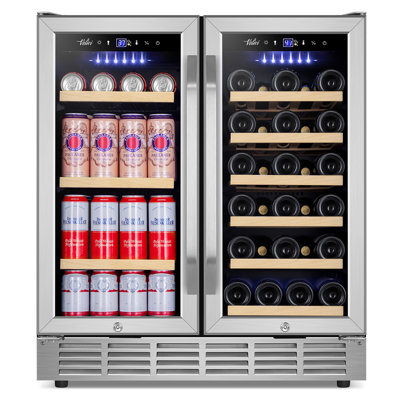
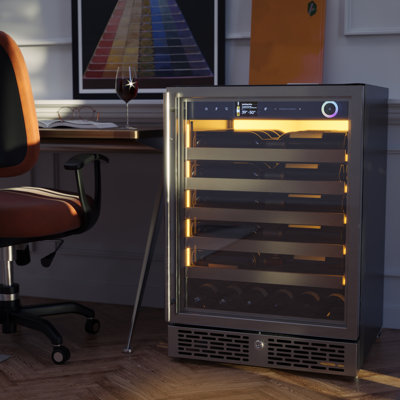
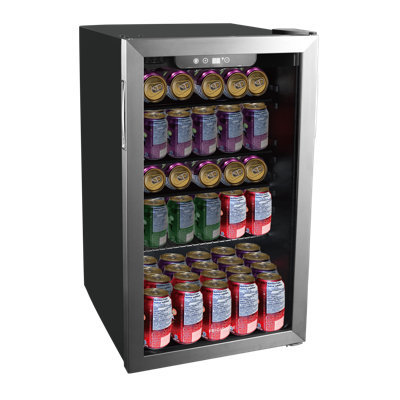
When considering refrigeration options, it's essential to understand the differences between a freestanding wine cooler and a portable freezer. Each serves distinct purposes and offers unique benefits for various needs.
Freestanding Wine Cooler Overview
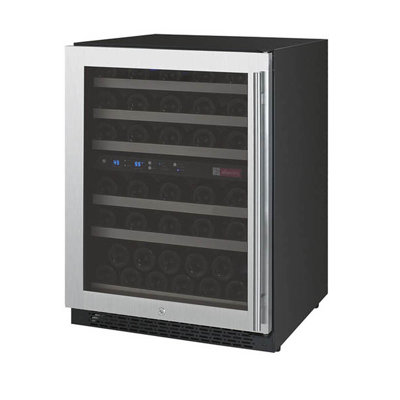
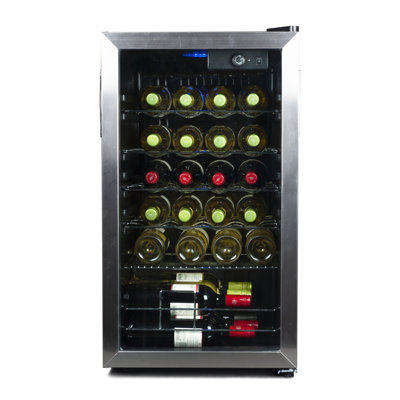
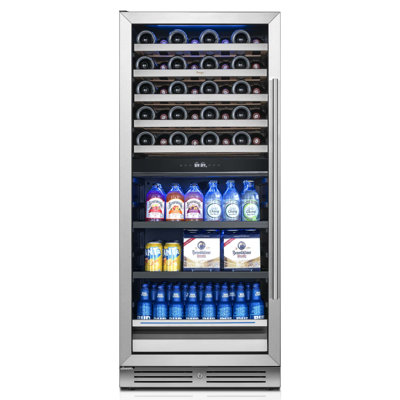
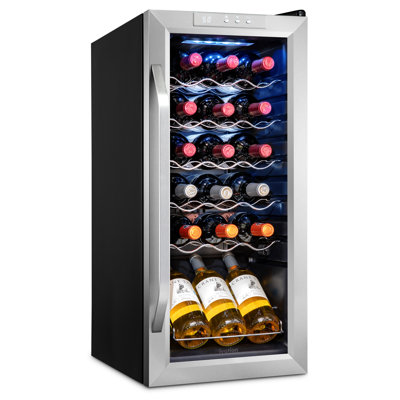
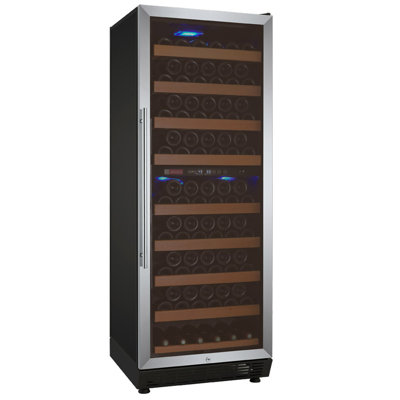
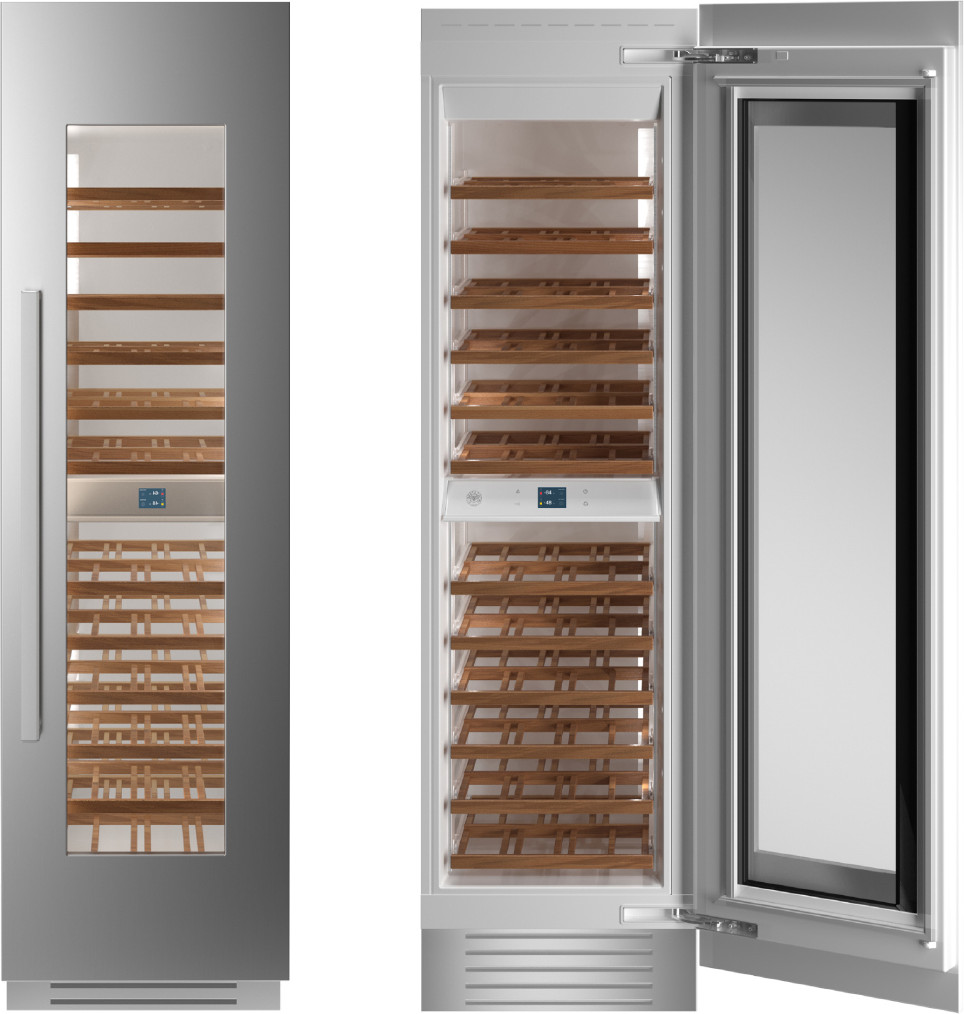
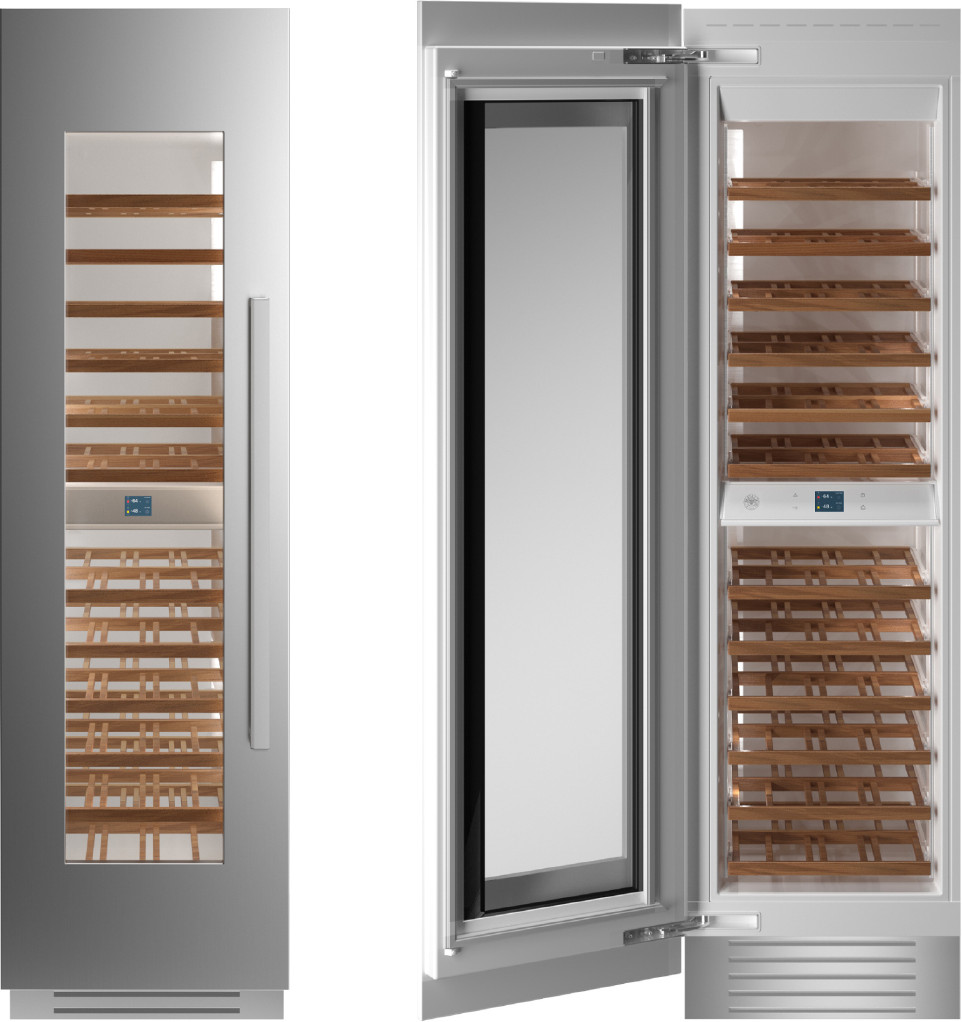
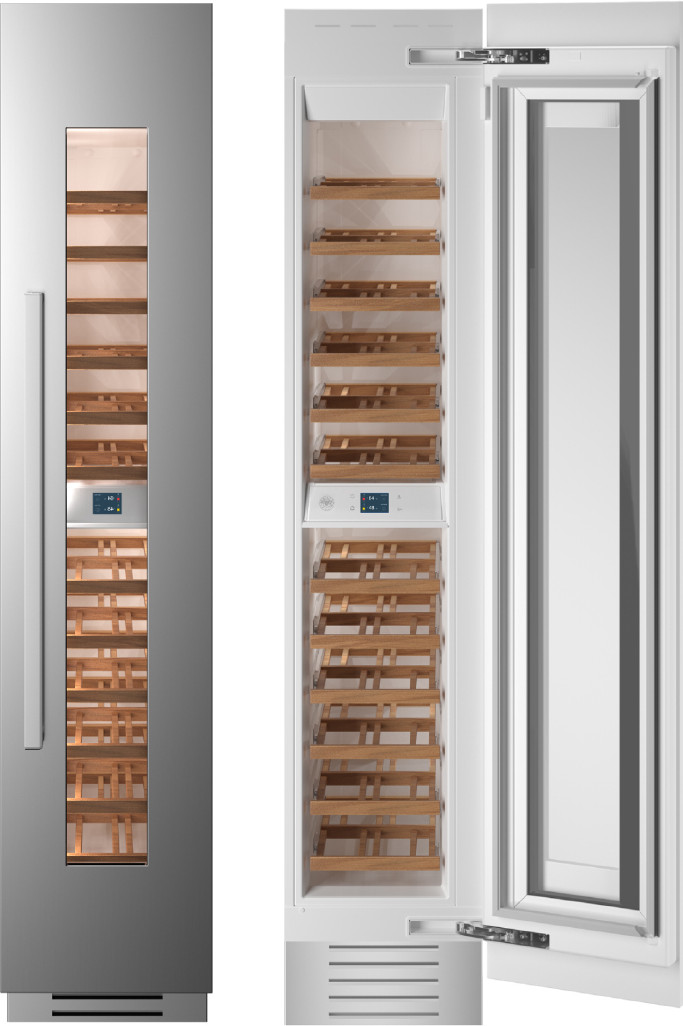
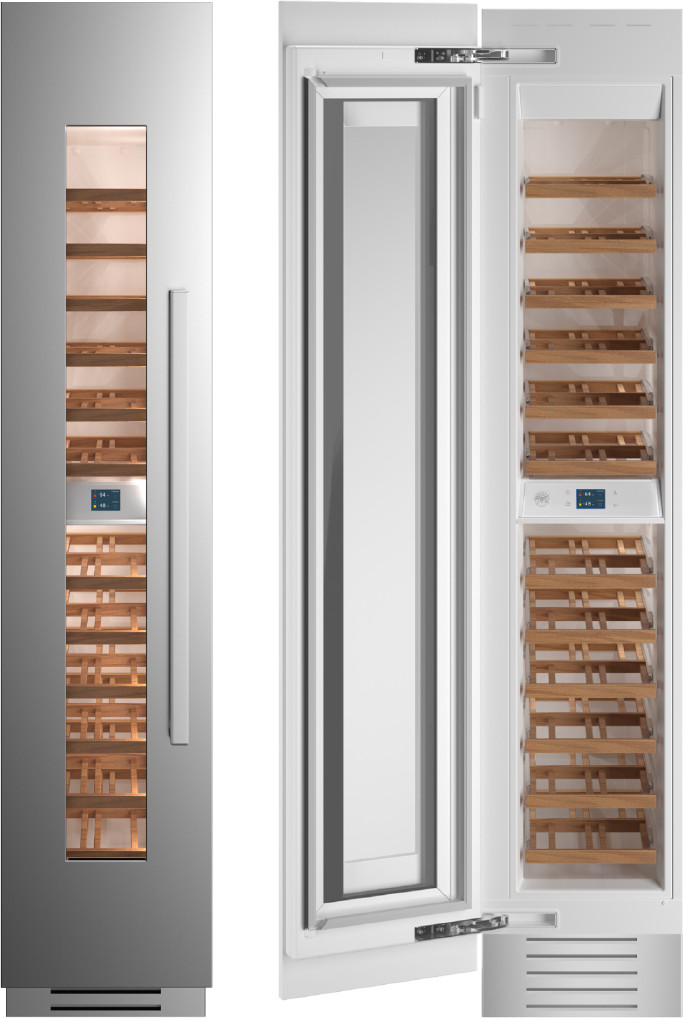
A freestanding wine cooler is specifically designed for the storage and preservation of wine. It maintains an optimal temperature and humidity level to ensure that the wine ages properly and retains its flavor. Freestanding wine coolers are typically found in homes, offices, and entertaining spaces where wine enthusiasts can easily access their collection.
Key features of freestanding wine coolers include:
Temperature Control: Precise temperature settings to cater to different types of wine.
Humidity Control: Maintains ideal humidity levels to prevent corks from drying out.
Vibration Reduction: Minimizes vibrations to ensure the wine remains undisturbed.
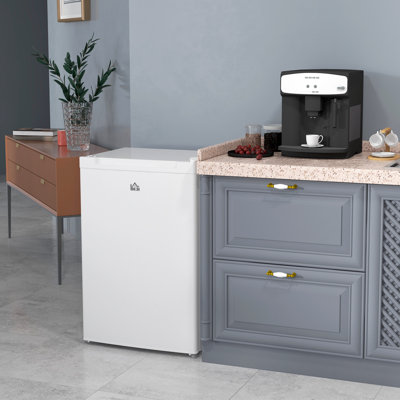
A portable freezer is a versatile appliance designed for mobility and convenience, making it suitable for various environments such as outdoor activities, camping trips, and small living spaces. Portable freezers offer the flexibility to store a wide range of items, from frozen foods to beverages, ensuring they remain at the desired temperature.
Key features of portable freezers include:
Portability: Lightweight and equipped with handles or wheels for easy transportation.
Power Options: Can be powered by AC, DC, or even solar power, making them ideal for off-grid use.
Temperature Range: Wide temperature range to accommodate both freezing and refrigeration needs.
Understanding these refrigeration options allows you to make an informed decision based on your specific needs and preferences. For a comprehensive comparison of different refrigeration solutions, visit Fridge.com article on 4 door refrigerator Vs. portable refrigerator.
When deciding between a freestanding wine cooler and a portable freezer, understanding their primary functionalities can help you make an informed choice. Each appliance serves a distinct purpose and offers unique benefits tailored to specific needs.
Freestanding Wine Cooler Functionality
A freestanding wine cooler is designed to store and preserve wine at optimal conditions. It maintains a stable temperature and humidity level, ensuring that your wine matures gracefully. The primary functionality of a wine cooler is to provide an environment that mimics a wine cellar, protecting your collection from fluctuations in temperature and humidity.
Feature
Description
Temperature Control
Adjustable settings to maintain an ideal wine storage temperature (usually between 45-65°F).
Humidity Control
Maintains humidity levels around 50-70% to prevent corks from drying out.
Vibration Reduction
Minimizes vibrations to ensure sediment in the wine settles properly.
UV Protection
Tinted glass doors prevent harmful UV rays from affecting the wine.
For more information on how to set the right temperature for your wine, visit Fridge.com article on temperature to set a wine fridge.
Portable Freezer Functionality
A portable freezer, on the other hand, is designed for versatility and convenience. It allows you to freeze and store a variety of items, from food to beverages, while being easily transportable. Ideal for outdoor activities, camping trips, or even as an additional freezer space in your home, a portable freezer provides flexibility in usage.
Feature
Description
Portability
Lightweight and often equipped with handles or wheels for easy transport.
Temperature Range
Wide range of adjustable temperatures, often from -4°F to 50°F, suitable for freezing and refrigeration.
Power Options
Can be powered by AC, DC, or solar energy, making it versatile for different settings.
Storage Flexibility
Can store a variety of items, including food, beverages, and even medical supplies.
For more details on different types of portable refrigerators, check out Fridge.com comparison of 4 door refrigerator Vs. portable refrigerator.
By understanding the specific functionalities and purposes of a freestanding wine cooler and a portable freezer, you can better determine which appliance suits your needs. Consider the primary use, storage requirements, and convenience factors to make the best choice for your lifestyle.
When choosing between a freestanding wine cooler and a portable freezer, the design and placement options are crucial factors to consider. Each appliance has its own set of design considerations and placement options that can impact your decision.
Freestanding Wine Cooler Design Considerations
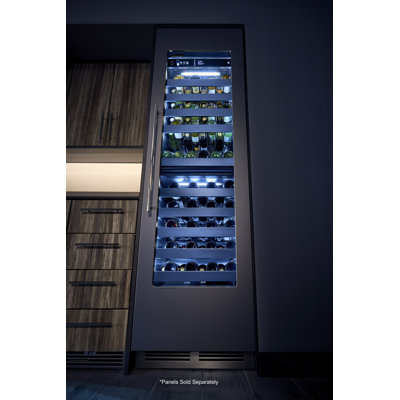
Freestanding wine coolers are designed to store and showcase your wine collection with elegance and functionality. These coolers typically have a sleek, modern design that can fit seamlessly into various settings, such as your kitchen, dining room, or even a dedicated wine cellar. Here are some key design considerations:
Size and Dimensions: Freestanding wine coolers come in various sizes, ranging from compact units that hold a few bottles to larger models that can store over a hundred bottles. Measure the available space in your home to ensure the cooler fits comfortably.
Ventilation: Proper ventilation is essential for the efficient operation of a freestanding wine cooler. Ensure there is adequate space around the cooler for air circulation to prevent overheating.
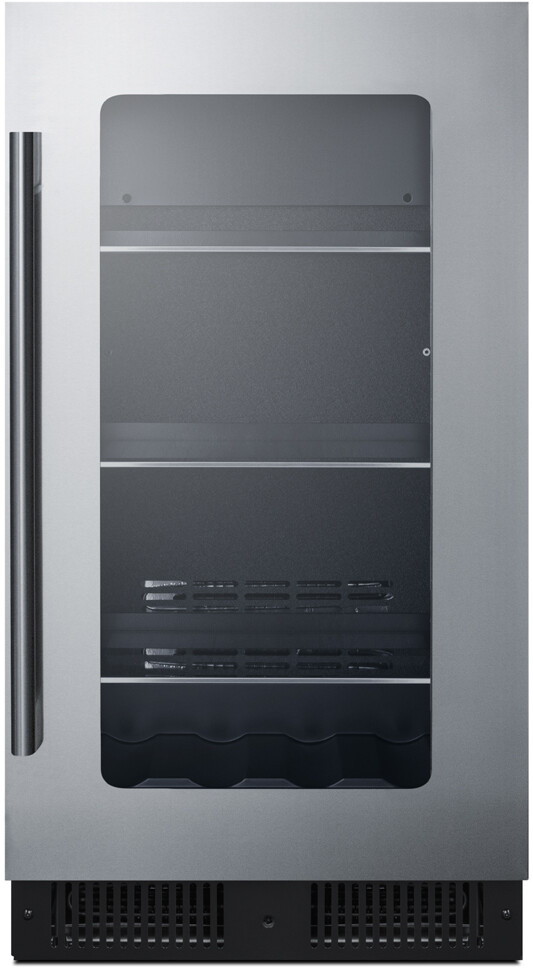
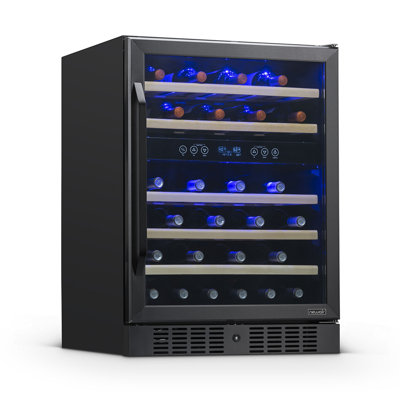
Aesthetic Appeal: Many wine coolers feature glass doors, interior lighting, and wooden or metal shelving, allowing you to display your wine collection attractively. Consider the overall look and feel of the cooler to match your home's décor.
Noise Level: Some freestanding wine coolers can be noisy. If you plan to place the cooler in a living area or dining room, look for models that operate quietly.
Placement Options: Freestanding wine coolers are versatile in terms of placement. They can be placed in the kitchen, dining room, basement, or even a dedicated wine room. Ensure the chosen location is stable and away from direct sunlight or heat sources.
Feature
Consideration
Size and Dimensions
Varies from compact to large
Ventilation
Requires space for air circulation
Aesthetic Appeal
Glass doors, interior lighting, stylish shelving
Noise Level
Look for quiet operation
Placement Options
Kitchen, dining room, basement, wine room
For more information on specific placement options, check out Fridge.com guide on temperature to set a wine fridge.
Portable Freezer Placement Options
Portable freezers offer flexibility and convenience, making them suitable for a variety of settings. They are designed to be easily moved and used in different locations, from your home to outdoor adventures. Here are some important placement options and considerations:
Portability: As the name suggests, portable freezers are designed to be moved around. Look for models with sturdy handles and wheels for easy transportation.
Size and Capacity: Portable freezers come in various sizes, from small units for personal use to larger models for family outings. Consider the capacity you need based on your usage.
Power Source: Portable freezers can be powered by standard electrical outlets, car adapters, or even solar panels. Ensure you have the appropriate power source available in the intended location.
Outdoor Use: If you plan to use the portable freezer outdoors, such as for camping or picnics, ensure it is designed to withstand outdoor conditions. Look for models with durable construction and weather-resistant features.
Space Efficiency: Portable freezers are designed to be compact and space-efficient. They can be placed in various locations, such as your kitchen, garage, RV, or even your backyard.
Versatility: Portable freezers can be used for various purposes, from storing frozen food to keeping beverages cold. They are ideal for use in apartments, condos, mobile homes, and outdoor activities.
Understanding the design and placement options of both freestanding wine coolers and portable freezers can help you make an informed decision based on your needs and preferences. Whether you're looking to showcase your wine collection or need a versatile freezer for various settings, consider these factors to choose the right appliance for you.
When comparing refrigeration options, it's important to evaluate the capacity and storage features of both freestanding wine coolers and portable freezers. This section delves into their respective capacities and how they cater to different storage needs.
Freestanding Wine Cooler Capacity
A freestanding wine cooler is specifically designed to store wine bottles at optimal temperatures. The capacity of these coolers can vary significantly based on their size and design. They typically offer storage for a range of bottle counts, making them suitable for casual wine drinkers and avid collectors alike.
Wine Cooler Size
Bottle Capacity
Small (12-18 inches wide)
Up to 20 bottles
Medium (18-24 inches wide)
20-50 bottles
Large (24-30 inches wide)
50+ bottles
Freestanding wine coolers often come with adjustable shelves, allowing you to customize the interior to fit different bottle shapes and sizes. Some models also include additional features like dual temperature zones, which enable you to store different types of wine at their ideal temperatures. For more on wine storage temperature settings, check out Fridge.com article on temperature to set a wine fridge.
Portable Freezer Storage Features
Portable freezers offer a versatile solution for various storage needs. Unlike wine coolers, portable freezers are not limited to a single type of content and can be used to store a wide range of items, from frozen foods to beverages. The capacity of portable freezers is usually measured in liters or cubic feet.
Freezer Size
Storage Capacity
Small (up to 1.5 cubic feet)
20-45 liters
Medium (1.5-3 cubic feet)
45-85 liters
Large (3+ cubic feet)
85+ liters
Portable freezers often feature adjustable compartments and removable baskets, making it easier to organize your stored items. Some models also come with advanced features like digital temperature controls, fast freeze functions, and energy-saving modes. These features make portable freezers a flexible solution for both home and outdoor use, whether you're using it in a mobile home, cabin, or tiny home.
By understanding the capacity and storage features of freestanding wine coolers and portable freezers, you can make a more informed decision that best suits your needs. For further comparisons, you might want to explore Fridge.com articles on office refrigerator Vs. undercounter refrigerator and 4 door refrigerator Vs. portable refrigerator.
Energy Efficiency and Maintenance
Freestanding Wine Cooler Energy Efficiency
When considering the energy efficiency of a freestanding wine cooler, it's important to look at its power consumption and insulation capabilities. Freestanding wine coolers are designed to maintain a stable temperature range, which is crucial for preserving the quality of your wines. These units often employ advanced cooling technologies to ensure low energy usage while providing optimal storage conditions.
Feature
Description
Power Consumption
Typically ranges from 100-200 watts
Insulation
High-quality insulation materials to maintain temperature
To further enhance energy efficiency, it is advisable to place the wine cooler in a location away from direct sunlight and heat sources. Additionally, regular maintenance such as cleaning the condenser coils and ensuring proper ventilation can help maintain the unit's efficiency. For more tips on maintaining your wine cooler, check out Fridge.com article on temperature to set a wine fridge.
Portable Freezer Maintenance Tips
Maintaining a portable freezer involves several key steps to ensure its longevity and optimal performance. Regular maintenance not only keeps the unit running efficiently but also helps prevent any potential issues that could affect its functionality.
Regular Cleaning: Clean the interior and exterior of the freezer periodically. Use a mild detergent and water to clean the surfaces, and avoid abrasive cleaners that could damage the unit.
Defrosting: If your portable freezer is not frost-free, you will need to defrost it regularly to prevent ice build-up. Follow the manufacturer's instructions for defrosting.
Ventilation: Ensure that the freezer has adequate ventilation around it. Avoid placing it in confined spaces or near heat sources.
Check Seals: Inspect the door seals regularly to ensure they are intact and providing a proper seal. Replace any damaged seals to maintain efficient cooling.
Monitor Temperature: Use a thermometer to monitor the temperature inside the freezer. Adjust the settings as needed to maintain the desired temperature.
Maintenance Task
Frequency
Cleaning Interior and Exterior
Monthly
Defrosting
As needed (varies by model)
Checking Door Seals
Monthly
Monitoring Temperature
Weekly
By following these maintenance tips, you can ensure that your portable freezer remains in excellent condition and continues to provide reliable performance. For more information on different refrigeration options, visit Fridge.com article on 4 door refrigerator Vs. portable refrigerator.
When deciding between a freestanding wine cooler and a portable freezer, consider the energy efficiency and maintenance requirements of each option. Both appliances have unique features and benefits that cater to different needs and preferences. For a comprehensive comparison, check out Fridge.com guide on freestanding wine cooler Vs. portable freezer.
When deciding between a freestanding wine cooler and a portable freezer, several factors come into play. This section will guide you through the considerations and provide a pros and cons comparison to help you make an informed choice.
Factors to Consider
Purpose and Usage
Freestanding Wine Cooler: Designed for storing and chilling wine at optimal temperatures. Ideal for wine enthusiasts and collectors.
Portable Freezer: Versatile for freezing and storing a variety of foods. Suitable for outdoor activities, road trips, and additional freezer space at home.
Space and Placement
Freestanding Wine Cooler: Typically larger and needs a dedicated space. Often placed in kitchens, dining rooms, or basements.
Portable Freezer: Compact and can be moved easily. Suitable for small spaces like apartments, offices, or vehicles.
Capacity Requirements
Freestanding Wine Cooler: Varies in size, holding a specific number of wine bottles. Suitable for those with a wine collection.
Portable Freezer: Offers flexible storage options for various food items. Capacity ranges from a few liters to larger volumes.
Energy Efficiency
Freestanding Wine Cooler: Generally energy-efficient with specific features for wine preservation.
Portable Freezer: May consume more energy due to its ability to reach lower temperatures quickly.
Choosing the right option depends on your specific needs and lifestyle. Whether you are a wine connoisseur or need additional freezing space, understanding these factors will help you make the best decision. For more guidance, check out Fridge.com articles on 4 door refrigerator Vs. portable refrigerator and best fridge for national simplicity day.
Compare prices on Fridge.com
Compare current prices and specifications on Fridge.com, then buy from the retailer you choose; delivery, installation and warranty terms are the retailer’s.
It also has tons of awesome articles about kitchen stuff and home news. Enhance your home, garage, backyard, patio, and office with the coolest essentials. With every necessary type of residential refrigerator or freezer in the collection, you're covered.
From Fridge.com research
Figures below come from data Fridge.com builds and maintains. Each links to the record behind it.
Fridge.com Energy Index, built on U.S. EPA and DOE ENERGY STAR records
Across 122 ENERGY STAR certified compact cooler models, median use is 134 kWh per year — 32% better than the federal standard.