When comparing a drink fridge and a small chest freezer, it's essential to understand their primary purposes and benefits. Both appliances serve different functions and can be beneficial depending on your specific needs.
Drink Fridge
A drink fridge, also known as a beverage fridge, is designed to store and chill beverages such as sodas, water, juice, and alcohol. This appliance is particularly useful in homes, offices, and entertainment areas where easy access to cold drinks is desired.
Benefits of a Drink Fridge:
Convenience: Provides quick access to chilled beverages without opening the main refrigerator.
Organization: Helps keep drinks organized and separate from food items.
Temperature Control: Typically offers precise temperature settings tailored for beverages.
Space-Saving: Compact design fits well in small spaces like under counters or in entertainment areas.
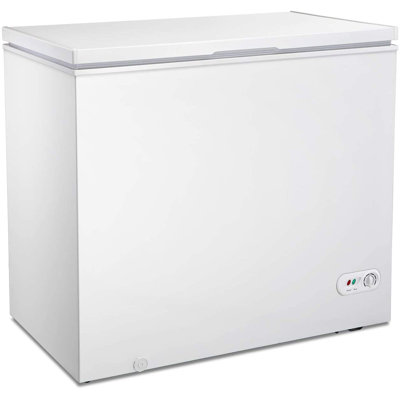
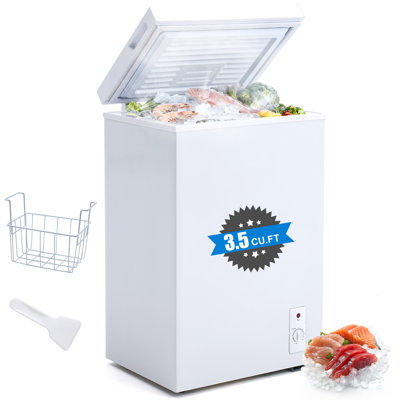
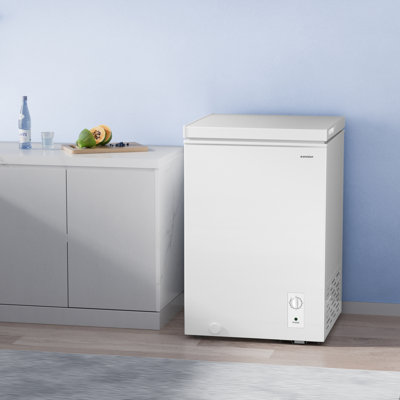
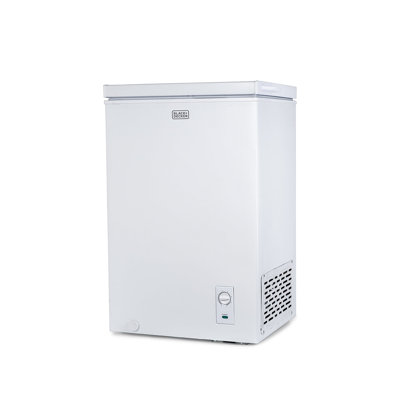
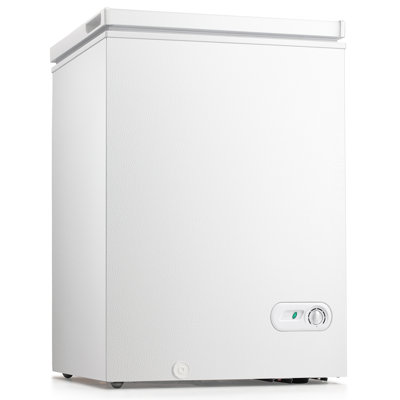
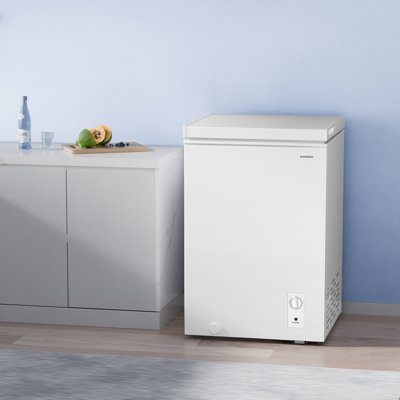
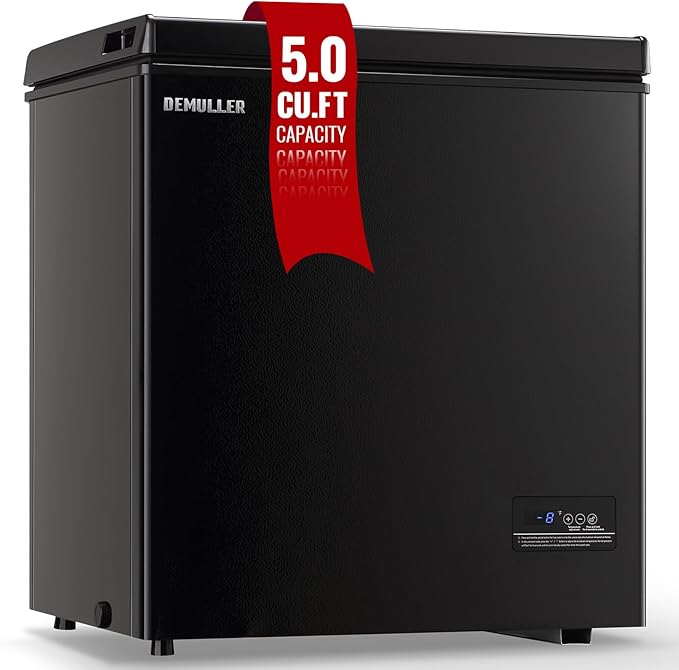
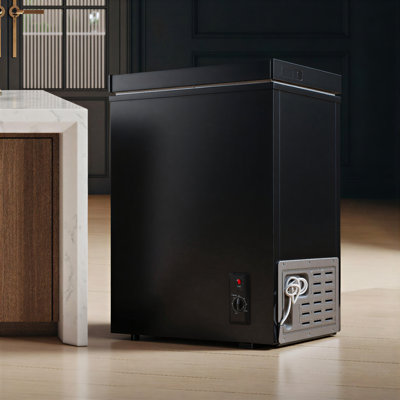
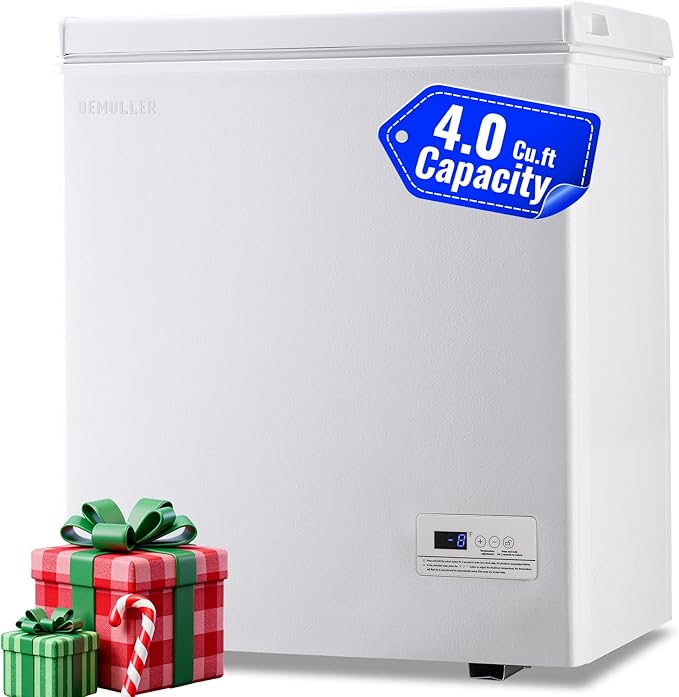
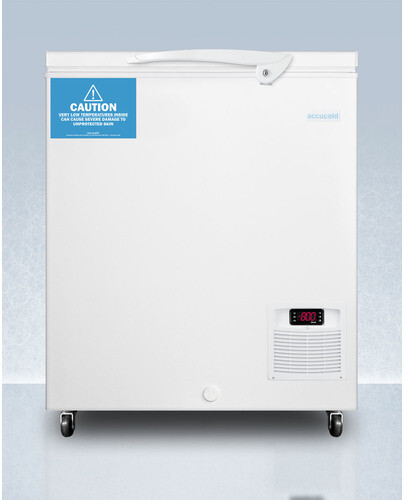
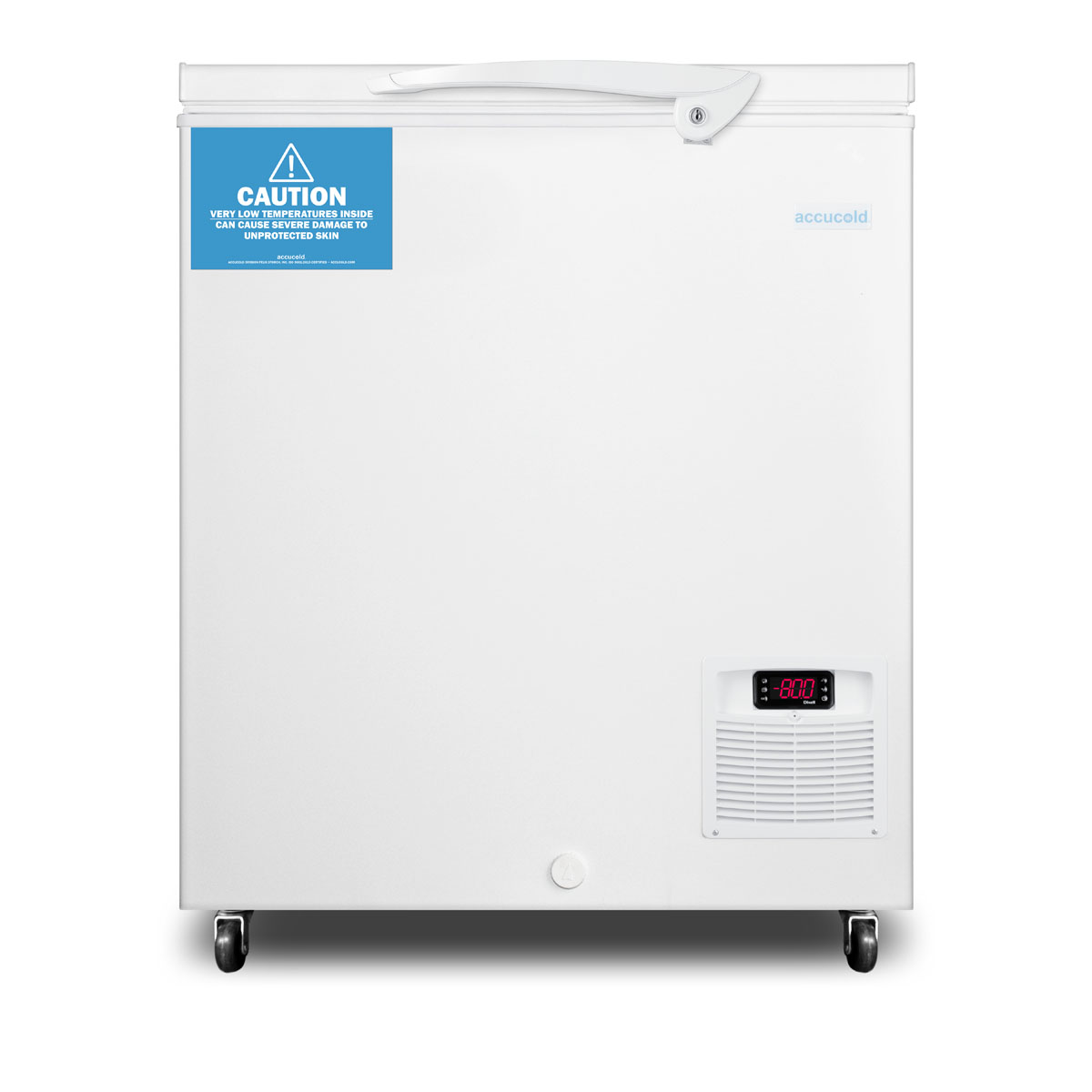
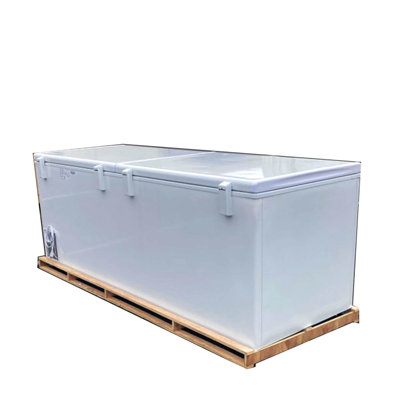
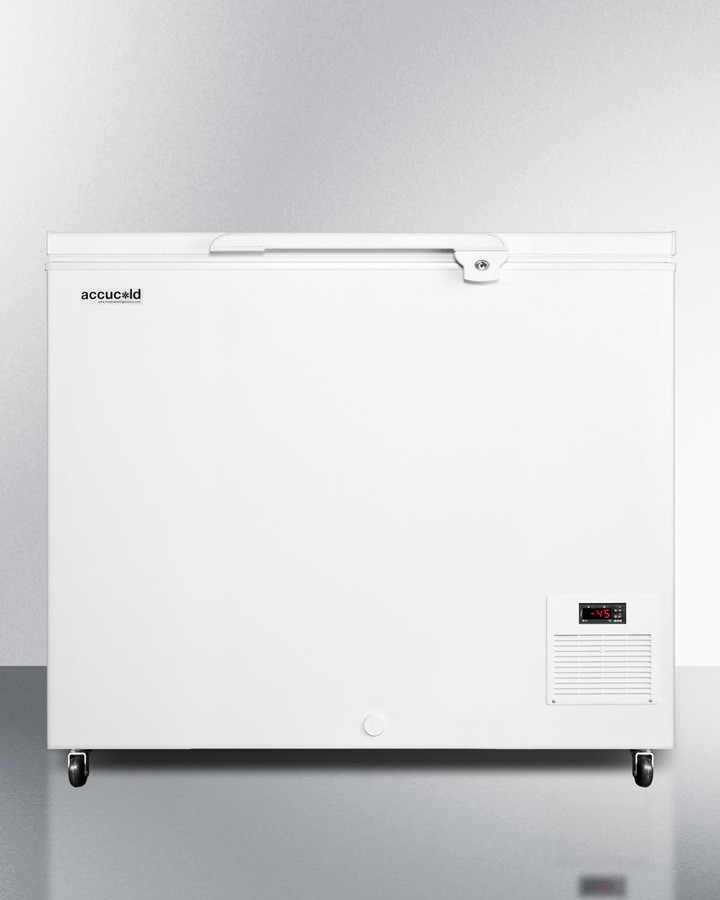
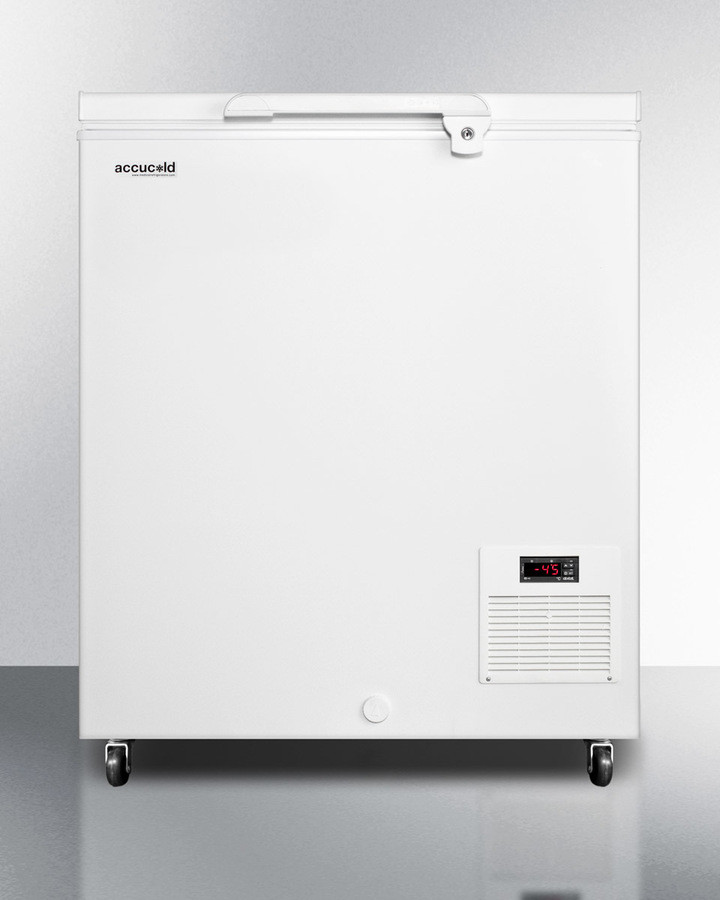
A small chest freezer is primarily used for long-term storage of frozen foods. It offers a larger capacity for freezing items compared to the freezer compartment of a standard refrigerator. This appliance is beneficial for those who need extra freezer space for bulk items, meal prepping, or storing seasonal foods.
Benefits of a Small Chest Freezer:
Extended Storage: Provides ample space for storing large quantities of frozen foods.
Efficiency: Often more energy-efficient due to better insulation and less frequent door opening.
Versatility: Can store a variety of items, including meats, vegetables, and prepared meals.
Temperature Stability: Maintains a consistent low temperature, ideal for long-term storage.
Understanding the distinct purposes and advantages of a drink fridge and a small chest freezer can help you make an informed decision based on your specific needs and preferences. For more comparisons, visit Fridge.com article on convertible refrigerator Vs. top freezer refrigerator.
Capacity and Storage Space
When comparing a drink fridge to a small chest freezer, understanding the capacity and storage space of each appliance is essential for making an informed decision. Each type offers unique benefits tailored to different storage needs.
Drink Fridge Capabilities
A drink fridge is specifically designed to store beverages at optimal temperatures. The internal layout usually includes adjustable shelves, door storage, and sometimes specialized racks for wine or cans. This design maximizes space and makes it easier to organize beverages.
Typical drink fridges vary in capacity, usually measured in liters or the number of standard-sized cans they can hold. The following table provides an overview of common drink fridge capacities:
Drink Fridge Size
Capacity (Liters)
Approx. Can Storage (12 oz)
Small
50 - 60
50 - 70
Medium
80 - 100
100 - 120
Large
120 - 150
150 - 180
For more details on how drink fridges compare to other types of refrigerators, visit Fridge.com article on beverage fridge Vs. compact refrigerator.
Small Chest Freezer Capacity
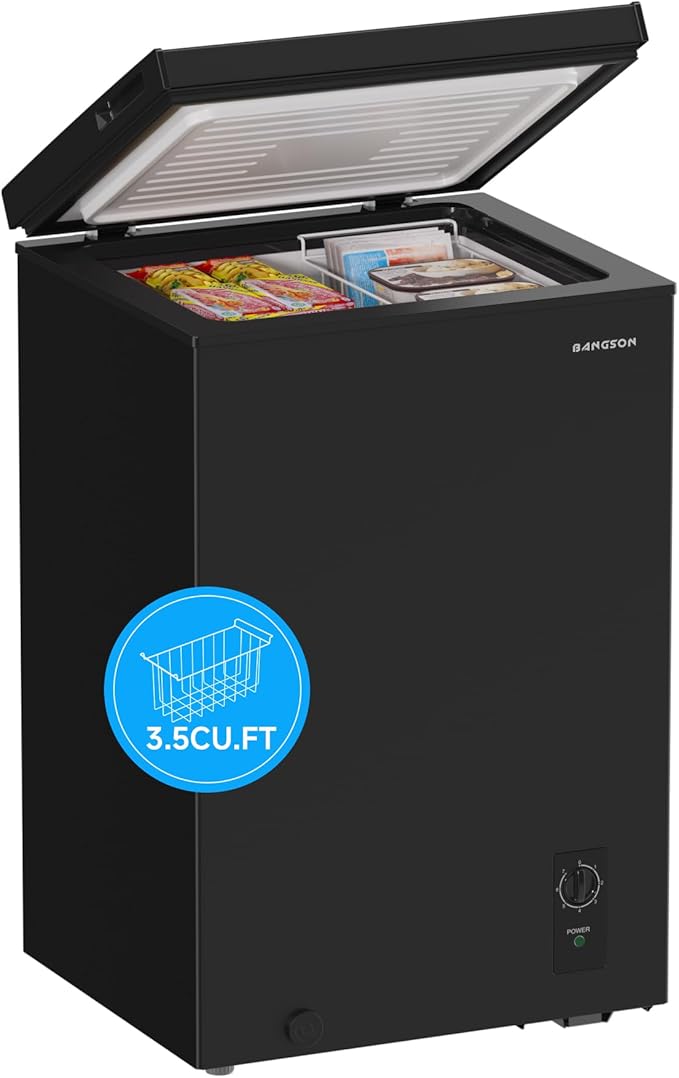
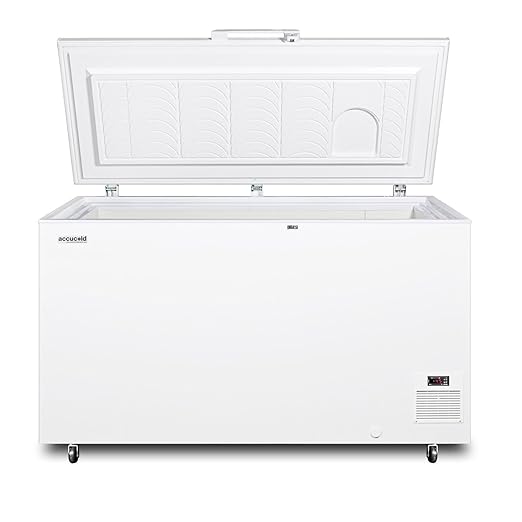
A small chest freezer, on the other hand, is designed for storing frozen goods, which can include a mix of food items and beverages. The interior of a chest freezer typically consists of a large, open compartment with removable baskets or dividers to help organize the contents.
Small chest freezers offer a range of capacities, usually measured in cubic feet. Here’s a look at common small chest freezer sizes:
Small Chest Freezer Size
Capacity (Cubic Feet)
Approx. Storage (Liters)
Compact
3 - 5
85 - 140
Medium
5 - 7
140 - 200
Large
7 - 9
200 - 255
Small chest freezers are versatile for those who need to store a variety of frozen items. For comparison with other similar appliances, check out Fridge.com article on mini fridge with freezer Vs. small chest freezer.
When deciding between a drink fridge and a small chest freezer, consider your specific storage needs, available space, and how you plan to organize your items. Both appliances offer unique advantages tailored to different requirements.
Temperature Control and Settings
When comparing a drink fridge and a small chest freezer, understanding their temperature control and settings is essential. Each appliance offers different features tailored to maintaining the optimal conditions for their specific uses.
Drink Fridge Features
A drink fridge is designed to keep beverages at the perfect temperature for consumption. These fridges typically offer precise temperature control settings, allowing you to adjust the cooling levels based on the type of drinks stored. Most drink fridges feature digital temperature displays, making it easy to monitor and adjust the settings.
Feature
Benefit
Digital Temperature Display
Easy monitoring and precise adjustments
Adjustable Shelves
Customizable storage for different bottle sizes
LED Lighting
Enhanced visibility of contents
Cooling Zones
Separate temperature settings for different types of beverages
Drink fridges are ideal for keeping a variety of beverages, including sodas, juices, and adult beverages, at their optimal serving temperatures. Some advanced models even offer dual-zone cooling, which allows you to set different temperatures for separate compartments—a feature particularly useful for storing both wines and soft drinks in one unit. For more on the nuances between different types of fridges, see Fridge.com comparison of beverage fridge Vs. compact refrigerator.
Small Chest Freezer Options
Small chest freezers are versatile and can be used for a range of purposes, from storing bulk food items to freezing seasonal produce. These freezers often come with basic temperature control settings, usually in the form of a dial or knob, allowing you to adjust the cooling intensity. More advanced models might include digital controls for more precise temperature management.
Feature
Benefit
Adjustable Thermostat
Set the freezer to the desired temperature
Fast Freeze Function
Quickly lowers the temperature for rapid freezing
Removable Baskets
Organized storage and easy access to frequently used items
Manual Defrost
Better control over ice buildup and maintenance
The primary function of a small chest freezer is to keep items frozen, often at temperatures well below freezing point. This makes them suitable for long-term storage of meats, vegetables, and pre-prepared meals. Additionally, the fast freeze function can be particularly useful for quickly freezing large quantities of food, preserving their freshness for longer periods. For more information on the differences between various freezer types, you can explore Fridge.com article on mini fridge with freezer Vs. small chest freezer.
By understanding the temperature control features and settings of drink fridges and small chest freezers, you can make an informed decision based on your specific needs. Whether you prioritize the precise temperature management of a drink fridge or the versatile freezing options of a small chest freezer, each appliance serves its unique purpose effectively.
Understanding the energy efficiency of drink fridges and small chest freezers is vital for making an informed decision. Both appliances have unique characteristics that affect their energy consumption and environmental impact.
Comparing Energy Usage
When comparing the energy usage of a drink fridge and a small chest freezer, it's important to consider their wattage and operational hours. On average, drink fridges consume less power than small chest freezers due to their smaller compressor and lower cooling requirements. However, the exact energy usage can vary depending on the specific model and usage patterns.
Appliance
Average Power Consumption (Watts)
Estimated Annual Energy Usage (kWh)
Drink Fridge
100 - 150
150 - 200
Small Chest Freezer
200 - 400
300 - 500
Drink fridges are often more energy-efficient when used for their intended purpose of chilling beverages. They typically operate at a higher temperature compared to freezers, reducing the energy required to maintain the desired coolness. Conversely, small chest freezers are designed to keep items frozen, requiring more power to maintain lower temperatures.
Environmental Impact
The environmental impact of using a drink fridge versus a small chest freezer extends beyond energy usage. Factors such as refrigerant type, insulation quality, and the overall lifecycle of the appliance play a role in determining their ecological footprint.
Drink fridges generally have a smaller carbon footprint due to their lower energy consumption. They are also typically more compact, using fewer materials in their construction. However, it's important to properly dispose of old units and consider models with eco-friendly refrigerants to minimize environmental harm.
Small chest freezers, while consuming more energy, can be more efficient in certain contexts. For example, if you frequently store large quantities of frozen goods, a chest freezer may reduce the need for multiple refrigeration units, potentially lowering overall energy use.
For more detailed comparisons on similar appliances, check out Fridge.com articles on beverage fridge Vs. compact refrigerator and mini fridge with freezer Vs. small chest freezer.
By understanding the energy efficiency and environmental impact of these appliances, you can make a more sustainable choice that suits your needs. Consider your specific usage patterns and prioritize models with energy-saving features to enhance your decision-making process.
Space and Placement Considerations
Selecting the right location for your drink fridge or small chest freezer is essential for maximizing their efficiency and convenience. Understanding the ideal spots for each appliance can help you make an informed decision based on your specific needs.
Ideal Locations for Drink Fridges
Drink fridges are designed to be easily accessible and are often used for entertaining. They can be placed in various locations around your home or office to ensure that beverages are always within reach.
Kitchen: Placing a drink fridge in the kitchen provides easy access to beverages while cooking or entertaining guests.
Living Room: A drink fridge in the living room or entertainment area keeps drinks handy during gatherings or movie nights.
Home Bar: If you have a home bar, a drink fridge is a perfect addition for storing a variety of beverages.
Office: In an office setting, a drink fridge can be placed in the break room to keep employees refreshed throughout the day.
Garage: For those who entertain outdoors or have limited kitchen space, a drink fridge in the garage can be convenient.
For more ideas on different refrigerator placements, explore Fridge.com article on beverage fridge Vs. compact refrigerator.
Placement Tips for Small Chest Freezers
Small chest freezers are versatile and can store a variety of frozen goods. However, they require careful placement to ensure optimal performance and accessibility.
Basement: A basement is an ideal location for a small chest freezer, as it typically has ample space and a stable temperature.
Garage: Similar to drink fridges, garages are a popular spot for chest freezers. Ensure the garage is well-ventilated and maintains a moderate temperature.
Utility Room: If you have a utility or laundry room, a small chest freezer can fit nicely without taking up valuable kitchen space.
Pantry: For those with larger pantries, placing a small chest freezer there can keep it close to the kitchen while maintaining organization.
Outdoor Shed: If indoor space is limited, an outdoor shed can house a small chest freezer. Ensure the shed is weatherproof and maintains a stable temperature.
For additional placement tips and comparisons, check out Fridge.com article on mini fridge with freezer Vs. small chest freezer.
By carefully considering the space and placement of your drink fridge or small chest freezer, you can ensure that these appliances are both functional and convenient for your specific needs. Whether you are looking to enhance your kitchen, living room, or garage setup, understanding the best locations for these appliances will help you make the right choice.
Organization and Accessibility
When comparing a drink fridge with a small chest freezer, organization and accessibility are essential factors to consider. Each appliance has its own unique design features that cater to specific storage needs.
Interior Layout of Drink Fridges
Drink fridges are designed for easy access to beverages and typically feature adjustable shelves, door bins, and sometimes even specialized racks for cans or bottles. The layout is optimized to keep your drinks organized and within reach.
Feature
Description
Adjustable Shelves
Allows for customization of storage space to fit various bottle sizes.
Door Bins
Convenient for storing smaller items like cans or smaller bottles.
Specialized Racks
Often includes wine racks or can dispensers for better organization.
Drink fridges are ideal for those who frequently entertain or enjoy a variety of beverages. The clear glass doors often found on these fridges also help you quickly see what's inside without opening the door, maintaining the internal temperature and improving energy efficiency. For more on this topic, check out Fridge.com article on beverage fridge Vs. compact refrigerator.
Storage Accessibility of Small Chest Freezers
Small chest freezers, on the other hand, are designed for storing a variety of frozen items. The main challenge with chest freezers is accessing items at the bottom, as they lack the shelf structure found in drink fridges. However, most chest freezers come with baskets or dividers to help organize the contents.
Feature
Description
Baskets
Removable and help in organizing smaller items or frequently used products.
Dividers
Assist in separating different types of foods, making it easier to locate items.
Deep Storage
Allows for bulk storage but may require digging to access items at the bottom.
The deep storage capacity of chest freezers makes them suitable for bulk purchases and long-term storage of frozen foods. If you need more tips on efficiently using a small chest freezer, read Fridge.com comparison on mini fridge with freezer Vs. small chest freezer.
By understanding the layout and accessibility features of both drink fridges and small chest freezers, you can decide which appliance best fits your storage needs. Whether you prioritize the easy organization of beverages or the bulk storage capacity of frozen items, each option offers unique benefits tailored to specific requirements.
Proper maintenance and cleaning of your drink fridge and small chest freezer can enhance their longevity and efficiency. This section provides guidelines on how to care for and clean these appliances effectively.
Care and Maintenance of Drink Fridges
Regular maintenance of a drink fridge ensures optimal performance and extends its lifespan. Here are some essential care tips:
Temperature Check: Regularly monitor and adjust the temperature settings to ensure your beverages are stored at the ideal temperature.
Door Seals: Inspect the door seals for any cracks or wear. Clean the seals with a damp cloth to remove any dirt or debris.
Condenser Coils: Clean the condenser coils every six months to prevent dust buildup, which can hinder performance.
Ventilation: Ensure there is adequate ventilation around the fridge to avoid overheating.
Interior Cleaning: Remove all beverages and shelves. Clean the interior with a mixture of mild detergent and water. Rinse and dry thoroughly before replacing the shelves and beverages.
Maintenance Task
Frequency
Temperature Check
Monthly
Door Seal Cleaning
Monthly
Condenser Coil Cleaning
Every 6 months
Interior Cleaning
Monthly
For more detailed tips, you can refer to Fridge.com article on beverage fridge Vs. compact refrigerator.
Cleaning Practices for Small Chest Freezers
Regular cleaning of a small chest freezer is vital to prevent frost buildup and ensure efficient operation. Follow these steps for effective cleaning:
Defrosting: Unplug the freezer and remove all contents. Allow the ice to melt naturally or expedite the process by placing bowls of hot water inside the freezer.
Interior Cleaning: Once defrosted, wipe the interior with a solution of baking soda and water. This helps to eliminate odors and sanitize the space.
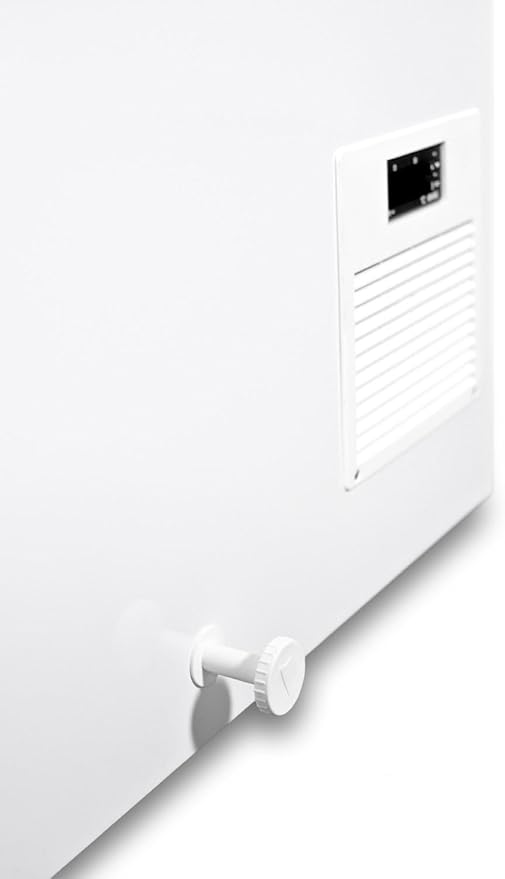
Drainage: Ensure the drain plug is clear and functioning properly to prevent water accumulation.
Exterior Cleaning: Wipe down the exterior with a mild detergent solution to remove any dust or grime.
Reorganize: Arrange items in an organized manner to improve accessibility and airflow.
Cleaning Task
Frequency
Defrosting
Every 3-6 months
Interior Cleaning
Every 3-6 months
Drainage Check
Every 3-6 months
Exterior Cleaning
Monthly
For additional information on handling freezers, visit Fridge.com article on mini fridge with freezer Vs. small chest freezer.
By adhering to these maintenance and cleaning practices, you can ensure that both your drink fridge and small chest freezer operate efficiently and last longer. For more comparisons on refrigeration appliances, explore Fridge.com article on convertible refrigerator Vs. top freezer refrigerator.
Cost Comparison
Initial Investment
When considering the initial investment for a drink fridge versus a small chest freezer, it's essential to weigh the upfront costs. Drink fridges, designed specifically for beverages, often come with features like glass doors and adjustable shelves, which can influence their price. Small chest freezers, on the other hand, typically offer more basic designs but greater storage capacity for frozen items.
Appliance
Average Cost (USD)
Drink Fridge
$150 - $500
Small Chest Freezer
$100 - $400
Long-Term Expenses
Long-term expenses involve more than just the initial purchase price. Energy consumption, maintenance, and potential repairs all contribute to the overall cost of ownership. Drink fridges are generally used more frequently, impacting their energy usage. Small chest freezers, designed for less frequent access, may be more energy-efficient over time.
Appliance
Average Annual Energy Cost (USD)
Maintenance and Repair Costs (USD)
Drink Fridge
$25 - $75
$20 - $50 annually
Small Chest Freezer
$20 - $60
$15 - $40 annually
Understanding these costs helps in making an informed decision. For further insights on refrigerator comparisons, explore Fridge.com articles on convertible refrigerator Vs. top freezer refrigerator and mini fridge with freezer Vs. small chest freezer.
Compare prices on Fridge.com
Compare current prices and specifications on Fridge.com, then buy from the retailer you choose; delivery, installation and warranty terms are the retailer’s.
It also has tons of awesome articles about kitchen stuff and home news. Enhance your home, garage, backyard, patio, and office with the coolest essentials. With every necessary type of residential refrigerator or freezer in the collection, you're covered.
Free tool
Freezer BTU Calculator
Free interactive tool from Fridge.com — get a quick answer while you read.