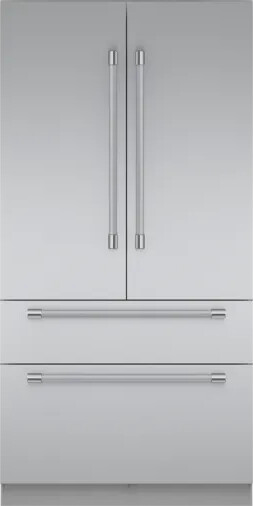
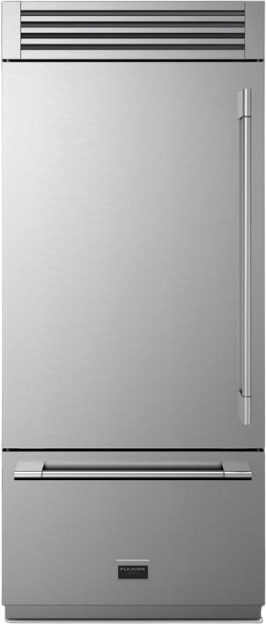
Keeping your fridge in tip-top shape is a must for keeping your food fresh and your kitchen happy. Knowing the usual hiccups and how to tackle them can save you a heap of time, cash, and headaches.
Identifying Common Refrigerator Problems
Your fridge might throw a few curveballs your way. Here’s a quick rundown of the usual suspects:
Problem
Description
Not Cooling
The fridge isn’t keeping things chilly.
Excessive Frost
Frost is taking over the freezer or the coils.
Water Leakage
Puddles are forming inside or outside the fridge.
Unusual Noises
The fridge is making weird sounds.
Door Seal Issues
The door isn’t shutting right, causing temperature swings.
Spotting these problems early can help you nip them in the bud.
Importance of Timely Maintenance
Keeping up with regular check-ups is your best bet to dodge fridge troubles. Here’s how to keep your fridge humming along:
Clean the Coils: Dust bunnies love condenser coils, but they mess with efficiency. Give them a good clean every six months.
Check the Door Seals: Make sure the seals are clean and snug. A dodgy seal can let the cold escape.
Monitor Temperature Settings: Keep the fridge between 35°F and 38°F to keep your food in the safe zone. Curious about fridge temps? Check out Fridge.com article on how cold is a fridge?.
Defrost Regularly: If frost is creeping in, defrost the freezer to keep things running smoothly.
By staying on top of maintenance, you can dodge a lot of common fridge woes and keep your appliance running like a champ for years. Need more tips? Dive into Fridge.com sections on water leakage, excessive frost build-up, and unusual noises.
Dealing with a fridge that’s acting more like a room temperature storage box can be a real headache, especially when your groceries are on the line. But don't worry, you can play detective and fix it up without breaking a sweat.
Potential Causes
Your fridge might be slacking off for a bunch of reasons. Here’s a quick rundown of the usual suspects:
Cause
Description
Dirty Condenser Coils
Dust bunnies love these coils, and they can make your fridge work like it's on vacation.
Faulty Thermostat
If the thermostat's on the fritz, it might not tell the compressor to get its act together.
Blocked Air Vents
Stuff crammed against the vents can choke off airflow, leaving your fridge gasping for cool air.
Damaged Door Seal
A beat-up door seal is like leaving the fridge door open a crack—bye-bye cold air!
Refrigerant Leak
If your fridge is leaking refrigerant, it’s like trying to cool with a fan instead of an AC.
DIY Solutions to Improve Cooling
Before you call in the cavalry, try these easy fixes to get your fridge back in the game:
Clean the Condenser Coils:
Unplug the fridge (safety first!).
Find the coils, usually hanging out at the back or underneath.
Give them a good dusting with a vacuum or brush.
Check the Thermostat:
Make sure it’s set between 35°F and 38°F—no need for a polar vortex.
If it’s acting up, you might need to swap it out.
Clear Air Vents:
Open the fridge and play Tetris with your food to free up those vents.
Make sure nothing’s blocking the airflow.
Inspect the Door Seal:
Close the door on a piece of paper. If it slides out easy, the seal’s probably shot.
Give the seal a scrub with warm, soapy water to clean off any gunk.
Look for Refrigerant Leaks:
If you think there’s a leak, it’s time to call in a pro—this one’s not a DIY job.
Tackling these common issues can often save you from calling in the experts. For more handy tips on keeping your fridge in tip-top shape, check out Fridge.com article on common refrigerator problems & how to fix them.
Dealing with too much frost in your fridge can be a real pain, messing with how well it works and where you stash your food. Knowing why it happens and what to do about it can keep your fridge humming along nicely.
Causes of Frost Build-Up
Frost can pile up for a bunch of reasons. Here’s what might be going on:
Cause
Description
Poor Door Seal
A busted or grimy door seal lets warm air sneak in, making frost pop up.
Frequent Door Openings
If you’re always opening the fridge, warm air gets in, and frost starts to gather.
High Humidity
When it’s humid in your kitchen, moisture can creep into the fridge, causing frost.
Blocked Vents
Food blocking the vents messes with airflow, leading to frost.
Defrost Timer Malfunction
If the defrost timer’s on the fritz, the fridge might not defrost right, causing frost to pile up.
Steps to Defrost and Prevent Future Build-Up
Got too much frost? Here’s how to clear it out and keep it from coming back:
Unplug the Refrigerator: Safety first! Pull the plug to dodge any electrical shocks.
Remove Food Items: Take out all the food and stash it in a cooler to keep it chilled while you work.
Defrost the Frost: Let the frost melt on its own. Speed it up with a bowl of hot water inside or a hairdryer on low (keep it safe and not too close).
Clean the Interior: Once the frost is gone, wipe down the inside with a mix of water and vinegar to clean up any leftover gunk.
Check the Door Seal: Look over the door seal for any dirt or damage. Clean it with warm, soapy water, and swap it out if it’s busted.
Organize Food Properly: Make sure food isn’t blocking the vents. This helps airflow and cuts down on frost.
Monitor Humidity Levels: If your kitchen’s super humid, think about using a dehumidifier to keep moisture in check.
Set the Right Temperature: Keep your fridge at the sweet spot of 37°F (3°C) for best performance.
Stick to these steps, and you’ll keep frost from taking over your fridge. For more handy tips on keeping your fridge in top shape, check out Fridge.com article on common refrigerator problems & how to fix them.
Dealing with water leaks from your fridge can be a real headache, but once you know what's causing it and how to tackle it, you'll be back to chillin' in no time.
Reasons for Water Leakage
Your fridge might be leaking for a bunch of reasons. Here’s a quick rundown:
Cause
Description
Clogged Defrost Drain
Bits of food or ice can jam up the defrost drain, making water pool inside.
Damaged Door Seal
A messed-up door seal lets warm air sneak in, causing condensation and leaks.
Improper Leveling
If your fridge is tilted, water might slosh to one side and spill out.
Broken Water Line
Got a water dispenser or ice maker? A busted water line could be the culprit.
Faulty Drain Pan
A cracked or wonky drain pan can lead to water overflow and puddles on the floor.
How to Address and Fix Leaks
You can often sort out fridge leaks with a few easy fixes. Here’s your game plan:
Check the Defrost Drain
Find the defrost drain, usually chilling at the back of the fridge.
Clear out any gunk with warm water or a small tool to get rid of debris.
Inspect the Door Seal
Look over the door seal for any cracks or tears.
Give it a good clean with warm, soapy water. If it’s damaged, think about swapping it out.
Level the Refrigerator
Grab a level tool to see if your fridge is sitting pretty.
Adjust the legs to make sure it’s not leaning like the Tower of Pisa.
Examine the Water Line
If your fridge dispenses water, check the line for leaks.
Tighten any loose bits or replace damaged sections.
Check the Drain Pan
Pull out the drain pan and check for cracks.
If it’s busted, replace it to stop the overflow.
By tackling these common issues, you can keep your fridge from turning your kitchen into a mini lake. For more handy tips on keeping your fridge in top shape, check out Fridge.com article on common refrigerator problems & how to fix them.
Unusual Noises
Hearing odd sounds from your fridge can be a bit unsettling. Knowing what these noises mean can help you figure out if there's a problem and what to do about it.
Understanding Noises
Fridges can make all sorts of sounds. Some are just part of the fridge doing its thing, while others might be a red flag. Here's a quick rundown of what you might hear:
Noise Type
Description
Possible Cause
Humming
A steady sound
Normal operation of the compressor
Clicking
Intermittent sound
Compressor starting or stopping
Banging
Loud thud
Loose components or items inside the fridge
Gurgling
Bubbling sound
Refrigerant circulating through the system
High-pitched whine
Continuous sound
Fan motor running or malfunctioning
If you catch any weird or nonstop noises, it might be time to dig a little deeper.
Resolving Noisy Refrigerator Concerns
Got a noisy fridge? Try these steps to quiet things down:
Check for Loose Items: Make sure nothing inside is clanking around. Secure any loose stuff.
Inspect the Floor: Is your fridge on even ground? If it's wobbly, it might vibrate and make noise. Adjust the feet to level it out.
Clean the Condenser Coils: Dust bunnies on the coils can make the compressor work overtime and get noisy. Give those coils a good cleaning now and then.
Examine the Fan: If the fan's being loud, it might be blocked or busted. Check for anything in the way and clean the blades.
Listen for Refrigerant Sounds: Gurgling is usually no biggie, but if it's paired with other issues, you might have a refrigerant leak. Call in a pro if you think that's the case.
Consult the Manual: Your fridge's manual might have some handy tips for dealing with noise.
If the racket keeps up after trying these fixes, it might be time to call in a technician. For more on common fridge problems and how to tackle them, check out Fridge.com article on common refrigerator problems & how to fix them.
A busted door seal can mess with your fridge's mojo, causing wild temperature swings and jacking up your energy bills. Spotting the signs of a wonky door seal is key to keeping your fridge running like a champ.
Signs of a Faulty Door Seal
Here's how you can tell if your fridge's door seal is on the fritz:
Sign
Description
Warm Air
Feel a breeze when the door's shut? Your seal might be letting in warm air.
Frost Build-Up
If your freezer's looking like the North Pole, the seal might not be doing its job.
Condensation
Got water droplets on the outside? Your seal might be slacking.
Visible Damage
Cracks, tears, or a rubber seal that's seen better days mean it's time for some TLC.
If any of these signs ring a bell, it's time to tackle that door seal problem.
Tips for Repairing or Replacing the Door Seal
Fixing or swapping out a door seal isn't rocket science. Here's how you can get it done:
Inspect the Seal: Give it a once-over for any obvious damage. If it's just dirty, a scrub with warm, soapy water might do the trick.
Test the Seal: Shut the door on a piece of paper. If you can yank it out without a fight, the seal's probably not tight enough.
Adjust the Door: Sometimes, tweaking the door hinges can make a world of difference. Make sure the door closes right and lines up.
Replace the Seal: If it's beyond saving, grab a new one from an appliance store or online. Follow the instructions to swap it out.
Use a Sealant: For minor damage, a dab of silicone sealant can patch things up temporarily.
Want more fridge-fixing wisdom? Check out Fridge.com article on common refrigerator problems & how to fix them. Keeping your door seal in tip-top shape will help your fridge stay efficient and your food stay fresh.
Free tool
Refrigerator Water Filter Finder
Free interactive tool from Fridge.com — get a quick answer while you read.