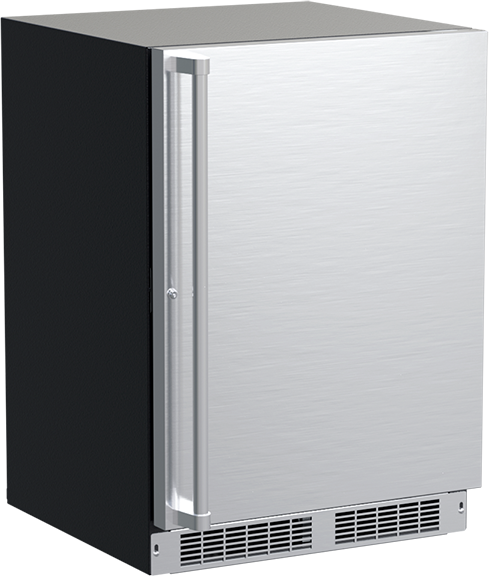
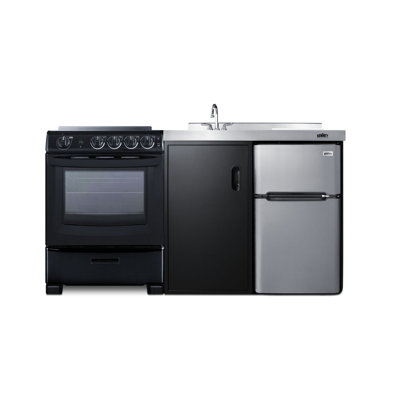
Refrigerators are essential in any living space, playing a pivotal role in food preservation and storage. When you're deciding between a column refrigerator freezer and a mini fridge, understanding their fundamental differences can guide you to the right choice that fits your lifestyle and space.
The Basics of Column Refrigerator Freezers
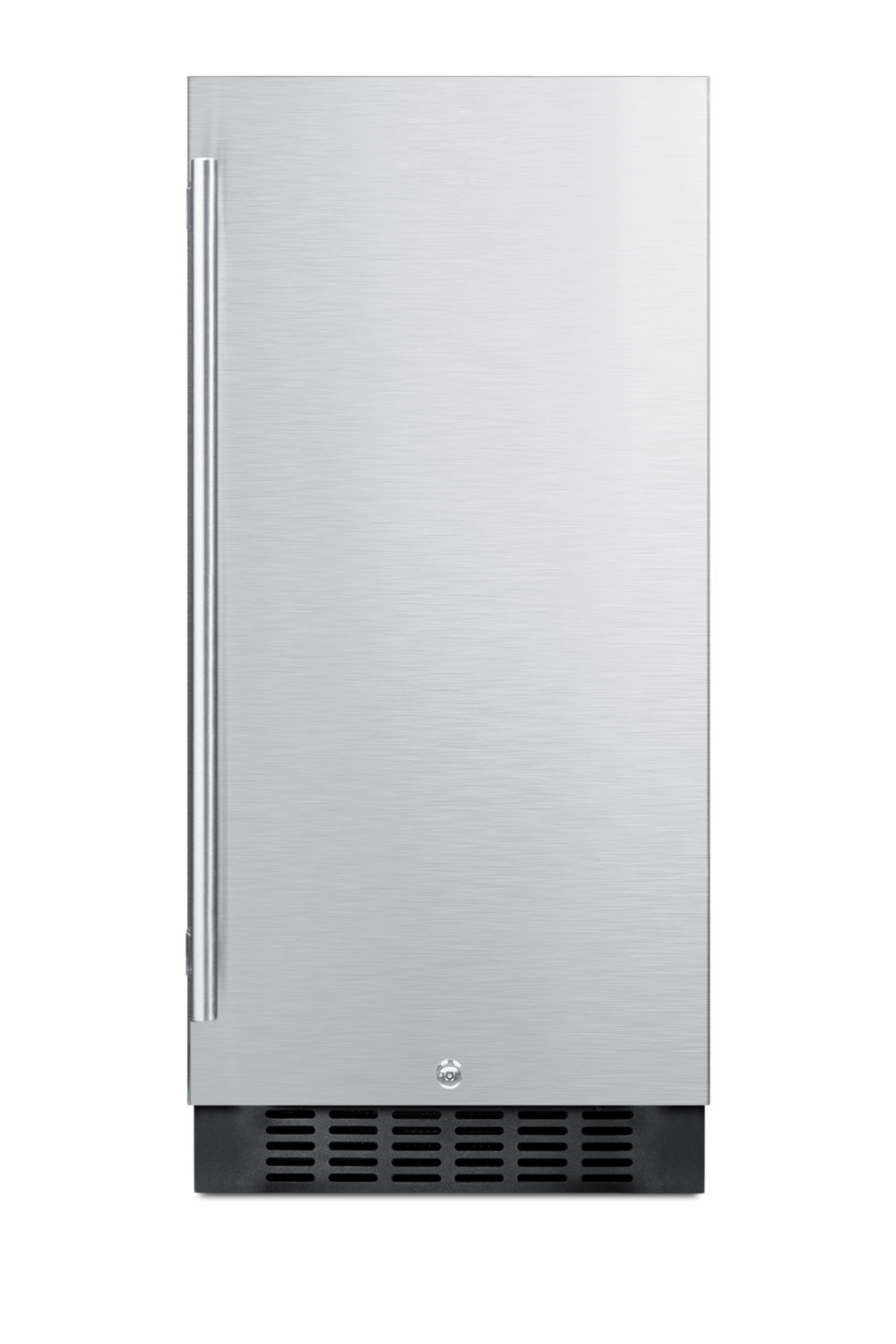
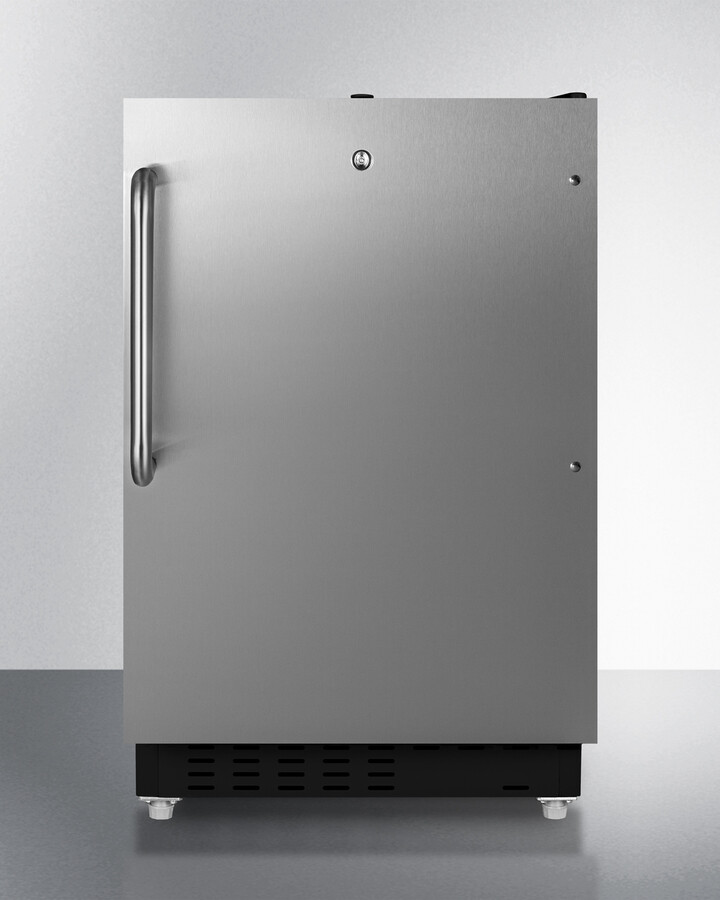
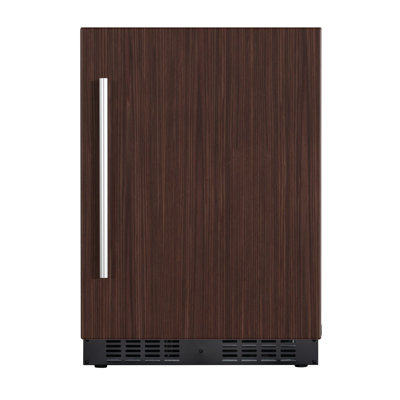
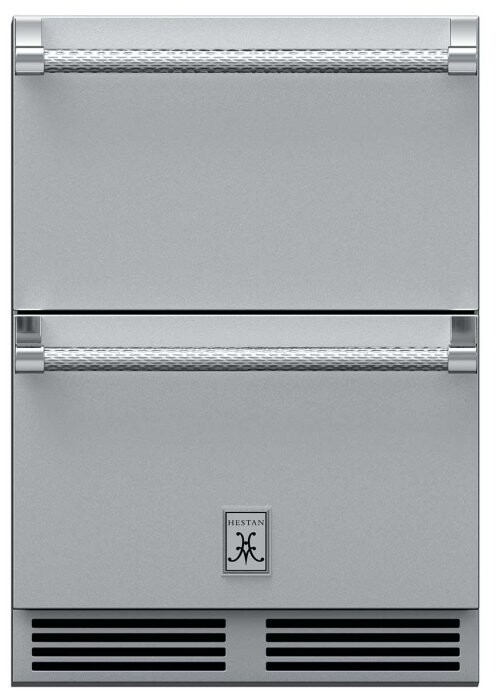
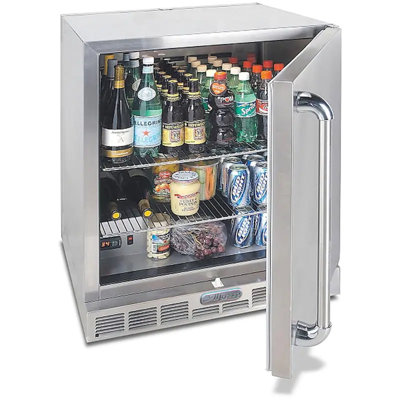
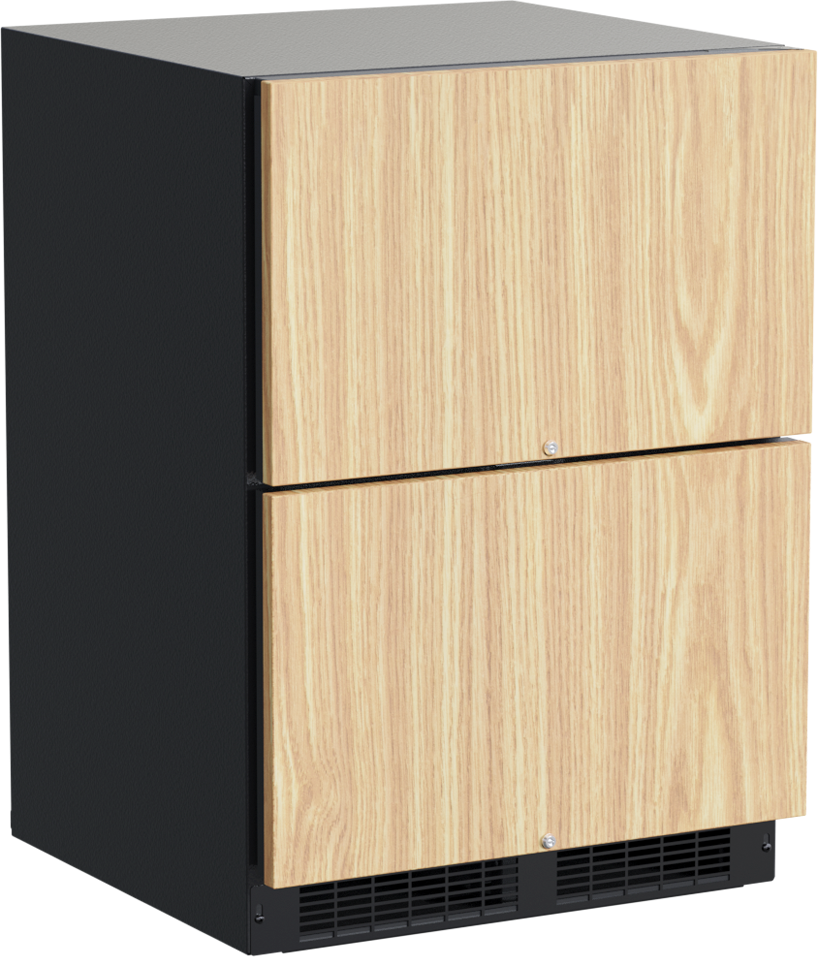
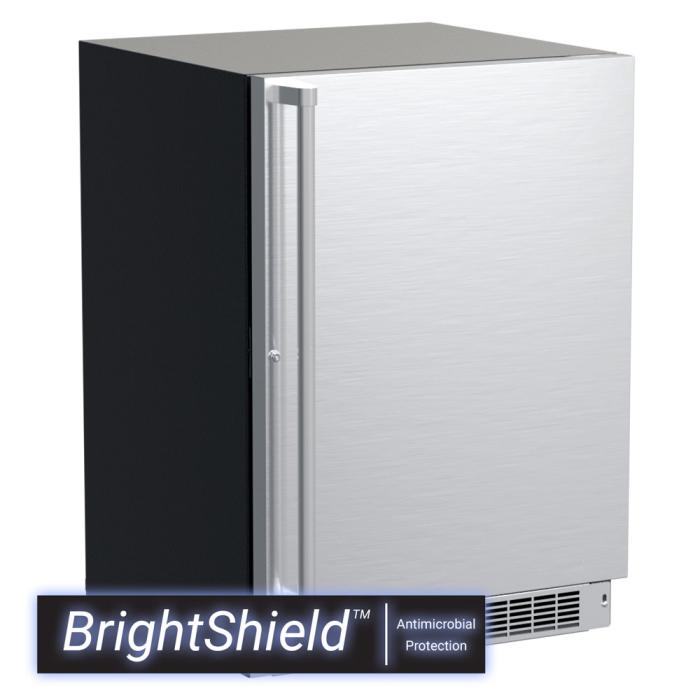
A column refrigerator freezer is a full-size, single-purpose unit that either refrigerates or freezes, not both at the same time. These units are designed to be built into cabinetry for a seamless look in high-end kitchen designs. Offering substantial storage space, they cater to households or spaces where food storage needs are greater.
Feature
Column Refrigerator Freezer
Size (HxWxD)
Typically 80-84"x24-36"x24-25"
Capacity
Up to 20 cu ft. for refrigerator or freezer units
Temp. Zones
Single-zone, dedicated to either refrigeration or freezing
Installation
Built-in, often requires custom cabinetry
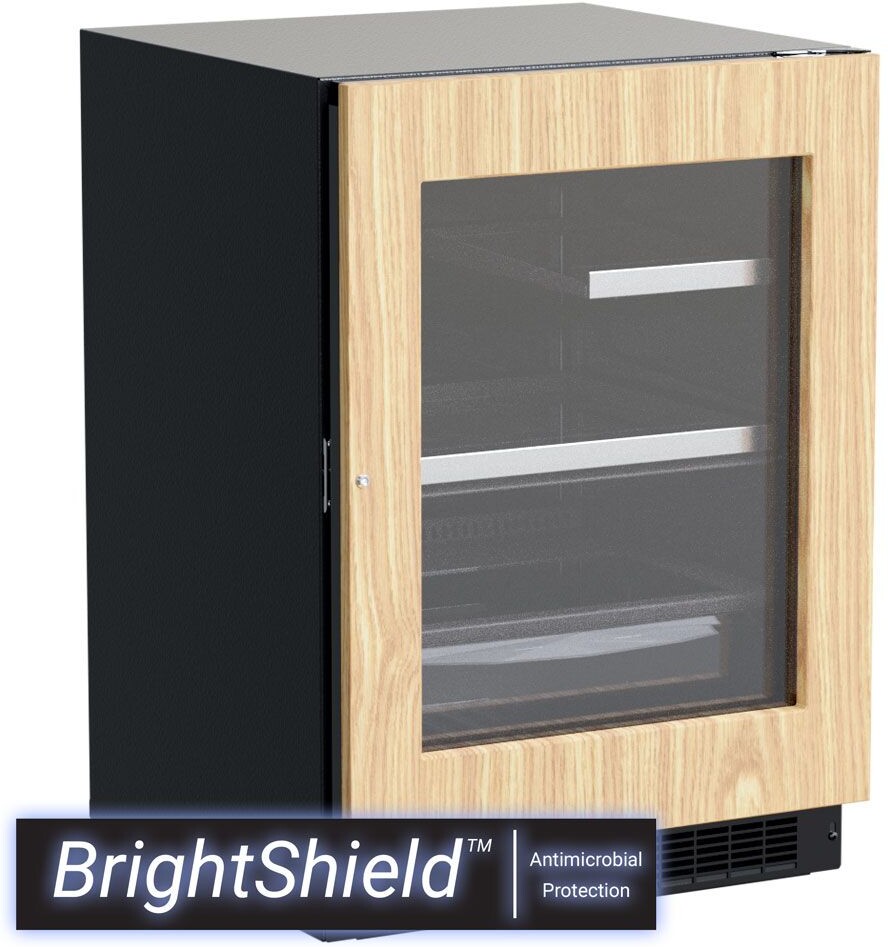
Column units often come with a range of customizable options, including panel-ready designs that can integrate into your kitchen's aesthetic. They may also feature advanced cooling technologies, precise temperature controls, and robust organizational systems. For a comparison with more conventional options, you might want to read about glass door refrigerator vs. reach in refrigerator.
The Basics of Mini Fridges
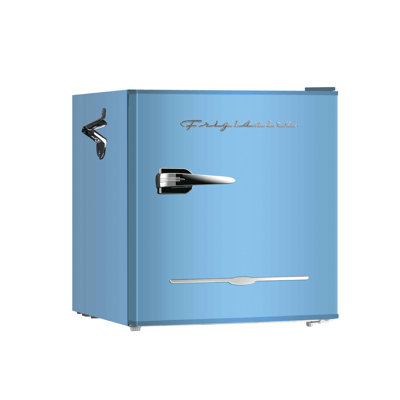
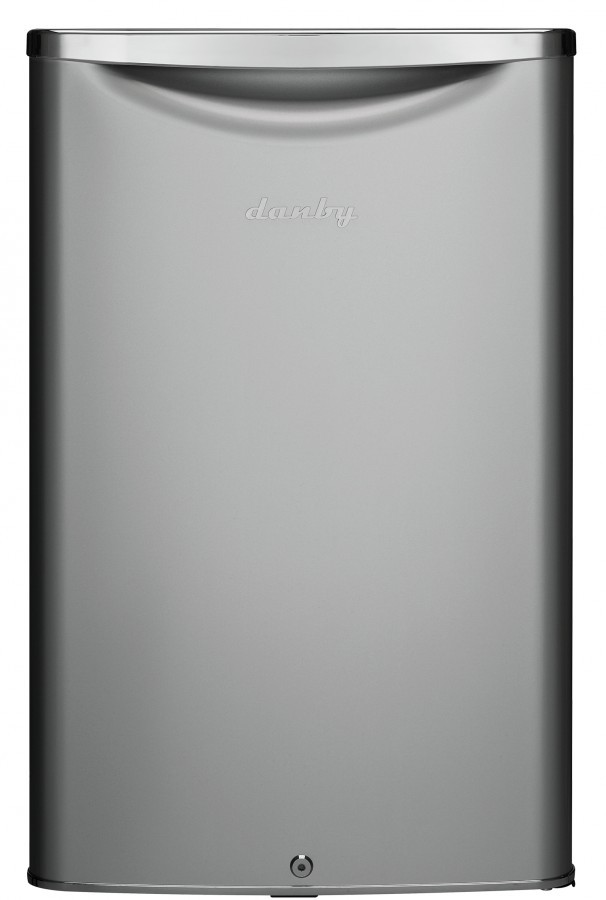
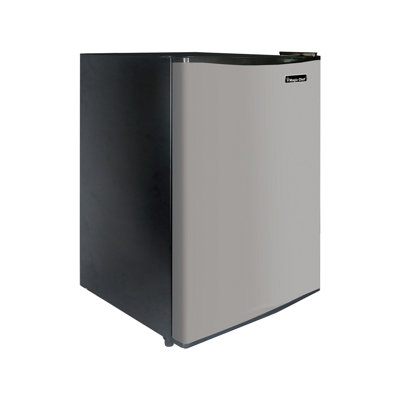
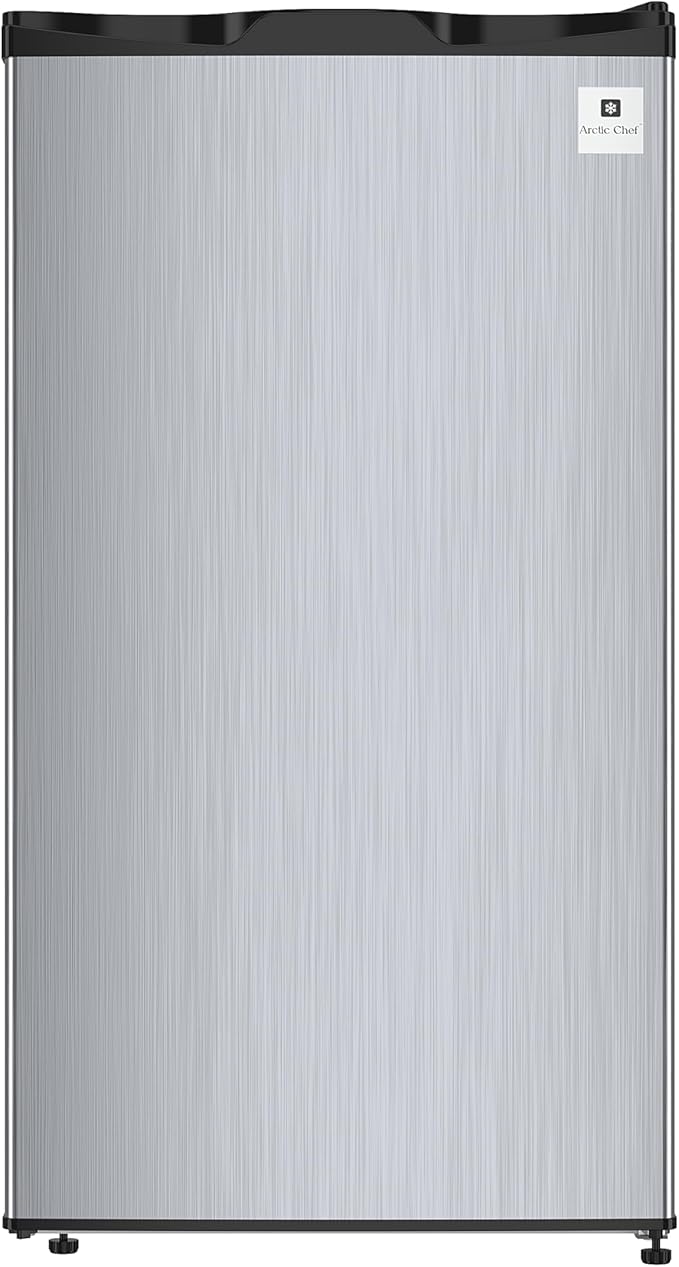
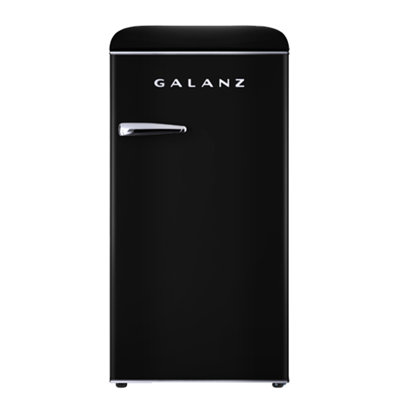
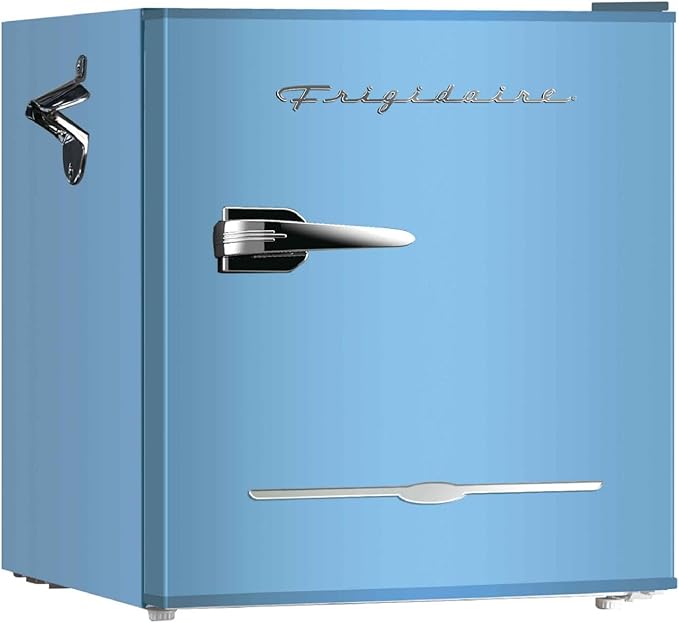
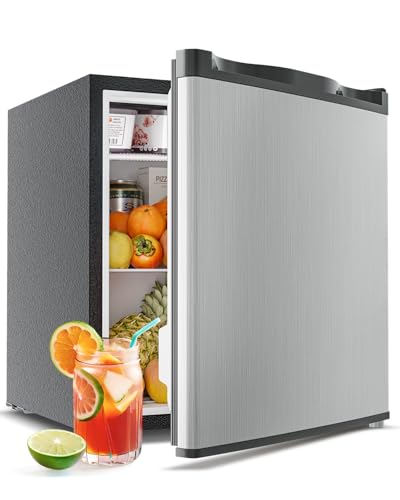
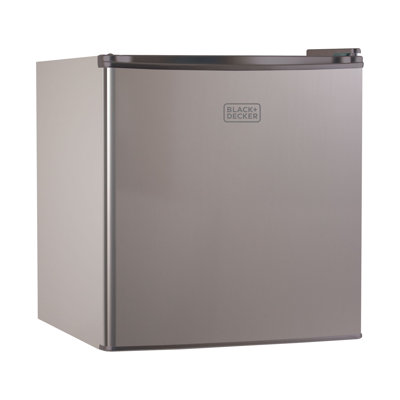
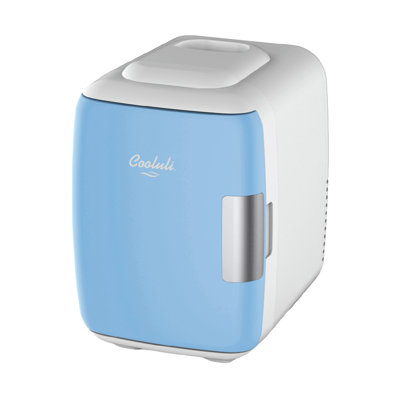
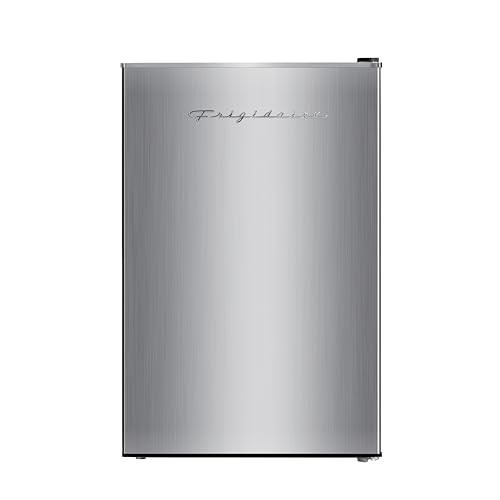
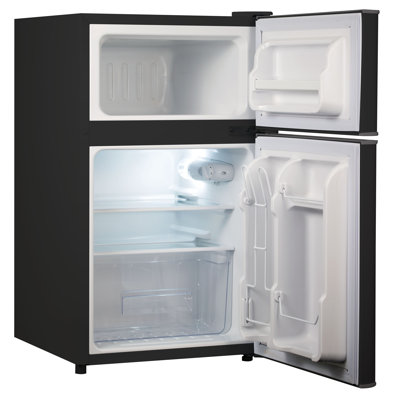
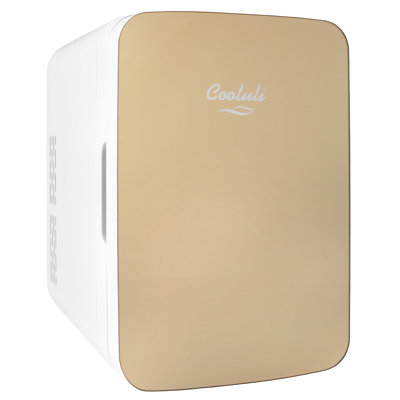
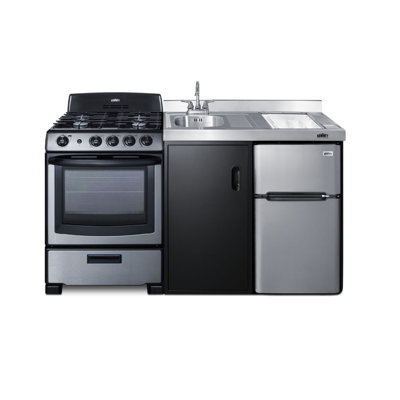
Mini fridges, on the other hand, are compact refrigeration units ideal for small spaces or as a secondary cooling option. They are versatile and can be used in a variety of environments, from dorm rooms and offices to basements or garages.
Feature
Mini Fridge
Size (HxWxD)
Ranges from 17"x19"x18.75" to 32"x18.5"x17.5"
Capacity
1.7 cu ft. to 4.5 cu ft.
Temp. Zones
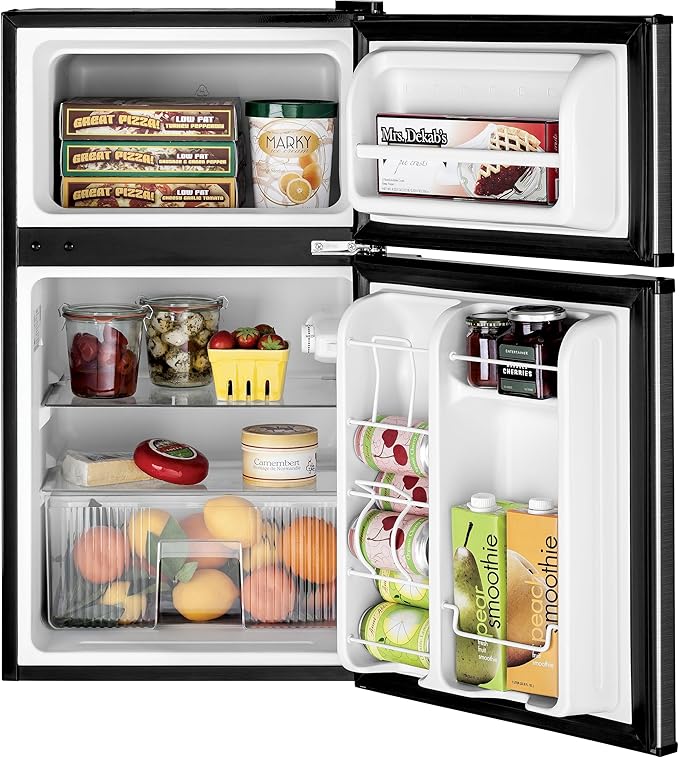
Single-zone, with some models including a small freezer compartment
Installation
Freestanding, portable
Mini fridges are an economical and space-saving solution for keeping beverages and snacks chilled. They usually have simple temperature controls and may include features like reversible doors, adjustable shelves, and in some models, a small freezer compartment. For those considering a mini fridge for beverage storage, you might find beverage center vs. compact freezer insightful.
When comparing a column refrigerator freezer vs. mini fridge, factors such as space, storage needs, energy consumption, and budget will heavily influence your decision. Each type serves a distinct purpose and caters to different user preferences and space constraints. Whether you live in a sprawling home or a cozy studio apartment, understanding these refrigeration solutions will help you make an informed choice to suit your refrigeration needs.
Space Considerations
When choosing between a column refrigerator freezer and a mini fridge, one of the crucial aspects to consider is the space you have available. Both refrigerator types offer unique benefits, but their sizes can make a significant difference in your decision-making process.
Sizing Up Your Space for a Column Refrigerator Freezer
Column refrigerator freezers are typically larger and more imposing than their compact counterparts. They are designed to provide ample storage with a sleek, built-in look, making them a popular choice for modern kitchens with generous space.
Before investing in a column refrigerator freezer, it's important to measure the area where it will be installed. These units require substantial vertical space and may need additional clearance for doors to swing open. Here's a quick reference table to help you visualize the average dimensions:
Refrigerator Type
Width
Depth
Height
Column Refrigerator Freezer
24-36 inches
24-28 inches
80-84 inches
For more details on finding the right fit, explore Fridge.com comparison of column refrigerator freezer vs. wine fridge. This will guide you in maximizing your space without compromising on style or functionality.
Fitting a Mini Fridge into Small Spaces
Mini fridges are the go-to solution for tight spaces and smaller living environments. Whether you're looking to add convenience to a dorm room, office, or man cave, these compact refrigerators are designed to fit where larger models cannot.
The dimensions of mini fridges can vary, but they're significantly smaller than column units, making them versatile for a variety of settings. Below is a table showcasing typical mini fridge dimensions:
Refrigerator Type
Width
Depth
Height
Mini Fridge
17-24 inches
18-26 inches
19-34 inches
It's worth considering the available vertical and horizontal space, as well as the door swing and ventilation requirements. For those who need a compact refrigeration option without a built-in freezer, check Fridge.com insights on beverage refrigerator vs. compact refrigerator.
Regardless of your living space, ensuring you have the right refrigerator dimensions will help maintain a harmonious balance between your needs and the layout of your room. Keep in mind that while the mini fridge is perfect for smaller areas, column refrigerator freezers offer more storage and may be more suitable for larger households or those who enjoy entertaining.
When considering refrigeration solutions for your home or office, understanding the storage capacity and organization features of different refrigerator types is essential. Below, you'll discover what column refrigerator freezers and mini fridges have to offer in terms of space and how they can serve your needs.
What a Column Refrigerator Freezer Offers
A column refrigerator freezer provides a substantial amount of space and customizable organization options. These units are typically taller and offer a single-function—either refrigeration or freezing—and can be installed separately or paired together for a comprehensive food storage solution.
Feature
Benefit
Full-length shelving
Maximizes vertical space and accommodates tall items
Adjustable shelves
Allows for customization based on your storage needs
Dedicated drawers
Ideal for separating produce, meats, and dairy products
Built-in ice makers
Conveniently provides ice without taking up shelf space (in freezer columns)
Column refrigerator freezers are well-suited for larger homes and for those who entertain frequently, requiring ample space for various food items and beverages. When considering a column unit, you will need to assess the available space in your kitchen or designated area to ensure a proper fit. For more information on fitting these units into your space, you might find Fridge.com article on glass door refrigerator vs. reach in refrigerator helpful.
The Compact Convenience of a Mini Fridge
Mini fridges, on the other hand, are the epitome of compact convenience. These smaller units are designed to fit in a variety of spaces, from dorm rooms to home offices, and offer enough storage for essentials.
Feature
Benefit
Space-saving size
Fits under counters and in tight spaces
Simple shelving
Provides easy access to beverages and snacks
Small freezer compartment
Keeps a limited amount of ice or frozen goods
While mini fridges don't offer the expansive storage of a column refrigerator freezer, they are ideal for smaller living environments or as a secondary cooling unit. They are particularly useful for keeping beverages cold in a home office, bedroom, or entertainment area. For individuals living in a flat or townhouse with space constraints, a mini fridge can be a smart choice. If you're interested in how mini fridges compare to other compact cooling options, consider reading Fridge.com comparison on beverage refrigerator vs. compact refrigerator.
In summary, your choice between a column refrigerator freezer and a mini fridge will largely depend on your storage requirements and available space. Whether you're looking to maximize food storage in a family kitchen or seeking the convenience of a compact beverage cooler, both options have distinct advantages that cater to different needs. Consider your lifestyle, space, and organizational preferences when making your decision.
When considering a new refrigerator, whether it's a column refrigerator freezer or a mini fridge, energy efficiency and consumption are critical factors that can impact your utility bills and carbon footprint.
Comparing the Energy Footprint
Column refrigerator freezers and mini fridges vary greatly in size, and consequently, their energy consumption differs as well. Column refrigerator freezers are typically larger and may consume more energy overall, but they often incorporate more advanced energy-saving technologies due to their size and design. Mini fridges, while smaller and using less power on a day-to-day basis, may not always utilize the latest in energy efficiency.
To compare the energy footprint, you should check the Energy Star rating and annual kilowatt-hour (kWh) usage of each model. The table below provides a general comparison:
Refrigerator Type
Average Annual Energy Consumption (kWh)
Column Refrigerator Freezer
500 - 800
Mini Fridge
200 - 400
Remember that energy consumption can also be influenced by factors such as the age of the appliance, the condition of the seals, and usage habits. For more energy-saving tips and comparisons between various refrigerator types, check out Fridge.com articles on glass door refrigerator vs. reach in refrigerator and beer keg cooler vs. platinum refrigerator.
Cost-Effectiveness Over Time
While the initial purchase price of a mini fridge is typically lower than that of a column refrigerator freezer, cost-effectiveness over time is determined by more than just the upfront cost. You should consider the lifetime operating costs, which include energy consumption, maintenance, and potential food waste due to less optimal storage conditions.
Column refrigerator freezers often offer more precise temperature controls and features that can extend the freshness of your food, potentially reducing waste and saving money on groceries. Mini fridges, with their compact size, are less likely to offer such features and may not be as effective in preserving food for an extended period.
Consider the following when assessing cost-effectiveness:
Initial purchase price
Estimated annual energy costs
Maintenance and repair costs
Food preservation and waste reduction
By evaluating these factors, you can determine which refrigerator type aligns best with your long-term budget and needs. For additional insights on balancing budget with benefits, explore Fridge.com comparison between column refrigerator freezer vs. wine fridge and mini fridge freezer vs. small deep freezer.
Remember, your choice should reflect your lifestyle and space requirements while also considering the impact on your utility bills and the environment. Whether you opt for a column refrigerator freezer or a mini fridge, being informed about their energy efficiency and consumption will help you make a decision that's right for you and your home.
Selecting the ideal refrigeration solution hinges on understanding the features and functionality that each type offers. As you weigh the benefits of a column refrigerator freezer against those of a mini fridge, consider how the advanced features or the simplicity and utility of each align with your lifestyle and needs.
Advanced Features of Column Refrigerator Freezers
Column refrigerator freezers offer a wealth of advanced features tailored for optimal food preservation and user convenience. They typically come with a variety of customizable settings that allow you to adjust temperature zones for different types of food. This ensures everything from fresh produce to frozen goods is stored at ideal conditions.
Feature
Benefit
Adjustable Temperature Zones
Tailor storage conditions for different food types
Frost-Free Technology
Minimizes maintenance and prevents icy build-up
Customizable Layout
Shelves and bins can be rearranged for personalized organization
Many column refrigerator freezers are equipped with smart technology, allowing you to control settings right from your smartphone or through voice commands. These units often have built-in alarms to alert you if the door is left ajar or if temperatures fluctuate outside of the preset range, safeguarding your groceries' freshness.
For those who entertain frequently, additional features such as ice makers, water dispensers, and rapid cooling functions enhance the user experience. Explore the options further in Fridge.com comparison of column freezer vs. top freezer refrigerator.
Simplicity and Utility of Mini Fridges
On the other end of the spectrum, mini fridges champion simplicity and utility. Their compact design is perfect for small living spaces or as an additional cooling unit in areas like the office or garage. Mini fridges focus on the essentials, often featuring straightforward temperature control, in-door storage, and a small freezer compartment.
Feature
Benefit
Compact Size
Fits in limited spaces like dorm rooms and offices
Simple Controls
Easy to operate with minimal settings
Affordability
Generally more budget-friendly than larger refrigerators
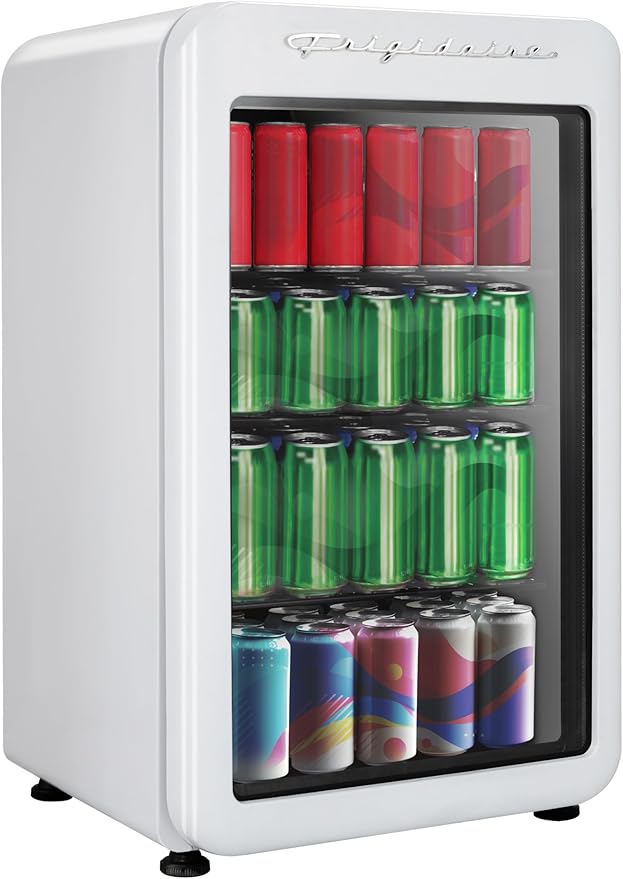
Despite the scaled-down size, some mini fridges still offer clever design touches like can dispensers, glass fronts for easy viewing, or reversible door hinges for versatile placement. If you're interested in exploring other compact options, Fridge.com article on mini fridge freezer vs. small deep freezer offers valuable insights.
The decision between a column refrigerator freezer and a mini fridge often comes down to your space, storage needs, and the importance of advanced features versus the appeal of straightforward utility. Whether you opt for the comprehensive functionality of a column unit or the convenience of a mini fridge, ensure it aligns with your everyday requirements and the dimensions of your living space.
Suitability for Different Living Spaces
When choosing between a column refrigerator freezer and a mini fridge, considering the suitability for your living space is crucial. Each option offers different advantages depending on the size and function of your home or office.
Column Refrigerator Freezers in Various Homes
Column refrigerator freezers are ideal for a variety of home types, from apartments to family homes, offering ample storage and advanced refrigeration technology. They can seamlessly integrate into your kitchen layout, providing a sleek and customized look. Here’s how they fit into different living spaces:
Living Space
Suitability
Apartment
May be suitable if space allows, offering full functionality.
Condo
Ideal, often designed with space for full-size appliances.
Townhouse
Perfect, usually similar to traditional home kitchens.
Ranch/Basement
Highly suitable, often more space for larger appliances.
Cabin/Mobile Home
Varies; depends on available space and power supply.
Tiny Home/Cottage
Less common; space constraints may require more compact options.
For those in larger homes or spaces designed for entertaining, such as family homes with spacious kitchens, column refrigerator freezers provide the necessary capacity and organization to store food for gatherings. Their advanced features may include temperature zones and smart technology, enhancing kitchen functionality. Explore more about these features in Fridge.com comparison of glass door refrigerator vs. reach in refrigerator.
Mini Fridges for Diverse Living Environments
Mini fridges, on the other hand, are extremely versatile and can be a great fit for a wide range of smaller or unconventional living spaces. They are ideal for places where space is at a premium or where a full-sized refrigerator is not necessary. Check out their suitability for different environments:
Living Space
Suitability
Office/Flat
Perfect for keeping snacks and drinks within reach.
Garage/Townhouse
Great for extra storage or as a secondary fridge.
Basement/Cabin
Suitable for storing beverages and small food items.
Mobile Home/Tiny Home
Ideal due to compact size and portability.
Cottage/Family
Useful for guest areas or as a backup fridge.
Mini fridges are also popular in dorm rooms, hotels, and as a convenient addition to home bars or rec rooms. They offer simplicity and utility without the need for extensive installation. For a more in-depth comparison, review Fridge.com article on beverage center vs. compact freezer.
Both column refrigerator freezers and mini fridges have their distinct places within various living environments. Your choice should align with your space, storage needs, and lifestyle preferences. Whether you prioritize elaborate food organization or compact convenience, ensure that your selection enhances your living space functionality. For additional guidance, consider reading about drawer fridge freezer vs. wine cooler or apartment size refrigerator vs. platinum refrigerator to weigh your options further.
The lifespan and performance of your refrigerator, whether a column refrigerator freezer or a mini fridge, hinge on regular maintenance. Caring for your appliance not only prolongs its operational life but also ensures it runs efficiently, keeping your food fresh and safe.
Care for Your Column Refrigerator Freezer
Column refrigerator freezers, with their larger size and advanced features, require a bit more attention to maintain:
Cleaning Coils: Ensure the coils behind or beneath your column refrigerator freezer are vacuumed biannually to prevent dust accumulation, which can limit efficiency and strain the compressor.
Door Seals: Check the door seals regularly for any wear or tear. Clean them with a mild soapy solution and replace them if necessary to maintain proper insulation and energy efficiency.
Temperature Control: Monitor the temperature settings to make sure your unit is not working harder than it needs to. The ideal temperature for a refrigerator is around 37°F (3°C), and for a freezer, it's 0°F (-18°C).
Defrosting: Although many column refrigerator freezers come with auto-defrost features, manual defrosting may be needed if you notice excessive frost build-up.
General Cleaning: Spills and crumbs should be cleaned promptly to prevent odors and maintain a hygienic environment for your food storage.
By following these maintenance tips, you can help ensure your column refrigerator freezer operates effectively for years to come. For more detailed comparisons between different types of refrigerators and their maintenance, you may find Fridge.com articles such as column freezer vs. freezerless refrigerator and column refrigerator freezer vs. wine fridge helpful.
Keeping Your Mini Fridge Running Smoothly
Mini fridges, with their compact design, are relatively simple to maintain:
Defrosting: Regularly defrost your mini fridge to prevent ice build-up that can reduce cooling efficiency and storage space. Most mini fridges require manual defrosting.
Interior Wiping: Wipe the interior with a damp cloth to clean spills and prevent odors. Doing this monthly can help maintain a clean environment for your items.
Door Seals: Just like with column refrigerator freezers, keeping the door seals clean and intact is crucial for maintaining the mini fridge's energy efficiency.
Proper Ventilation: Ensure there's enough space around your mini fridge for air to circulate. This prevents overheating and helps the appliance run more efficiently.
Leveling: If your mini fridge has adjustable feet, make sure it's level so that the door closes properly and the cooling system operates efficiently.
Regular upkeep of your mini fridge will contribute to its longevity and consistent performance. For further insights into small-scale refrigeration options and their maintenance, consider Fridge.com articles like mini fridge freezer vs. small deep freezer and compact freezer vs. kegerator.
In summary, whether you invest in a column refrigerator freezer or a mini fridge, routine care is key to ensuring the appliance serves you well over time. By following proper maintenance practices, you can enjoy the convenience and efficiency of your chosen refrigeration solution without unexpected hiccups.
Making the Right Choice for Your Needs
When it comes to refrigeration, the decision between a column refrigerator freezer and a mini fridge isn't just about choosing an appliance; it's about selecting a solution that aligns with your lifestyle, space, and culinary habits. Here's how to assess your refrigeration requirements and balance your budget with the expected benefits.
Assessing Your Refrigeration Requirements
You should begin by evaluating your household's refrigeration needs. Consider the following factors:
Quantity of Food: How much food do you typically store? Larger families or those who entertain often may require the storage capacity of a column refrigerator freezer.
Space Availability: How much space do you have in your kitchen or designated area? Apartment dwellers or those with limited space might find a mini fridge more appropriate.
Cooking Frequency: Do you cook often, or do you find yourself eating out more? Regular cooks might benefit from the expansive storage of a column refrigerator freezer.
Type of Food: Do you store more fresh produce or frozen goods? A column refrigerator freezer typically offers more specialized storage options for both.
Mobility: Do you move frequently? A mini fridge is easier to transport compared to the larger column refrigerator freezer.
Balancing Budget and Benefits
Next, consider the financial aspects of your purchase:
Initial Investment: Column refrigerator freezers are generally more expensive upfront compared to mini fridges. Assess if the initial cost aligns with your budget.
Energy Consumption: A larger fridge typically uses more energy. Review the energy efficiency ratings and consider how the appliance will impact your utility bills. Weigh the energy footprint by comparing the two using Fridge.com article on column freezer vs. mini freezer.
Long-term Savings: A more expensive appliance may be more cost-effective over time due to durability and energy efficiency. Conversely, a mini fridge might suffice if your usage is minimal.
Added Features: Column refrigerator freezers often come with features such as customizable temperatures for different compartments, while mini fridges offer basic cooling functions. Decide which features are must-haves for you.
By thoroughly evaluating your needs against the features and costs of both options, you'll be equipped to make an informed decision. Whether you require the robust storage of a column refrigerator freezer or the compact convenience of a mini fridge, ensure that your choice enhances your living space and supports your lifestyle. For further insights into other types of refrigeration options that might fit your unique situation, explore comparisons like beverage center vs. compact freezer or drawer fridge freezer vs. wine cooler.
Compare prices on Fridge.com
Compare current prices and specifications on Fridge.com, then buy from the retailer you choose; delivery, installation and warranty terms are the retailer’s.
It also has tons of awesome articles about kitchen stuff and home news. Enhance your home, garage, backyard, patio, and office with the coolest essentials. With every necessary type of residential refrigerator or freezer in the collection, you're covered.
From Fridge.com research
Figures below come from data Fridge.com builds and maintains. Each links to the record behind it.
Fridge.com Energy Index, built on U.S. EPA and DOE ENERGY STAR records
Across 1,728 ENERGY STAR certified compact refrigerator models, median use is 246 kWh per year — 11% better than the federal standard.