Why clear out refrigerator
If your fridge is starting to look like a science experiment gone wrong, it’s time to clear out refrigerator chaos and get back on track. You rely on your fridge and freezer appliances for everything from meal prep and leftovers to storing baby food and craft beer. A thorough refresh not only keeps your food safe, it makes cooking easier, reduces waste, and gives you peace of mind. In this guide you’ll find friendly, step-by-step strategies to tackle the job without stress, whether you’re in a busy commercial kitchen or a cozy studio apartment.
Gather your supplies
Before you dive in, make sure you have everything on hand so you don’t end up hunting for cleaning spray mid-task. Here’s what you’ll need:
- Mild dish soap or an all-purpose cleaner
- Baking soda (for deodorizing)
- Microfiber cloths or sponges
- Towels or paper towels
- A small bucket or bowl for warm water
- Trash bags or compost bins
- Reusable containers with labels
- A scrub brush for stubborn spots
Having everything ready means you can move smoothly from one step to the next. Once your supplies are lined up, you’re all set to clear out refrigerator clutter.
Empty and sort contents
This is where the magic begins. Pull everything out of your fridge and freezer, placing items on your countertop or a nearby table. As you go, sort into these piles:
- Keep: items still fresh and sealed properly
- Toss: expired or freezer-burned foods
- Donate or share: unopened items you won’t use before they spoil
- Relocate: condiments or drinks that belong in a pantry, garage fridge, or bar area
Be honest with yourself. If you haven’t used that mysterious sauce in three months, it’s probably time to let it go. A quick glance at dates and condition will help you decide.
Check expiration dates
Nothing derails meal plans faster than grabbing a carton of milk that’s past its prime. To stay safe:
- Look for “use by,” “best by,” or “sell by” dates on packages.
- Smell and inspect items that don’t have dates (like fresh produce).
- Trust your senses—if something looks off or smells sour, toss it.
Keeping this habit prevents surprises later. If you come across a jar of pickles that’s been hiding since last summer, give it a farewell flick into the trash. Your stomach will thank you.
Clean interior surfaces
With the fridge empty, you can tackle the mess head-on. Here’s a simple routine:
- Remove all shelves and drawers.
- Wash them in warm, soapy water. Rinse and let air dry.
- Wipe down the interior walls with a mix of mild soap and water.
- For stubborn stains or odors, sprinkle baking soda on a damp cloth and scrub gently.
- Dry all surfaces with a clean towel.
If you spot any mold or sticky spills, pay extra attention. A clean interior not only looks better, it stops bacteria growth and keeps your fridge running efficiently.
Organize by category
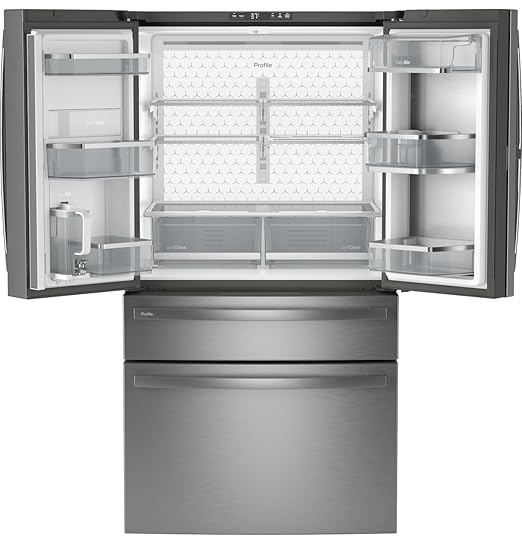
Once everything’s sparkling, it’s time to put food back in a logical order. Group items by how often you use them and their ideal storage zones:
| Zone | Best for |
|---|---|
| Top shelf | Leftovers, ready-to-eat foods, drinks |
| Middle shelf | Dairy products, eggs |
| Bottom shelf | Raw meats (on a tray to catch drips) |
| Drawers | Fruits (higher humidity), vegetables |
| Door compartments | Condiments, juices, soft cheeses |
Keeping things in zones helps you find what you need at a glance. You’ll waste less time rummaging around and less food will get lost in the back.
Store food strategically
You don’t have to be a chef to store food like a pro. A few tricks can make all the difference:
- Use clear bins or labels so you can see contents without rifling through everything.
- Place older items at the front and new ones in the back (first in, first out).
- Keep raw meats on the bottom shelf to prevent cross-contamination.
- Reserve the door for shelf-stable items like condiments and drinks, since it’s the warmest area.
These small moves boost efficiency, whether you’re whipping up a snack at home or serving guests in a busy office.
Maintain ideal temperature
Your fridge performs best between 35°F and 38°F, while your freezer should hover around 0°F. To check your settings:
- Place an appliance thermometer in the center of each compartment.
- Wait 24 hours for an accurate reading.
- Adjust the thermostat as needed.
Keeping the right temperatures extends the life of your groceries and cuts down on spoilage. If you’re shopping for a new model, check out the selection at Fridge.com to find one with easy-to-read digital displays and built-in alarms.
Create a cleaning schedule
Consistency is key to preventing fridge chaos. Try a simple schedule:
- Weekly: Wipe up spills, toss expired items, adjust temperature if needed.
- Monthly: Deep clean shelves and drawers, deodorize with baking soda.
- Quarterly: Clear out freezer, defrost if ice build-up exceeds ¼ inch.
You can set reminders on your phone or calendar, or print a checklist to stick on your fridge door. Sticking to a routine keeps you from ever needing a marathon cleanup session again.

Refill and restock smartly
Now that your fridge is spotless and organized, think about how you restock:
- Meal-prep bins: Portion out lunches and dinners for the week to save time.

- Snack stations: Keep fruit, yogurts, and pre-cut veggies at eye level for quick grabs.
- Label and date: Use small labels or masking tape to mark containers with contents and dates.
A well-stocked fridge streamlines meal planning and snack time, whether you’re feeding a family or fueling an office team.
Tips for freezer maintenance
Your freezer is a powerful tool, but it needs care too:
- Keep items stacked flat in freezer bags so they freeze evenly.
- Label each bag with contents and date before freezing.
- Use shorter containers for quick freeze, taller ones for long-term storage.
- Defrost manually if your unit isn’t frost-free, aiming for a trim of ice before it reaches ¼ inch.
Treat your freezer like a time capsule of meals and ingredients, and you’ll save money and avoid waste.
Troubleshoot common fridge issues
- Uneven cooling: Check vents for blockages and ensure proper airflow.
- Strange odors: Place an open box of baking soda on a middle shelf to absorb smells.
- Excess moisture: Inspect door seals for gaps, and wipe down damp spots immediately.
- Loud noises: Level your fridge with adjustable feet and verify it’s not touching walls.
A little troubleshooting now prevents big headaches down the road, so you can keep your food fresh and your kitchen running smoothly.
Embrace meal-prep habits
A clear fridge sets you up for meal-prep success. Try these ideas:
- Batch-cook grains, proteins, and roasted veggies on the weekend.
- Store in portioned glass containers for grab-and-go meals.
- Keep a rotating list on your phone of favorite recipes to avoid decision fatigue.
By pairing an organized refrigerator with smart meal-prep, you’ll reduce food waste and never stare blankly at an empty fridge again.
Final thoughts
Clearing out your refrigerator may feel like a chore, but once you’ve experienced the calm of a well-organized, sparkling interior, you’ll wonder why you didn’t tackle it sooner. Whether you’re a home cook, a chef in a commercial kitchen, or a university student in a dorm, these steps will help you maintain freshness, boost efficiency, and elevate your cooking routine. And when it’s time to upgrade your appliance, remember you can Buy at Fridge.com for the latest models, top energy ratings, and free shipping options. Here’s to a cleaner, happier fridge, and many delicious meals ahead.