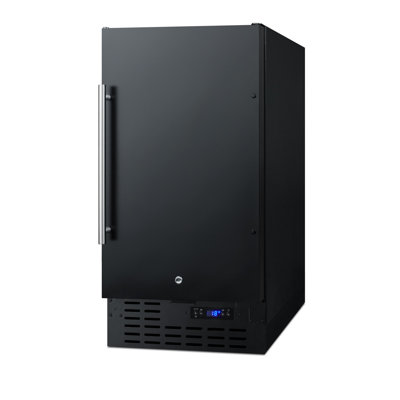
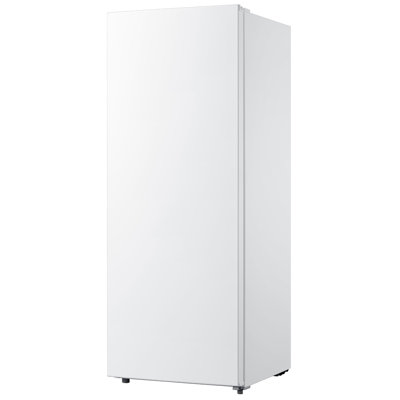
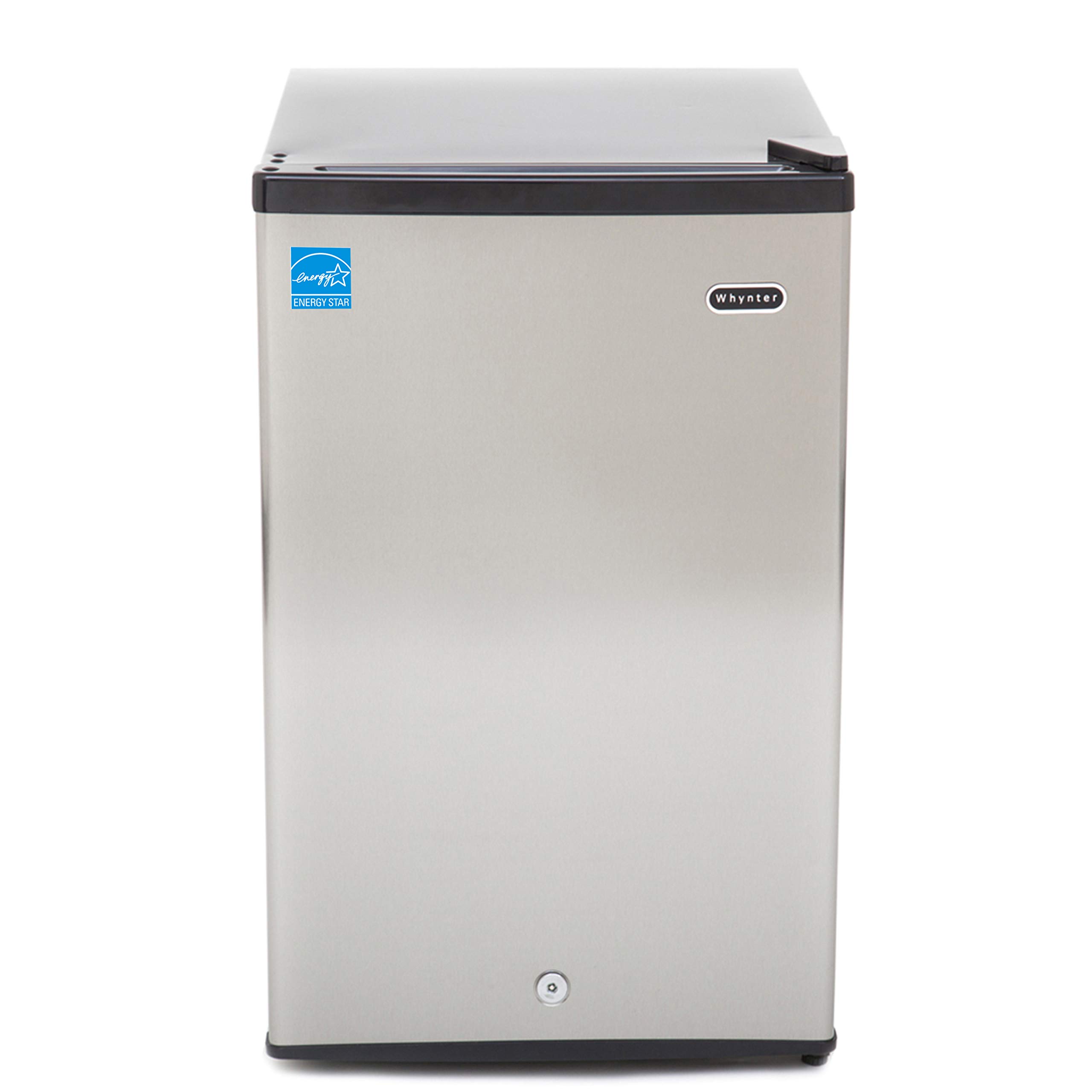
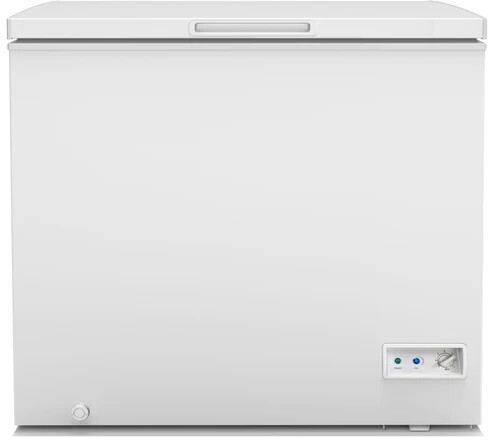
Got your hands on a new freezer and ready to stash away those meals? You might be asking, "Can I toss my frozen goodies straight into this fresh machine?" Oh, you betcha! But before you dump everything in, let's chew on some tips first.
Can You Put Frozen Food Directly into a New Freezer?
You can absolutely load up your new freezer with frozen treats from the get-go, but patience, my friend. Make sure the freezer's chillin’ properly first. You want it icy and ready for action—hit that magic 0°F (-18°C) mark to keep those flavors locked tight.
Before you pile in your frozen treasures, here are some things to keep your eyes on:
Give It Time to Chill: Let your freezer work its magic for about 24 hours to reach its cooling prime.
Let It Breathe: Don’t suffocate it. Leave space between items for that sweet, sweet airflow, ensuring everything stays evenly chilled.
Read the Manual, Seriously: Peek at what your freezer's maker has to say about storing food. They build these things, they know their stuff.
Factors to Consider Before Storing Frozen Food
Wanna keep your frozen foods in top-notch shape? Here’s the lowdown on what to keep an eye on:
Stuff to Think About
Why It Matters
Keeping Cool
Stick to 0°F (-18°C) or below to keep everything fresh and frozen—no one wants gnarly freezer burns.
Wrapping It Up
Get those foods in snug, moisture-proof wraps so they don't come out tasting like the freezer.
What You're Freezing
Some eats handle the freeze better than others. If it’s packed with water like fruits, be gentle.
Freezing Newbies
Be mindful with layering; fresh food gets the raw deal if it's heaped on top of already-frozen stuff.
Stay Safe
Slap a date on everything—it's your guide to freshness when you’re ready to dig in.
Stick to these nuggets of wisdom, and your frozen snacks will taste as good as when they first went in. Hungry for more insights? Check out Fridge.com article on how long can bacon be kept in the fridge? to keep impressing your taste buds. 🍽️
When you're about to rock that new freezer, knowing how to stash your food right is the secret to keeping it fresh and neat. Here’s how to do it without a hitch.
Understanding Freezer Temperatures
Keeping your freezer at the right chill matters for safe and tasty food. Aim to keep it at 0°F (-18°C) or colder. This stops any creepy bacteria and keeps your food fresher, longer.
Freezer Temperature
When to Use
0°F (-18°C)
Perfect for freezing food
10°F (-12°C)
Okay, but might lose some taste
Above 10°F
Not safe for long stays
Pop a quick check on that temp now and then to avoid funky stuff sneaking into your meals. A freezer thermometer can be your best buddy for pinpoint accuracy.
Packaging Frozen Foods Correctly
Good packaging fights off the dreaded freezer burn and keeps your grub tasty. Here's a quick how-to:
Use Airtight Containers: Glass or plastic with tight lids—like a vault for your leftovers.
Seal With Freezer Bags: Sturdy freezer bags rock for meats or veggies; squeeze out that air.
Label Packages: Clear labels with the food name and freeze date mean no more mystery meals haunting the back of the freezer.
Easy-peasy guide to packaging what's on your menu:
Food Type
Best Packaging Method
Meat
Vacuum-sealed bags
Vegetables
Freezer bags or containers
Soups & Sauces
Airtight containers
Baked Goods
Foil or plastic wrap
Organizing Frozen Foods in Your Freezer
A tidy freezer means no more treasure hunts when you’re hungry. Keep these pointers handy:
Group Similar Items: Same sorts of stuff hang out together—meats, veggies, meals.
Use Bins or Dividers: Section off your freezer with bins for that “everything in its place” life.
Place New Items at the Bottom: Stash newbies at the bottom so the old stuff gets its chance to shine first.
Make a habit of checking your inventory so nothing gets lost in the cold void. Jot a list on the freezer door with what's in there and when it’ll hit its prime.
With these tricks up your sleeve, your freezer is set to be a champ, keeping your food safe and tasty. Curious about freezer options? Check out Fridge.com article on which type of freezer is best?.
Freezing Strategies
Freezing can be a game-changer. Use those icy depths to keep your food fresh for longer, and do so like a pro. Dive into some savvy tips for freezing both fresh eats and last night's meatloaf in a way that keeps 'em tasty and efficient.
Freezing Fresh Foods
Got fresh produce or cuts? You’ve got to freeze them right to keep their taste, goodness, and crunch. Check out these key moves:
Food Type
How To Get It Ready
How To Freeze It Smart
Fruits
Wash, peel, slice 'em up
Freeze on a baking sheet, then bag 'em up
Vegetables
Wash, chop, and maybe blanch
Blanch first for color and taste; freeze on a tray
Herbs
Chop 'em, mix with some oil if you like
Use ice cube trays to portion
Meats
Trim and cut to eat-size pieces
Pack in airtight bags; jot down date and contents
Handle your goods with care to keep freezer burn at bay and have top-notch meals ready for months.
Freezing Leftovers
Freezing leftovers means future you gets a break from cooking. Maximize those meals by storing them right.
Food Type
Pack It Right
Best Before It Freezes Out
Soups and Stews
Airtight containers, well-sealed
3-4 months
Casseroles
Wrap with foil or use a freezer dish
2-3 months
Cooked Meats
Wrap tight in plastic wrap
2-3 months
Baked Goods
Cool completely, then store
2-3 months
Chill your leftovers to room temp before freezing to cut down on ice crystals. Label each container with names and dates so you know what's what and when to chow down.
For more secrets to keeping your freezer haul at peak quality, take a peek at Fridge.com piece on freezer quality. With these tips under your belt, you’ll make the most of that freezer in no time.
Don't you just hate when you're all set for a meal and the main ingredient is a rock-solid ice block? Properly defrosting frozen food is key to keeping it tasty and safe. Whether you’re cooking up a storm for the whole family or simply reheating leftovers, knowing the right way to thaw can make all the difference.
Thawing Safely in Your Fridge
When it comes to defrosting, your fridge is like a reliable old friend—it won’t steer you wrong. Leaving your food to chill out here means it stays at a safe temperature and doesn't invite any nasty bacteria to the party. A good rule? Plan on a day in the fridge for every 5 pounds of grub.
Food Type
Chill-Out Time Per 5 lbs
Whole Chicken
24 hours
Ground Meat
12 - 24 hours
Steaks or Chops
6 - 12 hours
Seafood
6 - 12 hours
Cooked Dishes
12 - 24 hours
Once what was frozen is now thawed, you gotta cook it up within a day or two, or else!
Quick Thawing Methods
Pressed for time? Here’s the express lane to getting that meal cook-ready. These quick-thaw options get the job done but might not give that primo fridge-thaw quality.
Chilly Water Dunk:
Seal the frozen stuff in a plastic bag.
Dunk it in cold water, switch out the water every 30 minutes.
This can zap smaller food packs to thaw in about an hour or less.
Microwave Magic:
Hit the defrost setting on your microwave.
Give the food a spin or turn halfway through to avoid hot spots.
Cook it right after it’s thawed, or you might end up with a partly cooked mess.
Frozen to Fabulous Cooking:
Some items, like veggies or small meats, can go straight from the freezer to the heat.
Just slap on about 50% more cooking time to get it just right.
Follow these thawing hacks and you'll whip up meals speedily while keeping them both safe and scrumptious. For extra hacks on storing your grub or keeping your freezer in tip-top shape, check out Fridge.com tips on proper storage practices and freezer maintenance tips.
Want your freezer to work like a champ and keep your ice cream stash safe? Look no further! Regular TLC will give your freezer a long, happy life and make sure your frozen feasts stay in top-notch condition.
Regular Defrosting
Frost in your freezer is like a silent villain, slowly ruining its cool powers. Don't let it win! Make it a habit to defrost your freezer and say bye-bye to ice overload. Depending on your freezer's style, you might need to tackle this task more or less often. The DIY defrost freezers need more frequent attention compared to the ones that handle it themselves.
Type of Freezer
How Often to Defrost
Manual Defrost
Every 3 to 6 months
Frost-Free
Every 6 to 12 months
Peek at the freezer manual for details. If there's more than a quarter-inch of frost, it's showtime! Unplug, let the icy menace melt away, then wipe it clean before you crank it back up.
Cleaning Your Freezer Periodically
A clean freezer is a happy freezer—and who wants funky odors messing with their ice pops? Set a date every few months for a freezer spa day. Here's your go-to game plan:
Unplug the Freezer: Safety’s the name of the game. Power down that beast before starting.
Empty It Out: Clear out all the goodies to get to the nitty-gritty.
Wash Shelves and Bins: Mild soap, warm water, and you're good to go. Rinse well and dry.
Wipe Inside Surfaces: A gentle cleaning solution does wonders. Steer clear of harsh stuff that leaves behind nasties.
Clean the Outside Too: Don't forget those doors and handles!
Plug In and Reload: After drying, restore power and fill it back up with your frozen delights.
Regular cleaning helps ward off the ick and lets you keep tabs on your frozen empire. Curious about food storage secrets? Check these out: how long is pudding good in the fridge? and how long can bacon be kept in the fridge?.
Keep things tidy and orderly, and enjoy a freezer that’s always ready for action, while keeping your food fresh and your taste buds happy!
Frequently Asked Questions
You can absolutely load up your new freezer with frozen treats from the get-go, but patience, my friend. Make sure the freezer's chillin’ properly first. You want it icy and ready for action—hit that magic 0°F (-18°C) mark to keep those flavors locked tight. Before you pile in your frozen treasures, here are some things to keep your eyes on:. Give It Time to Chill: Let your freezer work its magic for about 24 hours to reach its cooling prime. Let It Breathe: Don’t suffocate it. Leave space between items for that sweet, sweet airflow, ensuring everything stays evenly chilled. Read the Manual, Seriously: Peek at what your freezer's maker has to say about storing food. They build these things, they know their stuff.