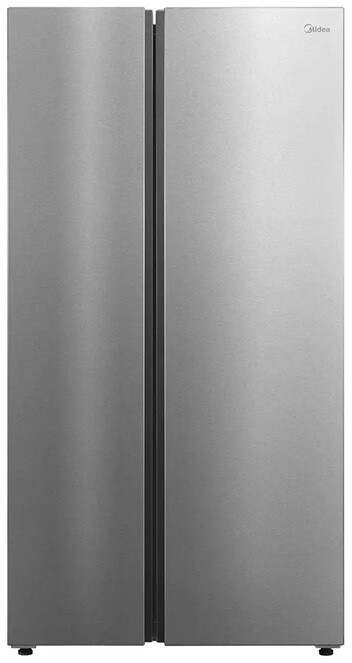
Ever find yourself packing coolers, ice packs, and snacks only to end up with soggy sandwiches and lukewarm drinks? A camper size fridge can change the game. Whether you’re gearing up for an RV road trip, tailgating with friends, or just need extra storage in your garage, the right compact refrigerator keeps everything fresh and cold. In this guide, you’ll learn what a camper size fridge brings to the table, how to match one to your needs, and which models rise to the top. Let’s dive in.
Understand camper size fridges
A camper size fridge isn’t just a smaller version of your kitchen refrigerator. These compact refrigerators are designed for life on the move, with durable builds, efficient cooling systems, and power options suited to off-grid adventures. You’ll find models that run on 12-volt or 120-volt electricity, some that switch to propane, and even thermoelectric versions for lighter use. They come in a range of capacities, from ultra-portable 20-quart units to family-friendly 65-liter beasts.
Key benefits of a camper size fridge
Portability: Many models feature sturdy handles and manageable weight
Energy efficiency: Compressor fridges maintain consistent temps on low power
Flexibility: Options for AC, DC, propane, or solar hook-up
Space-saving design: Slim profiles fit under counters or in RV compartments
No matter your adventure—solo road trip, group camping, or backyard BBQ—a camper size fridge brings fridge-grade cooling without the bulk. And you’ll spend less time topping up ice and more time enjoying cold drinks and fresh meals.
Assess your needs
Before you shop, ask yourself how you plan to use your fridge. A weekender might get by with a 20-quart thermoelectric unit, while a family of four on an extended RV tour needs a 50-liter compressor fridge. Jot down these questions:
How many people will you serve?
What’s the typical trip length?
Will you need freezer space?
Do you cook most meals yourself?
What power sources are available?
Match capacity to crew size
Solo or couple: 20–35 quarts (19–33 liters)
Small family or group: 40–60 quarts (38–57 liters)
Large families or long trips: 65+ quarts (62+ liters)
Think about food types too. Are you stashing beer and soda, or hauling fresh veggies and dairy? Freezer compartments add versatility for frozen meats, ice cream, and prepped meals. By mapping out capacity, crew size, and meal plans, you’ll land on a fridge that fits both your lifestyle and your space.
Compare fridge technologies
Camper size fridges mainly use three cooling methods. Each has trade-offs in efficiency, noise, and cost.
Compressor refrigerators
Pros: Fast cooling, consistent temps, works in any orientation
Cons: Heavier, higher upfront cost, may run louder
Absorption refrigerators
Pros: Silent operation, can run on propane, AC, or DC
Cons: Slower cooling, less efficient, performance dips in high heat
Thermoelectric refrigerators
Pros: Lightweight, affordable, no moving parts, near-silent
Cons: Limited cooling (usually 40°F below ambient), not ideal for freezing, best in shaded spots
If you need solid freezer performance and plan to boondock off-grid, a compressor fridge is worth the investment. For weekend tailgates or dorm rooms, an absorption or thermoelectric model might be all you need. Balance budget, noise tolerance, and power availability to pick your technology.
Your choice of power source can make or break a trip. Here’s what to consider:
12V and 120V electricity
Standard for compressor fridges
Run off your vehicle’s battery or campsite shore power
May need a dedicated battery isolator or inverter
Propane power
Typical for absorption fridges in RVs
Great for boondocking without hookups
Requires proper ventilation and safety checks
Solar compatibility
Adds renewable charging to your 12V setup
Ideal for extended off-grid trips
Requires solar panels, charge controller, and battery bank
When you’re plugged into shore power at a campground, 120V fridges run like home models. But for true freedom, 12V or propane lets you roam far from outlets. If you plan long boondocks, factor in how you’ll recharge your batteries or top off your propane tank.
Pick the right dimensions
A fridge that’s too big won’t fit, and one too small will leave you reaching for extra coolers. Measure your intended space first—door openings, counter cutouts, and storage bays—and compare to each model’s exterior specs.
Interior capacity vs exterior size
Cubic feet or liters for storage
Inches or centimeters for footprint
Weight and portability
Can you lift it solo?
Does it need to fit in a tight compartment?
Do built-in handles or casters help?
Remember to account for ventilation clearance. Compressor units need a few inches of space around the back and sides to dissipate heat. If you’re installing under a counter or in a cabinet, follow manufacturer guidelines to avoid overheating.
Consider key features
Beyond size and power, look for features that make daily use easier:
Defrost type
Manual defrost: You melt ice buildup by turning the unit off periodically
Automatic defrost: Saves time but can shorten freezer performance
Temperature control
Digital thermostat: Precise settings, often with display
Analog dial: Simple, budget-friendly
Storage layout
Adjustable shelves and bins
Separate freezer compartment
Door pockets for drinks and condiments
Locking lid or door
Prevents spills on bumpy roads
Adds security in shared spaces
Additional perks
Interior LED lighting
USB charging ports
Slide-out drawers
Make a checklist of your must-haves. If you’re meal-prepping for a family, a tall fridge with multiple shelves beats a single-bin cooler. If you’re hauling craft beer, a visible digital display helps you dial in the perfect chill.
Even the sturdiest camper fridge needs love. Stay on top of maintenance to extend its life and performance.
Cleaning and defrosting
Empty and unplug regularly
Wipe interior with mild soap and water
Remove frost buildup every few months
Leveling and ventilation
Keep your fridge level for proper coolant circulation
Maintain 2–4 inches of clearance for heat dissipation
Battery and propane checks
Inspect wiring, fuses, and inverters for 12V models
Test propane connections and valves for leaks
Travel prep
Secure the door or lid with a strap or lock
Fasten the fridge to prevent tipping
Top off coolant or clean gas lines as recommended
A little upkeep goes a long way. Plan a quick check after each trip, and you’ll avoid surprises the next time you hit the road.
Explore top camper fridges
Not sure where to start? Here are five popular models that cover a range of capacities, budgets, and power setups.
Model
Capacity
Power options
Weight
Dimensions (WxDxH)
Dometic CFX3 45
45 quarts
12V / 120V
40 lbs
30 x 17 x 18 in
Whynter FM-65G
65 liters
12V / 120V
53 lbs
21 x 20 x 34 in
Norcold NPC47BH
4.7 cu ft
12V / AC / propane
70 lbs
23 x 23 x 37 in
Alpicool C20
20 liters
12V / 120V
23 lbs
19 x 12 x 16 in
ARB Zero 47
47 liters
12V / 120V
41 lbs
31 x 17 x 18 in
Dometic CFX3 45
Specs:
45-quart compressor fridge
Dual-zone for fridge and freezer
Digital controls and app monitoring
Pros:
Fast cooling and stable temps
Rugged build for rough roads
App control for remote monitoring
Cons:
Higher price point
Bulky for small vehicles
Compare prices on Fridge.com, then buy from the retailer you choose.
Whynter FM-65G
Specs:
65-liter compressor model
Adjustable temperature range down to -8°F
Interior LED lighting
Pros:
Generous capacity for families
Energy-efficient operation
Removable basket for organization
Cons:
Heavier than some competitors
No propane option
Compare prices on Fridge.com, then buy from the retailer you choose.
Norcold NPC47BH
Specs:
4.7 cu ft absorption fridge
Tri-power: 12V, AC, or propane
White painted steel finish
Pros:
Silent on propane
Classic RV fit and finish
Good freezer space
Cons:
Slower cooling than compressor units
Requires proper vent clearance
Compare prices on Fridge.com, then buy from the retailer you choose.
Alpicool C20
Specs:
20-liter portable fridge
12V / 120V
Compact footprint
Pros:
Lightweight and budget-friendly
Quick freeze mode
Easy to stow
Cons:
Limited capacity
No freezer door
Compare prices on Fridge.com, then buy from the retailer you choose.
ARB Zero 47
Specs:
47-liter compressor fridge
Dual-zone option available
Tough powder-coat finish
Pros:
Excellent insulation
Quiet operation
Built-in power saving mode
Cons:
Premium price
Fewer color options
Compare prices on Fridge.com, then buy from the retailer you choose.
Smart stocking tips
Maximize every inch of space and keep things chill with these tricks.
Use clear bins for produce
Pack items by frequency—everyday snacks on top
Keep raw meats in sealed containers on the bottom shelf
Store beverages in door pockets to save shelf space
Freeze water bottles as ice packs that become cold drinks
Rotate stock just like at home—older items up front, fresh groceries in the back. A small cutting board or drawer divider can double as a shelf extender. And if your fridge supports dual zones, designate one side for frozen goods and the other for fresh eats.
Ready to invest in a camper size fridge? Here’s your final checklist:
Space check: Measure opening and ventilation needs
Power audit: Confirm your 12V, 120V, or propane setup
Capacity match: Align quarts or liters with your crew size
Feature list: Prioritize defrost type, digital controls, layout
Budget range: Factor in fridge cost plus installation or wiring
Once you’ve ticked every box, head to Fridge.com to compare deals, read reviews, and make your purchase. With the right camper size fridge, every trip becomes smoother, cooler, and more enjoyable. Safe travels and happy chilling!
Free tool
Refrigerator Size Calculator
Free interactive tool from Fridge.com — get a quick answer while you read.