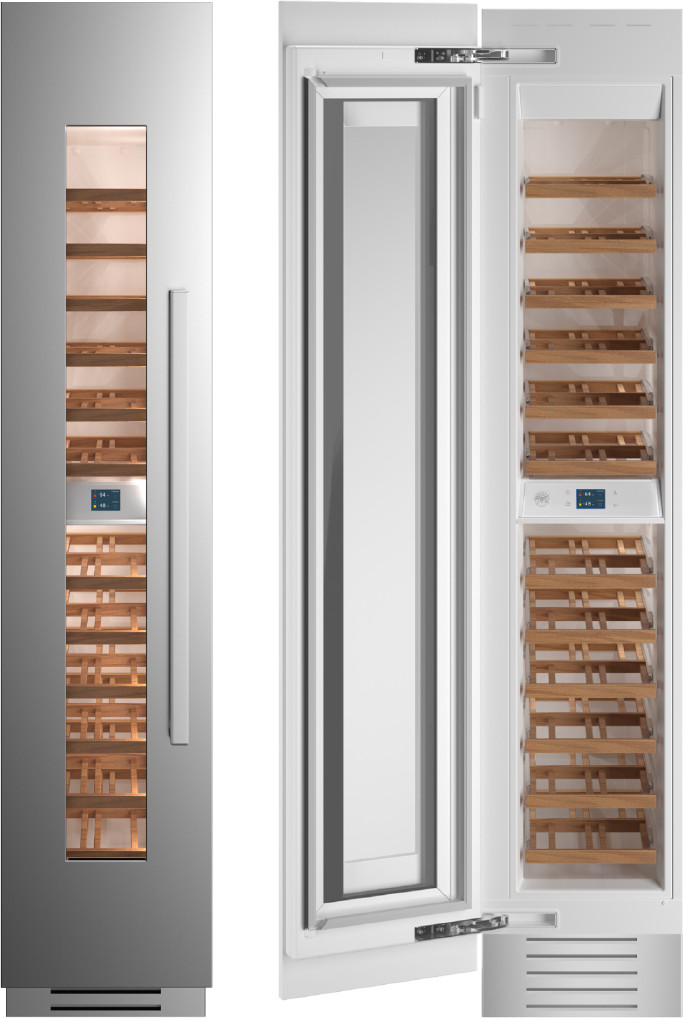
Understanding Built-In Wine Coolers and Small Freezers
When deciding between a built-in wine cooler and a small freezer, it's essential to understand their distinct purposes and functionalities. Each serves unique needs, making them suitable for different scenarios.
Purpose and Functionality of Built-In Wine Coolers
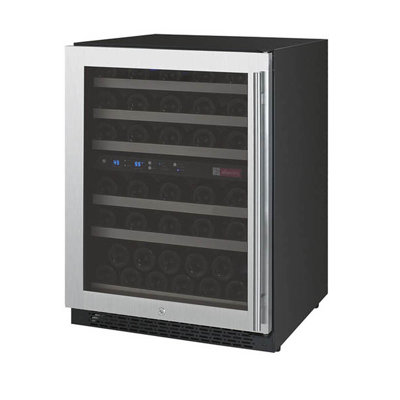
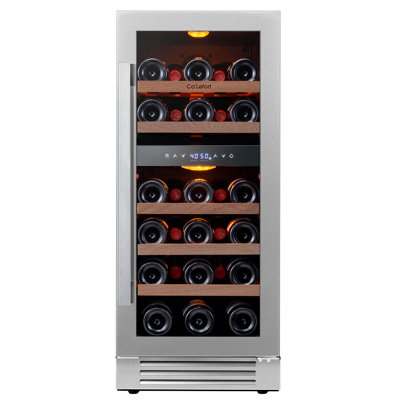
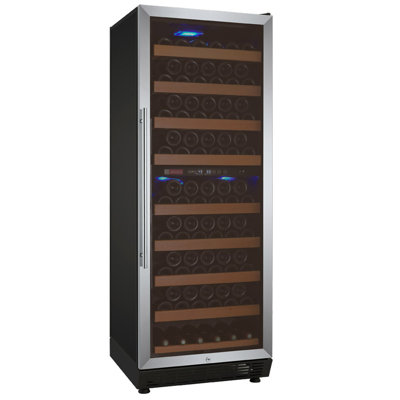
Built-in wine coolers are designed specifically to store wine at optimal conditions. These coolers maintain consistent temperatures and humidity levels, crucial for preserving the quality and flavor of your wine collection. The primary functionality of built-in wine coolers includes:
Temperature Control: Wine coolers offer precise temperature settings, often ranging between 45°F to 65°F, ideal for both red and white wines.
Humidity Regulation: Maintaining an appropriate humidity level (50-80%) prevents corks from drying out and spoiling the wine.
Vibration Reduction: Minimizing vibrations protects the wine's aging process by preventing sediment disturbance.
UV Protection: Tinted glass doors block harmful UV rays, which can degrade the wine over time.
Small freezers, on the other hand, are versatile appliances designed for freezing and storing a variety of foods. They are not specifically tailored for wine storage but offer flexibility for a range of freezing needs. The primary functionalities of small freezers include:
Temperature Range: Small freezers typically operate at temperatures around 0°F, suitable for long-term food preservation.
Storage Variety: They can store various items such as meats, vegetables, and prepared meals.
Compact Size: Their small footprint makes them ideal for limited spaces like apartments, offices, or garages.
Energy Efficiency: Many small freezers are designed to be energy-efficient, helping you save on electricity bills.
Understanding the specific purposes and functionalities of built-in wine coolers and small freezers can help you make an informed decision based on your storage needs. If you're looking to store wine, a built-in wine cooler is the best choice. However, if you need versatile freezing options, a small freezer might be more suitable. For a detailed comparison, visit Fridge.com article on bar fridge Vs. small freezer.
When considering whether to invest in a built-in wine cooler or a small freezer, the design and installation aspects play a crucial role. Each appliance has its own unique features and requirements when it comes to integration and space utilization.
Built-In Wine Coolers: Integration and Aesthetics
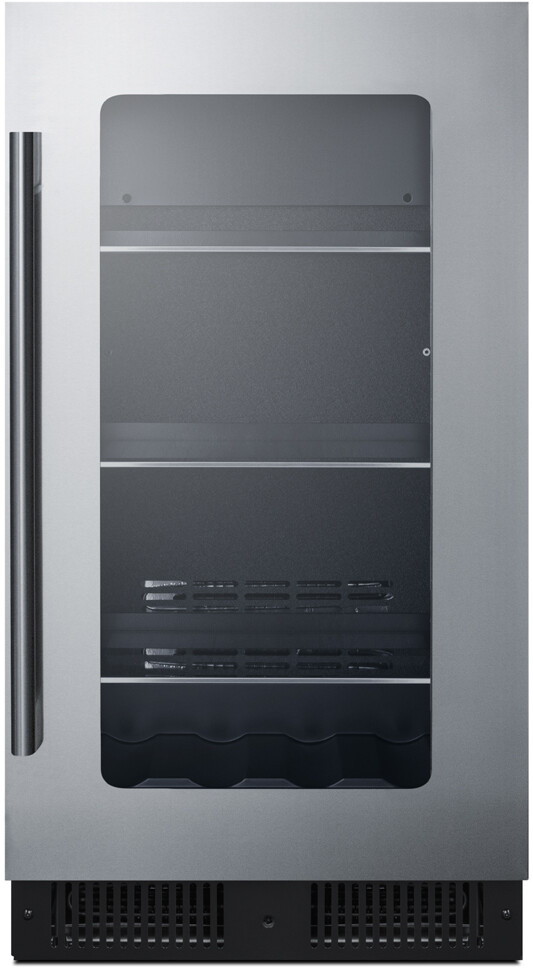
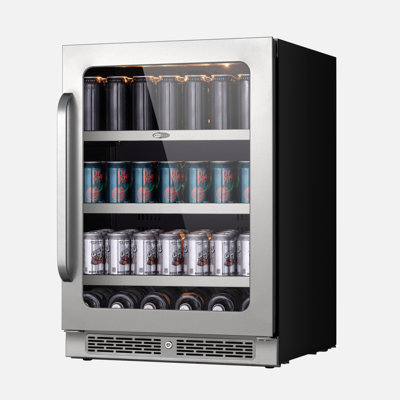
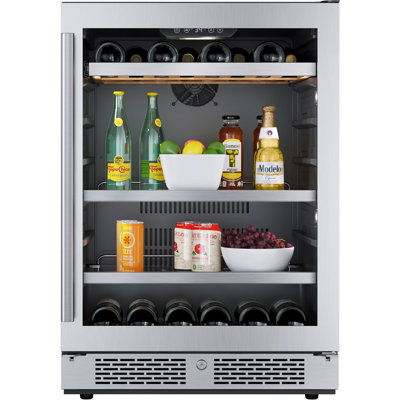
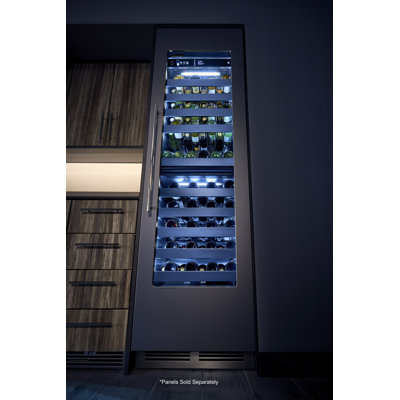
Built-in wine coolers are designed to seamlessly integrate into your kitchen or entertainment area. They are often installed under countertops or within cabinetry, providing a sleek and cohesive look. This design not only saves space but also enhances the overall aesthetics of the room.
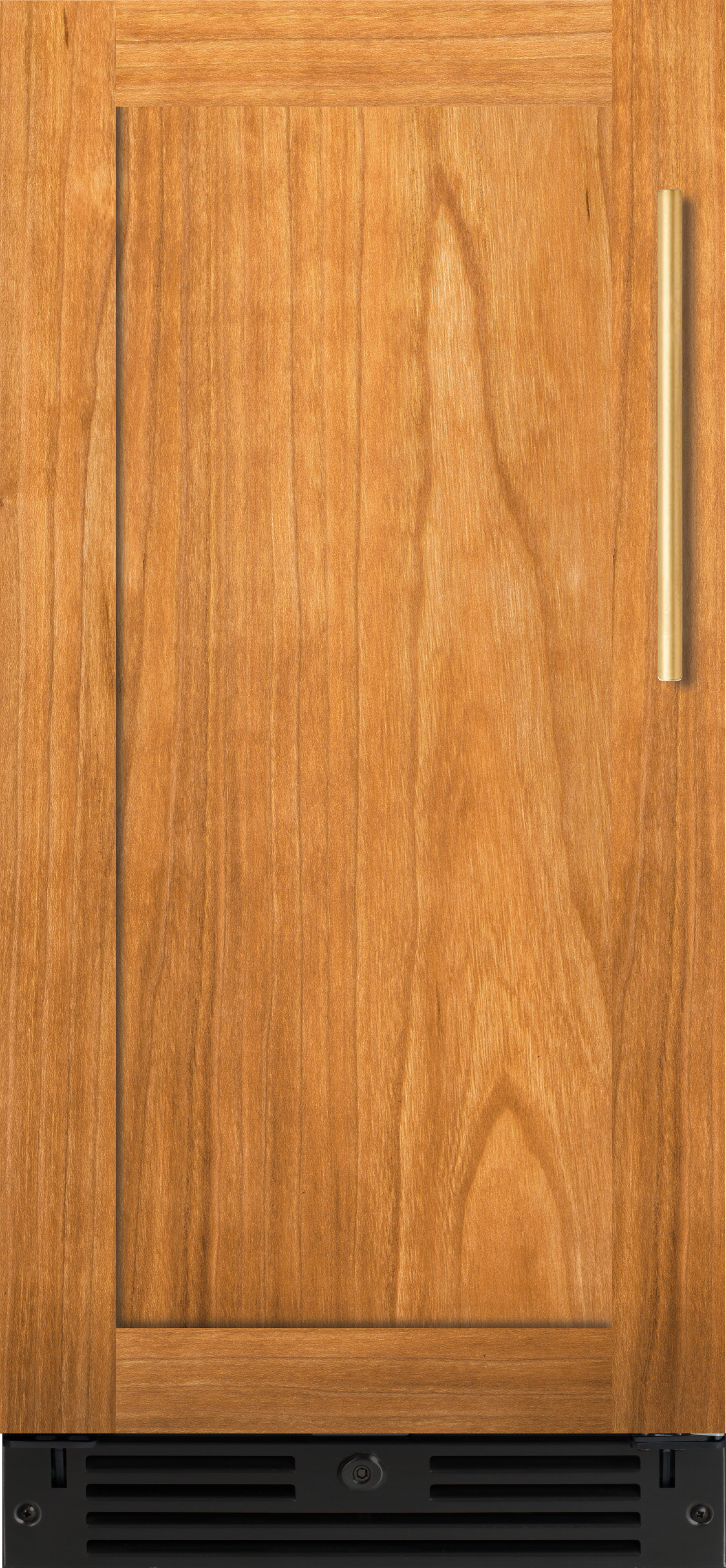
The installation process of built-in wine coolers typically involves precise measurements to ensure a perfect fit. They are crafted to blend with surrounding cabinetry and countertops, offering a polished and professional appearance. Additionally, they often come with customizable door panels to match your existing decor.
Feature
Built-In Wine Coolers
Integration
Under-counter, within cabinetry
Aesthetics
Sleek, cohesive, customizable
Space Utilization
Saves kitchen space
Installation Requirements
Precise measurements, professional fitting
Small Freezers: Space Considerations and Versatility
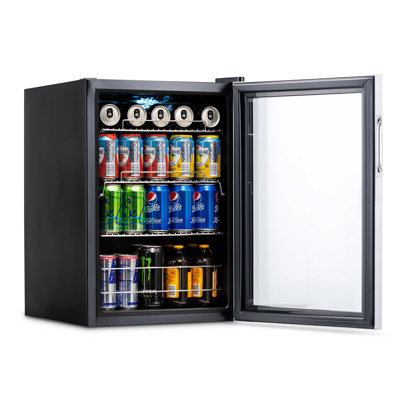
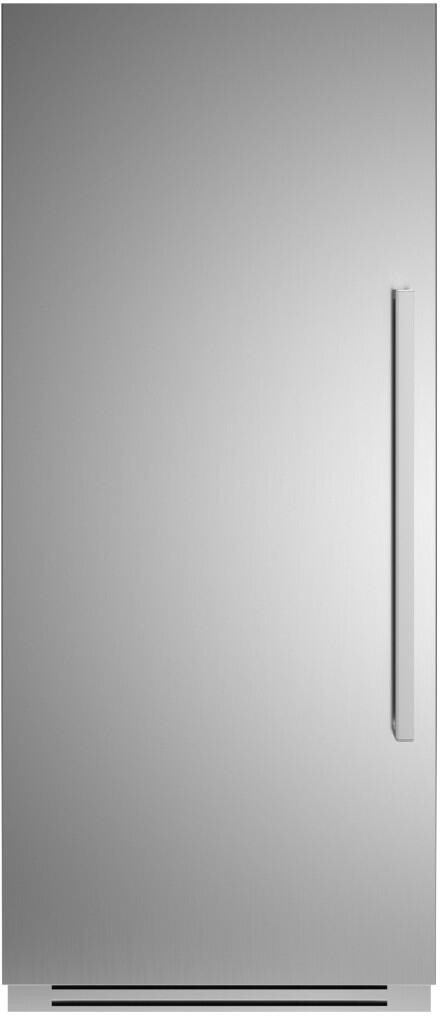
Small freezers, on the other hand, offer a different kind of versatility. These units can be placed in various locations, such as the kitchen, garage, basement, or even a mobile home. Their compact size allows for flexible placement, making them ideal for homes with limited space.
Small freezers are generally more straightforward to install. They do not require precise measurements or professional fitting, offering a plug-and-play convenience. This makes them an excellent choice for those who need additional freezing capacity without the hassle of a complex installation.
Considering these factors can help you decide which appliance best suits your needs. Whether you prioritize the sleek integration of a built-in wine cooler or the versatile placement options of a small freezer, both choices offer distinct advantages.
Capacity and Storage Options
When comparing built-in wine coolers and small freezers, understanding their capacity and storage features is crucial. These appliances serve distinct purposes, and their design reflects their specific storage needs.
Built-In Wine Coolers: Wine Storage Features
Built-in wine coolers are designed to store wine at optimal temperatures, preserving the quality and flavor of your collection. These coolers come with various features tailored to wine storage:
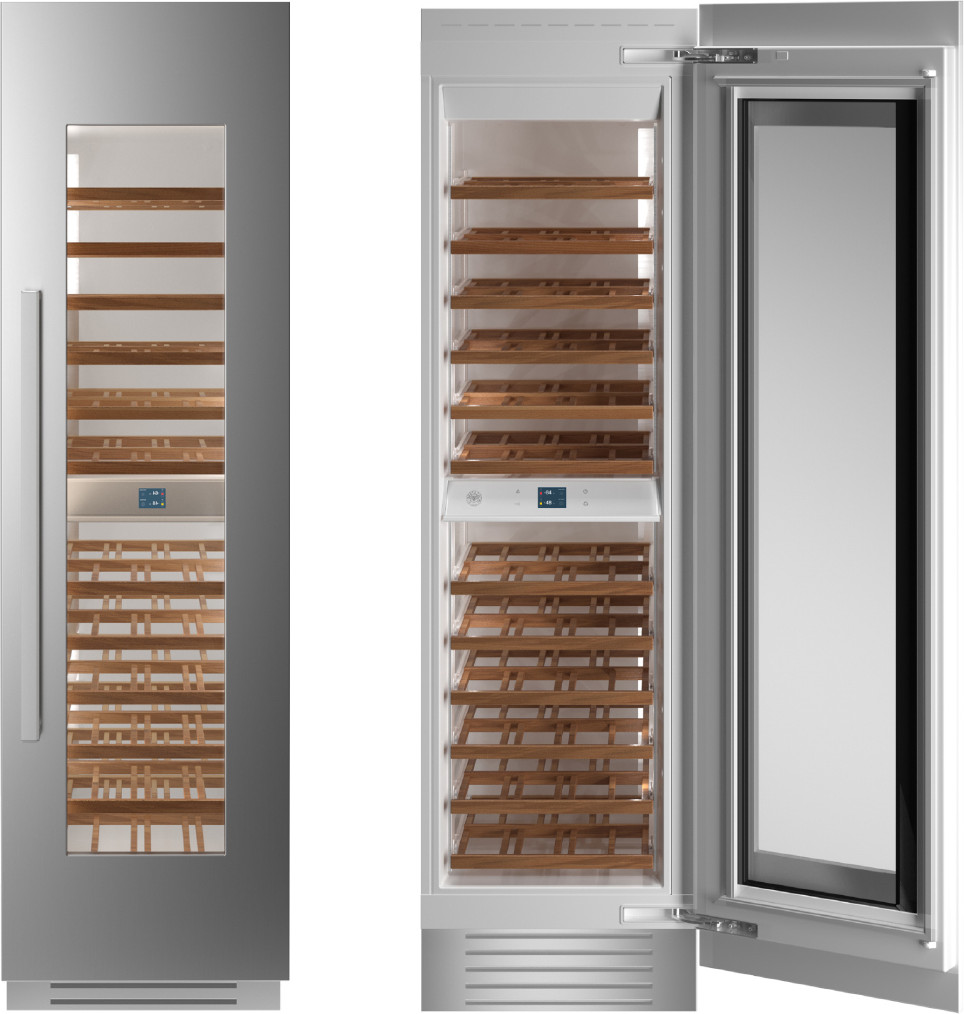
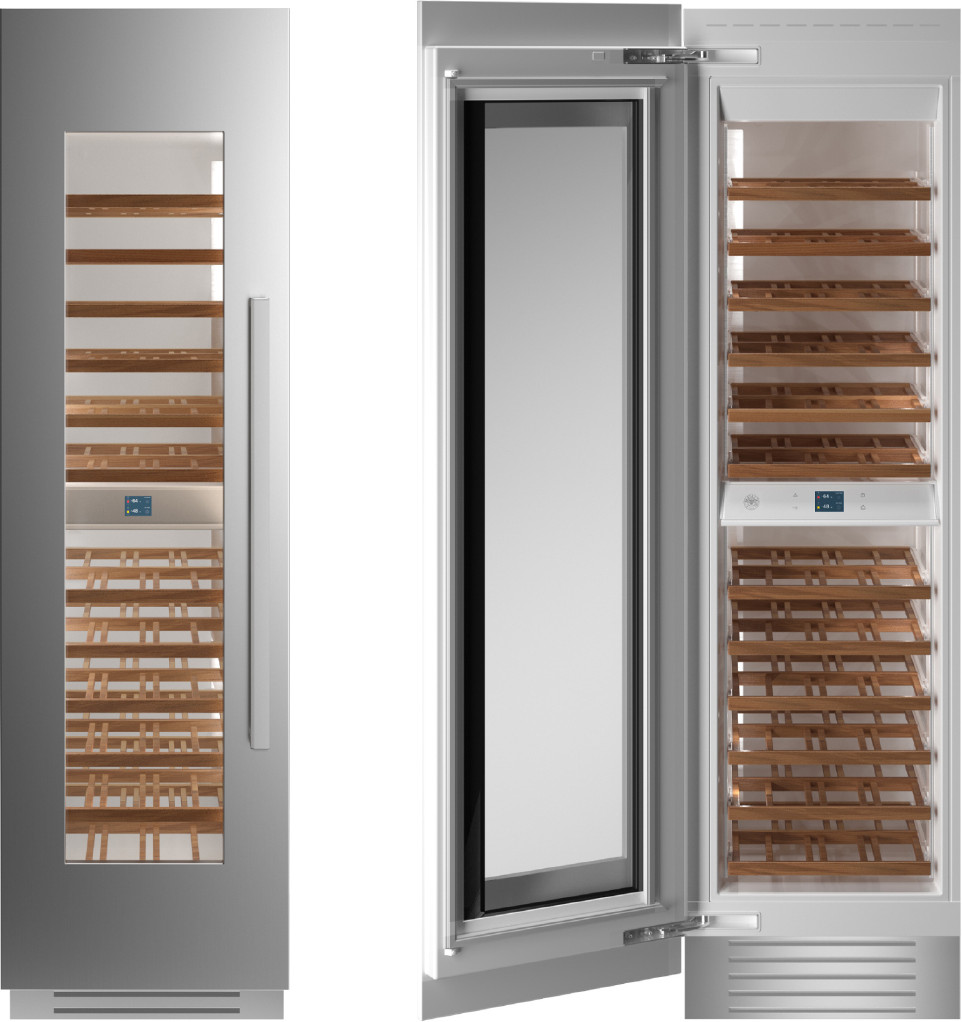
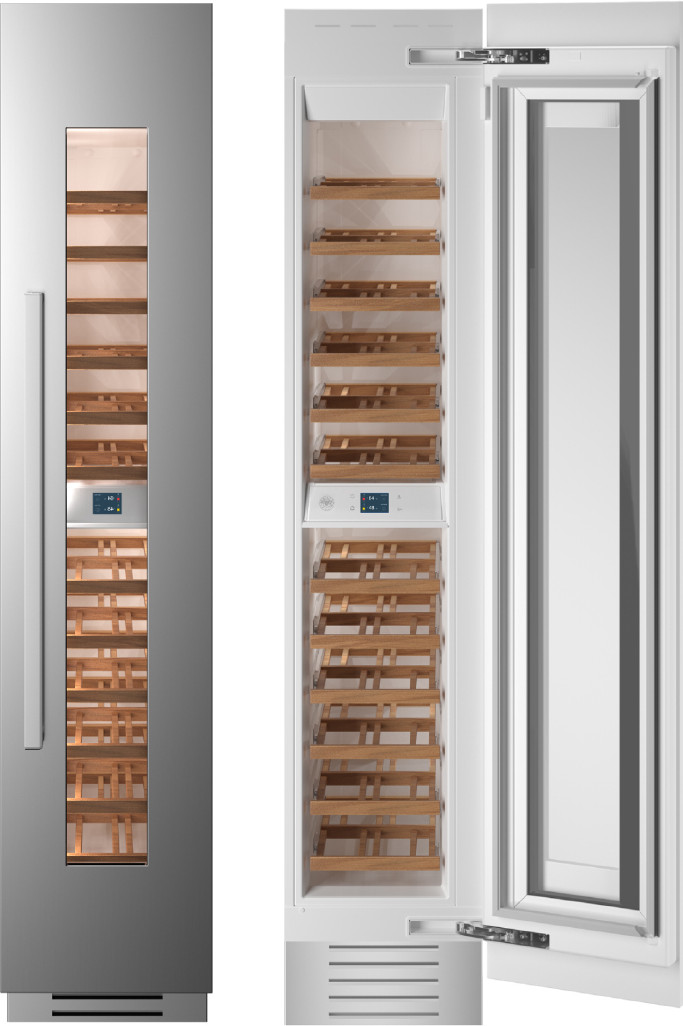
Bottle Capacity: Built-in wine coolers can store anywhere from a dozen to over a hundred bottles, depending on the model and size.
Adjustable Shelves: Many wine coolers offer adjustable or removable shelves, allowing you to store larger bottles like Champagne or magnums.
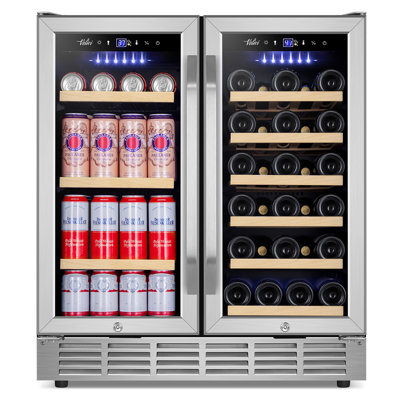
Temperature Zones: Some models feature dual or multiple temperature zones, enabling you to store different types of wine at their ideal temperatures.
Humidity Control: Proper humidity levels are essential for preserving wine, and some coolers include humidity control features to maintain the right environment.
Feature
Description
Bottle Capacity
12 - 150+ bottles
Adjustable Shelves
Yes, for accommodating various bottle sizes
Temperature Zones
Single, dual, or multiple zones for different wine types
Humidity Control
Available in some models to maintain optimal wine storage conditions
For more details on wine storage, refer to Fridge.com article on freezer cooler Vs. wine chiller.
Small Freezers: Freezing Capacity and Organization
Small freezers are versatile appliances that can store a variety of frozen goods, from meat to leftovers. Their capacity and organizational features vary widely:
Freezing Capacity: Small freezers range in capacity from a few cubic feet to larger models suitable for substantial food storage.
Storage Baskets: Many freezers include removable baskets or bins, helping you organize smaller items and access them easily.
Shelving: Some models feature fixed or adjustable shelves, allowing you to organize your freezer space efficiently.
Temperature Control: Precise temperature settings enable you to store different types of food at the appropriate freezing temperatures.
Feature
Description
Freezing Capacity
2 - 15+ cubic feet
Storage Baskets
Removable baskets or bins for organization
Shelving
Fixed or adjustable shelves for flexible storage
Temperature Control
Precise settings for optimal freezing of various food types
For more on freezer storage, visit Fridge.com article on meat refrigerator Vs. small chest freezer.
Choosing between a built-in wine cooler and a small freezer depends on your specific storage needs and lifestyle. Whether you need to store your wine collection or keep a variety of frozen foods, understanding these features will help you make an informed decision.
When deciding between a built-in wine cooler and a small freezer, it's important to consider their energy efficiency and maintenance needs. These factors can influence your long-term costs and the ease of upkeep.
Efficiency of Built-In Wine Coolers
Built-in wine coolers are designed to maintain a stable temperature, which is crucial for preserving the quality of your wine. These coolers often come with energy-efficient features to minimize electricity consumption. Energy efficiency in wine coolers is measured by their Energy Efficiency Ratio (EER), which indicates how well the appliance converts energy into cooling power.
Wine Cooler Type
Average EER
Standard Built-In Wine Cooler
9.5 - 11.5
High-Efficiency Built-In Wine Cooler
12.0 - 14.0
To maximize energy efficiency, look for wine coolers with advanced insulation, dual-zone cooling, and energy-saving modes. For more information on refrigerators, check out Fridge.com article on just fridge no freezer.
Maintenance Needs of Small Freezers
Small freezers are versatile appliances that can store a variety of frozen goods. However, they require regular maintenance to ensure optimal performance. Key maintenance tasks include defrosting, cleaning the condenser coils, and checking the door seals for leaks. Proper maintenance can improve energy efficiency and prolong the lifespan of your freezer.
Maintenance Task
Frequency
Defrosting
Every 6 months
Cleaning Condenser Coils
Every 3 months
Checking Door Seals
Monthly
Regular defrosting prevents ice buildup, which can reduce the freezer's efficiency. Cleaning the condenser coils helps the freezer run more efficiently by improving heat exchange. Ensuring door seals are intact prevents cold air from escaping, reducing energy consumption. For more tips on maintaining your freezer, refer to Fridge.com article on how long can you keep frozen steak in the freezer?.
By understanding the energy efficiency and maintenance needs of built-in wine coolers and small freezers, you can make an informed decision that fits your lifestyle and preserves your food and beverages effectively. Explore more about freezer cooler Vs. wine chiller for additional insights.
When comparing a built-in wine cooler versus a small freezer, cost is an important factor to consider. Both initial investment and ongoing expenses play a significant role in determining which appliance is more cost-effective for your needs.
Initial Investment and Long-Term Expenses
The initial cost of a built-in wine cooler can be higher than that of a small freezer due to specialized features such as temperature control and sleek design. However, ongoing expenses such as energy consumption and maintenance should also be taken into account.
Appliance Type
Initial Investment ($)
Annual Energy Cost ($)
Maintenance Cost ($)
Built-In Wine Cooler
500 - 2,000
30 - 50
50 - 100
Small Freezer
200 - 800
40 - 60
30 - 70
Built-in wine coolers often come with advanced features like dual temperature zones, which can increase the initial investment but offer better storage conditions for different types of wines. On the other hand, small freezers are generally more affordable initially but might incur higher energy costs over time.
Factors Affecting Cost Efficiency
Several factors can influence the cost efficiency of each appliance. These include energy consumption, maintenance requirements, and the specific needs of your household or workspace.
Energy Consumption: Built-in wine coolers are designed to maintain a consistent temperature, which can lead to lower energy costs compared to small freezers that require more power to keep items frozen.
Maintenance Requirements: Regular maintenance is crucial for both appliances to ensure optimal performance. Wine coolers may need periodic cleaning and servicing of cooling systems, while freezers require defrosting and inspection of seals.
Usage: If you frequently entertain guests or have a large wine collection, a built-in wine cooler could be more cost-effective in the long run. Conversely, if you need extra storage for frozen goods, a small freezer might be the better option.
For more detailed comparisons, you can explore Fridge.com articles on bar fridge Vs. undercounter freezer and freezer cooler Vs. wine chiller.
By considering both the initial investment and long-term expenses, along with factors affecting cost efficiency, you can make an informed decision on whether a built-in wine cooler or a small freezer is the better choice for your needs.
Compare prices on Fridge.com
Compare current prices and specifications on Fridge.com, then buy from the retailer you choose; delivery, installation and warranty terms are the retailer’s.
It also has tons of awesome articles about kitchen stuff and home news. Enhance your home, garage, backyard, patio, and office with the coolest essentials. With every necessary type of residential refrigerator or freezer in the collection, you're covered.
Free tool
Wine Refrigerator Calculator
Free interactive tool from Fridge.com — get a quick answer while you read.