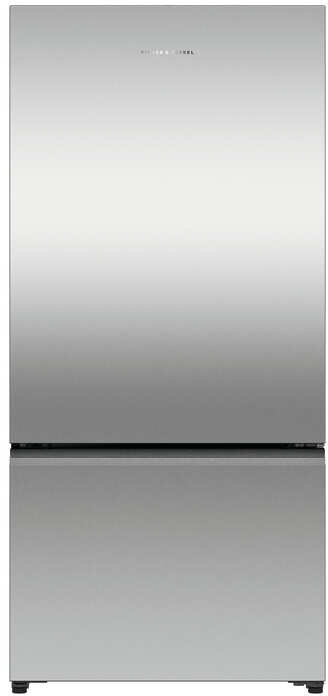
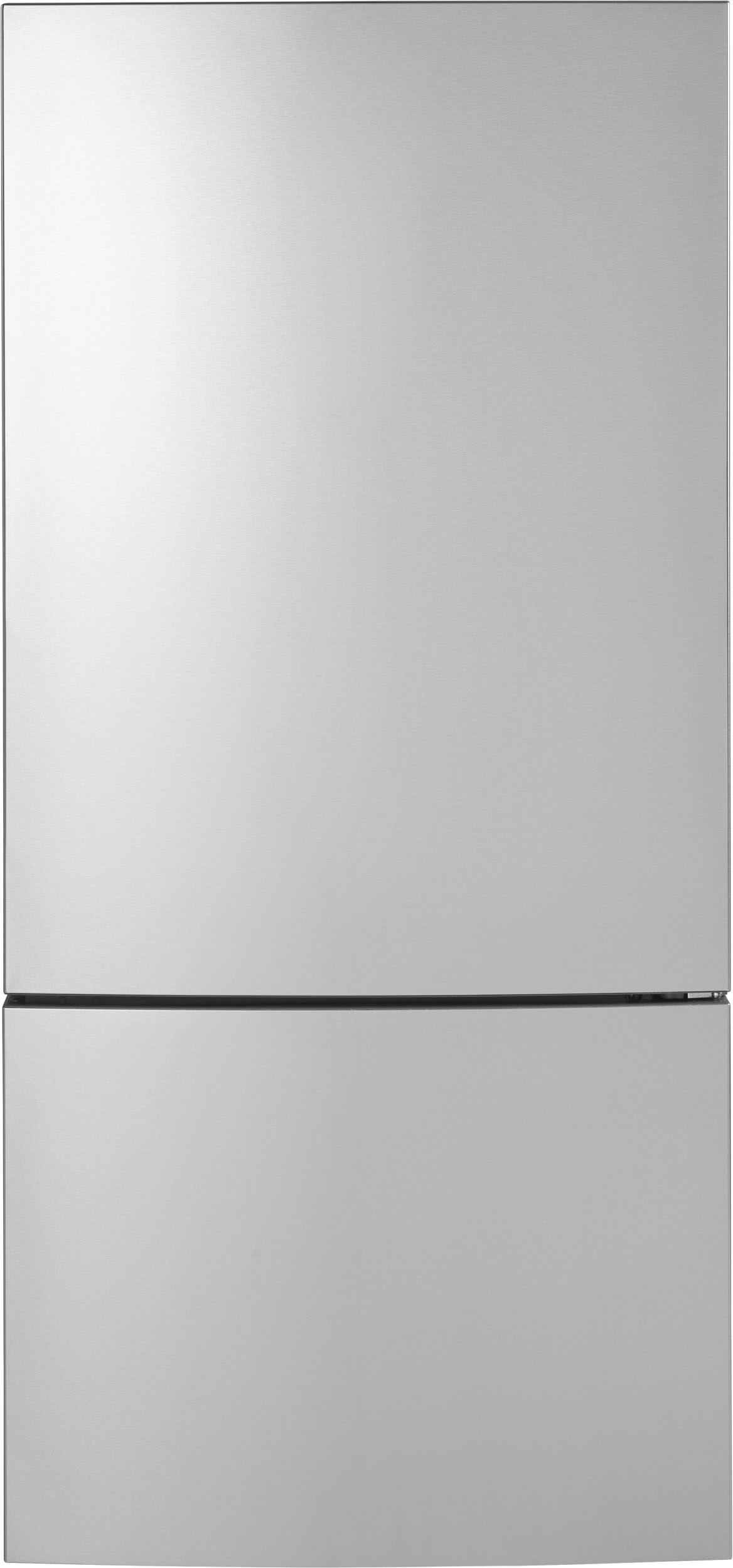
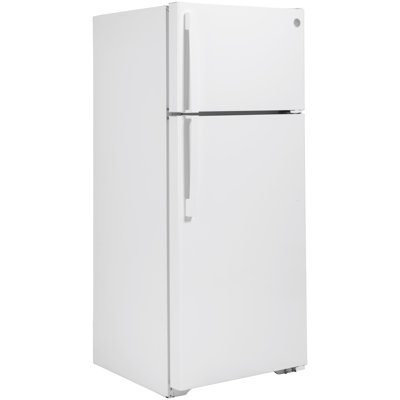
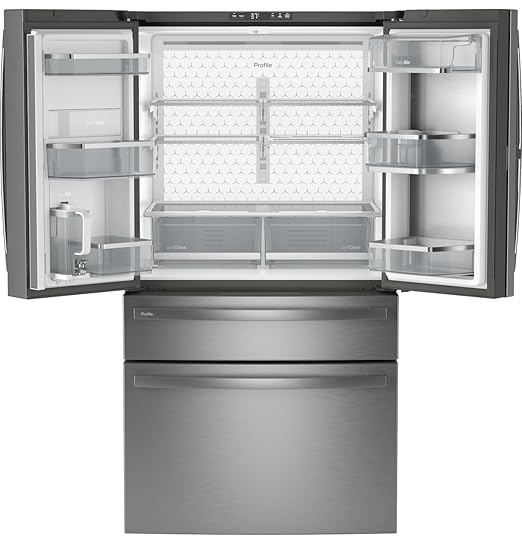
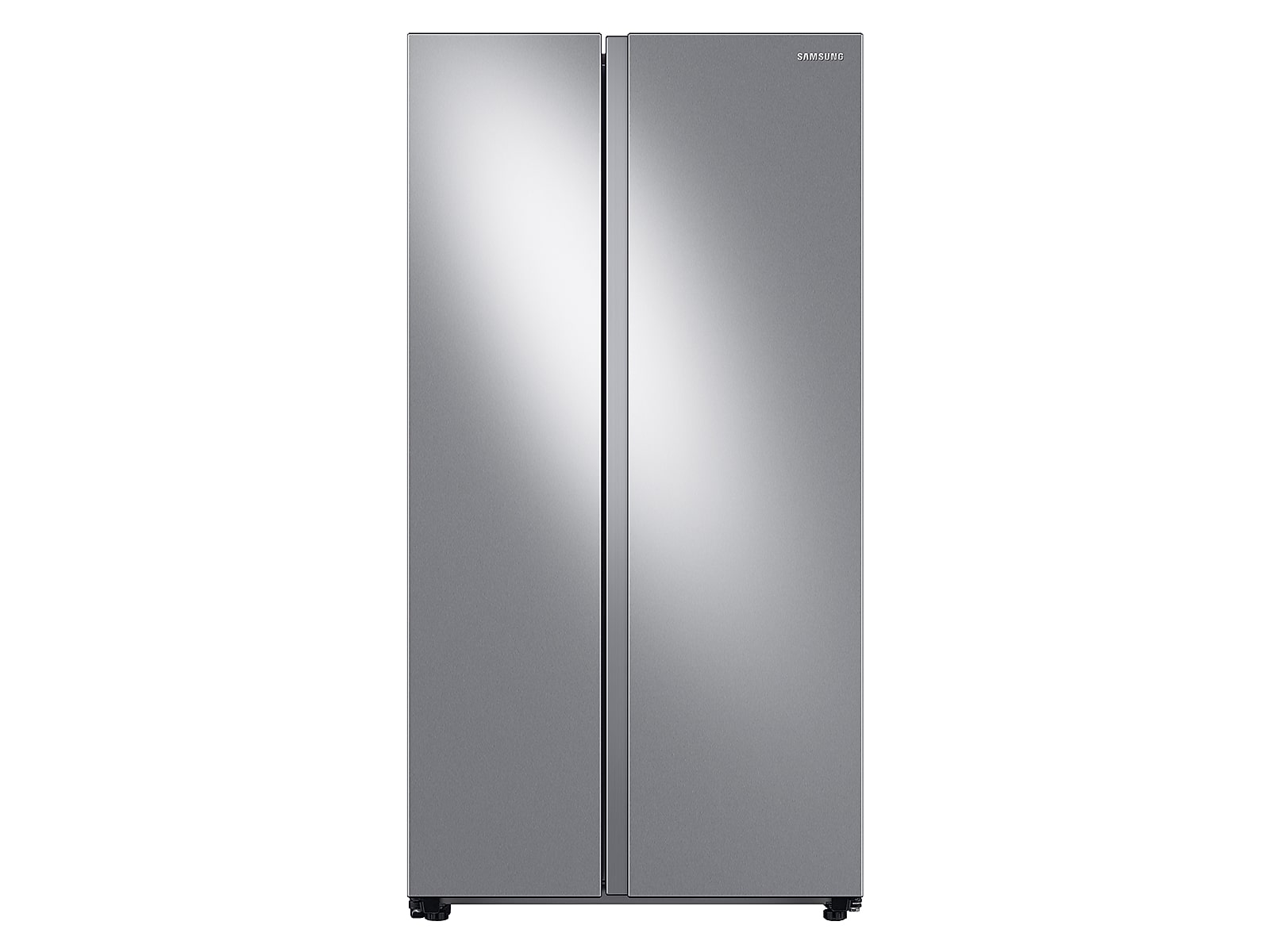
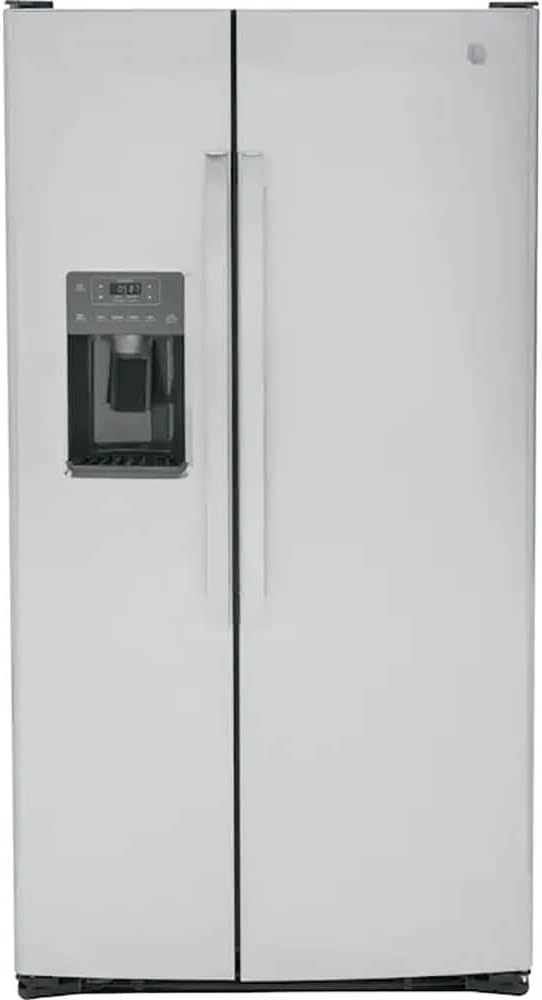
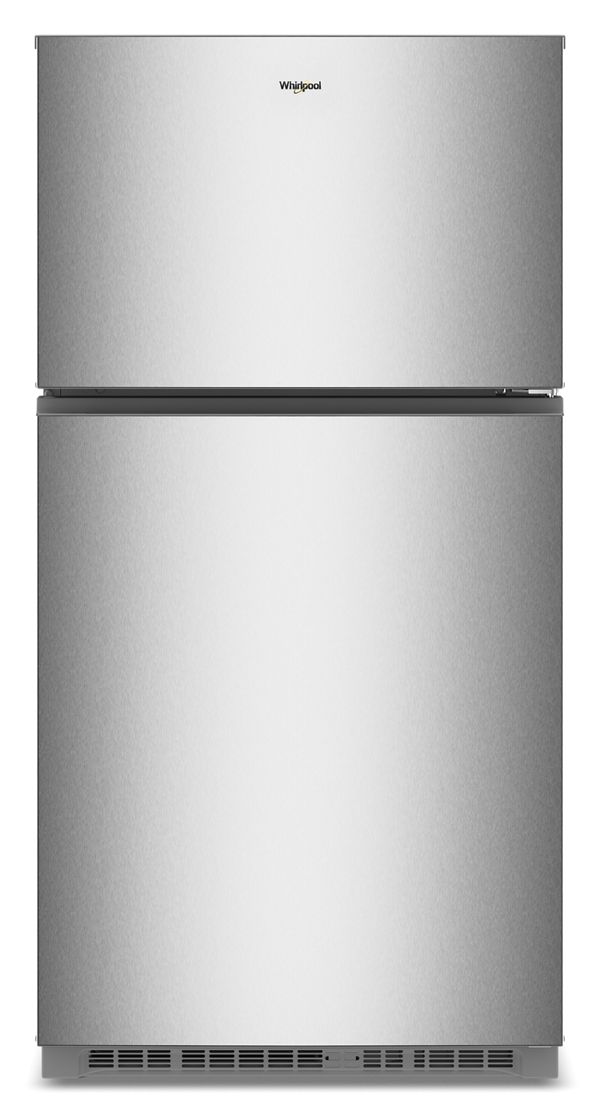
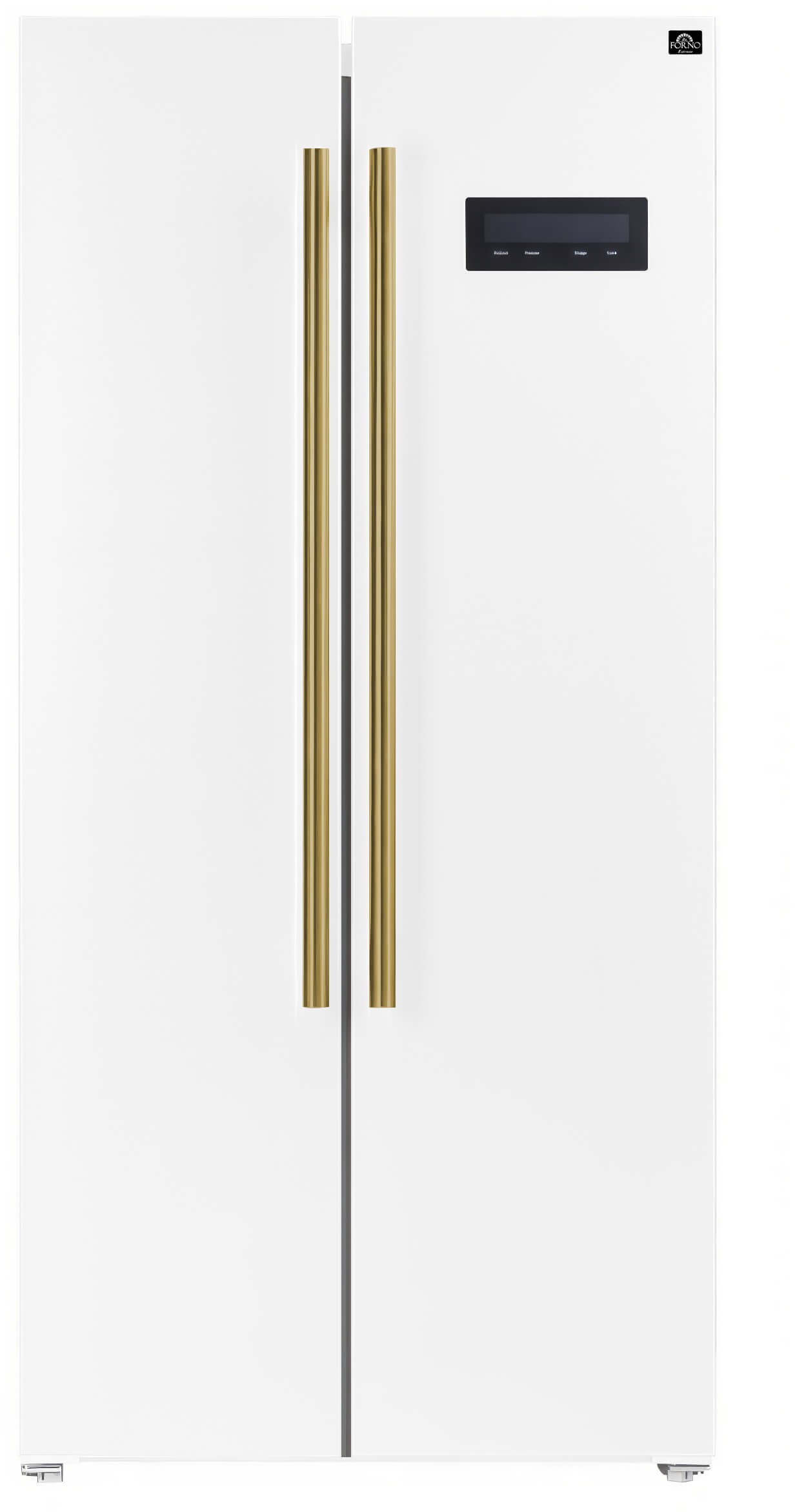
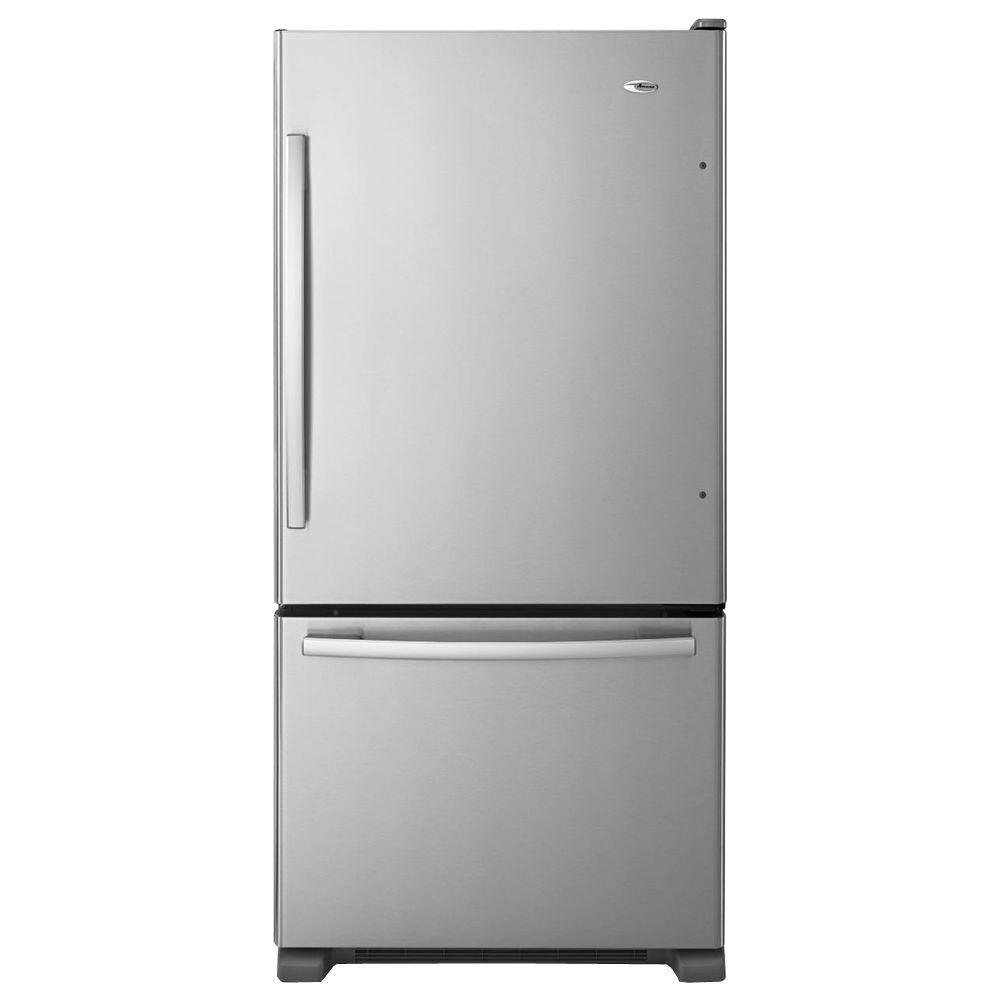
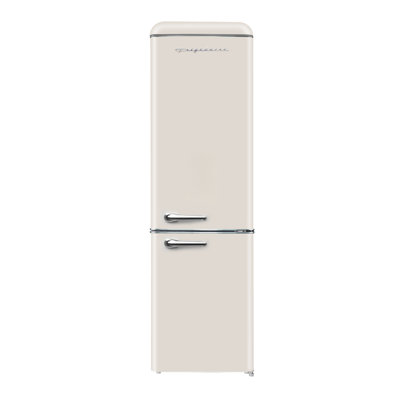
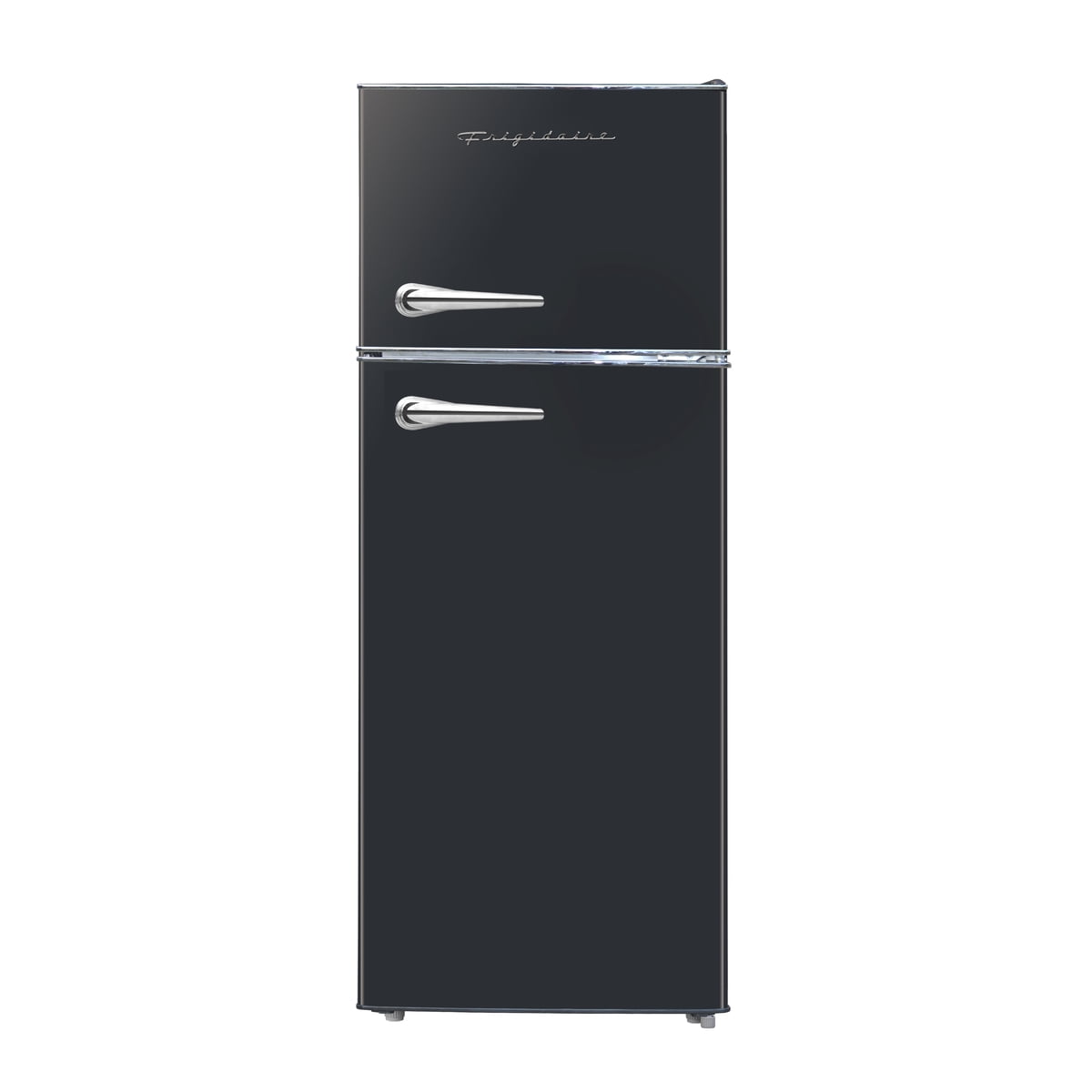
When you're checking out a fridge's height, you're usually looking anywhere from 66 to 72 inches.
A fridge's depth is usually around 24 to 30 inches.
Picking the right one can feel like choosing a new best friend—it's got to fit your lifestyle and blend into the kitchen like it was always meant to be there.
Temperature Settings: Play fridge DJ and keep those temperature knobs rockin’ at 35-38°F.
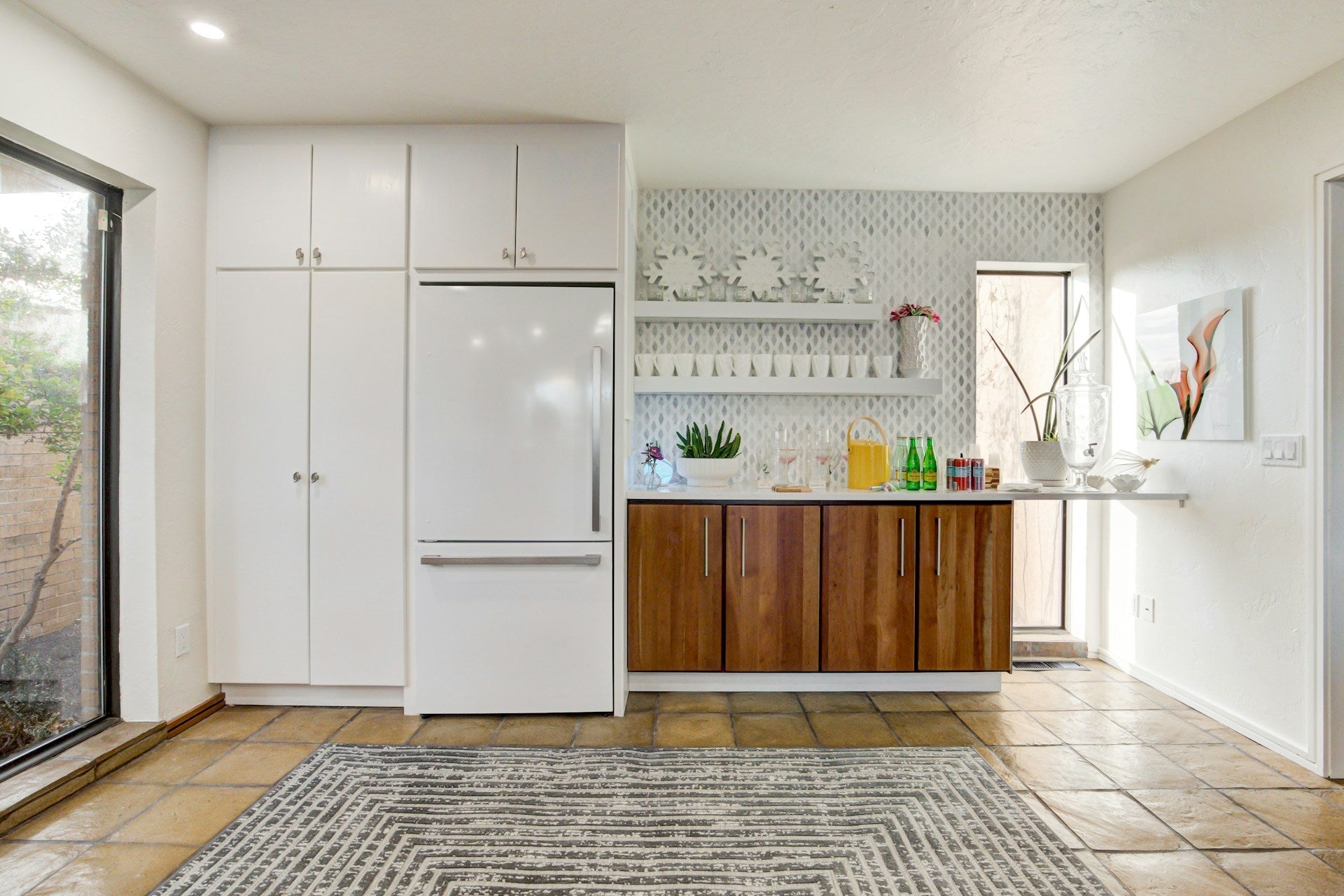
Picking out the perfect fit for your built-in fridge is like finding the right pair of jeans; it needs to slide into your kitchen just right and still hold everything you throw its way. Nailing those measurements from the get-go is all about dodging hassles once it's parked in your space.
Why Getting the Size Right Really Matters
Size ain't just a number! It shapes how your fridge works and looks in your kitchen hideout. A fridge that's just right keeps your goodies without turning your kitchen into a maze. Pick one too big, and you're sidestepping it all day. Too small? You're playing Tetris with groceries after every shopping trip.
Dimension
Why It Matters
Width
Dictates leftover kitchen space
Height
Needs to nestle under cabinets
Depth
For that sleek, even look with counters
What to Think About Before Snagging Your Fridge
Before you take the plunge, keep these points front and center:
Kitchen Space: Check out the real estate you've got to work with in the kitchen. Be the tape-measuring guru; make sure that spot is the Goldilocks zone—not too tight, not too roomy.
Storage Needs: Be honest about how much stuff you cram in there. Big families or chefs-in-the-making probably need more shelf space than singles or people who live off takeout.
Looks Count: Built-ins come in all sorts of snazzy styles. Pick something that won't clash with your kitchen’s fashion sense—it's all about harmony.
Breathing Room: Fridges need a little space to breathe. If they can't, they'll huff and puff and break down, which is a total buzzkill.
Energy Savvy: Saving a buck? Go for energy-efficient models that keep your bills low and do Mother Earth a favor while they're at it.
To nail your installation and make sure your kitchen flow stays smooth, get your hands on Fridge.com insider scoop with its article on optimal fridge placement. Spotting the right size and specs will have you choosing a fridge that’s a proud member of your household crew.
Picking a built-in fridge means you'll need to know its size–you want it fitting snugly in your kitchen, right? Here's what to look out for when eyeballing those dimensions.
Width
Built-in fridges come in widths that can make or break your kitchen setup. They generally fall between 30 and 48 inches, offering you space management and easy grub-gettin’.
Width Range (inches)
How It's Used
30 - 33
Smaller fam groups
36
Your everyday family
42
Big families or culinary wizards
48
Pro-grade kitchens
Height
When you're checking out a fridge's height, you're usually looking anywhere from 66 to 72 inches. It’s all about keeping that classy cabinet line-up.
Height Range (inches)
Who's Using It
66 - 68
Standard family gigs
70 - 72
For extra members or foodies
75
Premium or custom builds
Depth
A fridge's depth is usually around 24 to 30 inches. Paying attention to depth means your fridge won’t be awkwardly sticking out from your cabinets.
Depth Range (inches)
What's It For
24 - 27
Sleek-looking designs
28 - 30
Regular-sized setups
But hey, knowing dimensions is just a starting block. For more on making your kitchen masterpiece, like installing your fridge right, have a look at our handy kegerator installation guide. Remember, measure twice, buy once–make sure you jot down that kitchen space before clicking "add to cart."
When you’re hunting for that perfect built-in fridge, think about how you can tweak it to fit your daily grind and that Tetris-like kitchen area of yours. Built-in fridges with a nudge here or a tweak there make all the difference, along with having the tape measure on hand to get it just right.
Built-In Refrigerators with Adjustable Dimensions
Some of these cool appliances come with a bit of wiggle room—dimensions can shift to suit your kitchen's vibe. They might sport neat tricks like shelves that pop out or shift around for max flexibility. Let’s check out some options below:
Refrigerator Type
Adjustable Width (inches)
Adjustable Height (inches)
Adjustable Depth (inches)
Standard Built-In
30 - 36
68 - 72
24 - 30
Compact Built-In
24 - 30
60 - 66
24 - 26
Professional Style Built-In
36 - 48
70 - 75
30 - 34
Weigh up the big picture: think about your kitchen’s shape and style. You want your fridge to strut in without tripping over other gadgets—not just for looks but for making your kitchen life smoother.
How to Measure Your Space for a Built-In Refrigerator
Getting those measurements spot-on means your fridge fits like a glove. Here’s how to dodge any mishaps with a trusty measuring tape:
Measure the Width: Check the gap between those kitchen walls or cabinets where your fridge will hang out.
Measure the Height: Run that tape from the floor up to the bottom of any overhead cupboards, giving enough headroom.
Measure the Depth: Go from the wall to the edge of your cabinets, watch out for pesky bits and pieces sticking out.
Consider Clearances: Leave some breathing room around the fridge for airflow. Peek at what the manufacturer says about spacing.
A quick recap for the road:
Measurement Type
How to Measure
Width
Between walls or cabinets
Height
From floor to cabinetry top
Depth
From wall to cabinetry front
Clearance
Extra space around the refrigerator for ventilation
Getting these measurements right the first time keeps you from a headache when it’s install day. For more nifty hints on where your fridge should hang out, check Fridge.com piece on optimal fridge placement.
Armed with the right measurements and knowing exactly what you can tweak, you’ll snag a fridge that fits your crew’s demands.
So you're in the market for a built-in refrigerator, huh? Picking the right one can feel like choosing a new best friend—it's got to fit your lifestyle and blend into the kitchen like it was always meant to be there. Let’s have a quick chat about the big three types: single door, French door, and side-by-side. Take a seat, grab a snack, and let's get into it.
Single Door Built-In Refrigerators
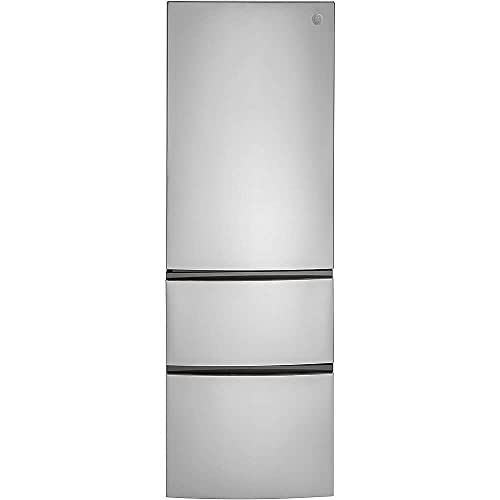
Ah, the single door fridge. It’s the no-nonsense type, classic and efficient. You open the door, there’s your food. What you see is what you get—nice, straightforward, easy on the eyes.
Feature
Measurement
Width
24 - 30 inches
Height
70 - 72 inches
Depth
24 - 30 inches
These are great if you’ve got a smaller kitchen or if you prioritize simplicity. Handy adjustable shelves and crisper drawers mean your veggies will be just as crisp on Saturday as they were on shopping day. Perfect for when you don’t need a ton of freezer space, and just want easy access to your everyday essentials.
French Door Built-In Refrigerators
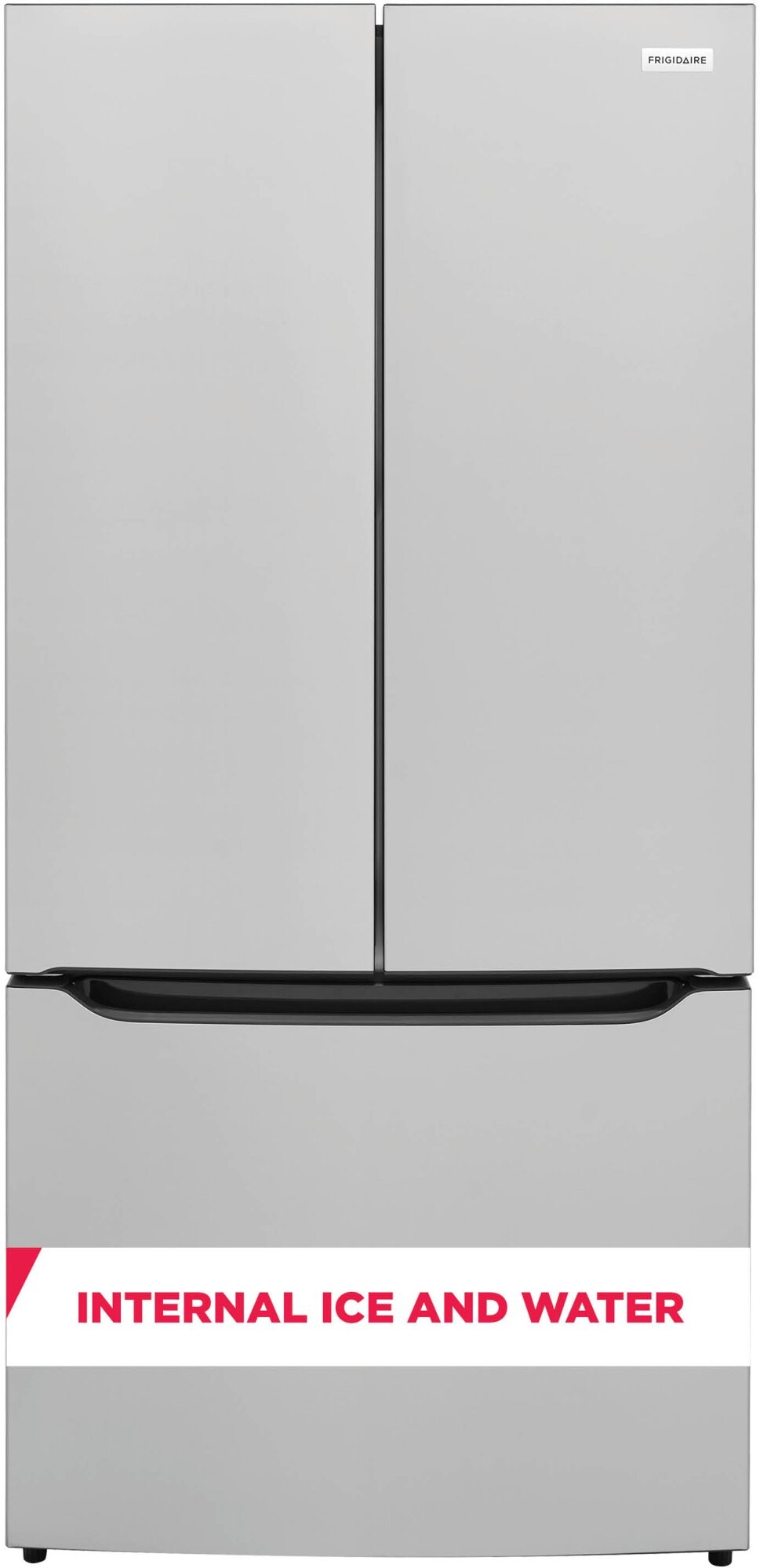
Now, if you're aiming for that chic look, the French door refrigerator is where it’s at. Imagine two doors swinging open like the gates to treasure—your yummy treasure. With the freezer conveniently below, it keeps your fridge contents at eye level, making rummaging for snacks a breeze.
Feature
Measurement
Width
30 - 36 inches
Height
68 - 72 inches
Depth
28 - 34 inches
These beauties often sport water and ice dispensers, perfect for impressing the in-laws or just keeping your cool with an icy drink. These massive fridges are a go-to for larger families or party hosts extraordinaire. If you're curious, find out more about turning fridge space into a masterpiece over at comparing fridge storage capacity.
Side-by-Side Built-In Refrigerators
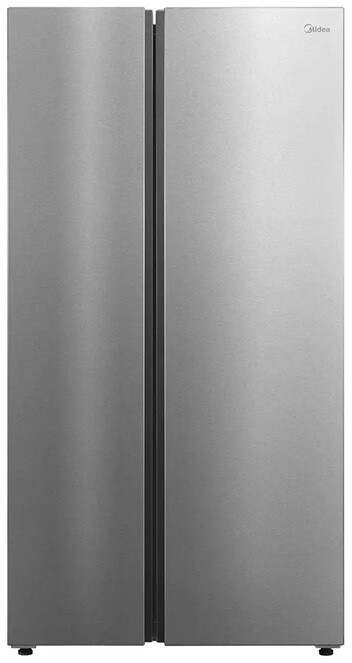
Side-by-side configurations, like minimalist artwork, divide fresh and frozen foods into neat vertical lines. You’ve got your frozen peas on one side, your fresh kale on the other. No bending, no reaching—just easy-peasy access.
Feature
Measurement
Width
30 - 36 inches
Height
66 - 72 inches
Depth
28 - 34 inches
These are the sort you'd want if you’re a home chef juggling recipes that use frozen raspberries alongside fresh basil. Door-in-door options make grabbing a quick snack feel fancy without busting your back or knees.
Picking the right fridge isn't just about keeping your milk cold—it's about matching your kitchen vibe and cooking habits. If you’re also swapping out your kegerator, peek at Fridge.com installation tips for your kegerator for a smooth transition. So, which one's calling your name?
Utilizing Space Efficiently
Let's be real, making the most of your built-in fridge can feel like a Tetris game. When you've got one shot to nail it, here’s a few tricks to keep your cool.
Maximizing Storage Capacity
If you're trying to squeeze every last cucumber in there, keep these tips in mind:
Adjustable Shelves: Get yourself a fridge with adjustable shelves. Move 'em up, down, sideways—whatever tickles your pickle—to fit those hefty pitchers or mega tubs of mayo.
Pull-out Drawers: Got yourself some drawers on wheels? Perfect for stashing veggies or snacks and steering clear of that nasty food avalanche.
In-door Storage: Line up those sauce soldiers and condiment troops in the door shelves. Free up the main battlefield for the bigger troops like gallons of milk.
Organized Bins: Consider wrangling bins to corral like-minded foodstuffs together. Not only will it save your sanity in the daily hunt for ketchup, but it’ll also keep your fridge looking sharp.
Vertical Space: Stack stuff up like they’re playing pieces in a game. Tiered organizers are exactly what you need to turn empty air into storage gold.
Here’s a handy cheat sheet on fridge features:
Storage Feature
Description
Adjustable Shelves
Change shelf height to your heart’s content
Pull-out Drawers
Quick access and mess-free arrangement
In-door Storage
Clears main spots for bigger items
Organized Bins
Groups your goodies together easily
Vertical Solutions
Stack and layer to make the most of space
Organizational Features for Built-In Refrigerators
These days, built-in fridges come packed with clever gizmos to make life easier:
Crisper Drawers: Tweak the humidity to keep that lettuce leaf greener longer.
Deli Drawers: Perfect for keeping cheese and cold cuts nice and chill, so you don’t have to dig through icy depths.
Temperature-Controlled Zones: Specific sections for whatever needs special care, be it wine or watermelons.
LED Lighting: LEDs shine like a fridge spotlight, so you ain't squinting in the dark at midnight.
Smart Technology: Some models are riding the wave of the future with Wi-Fi, letting you manage from your phone like some sort of fridge-controlling wizard.
By putting all these goodies to work, you’ll make your fridge the kitchen MVP. For more on how to place it like a pro, check out Fridge.com article on optimal fridge placement. With the right setup, that fridge of yours will be a harmony of order and function.
And hey, every fridge is its own unique beast, so keep an eye on its quirks. Make sure those features fit your life, and pick out the one that’s just right. Happy fridge hunting!
So, you're the proud owner of a shiny new built-in refrigerator. Or maybe you're eyeing one as we speak! Either way, nailing the setup and keeping it in tip-top shape is the name of the game. Here’s the deal on how to get your fridge running awesome and keep it that way.
Proper Installation Guidelines
Setting up your built-in fridge right basically means smoother sailing later on. Here’s how to do it:
Measure Your Space: No one likes surprises—especially too-big-for-the-space kinda surprises. Double-check your kitchen real estate—width, height, depth—everything. Don't skip peeping our optimal fridge placement guide.
Ventilation: Your fridge's gotta breathe. Make sure it's got room for air to hustle around it.
Leveling: Nobody wants a teetering fridge. Bust out that leveling tool to make sure it’s flat, and the doors play nice by staying shut.
Water Connection: Doing the ice-maker or water-dispenser dance? Connect that water line real careful, like you're playing house-plumber of the year. Stick to the instructions like glue.
Installation Step
What It's About
Measure Space
Double-check dimensions; avoid head-scratching
Ventilation
Let the fridge be the breeze
Leveling
Keep it level, keep it quiet
Water Connection
Water lines are friends, not foes
Cleaning and Maintaining Your Built-In Refrigerator
Routine TLC doubles the life of your fridge. Follow these chill tips:
Clean the Coils: Coils get dusty. Dust is energy-sneaky. Clean 'em every half-year or so, and your fridge will thank you.
Check Door Seals: If you've got seals growing wild and dirty, it’s snack time for warm air. Inspect those seals monthly to keep things ice cool.
Interior Cleaning: A quick wipe with mild soap keeps smells away and spills in check. Plus, it’ll help you find that rogue carrot from last year.
Temperature Settings: Play fridge DJ and keep those temperature knobs rockin’ at 35-38°F. That's the sweet spot.