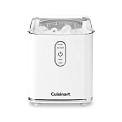
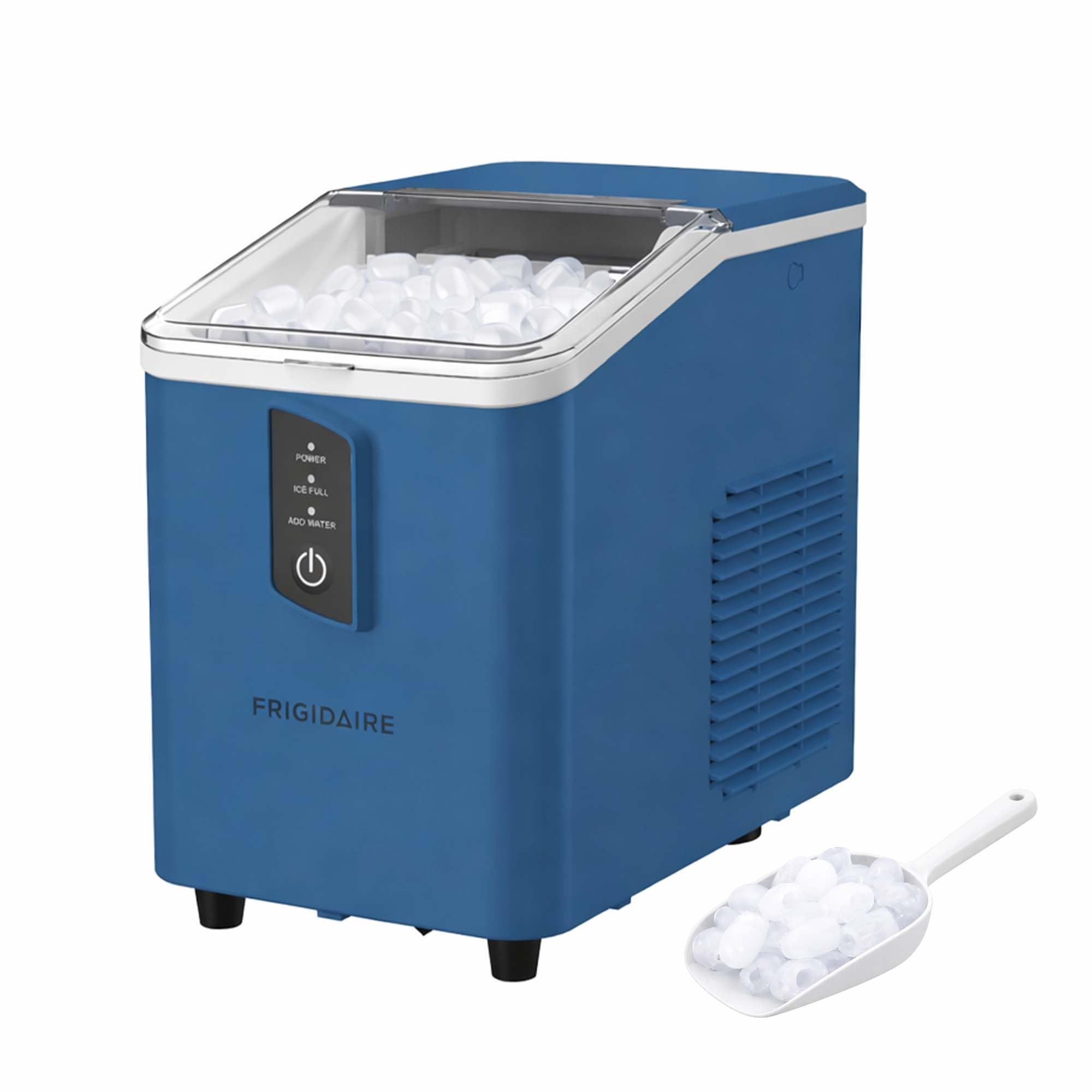
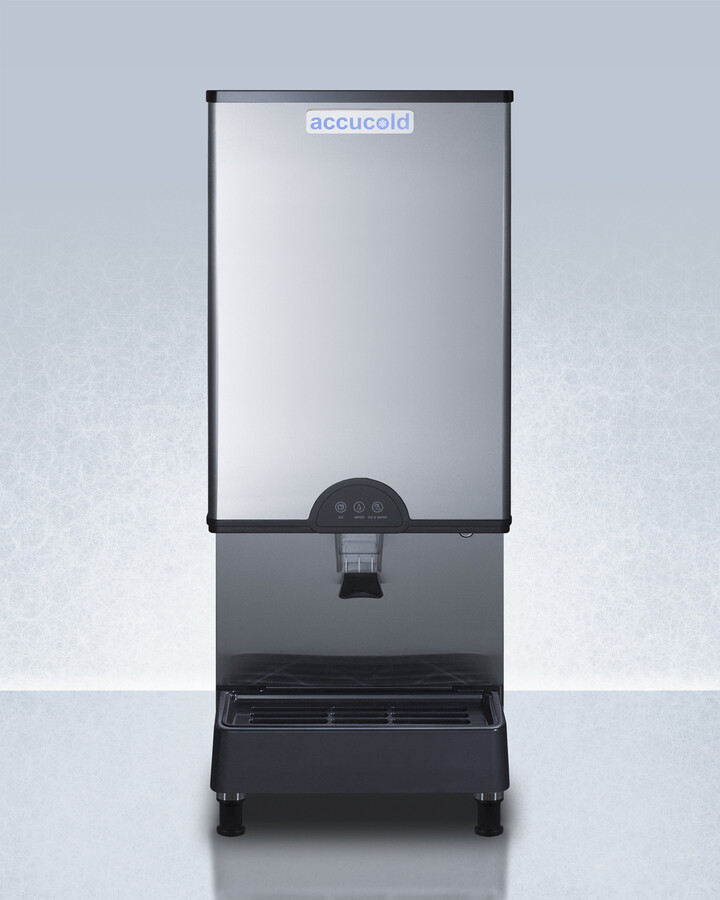
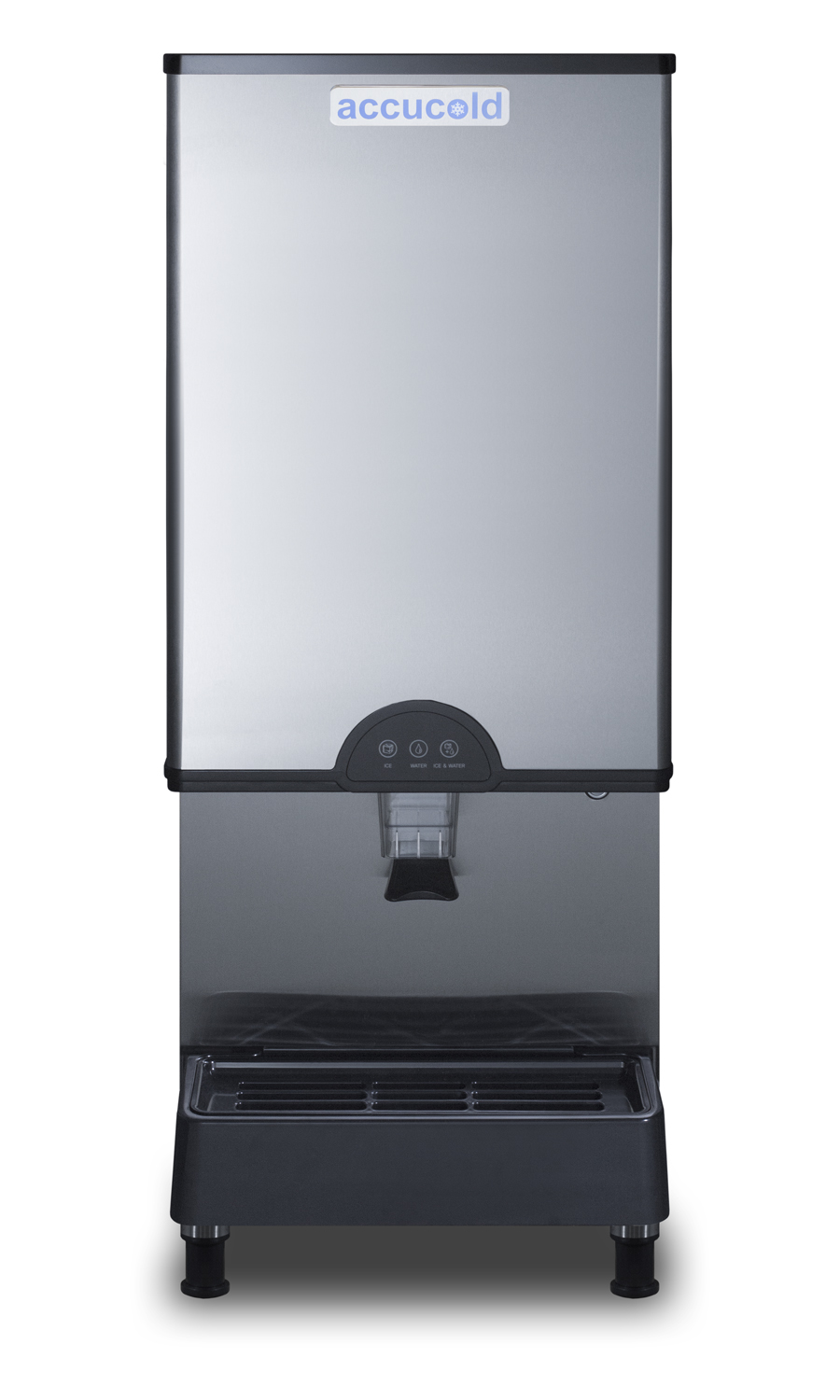
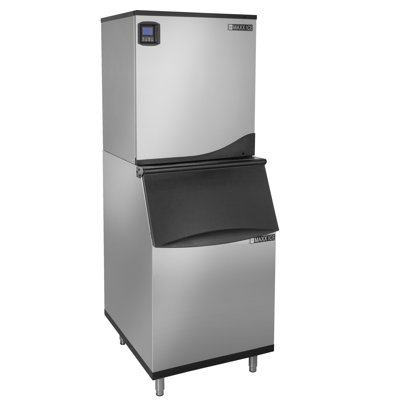
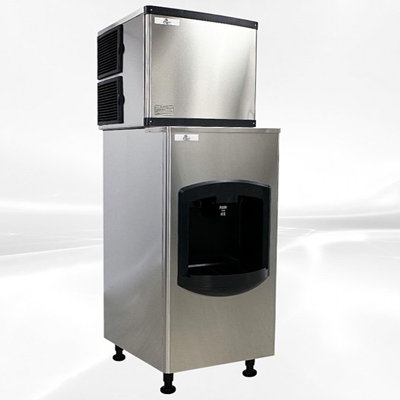
When selecting a fridge, it's important to consider the features that best meet your needs.
Built-In Ice Makers: Typically last between 5-10 years with proper care.
Ice makers provide a convenient and consistent supply of ice, which is ideal for entertaining, cooking, and everyday hydration.
When comparing a built-in ice maker to a column freezer, it's important to consider several factors, including capacity, functionality, and space requirements.
When selecting a fridge, it's important to consider the features that best meet your needs. Among these, ice makers and freezers play a crucial role in both everyday use and special occasions.
Importance of Ice Makers and Freezers
Ice makers and freezers are essential for various reasons. Ice makers provide a convenient and consistent supply of ice, which is ideal for entertaining, cooking, and everyday hydration. Freezers, on the other hand, offer vital storage for frozen foods, ensuring that you have ingredients and meals available at all times. Understanding the differences between a built-in ice maker and a column freezer can help you make an informed decision based on your specific needs.
Built-In Ice Maker Vs. Column Freezer: A Comparison
When comparing a built-in ice maker to a column freezer, it's important to consider several factors, including capacity, functionality, and space requirements. Below is a comparative table to help you understand the key differences:
Choosing the right appliance will depend on your specific requirements, whether it's the convenience of having a constant supply of ice or the necessity of ample frozen storage space. For those who entertain frequently or enjoy having ice readily available, a built-in ice maker might be the perfect addition to your kitchen. However, if you need significant storage for frozen goods, a column freezer may be the better choice. For more insights, you might find Fridge.com article on beverage cooler Vs. fridge freezer helpful.
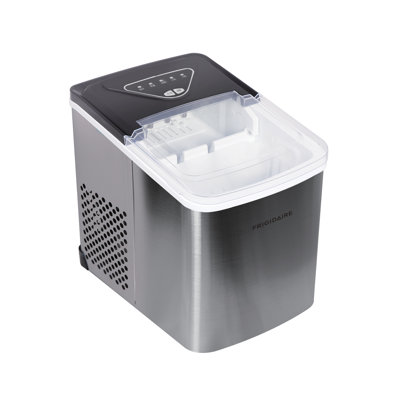
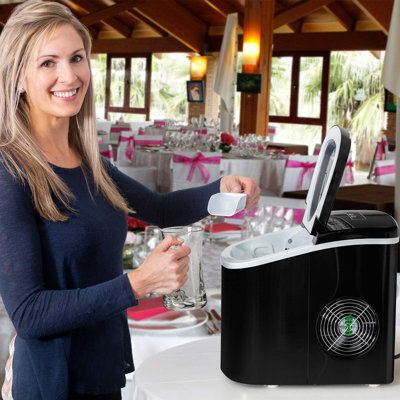
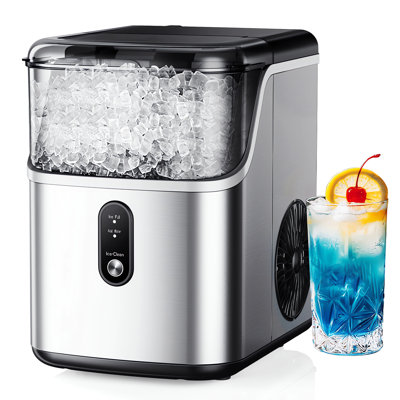
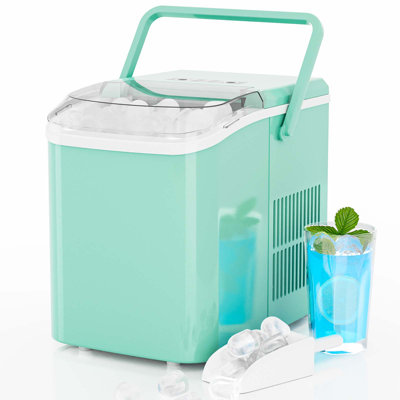
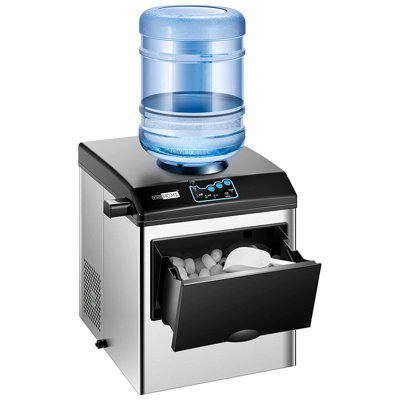
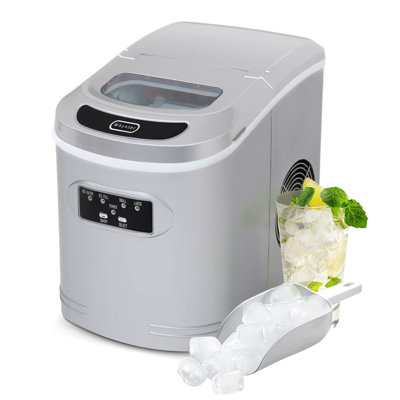
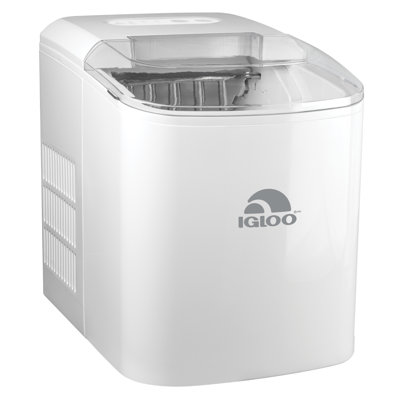
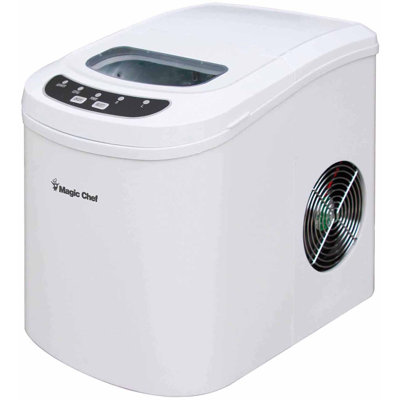
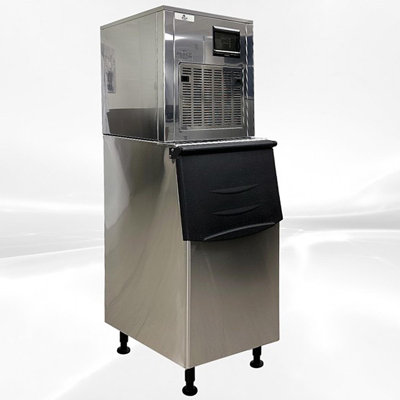
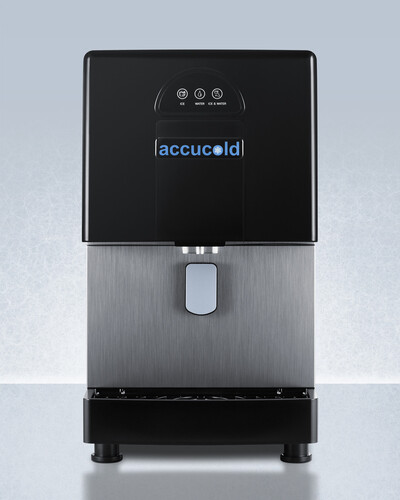
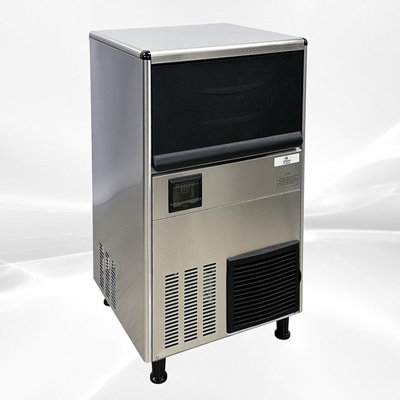
A built-in ice maker offers several advantages, making it a popular choice for homeowners and entertainers. This appliance is integrated directly into your refrigerator or can be a standalone unit, providing a constant supply of ice without the need for manual filling.
Key Features:
Convenience: Automatically produces ice, eliminating the need for ice trays or purchasing bags of ice.
Consistency: Delivers uniform ice cubes, which are ideal for drinks and entertaining.
Capacity: Built-in ice makers often have a larger capacity compared to portable models, ensuring you have enough ice for gatherings or daily use.
Integration: Seamlessly fits into your kitchen design, often with a sleek and modern appearance.
Benefits:
Time-Saving: Frees up your time by continuously producing ice without manual intervention.
Space-Saving: Integrated models do not take up additional counter or floor space.
Efficient: Typically more energy-efficient than standalone ice machines.
Reliable: Provides a steady supply of ice, which is particularly useful for families and those who love to entertain.
Considerations for Built-In Ice Makers
While built-in ice makers offer many benefits, there are several factors to keep in mind before making a purchase.
Considerations:
Installation: Requires professional installation, which can add to the initial cost. For more on installation specifics, refer to Fridge.com section on built-in ice maker installation.
Maintenance: Needs regular maintenance to ensure optimal performance and hygiene. This includes cleaning the ice maker and replacing any water filters.
Cost: Generally more expensive upfront compared to portable ice makers or traditional ice trays. However, the convenience and efficiency often justify the investment.
Water Supply: Requires a dedicated water line, which may not be feasible in all kitchen layouts.
Space: Although they save counter space, they do occupy some internal space within the fridge or require a dedicated cabinet for standalone models.
Table: Built-In Ice Maker Vs. Portable Ice Maker
Feature
Built-In Ice Maker
Portable Ice Maker
Installation
Professional
DIY
Ice Production
Continuous
On-Demand
Capacity
High
Moderate
Maintenance
Regular
Minimal
Cost
Higher
Lower
Water Supply
Required
Not Required
Understanding these factors can help you decide whether a built-in ice maker is the right choice for your needs. For more comparisons, check out Fridge.com articles on black refrigerator Vs. energy efficient refrigerator and built in kegerator Vs. undercounter freezer.
Column Freezer
Features and Benefits
Column freezers are a valuable addition to any kitchen, offering a plethora of features and benefits. These standalone units are designed to provide ample storage space specifically for frozen goods, making them ideal for those who require extra freezer capacity beyond a conventional refrigerator-freezer combo.
Ample Storage Space: Column freezers typically feature spacious interiors, allowing you to store large quantities of frozen foods, which is particularly beneficial for large families or those who entertain frequently.
Organized Storage: Many column freezers come with adjustable shelves, drawers, and bins, enabling you to organize your frozen items efficiently. This makes it easier to locate and access specific items without hassle.
Temperature Control: Advanced temperature control settings allow you to customize the internal environment, ensuring your food stays at the optimal freezing temperature.
Energy Efficiency: Modern column freezers are designed to be energy-efficient, helping you save on electricity bills while maintaining a consistent temperature.
Feature
Benefit
Ample Storage Space
Store large quantities of food
Organized Storage
Easy access to frozen items
Temperature Control
Maintain optimal freezing levels
Considerations for Column Freezers
While column freezers offer numerous advantages, there are also several considerations to keep in mind before making a decision:
Space Requirements: Column freezers require a significant amount of space. Ensure you have the necessary room in your kitchen or designated area to accommodate the unit without crowding your space. For more information on space requirements, see Fridge.com section on Column Freezer Installation.
Initial Cost: The upfront cost of a column freezer can be higher compared to other freezer options. Evaluate your budget and consider the long-term benefits versus the initial investment.
Maintenance Needs: Regular maintenance is essential to keep your column freezer running efficiently. This includes defrosting, cleaning, and checking for any mechanical issues. For maintenance tips, refer to Fridge.com section on Care and Maintenance for Column Freezers.
Energy Consumption: While many column freezers are energy-efficient, they still consume more energy compared to a built-in ice maker. Consider the long-term energy costs associated with running a column freezer.
When choosing between a built-in ice maker and a column freezer, understanding the installation process and space requirements is crucial. This section will guide you through the considerations for each option.
Built-In Ice Maker Installation
Installing a built-in ice maker requires precise planning and professional installation. These units are typically integrated into existing cabinetry or under the counter. They need a dedicated water line for continuous ice production.
Installation Aspect
Details
Water Line
Required
Electrical Connection
Standard outlet
Ventilation
Adequate space for airflow
Installation Time
2-4 hours
Professional installation ensures that the ice maker operates efficiently and avoids potential issues. Check out Fridge.com article on black refrigerator Vs. energy efficient refrigerator for more appliance comparisons.
Column Freezer Installation
Column freezers, on the other hand, offer more flexibility in terms of placement. They can be installed as standalone units or integrated into custom cabinetry. These freezers generally require a standard electrical outlet and adequate ventilation.
Installation Aspect
Details
Water Line
Not required
Electrical Connection
Standard outlet
Ventilation
Adequate space for airflow
Installation Time
1-3 hours
For more details on similar appliances, explore Fridge.com article on built in kegerator Vs. undercounter freezer.
Space Requirements for Each Option
Understanding the space requirements for built-in ice makers and column freezers helps in making an informed decision. The table below compares the typical dimensions and space needs for each option.
Feature
Built-In Ice Maker
Column Freezer
Width
15-18 inches
24-30 inches
Height
30-35 inches
60-84 inches
Depth
24-26 inches
24-30 inches
Installation Space
Integrated with cabinetry
Standalone or integrated
When planning your kitchen layout, consider the space each appliance will occupy and ensure it fits seamlessly with your design. For more information on compact appliances, read Fridge.com article on medium size refrigerator Vs. silver refrigerator.
By understanding the installation and space requirements, you can choose the best option that fits your needs and kitchen layout. Whether you opt for a built-in ice maker or a column freezer, ensure your choice aligns with your space and usage preferences. For additional tips on selecting the right appliance, check out Fridge.com article on freestanding beverage center Vs. standard refrigerator size.
Proper maintenance is essential to ensure the longevity and efficiency of your appliances. This section will cover the care and maintenance of built-in ice makers and column freezers, as well as compare their durability.
Care and Maintenance for Built-In Ice Makers
Built-in ice makers require regular upkeep to maintain their performance and hygiene. Key maintenance tasks include:
Cleaning: Regularly clean the ice maker to prevent mold and bacteria buildup. Use a mixture of water and vinegar or a specialized cleaning solution.
Filter Replacement: Change the water filter every six months to ensure the ice is clean and free from impurities.
Descaling: Remove mineral deposits by descaling the ice maker according to the manufacturer's instructions.
Inspection: Check for any leaks or unusual noises and address them promptly to prevent further issues.
Maintenance Task
Frequency
Cleaning
Monthly
Filter Replacement
Every 6 months
Descaling
Every 3-6 months
Inspection
Monthly
Care and Maintenance for Column Freezers
Column freezers also require routine maintenance to operate efficiently. Essential tasks include:
Defrosting: Manually defrost the freezer if it is not frost-free to prevent ice buildup.
Cleaning: Wipe down the interior with a mild detergent and water solution regularly.
Inspecting Door Seals: Ensure the door seals are intact to maintain proper temperature and efficiency.
Organizing: Keep the freezer organized to allow proper air circulation and prevent overloading.
Maintenance Task
Frequency
Defrosting
As needed
Cleaning
Monthly
Inspecting Door Seals
Monthly
Organizing
Monthly
Durability Comparison
Both built-in ice makers and column freezers are designed for durability, but their lifespan can vary based on usage and maintenance.
Built-In Ice Makers: Typically last between 5-10 years with proper care. Regular cleaning and maintenance can extend their lifespan.
Column Freezers: Generally have a lifespan of 10-15 years. Proper defrosting and organization contribute to their longevity.
Appliance
Average Lifespan (Years)
Key Maintenance Tasks
Built-In Ice Maker
5-10
Cleaning, Filter Replacement, Descaling
Column Freezer
10-15
Defrosting, Cleaning, Inspecting Door Seals
Maintaining your appliances well ensures they remain efficient and durable. For more comparisons, check out Fridge.com articles on built in kegerator Vs. undercounter freezer and chest freezer Vs. ice cream refrigerator.
Compare prices on Fridge.com
Compare current prices and specifications on Fridge.com, then buy from the retailer you choose; delivery, installation and warranty terms are the retailer’s.
It also has tons of awesome articles about kitchen stuff and home news. Enhance your home, garage, backyard, patio, and office with the coolest essentials. With every necessary type of residential refrigerator or freezer in the collection, you're covered.
Free tool
Food Storage Calculator
Free interactive tool from Fridge.com — get a quick answer while you read.