Understanding Built-In Freezers and French Door Refrigerators
When choosing between a built-in freezer and a French door refrigerator, it's essential to understand the distinct features each offers. Both appliances serve different purposes and cater to various needs.
Exploring the Features of Built-In Freezers
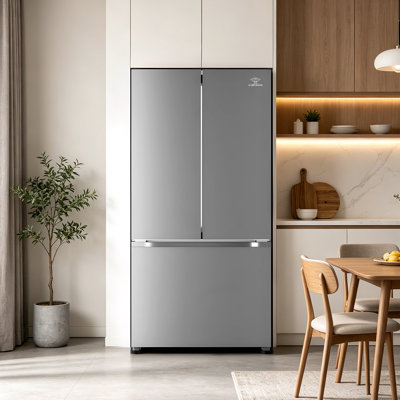
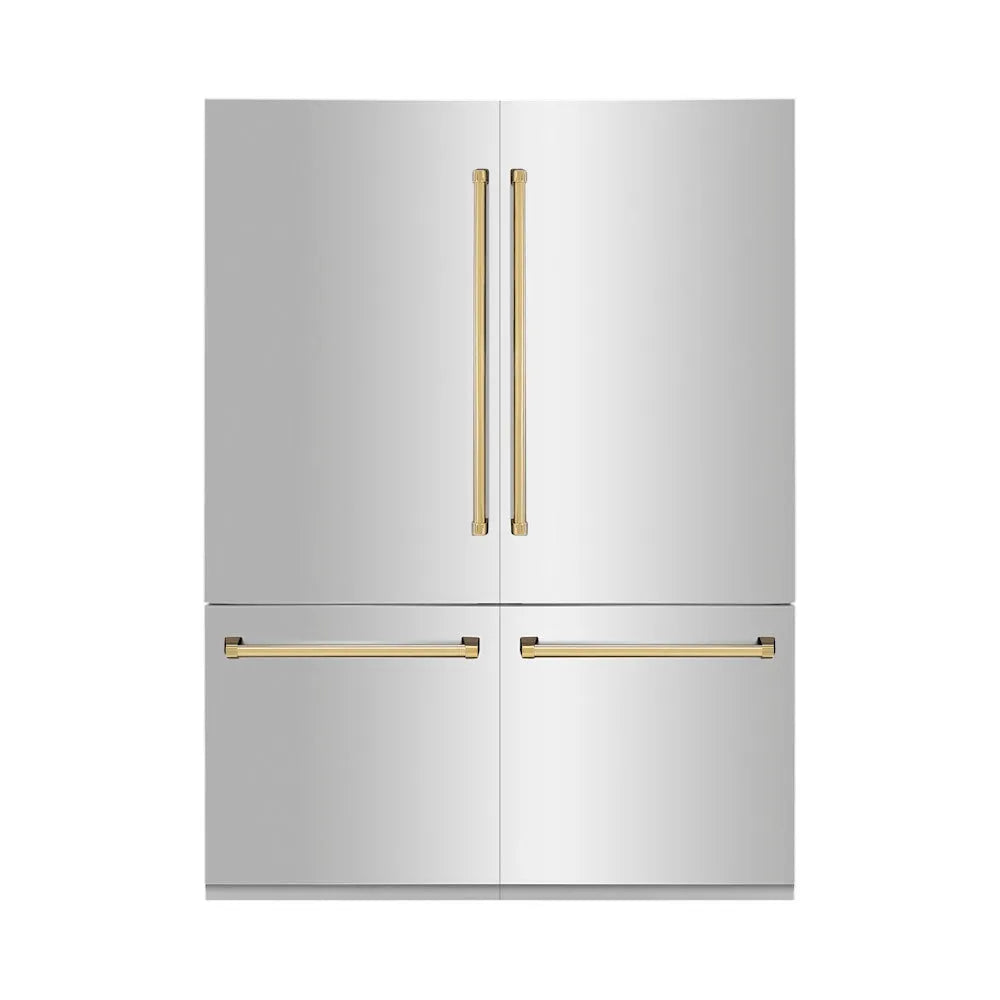
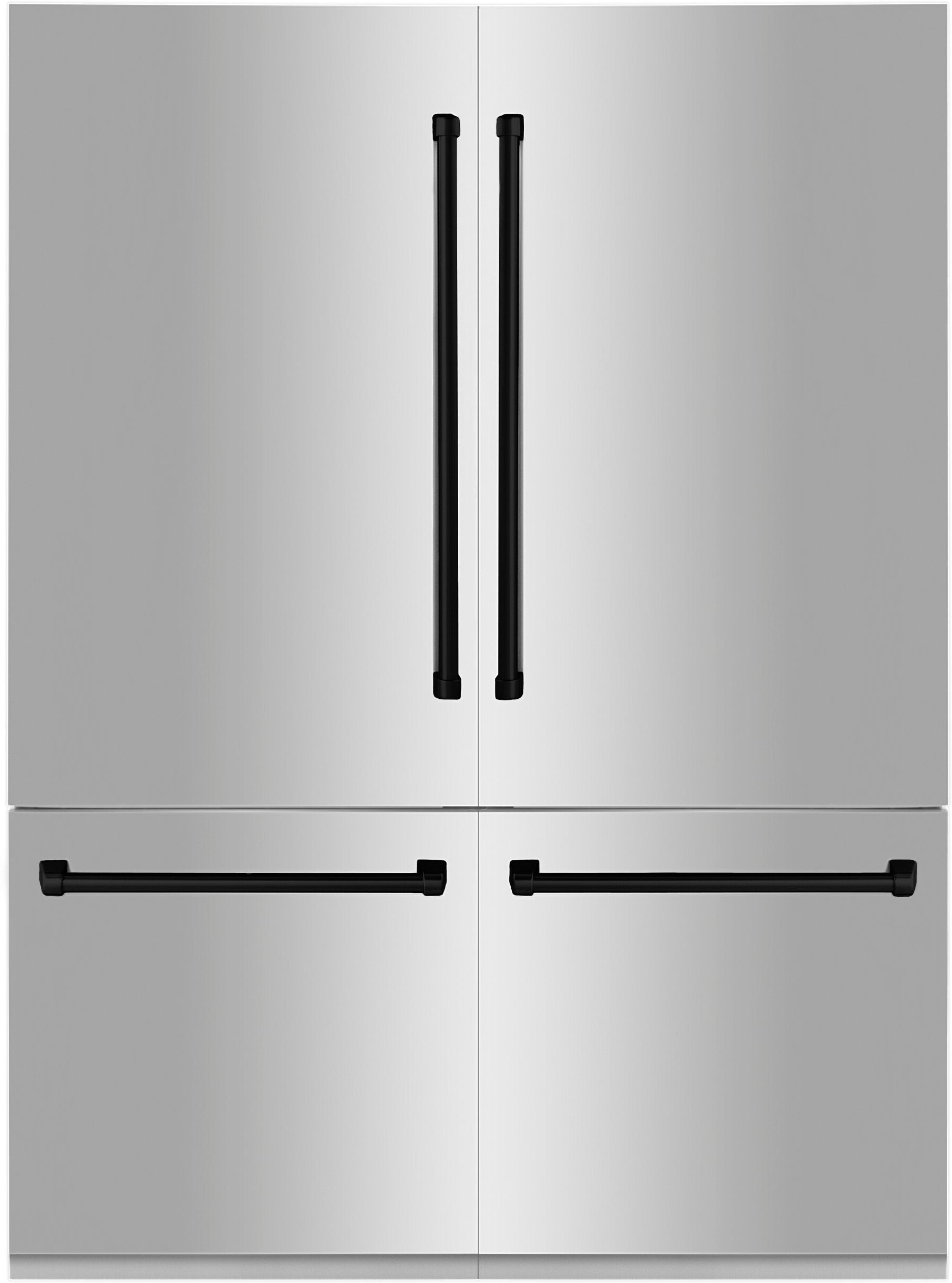
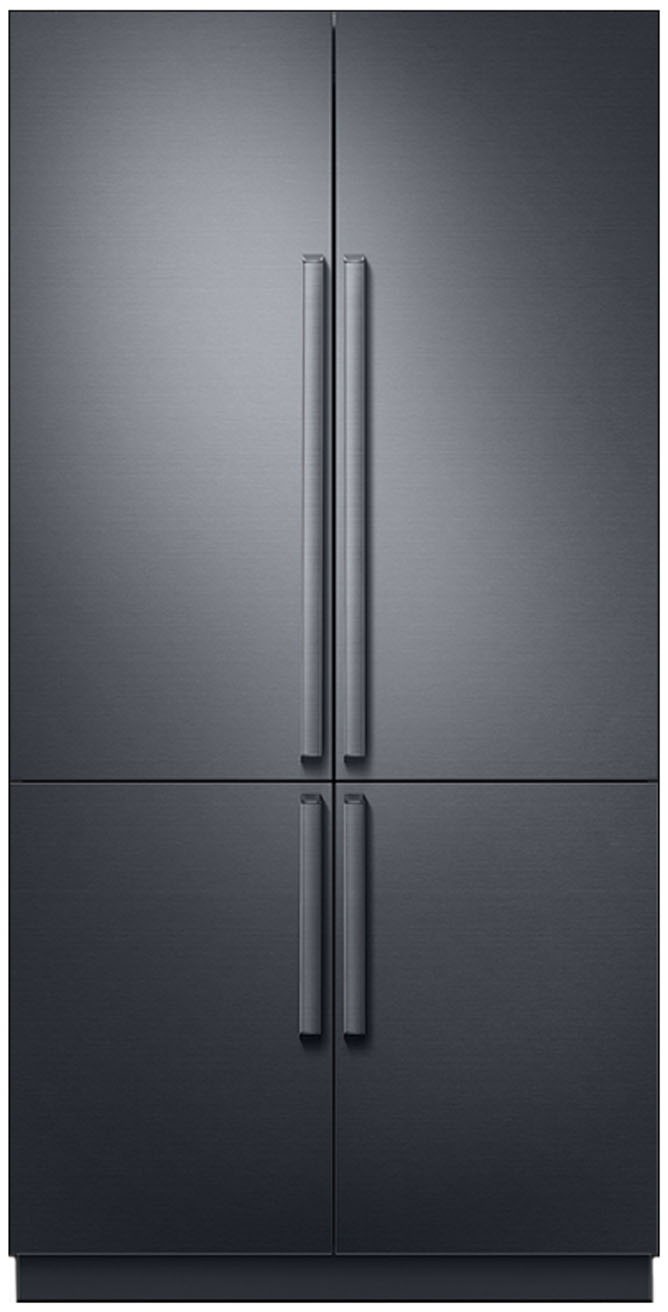
Built-in freezers are designed to seamlessly integrate into your kitchen cabinetry, providing a sleek and streamlined look. These freezers are ideal for those who require increased freezer storage without compromising on kitchen aesthetics.
Key Features:
Space Efficiency: Built-in freezers are designed to fit flush with your cabinets, saving valuable kitchen space.
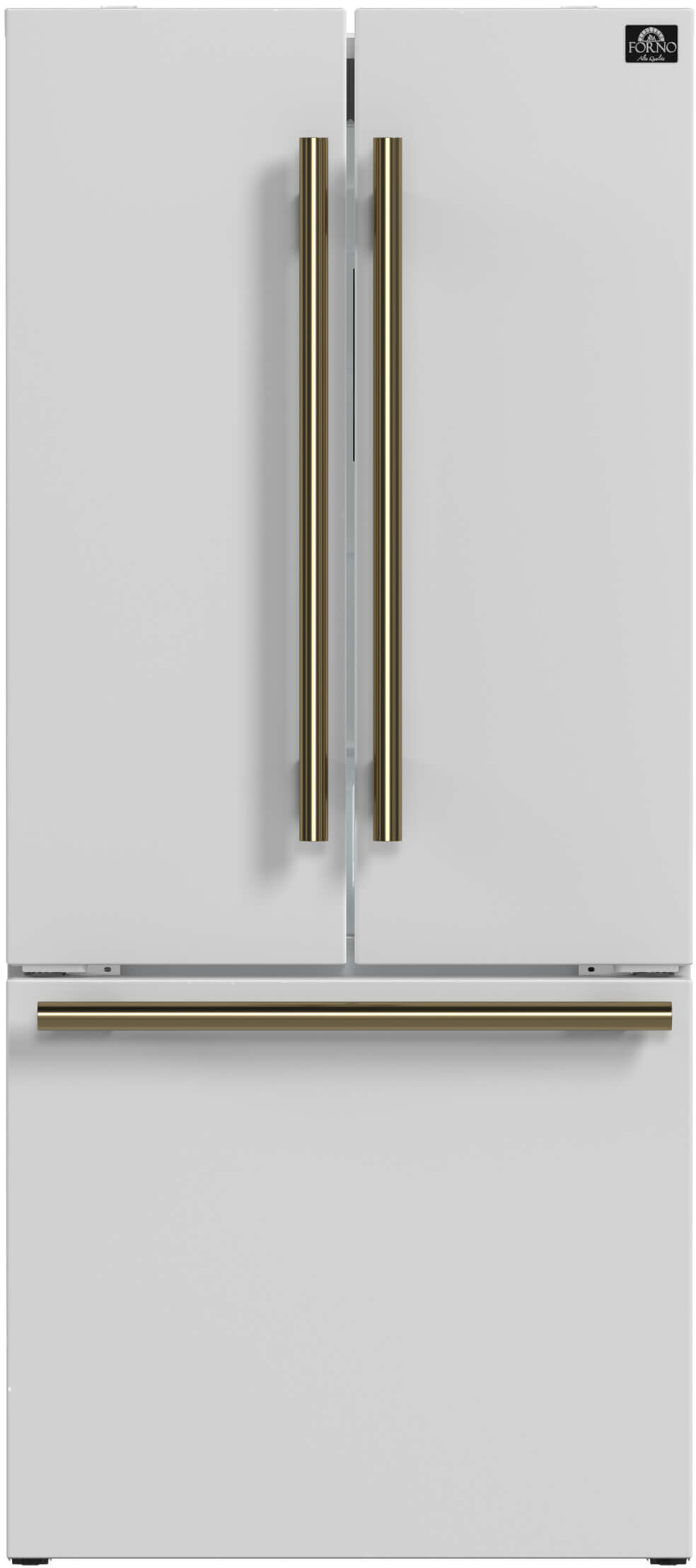
Customizable Panels: Many built-in freezers come with customizable door panels, allowing them to match your kitchen decor.
Temperature Control: Advanced temperature controls ensure optimal storage conditions for various types of food.
Storage Flexibility: Adjustable shelves and compartments offer versatile storage solutions.
Unveiling the Features of French Door Refrigerators
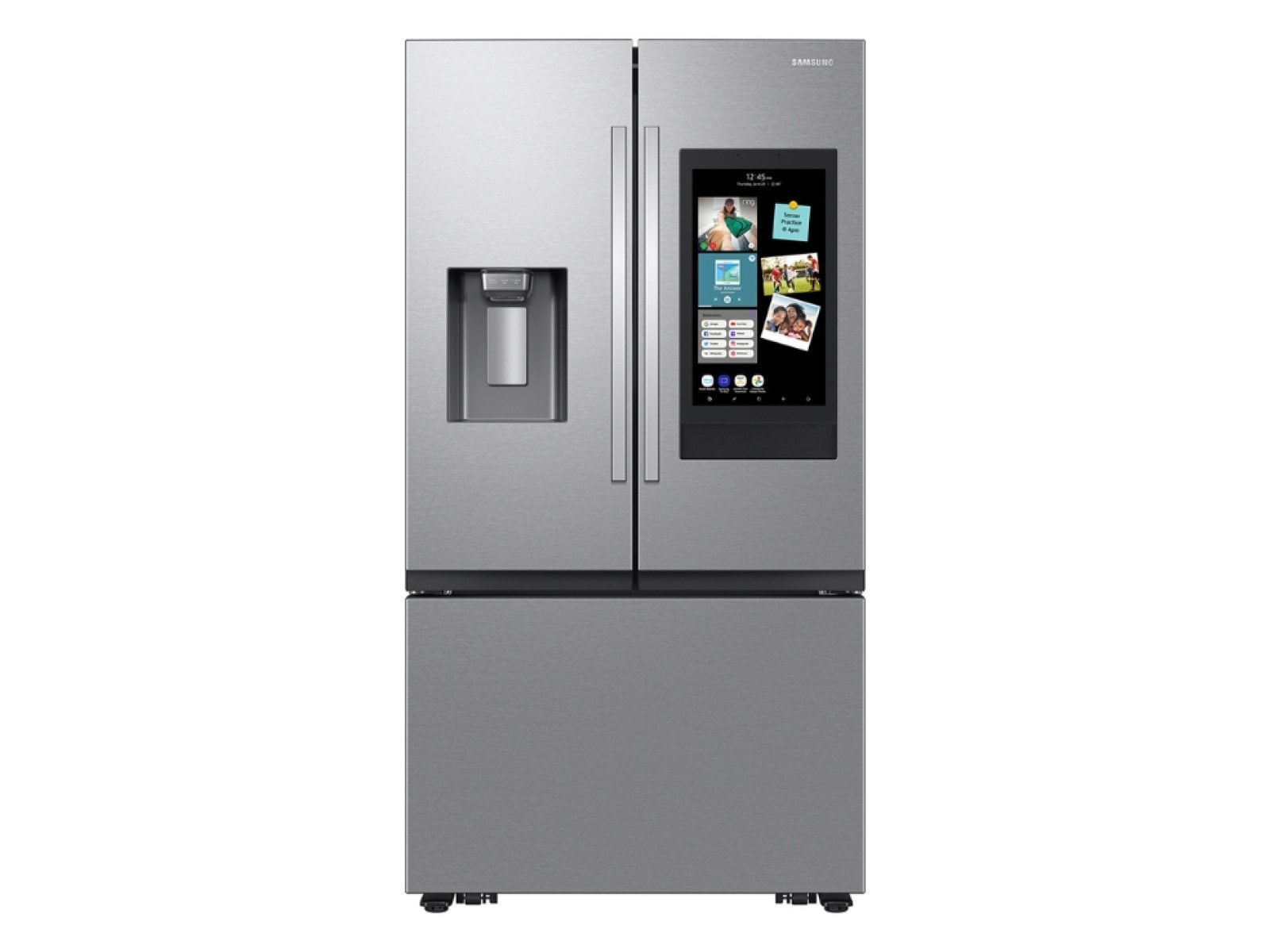
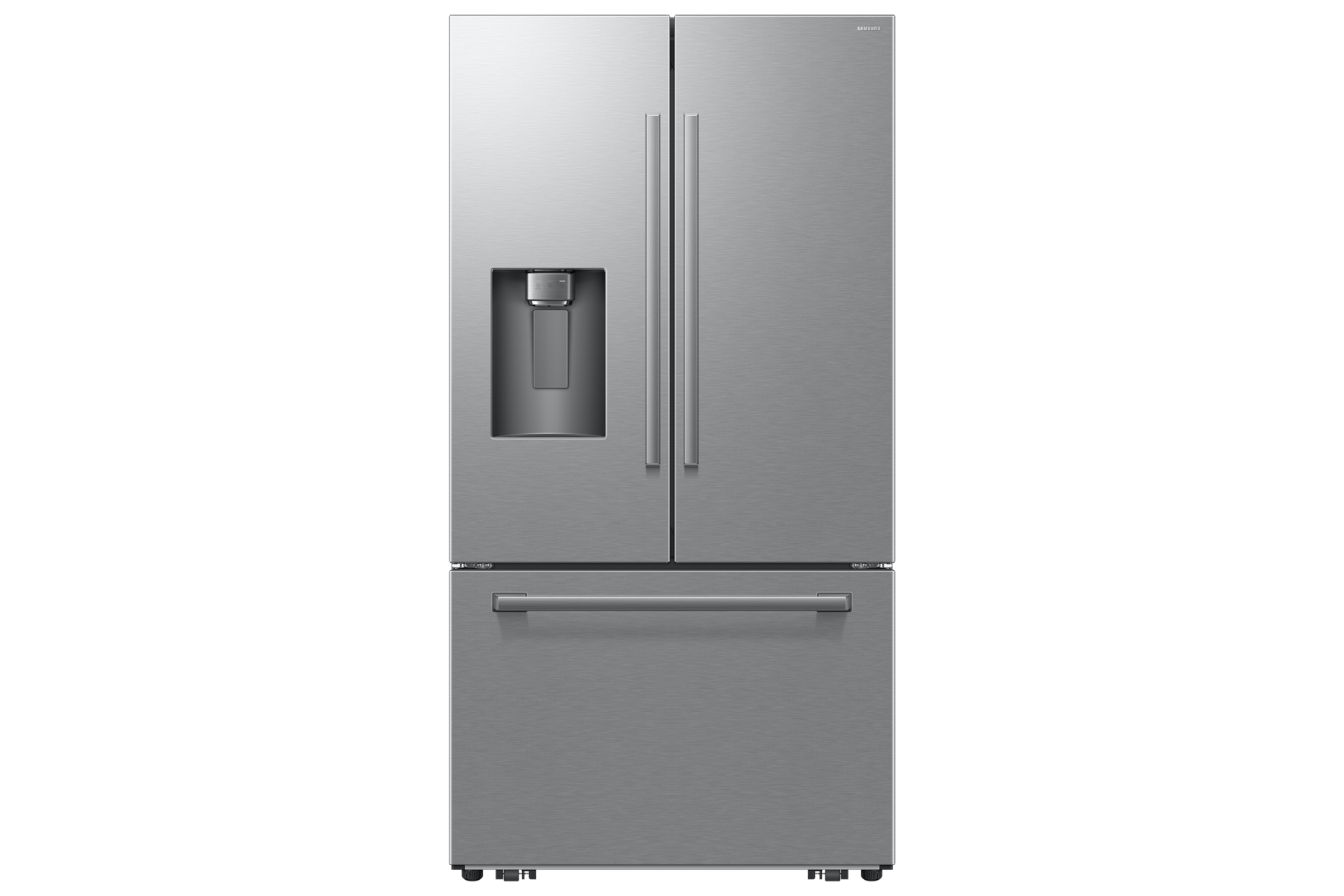
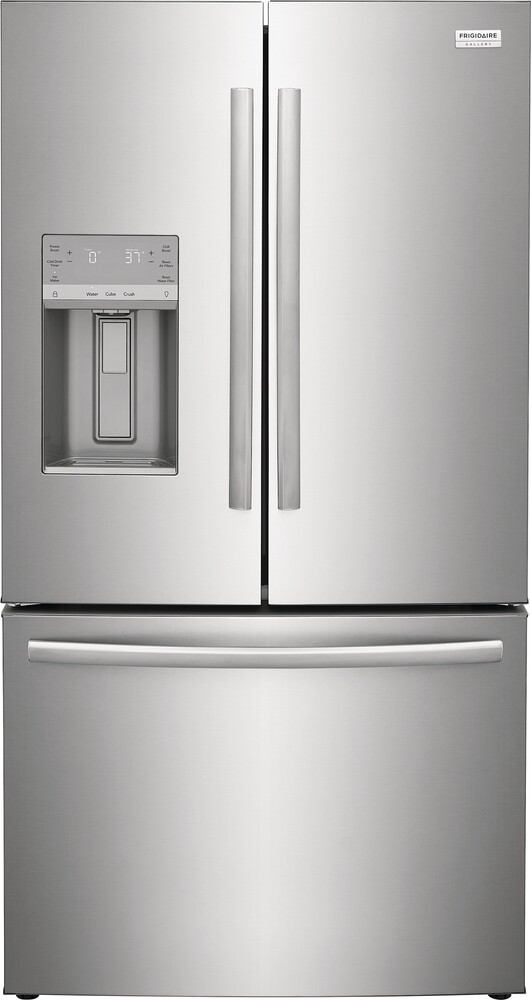
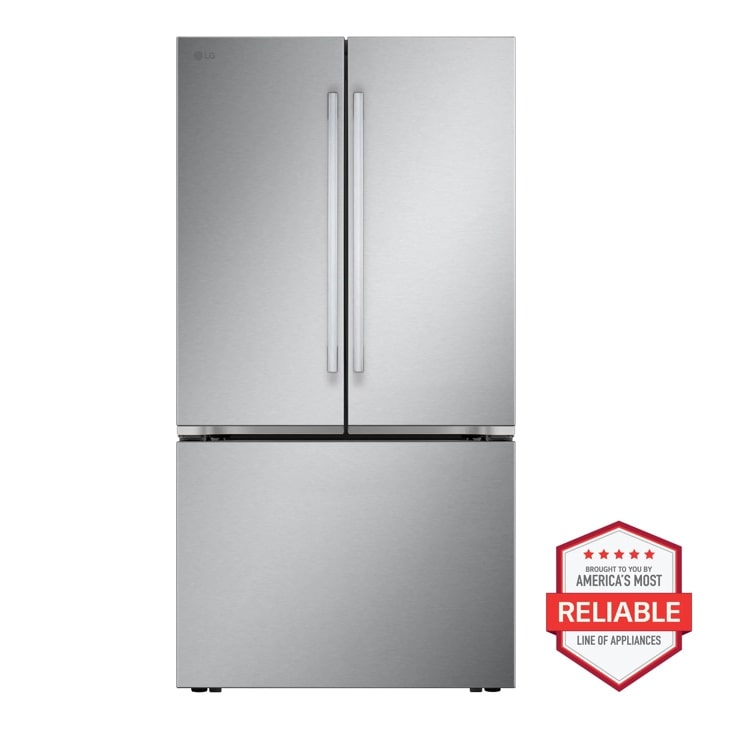
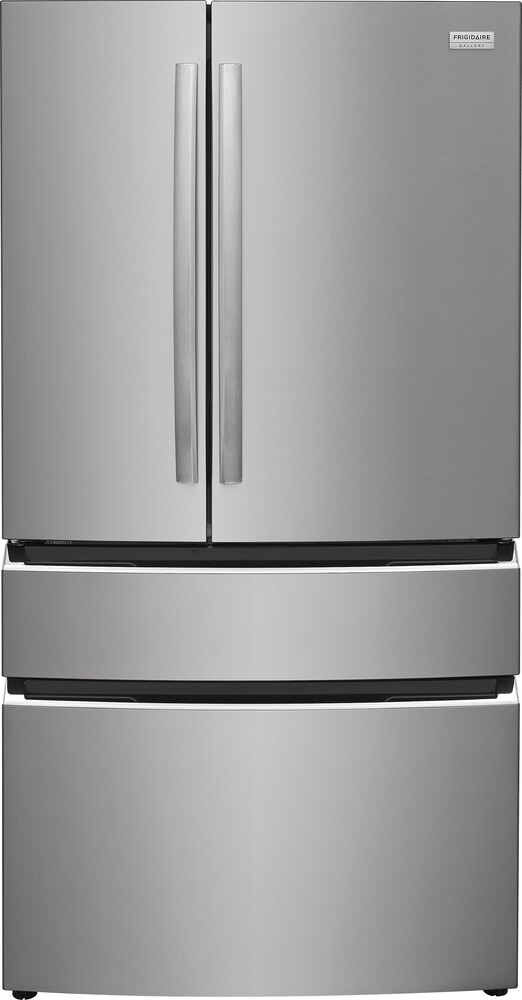
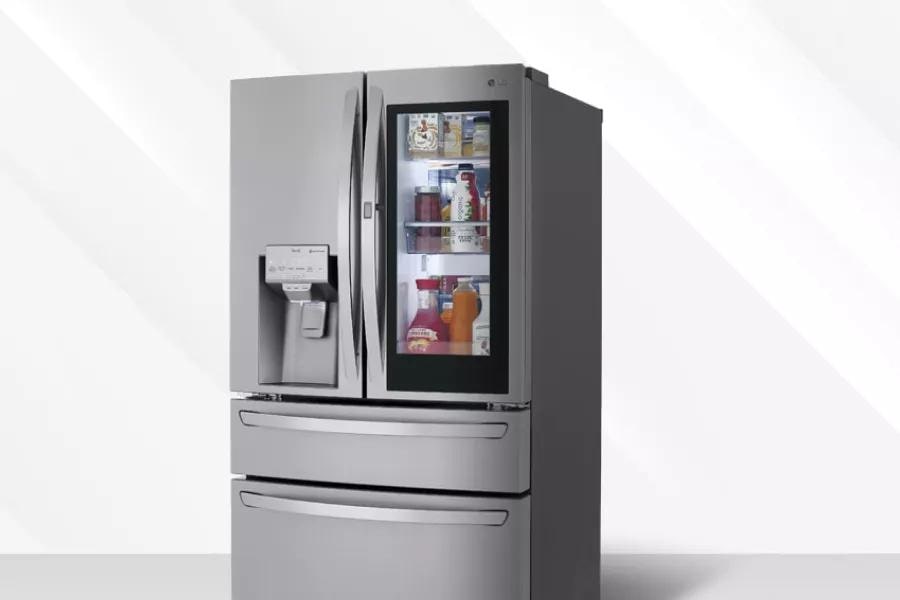
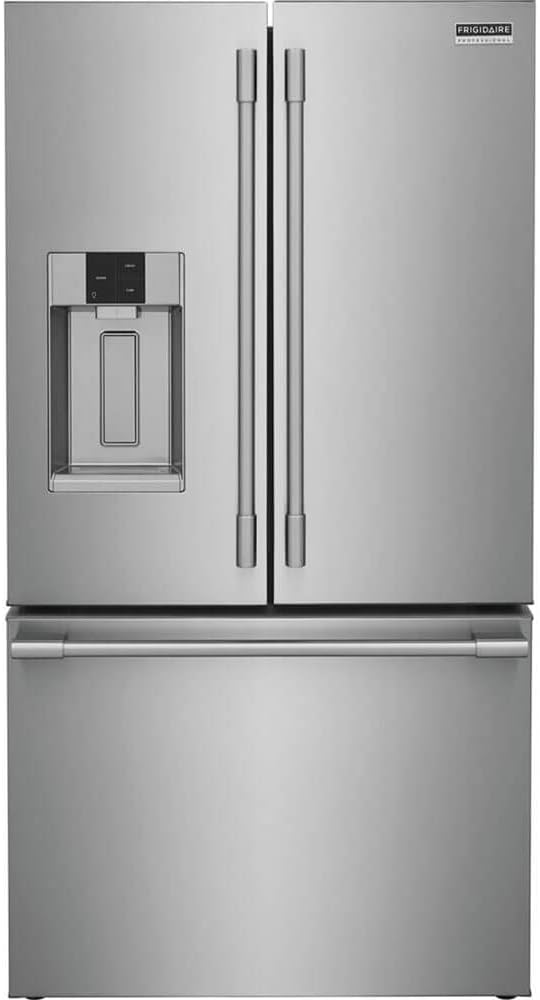
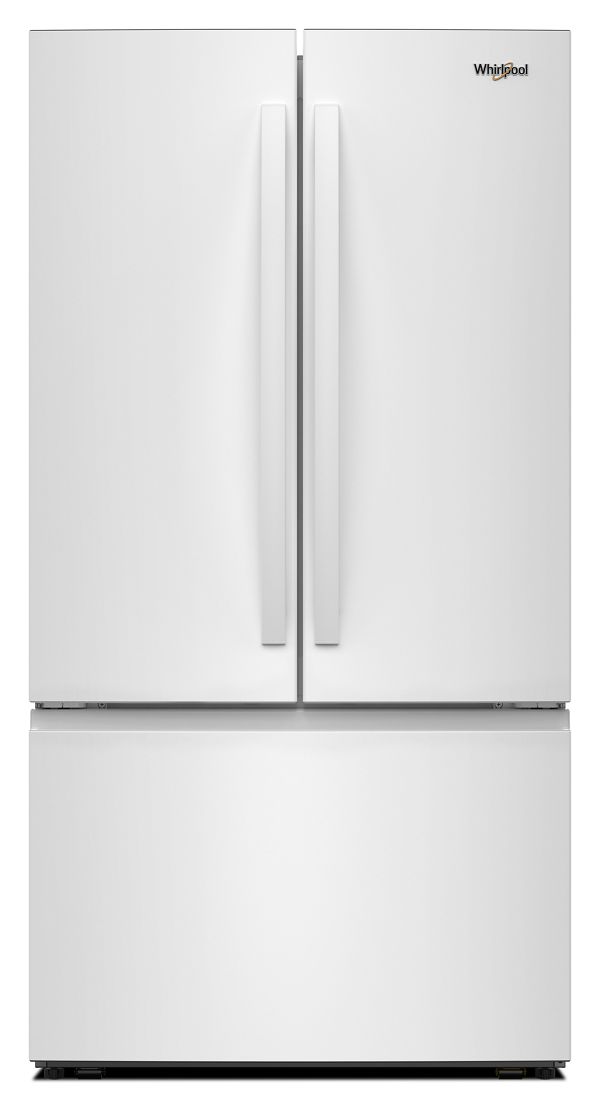
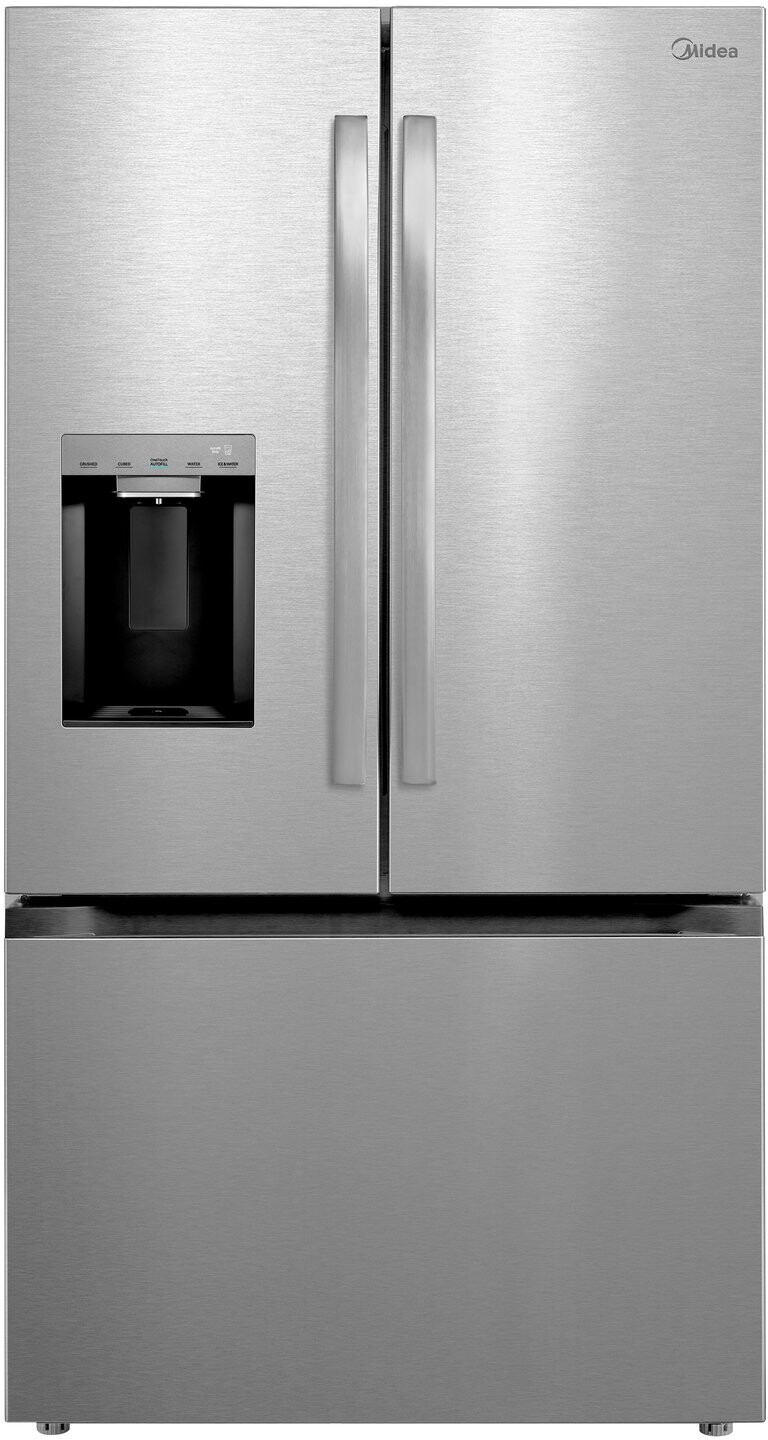
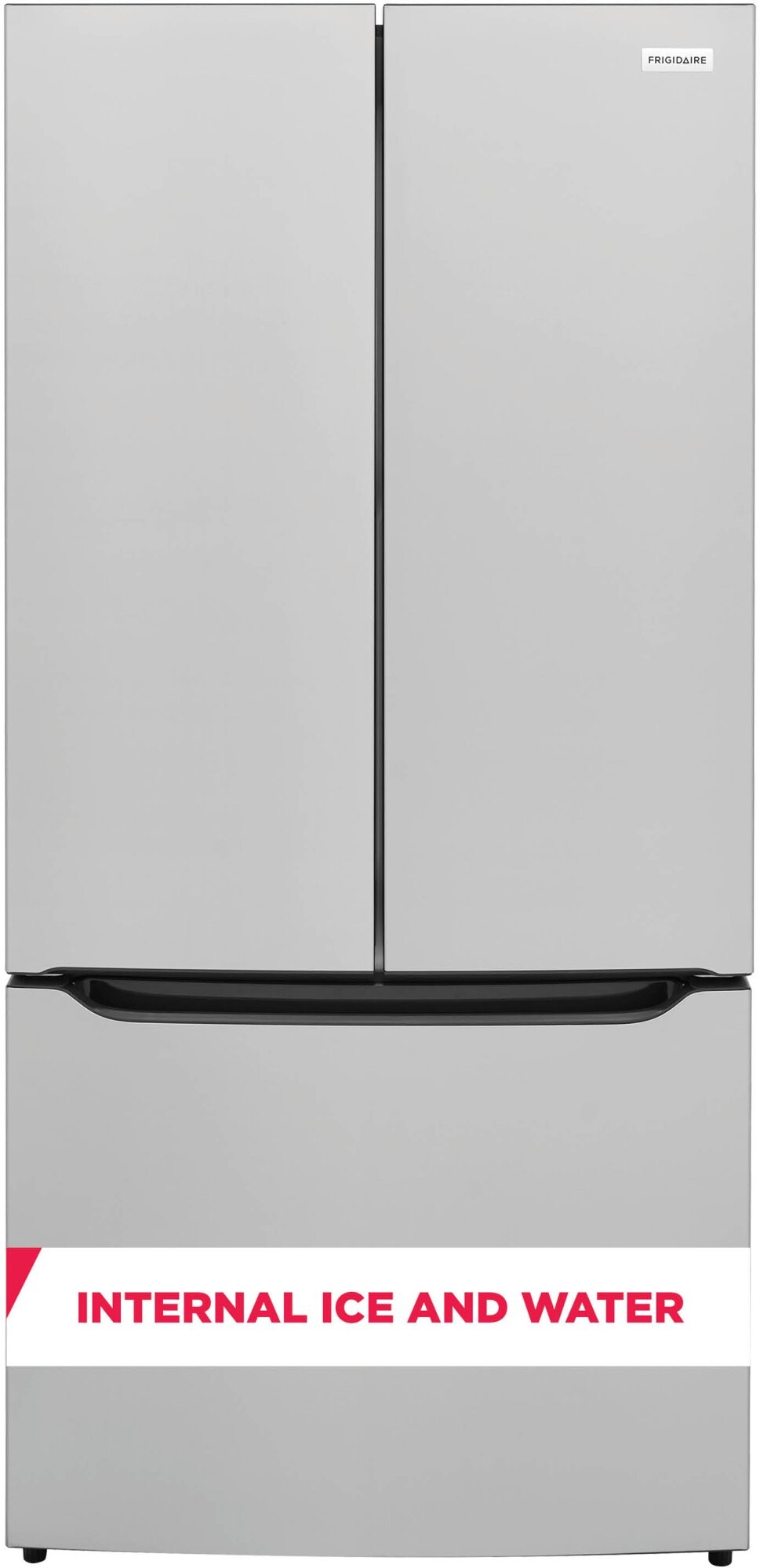
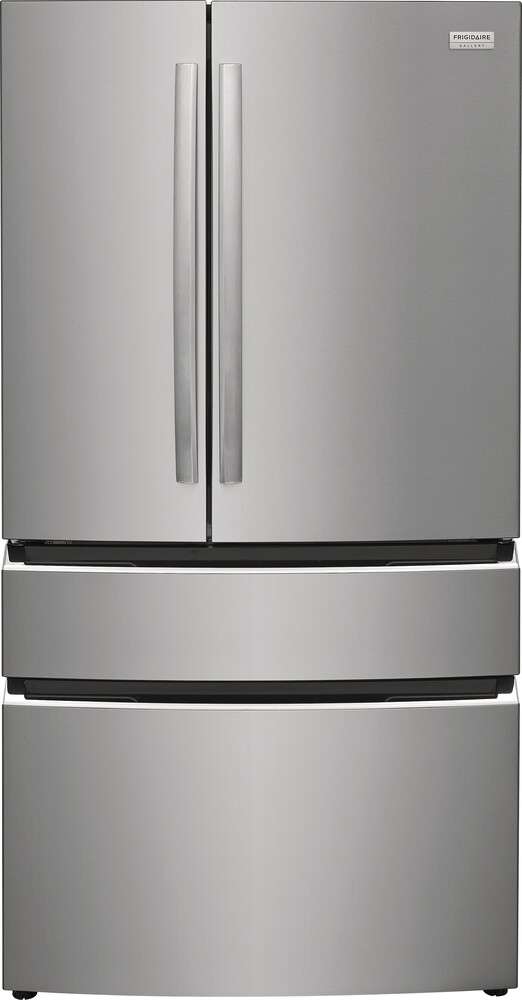
French door refrigerators are popular for their stylish design and ample storage capacity. They feature two side-by-side doors for the refrigerator compartment and a bottom freezer drawer, making it easy to organize and access your food.
Key Features:
Ample Storage: French door refrigerators offer spacious compartments for both fresh and frozen foods.
Easy Access: The double-door design allows for easy access to frequently used items without opening the entire refrigerator.
Energy Efficiency: Modern French door refrigerators are designed to be energy-efficient, helping you save on utility bills.
Advanced Features: Many models come with advanced features like ice makers, water dispensers, and smart technology.
Feature
Description
Ample Storage
Spacious compartments for fresh and frozen foods
Easy Access
Double-door design for convenient access
Advanced Features
Includes ice makers, water dispensers, smart technology
Understanding these features can help you make an informed decision on whether a built-in freezer or a French door refrigerator better suits your needs. Explore further comparisons like top freezer Vs. bottom freezer to find the perfect appliance for your home.
When choosing between a built-in freezer and a French door refrigerator, understanding their design and layout is crucial. Each appliance offers unique advantages that cater to different preferences and storage needs.
Built-In Freezers Layout and Design
Built-in freezers are designed for seamless integration into your kitchen cabinetry. They are often customized to match the decor of your kitchen, providing a sleek and cohesive look. The layout of built-in freezers typically includes:
Vertical Design: Most built-in freezers stand tall, resembling an upright refrigerator. This design allows for organized storage and easy access to all your frozen items.
Adjustable Shelves: Built-in freezers often come with adjustable shelves, enabling you to customize the interior space based on your storage needs.
Dedicated Compartments: These freezers may have specific compartments for different types of food, such as meat, vegetables, and ice cream, ensuring that everything has its place.
French door refrigerators are known for their spacious and modern design. They feature two side-by-side doors on the top for the refrigerator section and a pull-out freezer drawer at the bottom. The layout includes:
Wide Shelves: The double door design provides wide shelves, making it easier to store large items such as party platters and wide containers.
Flexible Storage: French door refrigerators offer flexible storage solutions with adjustable shelves and door bins, allowing you to organize your groceries efficiently.
Bottom Freezer Drawer: The freezer section is located at the bottom and comes with a pull-out drawer for easy access to frozen foods. The drawer may have multiple compartments or baskets to separate different types of items.
Feature
Description
Design
Double doors on top, bottom freezer drawer
Shelves
Wide and adjustable for flexible storage
Freezer Drawer
Pull-out design with compartments or baskets
For a detailed comparison on fridge designs, check out Fridge.com article on french door refrigerator Vs. single door refrigerator.
Understanding the design and layout of built-in freezers and French door refrigerators helps you make an informed decision. Whether you prefer the integrated look of a built-in freezer or the spacious design of a French door refrigerator, both options offer unique benefits that cater to different needs and preferences. For more comparisons, visit Fridge.com section on top freezer Vs. bottom freezer.
When comparing built-in freezers and French door refrigerators, understanding the capacity and storage options is crucial. This can help you make an informed decision based on your specific needs.
Capacity of Built-In Freezers
Built-in freezers are designed to offer ample storage space for frozen goods. They come in various sizes, and their capacity is usually measured in cubic feet. The capacity can range significantly depending on the model and size you choose.
Freezer Type
Capacity (Cubic Feet)
Small Built-In Freezer
6 - 10
Medium Built-In Freezer
10 - 16
Large Built-In Freezer
16 - 22
Built-in freezers often feature adjustable shelves and drawers, allowing you to organize your frozen items efficiently. They are ideal for those who require a significant amount of freezer space, such as families or individuals who like to bulk-buy and store food. For more insights on freezer options, check Fridge.com article on kegerator Vs. small deep freezer.
Storage Options in French Door Refrigerators
French door refrigerators are known for their versatile storage options. These refrigerators typically feature a double-door design on the top with a freezer drawer at the bottom. The capacity of French door refrigerators is also measured in cubic feet and can vary widely.
Refrigerator Type
Capacity (Cubic Feet)
Small French Door Refrigerator
15 - 20
Medium French Door Refrigerator
20 - 25
Large French Door Refrigerator
25 - 32
French door refrigerators provide flexible storage solutions with their wide shelves, adjustable bins, and door compartments. The bottom freezer drawer often includes multiple compartments and dividers, making it easier to organize frozen foods. This design is especially beneficial for those who need both ample fridge space and a convenient freezer section. For a closer look at different refrigerator types, see Fridge.com article on bottom freezer refrigerator Vs. freestanding drawer refrigerator.
When choosing between a built-in freezer and a French door refrigerator, it's essential to consider your storage needs and the available space in your home. Both options offer unique benefits and can cater to different requirements. Explore more about how these appliances compare in Fridge.com detailed article on built in freezer Vs. wine cellar.
Built-in freezers are designed to be energy-efficient, often utilizing advanced technology to minimize power consumption. These units typically have better insulation compared to freestanding models, which helps maintain a consistent temperature and reduces the need for the compressor to work harder. Energy Star ratings are a good indicator of energy efficiency, guiding you to make an informed decision.
Built-In Freezer Model
Energy Consumption (kWh/year)
Model A
300
Model B
350
Model C
400
Opting for an energy-efficient built-in freezer not only helps reduce your electricity bill but also contributes to environmental conservation. For more details on how different freezers compare in terms of energy efficiency, check out Fridge.com article on auto defrost freezer Vs. mini fridge freezer.
Maintenance Tips for French Door Refrigerators
Maintaining a French door refrigerator is crucial for ensuring its longevity and performance. Here are some essential tips to help you keep your appliance in top condition:
Regular Cleaning: Clean the interior and exterior surfaces regularly. Use a mild detergent and avoid abrasive cleaners that can damage the finish.
Check Door Seals: Ensure the door seals are clean and intact. Broken or dirty seals can cause the refrigerator to work harder, increasing energy consumption.
Temperature Settings: Keep the refrigerator set at the recommended temperature (usually around 37°F for the fridge and 0°F for the freezer). This ensures optimal performance and food preservation.
Defrost the Freezer: If your French door refrigerator does not have an auto-defrost feature, manually defrost the freezer section when ice buildup exceeds half an inch.
Clean the Condenser Coils: Dust and debris can accumulate on the condenser coils, making the refrigerator less efficient. Clean the coils every six months using a vacuum or coil brush.
For more insights on comparing various refrigerator types, visit Fridge.com article on bottom freezer refrigerator Vs. freestanding drawer refrigerator.
By following these maintenance tips, you can ensure your French door refrigerator remains efficient and functional, providing reliable storage for your food items. For additional refrigerator comparisons, explore Fridge.com guide on french door refrigerator Vs. single door refrigerator.
Installation and Cost Considerations
Installation Requirements for Built-In Freezers
When installing a built-in freezer, several factors need to be considered. Built-in freezers require precise measurements to fit seamlessly into your cabinetry. You must ensure that there is adequate ventilation to avoid overheating. Additionally, built-in freezers often need professional installation due to the complexity of fitting them into existing kitchen layouts.
French door refrigerators tend to vary widely in price based on features, capacity, and brand. They generally cost more than traditional top-freezer or bottom-freezer models but offer greater flexibility and storage options. Consider the long-term energy savings and potential maintenance costs when evaluating the overall cost.
Feature
French Door Refrigerator
Built-In Freezer
Average Cost
$1,500 - $3,000
$2,000 - $4,000
Installation Cost
$100 - $300
$200 - $500
Maintenance Cost
Low to Moderate
Moderate to High
For a broader comparison of different refrigerator types, Fridge.com article on bottom freezer refrigerator Vs. freestanding drawer refrigerator offers additional insights.
Choosing the right appliance involves balancing your budget with your specific needs. Whether you prioritize cost, installation ease, or long-term maintenance, understanding the nuances of built-in freezers versus French door refrigerators can help you make an informed decision. If you're considering various options, you might also find Fridge.com comparisons of top freezer Vs. bottom freezer and column refrigerator Vs. freestanding drawer refrigerator useful.
Choosing between a built-in freezer and a French door refrigerator can be a daunting task, especially with the variety of features and specifications available. Understanding the factors to consider and matching your needs with the right appliance are crucial steps in making an informed decision.
Factors to Consider Before Choosing
When deciding between a built-in freezer and a French door refrigerator, several factors come into play. Here's a breakdown of what you should consider:
Space Availability: Consider the space where you plan to install the appliance. Built-in freezers often require more precise measurements and professional installation. French door refrigerators typically offer more flexibility in placement.
Storage Needs: Assess your storage requirements. Built-in freezers are ideal for those who need extra freezer space, while French door refrigerators provide a balanced mix of refrigerator and freezer compartments.
Energy Efficiency: Compare the energy efficiency of each option. French door refrigerators often have advanced energy-saving features, whereas built-in freezers might consume more power. For more details, check Fridge.com section on energy efficiency of built-in freezers.
Maintenance: Consider the maintenance requirements. French door refrigerators may have more components that need regular cleaning and maintenance. For tips, visit Fridge.com article on maintenance tips for French door refrigerators.
Budget: Evaluate your budget. Built-in freezers can be more expensive due to installation costs, while French door refrigerators might offer more value for your money in terms of features and storage capacity. Check Fridge.com section on cost comparison of French door refrigerators.
Matching Your Needs with the Right Appliance
Matching your specific needs with the right appliance is essential for satisfaction. Here is a table to help you compare the key features of built-in freezers and French door refrigerators:
Feature
Built-In Freezer
French Door Refrigerator
Space Requirements
Requires custom installation
More flexible placement
Storage
Primarily for freezing
Mixed storage (fridge & freezer)
Maintenance
Less frequent, but more specialized
Regular cleaning needed
Budget
Higher installation costs
Mid to high price range
Consider reading more on related comparisons to help with your decision, such as top freezer Vs. bottom freezer and built in refrigerator Vs. stainless steel refrigerator.
By carefully assessing these factors, you can make a more informed decision that aligns with your lifestyle, space, and budget. Whether you choose a built-in freezer or a French door refrigerator, ensure it meets your specific needs and preferences.
Compare prices on Fridge.com
Compare current prices and specifications on Fridge.com, then buy from the retailer you choose; delivery, installation and warranty terms are the retailer’s.
It also has tons of awesome articles about kitchen stuff and home news. Enhance your home, garage, backyard, patio, and office with the coolest essentials. With every necessary type of residential refrigerator or freezer in the collection, you're covered.
From Fridge.com research
Figures below come from data Fridge.com builds and maintains. Each links to the record behind it.
Fridge.com Energy Index, built on U.S. EPA and DOE ENERGY STAR records
Across 1,658 ENERGY STAR certified bottom freezer models, median use is 556 kWh per year — 10% better than the federal standard.