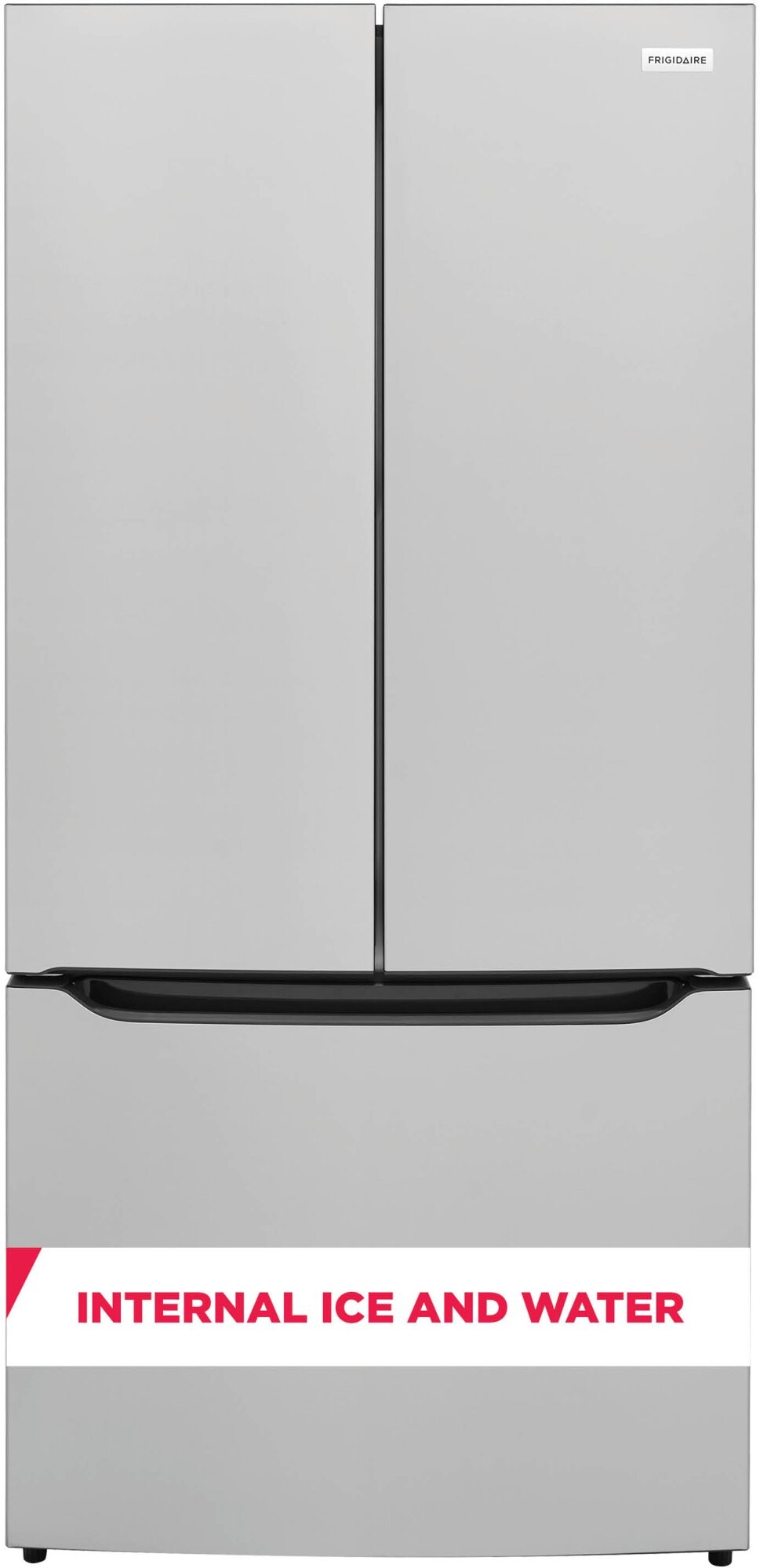
When choosing between a built-in refrigerator and a stainless steel refrigerator, several factors should be taken into account to ensure you select the best option for your needs.
stainless steel refrigerators, it's important to consider factors such as installation requirements, customization options, and overall aesthetic.
Advanced Cooling Technology: Built-in refrigerators often come with advanced cooling features such as dual compressors and multiple temperature zones.
When considering a built-in refrigerator, it's important to weigh the advantages and disadvantages to determine if it suits your lifestyle and kitchen setup.
When it comes to choosing the perfect refrigerator, it's crucial to understand the various options available. Among the most popular choices are built-in refrigerators and stainless steel refrigerators. Each type offers unique features and benefits that cater to different needs and preferences.
Importance of Choosing the Right Refrigerator
Selecting the right refrigerator is essential for several reasons. It impacts your kitchen's overall functionality, energy efficiency, and aesthetic appeal. A well-chosen refrigerator can enhance your food storage capabilities, reduce energy consumption, and complement your kitchen's design. For homeowners, chefs, and food enthusiasts, the refrigerator is a cornerstone of daily life, making the right choice paramount.
Overview of Built-In and Stainless Steel Refrigerators
Built-In Refrigerators
Built-in refrigerators are designed to seamlessly integrate into your kitchen cabinetry. These refrigerators are installed flush with your cabinets, creating a cohesive and streamlined look. Built-in refrigerators often come with customizable panels to match your kitchen décor, providing a high-end, elegant appearance.
Feature
Built-In Refrigerator
Installation
Flush with cabinetry
Customization
High (custom panels available)
Aesthetic
Seamless, integrated look
Stainless Steel Refrigerators
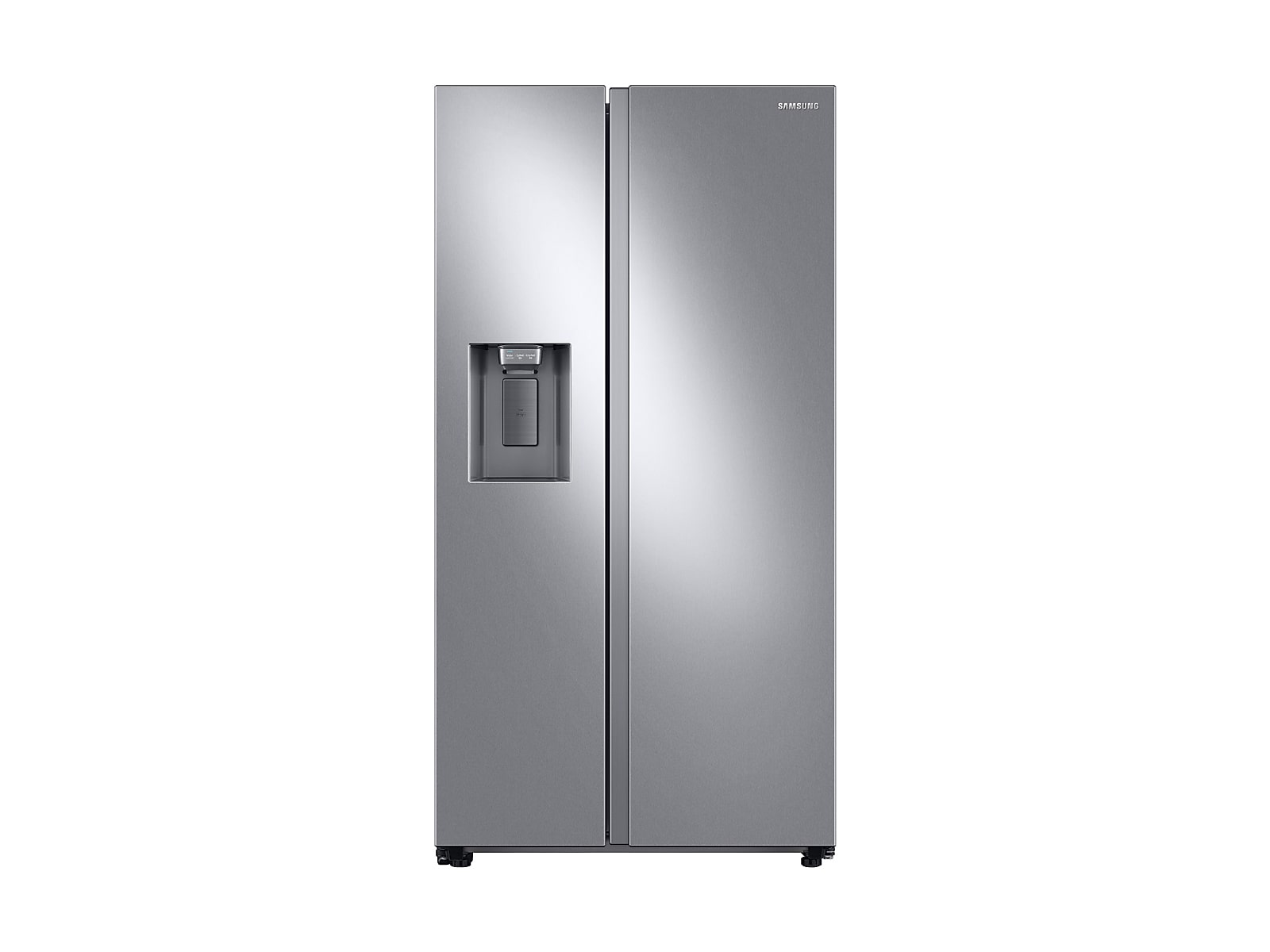
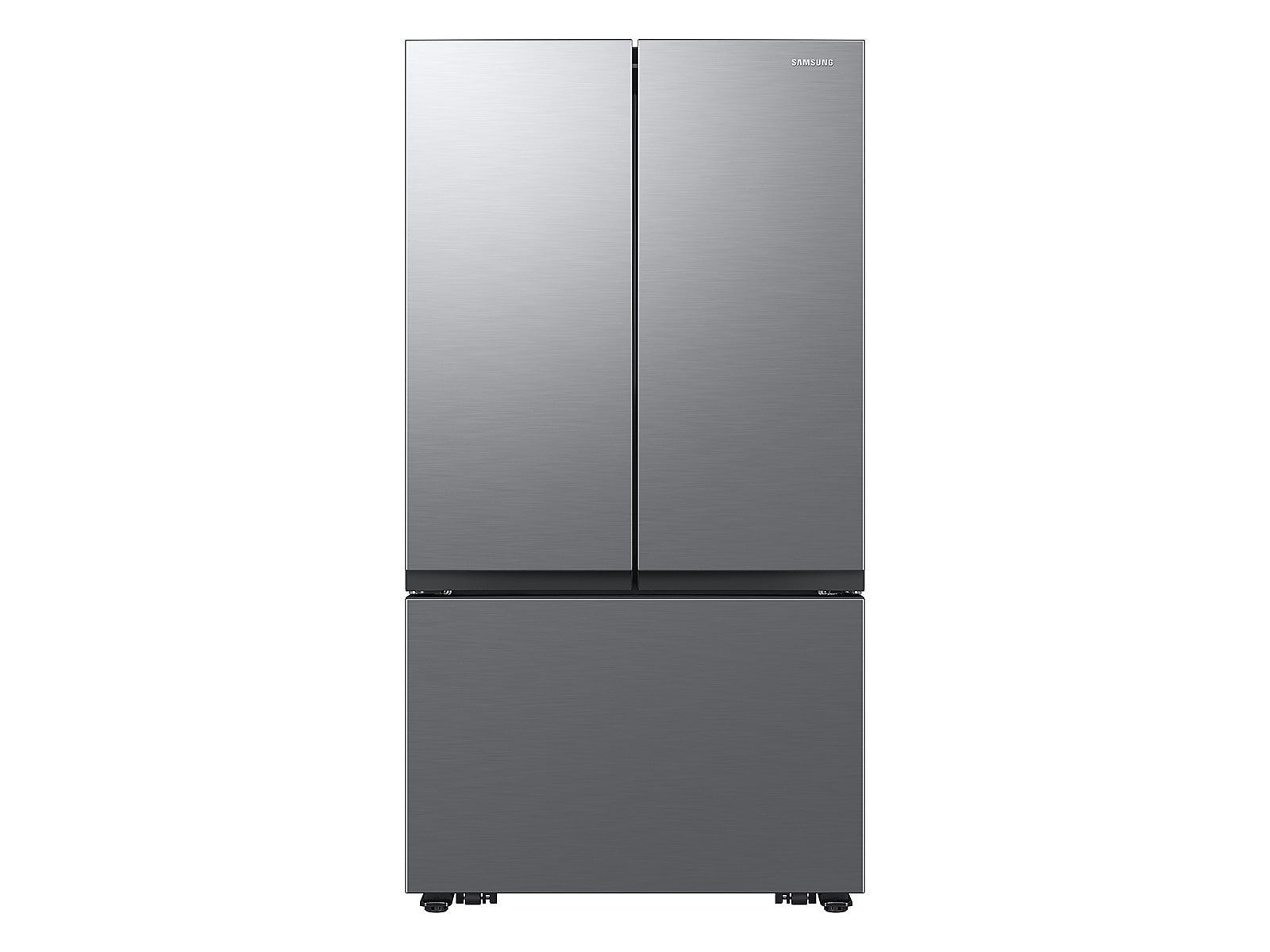
Stainless steel refrigerators are known for their durability and sleek, modern appearance. These refrigerators are freestanding and can be placed anywhere in your kitchen. The stainless steel finish is resistant to rust and staining, making it a popular choice for busy households and commercial kitchens.
Feature
Stainless Steel Refrigerator
Installation
Freestanding
Customization
Limited (standard finishes)
Aesthetic
Modern, industrial look
When comparing built-in refrigerators Vs. stainless steel refrigerators, it's important to consider factors such as installation requirements, customization options, and overall aesthetic. Each type has its own set of advantages and drawbacks, catering to different needs and preferences.
Characteristics and Features of Built-In Refrigerators
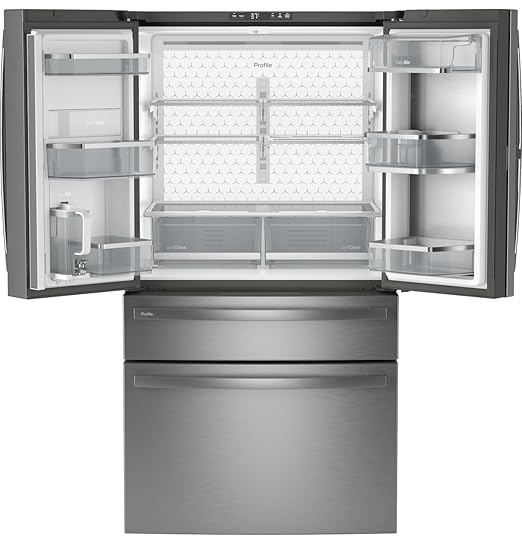
Built-in refrigerators are designed to integrate seamlessly into your kitchen cabinetry. They offer a sleek and cohesive look, blending in with the surrounding cabinets and creating a modern aesthetic. Built-in units are typically taller and wider than standard freestanding refrigerators, providing ample storage space for your food and beverages.
Key characteristics of built-in refrigerators include:
Flush Installation: Built-in refrigerators are installed flush with your cabinets, providing a streamlined appearance.
Customizable Panels: Many models offer the option to add custom panels that match your cabinetry, enhancing the cohesive look.
Advanced Cooling Technology: Built-in refrigerators often come with advanced cooling features such as dual compressors and multiple temperature zones.
Storage Flexibility: Adjustable shelves and door bins allow you to customize the interior layout to suit your needs.
Pros and Cons of Built-In Refrigerators
When considering a built-in refrigerator, it's important to weigh the advantages and disadvantages to determine if it suits your lifestyle and kitchen setup.
Pros:
Aesthetics: Built-in refrigerators provide a high-end, custom look that enhances the overall design of your kitchen.
Space Utilization: These refrigerators make efficient use of space, often offering more storage capacity due to their larger size.
Durability: Built-in units are generally built to last and often include high-quality materials and components.
Cons:
Cost: Built-in refrigerators can be significantly more expensive than their freestanding counterparts.
Installation: Professional installation is typically required, adding to the overall cost and complexity.
Limited Mobility: Once installed, built-in refrigerators are difficult to move, making kitchen layout changes more challenging.
Characteristics and Features of Stainless Steel Refrigerators
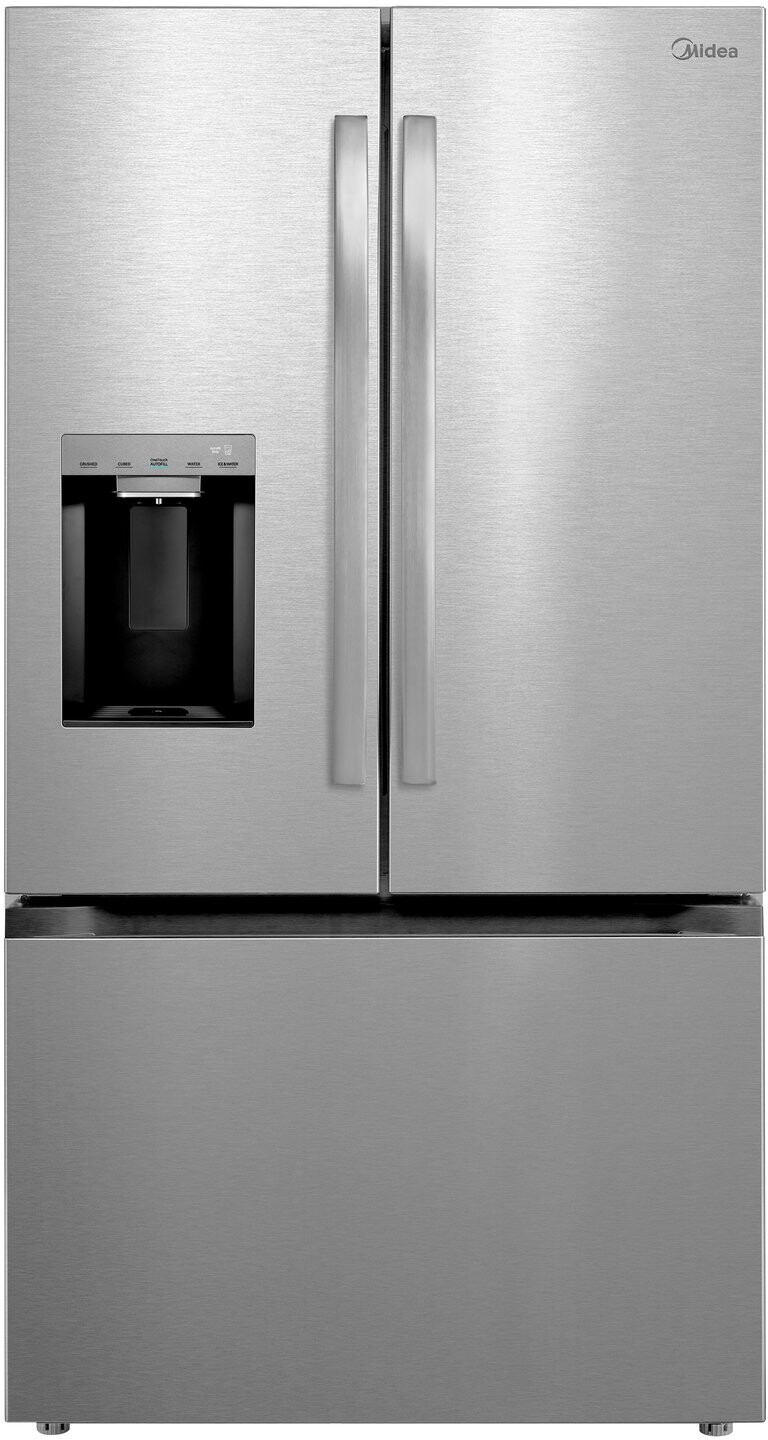
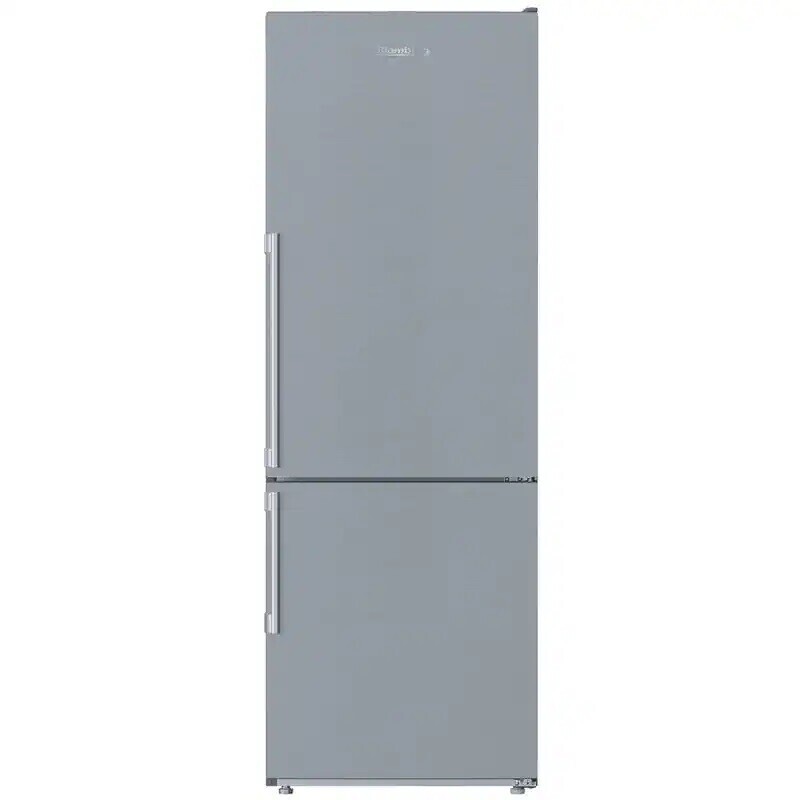
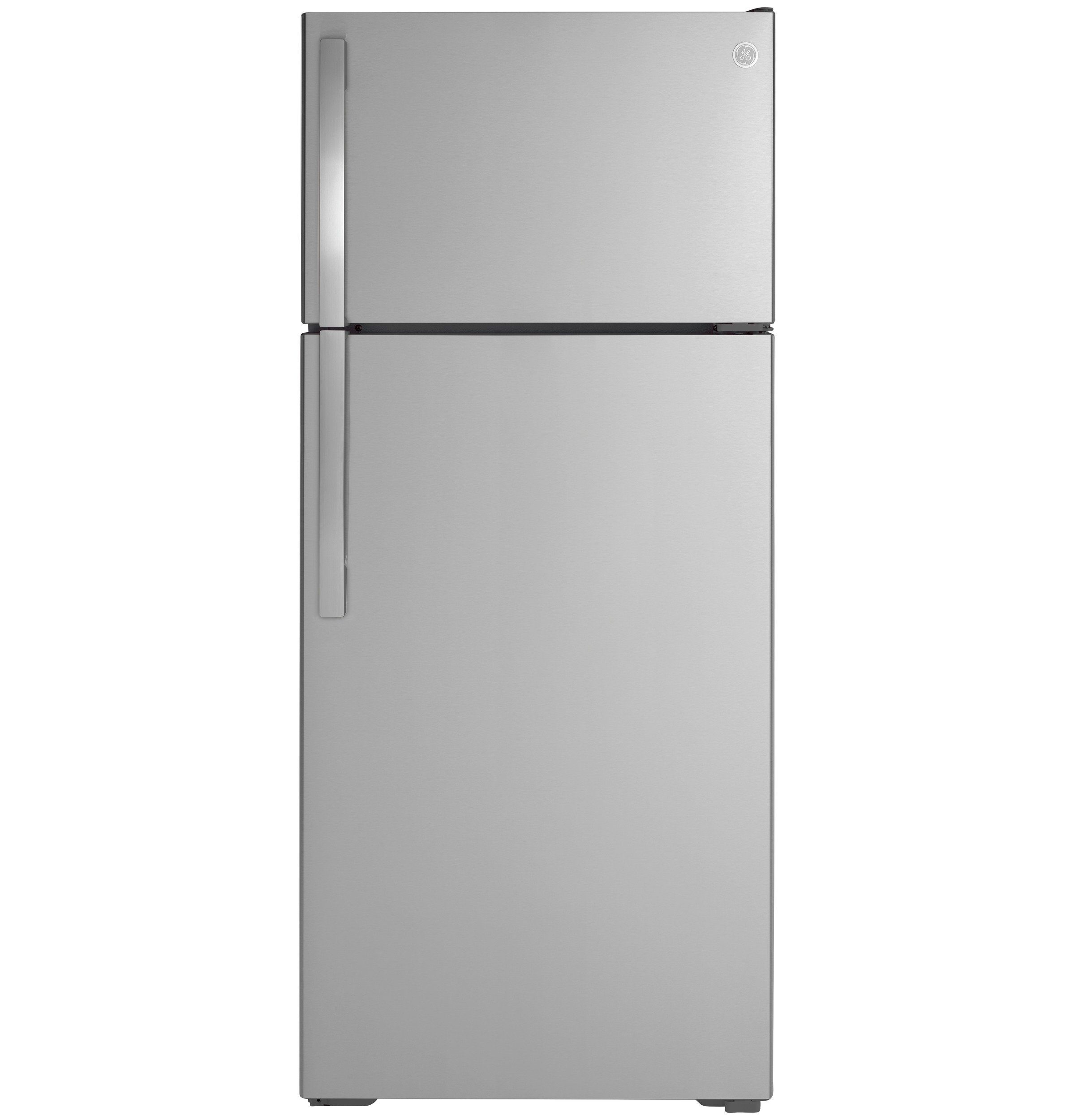
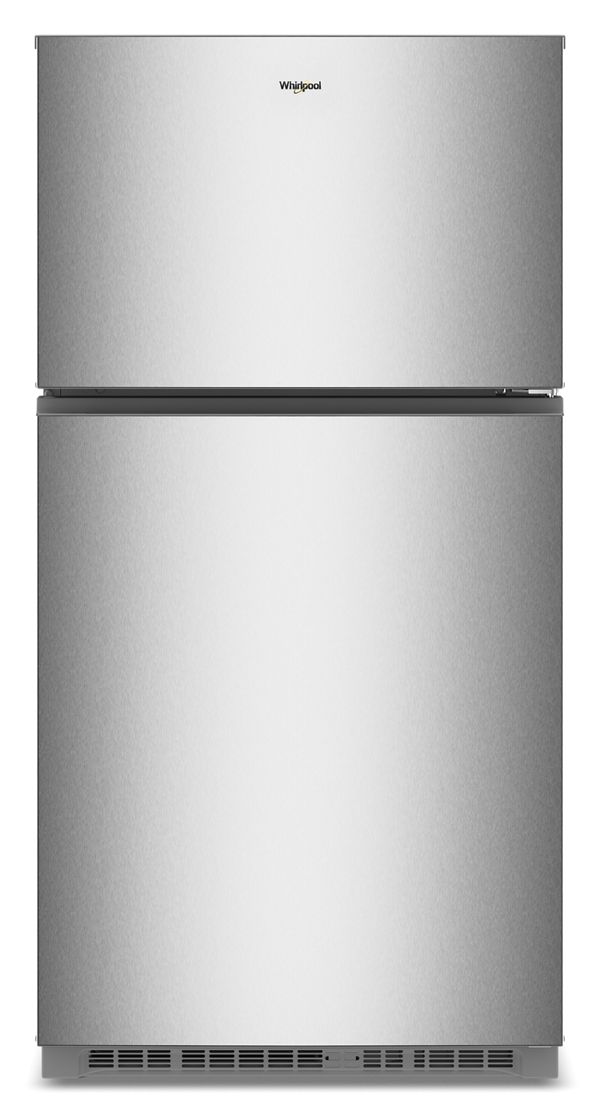
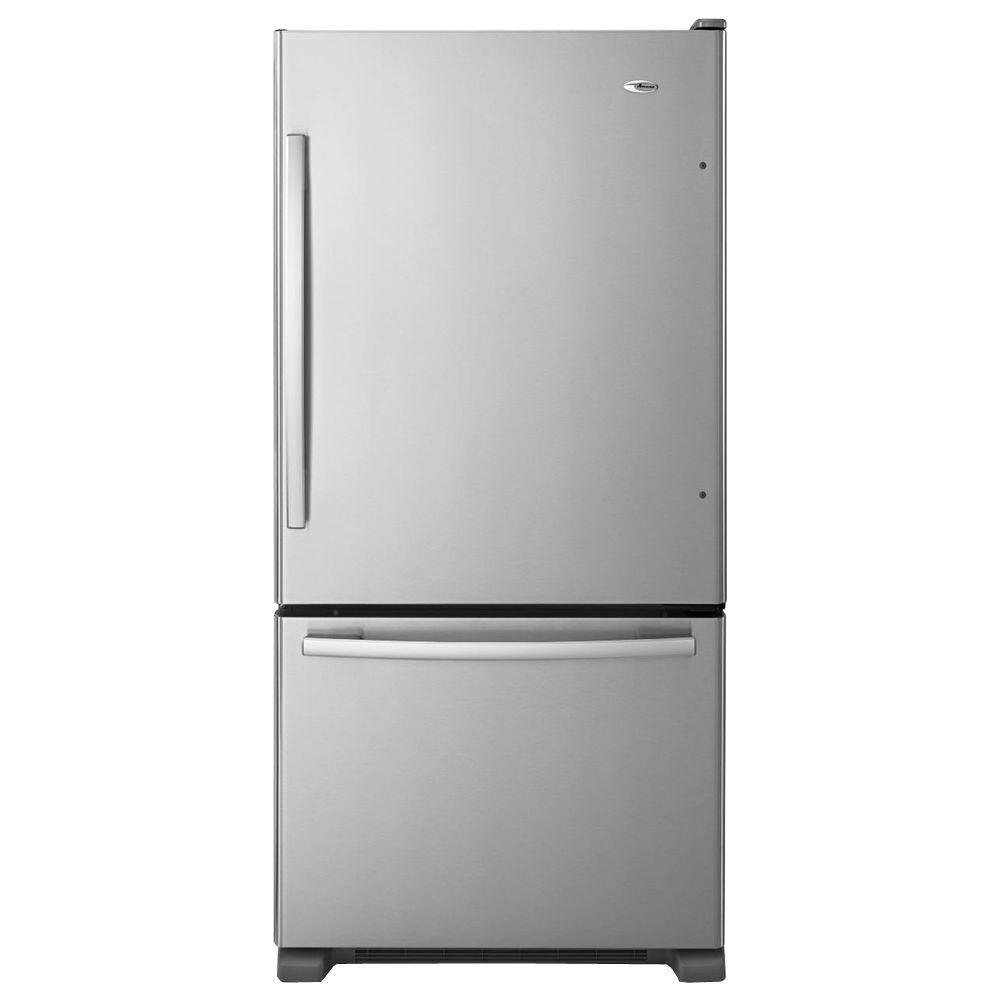
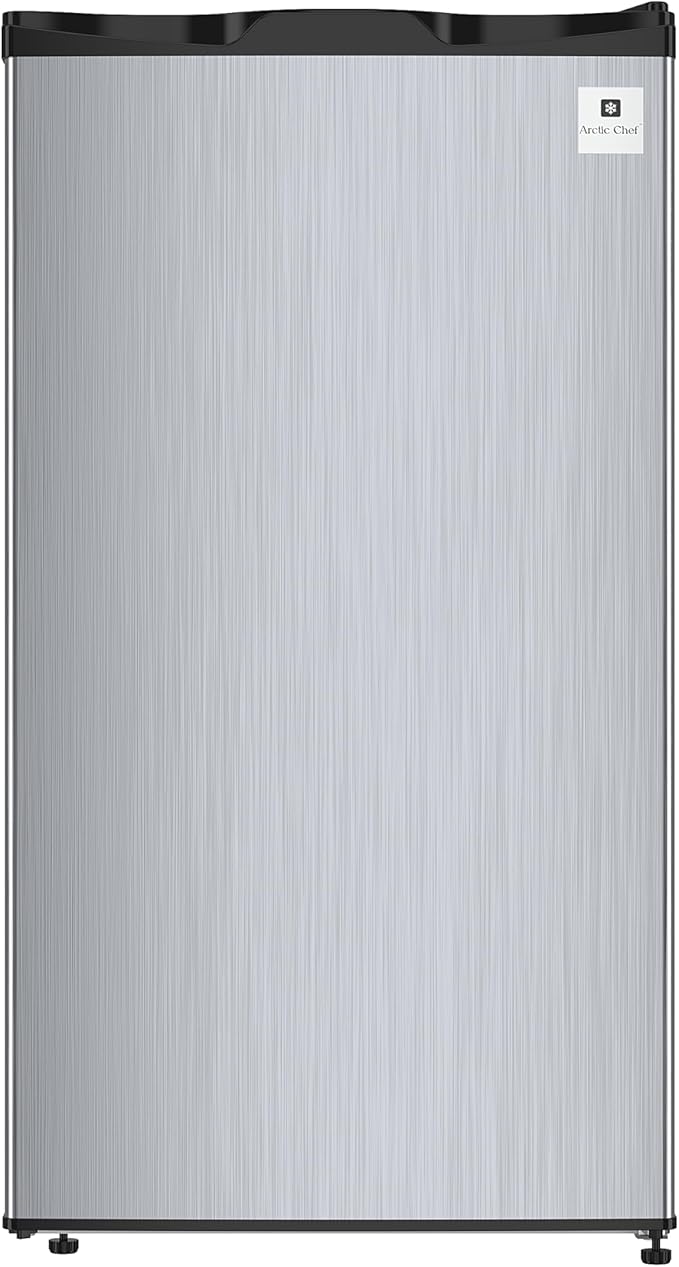
Stainless steel refrigerators are a popular choice among homeowners due to their sleek and modern appearance. These refrigerators are known for their durability and resistance to rust and stains. The stainless steel finish not only adds an elegant touch to your kitchen but also makes the appliance easy to clean and maintain.
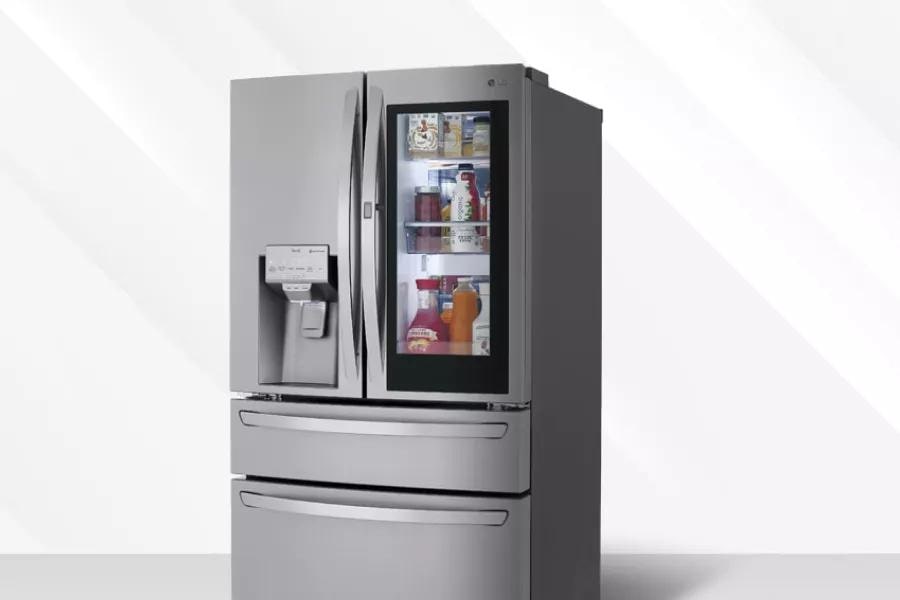
Stainless steel refrigerators typically come with a variety of features designed to enhance functionality and convenience. Many models offer adjustable shelves, temperature control settings, and energy-efficient technology. Additionally, stainless steel refrigerators often include features such as ice and water dispensers, advanced cooling systems, and smart technology for remote monitoring and control.
Feature
Description
Finish
Sleek, modern, rust-resistant
Shelves
Adjustable and customizable
Temperature Control
Precise settings for optimal cooling
Additional Features
Ice/water dispensers, smart technology
Pros and Cons of Stainless Steel Refrigerators
Stainless steel refrigerators come with their own set of advantages and disadvantages. Understanding these pros and cons can help you make an informed decision when comparing them to built-in refrigerators.
Pros:
Durability: Stainless steel is resistant to rust, stains, and scratches, ensuring a long-lasting appliance.
Aesthetic Appeal: The sleek finish adds a modern and sophisticated look to any kitchen.
Easy Maintenance: The smooth surface is easy to clean and maintain, requiring minimal effort.
Versatility: Available in various sizes and styles to fit different kitchen layouts and preferences.
Cons:
Fingerprint Marks: Stainless steel surfaces can show fingerprints and smudges, requiring regular cleaning to maintain their appearance.
Cost: Generally more expensive than other finishes, such as white or black refrigerators.
Weight: Heavier compared to other materials, potentially complicating installation and movement.
For more information on how stainless steel refrigerators compare to other types, such as countertop refrigerators or mini fridges with freezers, check out Fridge.com related articles.
By understanding the characteristics and evaluating the pros and cons, you can determine if a stainless steel refrigerator aligns with your kitchen needs and preferences. For further insights into making the right choice, explore Fridge.com section on assessing your needs and preferences.
When choosing between a built-in refrigerator and a stainless steel refrigerator, several factors should be taken into account to ensure you select the best option for your needs.
Design and Aesthetics
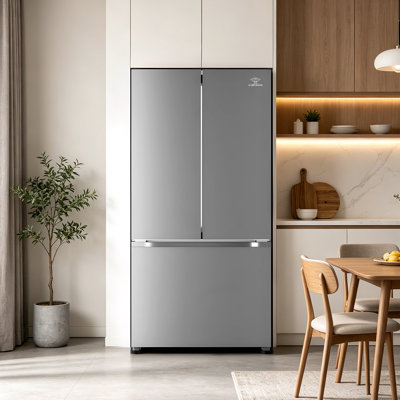
Design and aesthetics play a crucial role in how well a refrigerator integrates into your kitchen environment. Built-in refrigerators are designed to fit seamlessly into your cabinetry, giving your kitchen a streamlined and cohesive look. They can be customized with panels that match your cabinets, making them nearly invisible.
On the other hand, stainless steel refrigerators offer a sleek and modern appearance that can complement a variety of kitchen styles. They are often chosen for their professional look and the fact that they can serve as a focal point in the kitchen.
Feature
Built-In Refrigerator
Stainless Steel Refrigerator
Appearance
Customizable panels
Sleek stainless steel finish
Integration
Seamless with cabinetry
Stands out as a focal point
Style Compatibility
Traditional, modern, transitional
Modern, industrial
Space and Installation Requirements
Space and installation requirements are another critical consideration. Built-in refrigerators are typically flush with your cabinetry, requiring precise measurements and professional installation. This type of refrigerator is ideal for kitchens with a designated space for a built-in unit.
Stainless steel refrigerators, especially freestanding models, offer more flexibility in terms of placement. They are easier to install and can be moved if necessary, making them a versatile choice for various kitchen layouts.
Feature
Built-In Refrigerator
Stainless Steel Refrigerator
Installation
Professional installation required
Easier, more flexible installation
Space Requirements
Custom space needed
Flexible placement
Mobility
Fixed position
Can be moved
Energy Efficiency and Maintenance
Energy efficiency and maintenance are important factors to consider for long-term cost savings and convenience. Both built-in and stainless steel refrigerators come with energy-efficient models, but their efficiency can vary.
Built-in refrigerators often use advanced cooling technologies and better insulation, which can contribute to energy savings. However, they may require more maintenance due to their complex installation and integration.
Stainless steel refrigerators are typically easier to maintain. They generally feature straightforward designs that make cleaning and servicing simpler. Additionally, stainless steel surfaces are resistant to stains and smudges, making them easier to keep clean.
Feature
Built-In Refrigerator
Stainless Steel Refrigerator
Maintenance
Requires more maintenance
Easier to maintain
Cleaning
Integrated design may complicate cleaning
Stainless steel resists stains
Understanding these factors can help you make an informed decision when choosing between a built-in refrigerator and a stainless steel refrigerator. For further comparisons, you may find Fridge.com articles on top freezer Vs. bottom freezer and kegerator Vs. small deep freezer helpful.
Choosing between a built-in refrigerator and a stainless steel refrigerator depends on various factors, including your specific needs, preferences, and budget considerations.
Assessing Your Needs and Preferences
When deciding on the best refrigerator for your home, consider your lifestyle and daily habits. Built-in refrigerators offer a seamless, custom look that integrates with your kitchen cabinetry, making them ideal for those who value aesthetics and a cohesive kitchen design. They are often preferred in modern and high-end kitchens.
On the other hand, stainless steel refrigerators are versatile and can fit into various kitchen styles. They are known for their durability and resistance to fingerprints, making them a practical choice for families with children.
Key Aspects to Consider:
Kitchen Design: Built-in refrigerators blend into the cabinetry, providing a sleek look, while stainless steel refrigerators stand out with their metallic finish.
Usage: If you host often or have a large family, consider the capacity and layout of the refrigerator.
Maintenance: Stainless steel models are easier to clean and maintain.
For more insights on refrigerator types, visit Fridge.com articles on top freezer Vs. bottom freezer and built in wine cooler Vs. refrigerator drawer.
Budget Considerations and Long-Term Investment
Budget plays a crucial role in your decision-making process. Built-in refrigerators tend to be more expensive upfront due to their custom installation and integration features. However, they can add significant value to your home, potentially increasing its resale value.
Stainless steel refrigerators, while still a premium choice, generally come at a lower price point than built-ins. They offer great functionality and durability without the need for a custom fit.
Cost Comparison:
Aspect
Built-In Refrigerator
Stainless Steel Refrigerator
Initial Cost
Higher
Moderate
Installation
Custom, may require professional help
Standard, easier DIY installation
Maintenance
May require specialized service
Generally easier and less costly
Long-Term Value
Can increase home value
Durable and long-lasting
Consider your long-term needs and investment potential. If you plan to stay in your home for many years, investing in a built-in refrigerator might be worthwhile. For a more immediate and budget-friendly option, a stainless steel refrigerator can be an excellent choice.
Assessing your needs and preferences alongside your budget considerations will guide you to the most suitable refrigerator choice for your home. Whether you opt for a built-in model or a stainless steel one, both options offer unique benefits that cater to different lifestyles and kitchen designs.
Compare prices on Fridge.com
Compare current prices and specifications on Fridge.com, then buy from the retailer you choose; delivery, installation and warranty terms are the retailer’s.
It also has tons of awesome articles about kitchen stuff and home news. Enhance your home, garage, backyard, patio, and office with the coolest essentials. With every necessary type of residential refrigerator or freezer in the collection, you're covered.