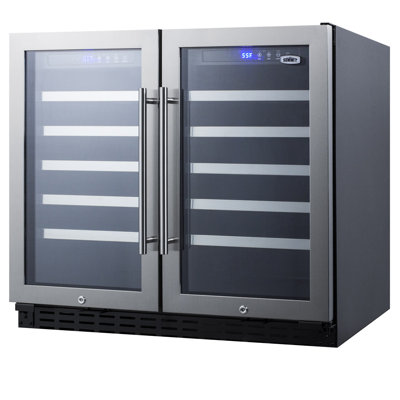
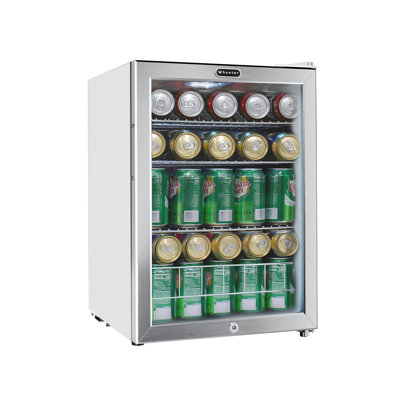
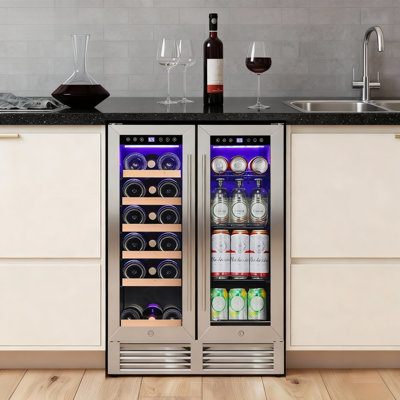
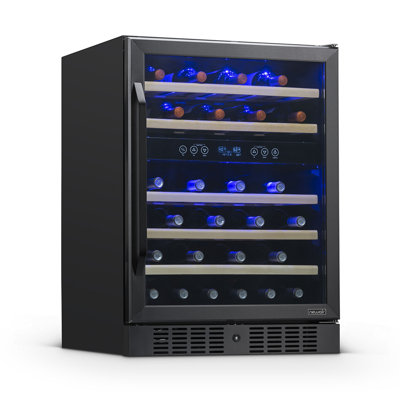
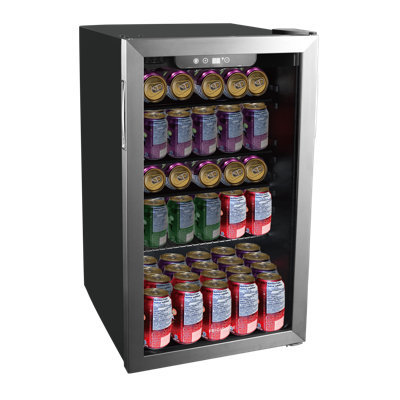
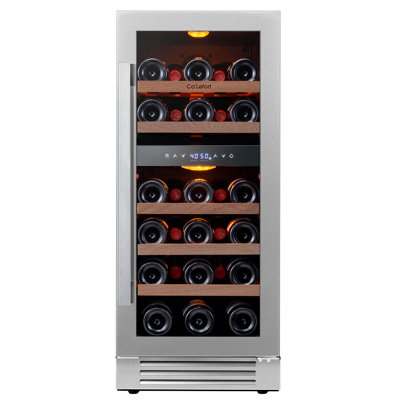
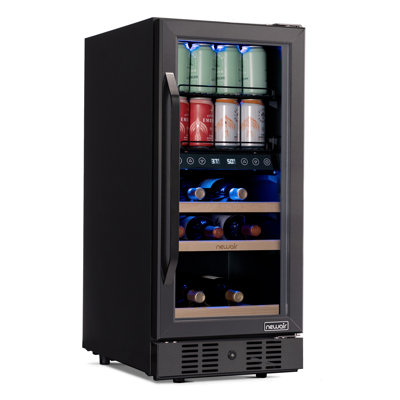
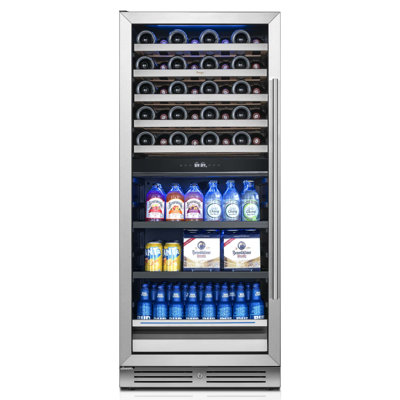
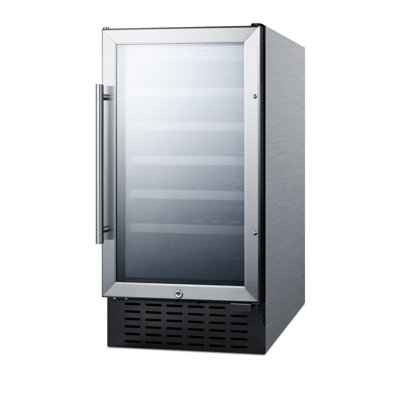
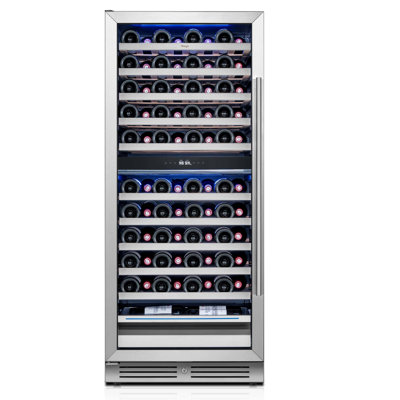
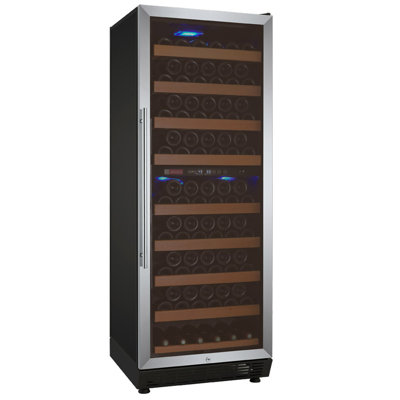
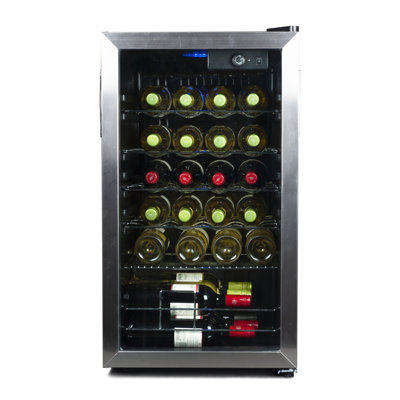
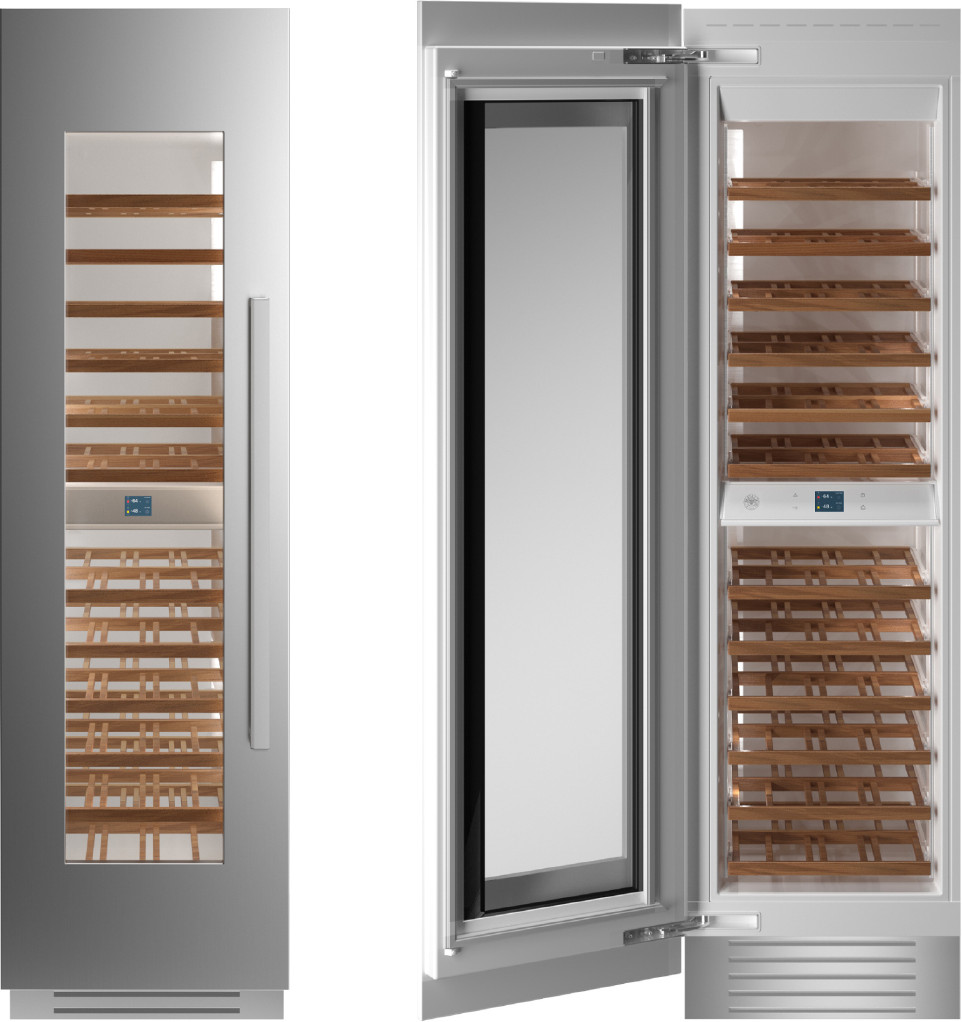
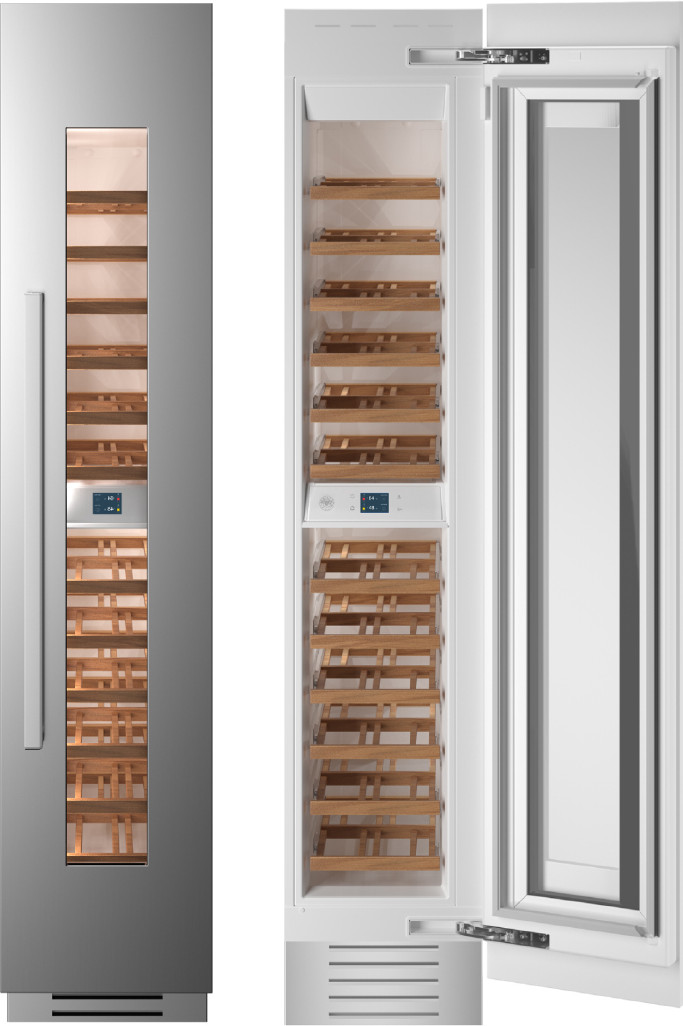
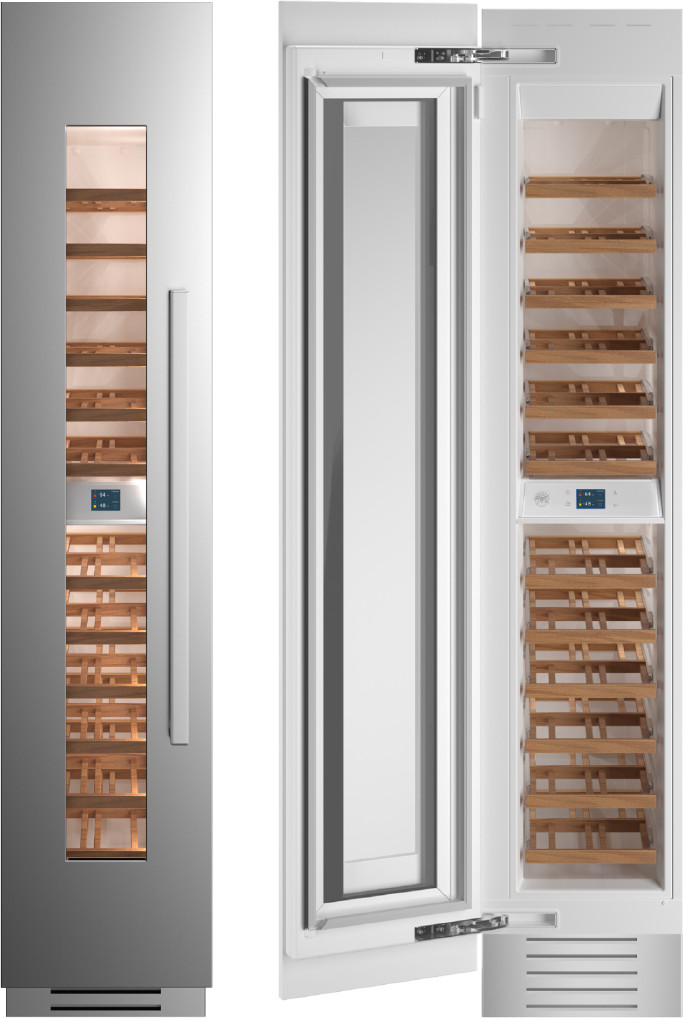
Wine cellars are designed to maintain an optimal temperature range, typically between 45°F and 65°F, which is essential for preventing premature aging or spoilage.
Most wine cellars maintain a humidity level between 50% and 70%, ensuring the cork remains intact and the wine is well-preserved.
Temperature and Humidity Control: These units regulate temperature and humidity to create the ideal environment for wine preservation.
When deciding between a built-in freezer and a wine cellar, it's essential to understand their unique features and benefits. Each option serves a distinct purpose and caters to different needs.
Built-In Freezer Overview
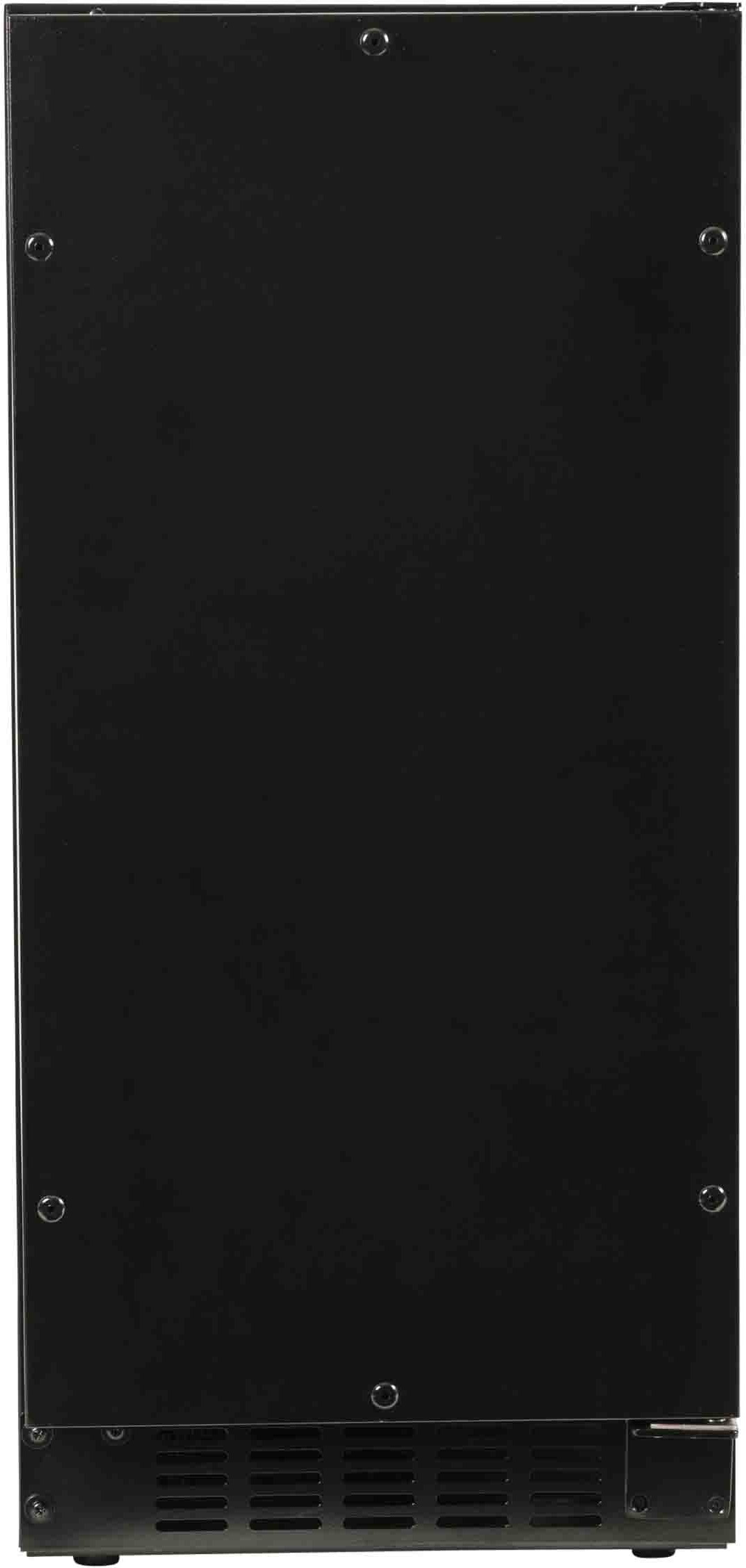
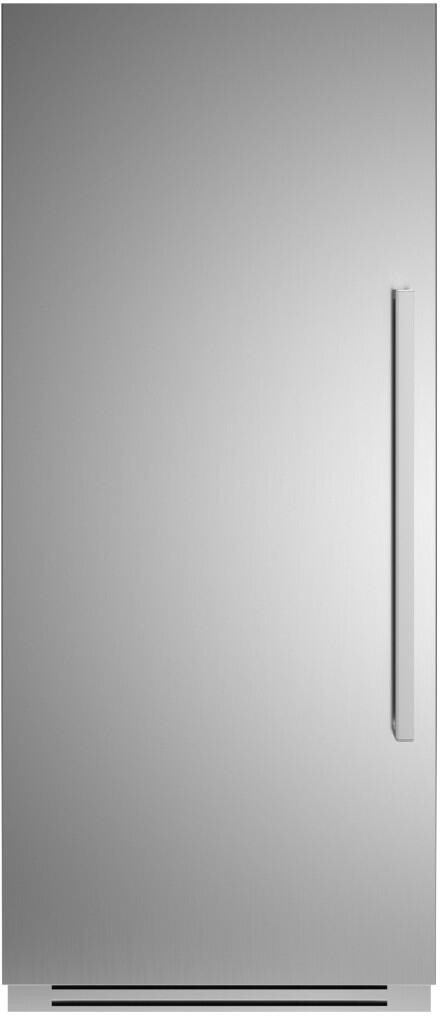
A built-in freezer is designed to provide ample storage for frozen foods, offering convenience and efficiency for your home. These freezers are integrated into your kitchen cabinetry, creating a seamless and organized look. They come in various sizes and configurations, making it easy to find one that fits your space and storage needs.
Key attributes of built-in freezers include:
Storage Capacity: Built-in freezers offer substantial storage space, allowing you to store large quantities of food.
Temperature Control: These freezers maintain a consistent temperature to keep your food frozen and fresh for extended periods.
Design: Built-in freezers are designed to blend with your kitchen décor, providing a sleek and integrated appearance.
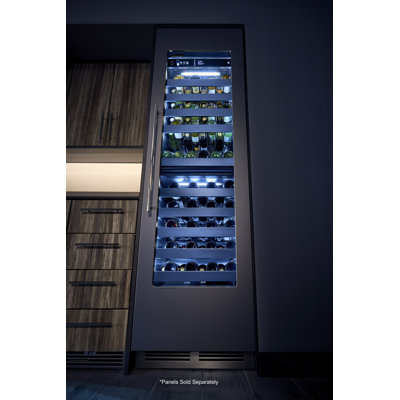
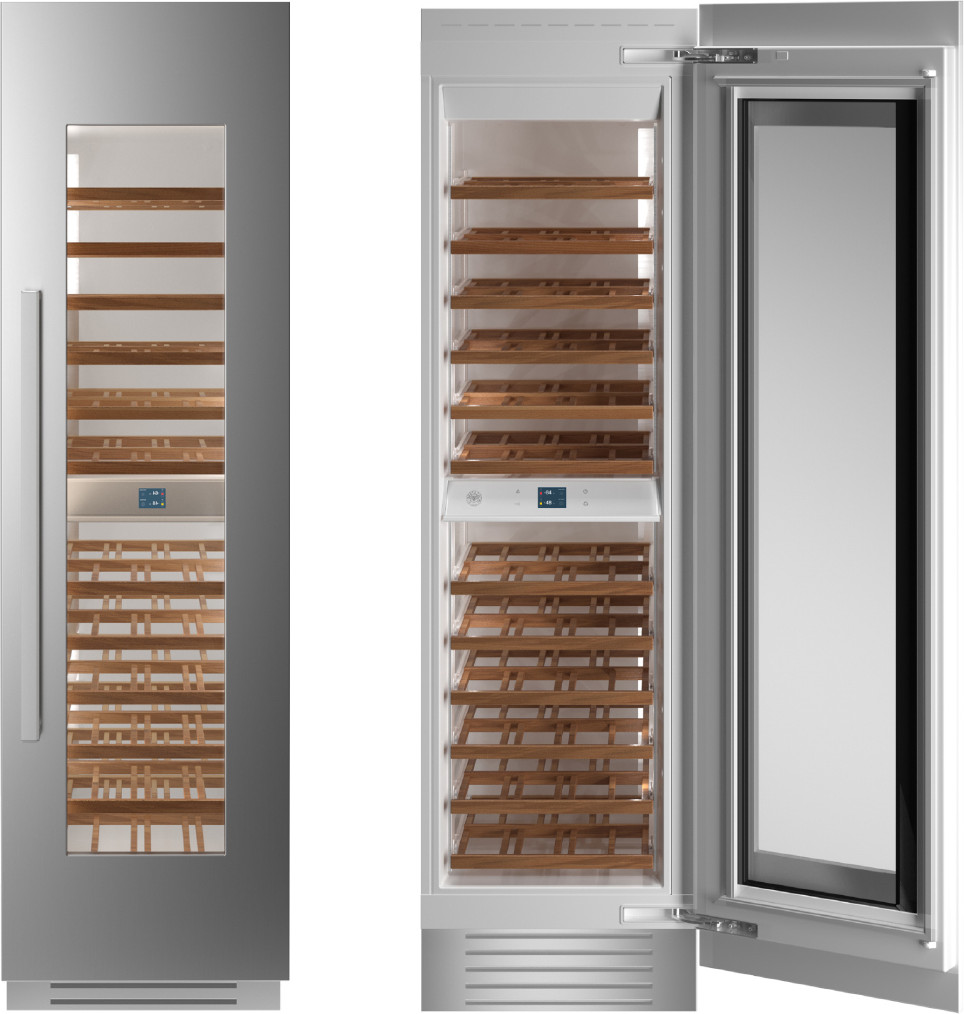
A wine cellar, on the other hand, is specifically designed for storing wine. It maintains optimal conditions for preserving and aging wine, including controlled temperature and humidity levels. Wine cellars can be built into your home or installed as freestanding units, depending on your preference and space availability.
Key features of wine cellars include:
Wine Storage Capacity: Wine cellars can accommodate various bottle capacities, from small collections to extensive assortments.
Temperature and Humidity Control: These units regulate temperature and humidity to create the ideal environment for wine preservation.
Design Options: Wine cellars come in a variety of designs, from traditional to modern, allowing you to choose one that complements your home décor.
By understanding the primary functions and features of built-in freezers and wine cellars, you can make an informed decision that best suits your lifestyle and storage needs. For further comparisons, you might also be interested in reading about kegerator Vs. small deep freezer or drawer refrigerator Vs. small deep freezer.
Built-In Freezer Features
When considering a built-in freezer, several key features come into play. These include storage capacity and organization, temperature control and settings, as well as design and integration.
Storage Capacity and Organization
Built-in freezers offer various storage capacities to accommodate your freezing needs. The organization within the freezer is crucial for maximizing space and ensuring easy access to your frozen items.
Feature
Description
Storage Capacity
Ranges from 5 to 20 cubic feet
Shelves
Adjustable shelves for flexible storage
Drawers
Multiple drawers for organized storage
Door Bins
Additional storage on the door for smaller items
Temperature Control and Settings
Temperature control is a vital feature of built-in freezers, allowing you to maintain the ideal freezing conditions for your food. Advanced settings ensure that your freezer operates efficiently and keeps your items at the optimal temperature.
Feature
Description
Temperature Range
Typically -10°F to 0°F
Digital Controls
Precise temperature adjustments
Fast Freeze
Rapid cooling for new items
Alarm Systems
Alerts for temperature fluctuations
Design and Integration
The design and integration of a built-in freezer can significantly impact the aesthetics and functionality of your kitchen. Built-in models are designed to seamlessly blend with your existing cabinetry and appliances.
Feature
Description
Design Options
Customizable panels to match cabinetry
Built-In Installation
Flush with cabinets for a sleek look
Door Swing
Reversible doors for flexible installation
Lighting
LED lighting for visibility
Understanding these features can help you decide if a built-in freezer fits your needs. For more information on different freezer options, check out Fridge.com comparison on top freezer Vs. bottom freezer and other related articles.
Wine Cellar Features
Wine Storage Capacity and Configuration
When considering a wine cellar, one of the primary features to evaluate is its storage capacity. Wine cellars vary widely in the number of bottles they can store, making it essential to select one that matches your collection size. Some wine cellars are designed for small collections, holding around 20-50 bottles, while others can store several hundred bottles for more extensive collections.
Wine Cellar Type
Bottle Capacity
Small Capacity
20-50
Medium Capacity
51-150
Large Capacity
151+
The configuration of the wine cellar also plays a significant role. Many wine cellars offer adjustable shelving and specific racks to accommodate different bottle sizes, ensuring that your collection is organized and easily accessible.
Temperature and Humidity Control
Proper temperature and humidity control are crucial for preserving the quality and longevity of your wine. Wine cellars are designed to maintain an optimal temperature range, typically between 45°F and 65°F, which is essential for preventing premature aging or spoilage.
Wine Type
Optimal Temperature (°F)
Red Wine
55-65
White Wine
45-55
Sparkling Wine
40-50
Humidity control is equally important, as it prevents corks from drying out and allows the wine to age gracefully. Most wine cellars maintain a humidity level between 50% and 70%, ensuring the cork remains intact and the wine is well-preserved.
Wine Cellar Design Options
Wine cellars come in various designs to suit different aesthetic preferences and integration needs. Whether you prefer a freestanding model or a built-in unit, there are numerous options available to complement your space.
Design options include:
Freestanding Wine Cellars: These units offer flexibility in placement and can be moved as needed. They are ideal for those who may want to rearrange their living space or relocate the wine cellar.
Built-In Wine Cellars: These models are designed to seamlessly integrate into your existing cabinetry or kitchen layout. They provide a sleek and cohesive look, making them a popular choice for modern kitchens.
Custom Wine Cellars: For those with specific requirements or larger collections, custom wine cellars offer the ability to tailor the design, capacity, and features to your exact needs.
When choosing a wine cellar, consider how it will fit into your space and match your home's décor. The right design can enhance your living area while providing optimal storage conditions for your wine collection.
For more information on how to choose the right cooling appliance for your needs, check out Fridge.com articles on built in wine cooler Vs. refrigerator drawer and bar fridge Vs. compact freezer.
When choosing between a built-in freezer and a wine cellar, several factors regarding your space need to be considered. These include space requirements, energy efficiency, and maintenance needs.
Space Requirements and Installation
The space requirements for a built-in freezer and a wine cellar differ significantly. Built-in freezers are typically designed to fit seamlessly into your kitchen cabinetry or designated storage spaces. They require precise measurements to ensure a proper fit. On the other hand, wine cellars can vary in size from compact units designed for a few bottles to large walk-in cellars. The installation process for each also varies, with built-in freezers often requiring professional installation to ensure proper ventilation and integration, while wine cellars may need specialized shelving and climate control systems.
Feature
Built-In Freezer
Wine Cellar
Space Requirements
Compact, fits in cabinetry
Varies (compact to walk-in)
Installation
Professional integration
Shelving and climate control
Energy Efficiency
Energy efficiency is an important consideration, especially when these appliances are in constant use. Built-in freezers are designed to be energy-efficient, often featuring advanced insulation and efficient compressors. Wine cellars, however, require maintaining a constant temperature and humidity level, which can be energy-intensive. The energy consumption will depend on the size and features of the unit.
Maintenance and Care
Maintenance and care also differ between built-in freezers and wine cellars. Built-in freezers typically require regular defrosting and cleaning to maintain efficiency. Wine cellars, on the other hand, need consistent monitoring of temperature and humidity levels to ensure optimal conditions for wine storage. Shelving and racks in wine cellars must be checked and cleaned periodically to prevent mold and maintain the quality of the wine.
Feature
Built-In Freezer
Wine Cellar
Maintenance
Regular defrosting, cleaning
Temperature, humidity monitoring; clean shelving
Understanding these considerations can help you make an informed decision. For more information on different types of freezers and refrigerators, check out Fridge.com articles on top freezer Vs. bottom freezer and built in wine cooler Vs. refrigerator drawer.
Choosing Between a Built-In Freezer and Wine Cellar
When deciding between a built-in freezer and a wine cellar, it's important to consider various factors that align with your lifestyle, purpose, and budget.
Lifestyle Considerations
Your lifestyle plays a significant role in determining whether a built-in freezer or a wine cellar is the better choice. If you frequently entertain guests and enjoy having a variety of foods and frozen treats on hand, a built-in freezer might be more suitable. On the other hand, if you are an avid wine collector and often host wine-tasting events, a wine cellar could be the perfect addition to your home.
Consider how often you entertain and the types of gatherings you typically host. This will help you decide which appliance better complements your lifestyle.
Purpose and Usage
Understanding the primary purpose and usage of each appliance can also guide your decision. A built-in freezer is ideal for storing a variety of frozen foods, including meats, vegetables, and prepared meals. It's a versatile option for families who need extra storage space for bulk purchases or homemade dishes.
In contrast, a wine cellar is specifically designed to store and age wine. It offers optimal temperature and humidity control to preserve the quality and flavor of your wine collection. If you have a significant investment in fine wines, a wine cellar ensures they are stored in the best possible conditions.
Appliance
Primary Use
Ideal For
Built-In Freezer
Storing frozen foods
Families, bulk shoppers
Wine Cellar
Storing and aging wine
Wine collectors, entertainers
Budget and Long-Term Needs
Budget and long-term needs are crucial factors to consider. Built-in freezers and wine cellars come in a range of prices, depending on their size, features, and brand. Assess your budget and determine how much you are willing to invest in either appliance.
Additionally, think about your long-term needs. A built-in freezer might be a practical choice if you plan to store a large amount of food regularly. However, if you anticipate growing your wine collection over time, investing in a wine cellar could be more beneficial in the long run.
Appliance
Cost Range
Long-Term Benefits
Built-In Freezer
$500 - $2,000
Versatile storage, bulk food savings
Wine Cellar
$1,000 - $5,000
Optimal wine aging, enhanced wine value
By evaluating your lifestyle, the primary purpose of each appliance, and your budget, you can make an informed decision on whether a built-in freezer or a wine cellar is the best fit for your home. For more comparisons, explore Fridge.com articles on top freezer Vs. bottom freezer and built in wine cooler Vs. refrigerator drawer.
Compare prices on Fridge.com
Compare current prices and specifications on Fridge.com, then buy from the retailer you choose; delivery, installation and warranty terms are the retailer’s.
It also has tons of awesome articles about kitchen stuff and home news. Enhance your home, garage, backyard, patio, and office with the coolest essentials. With every necessary type of residential refrigerator or freezer in the collection, you're covered.
Free tool
Wine Refrigerator Calculator
Free interactive tool from Fridge.com — get a quick answer while you read.