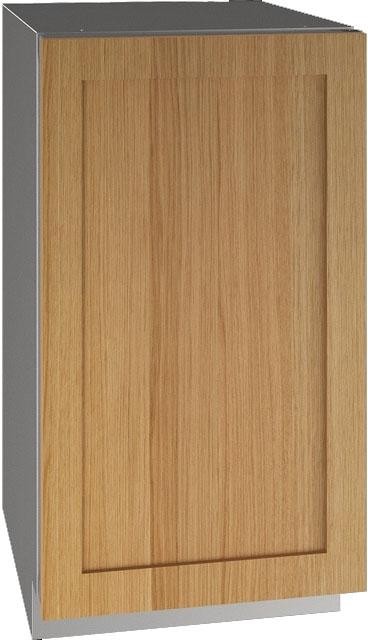
Beverage Center Vs. Wine Refrigerator: A Comparative Guide
Understanding the Purpose and Functionality
When deciding between a beverage center and a wine refrigerator, it's essential to understand their primary purposes and functionalities. Both appliances are designed to store beverages, but they cater to different needs and preferences.
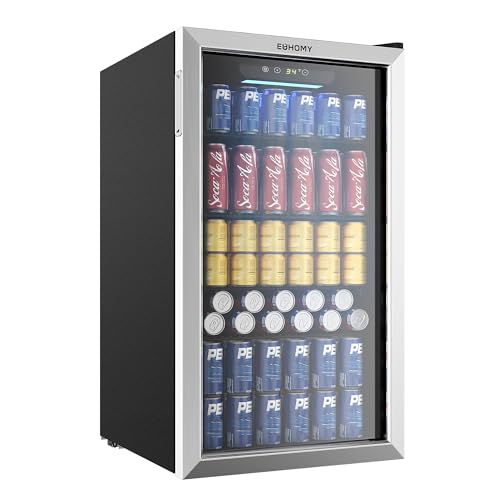
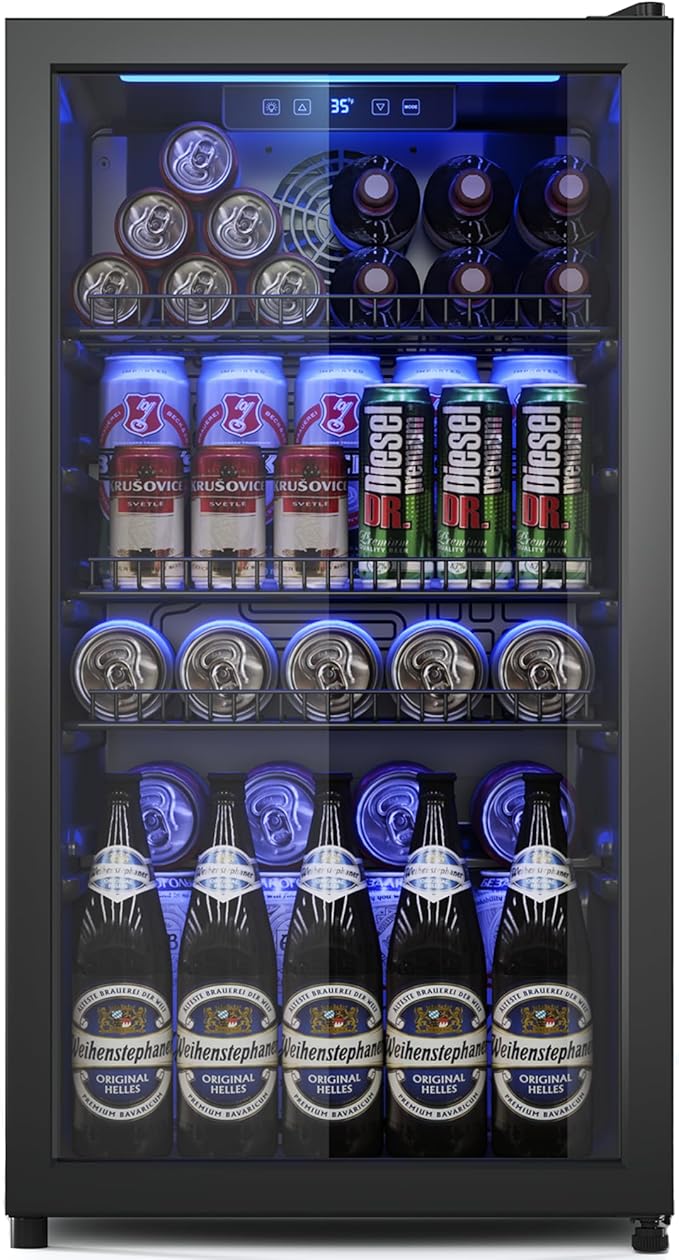
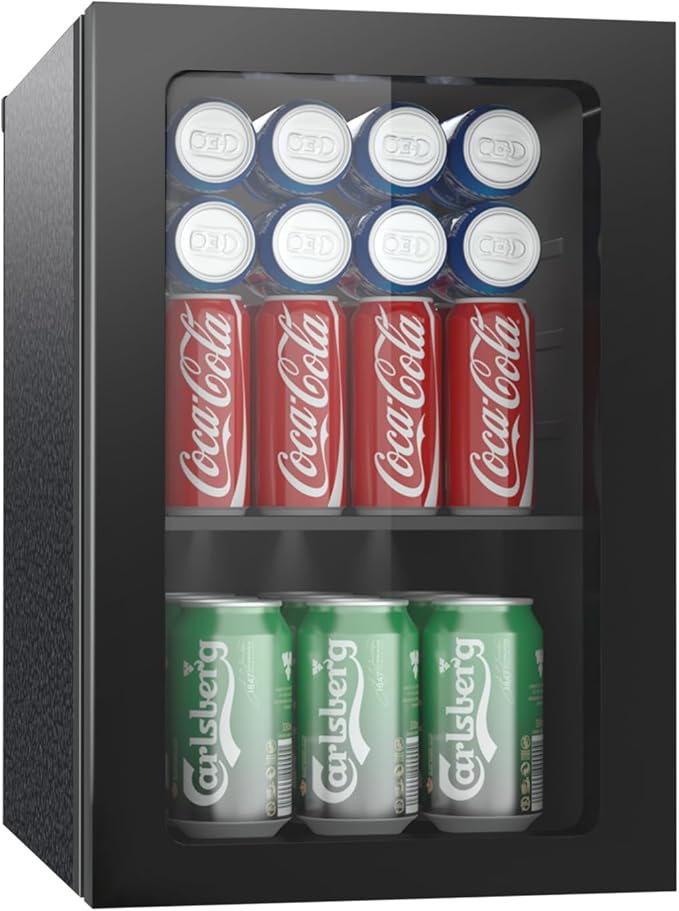
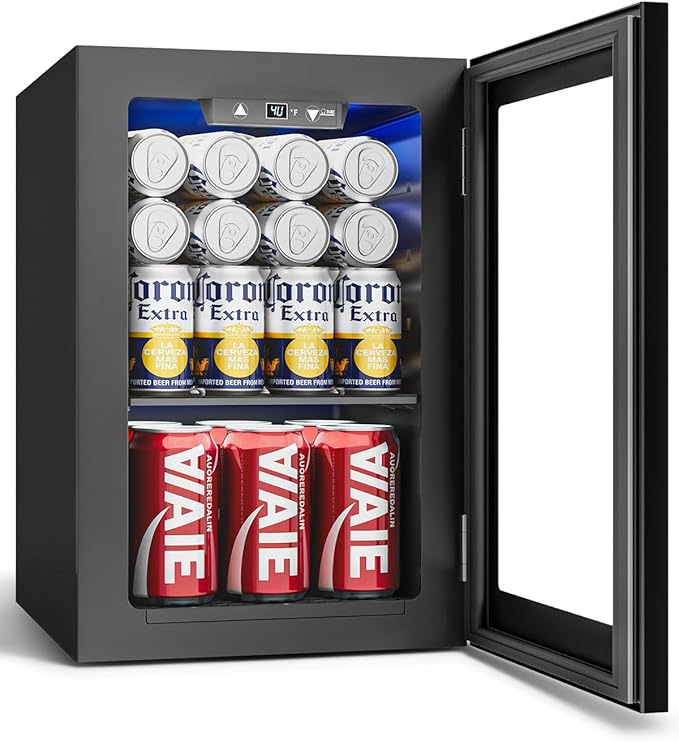
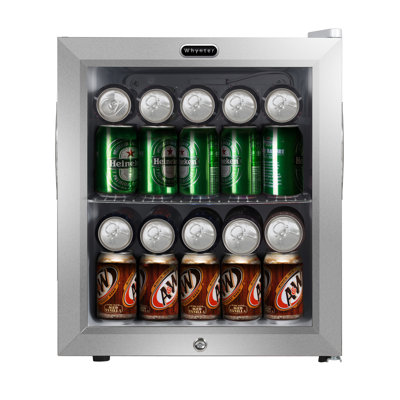
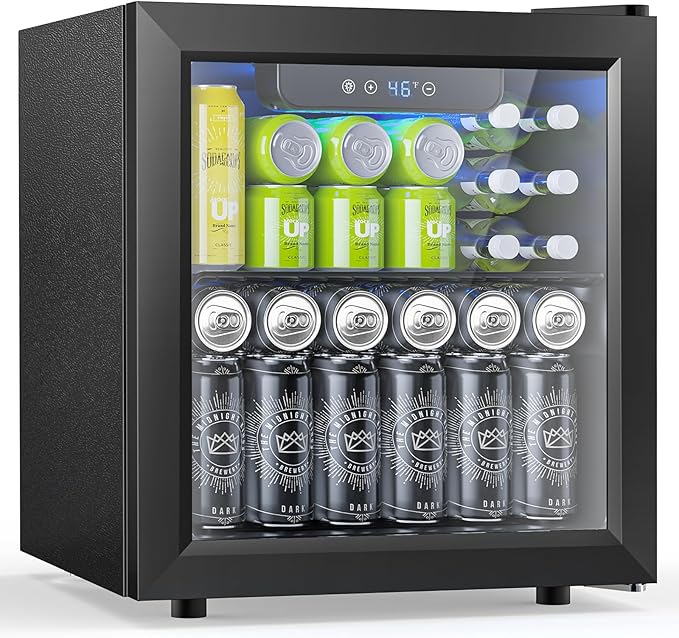
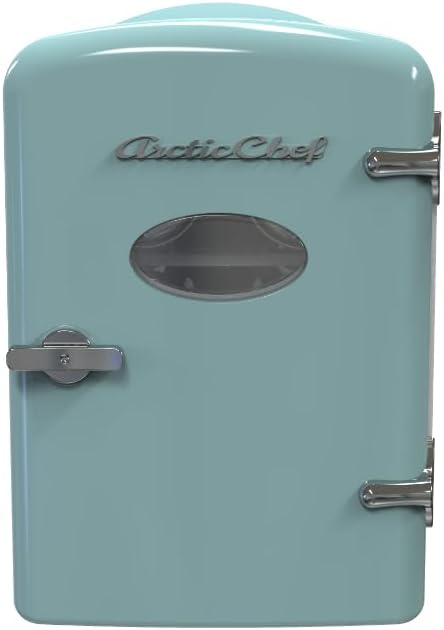
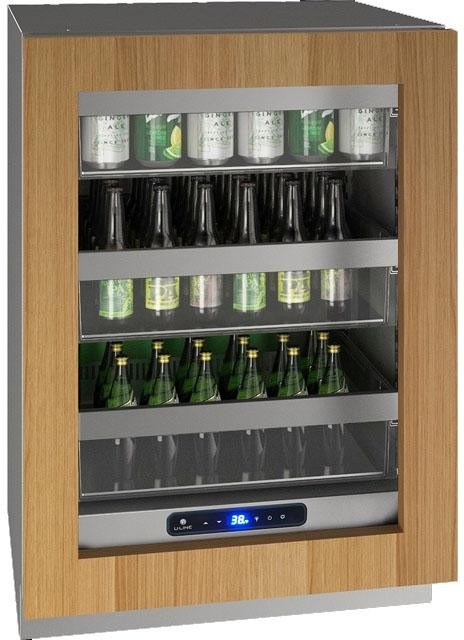
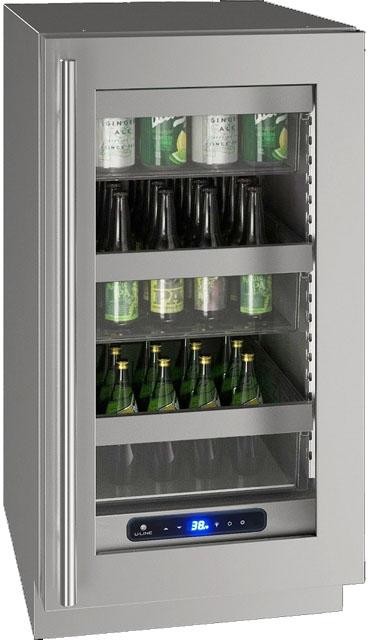
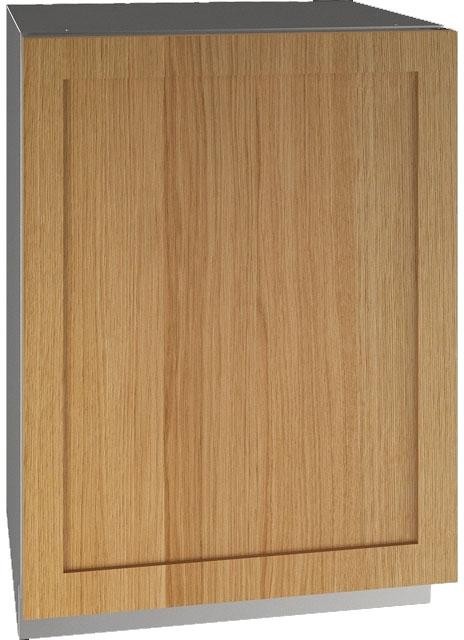
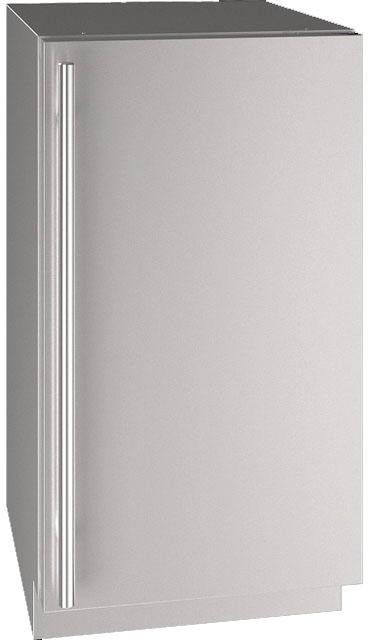
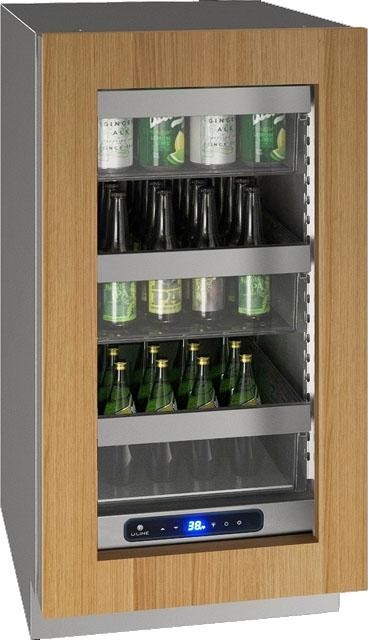
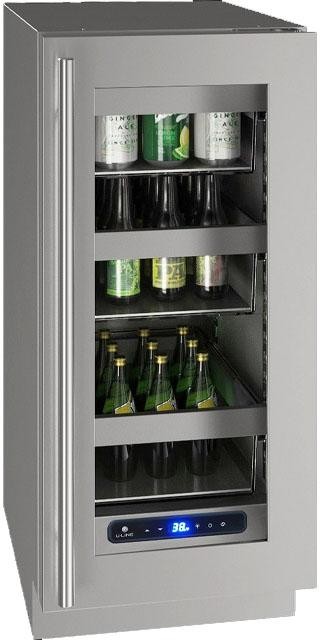
A beverage center is a versatile cooler designed to store a variety of drinks, including sodas, beers, and other non-alcoholic beverages. It typically features adjustable shelves to accommodate different bottle and can sizes. The main purpose of a beverage center is to provide easy access to a wide range of drinks, making it a popular choice for entertaining spaces like kitchens, home bars, and patios.
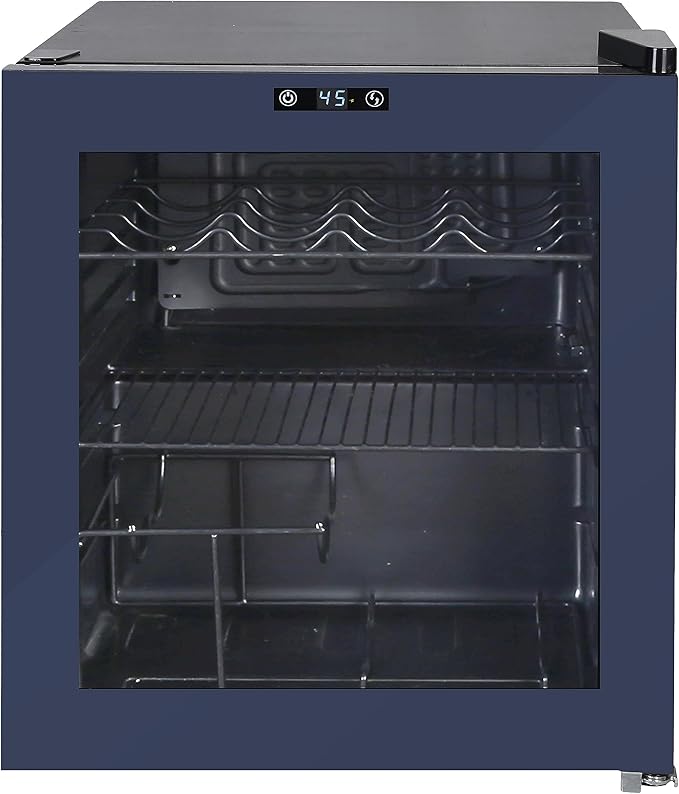
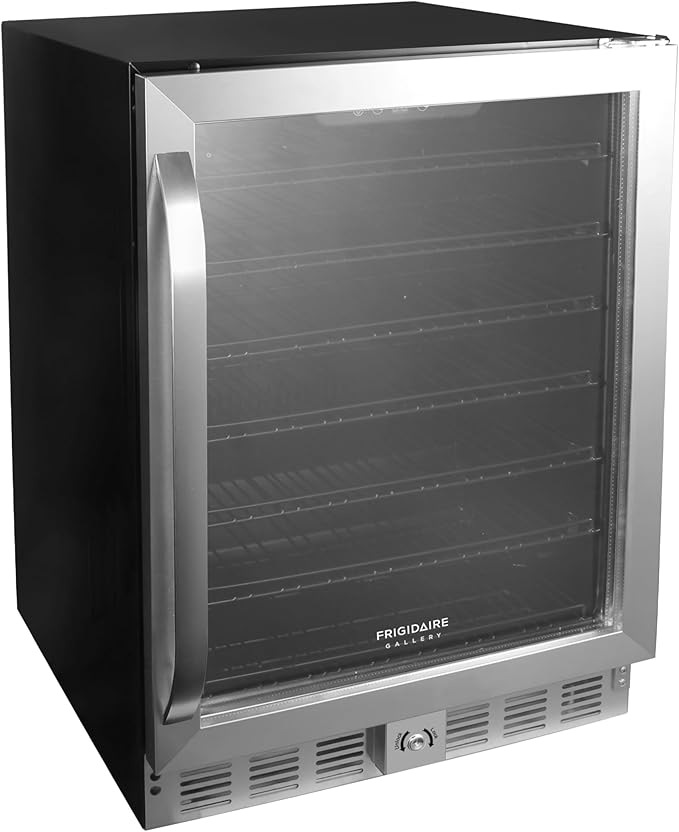
In contrast, a wine refrigerator is specifically designed for storing wine bottles. It maintains a consistent and optimal temperature to preserve the quality and flavor of wine. This appliance often includes specialized shelving to keep wine bottles secure and organized. Wine refrigerators may also offer dual-zone cooling, allowing you to store red and white wines at different temperatures. This makes them ideal for wine enthusiasts who want to ensure their collection is stored under the best conditions.
Beverage centers are versatile appliances designed to store and cool a wide variety of drinks. Their functionality extends beyond typical refrigerators, offering specialized features that cater to beverage enthusiasts.
Features and Benefits
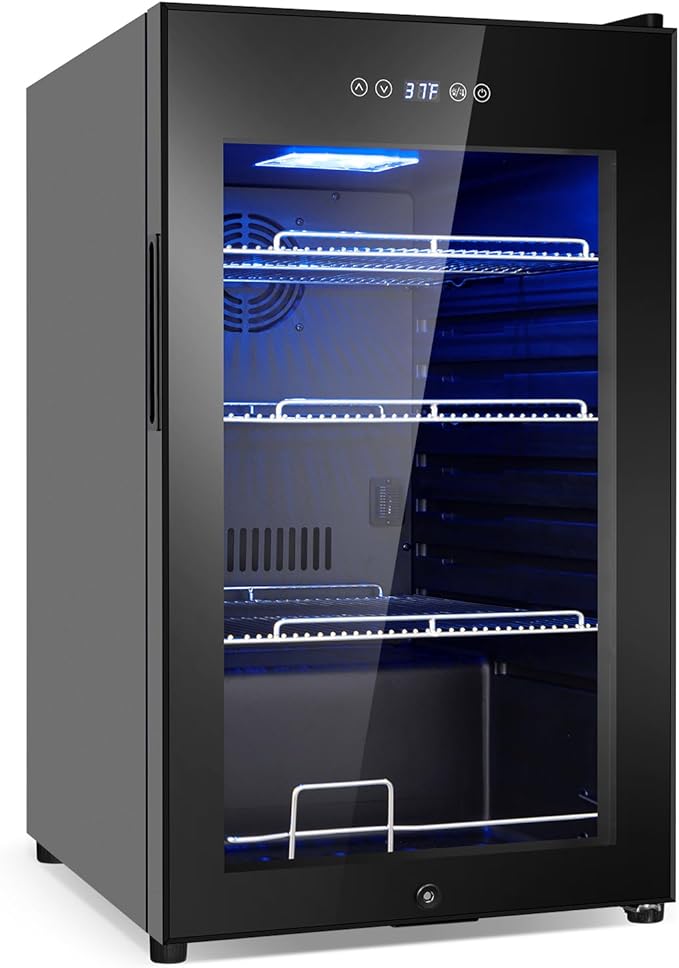
Beverage centers come equipped with unique features tailored for optimal drink storage.
Adjustable Shelving: Allows for customization of the interior space to accommodate different bottle sizes and shapes.
Temperature Zones: Some models offer dual or multiple temperature zones, enabling you to store different beverages at their ideal temperatures.
Glass Doors: Often feature glass doors for easy visibility and stylish display of your collection.
Compact Design: Typically smaller than standard refrigerators, making them perfect for tight spaces.
LED Lighting: Interior LED lighting enhances visibility and adds a modern touch.
Feature
Benefit
Adjustable Shelving
Customizable storage for various bottle sizes
Temperature Zones
Optimal cooling for different types of beverages
Glass Doors
Easy visibility and stylish display
Compact Design
Fits in limited spaces
LED Lighting
Enhanced visibility and modern aesthetics
Ideal Uses and Placement
Beverage centers are ideal for various settings and purposes, making them a valuable addition to your home or office.
Home Bars: Perfect for home bars, allowing easy access to a variety of drinks.
Kitchens: Adds convenience for families and guests, keeping favorite beverages within reach.
Offices: Great for office break rooms, providing employees with a selection of cold drinks.
Entertainment Areas: Enhances entertainment spaces, ensuring guests always have a chilled drink.
The compact size and stylish design of beverage centers make them suitable for placement in multiple locations. Whether it's a small apartment, a spacious kitchen, or a dedicated entertainment area, these versatile appliances fit seamlessly into any space. For more comparisons, visit Fridge.com article on beverage fridge Vs. column refrigerator.
When considering a beverage center, it's important to think about the specific needs of your household or office. Understanding its features and benefits will help you make an informed decision, ensuring that you choose the right appliance for your lifestyle. For further information on similar appliances, check out Fridge.com guide on beverage fridge Vs. large refrigerator.
Wine Refrigerator Explored
Wine refrigerators are specialized appliances designed to store and preserve wine at optimal conditions. They cater specifically to wine enthusiasts and collectors who seek to maintain the quality and taste of their wine collection.
Features and Benefits
Wine refrigerators come with a host of features tailored to meet the unique needs of wine storage:
Temperature Control: Wine refrigerators offer precise temperature settings, typically ranging from 40°F to 65°F. This allows you to store both red and white wines at their ideal temperatures.
Humidity Control: Maintaining proper humidity levels is crucial for preserving wine. Wine refrigerators often include humidity control features to prevent corks from drying out.
UV Protection: Many wine refrigerators have tinted glass doors that protect the wine from harmful UV rays, which can degrade the quality of the wine over time.
Vibration Reduction: To minimize disturbances that can affect the aging process, wine refrigerators are designed with vibration reduction technology.
Shelving: Adjustable and specially designed shelves cradle wine bottles to prevent movement and breakage.
Feature
Benefit
Temperature Control
Precise temperature settings for red and white wines
Humidity Control
Prevents corks from drying out
UV Protection
Protects wine from harmful rays
Vibration Reduction
Minimizes disturbances during aging
Shelving
Adjustable for different bottle sizes
Ideal Uses and Placement
Wine refrigerators are best suited for individuals who have a collection of wines that they wish to store and age properly. These refrigerators are ideal for:
Home Use: Whether in the kitchen, dining room, or a dedicated wine cellar, wine refrigerators keep your collection at optimal conditions.
Entertainment Spaces: Perfect for home bars and entertainment areas where you can easily access and serve wine to guests.
Restaurants and Bars: Essential for establishments that offer a variety of wines and need to store them at the correct temperature.
When considering placement, wine refrigerators can be freestanding or built-in. Freestanding units offer flexibility in positioning, while built-in models integrate seamlessly into cabinetry or under countertops. For more details on integrating appliances into your kitchen, read Fridge.com article on beverage fridge Vs. large refrigerator.
Explore how wine refrigerators compare to other types of refrigerators in Fridge.com guide on reach in refrigerator Vs. wine refrigerator. For those interested in compact options, consider reading about mini fridge Vs. wine fridge for more insights.
When comparing a beverage center and a wine refrigerator, it's important to understand the differences in size and capacity. These differences can significantly impact where and how you use these appliances.
Beverage Center:
Generally larger in size.
Designed to store a variety of beverages, including cans, bottles, and even snacks.
Often has adjustable shelves to accommodate different types of drinks.
Wine Refrigerator:
Typically more compact.
Specifically designed to store wine bottles.
Often includes specialized racks to hold bottles horizontally and preserve the quality of the wine.
Appliance Type
Average Size (H x W x D)
Capacity
Beverage Center
34" x 24" x 24"
100-150 cans
Wine Refrigerator
34" x 15" x 22"
18-50 wine bottles
Interior Layout and Shelving Options
The interior layout and shelving options further differentiate a beverage center from a wine refrigerator. Each design caters to its specific purpose, enhancing its functionality.
Beverage Center:
Adjustable shelves: Allows you to customize the layout to fit different types of beverages.
Versatile storage: Can hold cans, bottles, and sometimes snacks.
Multiple zones: Some models feature dual zones to store different beverages at optimal temperatures.
Wine Refrigerator:
Specialized wine racks: Designed to hold wine bottles horizontally, keeping the cork moist and preventing air from entering.
Limited adjustability: Shelves are often fixed to maintain the structure needed for wine storage.
Single or dual temperature zones: Allows for the storage of different types of wine at their ideal temperatures.
Feature
Beverage Center
Wine Refrigerator
Adjustable Shelves
Yes
No
Specialized Racks
No
Yes
Versatile Storage
Yes
No
Dual Temperature Zones
Yes (some models)
Yes (some models)
Understanding these design and capacity considerations can help you decide whether a beverage center or a wine refrigerator best suits your needs. For more detailed comparisons, you might find Fridge.com articles on beverage fridge Vs. column refrigerator and reach in refrigerator Vs. wine refrigerator helpful.
Temperature Control and Settings
Importance of Temperature Regulation
Maintaining the right temperature is crucial for both beverage centers and wine refrigerators. Proper temperature control ensures that your drinks are stored at optimal conditions, preserving their flavor and quality. For wine enthusiasts, the right temperature is especially important as it influences the aging process and taste profile of the wine. Beverage centers, on the other hand, need to keep various drinks like sodas, beers, and juices at refreshingly cool temperatures.
Appliance Type
Optimal Temperature Range (°F)
Beverage Center
35 - 50
Wine Refrigerator (Red Wine)
55 - 65
Wine Refrigerator (White Wine)
45 - 55
Variations in Cooling Mechanisms
Different cooling mechanisms play a significant role in how beverage centers and wine refrigerators manage temperature. Understanding these mechanisms can help you make an informed decision based on your specific needs.
Beverage Centers typically use a compressor-based cooling system. This type of cooling is powerful and efficient, capable of quickly bringing down the temperature to the desired level. It is ideal for environments where a variety of beverages need to be kept cold. The compressor system is also effective in maintaining consistent temperatures despite frequent door openings. For a comparison of beverage centers and other refrigeration options, visit Fridge.com article on beverage fridge Vs. large refrigerator.
Wine Refrigerators often employ thermoelectric cooling. This system is quieter and vibrates less compared to compressor units, which is beneficial for wine storage as vibrations can disturb the sediments in wine, affecting its quality. Thermoelectric units are also more energy-efficient but may struggle to maintain low temperatures in warmer environments. For more on wine refrigerators, see Fridge.com article on reach in refrigerator Vs. wine refrigerator.
Cooling Mechanism
Beverage Center
Wine Refrigerator
Compressor
Yes
Sometimes
Thermoelectric
Rarely
Yes
By understanding the importance of temperature regulation and the variations in cooling mechanisms, you can better decide between a beverage center and a wine refrigerator. Whether you prioritize the versatility of a beverage center or the specialized cooling of a wine refrigerator, knowing the specifics will help you make the best choice for your needs. For further comparisons, explore Fridge.com article on garage refrigerator Vs. wine fridge.
Aesthetics and Placement
Design and Style Options
When comparing a beverage center and a wine refrigerator, their design and style options play a significant role in how they integrate into your living space. Both appliances come in various finishes and styles to match different aesthetics, including modern, traditional, and industrial designs.
Beverage Center:
Sleek and contemporary designs
Glass doors for easy viewing
LED interior lighting
Available in stainless steel, black, and custom panel-ready finishes
Wine Refrigerator:
Elegant and sophisticated designs
UV-protected glass doors
Wooden shelves for a classic look
Available in stainless steel, black, and custom panel-ready finishes
Feature
Beverage Center
Wine Refrigerator
Door Style
Glass, Solid
Glass, Solid
Lighting
LED
LED
Shelving Material
Metal, Wood
Wood
Finish Options
Stainless, Black, Panel-ready
Stainless, Black, Panel-ready
Integration into Different Spaces
The placement of a beverage center and a wine refrigerator can greatly impact the functionality and aesthetics of your home. Understanding their ideal uses and placements can help you make an informed decision.
Beverage Center:
Kitchen: Fits seamlessly under countertops or in kitchen islands, offering easy access to drinks during meal prep and entertaining.
Living Room: Acts as a convenient drink station for guests, enhancing the social ambiance.
Home Office: Keeps refreshments at hand, improving productivity without frequent trips to the kitchen.
Basement/Rec Room: Perfect for game nights and parties, ensuring a steady supply of cold beverages.
Wine Refrigerator:
Dining Room: Keeps wine at the perfect serving temperature, enhancing dining experiences.
Kitchen: Integrates well with cabinetry, providing an elegant storage solution for wine enthusiasts.
Home Bar: Complements your bar setup, allowing for proper wine storage and presentation.
Living Room: Adds a touch of sophistication, making wine easily accessible during gatherings.
Placement Area
Beverage Center
Wine Refrigerator
Kitchen
Yes
Yes
Living Room
Yes
Yes
Home Office
Yes
No
Dining Room
No
Yes
Basement/Rec Room
Yes
No
Home Bar
Yes
Yes
For more in-depth comparisons on different cooling appliances, you can explore Fridge.com articles on beverage fridge Vs. large refrigerator and reach in refrigerator Vs. wine refrigerator. Understanding these aspects can help you choose the best appliance for your specific needs and preferences.
Proper maintenance and care are essential to keep your beverage center or wine refrigerator functioning optimally. This section provides tips on cleaning, upkeep, and troubleshooting common issues.
Cleaning and Upkeep Tips
Regular cleaning ensures that your appliance remains hygienic and operates efficiently. Follow these steps for effective cleaning:
Unplug the Appliance: Always disconnect the appliance from the power source before cleaning.
Remove All Contents: Take out all beverages, shelves, and racks.
Clean Interior: Use a mild detergent and warm water to clean the interior surfaces. Avoid harsh chemicals.
Clean Shelves and Racks: Wash removable shelves and racks with soapy water and let them dry completely before placing them back.
Wipe the Exterior: Use a damp cloth to clean the exterior. For stainless steel surfaces, use a stainless steel cleaner.
Check the Door Seals: Clean the door seals using a mixture of water and vinegar to ensure they remain free of mold and mildew.
Sample Cleaning Schedule:
Task
Frequency
Clean Interior and Shelves
Monthly
Wipe Exterior
Bi-weekly
Check Door Seals
Monthly
Troubleshooting Common Issues
Even with regular maintenance, you may encounter some common issues with your beverage center or wine refrigerator. Here's how to address them:
Temperature Fluctuations: If the appliance is not maintaining the desired temperature, check the thermostat settings. Ensure the doors are properly sealed and not opened frequently. If the problem persists, consult the user manual for troubleshooting steps or consider professional servicing.
Unusual Noises: If you hear strange noises, ensure the appliance is on a level surface and not touching any walls or cabinets. Some noise is normal, but persistent loud sounds may indicate a mechanical issue.
Condensation Inside the Unit: Excessive moisture can be caused by frequently opening the door or a faulty seal. Check the door seals and replace them if necessary. Reducing the frequency of door openings can also help.
Frost Buildup: If frost accumulates, it may be due to setting the temperature too low or a problem with the defrost system. Adjust the temperature settings and refer to the user manual for defrosting instructions.
For a more in-depth comparison of different refrigerators and freezers, you might find Fridge.com articles on beverage fridge Vs. column refrigerator and glass door mini fridge Vs. wine fridge helpful.
Proper maintenance and timely troubleshooting can extend the lifespan of your beverage center or wine refrigerator, ensuring that your drinks are always stored at the perfect temperature.
Cost Comparison
When deciding between a beverage center and a wine refrigerator, cost is an important factor to consider. This section breaks down the initial investment and long-term operational costs associated with each option.
Initial Investment
The initial cost of a beverage center or wine refrigerator can vary based on size, features, and brand. Generally, wine refrigerators tend to be more expensive due to specialized temperature control and storage features designed to preserve wine quality.
Appliance Type
Average Initial Cost
Beverage Center
$200 - $1,000
Wine Refrigerator
$300 - $2,500
Long-term Operational Costs
Long-term costs include energy consumption and maintenance. Beverage centers typically consume less energy than wine refrigerators, which often require more precise temperature control. Regular maintenance and occasional repairs should also be factored into the long-term costs.
Appliance Type
Average Annual Energy Cost
Maintenance Cost
Beverage Center
$20 - $50
Low
Wine Refrigerator
$30 - $70
Moderate
Consider these cost implications when choosing between a beverage center and a wine refrigerator. For more detailed comparisons, check out Fridge.com articles on beverage fridge Vs. column refrigerator and reach in refrigerator Vs. wine refrigerator.
Compare prices on Fridge.com
Compare current prices and specifications on Fridge.com, then buy from the retailer you choose; delivery, installation and warranty terms are the retailer’s.
It also has tons of awesome articles about kitchen stuff and home news. Enhance your home, garage, backyard, patio, and office with the coolest essentials. With every necessary type of residential refrigerator or freezer in the collection, you're covered.
Free tool
Beverage Cooler Size Calculator
Free interactive tool from Fridge.com — get a quick answer while you read.