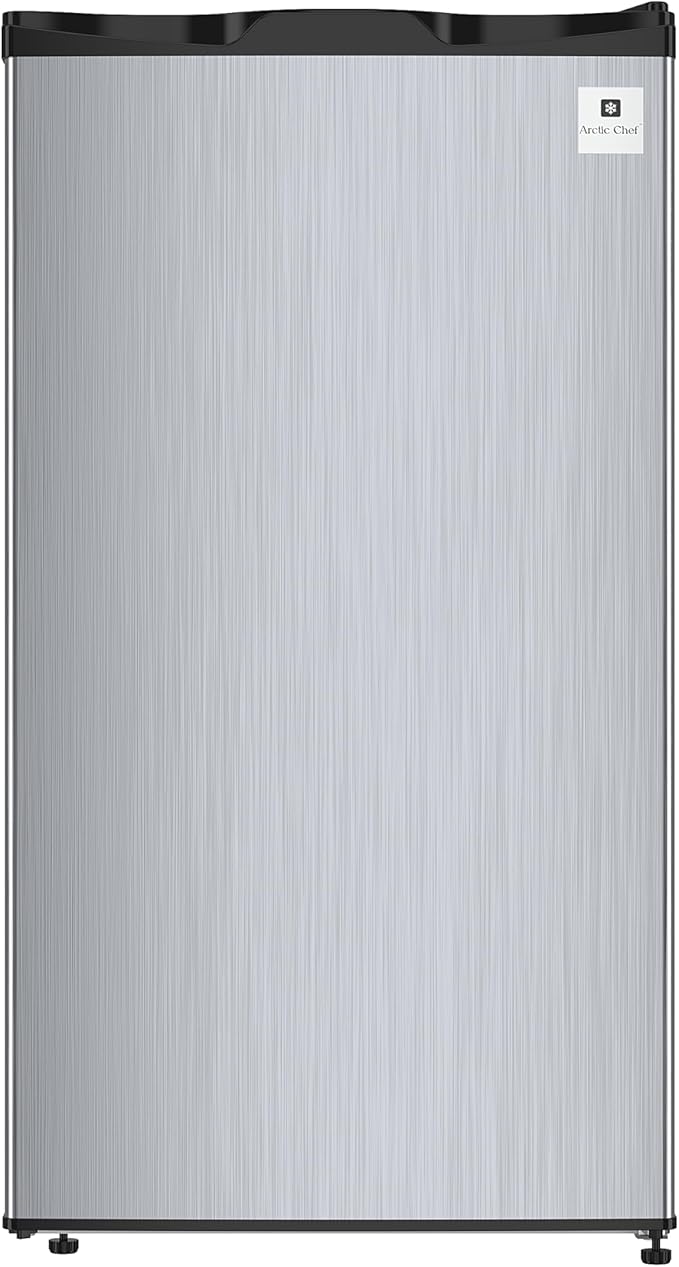
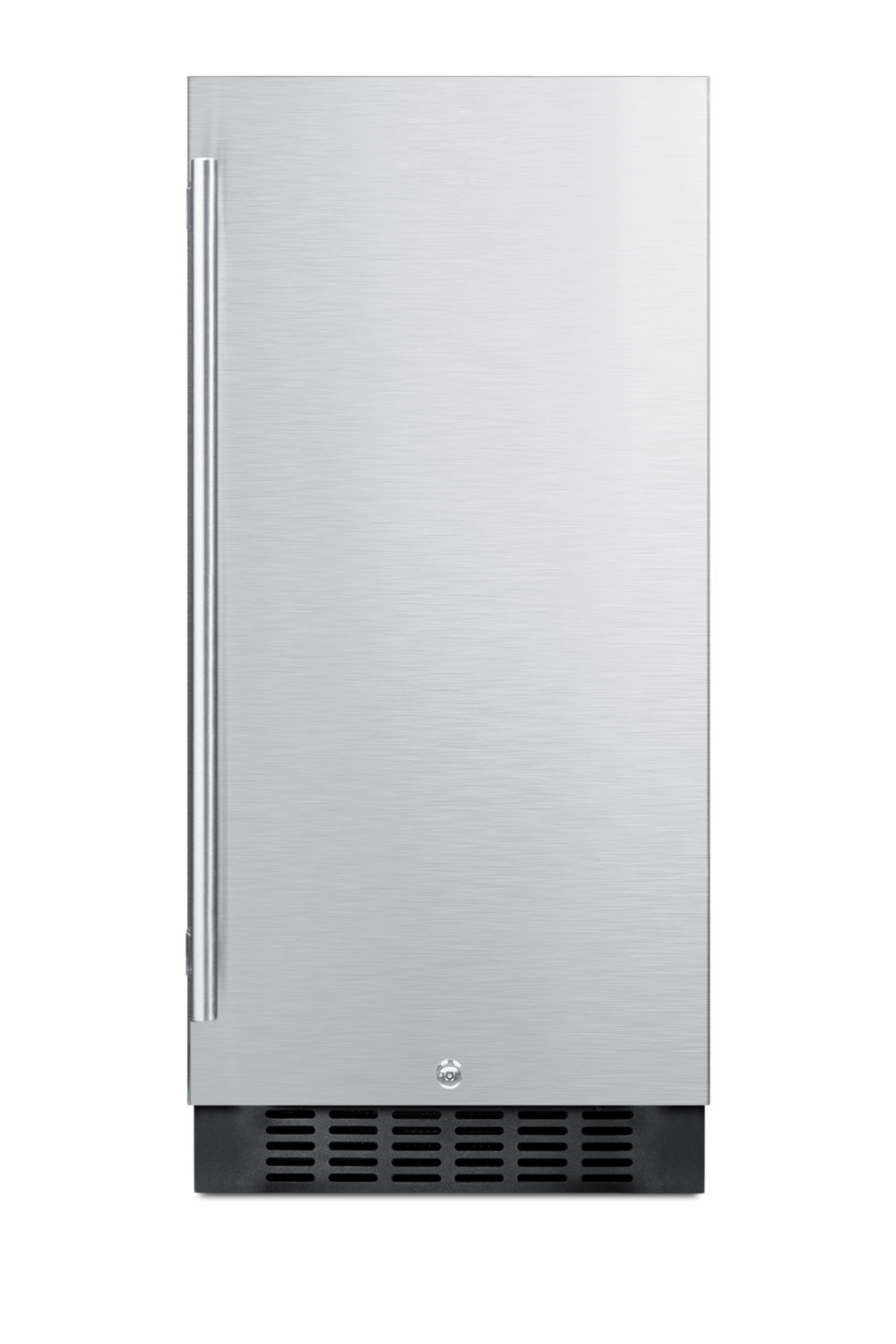
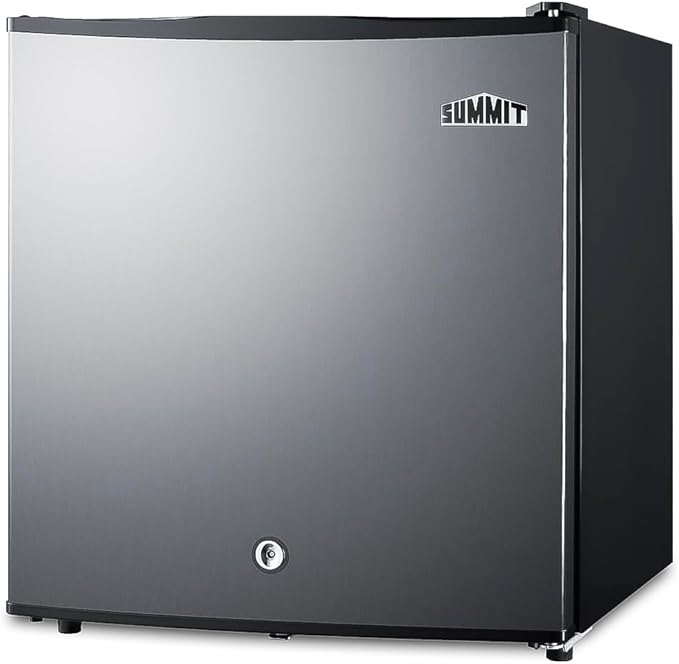
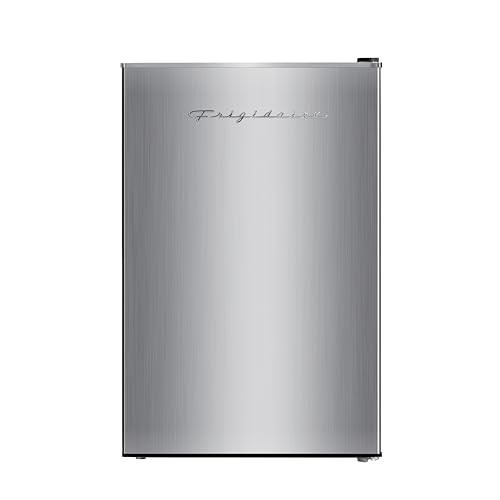
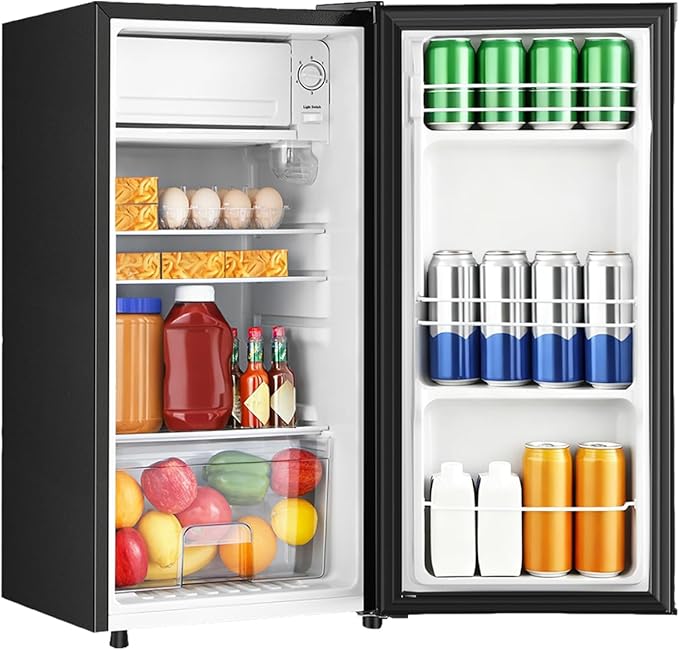
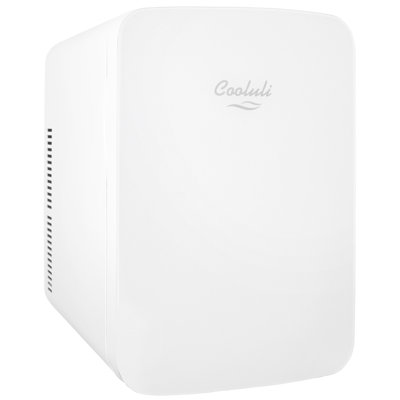
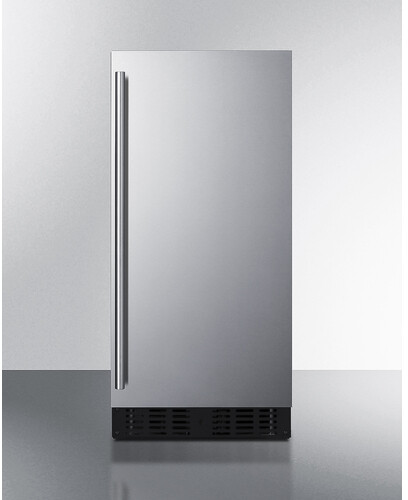
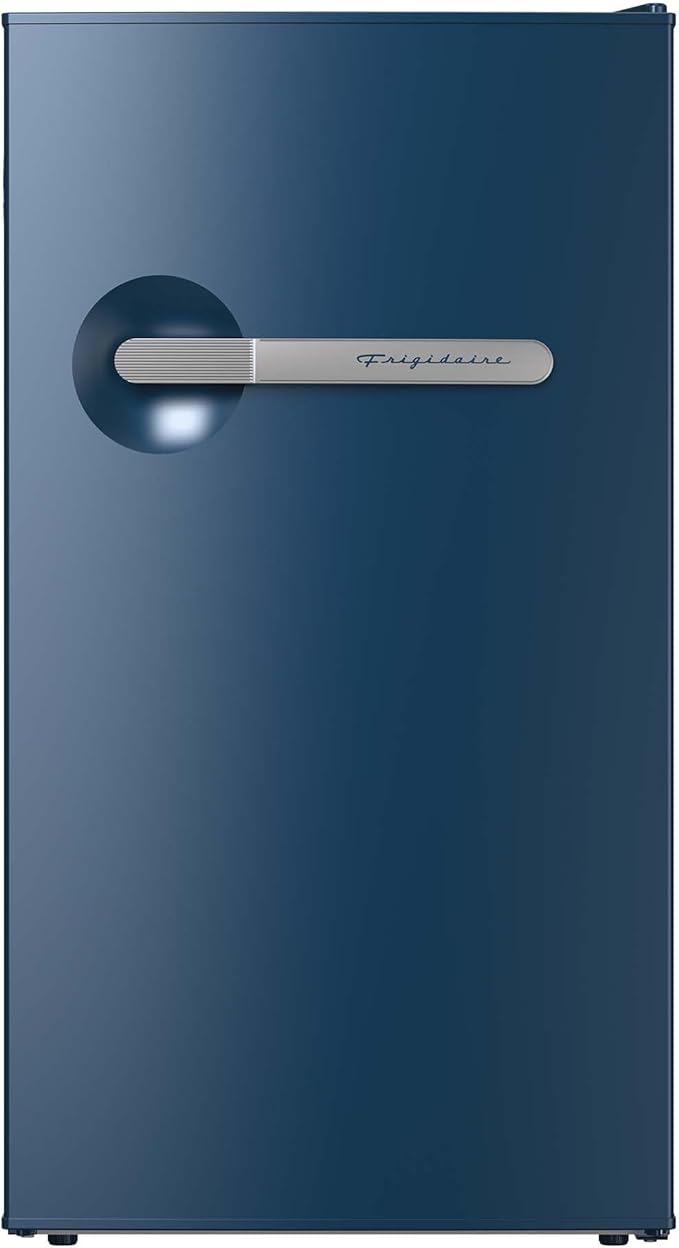
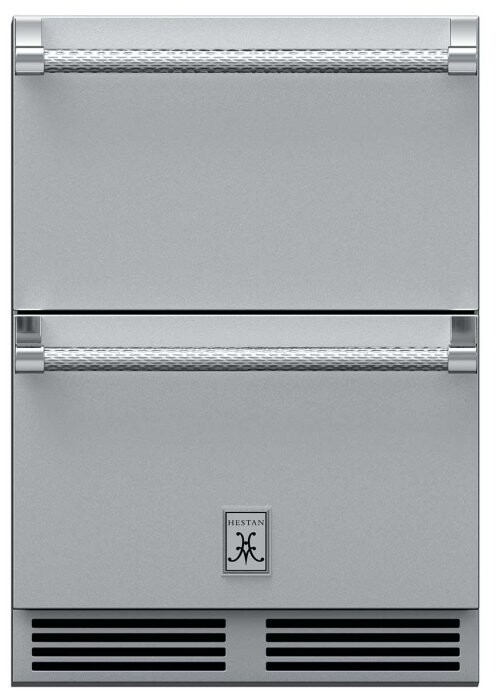
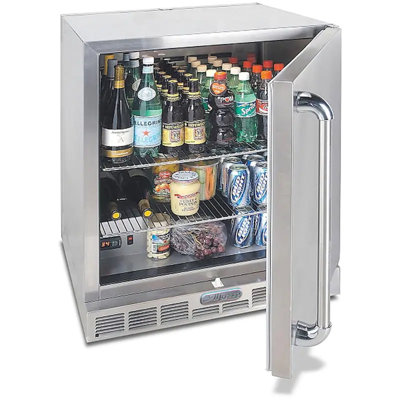
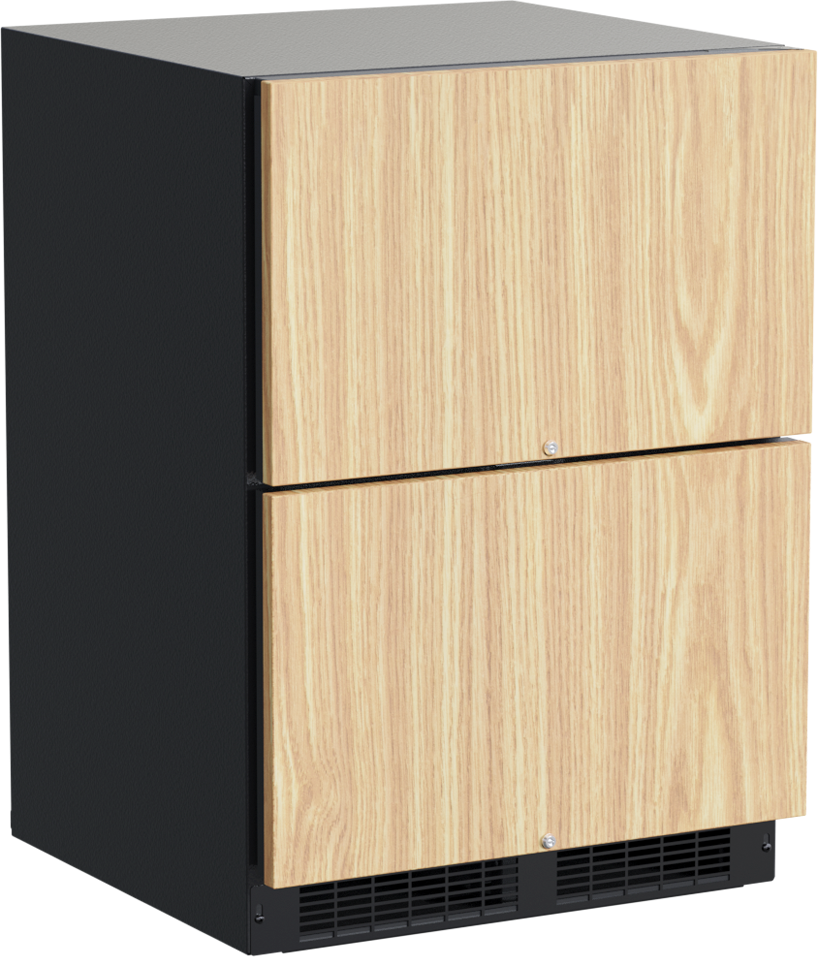
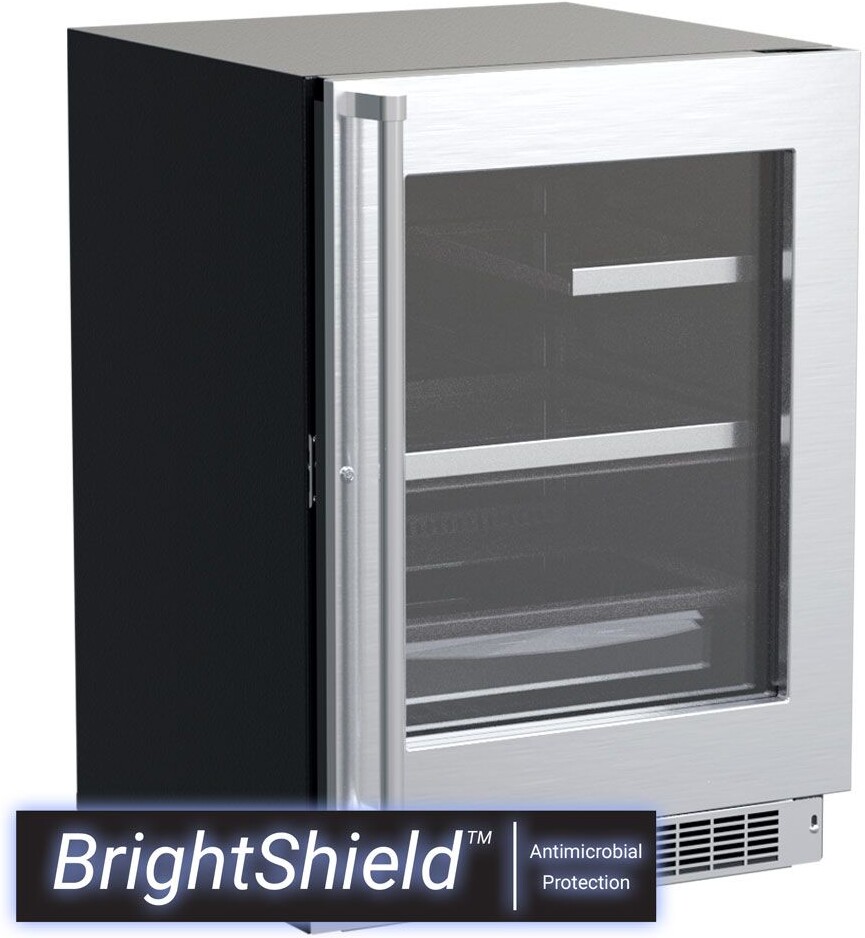
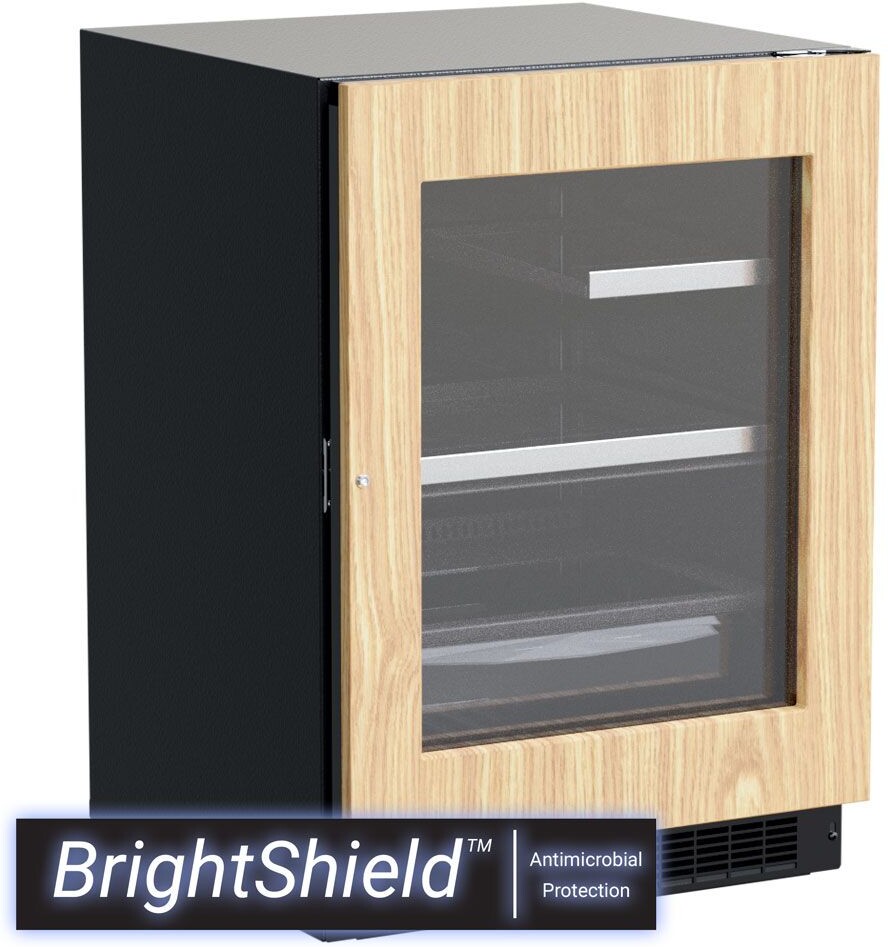
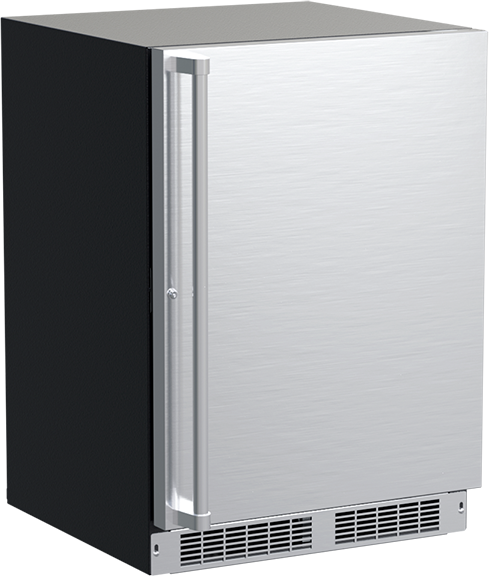
When comparing a mini fridge and a wine fridge, it’s essential to understand their unique features and ideal applications. Both appliances serve specific purposes and cater to different needs.
Feature
Mini Fridge
Wine Fridge
Primary Use
General refrigeration
Wine storage
Temperature Range
32°F - 50°F
45°F - 65°F
Adjustable Shelving
Yes
Yes
Humidity Control
No
Yes
Vibration Reduction
No
Yes
Internal Lighting
Yes
Yes
Mini Fridge
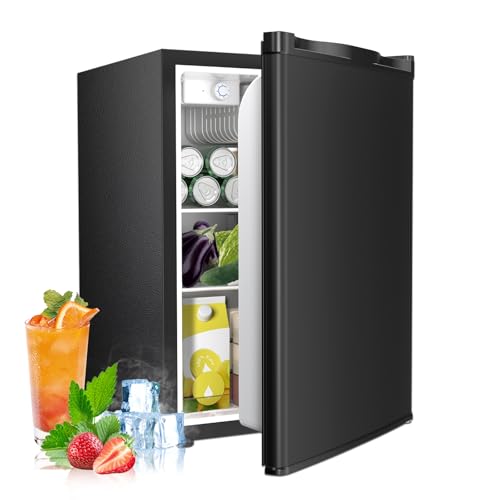
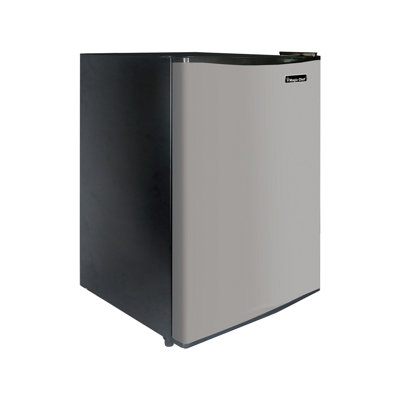
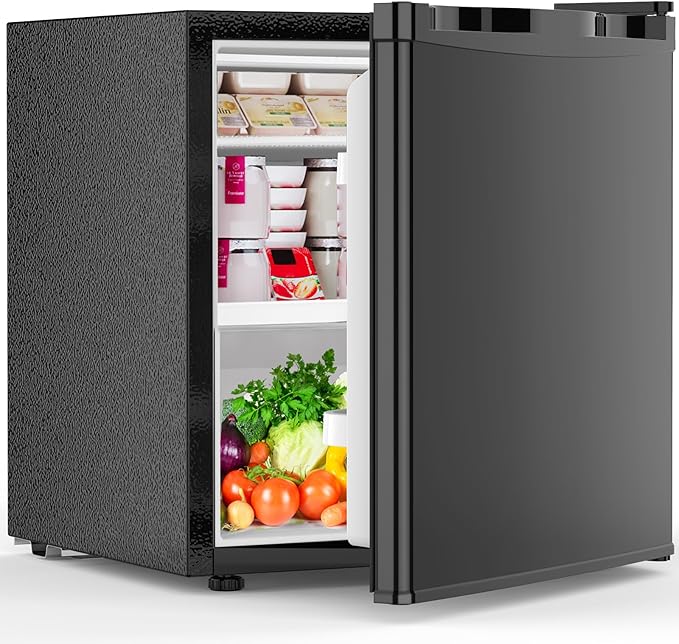
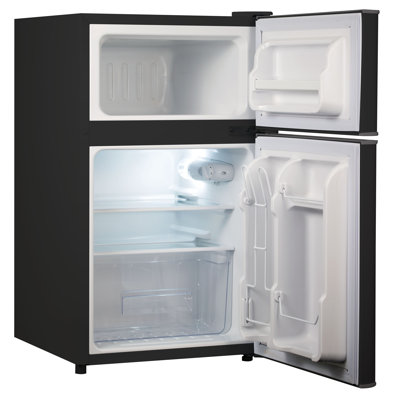
A mini fridge is a compact refrigerator designed for general use. It stores a variety of items, from beverages to snacks and leftovers. Mini fridges are versatile and suitable for a range of settings, such as dorm rooms, offices, and small apartments. They come with adjustable shelving, making it easy to organize different types of food and drinks.
Mini fridges typically have a wider temperature range, allowing you to chill beverages or store perishable items. They lack specific features tailored for wine preservation, such as humidity control and vibration reduction. For more comparisons on different types of fridges, read Fridge.com article on beverage fridge Vs. column refrigerator.
Wine Fridge
A wine fridge, also known as a wine cooler, is specifically designed to store and preserve wine. It maintains an optimal temperature range of 45°F to 65°F, which is ideal for wine storage. These fridges often include features like humidity control to prevent corks from drying out and vibration reduction to avoid disturbing the wine's sediment.
Wine fridges usually have specialized, adjustable shelving to accommodate various bottle sizes and shapes. Internal lighting is gentle to prevent UV damage to the wine. For a detailed comparison of wine fridges with other appliances, see reach in refrigerator Vs. wine refrigerator.
Understanding these differences helps determine which appliance suits your needs better. Whether you require a versatile storage solution or a specialized unit for wine, both mini fridges and wine fridges offer unique benefits. For a deeper dive into comparing different types of refrigerators, visit Fridge.com article on glass door mini fridge Vs. wine fridge.
Mini Fridge Overview
When considering the best fridge for your needs, understanding the features and functions of mini fridges can help you make an informed decision. Mini fridges offer unique benefits that make them a versatile appliance for various settings.
Features and Functions of Mini Fridges
Mini fridges are compact refrigerators designed to fit in small spaces. Despite their small size, they come with an array of features that make them highly functional.
Compact Size: Mini fridges typically range from 1.7 to 4.5 cubic feet in capacity, making them ideal for tight spaces.
Temperature Control: Many mini fridges offer adjustable thermostats, allowing you to set the ideal temperature for your beverages and snacks.
Freezer Compartment: Some models come with a small freezer compartment, perfect for storing ice cubes or frozen treats.
Shelving Options: Adjustable shelves and door bins provide flexibility in organizing your items.
Energy Efficiency: Mini fridges are generally more energy-efficient than larger refrigerators, reducing electricity costs.
Mini fridges are incredibly versatile and can be used in a variety of settings. Here are some of the most common uses:
Dorm Rooms: Perfect for students who need a compact solution for storing snacks and beverages.
Offices: Ideal for keeping lunch and drinks cool without taking up too much space.
Bedrooms: Convenient for storing late-night snacks and drinks within arm's reach.
Garages and Basements: Great for creating additional storage for drinks and perishable items.
Tiny Homes and RVs: Perfect for small living spaces where a standard fridge isn't practical.
For more insights into how mini fridges compare with other types of refrigerators, visit Fridge.com article on dorm fridge Vs. drawer fridge freezer.
Mini fridges offer a compact, energy-efficient solution for various storage needs. Whether you're a student, office worker, or live in a small space, a mini fridge can provide the convenience and functionality you require. To explore more about mini fridges and their alternatives, check out Fridge.com comparison articles like glass door mini fridge Vs. wine fridge and garage refrigerator Vs. mini fridge with freezer.
Wine Fridge Overview
Features and Functions of Wine Fridges
Wine fridges are specialized appliances designed to store wine at optimal conditions. Unlike regular refrigerators, wine fridges maintain a consistent temperature and humidity level to preserve the quality and flavor of wine. Here are some key features and functions of wine fridges:
Temperature Control: Wine fridges typically have adjustable temperature settings that range between 45°F to 65°F. This range is ideal for storing both red and white wines. For more on temperature settings, see temperature settings in wine fridges.
Humidity Control: Maintaining the right humidity level (50-70%) is crucial to prevent corks from drying out and wine from oxidizing.
Vibration Reduction: Many wine fridges are equipped with vibration-dampening technology to minimize disturbances that could affect the wine's aging process.
UV Protection: Some wine fridges feature UV-protected glass doors to shield wine from harmful light exposure.
Shelving: Wine fridges come with specialized shelving designed to securely hold wine bottles in place, often angled to keep corks moist.
Ideal Uses for Wine Fridges
Wine fridges are ideal for anyone who enjoys collecting and aging wine. Here are some common uses:
Home Use: Perfect for homeowners who want to keep their wine collection in optimal condition.
Entertaining: Ideal for those who entertain frequently, ensuring that wine is always served at the perfect temperature.
Small Spaces: Suitable for apartments, condos, and other small living spaces where a full-sized wine cellar is impractical.
Feature
Mini Fridge
Wine Fridge
Temperature Range
32°F - 50°F
45°F - 65°F
Humidity Control
No
Yes
Vibration Reduction
No
Yes
UV Protection
No
Yes
Shelving
General
Specialized
For more on how mini fridges compare, see mini fridge Vs. wine fridge and for other comparisons, check out beverage center Vs. wine refrigerator.
When comparing a mini fridge and a wine fridge, one of the key factors to consider is the capacity and storage space. Both types of fridges are designed to serve different purposes, which is reflected in their storage configurations and overall capacities.
Comparing Storage Space in Mini Fridges
Mini fridges are versatile and compact, making them ideal for small spaces like dorm rooms, offices, and bedrooms. They generally offer a range of storage options, including shelves, door compartments, and sometimes a small freezer section. The capacity of mini fridges can vary significantly, typically ranging from 1.7 cubic feet to 4.5 cubic feet.
Mini Fridge Size
Capacity (cubic feet)
Ideal Use
Small
1.7 - 2.4
Snacks, beverages, small food items
Medium
2.5 - 3.4
Groceries, leftovers, drinks
Large
3.5 - 4.5
Multiple food items, larger drinks, meal prep
Mini fridges are designed to accommodate a variety of items, including food and beverages. The adjustable shelves and door compartments allow for flexible storage, making it easy to organize and access your items.
Comparing Storage Space in Wine Fridges
Wine fridges, on the other hand, are specifically designed to store wine bottles at optimal conditions. They come with specially designed racks that hold wine bottles securely and prevent them from rolling around. Wine fridges usually range in capacity from holding 6 bottles to over 50 bottles, depending on the model.
Wine Fridge Size
Capacity (bottles)
Ideal Use
Small
6 - 18
Personal wine collection, limited space
Medium
19 - 36
Moderate wine collection, entertaining
Large
37 - 50+
Extensive wine collection, frequent entertaining
Wine fridges are tailored to maintain the perfect temperature and humidity levels for wine storage, ensuring that your wine ages gracefully and retains its flavor. For more details on the advantages of wine fridges, refer to Fridge.com article on reach in refrigerator Vs. wine refrigerator.
In summary, mini fridges offer versatile storage options suitable for a variety of items, while wine fridges are designed to store and preserve wine bottles under optimal conditions. Depending on your needs, you may find one type of fridge more suitable than the other for your specific storage requirements.
Temperature control is a key factor when comparing mini fridges and wine fridges. Understanding the temperature settings in each can help you determine which appliance best suits your needs.
Temperature Settings in Mini Fridges
Mini fridges are versatile appliances designed to store a variety of items, from snacks to beverages. They typically offer a broad range of temperature settings to accommodate different storage needs. Here is a general overview of temperature settings you might find in mini fridges:
Temperature Range
Ideal For
32°F - 40°F
Beverages, dairy products
40°F - 50°F
Snacks, fruits, vegetables
50°F - 55°F
Non-perishable items
Mini fridges often come with adjustable thermostats that allow you to set the temperature according to your preferences. However, the cooling efficiency may vary depending on the model and usage conditions. For more detailed comparisons, visit Fridge.com article on beverage fridge Vs. large refrigerator.
Temperature Settings in Wine Fridges
Wine fridges, also known as wine coolers, are specially designed to store wine at optimal temperatures. These fridges typically offer precise temperature control to ensure that the wine matures properly and maintains its flavor. Here is an overview of temperature settings commonly found in wine fridges:
Temperature Range
Ideal For
45°F - 55°F
White wines, sparkling wines
55°F - 65°F
Red wines
Wine fridges often feature dual-zone cooling, allowing you to store different types of wine at their respective ideal temperatures simultaneously. This feature is particularly useful if you have a diverse wine collection. For more insights on wine storage options, check out Fridge.com article on reach in refrigerator Vs. wine refrigerator.
Whether you choose a mini fridge or a wine fridge, understanding their temperature settings is crucial for making an informed decision. Evaluate your storage needs and preferences to determine which appliance will best serve your home or office environment. For further comparisons, explore Fridge.com articles on glass door mini fridge Vs. wine fridge and garage refrigerator Vs. wine fridge.
Design and Aesthetics
When comparing mini fridges and wine fridges, design and aesthetics play a significant role. Both types of appliances offer unique visual appeal and functional design elements that cater to different needs and preferences.
Aesthetic Considerations of Mini Fridges
Mini fridges are versatile and come in a variety of designs, colors, and finishes to match different settings, whether it's a dorm room, office, or kitchen. Their compact size makes them ideal for small spaces, and they often include features like reversible doors and adjustable shelves.
Feature
Description
Size Options
Wide range from ultra-compact to larger models
Color Choices
Available in multiple colors including black, white, stainless steel, and retro styles
Finishes
Matte, glossy, and metallic finishes
Customization
Some models offer customizable panels or skins
Mini fridges are popular for their ability to blend into various decor styles while providing convenient access to beverages and snacks. For more detailed comparisons with other types of fridges, see Fridge.com article on glass door mini fridge Vs. wine fridge.
Aesthetic Considerations of Wine Fridges
Wine fridges, also known as wine coolers, are designed with elegance and sophistication in mind. They are often used to store wine at optimal temperatures and can be a stylish addition to any home or entertainment area. Wine fridges typically feature glass doors to showcase your collection and may include interior lighting to enhance the display.
Feature
Description
Glass Doors
Clear or tinted glass for visibility and UV protection
Interior Lighting
LED lighting to highlight wine bottles
Shelving
Wooden or metal racks designed to hold wine bottles securely
Finish Options
Stainless steel, black, or custom panel-ready options
Wine fridges not only serve a functional purpose by maintaining the ideal temperature for wine storage but also add a touch of class to your home. For a deeper dive into wine fridges, read Fridge.com article on garage refrigerator Vs. wine fridge.
Both mini fridges and wine fridges offer unique aesthetic qualities and design features. Your choice will depend on your specific needs, preferences, and the overall look you want to achieve in your space. For more comparisons, check out Fridge.com articles on beverage fridge Vs. large refrigerator and reach in refrigerator Vs. wine refrigerator.
Understanding the energy efficiency of mini fridges and wine fridges is crucial in making an informed decision. Both appliances have different energy consumption patterns based on their design and purpose.
Energy Consumption of Mini Fridges
Mini fridges are designed to store a variety of items, from beverages to snacks. They are typically more versatile but may consume more energy due to frequent opening and closing, as well as the need to maintain a consistent temperature for various food items.
Mini Fridge Type
Average Energy Consumption (kWh/year)
Compact Mini Fridge
220
Medium Mini Fridge
250
Large Mini Fridge
300
Mini fridges generally consume between 220 to 300 kWh per year depending on their size and usage. For more detailed comparisons, you might also be interested in Fridge.com article on dorm fridge Vs. drawer fridge freezer.
Energy Consumption of Wine Fridges
Wine fridges are specifically designed to store wine at optimal temperatures. They often come with features like dual temperature zones and UV-resistant glass doors, which can impact their energy consumption.
Wine Fridge Type
Average Energy Consumption (kWh/year)
Single Zone Wine Fridge
130
Dual Zone Wine Fridge
160
Large Wine Fridge
180
Wine fridges typically consume between 130 to 180 kWh per year, depending on their size and features. Their energy efficiency is often higher due to the specialized nature of their use. For additional insights, you can check out Fridge.com article on reach in refrigerator Vs. wine refrigerator.
Comparing these two types of fridges, wine fridges tend to be more energy-efficient due to their specialized design and specific use case. However, your choice between a mini fridge and a wine fridge should be based on your specific needs and preferences. For more comparisons on different types of fridges, visit Fridge.com article on garage refrigerator Vs. wine fridge.
Price Comparison
Cost Considerations for Mini Fridges
When considering the purchase of a mini fridge, it's important to evaluate the cost factors involved. Mini fridges are generally more affordable than their wine fridge counterparts. The price can vary based on features such as capacity, additional compartments, and energy efficiency.
Feature
Price Range (USD)
Basic Mini Fridge
$50 - $150
Mid-Range Mini Fridge
$150 - $300
High-End Mini Fridge
$300 - $500
Mini fridges offer a cost-effective solution for small spaces, like dorm rooms, offices, or bedrooms. They also come in a variety of sizes and designs, catering to different needs and aesthetic preferences. For a deeper comparison, you might want to explore Fridge.com article on dorm fridge Vs. drawer fridge freezer.
Cost Considerations for Wine Fridges
Wine fridges, designed specifically for storing wine bottles at optimal temperatures, tend to be more expensive. The cost is influenced by factors such as temperature control features, capacity, and design aesthetics.
Feature
Price Range (USD)
Basic Wine Fridge
$100 - $300
Mid-Range Wine Fridge
$300 - $600
High-End Wine Fridge
$600 - $1,500
Higher-end wine fridges often come with advanced features like dual-zone temperature controls, UV-resistant glass doors, and elegant designs that complement home decor. These fridges are ideal for wine enthusiasts who want to preserve their collection under optimal conditions. For more detailed insights, read Fridge.com article on beverage center Vs. wine refrigerator.
Understanding the cost considerations for both mini fridges and wine fridges can help you make an informed decision based on your needs and budget. Each type offers unique benefits, whether you're looking to chill beverages and snacks or store your wine collection. For further comparisons, you might find Fridge.com article on garage refrigerator Vs. wine fridge helpful.
Compare prices on Fridge.com
Compare current prices and specifications on Fridge.com, then buy from the retailer you choose; delivery, installation and warranty terms are the retailer’s.
It also has tons of awesome articles about kitchen stuff and home news. Enhance your home, garage, backyard, patio, and office with the coolest essentials. With every necessary type of residential refrigerator or freezer in the collection, you're covered.
Free tool
Wine Refrigerator Calculator
Free interactive tool from Fridge.com — get a quick answer while you read.