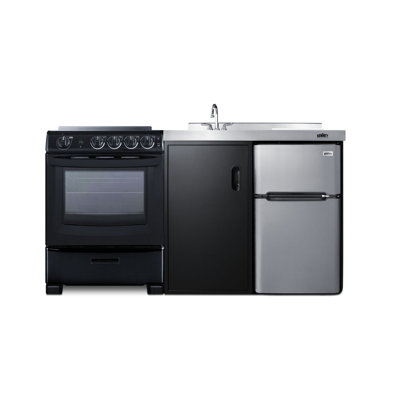
Best-Mobile-Home-Compact-Refrigerator | Fridge.com

Best Mobile Home Compact Refrigerator

Mobile Home Compact Refrigerators

Understanding the Need for a Compact Refrigerator in Your Mobile Home

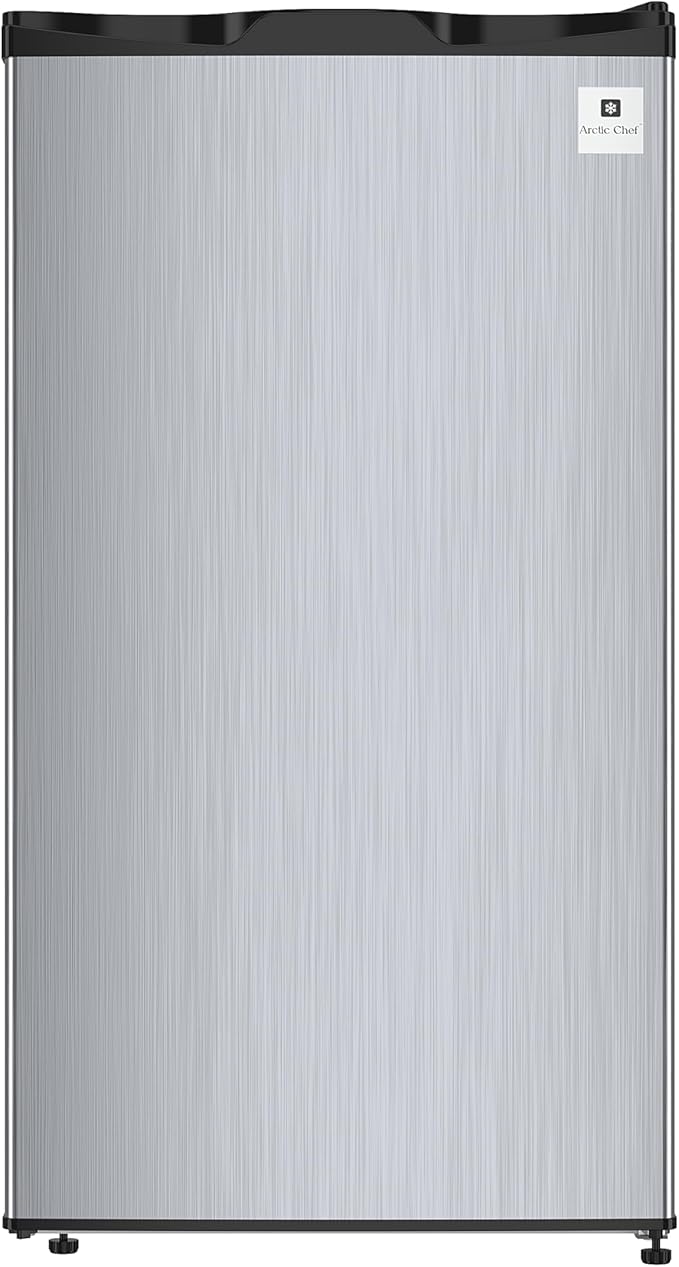
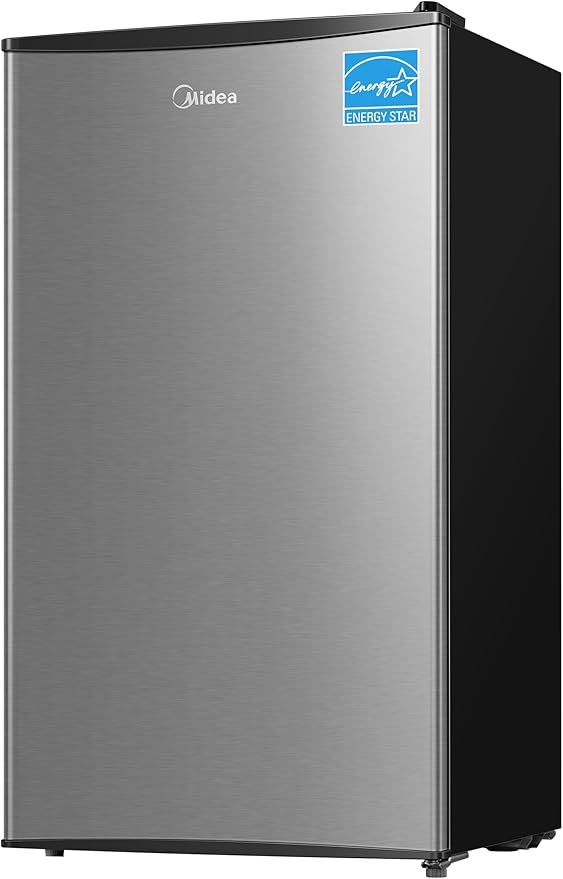
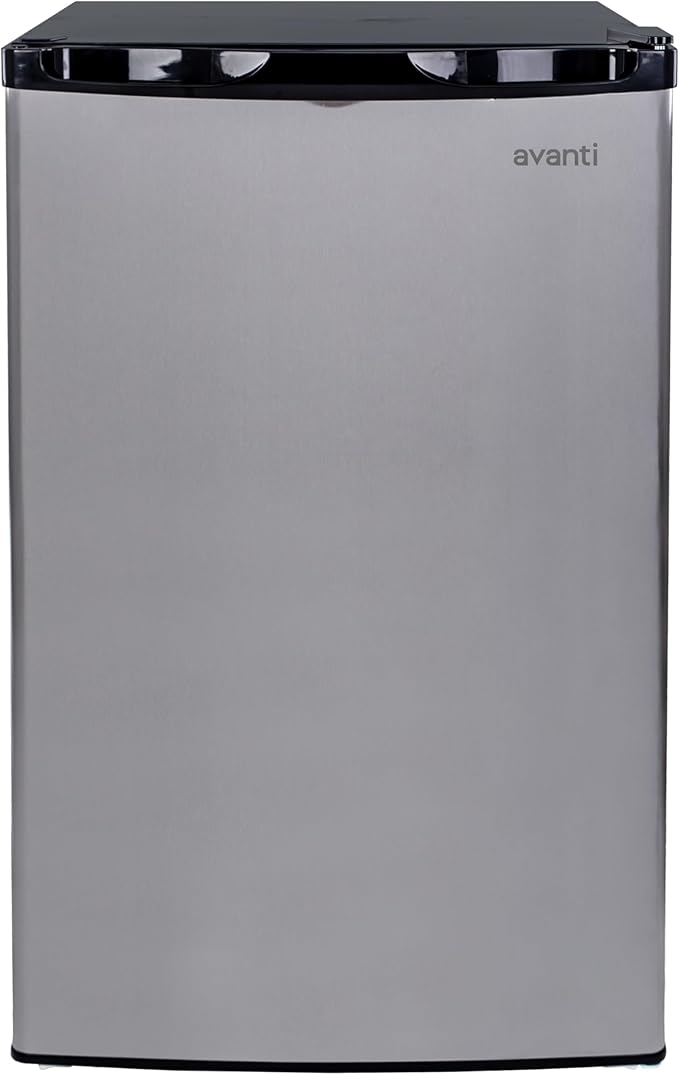
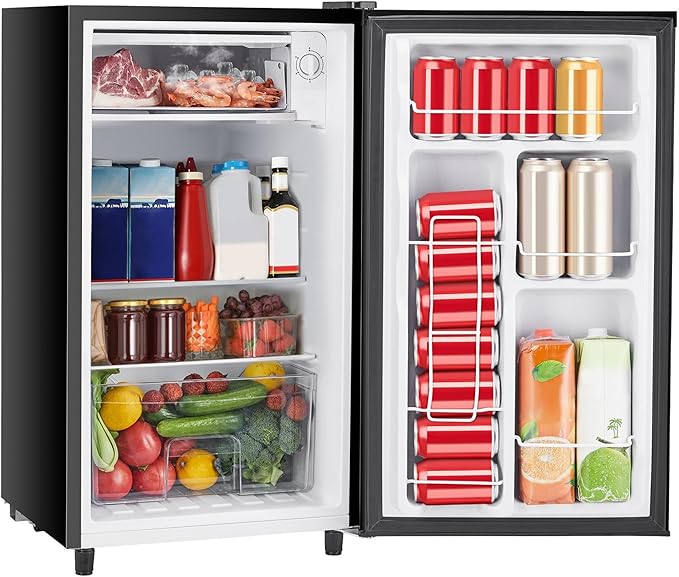
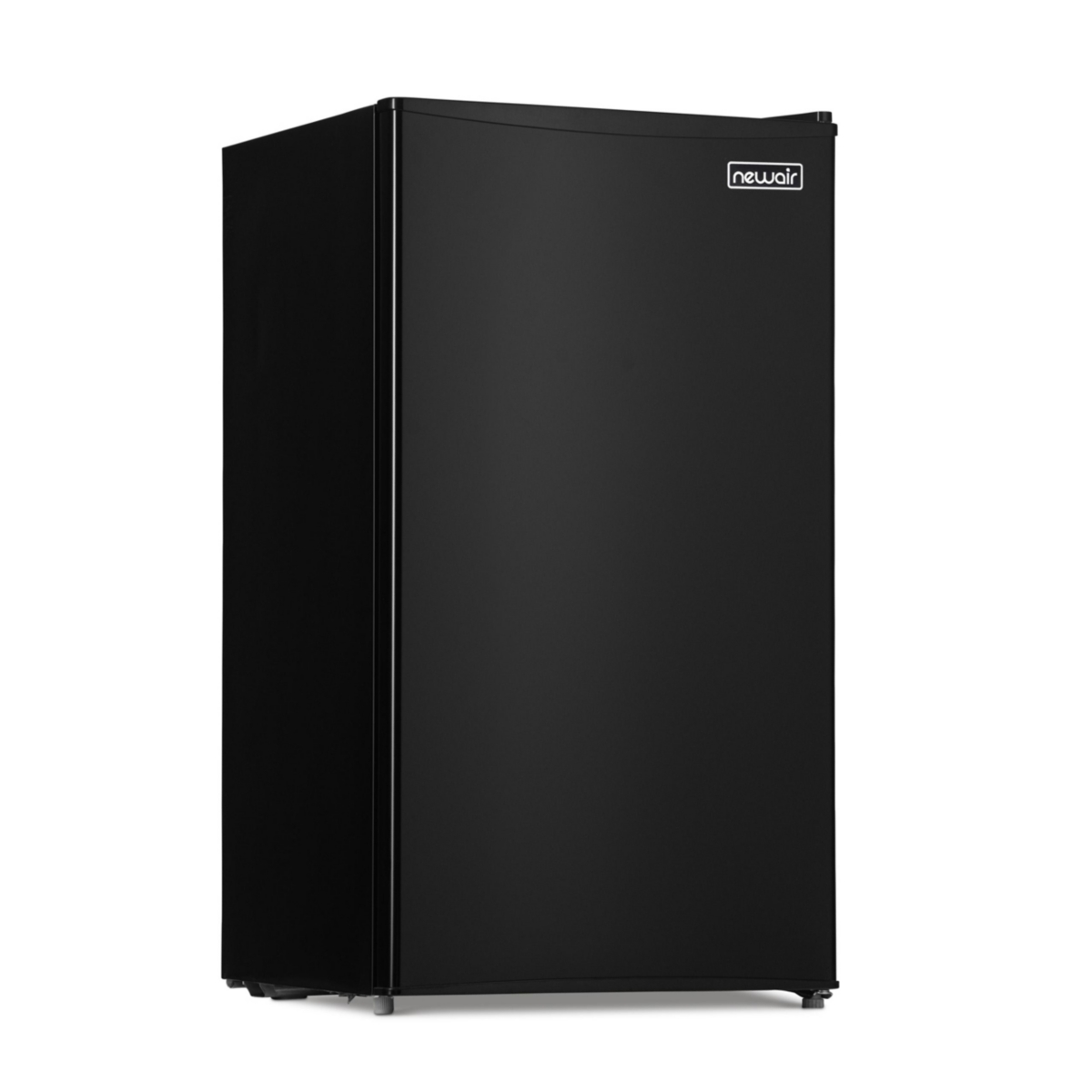
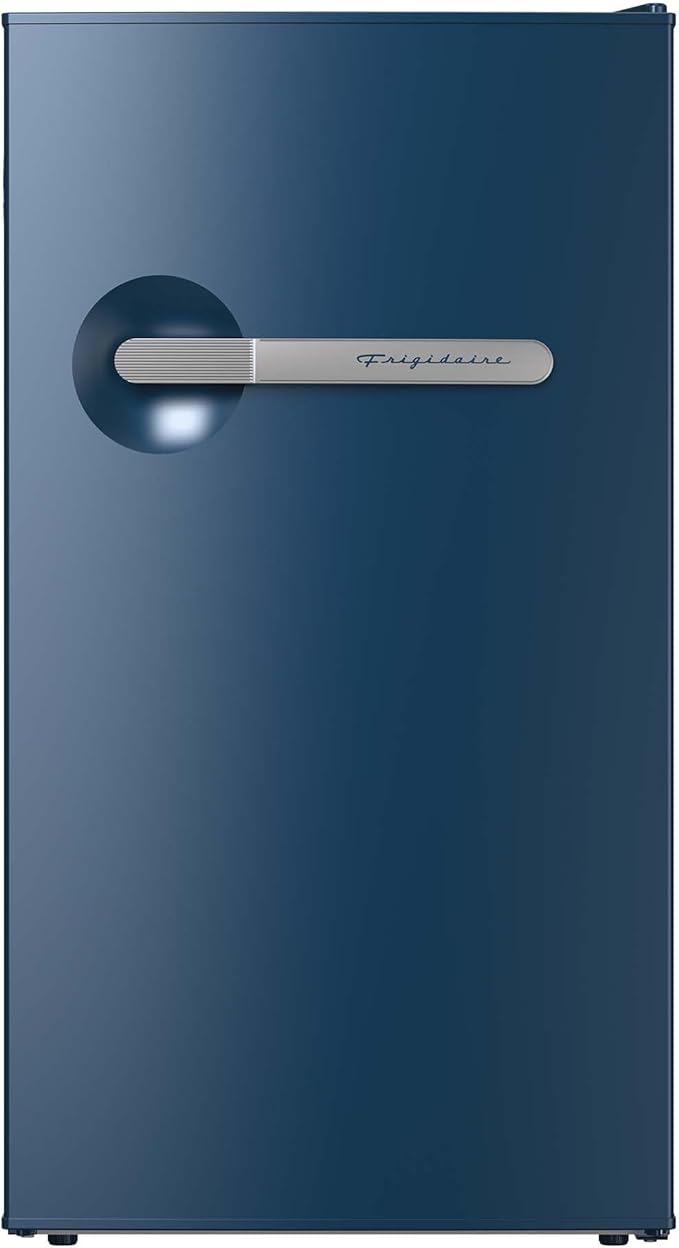
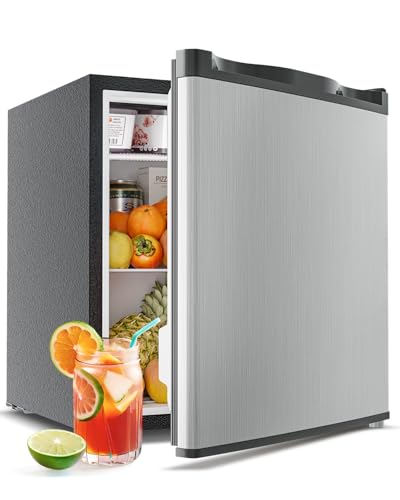
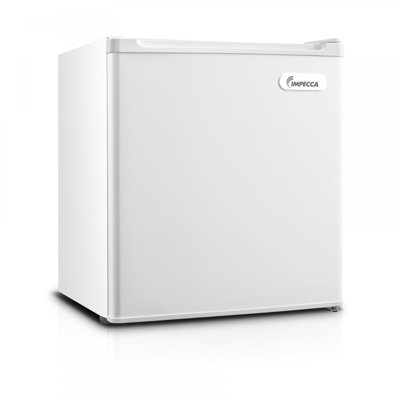
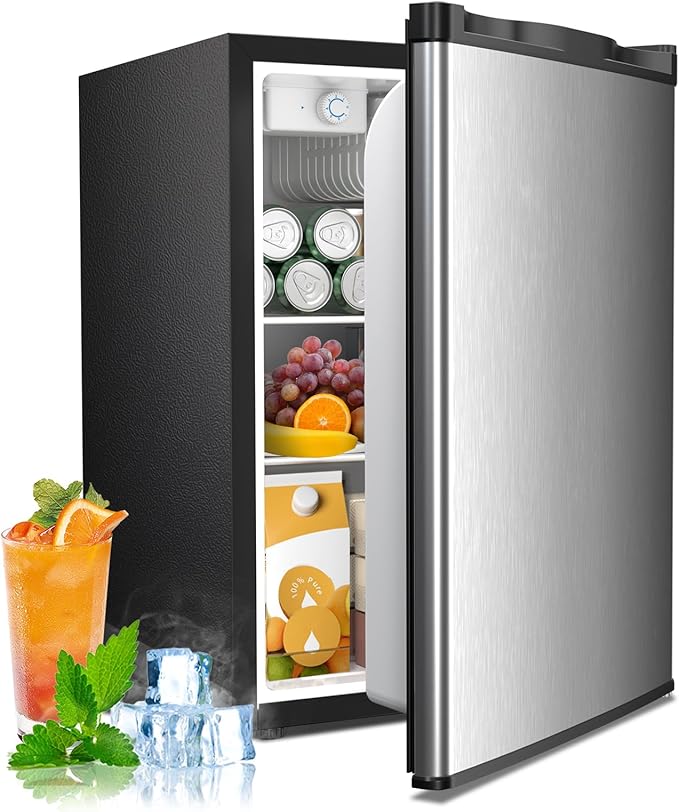
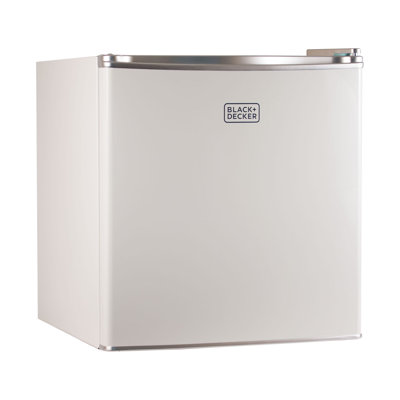
Living in a mobile home means every inch counts, and a compact fridge is your best buddy in keeping things chill without hogging space. These pint-sized coolers are perfect for families, food lovers, and anyone who needs to stash fresh veggies, drinks, or last night's pizza. They keep your goodies neat and easy to grab.

In a mobile home, a trusty fridge is a must-have to keep your food safe and fresh. Compact fridges squeeze into tight spots but still offer enough room for your stuff. They're a smart pick for anyone wanting to make the most of their kitchen without losing out on what a fridge should do.

Factors to Consider When Choosing a Mobile Home Compact Refrigerator

Picking the right compact fridge for your mobile home isn't rocket science, but there are a few things to keep in mind to make sure it ticks all your boxes. Here's the lowdown:

Factor Description
Size Grab a tape measure and check out the space you've got. Compact fridges usually range from 1.7 to 4.5 cubic feet, so find one that fits your nook.
Capacity Think about how much you need to store. If you've got a big crew or love cooking up a storm, you might need more room.
Energy Efficiency Keep an eye out for fridges that won't jack up your electric bill. Energy-efficient models are a win for your wallet and the planet.
Power Source Decide if you're plugging into a regular outlet or going battery-powered. Some fridges can do both, which is handy for home and on-the-go.
Features Check out extras like adjustable shelves, temp controls, and built-in freezers that make life easier.

By considering these points, you can snag a compact fridge that fits your mobile home like a glove and meets your storage and energy needs. Want to know more about energy-saving options? Dive into our article on energy efficient refrigerators for 2024.

Size and Capacity

Picking the right size and capacity for your mobile home fridge is key to keeping everyone happy and fed. Let's break it down so you can make a smart choice.

Determining the Right Size for Your Mobile Home

First things first, you gotta know where this fridge is going. Grab a tape measure and check out the spot you have in mind. Measure the height, width, and depth. You want a fridge that slides in nicely without blocking your way or bumping into other stuff.

Here's a quick look at some typical sizes for compact fridges:

Refrigerator Type Height (inches) Width (inches) Depth (inches)
Mini Fridge 24 - 36 18 - 24 18 - 24
Compact Fridge 30 - 50 20 - 30 20 - 25
Top Freezer 50 - 60 24 - 30 24 - 30

Assessing the Storage Capacity You Require

Next up, think about how much space you need inside. This depends on how many mouths you're feeding and what kind of food you like to keep around. Compact fridges usually hold between 1.7 to 4.5 cubic feet.

Here's a rough guide to help you out:

Household Size Recommended Capacity (cubic feet)
1 - 2 people 1.7 - 3.0
3 - 4 people 3.0 - 4.5
5 or more people 4.5 and above

Also, think about your shopping habits. If you're the type who buys in bulk or likes to stash big items, you might need more room. For more tips on squeezing the most out of your fridge space, check out our article on best compact refrigerator for Christmas.

By sizing up your fridge needs, you'll find one that fits your family and your space just right.

Energy Efficiency and Power Source

Importance of Energy Efficiency in a Mobile Home Setting

When you're picking out a compact fridge for your mobile home, energy efficiency is a big deal. With the tight space and often limited power in mobile homes, going for an energy-efficient model can cut down your electricity bills and help the planet.

These fridges sip power, which is a lifesaver if you're working with a small power supply. Many models hit or beat Energy Star standards, meaning they use energy smartly. Over time, this can save you a chunk of change, making it a wise buy for your home.

Energy Efficiency Rating Estimated Annual Energy Cost
Energy Star Certified $30 - $50
Non-Energy Star $60 - $100

Choosing the Right Power Source for Your Compact Refrigerator

Picking the right power source for your compact fridge in a mobile home is key. Most of these fridges run on either AC (alternating current) or DC (direct current) power.

  • AC Power: This is your typical home power setup, perfect for fridges that plug into a wall socket. AC models usually come with more bells and whistles and a variety of sizes.

  • DC Power: Best for mobile homes using battery systems or solar panels. DC fridges are generally more energy-efficient and can keep going longer on battery power, making them a solid pick for off-grid living.

Power Source Advantages Disadvantages
AC Easy to find, more features Uses more energy
DC Energy-saving, great for off-grid Fewer features, might need an inverter

Getting a handle on the energy efficiency and power options out there will help you pick the best mobile home compact refrigerator. For more tips on energy-efficient choices, check out our article on energy efficient refrigerators for 2024.

Features and Functionality

When you're on the hunt for the perfect compact fridge for your mobile home, it's all about finding the right mix of features that'll make your life easier. These little details can make a big difference in how well the fridge fits into your lifestyle.

Essential Features to Look for in a Mobile Home Compact Refrigerator

  1. Adjustable Shelves: You want shelves that can move around to fit all your goodies, making the most of the space you've got.
  2. Temperature Control: Keeping your food fresh is a must, so make sure the fridge has a good thermostat to set the right chill.
  3. Energy Efficiency: Save some bucks on your power bill by picking a fridge with the Energy Star label, which means it's easy on the juice.
  4. Reversible Door: A door that can swing either way gives you more options on where to put the fridge.
  5. Interior Lighting: LED lights inside help you find what you need, even when it's dark.
Feature Description
Adjustable Shelves Move shelves around to fit different items
Temperature Control Keep food fresh with a good thermostat
Energy Efficiency Cut down on power costs with Energy Star models
Reversible Door More placement options with a door that swings both ways
Interior Lighting Find stuff easily with built-in lights

Additional Functionalities That Enhance Convenience

  1. Frost-Free Operation: No one likes defrosting, so a frost-free fridge saves you the hassle of dealing with ice buildup.
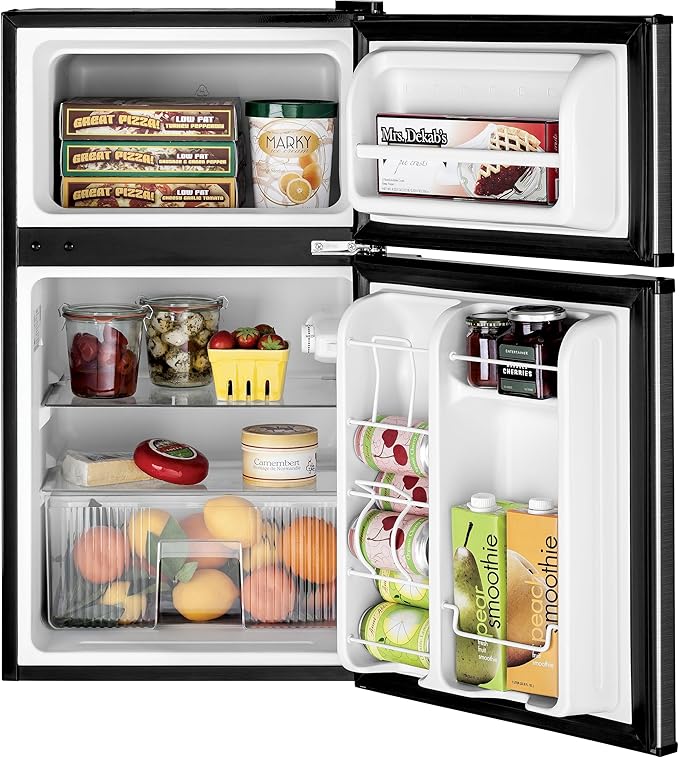
  2. Built-in Freezer Compartment: Handy for keeping your ice cream and other frozen treats close by.
  3. Noise Level: A quiet fridge is a happy fridge, especially in tight spaces where noise can be a bother.
  4. Smart Technology: Some fridges let you control them with your phone, so you can tweak settings without getting up.
  5. Door Storage: Extra spots in the door for your go-to items like sauces and drinks.
Functionality Description
Frost-Free Operation No ice buildup, less hassle
Built-in Freezer Compartment Keep frozen goodies handy
Noise Level Quiet operation for peace and quiet
Smart Technology Control settings from your phone
Door Storage Quick access to your favorite items

By keeping these features and extras in mind, you'll find a compact fridge that fits right into your mobile home life. Want to know more about energy-saving fridges? Check out our article on energy efficient refrigerators for 2024.

Installation and Placement

Getting your compact fridge set up in a mobile home is all about making life easier and keeping things running smoothly. Here's how to nail the installation and find the perfect spot.

Tips for Installing a Compact Refrigerator in Your Mobile Home

  1. Check the Space: Grab a tape measure and size up the spot where your fridge will go. Make sure there's room for the fridge and some breathing space for air circulation.

  2. Level the Surface: Double-check that the floor is flat where the fridge will sit. A level surface keeps the fridge humming along nicely and avoids any mishaps.

  3. Power Source: Look for a nearby power outlet. Your fridge needs to plug into a grounded outlet to keep the sparks away.

  4. Ventilation: Let your fridge breathe! Keep it away from walls or cabinets that might block the airflow.

  5. Follow Manufacturer Instructions: Don't skip the manual. It's packed with tips and safety info straight from the folks who made your fridge.

Ideal Placement Options for Optimal Performance

Where you put your compact fridge can make a big difference in how well it works. Check out these spots:

Placement Option Pros Cons
Kitchen Area Easy access for grabbing snacks and cooking Might hog counter space
Living Room Perfect for drinks during movie night Could clash with the decor
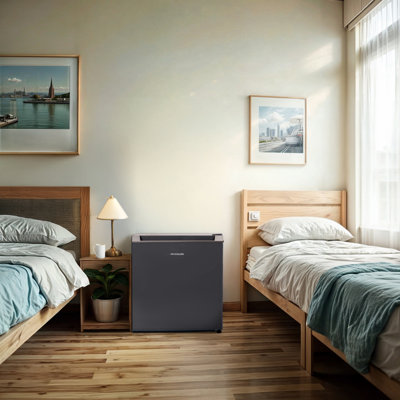
Bedroom Handy for midnight munchies Space might be tight
Outdoor Space Awesome for BBQs and parties Weather can mess with it

Think about your daily habits and how often you'll be reaching for the fridge. For more cool compact fridge choices, swing by our article on best mobile home compact refrigerator.

By following these tips and picking the right spot, your compact fridge will be a trusty sidekick in your mobile home, keeping your goodies fresh and ready.

Maintenance and Care

Keeping your compact fridge in tip-top shape is key to making sure it runs smoothly and lasts a long time. Here’s how you can give your mobile home fridge the TLC it deserves.

Proper Maintenance Practices to Prolong the Lifespan of Your Compact Refrigerator

  1. Regularly Check the Temperature
    Make sure your fridge is chilling at the right temp, usually between 32°F and 40°F. A simple thermometer can help you keep tabs on it.

  2. Clean the Coils
    Dust bunnies love condenser coils, but they can mess with your fridge’s mojo. Give those coils a good clean twice a year with a vacuum or brush.

  3. Inspect the Door Seals
    Peek at the door seals for any cracks or tears. A busted seal can mess with the temp and hike up your energy bill. Swap them out if they’re looking rough.

  4. Defrost Regularly
    If your fridge isn’t frost-free, make sure to defrost it now and then to keep ice from cramping its style.

  5. Keep It Level
    Make sure your fridge is sitting pretty and level to avoid drainage and compressor hiccups.

Maintenance Task Frequency
Check Temperature Weekly
Clean Coils Every 6 months
Inspect Door Seals Monthly
Defrost (if applicable) As needed
Level Refrigerator As needed

Cleaning and Care Tips for Your Mobile Home Refrigerator

  1. Wipe Down Interior Surfaces
    Grab some warm water and mild soap to clean the inside. Steer clear of harsh chemicals that could mess up the finish.

  2. Organize Food Items
    Keep things tidy to let air flow freely. Don’t cram it full, or you’ll block the vents and make it work harder.

  3. Use Baking Soda
    Pop an open box of baking soda in there to keep smells at bay. Swap it out every three months.

  4. Clean Spills Immediately
    Wipe up spills pronto to stop smells and germs from taking over.

  5. Check Expiration Dates
    Keep an eye on food expiration dates and toss anything past its prime. For more on food storage, check out our articles on how long does spaghetti last in the fridge? and how long does quiche last?.

Stick to these tips, and your compact fridge will keep humming along, serving you well for years. For more on picking the perfect fridge, take a look at our article on the best mobile home compact refrigerator.

Customers Are Watching 😍

Recently Viewed