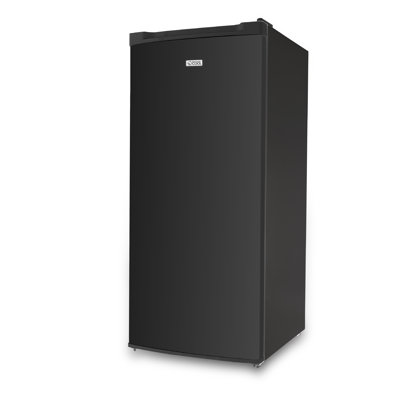
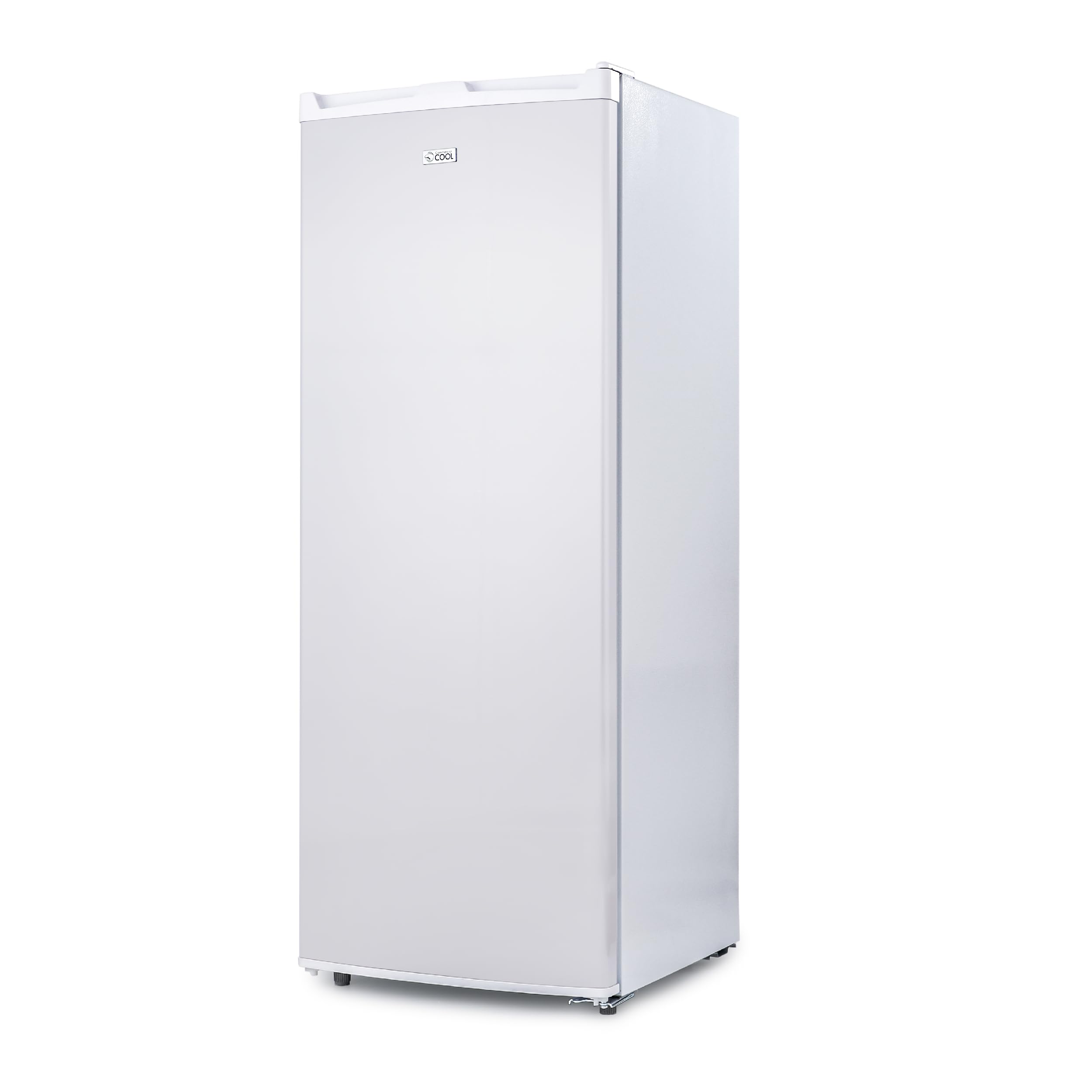
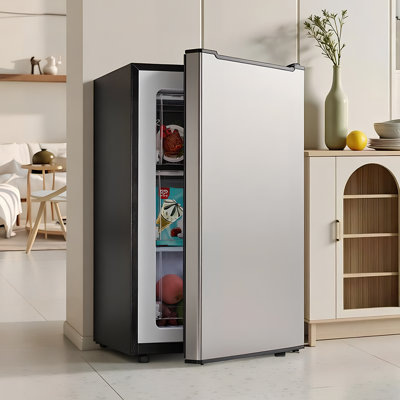
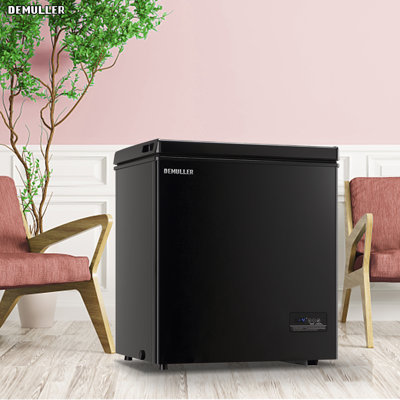
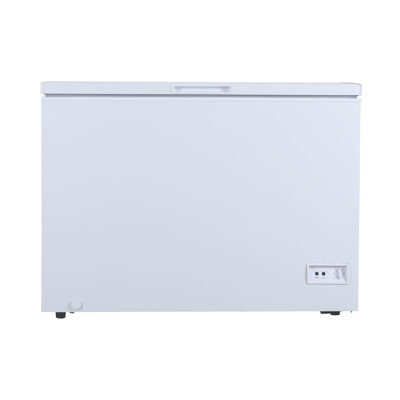
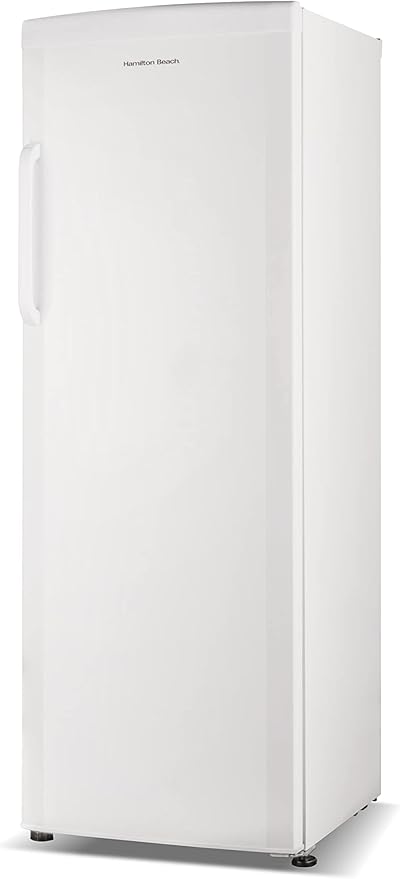
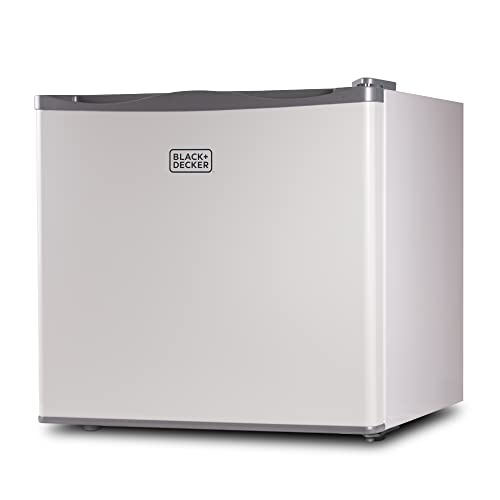
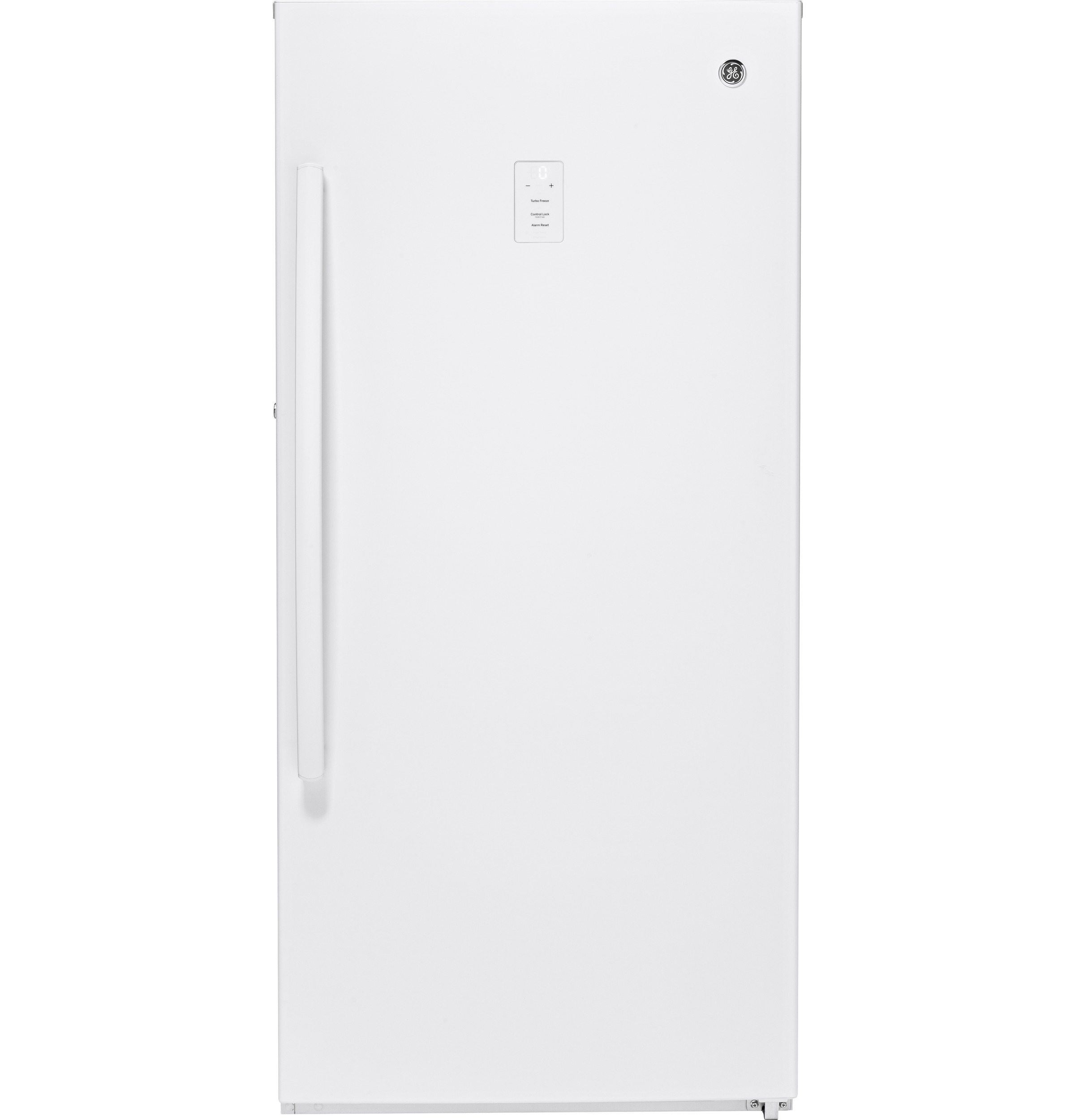
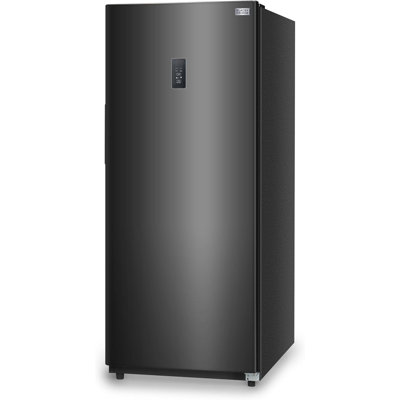
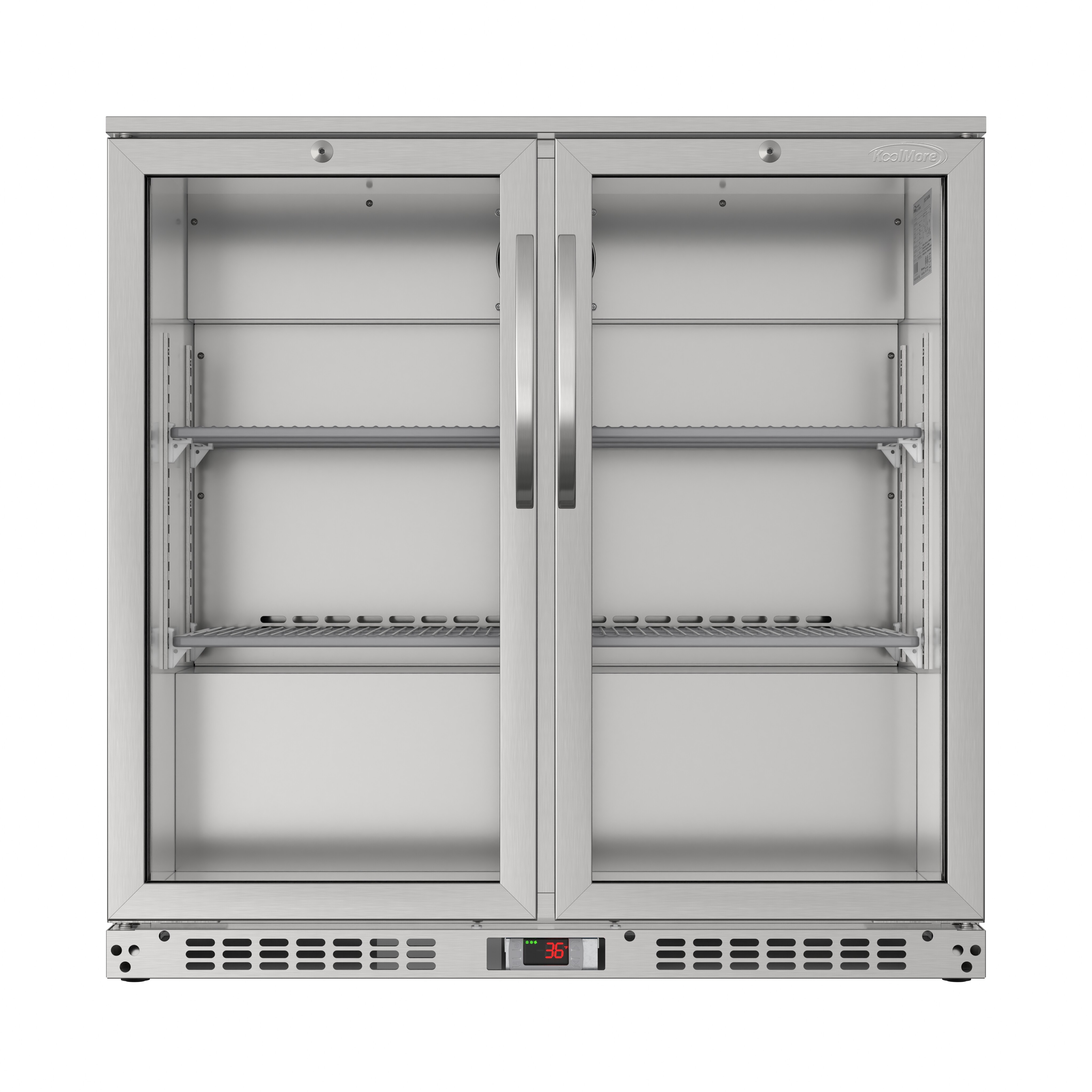
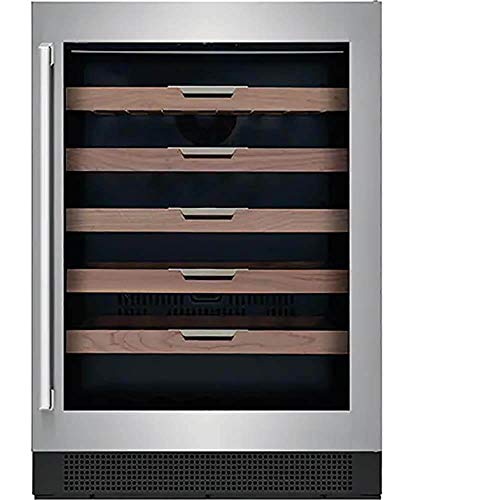
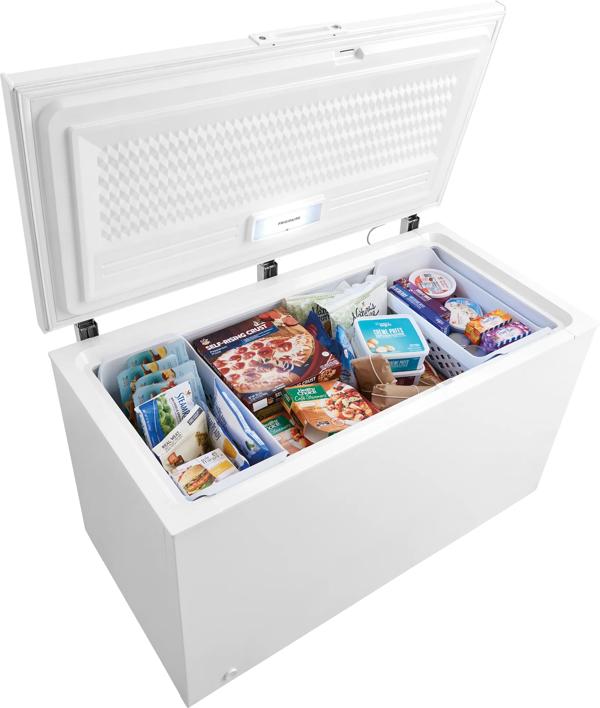
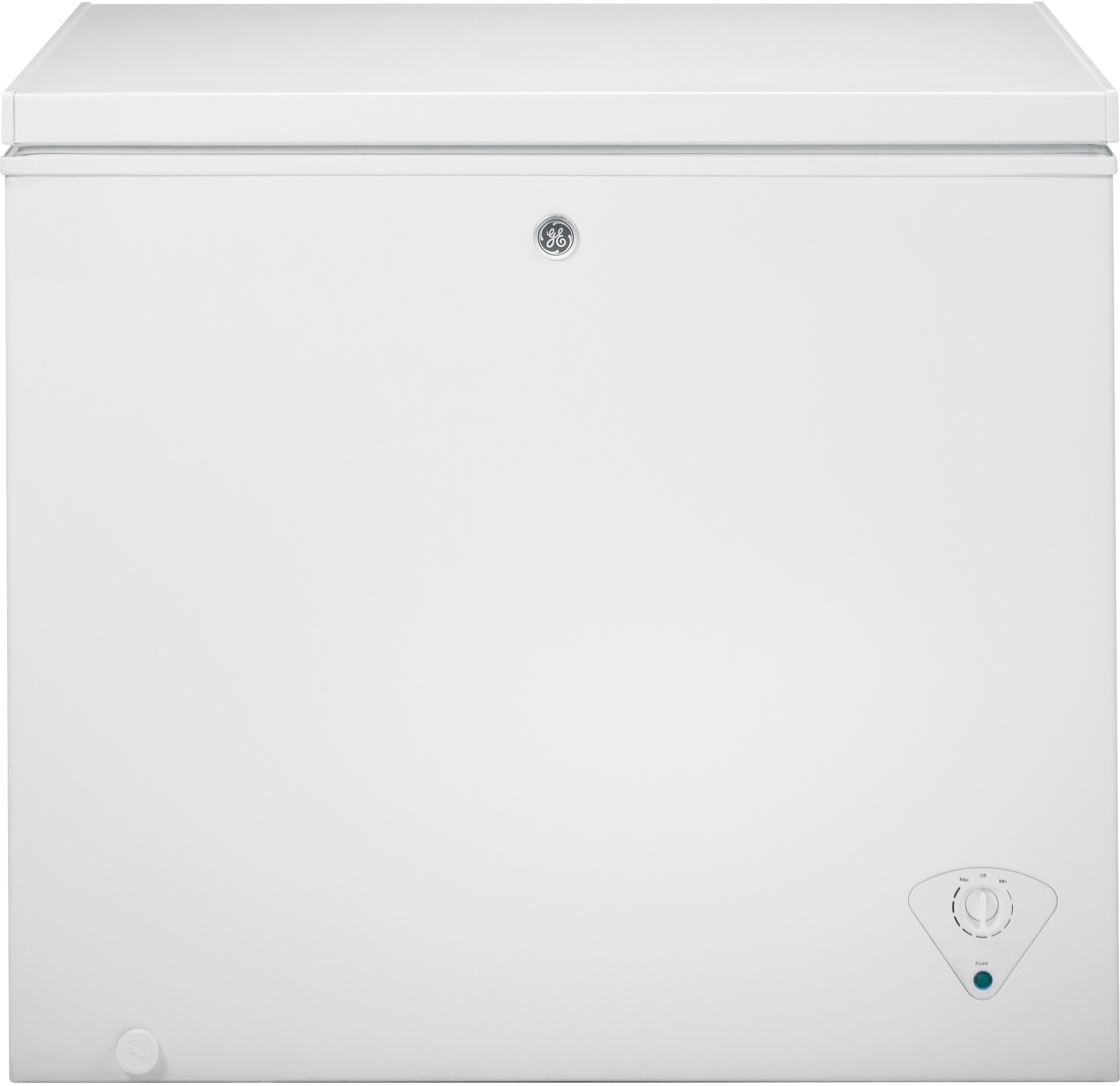
Nearly one in ten Americans follows a low-carb or elimination diet (International Food Information Council, 2023). If you’ve chosen a carnivore approach, you need extra meat on hand and a freezer that keeps every cut at peak freshness. A mini freezer sized for your countertop or pantry can help you stock up, save money and stick to your plan with less fuss.
Key takeaway: the right compact freezer gives you reliable cold storage, energy savings and enough room to build a carnivore-friendly stash.
Understand benefits of a mini freezer
Adding a standalone mini freezer brings perks beyond extra capacity.
Save kitchen space
Countertop or under-counter models fit snugly in small spots, whether you’re in a condo or a spacious home. You keep meat close at hand without cluttering your main fridge.
Reduce energy costs
Energy Star certified compact freezers use up to 20 percent less power than full-size models (Energy Star). Lower utility bills mean more budget for grass-fed steaks.
Keep meat separate
Dedicated cold storage cuts down on freezer burn and cross-contamination. You won’t juggle veggies or ice cream that take up precious meat real estate.
Choose the right capacity
Estimate how much meat you’ll freeze each week and then add a buffer.
1.5 to 3 cubic feet works for singles or couples stocking 15 to 25 pounds at once
3 to 5 cubic feet suits families or meal-prep chefs handling 30 to 50 pounds
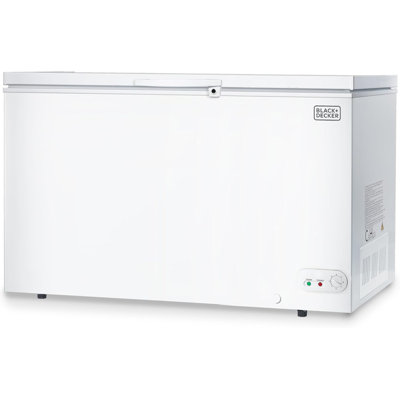
Over 5 cubic feet is a mini-chest territory (see compare small chest freezers: coupons)
Measure your available spot before you order, factoring in a few inches of breathing room on each side for airflow.
A silent appliance keeps your kitchen or garage comfortable.
Noise rating under 40 dB blends into background hum (similar to a quiet library)
Auto-defrost models save on chores but may run slightly louder during cycles
Manual-defrost freezers often use less energy but need regular thawing
Compare top mini freezers
Here’s a quick look at three reliable models suited to a carnivore diet. Prices and availability may vary.
Model
Capacity
Type
Temp range
Pros
Cons
Midea HS-65LW1
1.6 cu ft
upright
−4 to 20 °F
slim footprint, adjustable shelves
No digital display
Danby DCF038A1WDB
3.8 cu ft
chest
−10 to 50 °F
energy efficient, manual-defrost
Needs more floor space
Avanti CF24CW
2.4 cu ft
upright
−8 to 32 °F
auto-defrost, reversible door
Small freezer bins
If you’re short on floor area consider an upright, or choose a chest style for maximum volume. For deals on more options check out our shop compact freezers: discounts.
Organize your meat like a pro
Planning pays off when every steak or cut is easy to find.
Label and date each package (freezer tape sticks well)
Use clear bins for different proteins (beef, pork, poultry)
Vacuum seal or double-bag to block air and prevent freezer burn
Stack flat packs for efficient use of every cubic inch
Maintain your mini freezer
Keeping your unit in top shape extends its life and performance.
Defrost regularly
If you have a manual-defrost model, aim to thaw when frost hits 1/4 inch thick. Quick tip: turn off power, move meat to a cooler, then wipe out melting ice.
Clean coils annually
Dusty coils force the compressor to work harder (and drive up power bills). Here’s how to clean them:
Unplug the freezer and pull it from the wall
Remove the grill to expose coils
Brush off dust with a soft vacuum attachment
Replace the grill, slide the unit back and plug in
A snug gasket keeps cold air in. Test by closing a dollar bill in the door; if it slips out easily, replace the seal.
Next steps to stock up
Choose a capacity that matches your weekly meat haul.
Pick a model with precise temperature control and low noise.
Organize your packages and label clearly.
Schedule simple maintenance every season.
You’ve got this—your perfect mini freezer is waiting to power your carnivore journey with fresh, ready-to-eat protein. Enjoy the peace of mind that comes from knowing you’re covered no matter what cut you crave.
From Fridge.com research
Figures below come from data Fridge.com builds and maintains. Each links to the record behind it.
Fridge.com Energy Index, built on U.S. EPA and DOE ENERGY STAR records
Across 5,455 ENERGY STAR certified refrigerators and freezers from 263 brands, median use is 360 kWh per year.