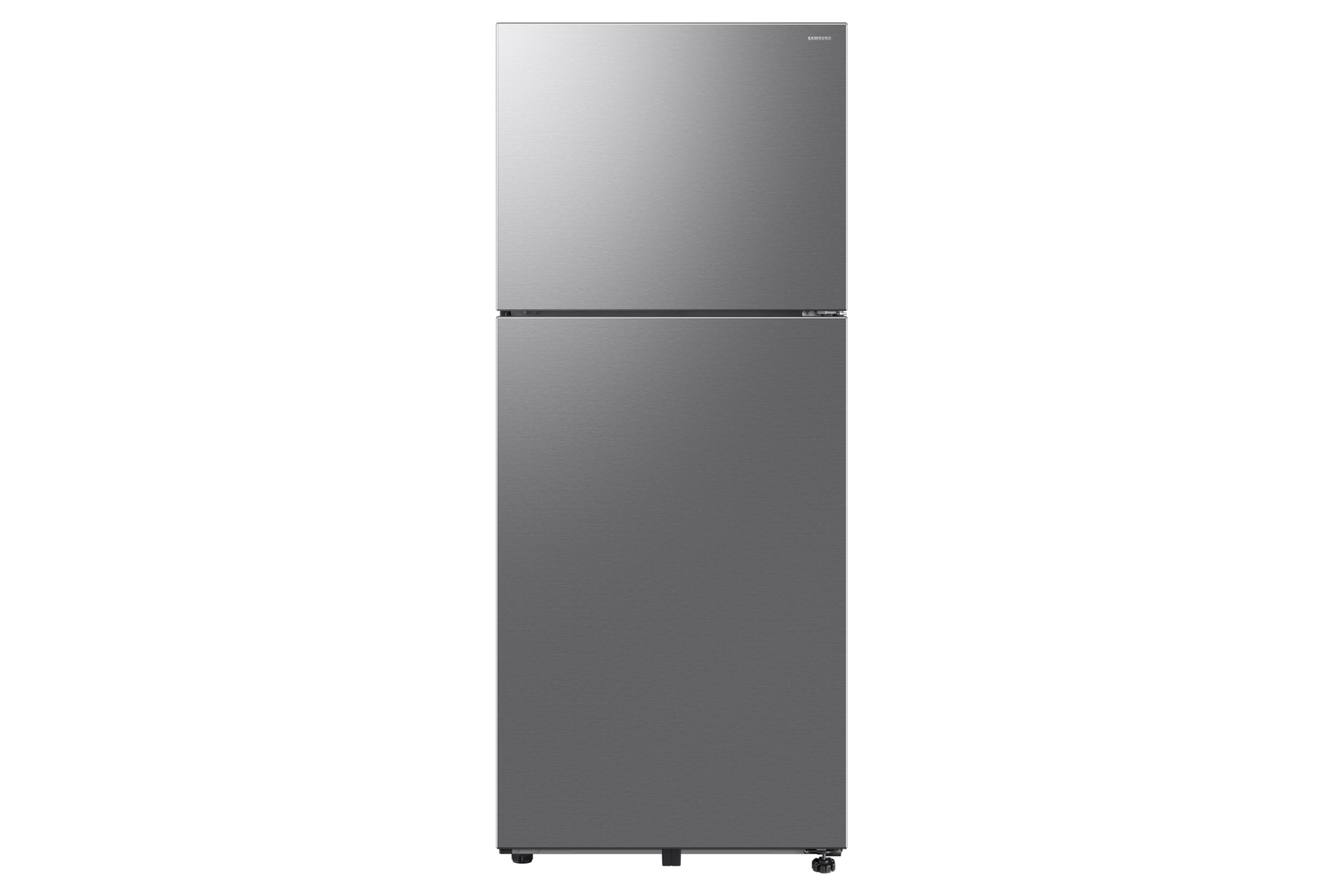
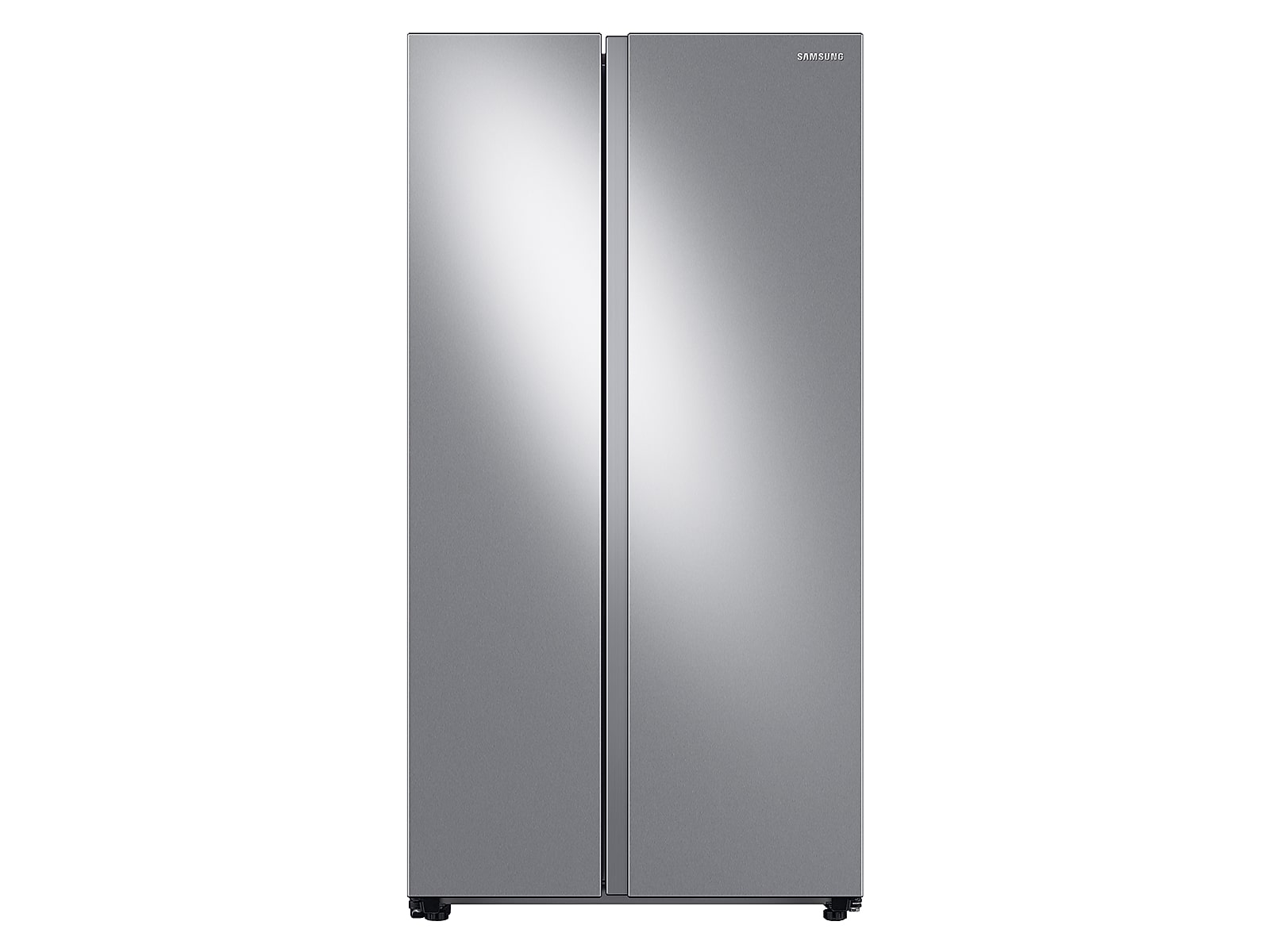
Selecting the appropriate camper size refrigerator is essential for anyone who enjoys camping and wants to keep food and beverages fresh during their travels. An ideal refrigerator ensures that meals are convenient and enjoyable while on the road.
Importance of a Camper Size Refrigerator
A camper size refrigerator serves multiple purposes. It provides a reliable means to store perishable food, reducing waste and enhancing meal quality. For families, friends, chefs, and food enthusiasts, having a proper refrigeration solution enables the preparation of favorite meals and snacks while adventuring. A suitable model contributes to a comfortable camping experience, allowing for easy access to chilled drinks and ingredients.
Factors to Consider When Selecting a Camper Size Refrigerator
When choosing the best camper size refrigerator, several factors must be considered:
Factors
Description
Capacity
Must align with the number of people traveling and their food storage needs.
Size Dimensions
Should fit into the designated space within the camper, taking into account any restrictions on height, width, and depth.
Power Source
Options include electric, propane, and battery-powered models, each with unique advantages and disadvantages.
Temperature Control
Look for adjustable thermostats to maintain optimal cooling conditions suitable for various food items.
Features
Extra functionalities like freezers, door bins, and shelves enhance usability and organization.
These considerations play a vital role in ensuring the camper size refrigerator meets individual needs and fits within the camper's constraints. For more information on energy-efficient options, check out Fridge.com article on what are the advantages of a mini fridge?.
Capacity and Size
Selecting the appropriate capacity and size for a camper size refrigerator is essential to ensure that it meets the needs of those utilizing it for food and beverage storage. When considering capacity and dimensions, multiple factors will help guide the decision-making process.
Determining the Ideal Capacity for Your Needs
Understanding the number of individuals who will rely on the refrigerator is crucial for determining capacity. Typically, a family or group planning extended camping trips will require a larger capacity compared to solo travelers. Below are general capacity recommendations based on various needs:
Group Size
Recommended Capacity (Cubic Feet)
1 to 2 Persons
2 to 4
3 to 4 Persons
4 to 6
5 to 6 Persons
6 to 8
7 or More Persons
8+
It's important to assess how often grocery shopping will take place during the trip, as this can affect how much food needs to be stored at any given time. Higher capacity might be preferable for trips involving extended stays or minimal resupply opportunities.
Considering Space Constraints in Your Camper
After determining the required capacity, the next step is assessing the space available in the camper. Dimensions must match the designated area for the refrigerator to ensure a proper fit without crowding or obstructing other essential features within the camper. It's advisable to measure the following:
Height: Ensure the refrigerator can fit under any overhead compartments.
Width: Confirm there is sufficient space on either side for airflow and access.
Depth: Verify that the appliance doesn’t inhibit movement within the living space.
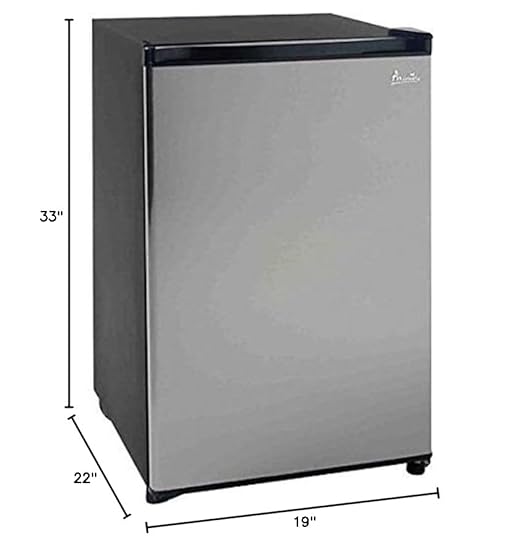
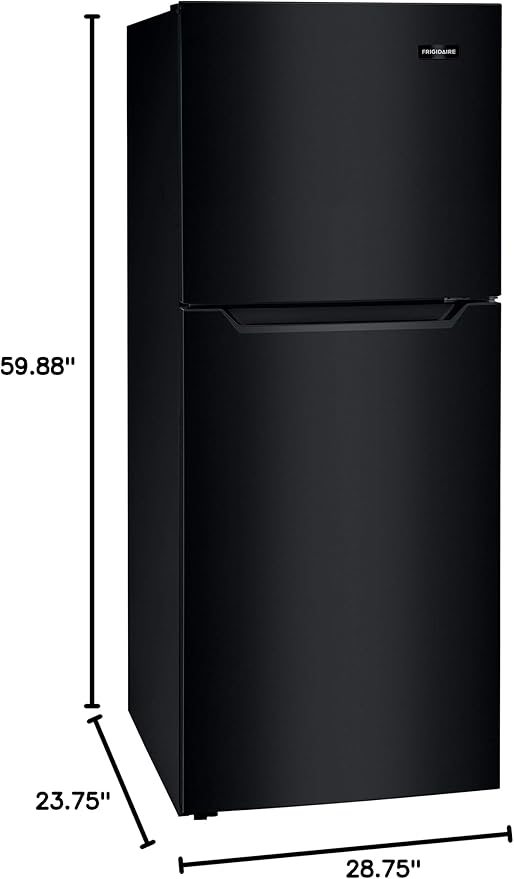
Many camper refrigerators come in compact sizes to accommodate tight spaces. A table indicating the standard dimensions for common camper refrigerator sizes is provided below:
Refrigerator Style
Standard Width (Inches)
Standard Height (Inches)
Standard Depth (Inches)
Compact Models
18 to 24
24 to 34
20 to 25
Standard Models
24 to 30
34 to 50
25 to 30
Oversized Models
30 to 36
50+
30 to 36
Understanding both the capacity needs and the spatial limitations in the camper aids individuals in selecting the best camper size refrigerator for their adventures. For additional insights on related refrigerator topics, readers can explore Fridge.com article on what are the advantages of a mini fridge? or check best fridge for small family.
Choosing a power source for a camper size refrigerator is critical to ensure functionality and convenience. There are several power source options available, each with its own benefits and considerations.
Understanding Power Sources for Camper Size Refrigerators
Camper size refrigerators can typically operate using one or more of the following power sources:
AC Electric: This is the most common power source, requiring connection to an electrical outlet. It is suitable for use in RV parks or at campsites with electrical service.
DC Electric: These refrigerators can run off a battery, making them ideal for off-grid camping or when an electrical outlet is not available.
Propane: Many camper refrigerators use propane as a power source. This option is beneficial for extended trips where electricity access is limited.
Solar: Solar-powered refrigerators use solar panels to charge batteries. They are energy-efficient and are great for environmentally conscious campers.
The choice of power source depends on the camper’s usage patterns, available resources, and personal preferences.
Comparing Energy Efficiency of Different Power Sources
Energy efficiency is a crucial factor when selecting a camper size refrigerator. The table below outlines the energy usage of different power sources, providing insight into their efficiency:
Power Source
Typical Energy Consumption (kWh per day)
Notes
AC Electric
1 - 2
Efficient when plugged into a constant power source.
DC Electric
0.5 - 1
Ideal for running off batteries; efficient at lower speeds.
Propane
Varies
Consumes propane to operate; can be less efficient in very hot conditions.
Solar
0.5 - 1
Dependent on sunlight; may require battery storage for non-sunny days.
Understanding these energy consumption ranges helps users decide which power source aligns with their camping style and needs. For families or chefs who intend to store perishable items, seeking out the best camper size refrigerator that fits within their energy budget is essential. Consider visiting articles like shop built in refrigerator for options that may come with energy-efficient features.
Features and Functions
When selecting the best camper size refrigerator, understanding its features and functions is vital for ensuring it meets diverse needs, whether for families, friends, chefs, or food enthusiasts.
Must-Have Features in a Camper Size Refrigerator
Certain features enhance the functionality and usability of a camper size refrigerator. Here are some essential features to consider:
Feature
Description
Adjustable Shelves
Provides flexibility for storing items of various sizes.
Temperature Control
Allows precise regulation of cooling for different food types.
Interior Lighting
Illuminates the interior for easy visibility, even in low light.
Door Locks
Essential for securing food and preventing accidents while on the road.
Dual Zone Capability
Enables separate cooling areas for food and drinks, improving organization.
Additional Functions to Enhance Convenience
Beyond essential features, several additional functions can enhance the experience of using a camper refrigerator:
Function
Benefits
Smart Technology
Offers app connectivity for temperature monitoring and alerts.
Quick Chill Function
Allows rapid cooling of newly added items.
Built-In Ice Maker
Provides instant ice-making convenience for beverages.
Adjustable Thermostat
Enables setting temperature preferences based on contents.
Eco Mode
Saves energy by optimizing power usage during non-peak times.
These features and functions are crucial in determining the best camper size refrigerator for specific needs and preferences. Families and friends can greatly benefit from investing in models with thoughtful designs that maximize convenience and usability. For further insights, you can explore what are the advantages of a mini fridge? and best freezer for paterson homes.
Installation and Maintenance
Proper installation and maintenance of a camper size refrigerator are essential for ensuring optimal performance and longevity. This section outlines the considerations for installing your unit and provides tips for upkeep.
Installation Considerations for Camper Size Refrigerators
When installing a camper size refrigerator, there are specific factors to keep in mind to ensure a successful setup. These include:
Location: Select an area that allows for adequate ventilation. Poor air circulation can lead to inefficient cooling and increased energy consumption.
Leveling: Ensure the refrigerator is installed on a level surface. This helps the cooling mechanism operate effectively and can prevent operational issues.
Power Source: Identify the appropriate power source—whether it is electrical, propane, or dual-power. The compatibility with existing electrical systems or fuel sources should be verified.
Clearance: Maintain clearance between the refrigerator and surrounding walls or cabinetry. This space allows for airflow and prevents overheating.
Installation Factor
Considerations
Location
Ventilation is crucial
Leveling
Ensures efficient operation
Power Source
Check compatibility with systems
Clearance
Prevents overheating and enhances airflow
Tips for Proper Maintenance and Cleaning
To keep a camper size refrigerator running smoothly, regular maintenance and cleaning are necessary. Here are some tips:
Regular Cleaning: Clean the interior and exterior surfaces with mild soap and water. Avoid using harsh chemicals that can damage the finishes.
Check Seals: Inspect door seals periodically for wear or damage. Proper seals are essential for energy efficiency and maintaining the right temperature.
Defrosting: If using a manual defrost model, ensure to defrost regularly to improve efficiency. Excess frost can hinder cooling performance.
Monitor Temperature: Keep an eye on the temperature settings. Ensure they are within the optimal range to prevent spoilage of perishable items.
Maintenance Task
Frequency
Regular Cleaning
Monthly
Check Seals
Bi-Monthly
Defrosting
As needed (typically quarterly)
Monitor Temperature
Weekly
By considering installation requirements and applying regular maintenance practices, individuals can maximize the efficiency and lifespan of their camper size refrigerator. For more insights on choosing appliances, visit Fridge.com article on what are the advantages of a mini fridge? or learn more about shop built in refrigerator.
When searching for the best camper size refrigerator, it's essential to consider budget-friendly options that provide value without compromising quality. Families, food enthusiasts, and travelers should evaluate their specific needs and identify which features are most important to them. Creating a list of essential features can help streamline the selection process and prevent overspending.
A comparison of key features and estimated price ranges of camper size refrigerators can guide buyers in making an informed decision.
Feature
Basic Models
Mid-Range Models
Premium Models
Interior Capacity
2 - 3 cubic feet
3 - 5 cubic feet
5+ cubic feet
Power Source Options
AC only
AC/DC options
AC/DC, Solar
Additional Features
Basic shelves
Temperature control
Smart features
Balancing Cost with Features and Quality
While budget constraints are important, the best camper size refrigerator should balance cost with essential features and overall quality. Consider the long-term benefits of investing slightly more upfront for higher energy efficiency, which can reduce electricity costs over time. Other factors to keep in mind include the warranty period, the availability of replacement parts, and the reputation of the manufacturer.
Key areas to consider include:
Energy efficiency: Higher-rated models may incur an initial cost but yield savings on electricity bills.
Durability: Look for refrigerators with solid warranty policies and positive customer reviews to ensure they can withstand the rigors of travel.
User-friendly features: Ensure the unit includes adjustable shelves, temperature controls, and ease of installation.
For more information on maximizing your appliance search, read Fridge.com article on what are the advantages of a mini fridge?. By following these guidelines, consumers can find a camper size refrigerator that fits their budget while meeting their functional requirements.
Free tool
Refrigerator Size Calculator
Free interactive tool from Fridge.com — get a quick answer while you read.