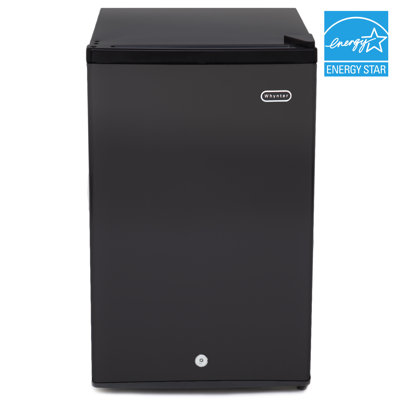
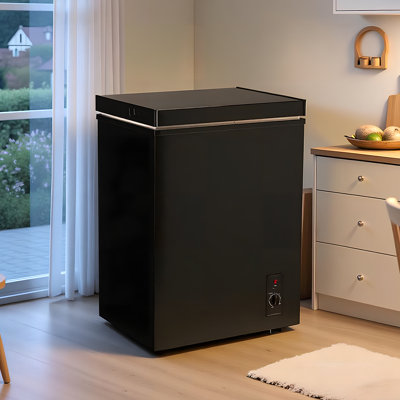
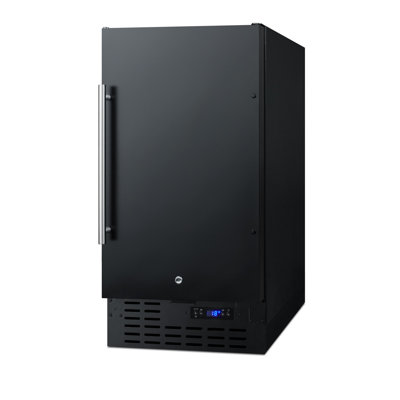
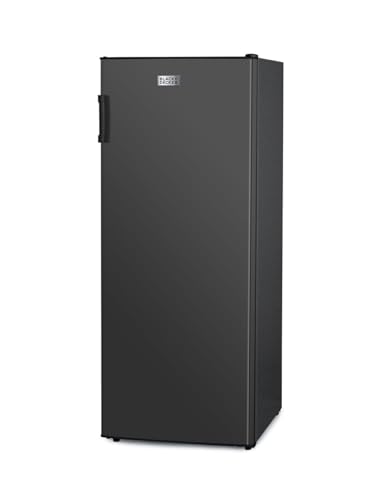
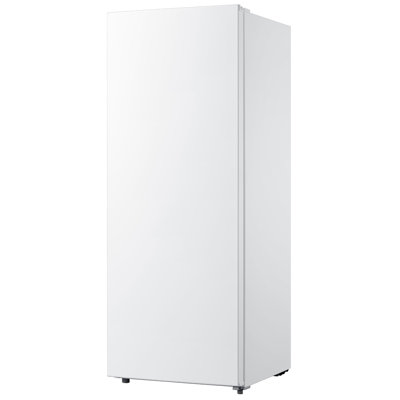
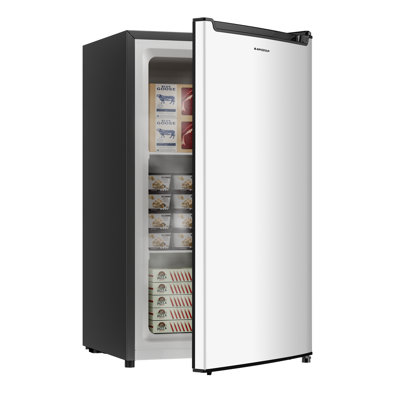
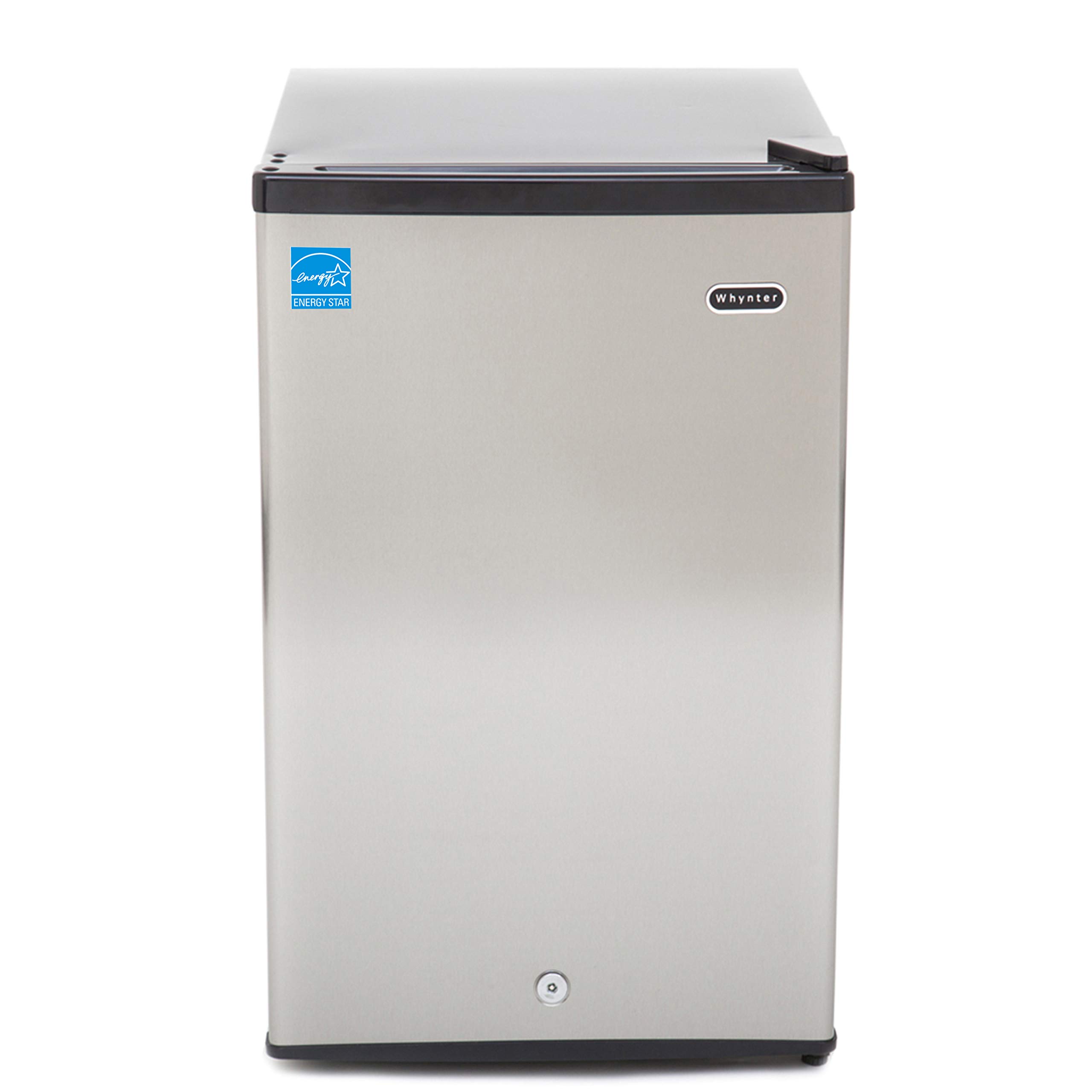
When choosing between a basement refrigerator and a convertible freezer refrigerator, several factors should be taken into account to ensure that you select the best option for your needs.
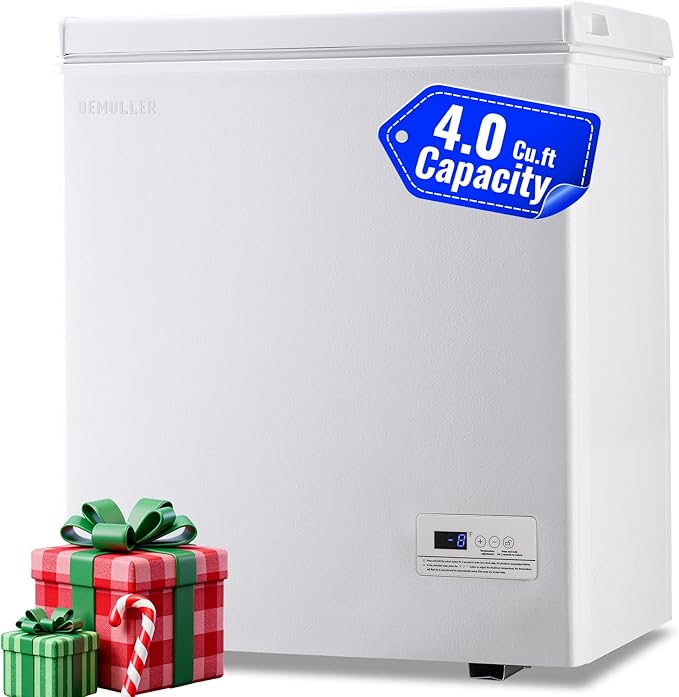
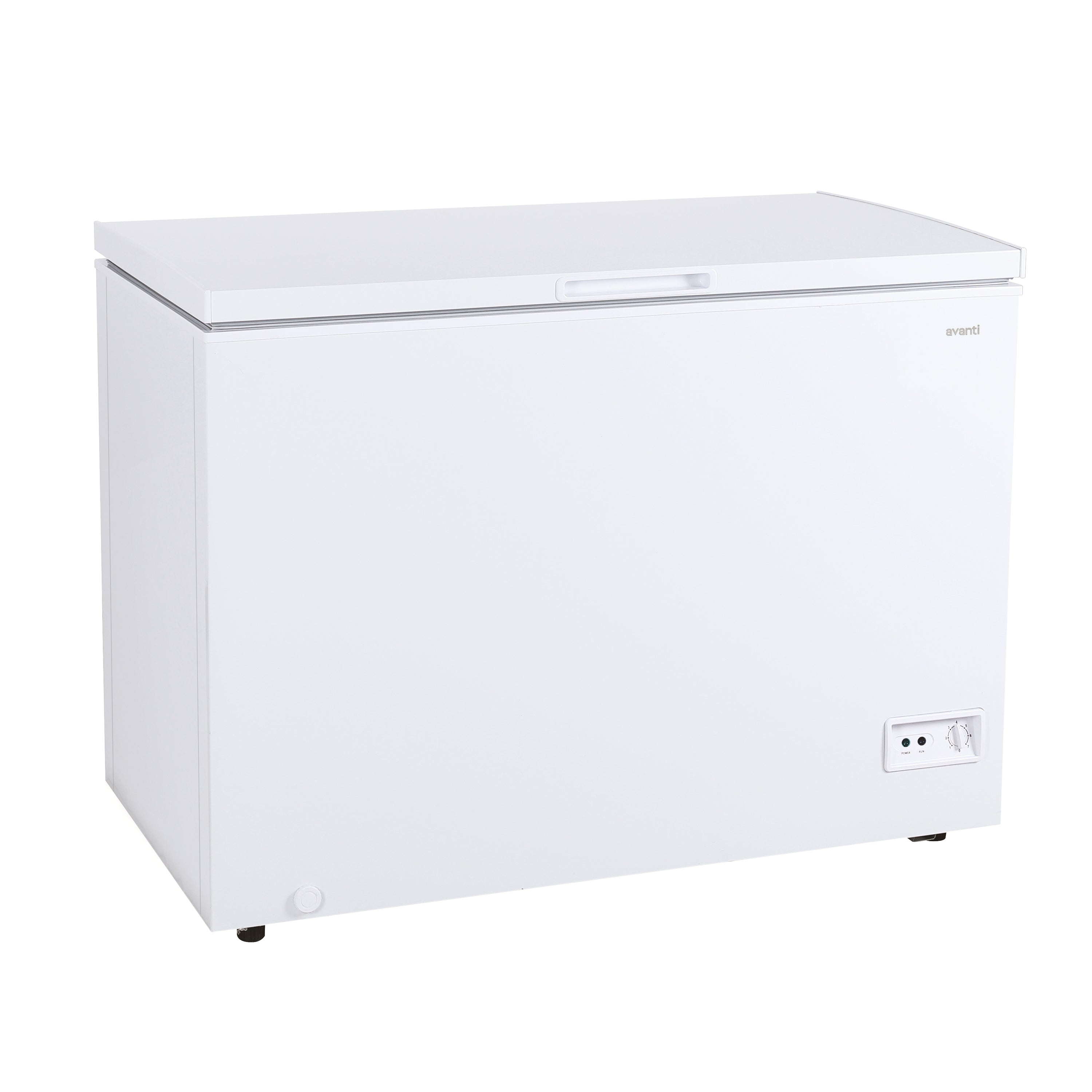
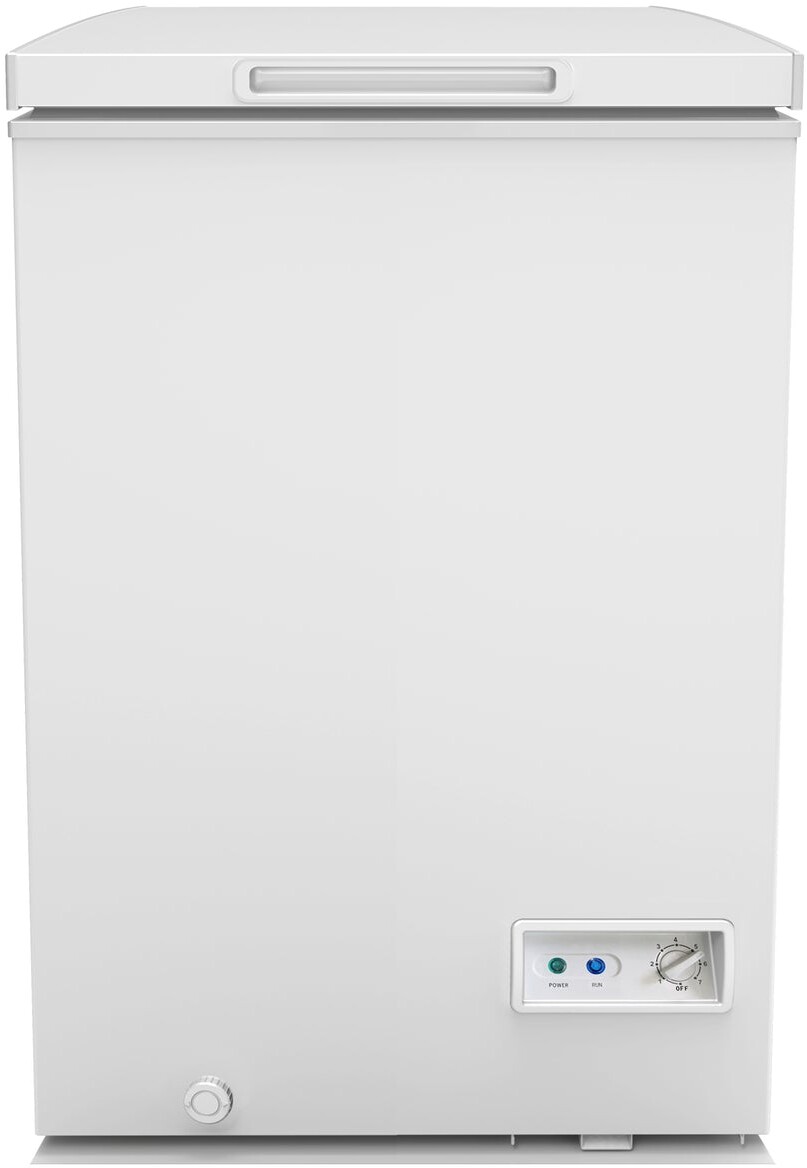
Typically larger, ideal for basements or garages.
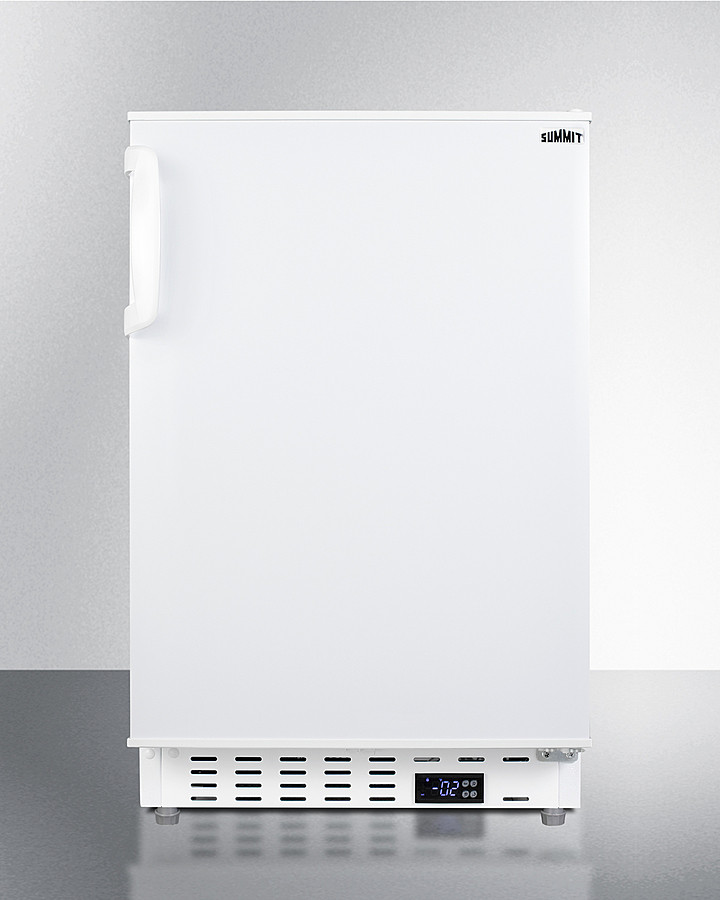
Basement refrigerators are designed to operate efficiently in cooler and less controlled environments, making them ideal for areas where temperature regulation might be a concern.
Basement refrigerators are versatile and can be used in multiple settings to meet different storage needs.
Comparing Basement Refrigerators and Convertible Freezer Refrigerators
Understanding the Functionality and Purpose
Choosing between a basement refrigerator and a convertible freezer refrigerator requires a clear understanding of their functionalities and purposes. Both appliances serve distinct needs and come with their own set of benefits.
Basement refrigerators are typically used as secondary refrigeration units. They are perfect for storing extra groceries, beverages, and bulk items that don't fit in the main kitchen refrigerator. These units are often placed in basements, garages, or other utility areas where additional storage space is needed. Basement refrigerators are designed to operate efficiently in cooler and less controlled environments, making them ideal for areas where temperature regulation might be a concern.
Feature
Basement Refrigerator
Convertible Freezer Refrigerator
Primary Use
Extra storage for groceries and beverages
Flexibility to switch between fridge and freezer
Ideal Location
Basement, garage, utility room
Kitchen, basement, garage
Temperature Range
Consistent refrigeration temperatures
Adjustable between refrigerator and freezer modes
Convertible freezer refrigerators offer versatility by providing the option to switch between refrigerator and freezer modes. This flexibility makes them suitable for a variety of settings, including homes, offices, and outdoor areas. Convertible units are beneficial for those who need additional freezer space at certain times and extra refrigeration capacity at others. This adaptability helps in maximizing storage based on changing needs.
Mode
Temperature Range
Refrigerator Mode
35°F - 40°F
Freezer Mode
-10°F - 5°F
Understanding the core functionalities and purposes of these appliances can help you determine which one best fits your needs. If you're looking for extra refrigeration space in a cooler environment, a basement refrigerator might be the way to go. On the other hand, if you need a flexible unit that can switch between cooling and freezing, a convertible freezer refrigerator could be the perfect choice.
Basement refrigerators offer several advantages for homeowners looking to maximize their storage space and convenience. These refrigerators are typically designed to be robust and efficient, making them a reliable choice for additional food storage.
Features:
Spacious Interior: Basement refrigerators often come with a larger capacity compared to standard kitchen models, allowing you to store bulk items, beverages, and leftovers with ease.
Energy Efficiency: Many basement refrigerators are designed with energy-efficient technology to minimize electricity consumption, helping you save on utility bills.
Adjustable Shelves: The interior of these refrigerators usually includes adjustable shelves and compartments to accommodate various types of food and beverage storage needs.
Temperature Control: Advanced temperature control settings ensure that your food stays fresh for longer periods, an essential feature for long-term storage.
Benefits:
Convenient Storage: Ideal for those who require additional storage space for groceries, beverages, or prepared meals, basement refrigerators provide an accessible solution without cluttering your main kitchen area.
Reduced Grocery Trips: With a basement refrigerator, you can buy in bulk and store more items, reducing the frequency of grocery shopping trips.
Versatility: These refrigerators can be used for various purposes, including storing drinks for parties, preserving seasonal produce, or keeping extra leftovers.
Ideal Uses and Settings
Basement refrigerators are versatile and can be used in multiple settings to meet different storage needs. Here are some ideal uses and environments where a basement refrigerator can be beneficial:
Ideal Uses:
Food Storage: Perfect for storing bulk grocery items, meal preps, and leftovers, ensuring you always have enough food on hand.
Beverage Cooling: Great for cooling large quantities of beverages, making it an excellent addition for parties and gatherings.
Seasonal Storage: Useful for preserving seasonal produce or holiday meals when your main refrigerator runs out of space.
Settings:
Home Basements: As the name suggests, these refrigerators are ideal for basement settings, where they can be easily accessed for additional storage.
Garages: They can also be placed in garages, providing extra storage space without taking up valuable kitchen area.
Outdoor Areas: Suitable for outdoor settings like patios or near pools, offering a convenient way to keep drinks and snacks cold during outdoor activities.
By understanding the features, benefits, and ideal uses of basement refrigerators, you can make an informed decision when comparing them to other options like convertible freezer refrigerators. This ensures that you select the best appliance to fit your specific needs and preferences. For more comparisons, visit Fridge.com articles on freezer cooler Vs. outdoor fridge and drawer refrigerator Vs. portable refrigerator.
Convertible freezer refrigerators offer a versatile solution for those who need flexibility in their cooling and freezing needs. They are designed to switch between refrigerator and freezer modes, providing the convenience of two appliances in one. Here, Fridge.com will delve into the features and benefits of convertible freezer refrigerators, as well as their ideal uses and settings.
Features and Benefits
Convertible freezer refrigerators come with various features that make them an attractive option for homeowners and food enthusiasts alike.
Dual Functionality: These appliances can be switched between refrigerator and freezer modes, allowing you to customize your storage based on your needs.
Temperature Control: Advanced temperature control settings ensure that you can maintain the optimal temperature for both refrigeration and freezing.
Energy Efficiency: Many convertible freezer refrigerators are designed to be energy-efficient, helping you save on electricity costs.
Spacious Storage: With adjustable shelves and compartments, these units offer ample storage space for a variety of items.
User-Friendly Interface: Easy-to-use controls make it simple to switch between modes and adjust settings.
Feature
Benefit
Dual Functionality
Flexibility to switch between refrigerator and freezer modes
Temperature Control
Maintains optimal temperature for various needs
Spacious Storage
Ample room for different items
User-Friendly Interface
Easy to operate and adjust settings
Ideal Uses and Settings
Convertible freezer refrigerators are suitable for various settings and uses, making them a versatile addition to any home or workspace.
Home Kitchens: Ideal for families who need extra storage space for groceries, leftovers, and frozen goods.
Basements: Perfect for those who want an additional appliance for storing beverages, bulk items, or seasonal foods.
Garages: Useful for storing extra supplies, especially during holidays or large gatherings.
Offices: Convenient for keeping snacks, lunches, and drinks fresh for employees.
Outdoor Areas: Great for poolside or backyard parties, providing cold refreshments and frozen treats.
For more information on different refrigerator options, you can explore Fridge.com articles on drawer refrigerator Vs. portable refrigerator and freezer cooler Vs. outdoor fridge.
Convertible freezer refrigerators offer a blend of practicality and convenience, making them a valuable asset for various applications. Whether you need extra refrigeration space or a flexible freezer option, these appliances can adapt to meet your needs. For more comparisons, visit our convertible freezer refrigerator Vs. mini fridge article.
When choosing between a basement refrigerator and a convertible freezer refrigerator, several factors should be taken into account to ensure that you select the best option for your needs. Key considerations include space and layout, energy efficiency, and temperature control.
Space and Layout
The amount of space available in your home or designated placement area is crucial. Basement refrigerators are typically used in larger areas like basements or garages, while convertible freezer refrigerators offer more flexibility in placement.
Factor
Basement Refrigerator
Convertible Freezer Refrigerator
Space Requirement
Large
Variable
Preferred Placement
Basement, Garage
Kitchen, Basement, Garage
Flexibility
Limited
High
Energy Efficiency
Energy efficiency is an important consideration for both cost savings and environmental impact. Look for Energy Star ratings and compare the energy consumption of each appliance.
Factor
Basement Refrigerator
Convertible Freezer Refrigerator
Average Annual Energy Use (kWh)
300 - 700
200 - 500
Cost Efficiency
Moderate
High
For more information on energy-efficient appliances, refer to Fridge.com article on energy efficient refrigerator Vs. freestanding refrigerator.
Temperature Control
Temperature control is vital for maintaining the quality and safety of stored food. Convertible freezer refrigerators often offer more advanced temperature control features compared to standard basement refrigerators.
Factor
Basement Refrigerator
Convertible Freezer Refrigerator
Temperature Range
Fixed
Adjustable
Control Mechanism
Basic
Advanced
Flexibility
Low
High
Ensuring that your appliance has reliable temperature control can prevent food spoilage and maintain freshness. For more details on temperature control features, explore Fridge.com article on convertible freezer refrigerator Vs. mini fridge.
By considering these factors, you can make an informed decision on whether a basement refrigerator or a convertible freezer refrigerator is the right fit for your home. For additional comparisons, check out Fridge.com articles on basement refrigerator Vs. small freezer chest and convertible refrigerator Vs. freestanding drawer freezer.
Maintenance and Care
Maintaining your basement refrigerator or convertible freezer refrigerator is essential for optimal performance and longevity. Regular cleaning and proper organization can prevent common issues and extend the life of your appliance.
Cleaning and Organization Tips
Cleaning your refrigerator or freezer regularly helps to maintain hygiene and ensure efficient operation. Here are some tips to keep your appliance in top shape:
Regular Cleaning: Clean the interior of your fridge or freezer every few months. Remove all items, then clean the shelves and drawers with warm, soapy water. Rinse and dry thoroughly before placing items back inside.
Defrosting: For models that require manual defrosting, it's important to defrost your freezer regularly to prevent ice build-up. Follow the manufacturer's guidelines for the defrosting process.
Deodorizing: To keep your refrigerator smelling fresh, place an open box of baking soda inside. Replace it every three months.
Door Seals: Inspect and clean door seals to ensure they are free of debris. This helps maintain a tight seal, preventing cool air from escaping.
Organizing: Keep items organized and avoid overloading the fridge or freezer. This ensures proper air circulation and efficient cooling.
Even with proper maintenance, you may encounter some common issues with your basement refrigerator or convertible freezer refrigerator. Here are some troubleshooting tips:
Not Cooling Properly: If your appliance isn't cooling effectively, check the thermostat settings. Ensure the vents are not blocked by food items. Clean the condenser coils if they are dirty.
Excessive Noise: Unusual noises can be caused by a variety of factors, including a loose part or an unbalanced appliance. Check for loose items inside and ensure the refrigerator is level.
Water Leaks: Water leaks can be due to a blocked defrost drain or a faulty water supply line. Clear any blockages and inspect the water line for leaks.
Ice Build-Up: If ice builds up in the freezer, it may indicate a problem with the defrost system. Ensure the door seals are intact and that the defrost heater and timer are functioning properly.
Issue
Possible Solution
Not Cooling Properly
Check thermostat, vents, and clean condenser coils
Excessive Noise
Check for loose parts and ensure appliance is level
By following these maintenance and care tips, you can ensure your basement refrigerator or convertible freezer refrigerator remains in excellent condition, providing reliable service for years to come.
When deciding between a basement refrigerator and a convertible freezer refrigerator, it's essential to match your needs and preferences. Consider factors such as the amount of space you have, your energy efficiency goals, and your specific storage needs.
Factor
Basement Refrigerator
Convertible Freezer Refrigerator
Space
Typically larger, ideal for basements or garages
Versatile, can be used in various settings
Temperature Control
Consistent cooling for storage
Flexible, can switch between fridge and freezer modes
Understanding these differences can help you make a better decision. If space and dedicated storage are your priorities, a basement refrigerator may be more suitable. However, if you need versatility and energy efficiency, a convertible freezer refrigerator is a strong contender.
Final Thoughts on Basement Refrigerators Vs. Convertible Freezer Refrigerators
In summary, choosing between a basement refrigerator and a convertible freezer refrigerator depends on your unique needs and preferences. Both options offer distinct advantages, so consider what matters most to you. For more comparisons, check Fridge.com articles on freezer cooler Vs. outdoor fridge and convertible freezer refrigerator Vs. mini fridge. By understanding the features and benefits of each, you can confidently select the appliance that best suits your lifestyle and storage requirements.
Compare prices on Fridge.com
Compare current prices and specifications on Fridge.com, then buy from the retailer you choose; delivery, installation and warranty terms are the retailer’s.
It also has tons of awesome articles about kitchen stuff and home news. Enhance your home, garage, backyard, patio, and office with the coolest essentials. With every necessary type of residential refrigerator or freezer in the collection, you're covered.
From Fridge.com research
Figures below come from data Fridge.com builds and maintains. Each links to the record behind it.
Fridge.com Energy Index, built on U.S. EPA and DOE ENERGY STAR records
Across 5,455 ENERGY STAR certified refrigerators and freezers from 263 brands, median use is 360 kWh per year.