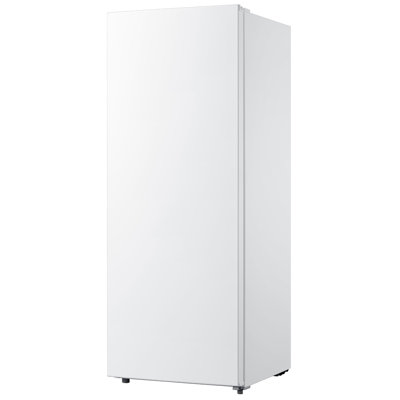
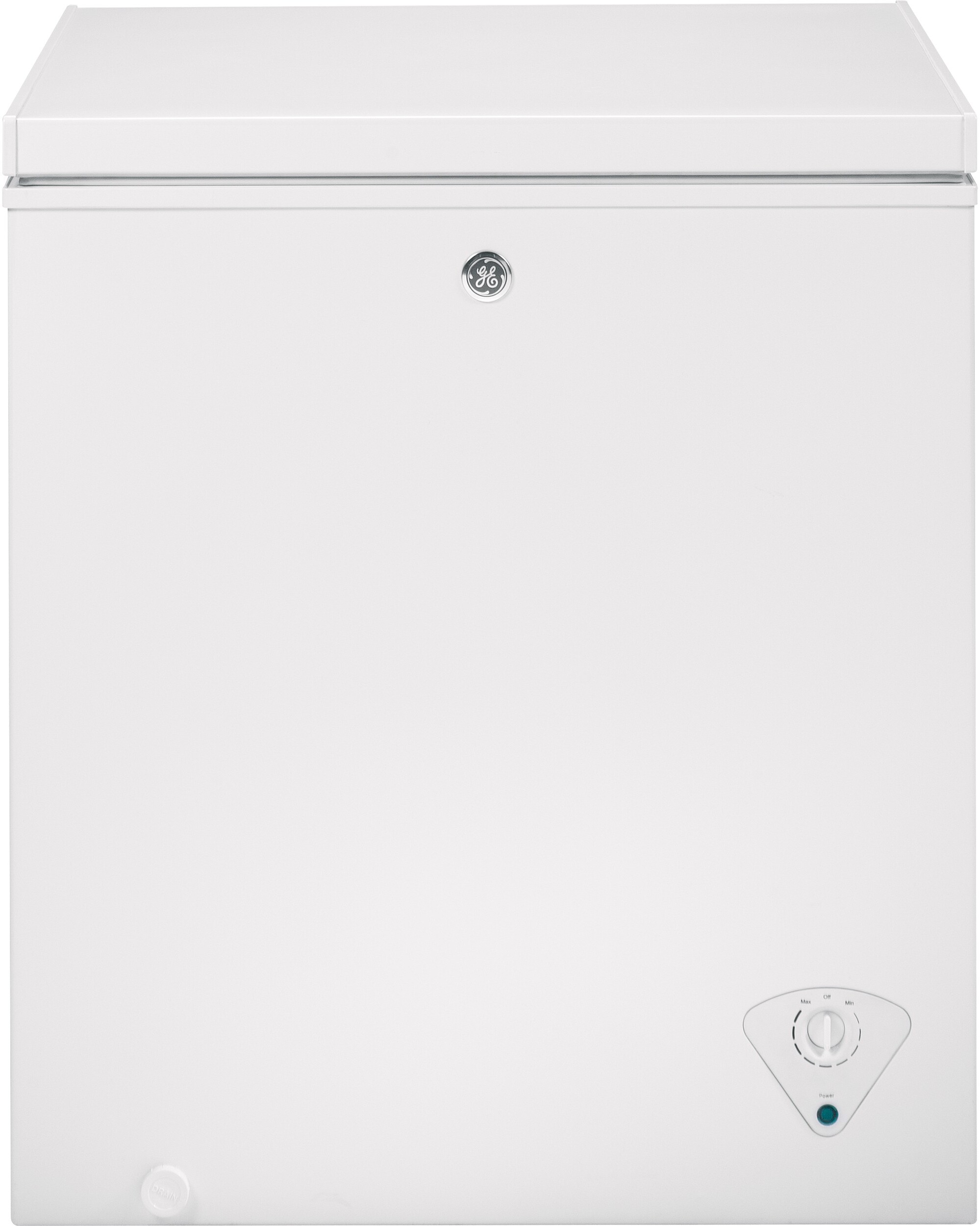
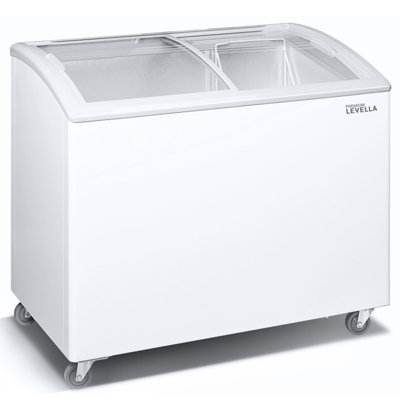
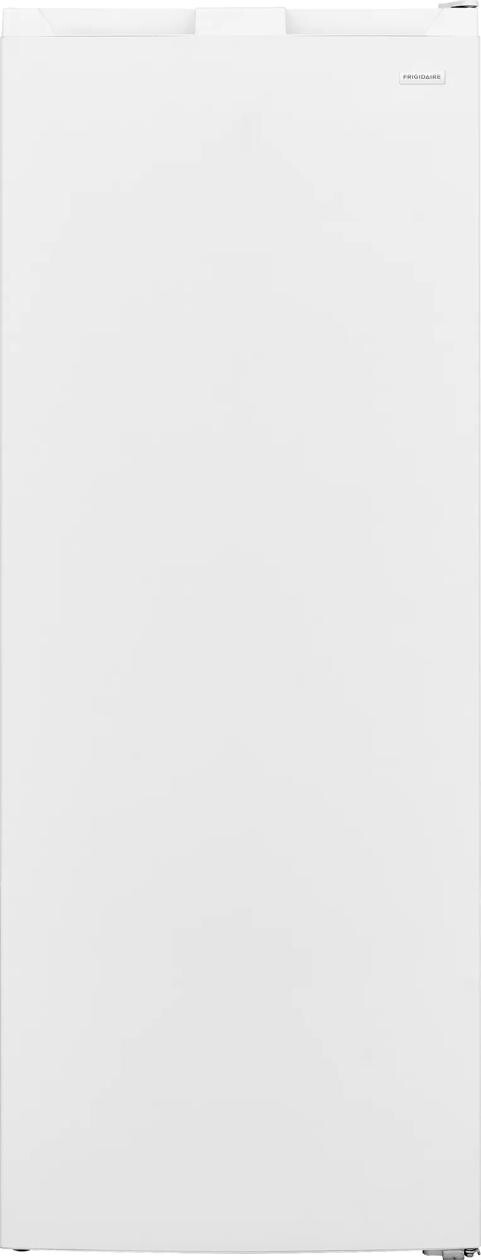
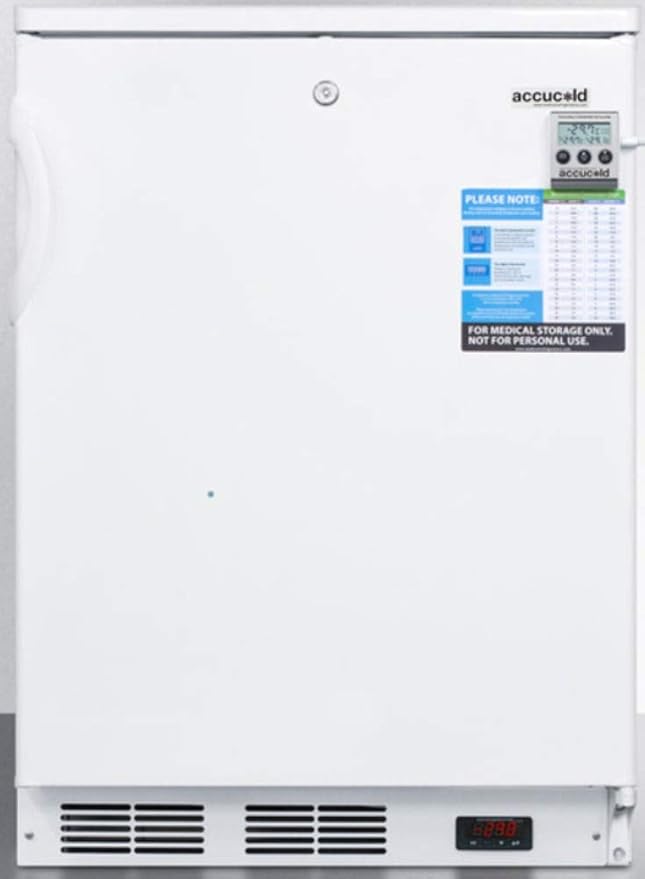
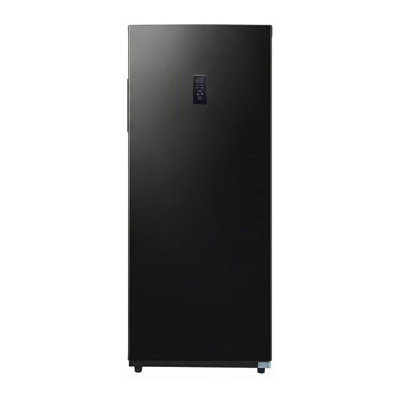
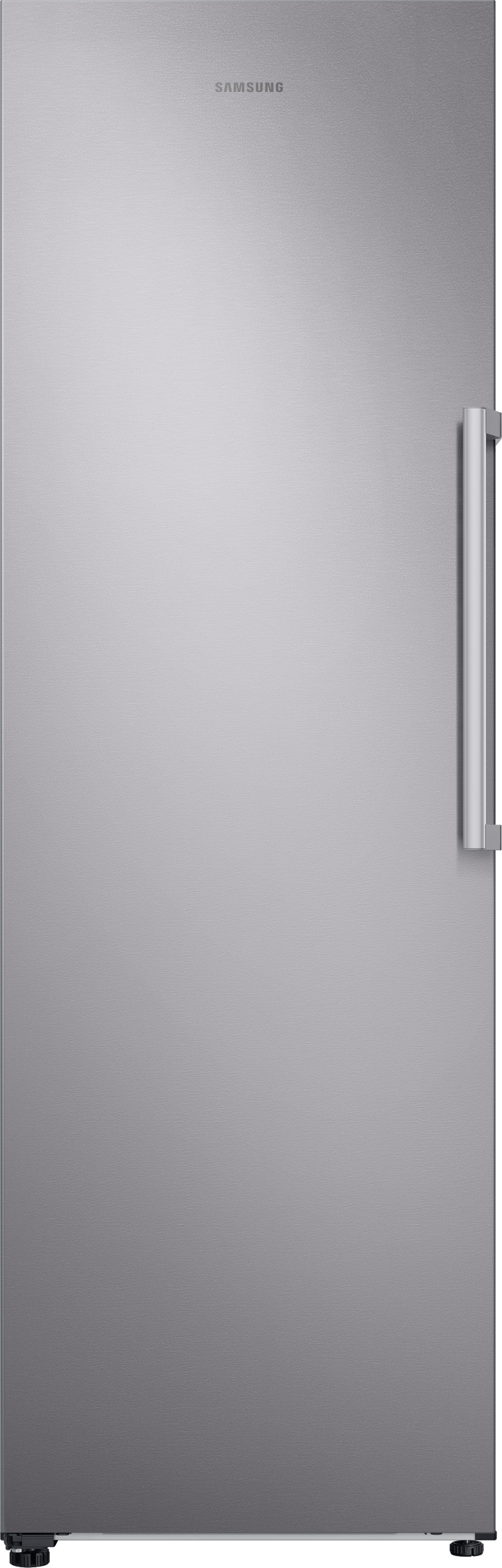
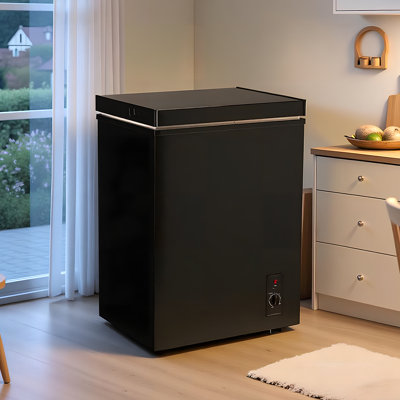
Let's chat about something that lives in your kitchen and keeps your ice cream good and cold—your freezer. Now, the term "average freezer kWh" sounds fancy, but it's really just the usual number of kilowatt-hours (kWh) your freezer munches on over time. Knowing this number can save you a bit of cash by helping you figure out ways to lower your energy costs.
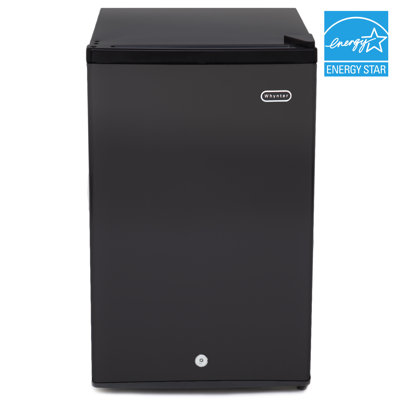
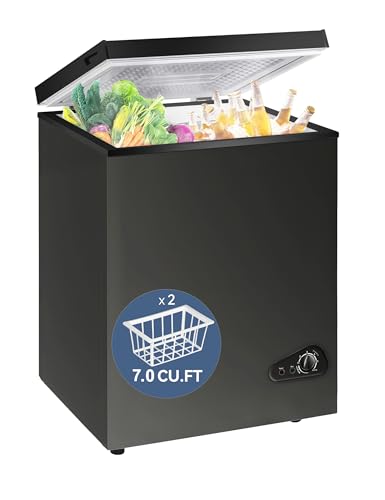
Different freezers have different appetites, depending on their size, model, and how often you open them for that late-night snack. Here's a quick snapshot of what typical freezers usually gobble up:
Freezer Type
Average kWh per Month
Upright Freezer
25 - 40
Chest Freezer
20 - 35
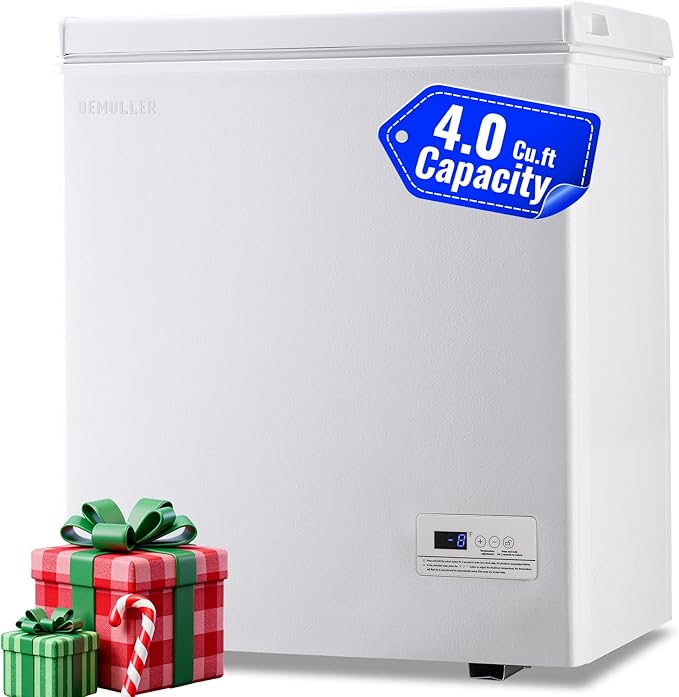
Compact Freezer
15 - 25
Importance of Knowing Your Freezer's Energy Usage
Why should you care about your freezer’s energy diet? Well, for starters, understanding this helps you keep tabs on your household expenses. A power-hungry freezer can send your electricity bills soaring, especially during those sweltering summer months when it's working overtime.
Plus, knowing how your freezer behaves means you can make smarter, greener choices. Think about picking an energy-efficient model next time or just tweaking the temperature settings on your current one. It's a small step towards reducing the world's energy consumption—and hey, it adds a little eco-friendliness to your home.
And finally, keeping track of how your freezer's doing can save you from unpleasant surprises down the line. Regular check-ins can help you avoid sudden breakdowns, sparing you costly repairs and keeping your food fresh. For more on making your freezer run smoothly, check out our freezer: how does it work? article.
So there you have it. Watching your freezer's energy use means better choices for you, your budget, and our ailing planet.
Figuring out what makes your freezer guzzle energy helps you keep an eye on costs and get the best out of your appliance. Let's dig into some stuff that really matters when it comes to how much juice your freezer uses.
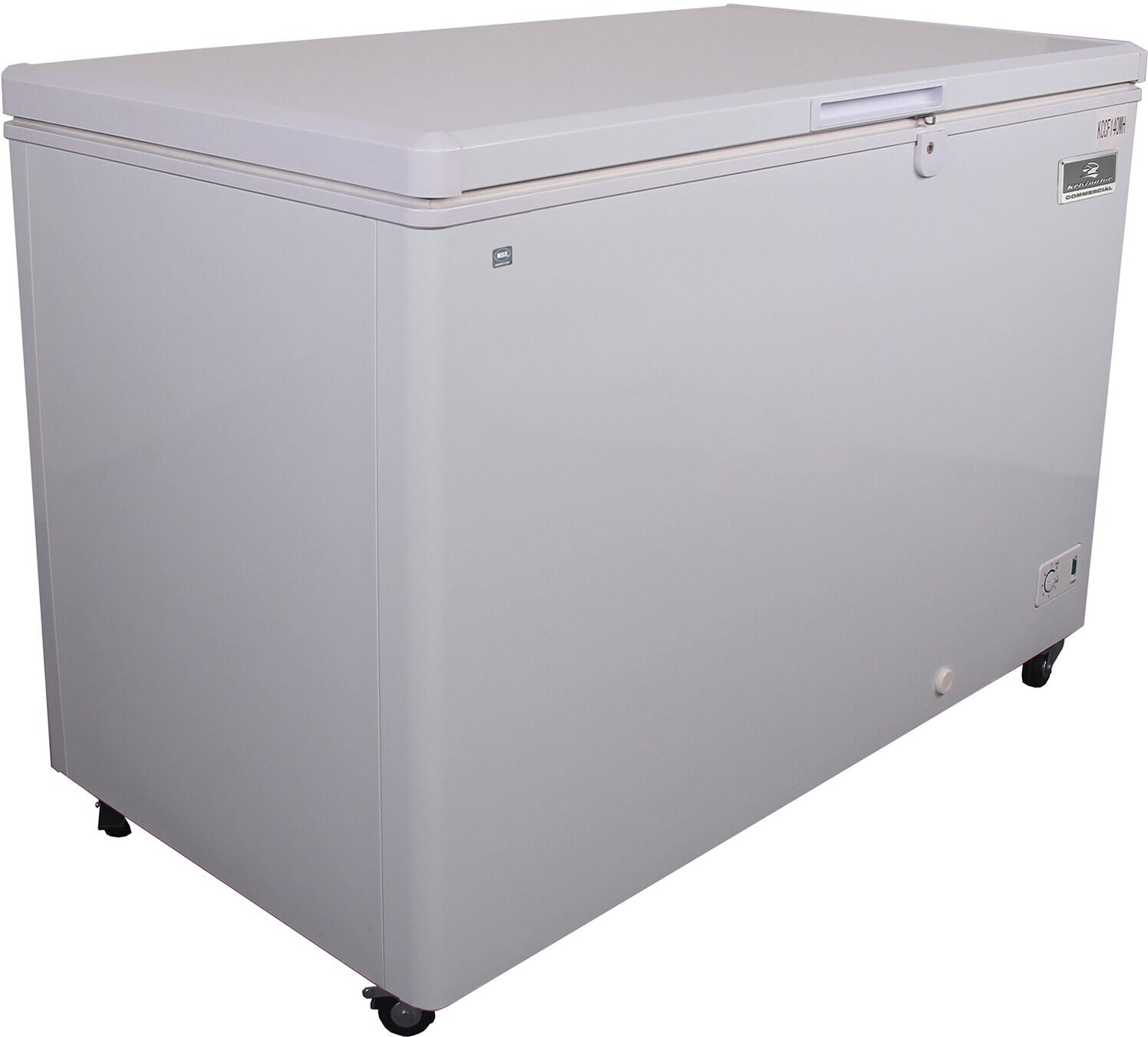
Size of the Freezer
The bigger they are, the more they eat! Yep, your freezer’s size has a lot to do with how much energy it needs. Larger freezers need more power because they’ve got more air to chill. But don’t just go by size—how the thing runs also counts.
Freezer Size (Cubic Feet)
Average Energy Use (kWh/month)
5
20 - 25
10
30 - 40
15
50 - 60
20
70 - 80
Energy Efficiency Rating
Check the stickers, folks! A freezer's energy efficiency rating gives you the lowdown on its energy usage. Those with higher ratings, like Energy Star freezers, are more thrifty with electricity than their average cousins. That means some serious dough savings down the line.
Efficiency Rating
Description
Average Energy Use (kWh/month)
Standard
So-so efficiency
50 - 70
Usage Patterns and Settings
How you handle your freezer makes a big difference. Open the door too much, crank the temp all the way down, or stuff it like a turkey, and you'll see your energy bill climb. But organizing it and keeping it filled (without jamming it) can help.
Usage Factor
Impact on Energy Use
Door Open Frequency
Warms up inside, jacks up power use
Temperature Setting
Lower temps = higher energy bills
Freezer Load
A packed freezer keeps its cool better
Keeping these bits in mind helps you make smarter choices with your freezer, which could mean smaller bills and better efficiency. Want more tips on managing energy? Pop over to Fridge.com article on how does a freezer work?.
Calculating Average Freezer kWh
Let's chat about getting a grip on your freezer's energy use. Knowing how much electricity that icy box in your kitchen chugs can help you keep those energy bills from getting too wild.
Understanding Kilowatt-Hours (kWh)
So, kWh. It's a fancy way of saying how much juice an appliance uses when it's doing its thing. Imagine running a 1-kilowatt gadget for an hour; that's one kWh right there. Your freezer uses energy, too; it just likes to hum along quietly, gobbling volts as it keeps your leftovers chilly.
Freezer energy slurping revolves around its power rating (like horsepower for your car) and how long it’s chugging away. For instance, say your freezer is 200 watts strong and buzzes for 8 hours a day. Here's how you figure out how much power it's downing:
[ \text{Energy (kWh)} = \left( \frac{\text{Power in watts}}{1000} \right) \times \text{Time in hours} ]
Wanna see how much your freezer is slurping up? Alright, here’s how you go about it:
Check the Power Rating: Find that little tag on your freezer. It tells you how much watt juice it needs.
Estimate Daily Usage: Think about how often the freezer's running. Is it full of goodies, or is it just making ice for your iced tea?
Calculate: Multiply the kW number (watts divided by 1000) by those daily hours.
Here's a cheat sheet with different power ratings to help you out:
Power Rating (Watts)
Daily Usage (Hours)
Daily kWh Usage
150
24
3.6
200
8
1.6
250
12
3.0
300
10
3.0
Once you know that daily number, you can multiply it by 30 for a month or 365 for a year. Spoiler alert: that’s gonna tell you how much you're spending to keep your ice cream frozen all year.
Keep an eye on your freezer's energy use, and you'll save some cash. Plus, you can brag to your friends about being an energy-saving rockstar. If you're eager for more tips on saving energy with your freezer, peek at Fridge.com article on how does a freezer work?.
Want to keep your electricity bills in check and make your freezer last longer? Here’s how you can cut down on energy use and still keep your frozen goodies in top shape.
Properly Organizing Your Freezer
Believe it or not, a tidy freezer can help you save on energy and time. When everything's easy to find, you're not standing there with the door open, wasting all that cold air. Here's what to do:
Clear Containers: See what's inside without opening everything up.
Group Things Together: Stick similar items in the same spot, so you're not hunting around.
Label and Date Stuff: Know when you put them in there for freshness.
Clutter Busters
Perk
See-Through Containers
Find stuff fast
Group by Product
Easy peasy locating
Date Labels
Say goodbye to food waste
Maintaining Optimal Freezer Temperature
Get your freezer’s temp right, and you won't believe the difference it makes. The sweet spot? A frosty 0°F (-18°C), and here’s why:
Too Warm: Food could spoil quicker.
Too Cold: Overworks the freezer, costing you more in energy.
Keep tabs on that temperature with a simple appliance thermometer now and then.
Checking and Sealing Any Leaks
Cold air leaks are total energy suckers. Beat 'em by checking your freezer's door seals:
Seal Check: Slip a piece of paper in the door. If it slides out, you may need new seals.
Watch for Frost: Frost isn't just a pain; it's a sign something's up with efficiency.
Leak Fix Tricks
Steps
Check the Seals
Swap them out if they're torn
Paper Test
Door should pinch paper tight
Frost Patrol
Clear it to save on energy
Keeping things organized, setting the right temperature, and nixing leaks can help you save energy like a champ. For more cool tips on cutting down energy use, check out Fridge.com section on monitoring and managing freezer energy usage. Save money and the planet, one chilly bit at a time!
Keeping an eye on your freezer's energy consumption can make a huge difference in your electricity bills. By getting a handle on effective monitoring strategies and cultivating good habits, you can easily manage and trim down that energy use.
Using Energy Monitoring Devices
Thinking about grabbing some energy monitoring tools? These nifty gadgets let you peek into how much electricity your freezer's guzzling over time. Just plug one of these devices between your freezer and the outlet, and voila—you get detailed reports on the spot. This knowledge can help you spot when your freezer eats up the most juice and figure out how to tackle it.
Check out these usual suspects in energy monitoring:
Device Type
What It Does
Smart Plugs
Sync with an app to check freezer energy from your phone.
Standalone Energy Monitors
Hand over detailed energy data without other gear.
Arming yourself with these devices gives you insight into freezer power chomping and pushes you toward energy-smart habits.
Creating Energy-Saving Habits
You can shave off some energy usage by picking up a few easy-peasy habits—here's what you can start doing:
Keep the Freezer Full: A packed freezer traps the cold, so your compressor won’t need overtime. If space is an issue, toss in some bags of ice to bulk it up.
Limit Door Opening: Cut back on freezer peeks. Each open door lets the cold out and forces your freezer to work overtime chilling things down again.
Check the Seals: Take a moment to eyeball the rubber seals on your freezer door. Worn-out seals? Swap 'em out to keep things airtight.
Defrost Regularly: No frost-free freezer? No problem. Just remember to defrost when ice starts stacking up. Excess frost throws efficiency out the window, upping energy use.
Set the Right Temperature: Aim for 0°F (-18°C) to keep your food safe without wasteful energy usage.
Stick these habits into your routine, and watch your freezer chug along more efficiently. For more tidbits on managing your freezer’s power munching, peek at Fridge.com guide on how does a freezer work?.
From Fridge.com research
Figures below come from data Fridge.com builds and maintains. Each links to the record behind it.
Fridge.com Energy Index, built on U.S. EPA and DOE ENERGY STAR records
Across 5,455 ENERGY STAR certified refrigerators and freezers from 263 brands, median use is 360 kWh per year.