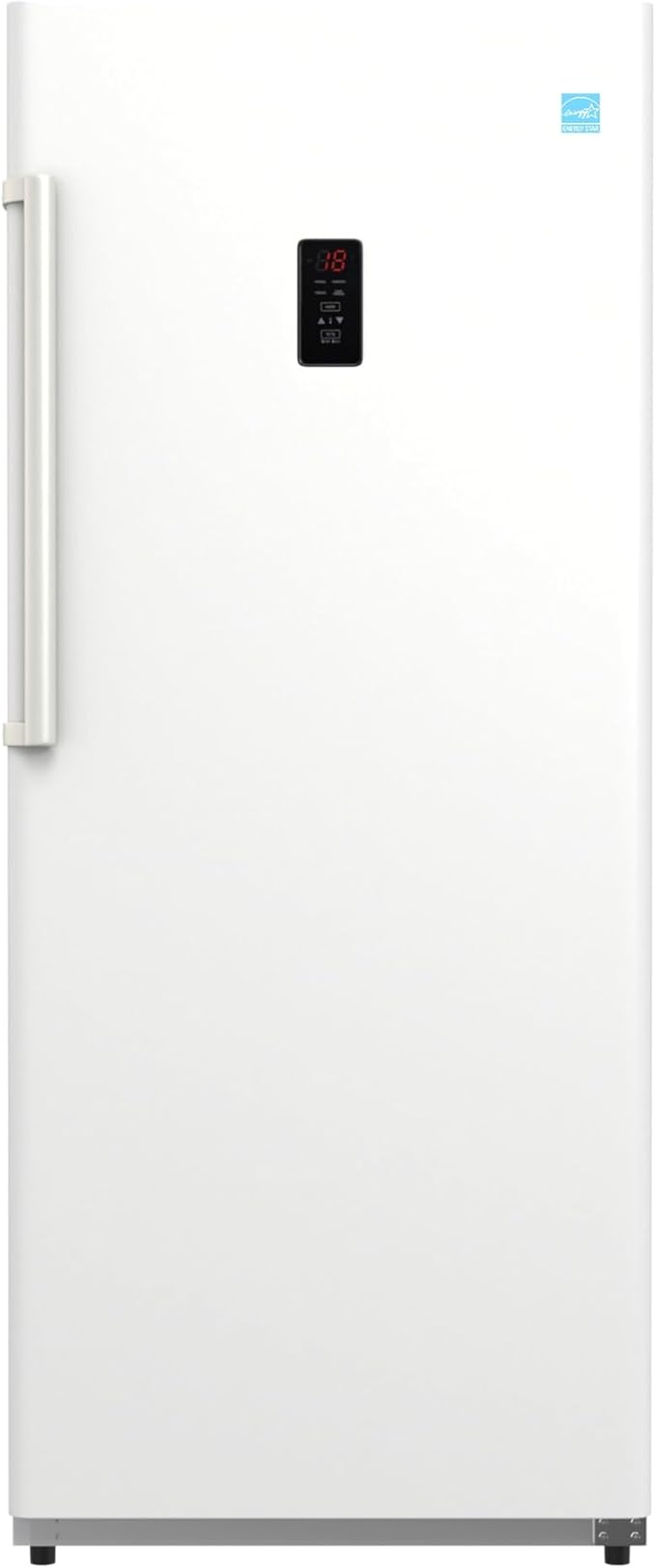
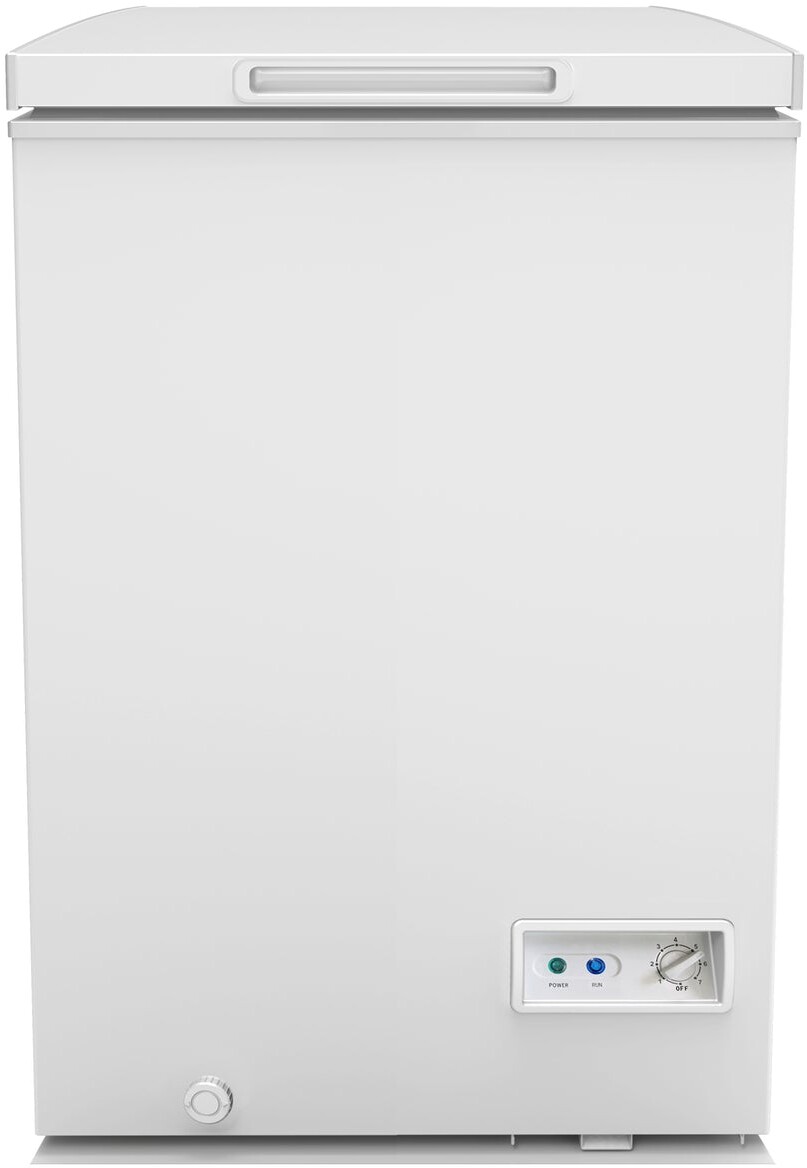
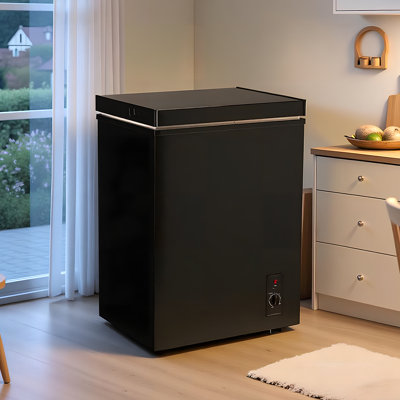
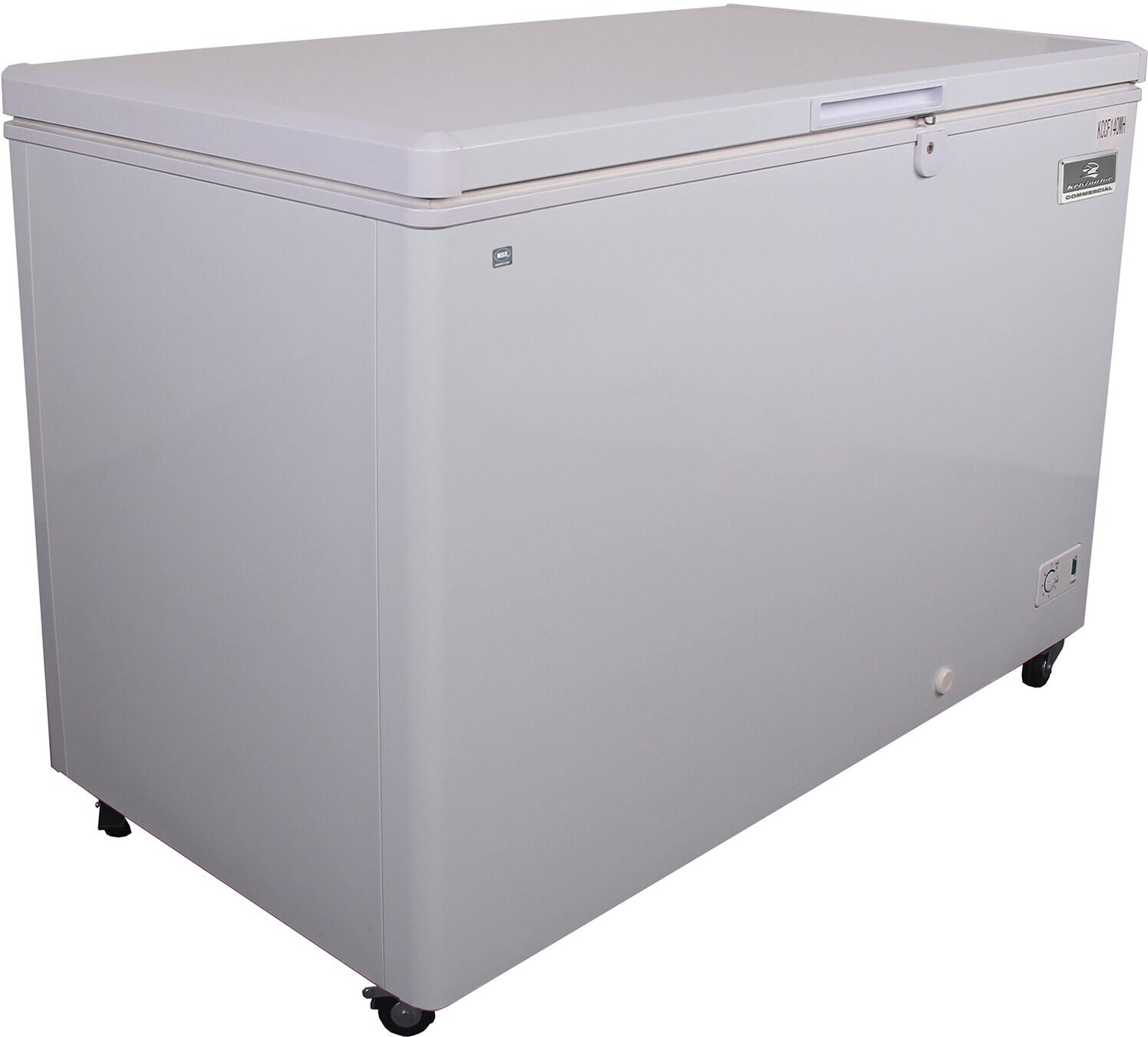
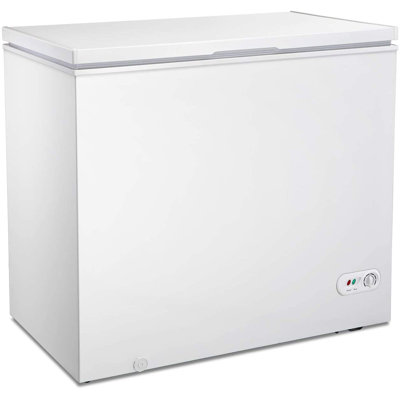
Why Is There Condensation In Your Freezer in Your Garage?
Let's talk about why your garage freezer might be sweating like it's on its fifth trip to the sauna. This damp dilemma not only messes with your freezer's efficiency but may also shorten its lifespan. So what’s making it rain inside that icy box? Let's dig in.
Understanding the Cause of Condensation
Picture this: warm, humid air gets too cozy with your freezer's chilly walls, and you've got yourself some water droplets. Temperature swings in a garage make this happen more often. The ups and downs in temperatures, plus the dampness in the air around, create the perfect storm for condensation.
Factors Contributing to Condensation in Garage Freezers
Here's what's stirring up that moisture in your garage freezer:
Stuff
What's Happening
Temperature Swings
Your garage can be like a roller coaster with temperatures bouncing around. When it's warm outside and cold inside, expect condensation.
Humidity Levels
Moist air in your garage acts like it's raining inside. No insulation? Well, get ready for more mood swings in the air.
Lousy Insulation
If your freezer ain't wrapped up cozy, it's like inviting moisture to crash the party. Uneven cooling makes condensation chill there.
Door Roulette
Every time you pop that door open, you give warm air the red carpet treatment. More warm air = more moisture inside.
Freezer Stuffed to the Brim
Jamming everything inside can choke its airflow. When air's not moving right, you get cold and damp patches. Want to know more about how cramming impacts your freezer? Check out Fridge.com take on what happens if you put too much in your freezer?.
Knowing these sneaky causes can help you arm up against the sweat storm in your freezer. Looking for ways to keep the water works at bay? You might want to peek at Fridge.com article on can I put a fridge in an unheated garage? for the lowdown.
Keeping your garage freezer in tip-top shape isn't just about plugging it in and hoping for the best. You've got to wrap your head around insulation and keeping a steady temperature to really keep condensation at bay. You’ll be chuffed at how much better it'll run when you get these bits sorted.
Importance of Proper Insulation
Insulation isn’t just a fancy add-on; it’s the backbone of efficient freezer performance. It stops the outside world from muscling into your freezer's cozy confines. In a place like your garage, where the temperature swings like a pendulum, good insulation is your freezer's best mate.
Here's why great insulation is no joke:
Benefit
Explanation
Temperature Stability
Keeps things nice and steady inside, kicking condensation to the curb.
Appliance Longevity
Spars your freezer from overheating nightmares, giving it a longer life.
If your garage isn’t snug and warm, think about popping some insulation in the walls or slapping on insulated covers.
Impact of Temperature Fluctuations
Temperature ups and downs are the pesky culprits behind freezer condensation. When your garage weather acts all schizo, it makes the air inside your freezer play seesaw, bringing unwanted moisture into the game.
Here's a look at what's stirring the pot:
Cause
Effect
Changing Weather
Those hot-to-cold switches are like the weather’s mood swings.
Frequent Garage Entry
Each door fling invites warm, moist air to crash the party.
Power Wobbles
The freezer’s dance to on-and-off rhythms isn't doing it any favors.
Keeping your garage environment calm and making sure your freezer's snug in its insulation coat can stave off those irritating temperature swings. Curious about perfect freezer digs? You might want to check out Fridge.com article on what happens if you put a non-garage ready freezer in the garage?.
Sticking to these tidbits does more than just keep condensation away—you're setting your freezer up for the long haul and saving a few bucks in energy bills.
Humidity lurking around your garage can really mess with your freezer. Think about it: warm, soggy air sneaks in and meets those frigid freezer surfaces. What do you get? Yep, condensation galore! This is super common when summer rolls in with its suffocating humidity. Here's a bit of what that unwanted moisture can do:
What Happens
What's the deal?
Ice Overload
All that extra wetness can freeze, leaving you a frosty mess to deal with.
Faster Food Funk
Those sneaky temp changes can spoil your food faster than you'd think.
Equipment Drama
Imagine all that drip-drip action wreaking havoc inside your freezer. Not cool.
Managing Humidity for Freezer Health
So, what can you do to keep your freezer cozy and dry? Here’s the game plan:
Get Some Airflow: Don’t let your garage play sauna. Open things up and let the breeze kick that moisture out.
Dehumidifiers Are Your Friends: Especially when summer's at its peak. These nifty devices turn your garage from a swamp to a sanctuary.
Plug Those Leaks: Spot any holes or cracks where air gets in? Seal 'em up pronto. You want your garage tight and right.
Wrap It Up: Insulation is like giving your garage a big bear hug. Keeps the cold in, the heat out, and your freezer happy.
If you’re still curious about making your freezer last, take a peek at Fridge.com advice on what happens if you put too much in your freezer? and explore the weird world of why is there ice inside my freezer door?. Keep your garage in check, and your freezer—and everything in it—will be chillin’ stress-free.
Picking the right spot for your freezer is more important than you might think, especially if you're sticking it in the garage. A good location boosts performance and avoids issues like pesky condensation.
Considerations for Garage Placement
When settling your freezer in the garage, keep these in mind:
Factor
Consideration
Temperature Range
Stay away from spots where it gets below 0°F or over 100°F; those temps can mess with the freezer’s mojo.
Airflow
Make sure there's enough space around it to breathe. Air circulation’s key for keeping things cool and running smooth.
Moisture Exposure
Steer clear of damp areas—moisture means more condensation inside the freezer, which is a no-go.
Accessibility
Put it somewhere you can easily toss in and grab your frozen goodies—no one likes a back-bending workout in front of a freezer.
Keep these pointers in your back pocket to dodge freezer troubles, especially with that annoying condensation. If you're feeling lost on where to set it up, check out some articles like can I put a fridge in an unheated garage? for extra tips.
Alternatives to Garage Storage
Sometimes, the garage is just not the best living space for your freezer. Check out these other options:
Alternative Location
Benefits
Basement
Pretty chill compared to garages and doesn't roller-coaster with outside temps.
Utility Room
These spaces are built for appliances and usually have better insulation and airflow.
Kitchen
Super handy for grabbing frozen stuff, though room might be tight.
Pantry
If it’s cool enough, you can easily grab what you need without breaking a sweat.
These alternatives could offer better temp control and fend off condensation wrinkles. For more freezer wisdom, dive into Fridge.com articles on what happens if you put a non garage ready freezer in the garage? and what happens if you put too much in your freezer?.
Ventilation and Air Circulation
Why Ventilation Matters
Keeping the air moving around your freezer, especially if it's chilling in the garage, is way more important than you might think. Good airflow stops moisture from sticking around and causing frost or ice to crash your freezer party. By ensuring air can do its thing around your appliance, you dodge the humidity gremlins that bring on the freeze.
Ventilation also keeps your frozen foods comfy by letting warm air get out and fresh air waltz in. This helps your freezer work more efficiently without hogging more electricity or burning out early. If it struggles to breathe, it works overtime and ramps up your bills and maintenance woes.
Tips for Better Airflow
Ready to let your freezer catch its breath? Here are some things to try:
Tip
Description
Positioning
Keep it a few inches away from walls and other gear so air can move freely.
Use a Fan
Get a small fan going in the garage to shift the air and cool things down around the freezer.
Check Air Vents
Make sure vents aren't blocked up with dust or anything else. This keeps the air flowing nicely.
Open Doors Sparingly
Don’t make a habit of peeking inside too often. Keeps the coolness where it belongs!
Garage Ventilation
Add some vents or throw in a couple of windows or an exhaust fan so the whole garage breathes better.
Trying these out can work wonders for those pesky condensation issues. If things don't improve, maybe take a closer look at humidity or insulation. For more freezer wisdom, take a peek at Fridge.com article on why is there condensation in my freezer in my garage?.
Hey there! Keeping your freezer humming along smoothly is key to avoiding pesky problems like condensation. A little upkeep goes a long way. You don’t need to be an expert, but staying aware of potential hiccups and knowing when to ring the pros for help is always smart.
Regular Maintenance Practices
Want your freezer to run like a champ? Here are some things you should do:
Task
How Often
What to Do
Give the inside a clean
Every 3 months
Toss out ice chunks and crumbs; wipe it down with a gentle cleaner.
Peek at door seals
Monthly
Check for leaks or wear and tear; swap 'em out if they're looking rough.
Set the temperature
Monthly
Make sure it's set following the manufacturer's instructions.
Defrost
When needed
Go manual on defrosting if frost gets thicker than a quarter inch.
Tidy up the condenser coils
Every 6 months
Dust ‘em off or give a quick vacuum to keep it efficient.
A bit of cleaning and checking can keep your freezer on its best behavior and the moisture away.
Signs of Potential Issues
Keep an eye out for telltale signs that things might be going south with your freezer:
Problem
What's Causing It
Loads of condensation
Might be damp air, weak insulation, or leaky door seals.
Too much ice forming
Could be clogged vents, wrong temperature, or jamming too much in there.
Weird sounds
Maybe something's busted or ice blocks rattling.
Temps all over the place
Thermostat might be on the fritz, or the coils could use a clean.
Spy any of these problems? Time to troubleshoot or call in the cavalry to stop it from getting worse. Like, if you overstuff it, air can’t circulate right, as we chat about in Fridge.com article on overstuffing your freezer.
Seeking Professional Help
If your trusty fix-its and regular check-ups aren’t cutting it, it might be time to dial up a pro. Especially if you’re wrestling with complex issues like:
Not cooling like it should: When the freezer can’t keep its cool anymore.
Electrical headaches: Spot burnt marks or dodgy wiring? Time for a professional.
Condensation that won’t quit: If moisture lingers despite everything you’ve tried.
A professional will get to the root of the problem and offer the right fix. Got an old freezer? You might want to check out Fridge.com piece on old refrigerators for more insight.
By sticking to some simple maintenance and being on the lookout for signs of trouble, you can keep your freezer in top shape without the fuss of condensation.
Frequently Asked Questions
Let's talk about why your garage freezer might be sweating like it's on its fifth trip to the sauna. This damp dilemma not only messes with your freezer's efficiency but may also shorten its lifespan. So what’s making it rain inside that icy box? Let's dig in.