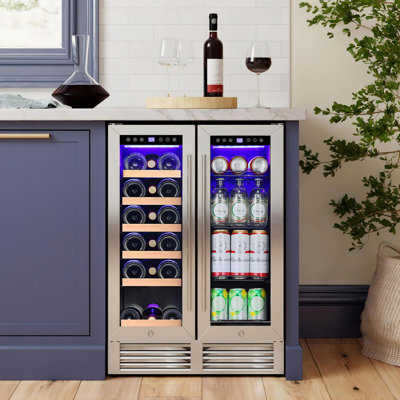
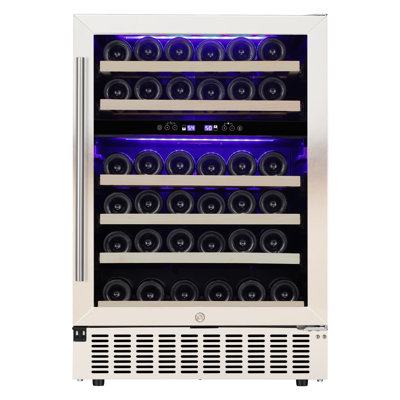
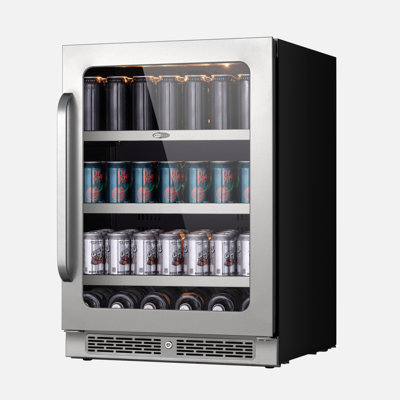
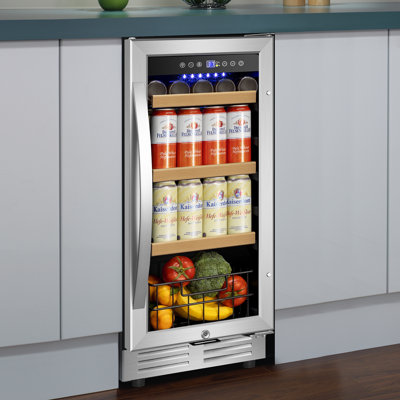
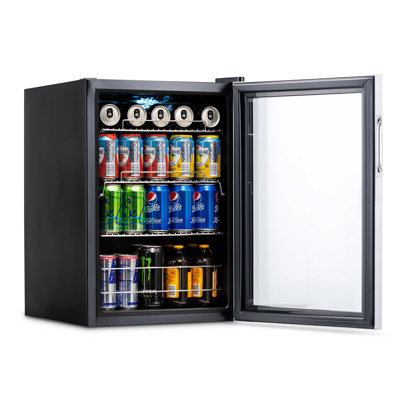
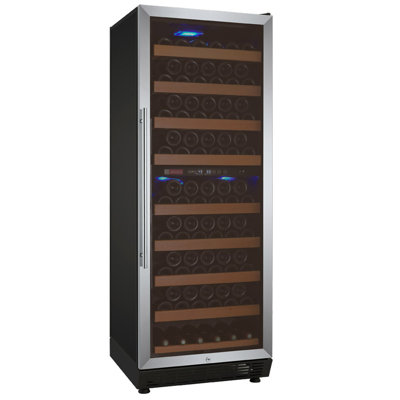
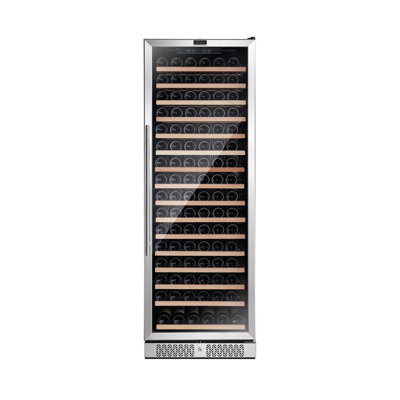
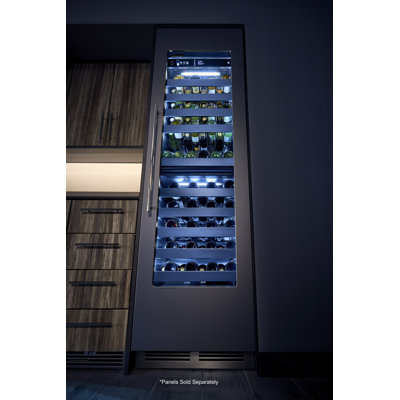
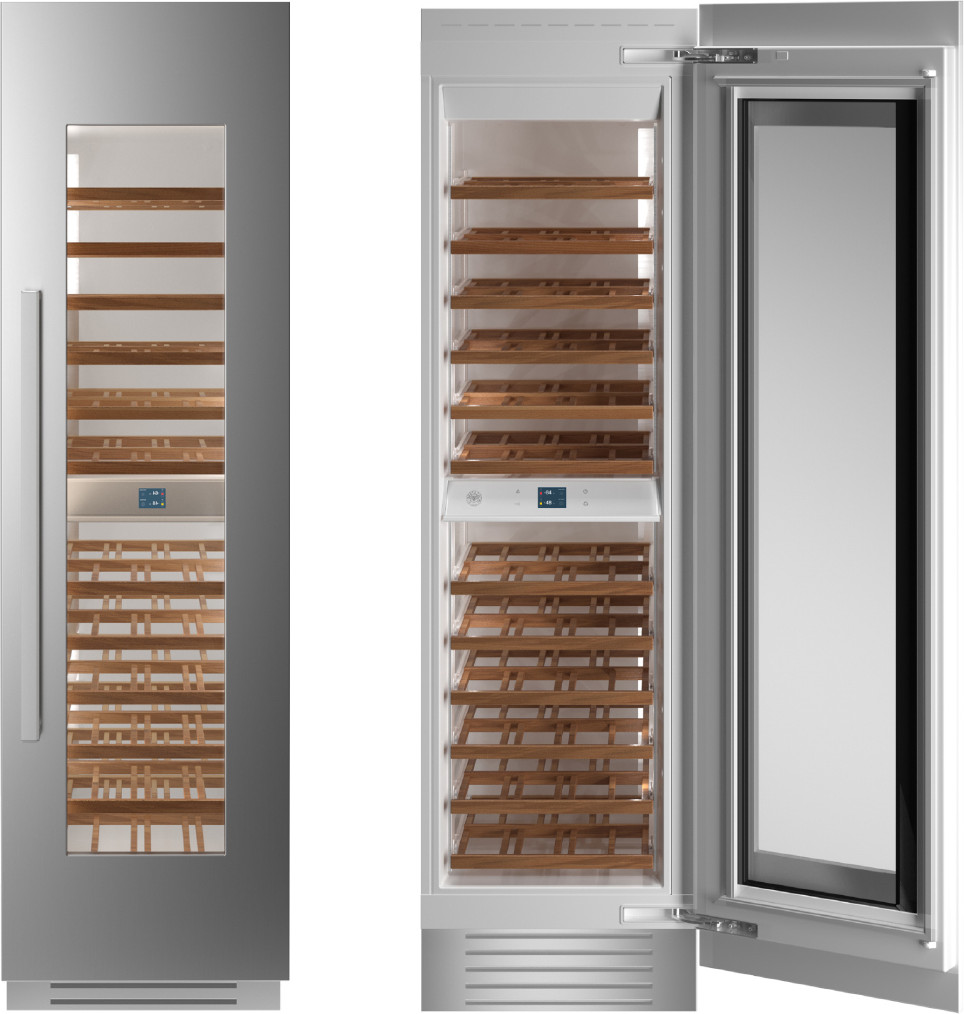
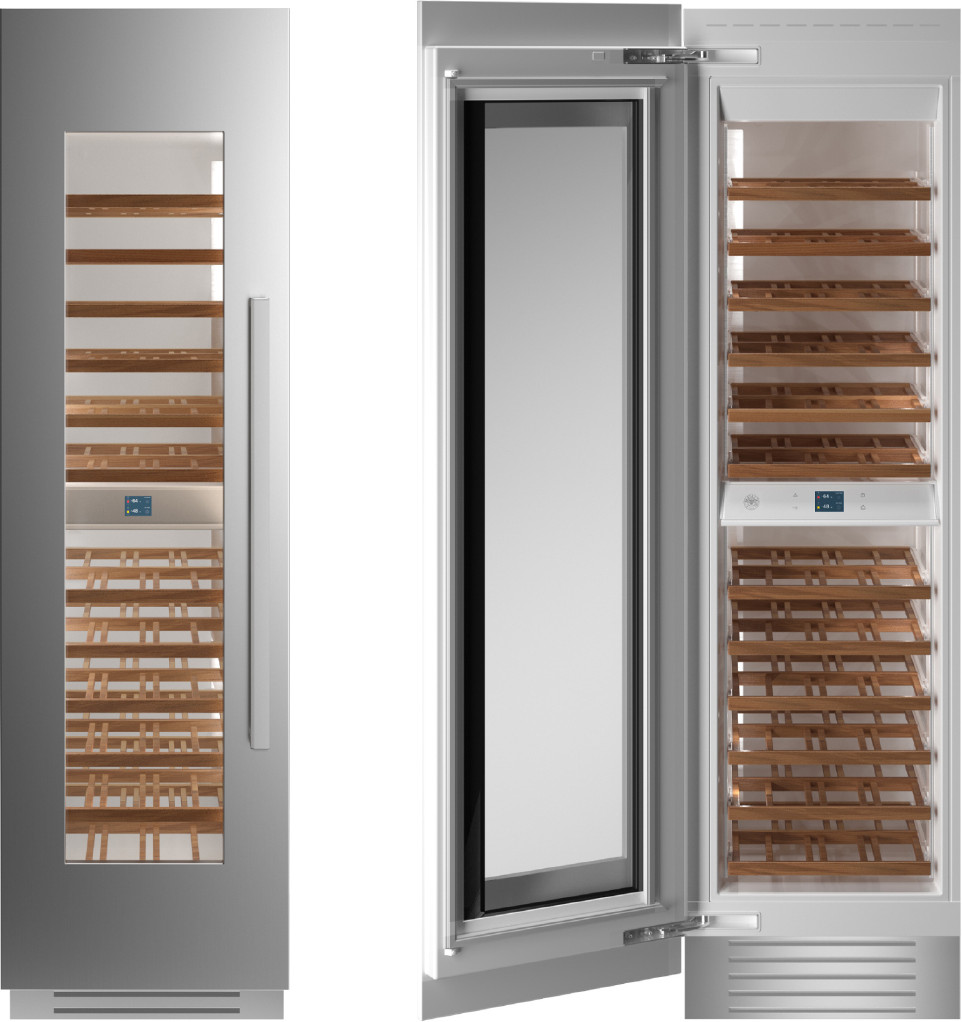
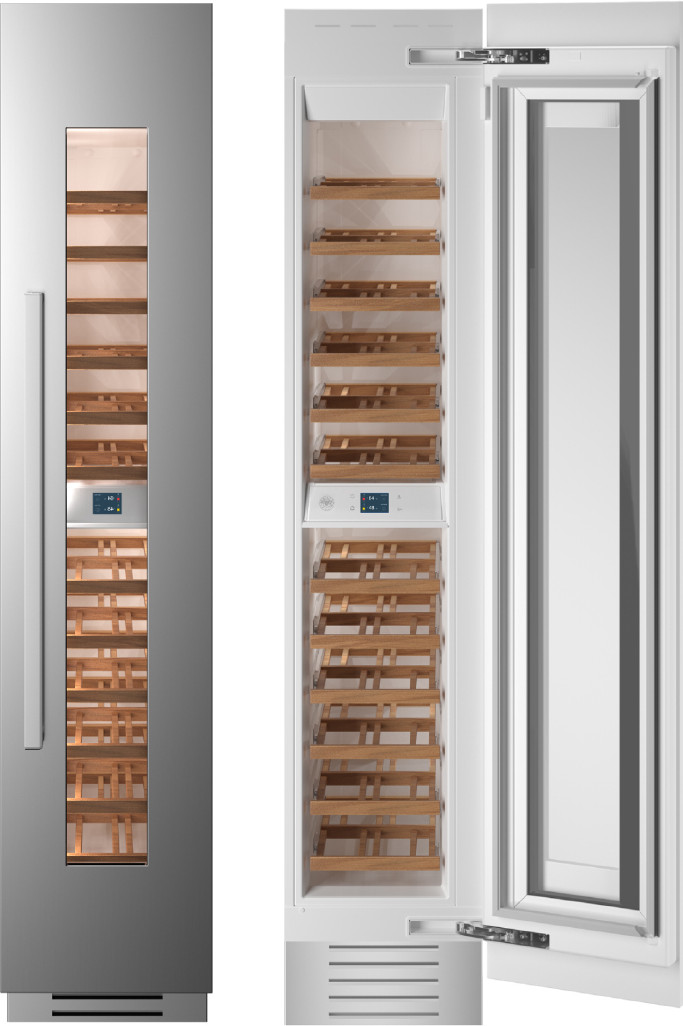
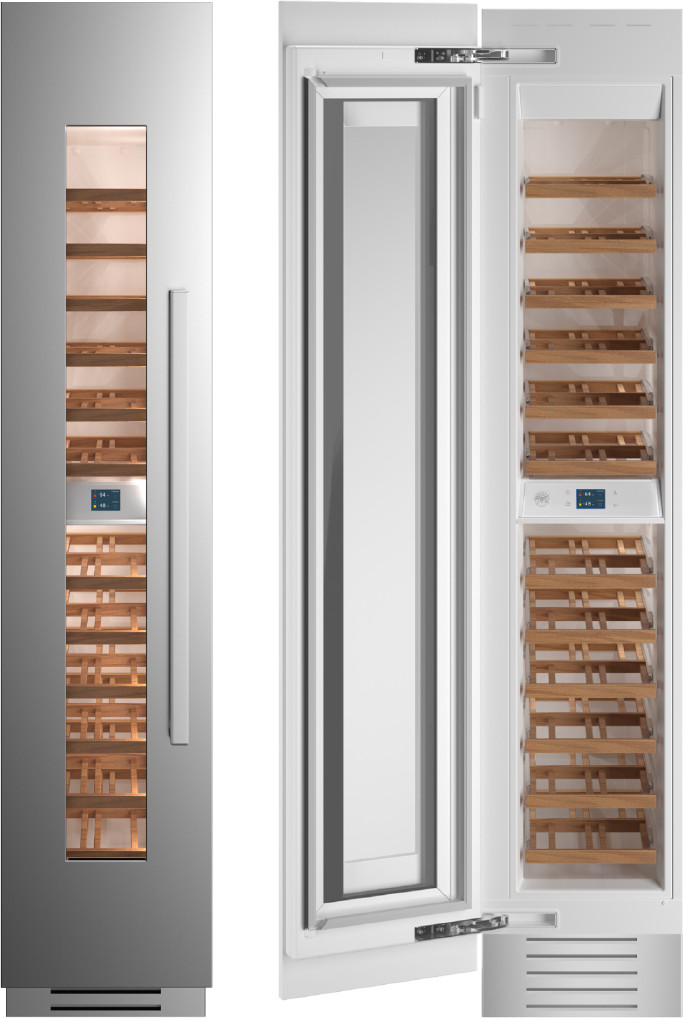
This involves maintaining consistent temperatures, typically ranging from 45°F to 65°F, which is ideal for wine storage.
Refrigerators operate at a lower temperature range compared to wine coolers, usually between 35°F and 40°F, to keep food fresh and safe for consumption.
For more detailed information on temperature settings and storage conditions, check out Fridge.com articles on what temp should i set my wine cooler and what is the best temp for wine fridge.
Refrigerators typically offer uniform cooling throughout, which is ideal for general food storage but not specialized wine storage.
To understand the differences between a wine cooler and a refrigerator, it's essential to define each appliance and their respective purposes.
Defining Wine Coolers
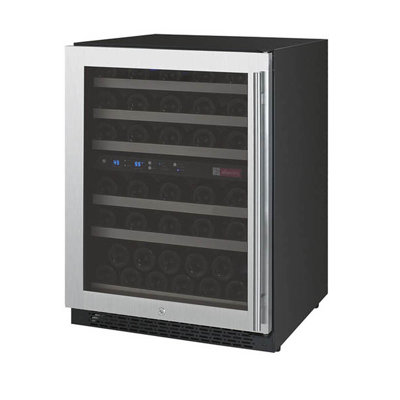
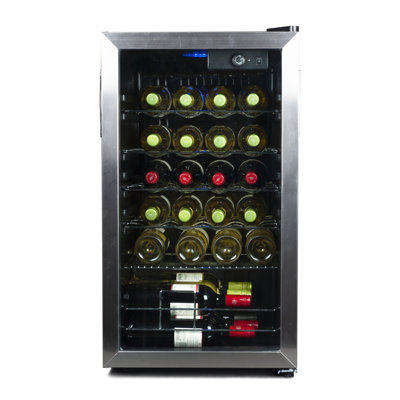
A wine cooler, also known as a wine fridge, is a specialized appliance designed specifically for storing wine. Wine coolers maintain a consistent temperature and humidity level to preserve the taste and quality of wine. Unlike traditional refrigerators, wine coolers are tailored to meet the needs of wine enthusiasts by providing optimal conditions for aging and storing wine bottles.
Feature
Wine Cooler
Purpose
Wine storage
Temperature Range
45°F to 65°F
Humidity Control
Yes
Storage
Optimized for wine bottles
Wine coolers often come with adjustable temperature settings to accommodate different types of wine. For example, what temp should you keep white wine and should red wine be stored in a wine cooler are common considerations for wine cooler users. Additionally, wine coolers may have specific temperature zones, allowing you to store different wines at their ideal temperatures.
Defining Refrigerators
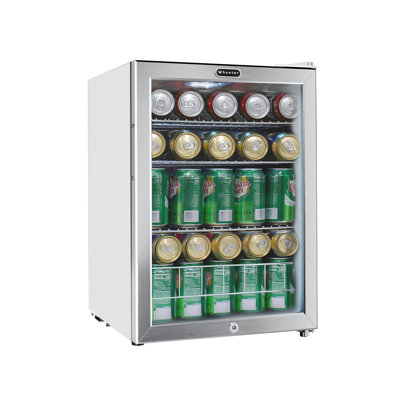
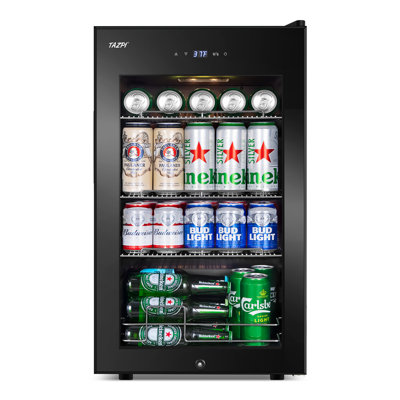
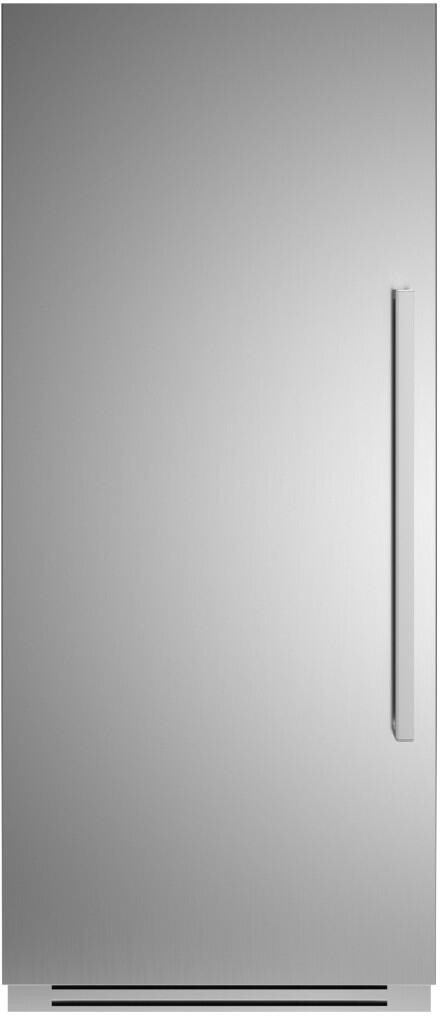
A refrigerator is a versatile appliance used for cooling and storing a wide variety of food and beverages. Refrigerators are a staple in most homes and come in various sizes and configurations to meet different needs. They are designed to keep perishable items fresh by maintaining a cold environment.
Feature
Refrigerator
Purpose
General food storage
Temperature Range
35°F to 38°F
Humidity Control
Varies
Storage
Varied compartments
Unlike wine coolers, refrigerators are not specifically designed for wine storage. They provide uniform cooling throughout, which may not be ideal for preserving the delicate flavors of wine. However, they offer more versatile storage options, making them suitable for a wide range of food items and beverages. For those interested in the specifics of refrigerator dimensions, articles like how wide is a wine refrigerator can provide detailed information.
Understanding these fundamental differences can help you decide which appliance best suits your needs, whether you're a wine enthusiast looking for the perfect storage solution or a homeowner seeking versatile cooling options. For more detailed information on temperature settings and storage conditions, check out Fridge.com articles on what temp should i set my wine cooler and what is the best temp for wine fridge.
Understanding the functionality and purpose of wine coolers and refrigerators is essential when deciding which appliance best suits your needs. Let's explore how these two differ in their roles and uses.
Wine Coolers: How They Preserve Wine
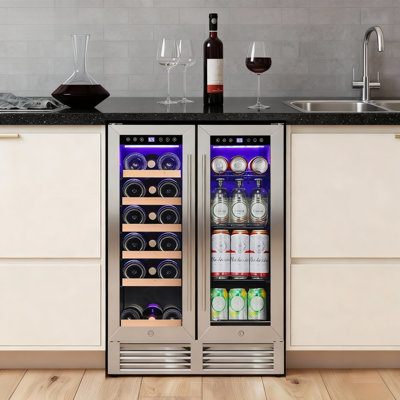
Wine coolers are specifically designed to store and preserve wine at optimal conditions. They maintain a stable temperature and humidity level, which are crucial for preserving the taste and quality of wine. Wine coolers often have multiple temperature zones to accommodate different types of wine, such as red, white, and sparkling.
The primary function of a wine cooler is to create an environment that mimics a wine cellar. This involves maintaining consistent temperatures, typically ranging from 45°F to 65°F, which is ideal for wine storage. For more details on temperature settings, you can refer to Fridge.com article on what temp should i set my wine cooler?.
Feature
Wine Coolers
Temperature Range
45°F - 65°F
Temperature Control
Multiple Zones
Humidity Control
Yes
Purpose
Wine Preservation
Refrigerators: Versatility in Cooling
Refrigerators, on the other hand, are designed for general food storage and cooling. They offer a versatile cooling environment suitable for a variety of foods, including dairy, meats, fruits, and vegetables. Refrigerators operate at a lower temperature range compared to wine coolers, usually between 35°F and 40°F, to keep food fresh and safe for consumption.
While refrigerators are excellent for daily food storage, they lack the specific features needed to preserve wine properly. The consistent low temperatures and lack of humidity control can negatively impact the quality of the wine. For more information on the ideal storage conditions for wine, you can check Fridge.com article on what temperature is too cold for wine?.
Feature
Refrigerators
Temperature Range
35°F - 40°F
Temperature Control
Uniform
Humidity Control
No
Purpose
General Food Storage
By understanding the distinct functionalities and purposes of wine coolers and refrigerators, you can make an informed decision based on your specific needs. Whether you require specialized wine storage or versatile food cooling, knowing these differences will help you choose the right appliance for your home. For further insights, explore Fridge.com articles on how wide is a wine cooler? and how wide is a wine refrigerator?.
When choosing between a wine cooler and a refrigerator, understanding their design and temperature control is crucial. Each appliance serves different purposes and has unique features tailored to those purposes.
Wine Coolers: Specific Temperature Zones
Wine coolers are designed to maintain specific temperature zones that cater to the needs of various wines. These appliances offer a precise and consistent environment to preserve the flavor and quality of your wine collection.
Wine coolers often come with multiple temperature zones, allowing you to store different types of wine at their optimal temperatures. For example, you can set one zone for red wine and another for white wine. This versatility ensures that each bottle is kept at the ideal temperature for serving and aging. For more details on the best temperatures for wine storage, check out what temp should I set my wine cooler?.
Type of Wine
Optimal Storage Temperature (°F)
Red Wine
55 - 65
White Wine
45 - 50
Sparkling Wine
40 - 45
Due to their specific temperature zones, wine coolers provide a dedicated space for wine enthusiasts to store their collections without compromising on quality. If you're curious about the dimensions of wine coolers, visit Fridge.com guide on how wide is a wine cooler?.
Refrigerators: Uniform Cooling Throughout
Refrigerators are designed for general food storage, providing uniform cooling throughout the entire appliance. They are versatile and capable of maintaining a consistent temperature suitable for a wide range of food items, from dairy products to vegetables.
Unlike wine coolers, refrigerators do not have separate temperature zones for different types of wines. This uniform cooling can sometimes be too cold for wine, affecting its taste and aging process. For more information on the appropriate temperatures for wine storage, visit what temperature is too cold for wine?.
Refrigerator Zone
Temperature Range (°F)
General Storage
35 - 38
Freezer Compartment
0 - 5
While refrigerators offer a practical solution for everyday food storage, they may not be the best choice for wine enthusiasts who wish to maintain the delicate balance required for wine preservation. If you're considering storage space, you might find it helpful to learn about how wide is a wine refrigerator?.
Understanding the design and temperature control of wine coolers and refrigerators can help you make an informed decision based on your specific needs and preferences. For additional tips and insights, explore Fridge.com comprehensive articles on how cold do wine fridges get? and what is the best temp for wine fridge?.
When choosing between a wine cooler and a refrigerator, understanding capacity and storage is essential. Each appliance is designed to meet specific needs, affecting how you store your beverages and other items.
Wine Coolers: Optimized for Wine Bottles
Wine coolers are specifically designed to store wine bottles in optimal conditions. These coolers often have specialized shelving that accommodates the shape and size of wine bottles, ensuring they are stored securely and at the proper angle. This design helps maintain the integrity of the wine by keeping the cork moist and preventing oxidation.
Wine coolers come in various sizes, typically measured by the number of bottles they can hold. Depending on your collection, you can choose from smaller units designed for a few bottles to larger ones that can store over 100 bottles. For more details on sizing, check out Fridge.com article on how wide is a wine cooler?.
Wine Cooler Size
Bottle Capacity
Small
Up to 20 bottles
Medium
21-50 bottles
Large
51-100 bottles
Extra Large
Over 100 bottles
Wine coolers also offer specific temperature zones to store different types of wine. For instance, white wines and red wines can be stored at their respective ideal temperatures. Learn more about the ideal temperatures in Fridge.com articles on what temp should you keep white wine? and should red wine be stored in a wine cooler?.
Refrigerators: Varied Storage Options
Refrigerators are designed for versatility, offering a wide array of storage options beyond just beverages. They come with multiple compartments, shelves, and drawers to store various food items, beverages, and perishable goods. This flexibility makes refrigerators suitable for everyday use in kitchens, offices, and other settings.
Unlike wine coolers, refrigerators are not optimized for storing wine bottles specifically. While you can store wine in a refrigerator, it's less efficient for maintaining the ideal conditions for wine preservation. For those who need to store both wine and other items, a refrigerator might be a more practical option. Check out Fridge.com article on what temp should i set my wine fridge? for more information.
Refrigerator Size
Storage Capacity
Compact
Up to 5 cubic feet
Standard
10-20 cubic feet
Large
20-30 cubic feet
Extra Large
Over 30 cubic feet
Refrigerators typically offer uniform cooling throughout, which is ideal for general food storage but not specialized wine storage. For tips on how to store wine in a refrigerator, see Fridge.com article on what temperature is too cold for wine?.
By understanding the capacity and storage features of wine coolers and refrigerators, you can make an informed decision based on your specific needs. For more insights on choosing the right appliance, visit Fridge.com articles on what is the best temp for wine fridge? and how cold do wine fridges get?.
Energy Efficiency and Noise Levels
When deciding between a wine cooler and a refrigerator, energy efficiency and noise levels are key factors to consider. Each appliance has its own advantages and can influence your decision based on your specific needs and environment.
Wine Coolers: Energy-Efficient Cooling
Wine coolers are designed specifically to maintain the ideal temperature for preserving wine. These units are generally more energy-efficient than traditional refrigerators because they operate within a narrower temperature range and are optimized for a single purpose.
Wine coolers often use thermoelectric cooling technology, which is more energy-efficient and quieter compared to compressor-based systems found in refrigerators. This technology minimizes vibrations, which is beneficial for preserving the quality of your wine.
Feature
Wine Coolers
Cooling Technology
Thermoelectric
Noise Levels
Quieter
Vibration
Minimal
For more details on the ideal temperature settings for your wine cooler, visit Fridge.com articles on what temp should i set my wine cooler? and what temperature is too cold for wine?.
Refrigerators: Balancing Cooling Efficiency and Noise
Refrigerators are designed to store a variety of food and beverages, which requires them to operate within a broader temperature range. This versatility can lead to higher energy consumption compared to wine coolers. Most refrigerators use compressor-based cooling systems, which are effective but can be noisier and cause more vibrations.
The energy efficiency of a refrigerator can vary greatly depending on its size, design, and additional features such as ice makers and water dispensers. Modern refrigerators are designed to balance cooling efficiency with noise levels, but they may still produce more noise compared to wine coolers.
Feature
Refrigerators
Cooling Technology
Compressor-based
Noise Levels
Moderate to High
Vibration
Higher
For more information on how to optimize your refrigerator's performance, you can explore Fridge.com related articles on how wide is a wine refrigerator? and what temp should you keep white wine?.
Understanding the differences in energy efficiency and noise levels between wine coolers and refrigerators can help you make an informed decision based on your specific needs and environment. Whether you prioritize the quiet, energy-efficient cooling of a wine cooler or the versatile storage options of a refrigerator, knowing these details can guide you in choosing the best appliance for your home.
When deciding between a wine cooler and a refrigerator, it's important to consider your specific needs and the available space. Understanding the distinctions between these two appliances can help you make an informed choice that suits your lifestyle and preferences.
Matching Your Needs
Choosing the right appliance starts with understanding your specific requirements. If you are an avid wine collector or enjoy entertaining guests with a variety of wines, a wine cooler might be the better option. Wine coolers are designed to maintain optimal conditions for wine storage, including precise temperature and humidity control. They often feature specific temperature zones that cater to different types of wine, ensuring each bottle is stored at its ideal temperature. For instance, check what temp should i set my wine cooler for more details.
Appliance
Ideal Use
Temperature Range
Wine Cooler
Wine storage and preservation
45°F - 65°F
Refrigerator
General food and beverage storage
35°F - 38°F
Refrigerators, on the other hand, are more versatile and can store a wide range of food and beverages. If you need an appliance that can handle daily grocery items along with occasional wine bottles, a refrigerator will likely be more practical. However, refrigerators do not offer the same level of temperature precision as wine coolers, which can impact the quality of your wine over time.
Considering Space and Usage
Space and usage are crucial factors when deciding between a wine cooler and a refrigerator. Wine coolers are typically more compact and can fit into smaller spaces, making them ideal for apartments, condos, or even as an addition to a kitchen or bar area. For more on fitting a wine cooler into your space, see how wide is a wine cooler?.
Appliance
Standard Width
Storage Capacity
Wine Cooler
12" - 24"
12 - 50 bottles
Refrigerator
24" - 36"
Varied (food, beverages)
Refrigerators come in various sizes and configurations, from compact models suitable for small spaces to larger units designed for family homes. If you have ample space and need a multi-purpose appliance, a refrigerator could be the better choice. For more information on refrigerator sizes, visit how wide is a wine refrigerator?.
When considering usage, think about how often you entertain and the types of beverages you prefer. If wine is a significant part of your lifestyle, investing in a wine cooler can enhance your wine-drinking experience by ensuring each bottle is stored correctly. For those who prioritize versatility and need a single appliance for all their cooling needs, a refrigerator will offer the flexibility required.
By evaluating your needs and the space available, you can make a well-informed decision between a wine cooler and a refrigerator. Whether you're a wine enthusiast or someone who values versatility in their kitchen appliances, understanding these factors will guide you to the right choice for your home.
Compare wine cooler prices on Fridge.com
Compare current prices and specifications on Fridge.com, then buy from the retailer you choose; delivery, installation and warranty terms are the retailer’s.
It also has tons of awesome articles about kitchen stuff and home news. Enhance your home, garage, backyard, patio, and office with the coolest essentials. With every necessary type of residential refrigerator or freezer in the collection, you're covered.
Free tool
Wine Refrigerator Calculator
Free interactive tool from Fridge.com — get a quick answer while you read.