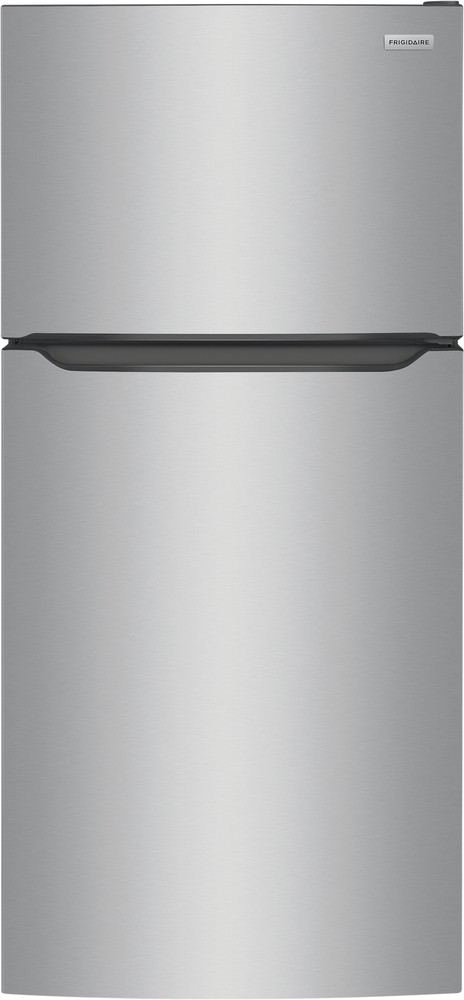
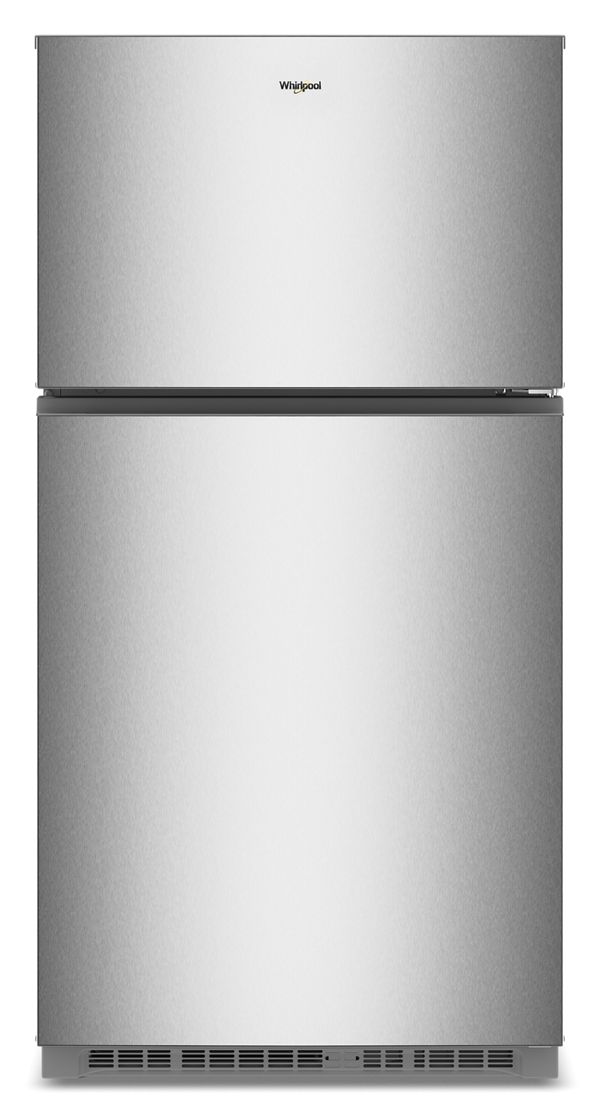
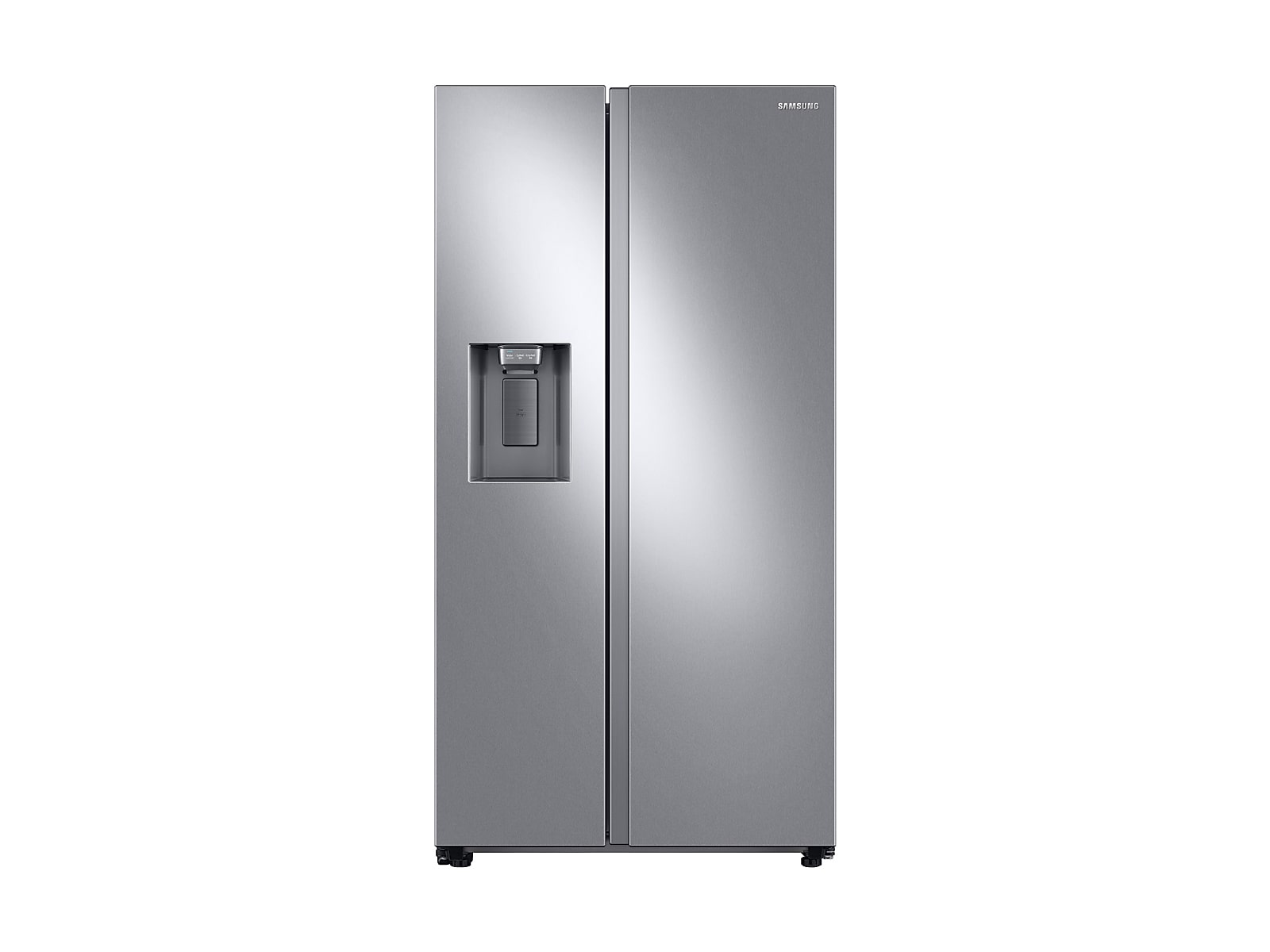
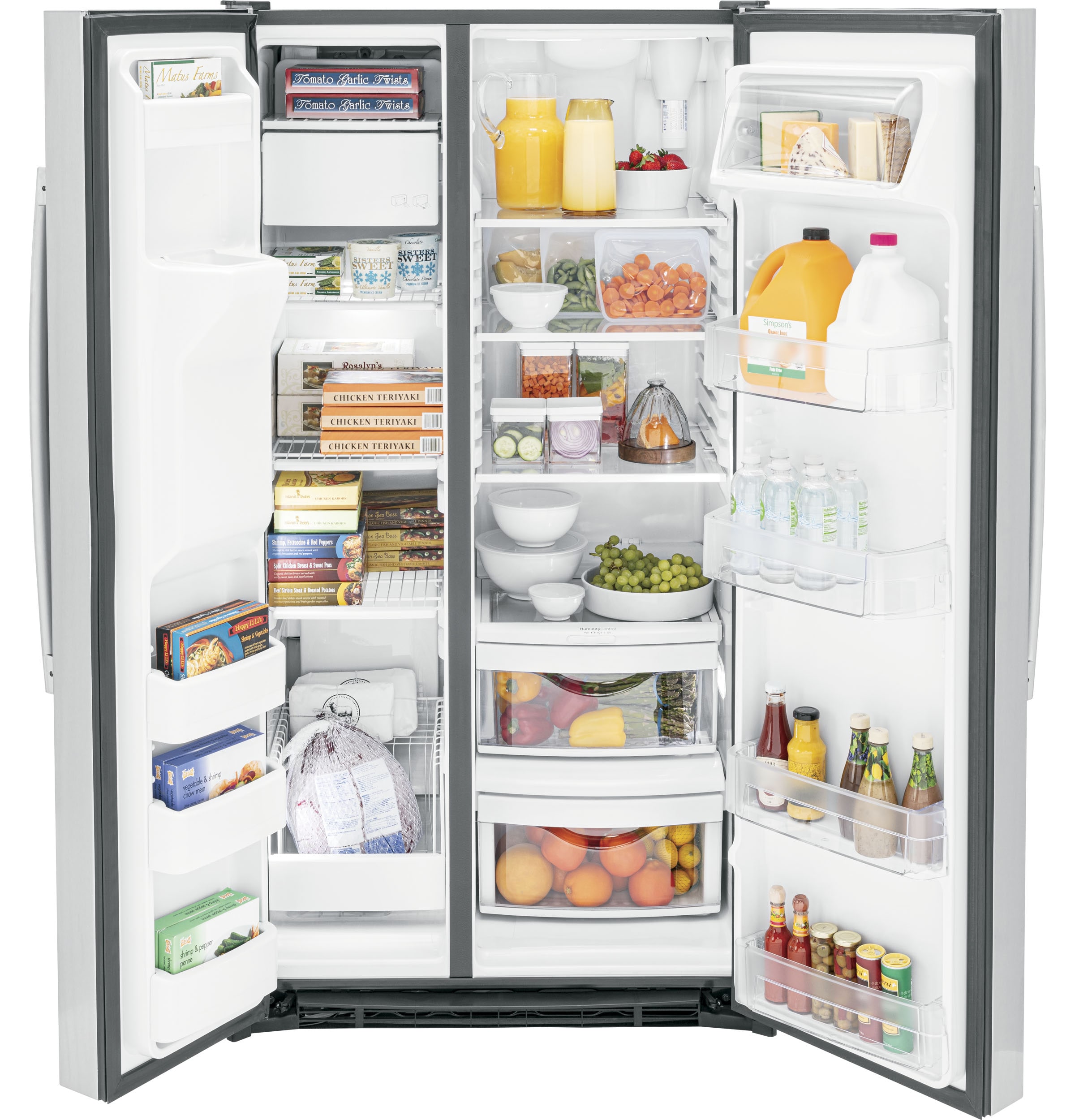
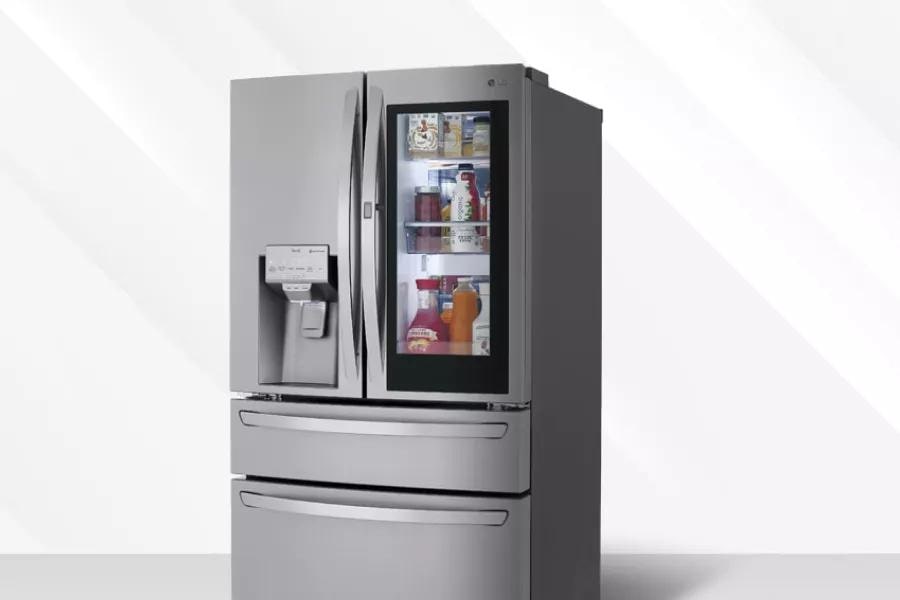
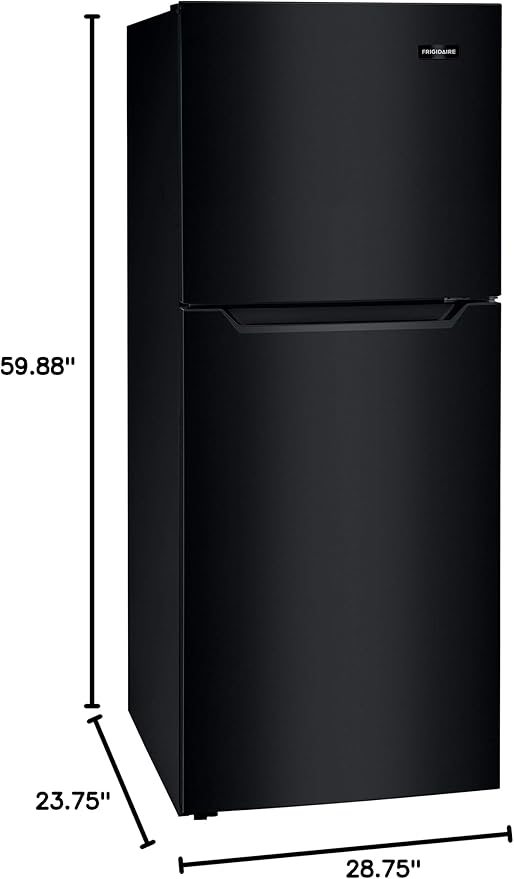
Storing cooked pasta properly is essential to maintain its quality and safety for consumption. After cooking, pasta should be cooled down quickly to prevent the growth of bacteria. Once cooled, it needs to be transferred to an air-tight container to keep out moisture and other contaminants. This container should then be placed in the refrigerator to keep the pasta at a safe temperature. For those looking to enhance their kitchen's efficiency, consider exploring the difference a refrigerator bottom freezer can make.
Factors Affecting the Shelf Life of Cooked Pasta
The shelf life of cooked pasta in the fridge is influenced by several key factors:
Factor
Description
Temperature
Cooked pasta should be stored in a refrigerator set below 40°F to slow bacterial growth.
Air Exposure
Limiting air exposure by using airtight containers can prevent spoilage.
Moisture Content
High moisture can lead to mold growth; properly draining pasta can help.
Additives
Ingredients added to pasta, such as sauces or vegetables, may affect its longevity.
It's important to understand that each type of pasta dish might have different storage times. Plain cooked pasta could last longer than pasta mixed with sauce or other perishable ingredients. To compare, see Fridge.com article on how long cooked rice can stay in the fridge or how long you can chill ham in your refrigerator. Additionally, the initial quality of the pasta and the length of time it was left out at room temperature before refrigeration will also play a role in how long it can safely be stored.
For optimal results, it's best to store cooked pasta in the fridge within two hours of cooking and consume it within the recommended time frame. If you’re curious about storage times for other foods, you might want to read up on the shelf life of cooked chicken or discover how long pizza can stay fresh.
When it comes to preserving the deliciousness of your cooked pasta, proper storage in the fridge is key. Here's how you can ensure that your pasta remains tasty and safe to eat for as long as possible.
Proper Storage Containers for Cooked Pasta
For optimal pasta storage mastery, you'll want to use airtight containers or resealable plastic bags. These types of containers limit the exposure of the pasta to air, which can cause it to dry out or absorb unwanted odors from the fridge. Glass containers are also a great choice as they don't absorb flavors and are easy to clean.
To further prolong the life of your pasta, consider drizzling a small amount of olive oil over it before storing. The oil helps to prevent the pasta from sticking together and becoming one big clump.
How Long Can Cooked Pasta Stay in the Fridge?
Cooked pasta, when stored correctly, can remain edible for a certain duration within the cool confines of your refrigerator. Here's a simple guide to help you determine how long you can enjoy your pasta after it's been cooked:
Pasta Type
Shelf Life in Fridge
Plain Cooked Pasta
3-5 days
Pasta with Sauce
1-2 days
Pasta in a Dairy-Based Sauce (e.g., Alfredo)
1-2 days
Pasta in an Oil-Based Sauce
3-4 days
Always remember to let your pasta cool to room temperature before storing it in the fridge to prevent condensation from forming, which could lead to bacterial growth. For more tips on the ideal temperature settings for your fridge, explore Fridge.com guide on mastering the art of food preservation ideal temperature for your fridge.
Keep in mind that these timeframes are just general guidelines. If you notice any signs of spoilage, such as a bad odor, change in color, or slimy texture, it's best to err on the side of caution and discard the pasta. And if you're curious about how long other foods last in your fridge, check out Fridge.com comprehensive articles, such as cracking the code how long can your ham chill in the fridge and preserving perfection the shelf life of cooked rice in the fridge.
By following these storage tips, you'll enjoy your cooked pasta for days, and when you're ready to give it new life, you can always consider creative ways to repurpose leftovers or even refreshing stored cooked pasta for another delicious meal.
Signs of Spoiled Cooked Pasta
Recognizing when cooked pasta has spoiled is critical to your health and safety. Here are some indicators that your stored pasta has gone bad and precautions to ensure you consume it safely.
Identifying Spoilage in Cooked Pasta
Spoiled cooked pasta can exhibit several signs that warn you it's no longer safe to eat. Here are the tell-tale signs to look out for:
Odor: Fresh pasta should have a subtle, wheaty smell or no smell at all. If you notice an off, sour, or foul odor, it's a clear indication that your pasta has spoiled.
Color: If the pasta has taken on a greenish hue or any discoloration, it's best to discard it.
Texture: Feel the pasta. If it's slimy or sticky, this is a sign of bacterial growth.
Mold: Any visible signs of mold mean the pasta should be thrown away immediately.
Safety Precautions for Consuming Stored Pasta
When it comes to consuming stored pasta, safety should always be your top priority. Follow these precautions to avoid any foodborne illnesses:
Reheating: Ensure that you reheat pasta to an internal temperature of 165°F (74°C) to kill any potential bacteria.
Storage: Use airtight containers to store pasta in the fridge, which helps prevent contamination and preserves its quality. Learn more about proper storage containers in Fridge.com article on experience the difference upgrade to a refrigerator bottom freezer today.
Cross-Contamination: Avoid cross-contamination with raw foods in the fridge by keeping pasta in a designated area.
Visual Inspection: Always inspect the pasta before consumption, regardless of how long it has been in the fridge.
By being vigilant and following these safety tips, you can enjoy your leftover pasta without concerns over spoilage. If you're unsure about the freshness of your pasta, remember that it's best to err on the side of caution and dispose of any pasta that doesn't seem right. Additionally, explore other articles such as cracking the code how long can your ham chill in the fridge and preserving perfection the shelf life of cooked rice in the fridge for more insights into safe food storage practices.
After mastering pasta storage and ensuring your cooked pasta is properly stored in the fridge, you may wonder how to best reheat it while maintaining its flavor and texture. Here are some methods for reheating pasta and tips for keeping it tasting fresh.
Reheating Methods for Cooked Pasta
Reheating pasta can be done in several ways, each with its own set of instructions to ensure your pasta remains delicious:
Microwave: Place the pasta in a microwave-safe container, add a splash of water or sauce to prevent dryness, cover it with a microwave-safe lid or plastic wrap, and heat it on medium power in increments of 30 seconds until thoroughly warmed.
Oven: Preheat your oven to 350°F (175°C). Spread your pasta in an even layer in a baking dish, add a bit of sauce or water, cover with foil to retain moisture, and heat for 10-15 minutes or until hot all the way through.
Stovetop: For pasta without sauce, bring a pot of water to a boil, then turn off the heat. Place your pasta in a colander and dip it into the hot water for 30 seconds to a minute. Drain and serve. If your pasta has sauce, warm it over low heat in a saucepan, stirring frequently.
Tips for Retaining Flavor and Texture
To ensure your pasta tastes as good as it did when first cooked, keep these tips in mind:
Avoid Overheating: Pasta can become mushy if overcooked. Reheat only until it's warm to avoid altering the texture.
Add Moisture: A small amount of water, sauce, or even a drizzle of olive oil can help pasta retain moisture during reheating.
Mix Well: Stir pasta thoroughly after reheating to distribute heat and flavors evenly.
Use Leftovers Creatively: Mix in fresh ingredients like vegetables or cheese to give leftover pasta a new lease on life.
By following these methods and tips, you can enjoy your refrigerated cooked pasta with nearly the same quality as when it was freshly made. And if you're looking to upgrade your refrigeration to better preserve all types of food, explore the advantages of a refrigerator bottom freezer for optimal food storage solutions.
Transforming your leftover pasta into delightful new dishes not only saves food but also infuses creativity into your meals. Here are some inventive recipes and strategies to help you avoid food waste and enjoy every last noodle.
Recipes for Reusing Cooked Pasta
Pasta Frittata: An Italian-inspired dish, the pasta frittata is a fantastic way to repurpose leftover pasta. Simply whisk eggs, cheese, and your choice of veggies and herbs, then fold in the pasta and cook until set.
Pasta Salad: Cold pasta makes an excellent base for a refreshing salad. Toss with fresh vegetables, a tangy vinaigrette, and perhaps some grilled chicken for added protein.
Stir-Fried Noodles: Give your pasta an Asian twist by stir-frying it with soy sauce, sesame oil, vegetables, and your choice of protein. This is a great way to use up spaghetti or linguine.
Pasta Bake: Layer your pasta with marinara sauce, cheese, and possibly leftover meat in a casserole dish. Bake until bubbly for a comforting meal.
Soup Addition: Boost the heartiness of any soup by adding in some pasta. Whether it's a minestrone or a simple chicken broth, pasta can make it more satisfying.
Here are three easy recipes to get you started:
Recipe
Ingredients
Instructions
Pasta Frittata
Leftover pasta, eggs, cheese, veggies
Combine all ingredients and bake until the eggs are set.
Pasta Salad
Leftover pasta, fresh vegetables, vinaigrette
Toss all ingredients and chill before serving.
Stir-Fried Noodles
Leftover pasta, soy sauce, vegetables, protein
Stir-fry ingredients and serve hot.
Avoiding Food Waste with Leftover Pasta
Portion Control: When cooking pasta, try to boil only as much as you will eat to minimize leftovers.
Proper Storage: If you do have leftovers, store them properly in the fridge. Use airtight containers to keep pasta fresh and prevent it from drying out.
Reinvent Your Meals: View leftover pasta as an opportunity to get creative. Add new flavors and ingredients to transform it into something exciting and new.
Share the Love: If you've cooked too much, share it with friends or family. It's a great way to bond and reduces waste.
Compost: Should your pasta go past the point of edible, remember that it can be composted. Pasta without heavy sauces can break down in a compost bin.
Remember, the ultimate guide to pasta storage mastery includes not just knowing how long cooked pasta can stay in the fridge but also how to give leftovers a delicious second life. For more information on storing other foods in your fridge, check out articles like cracking the code: how long can your ham chill in the fridge and keeping it safe: the shelf life of cooked chicken in the fridge. Whether you have a vintage looking refrigerator or a modern 3-door fridge, these tips will help you maximize your meal potential and reduce waste.
Freezing Cooked Pasta
Freezing cooked pasta is a great way to extend its shelf life and ensure you always have a quick meal on hand. By following these guidelines, you can preserve the taste and texture of your pasta for future enjoyment.
Guidelines for Freezing Cooked Pasta
When freezing cooked pasta, the key is to prevent freezer burn and maintain the quality of the pasta when it's reheated.
Cooling Before Freezing: Ensure your pasta is completely cooled before packaging it for freezing. Spreading it out on a flat surface can speed up the cooling process.
Portioning: If you plan to use your pasta for multiple meals, portion it into single-serving sizes to make it easier to thaw and reheat later.
Packaging: Use airtight containers or freezer bags to protect your pasta from air exposure. Be sure to label the container with the date so you can keep track of how long it's been stored.
Adding a Dash of Oil: To prevent the pasta from sticking together, toss it with a small amount of olive oil before freezing.
Freeze Flat: If using freezer bags, lay them flat in the freezer until solid. This makes them easier to stack and saves space.
Thawing and Reheating Frozen Pasta
Properly thawing and reheating your pasta will help retain its flavor and texture.
Thawing: It's best to thaw frozen pasta in the refrigerator overnight. If you're in a hurry, you can use the defrost setting on your microwave.
Reheating: You can reheat pasta in the microwave or on the stovetop. If using the microwave, sprinkle some water over the pasta to keep it moist. On the stovetop, reheat it in a saucepan with your sauce of choice, which can help the pasta regain its texture.
Remember, for the best results when freezing and thawing, consider the pasta type and dish you have prepared. Some sauces may freeze better than others, and pasta in a cream-based sauce may separate when thawed and reheated.
For those looking to upgrade their kitchen storage solutions, explore the benefits of a refrigerator with a bottom freezer to optimize space and improve the freezing process. Additionally, understanding the ideal temperature for your fridge can help you maintain the quality of all your frozen and refrigerated goods.
Compare prices on Fridge.com
Compare current prices and specifications on Fridge.com, then buy from the retailer you choose; delivery, installation and warranty terms are the retailer’s.
It also has tons of awesome articles about kitchen stuff and home news. Enhance your home, garage, backyard, patio, and office with the coolest essentials. With every necessary type of residentialrefrigeratoror freezer in the collection, you're covered.
How Long Does Cooked Spaghetti Last in the Fridge?
Cooked spaghetti follows the same rules as any cooked pasta. Plain spaghetti, drained and sealed in an airtight container, keeps for 3 to 5 days in a fridge set below 40°F. Toss it with sauce and the clock speeds up: spaghetti in tomato or dairy-based sauce (like Alfredo) is best eaten within 1 to 2 days, while an oil-based dressing buys you closer to 3 to 4 days. Refrigerate within two hours of cooking, and a light drizzle of olive oil before storing keeps the strands from clumping. If the spaghetti smells sour, turns slimy, or grows mold, throw it out. Keep it all cold and consistent with the refrigerators in our collection.
Frequently Asked Questions
Cooked pasta, when stored correctly, can remain edible for a certain duration within the cool confines of your refrigerator. Here's a simple guide to help you determine how long you can enjoy your pasta after it's been cooked:. Pasta Type.
Shelf Life in Fridge.
.
Plain Cooked Pasta.
3-5 days.
.
Pasta with Sauce.
1-2 days.
.
Pasta in a Dairy-Based Sauce (e.g., Alfredo).
1-2 days.
.
Pasta in an Oil-Based Sauce.
3-4 days.
. Always remember to let your pasta cool to room temperature before storing it in the fridge to prevent condensation from forming, which could lead to bacterial growth. For more tips on the ideal temperature settings for your fridge, explore Fridge.com guide on mastering the art of food preservation ideal temperature for your fridge. Keep in mind that these timeframes are just general guidelines. If you notice any signs of spoilage, such as a bad odor, change in color, or slimy texture, it's best to err on the side of caution and discard the pasta. And if you're curious about how long other foods last in your fridge, check out Fridge.com comprehensive articles, such as cracking the code how long can your ham chill in the fridge and preserving perfection the shelf life of cooked rice in the fridge. By following these storage tips, you'll enjoy your cooked pasta for days, and when you're ready to give it new life, you can always consider creative ways to repurpose leftovers or even refreshing stored cooked pasta for another delicious meal.