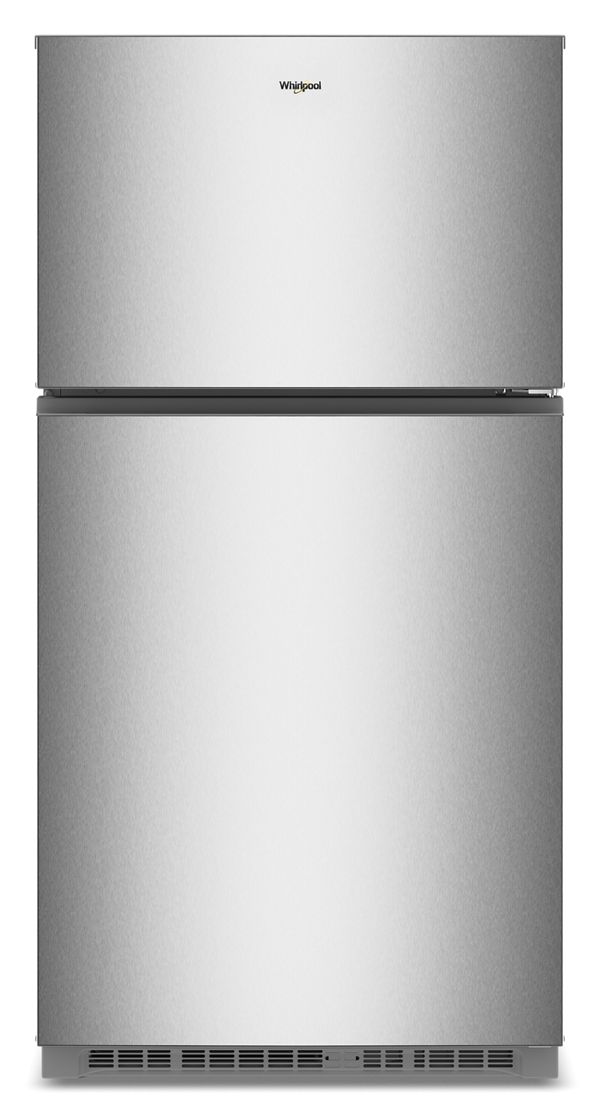
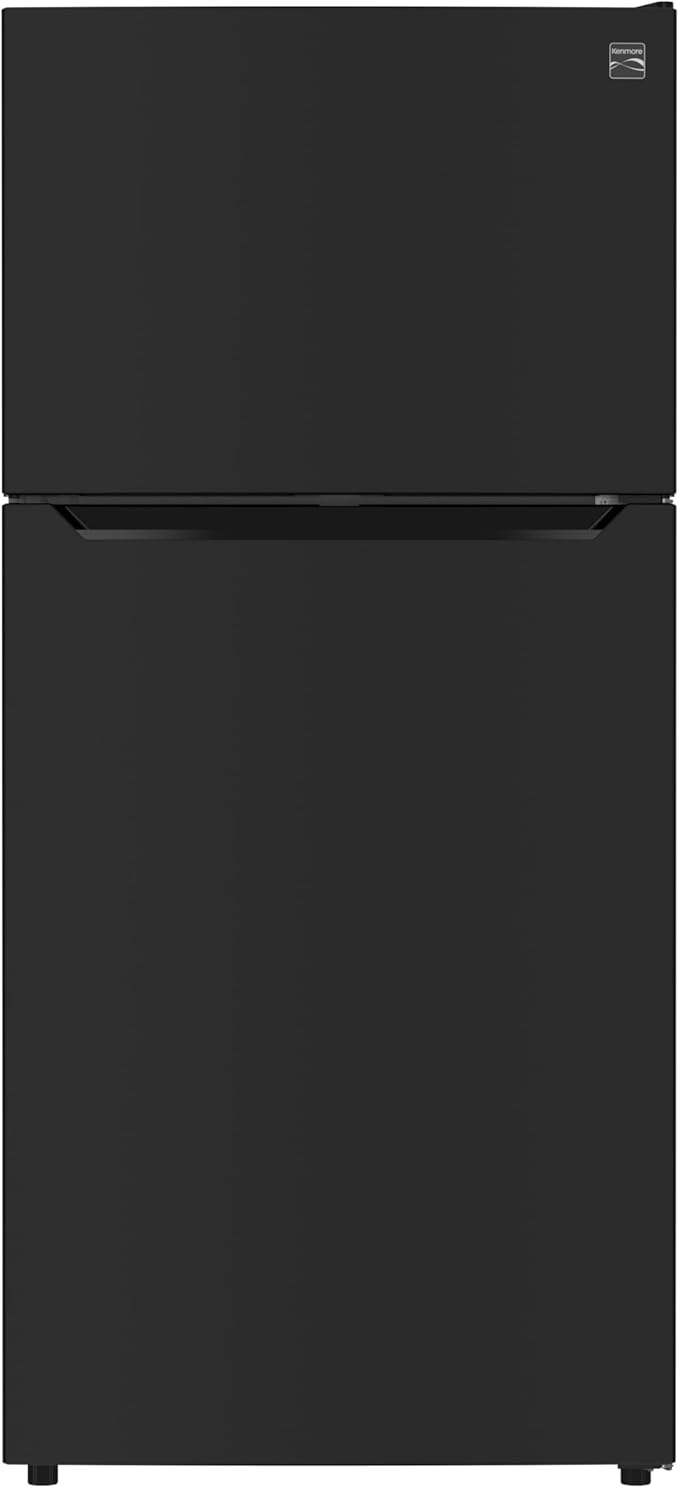
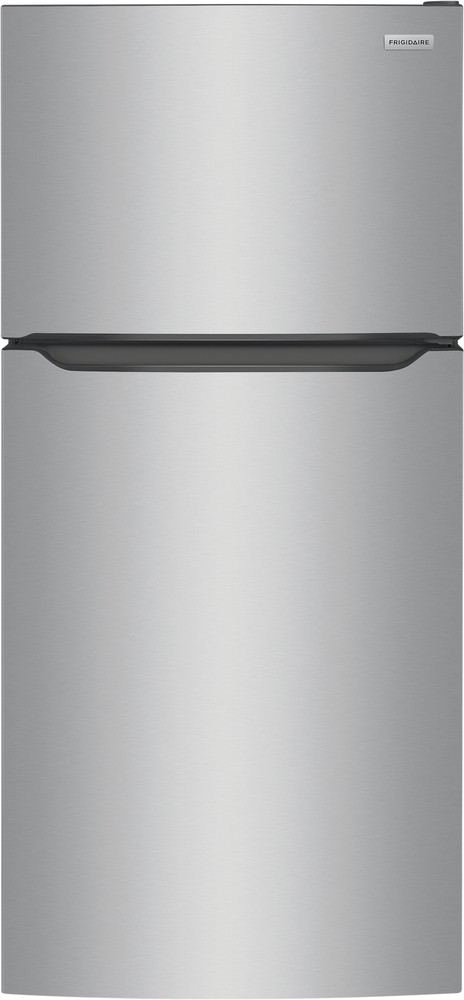
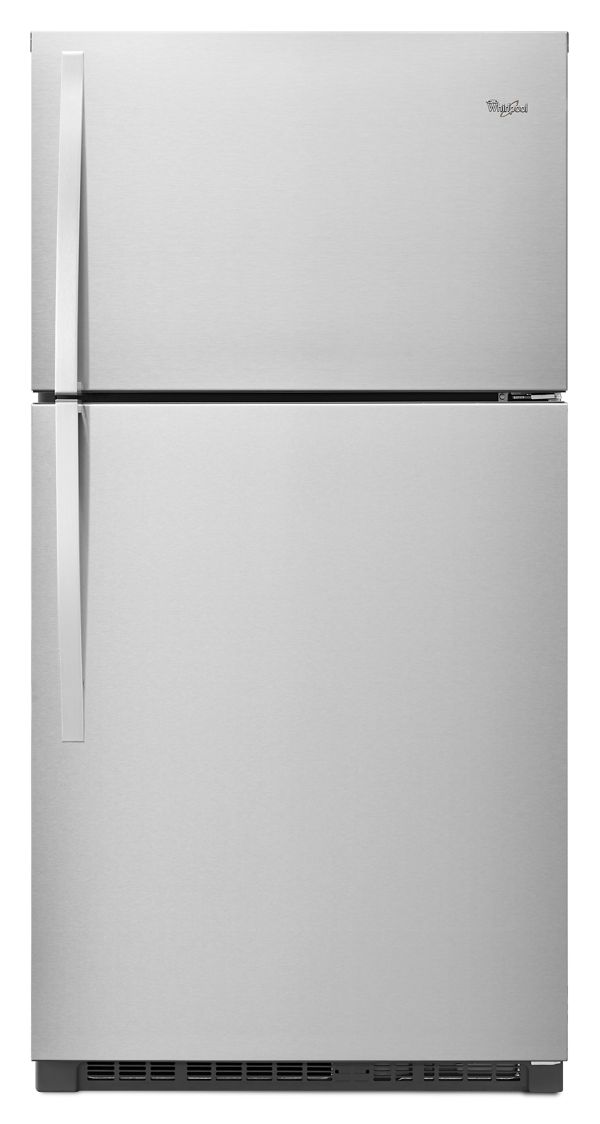
When choosing a refrigerator, it's important to understand the different options available. This section provides an overview of tall refrigerators and undercounter refrigerators, which are two popular choices for various settings.
Tall Refrigerator Overview
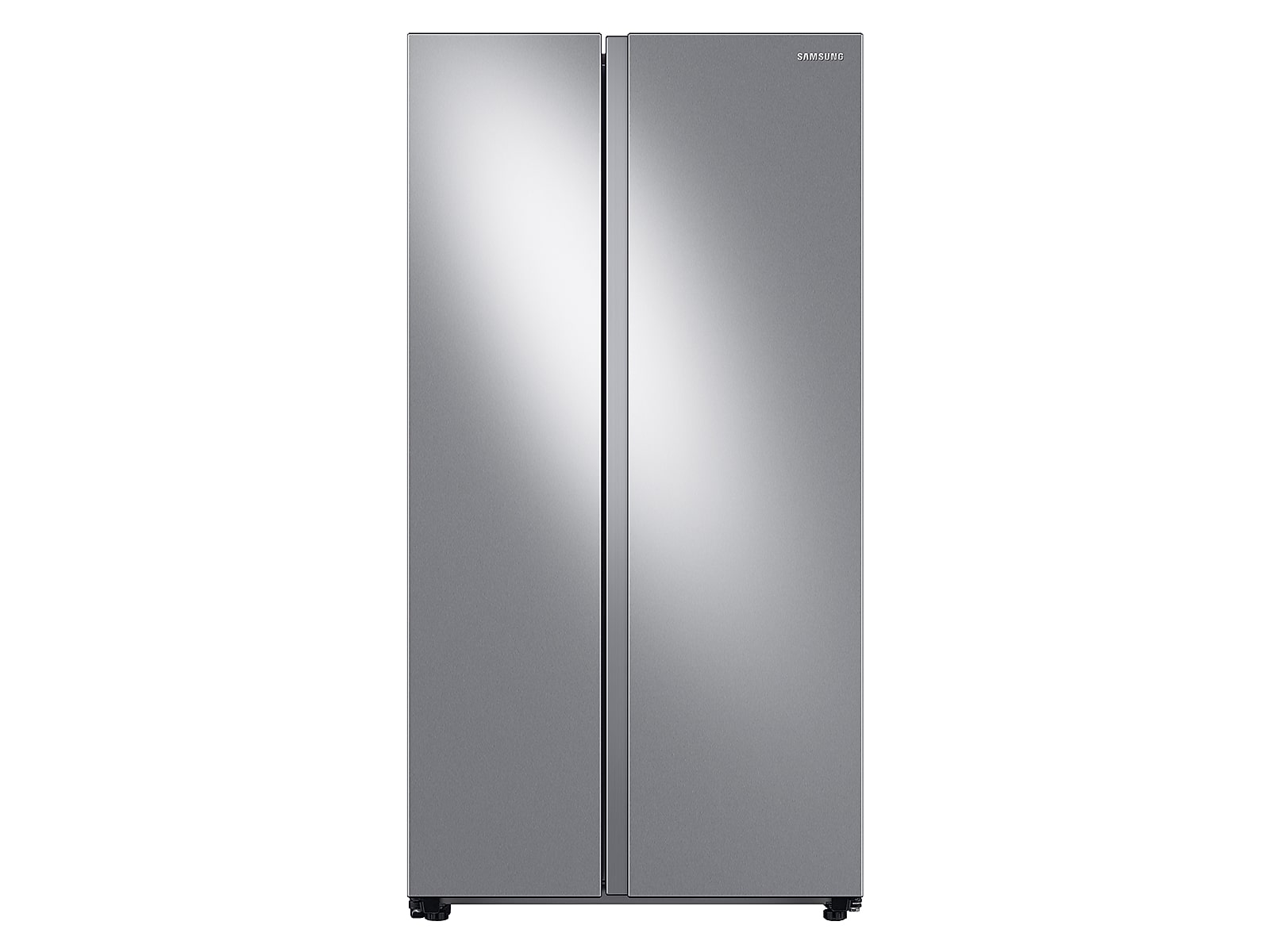
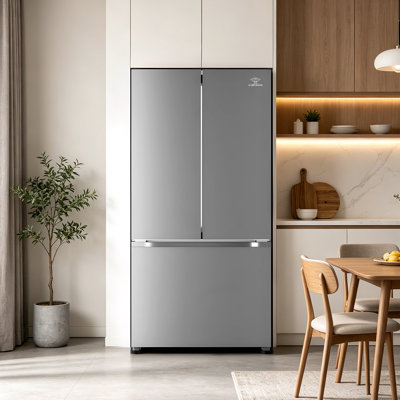
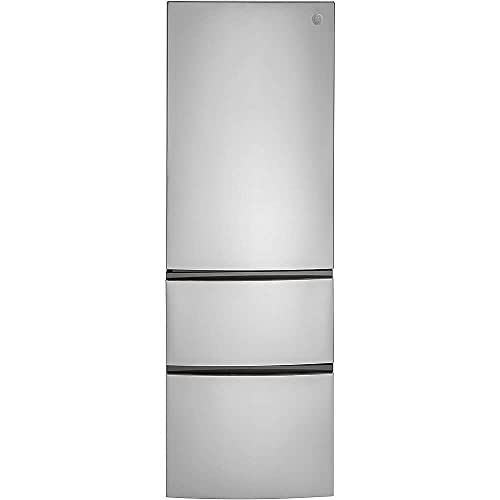
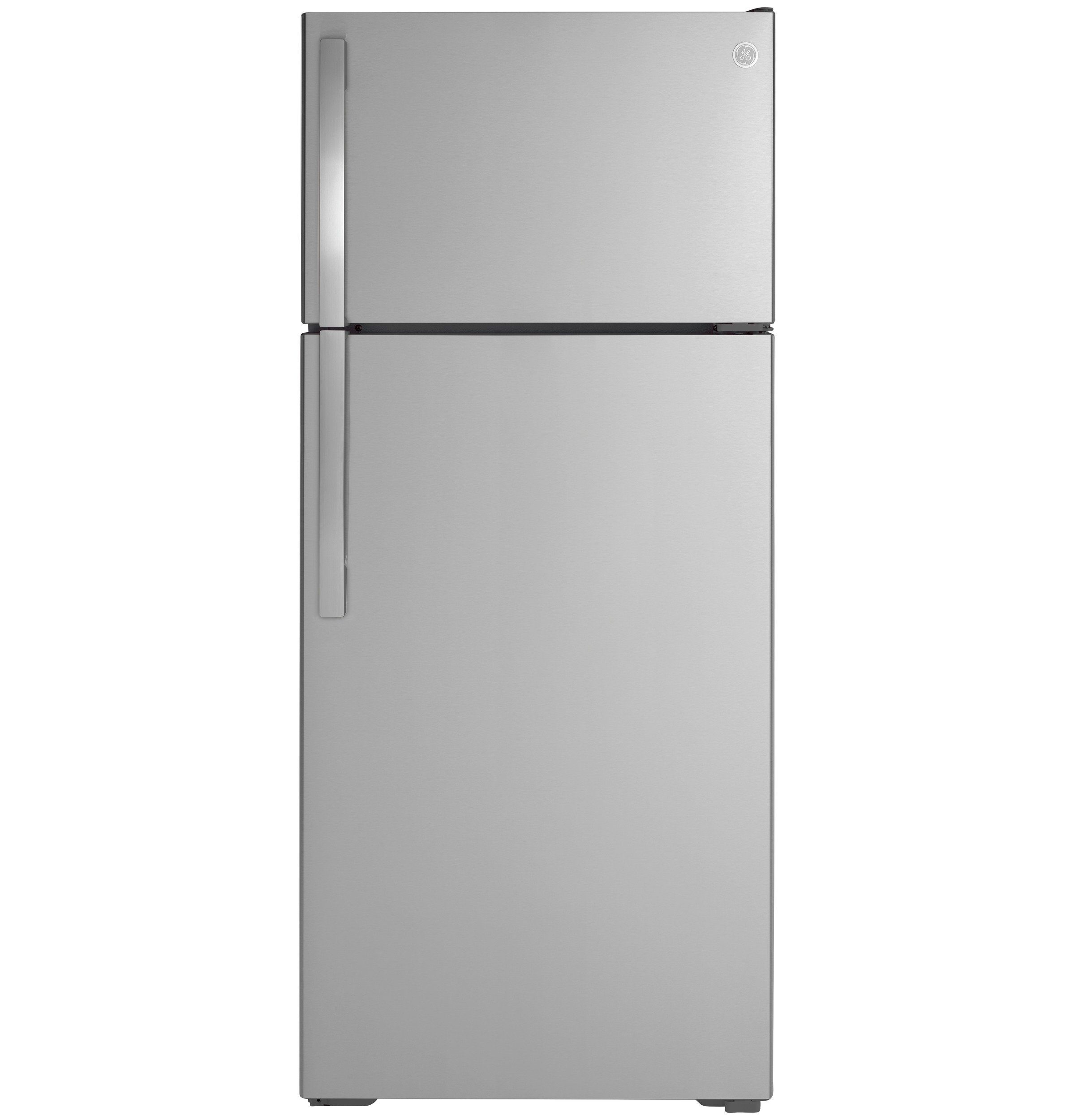
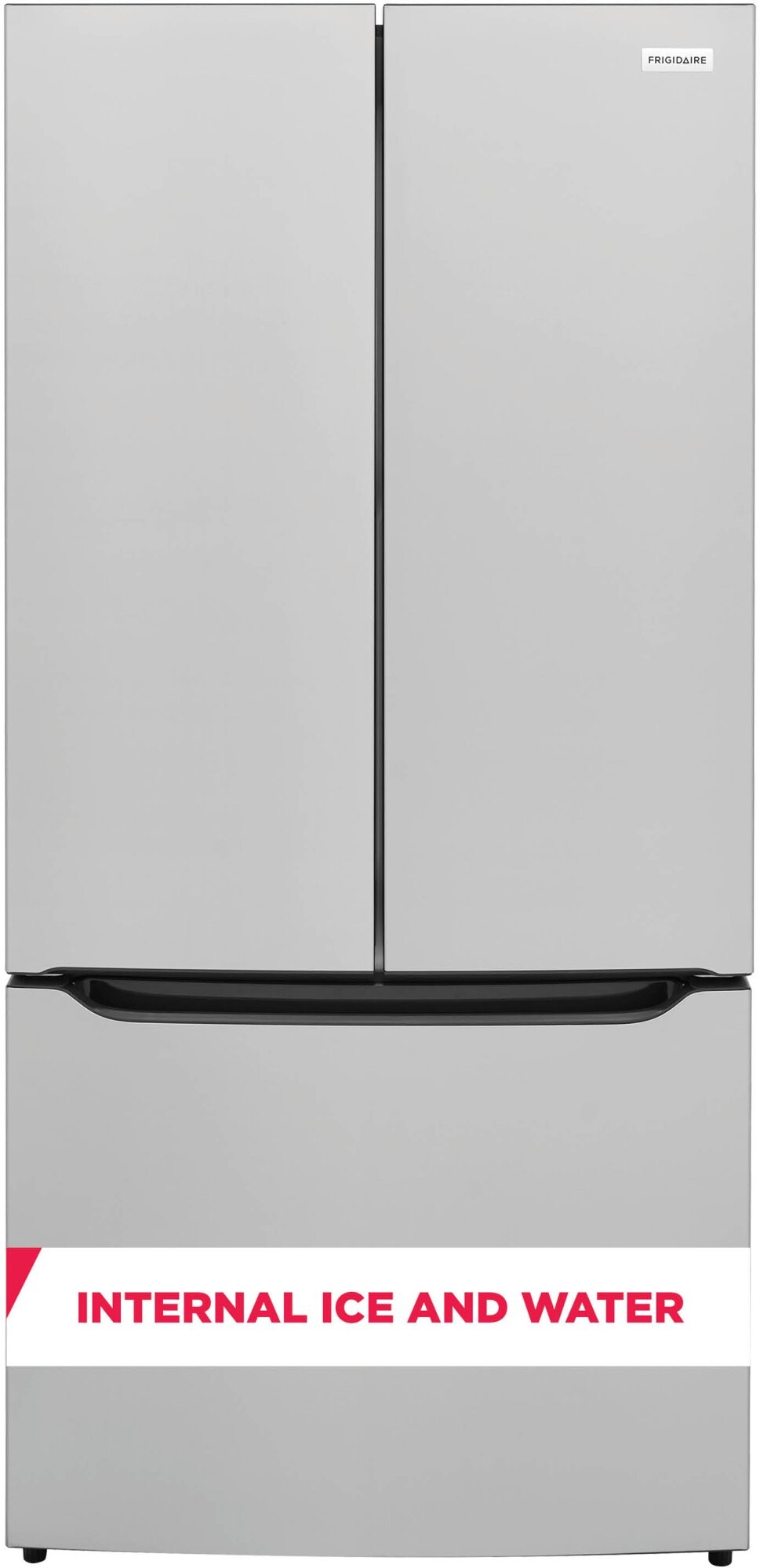
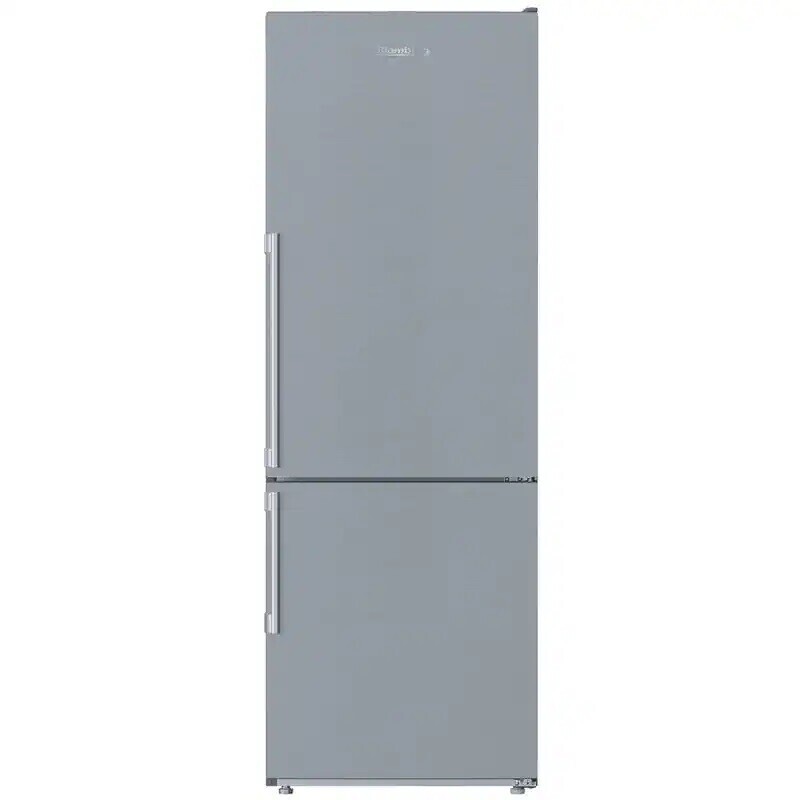
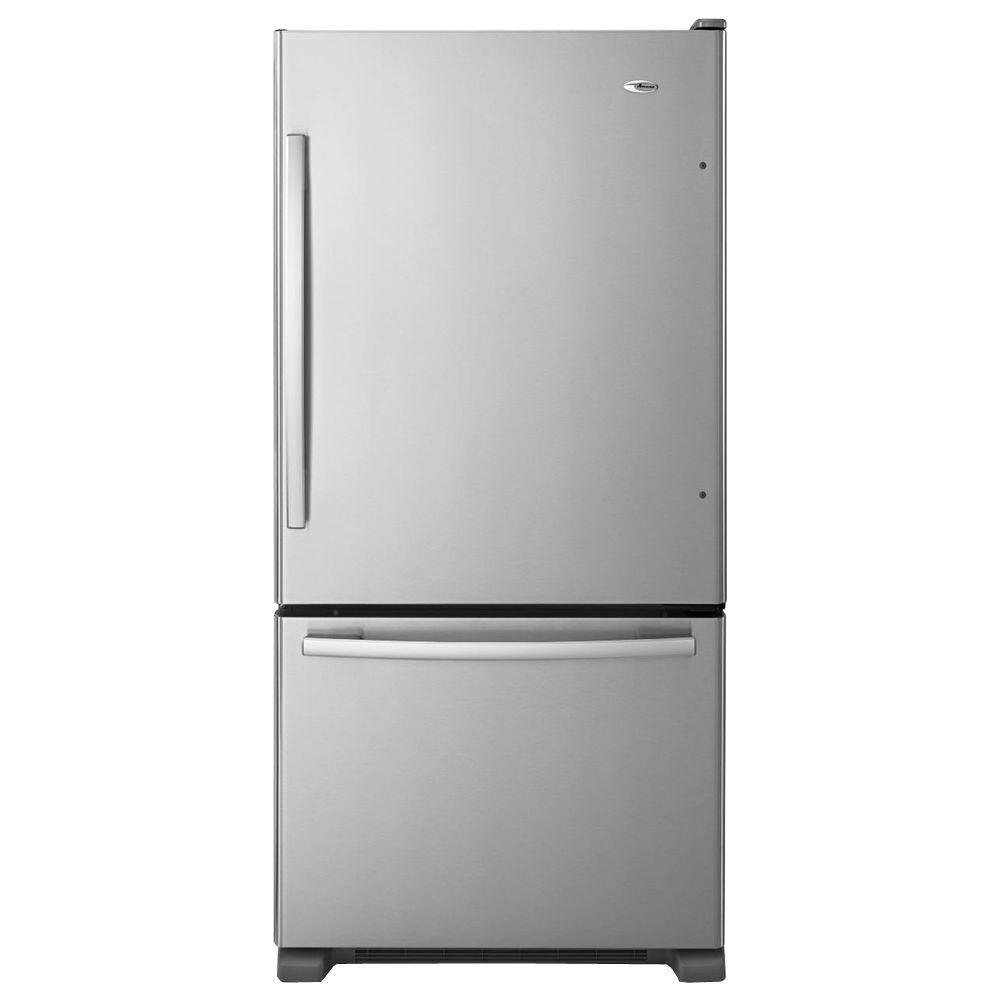
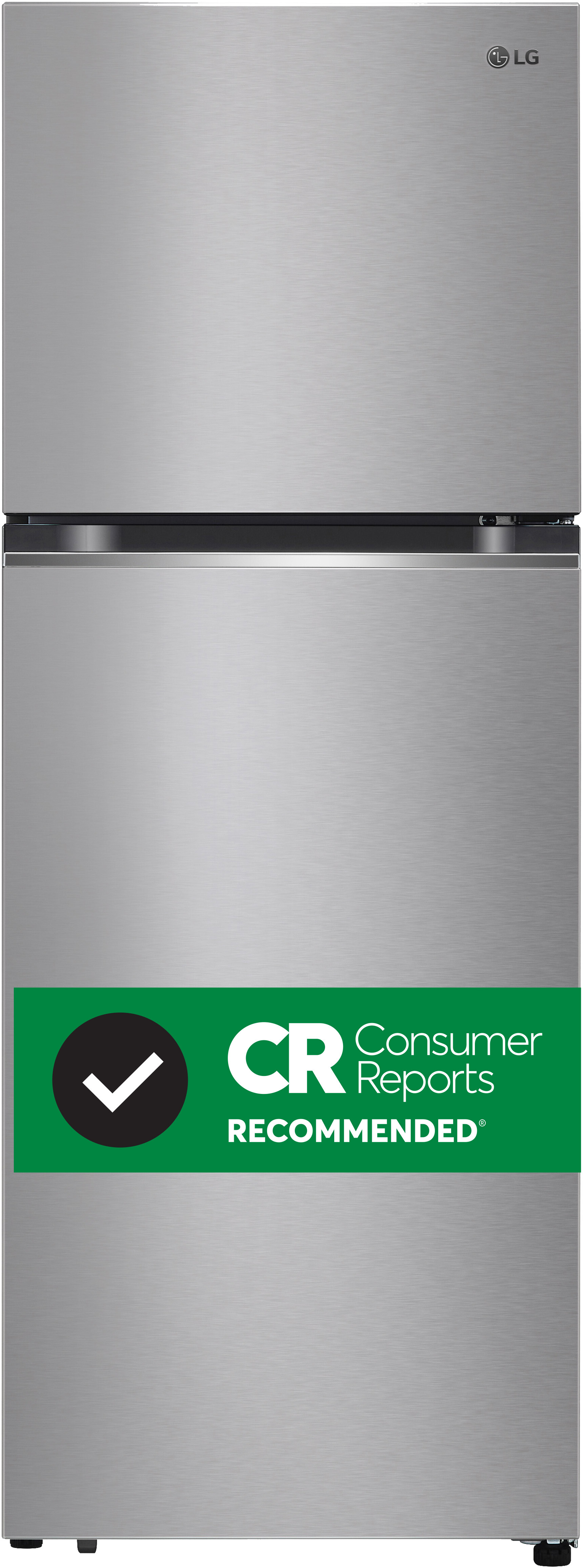
Tall refrigerators, also known as full-size refrigerators, are the traditional, upright models commonly found in kitchens. These refrigerators are designed to maximize vertical space and typically come with separate compartments for the refrigerator and freezer.
Feature
Description
Height
Generally ranges from 60 to 70 inches
Capacity
Offers substantial storage space, often between 18 to 25 cubic feet
Placement
Suitable for kitchens, garages, or basements where space is not a constraint
Design
Available in various styles like top-freezer, bottom-freezer, side-by-side, and French door
Tall refrigerators are ideal for larger households or for those who need additional storage space for bulk shopping. They often come with advanced features such as adjustable shelves, crispers, and door bins.
Undercounter Refrigerator Overview
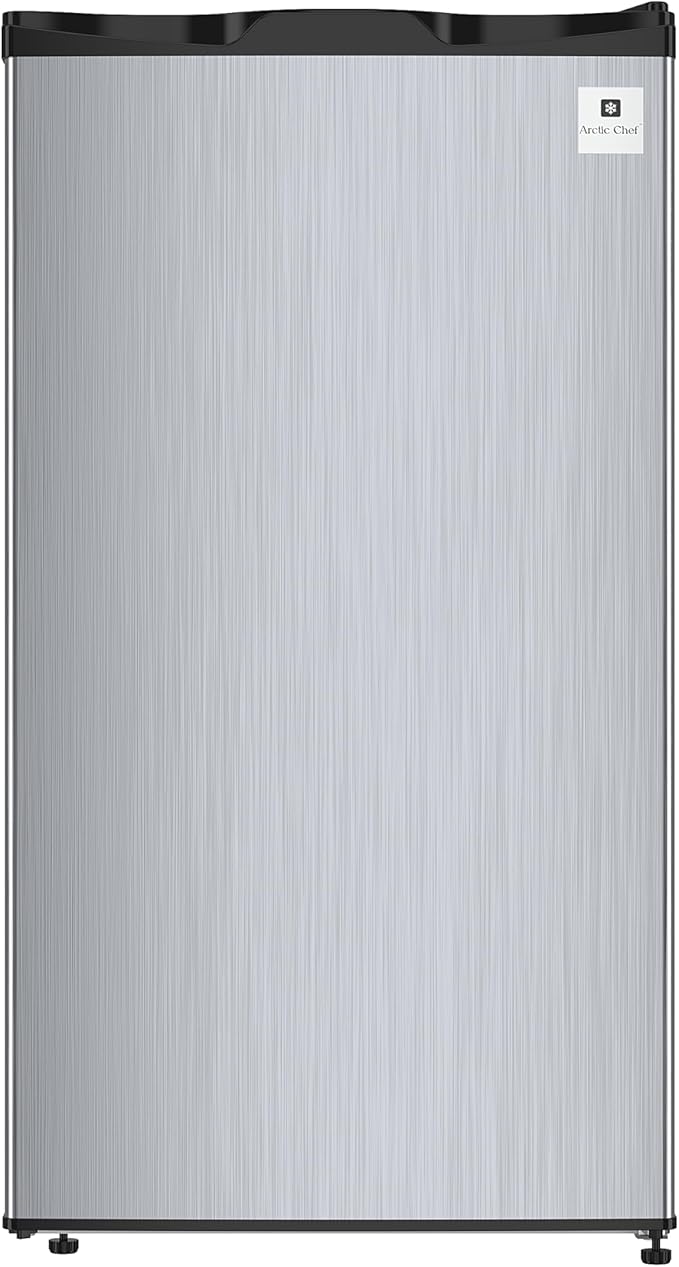
Undercounter refrigerators are compact units designed to fit beneath countertops. These refrigerators are perfect for small kitchens, offices, or as secondary refrigerators in larger homes. They provide convenient access to frequently used items without taking up much space.
Feature
Description
Height
Typically under 34 inches to fit under standard counters
Capacity
Smaller storage space, usually between 3 to 6 cubic feet
Placement
Ideal for kitchens, offices, bars, or as supplementary storage in other rooms
Design
Often features a single door and can include drawers or shelves for organization
Undercounter refrigerators are great for those who need a space-saving solution. They can be used to store beverages, snacks, or as a dedicated unit for specific items like wine or produce.
Understanding the differences between tall and undercounter refrigerators can help you make an informed decision based on your specific needs. Whether you require a full-size refrigerator for a busy household or a compact undercounter unit for a small space, there's a suitable option for everyone. For further comparisons, you might find Fridge.com articles on freestanding refrigerator Vs. tall refrigerator and double drawer freezer Vs. undercounter refrigerator helpful.
When choosing between a tall refrigerator and an undercounter refrigerator, it's essential to consider the size and space implications of each option. Both types offer unique advantages and disadvantages that can impact your decision.
Tall Refrigerators: Pros and Cons
Tall refrigerators are a popular choice for households that require ample storage space. These refrigerators typically stand at full height and offer various compartments for food and beverages.
Pros:
Storage Capacity: Tall refrigerators provide significant storage space, making them ideal for families or individuals who need to store large quantities of food.
Organization: These refrigerators often come with multiple shelves, drawers, and compartments, allowing for better organization of food items.
Versatility: Tall refrigerators can accommodate various types of food, from fresh produce to frozen items, making them versatile for different storage needs.
Cons:
Space Requirements: Tall refrigerators require more vertical space, which can be an issue in smaller kitchens or spaces with low ceilings.
Accessibility: The height of these refrigerators may make it challenging for shorter individuals or children to access items stored on higher shelves.
Energy Consumption: Due to their larger size, tall refrigerators may consume more energy compared to undercounter models.
Aspect
Pros
Cons
Storage Capacity
Large storage space
Requires more vertical space
Organization
Multiple shelves and compartments
May be challenging to access higher shelves
Versatility
Suitable for various types of food
Higher energy consumption
For more information on tall refrigerators, you can visit Fridge.com comparison article on freestanding refrigerator Vs. tall refrigerator.
Undercounter Refrigerators: Pros and Cons
Undercounter refrigerators are compact units that fit beneath countertops, making them suitable for smaller spaces or as supplementary refrigeration.
Pros:
Space-Saving: These refrigerators are designed to fit under countertops, making them ideal for small kitchens, offices, or additional refrigeration needs.
Accessibility: Being at a lower height, undercounter refrigerators are easily accessible for most individuals, including children and those with limited mobility.
Energy Efficiency: Due to their smaller size, undercounter refrigerators typically consume less energy, which can result in lower utility bills.
Cons:
Limited Storage: The compact size of undercounter refrigerators means they offer less storage space compared to tall refrigerators, which may be insufficient for larger households.
Organization: With fewer compartments and shelves, organizing food items can be more challenging.
Versatility: These refrigerators may not be suitable for storing larger items or significant quantities of food.
Aspect
Pros
Cons
Space-Saving
Fits under countertops
Limited storage capacity
Accessibility
Easily accessible for most individuals
Fewer compartments for organization
To explore more about the functionality and benefits of undercounter refrigerators, you can read Fridge.com article on double drawer freezer Vs. undercounter refrigerator.
Understanding the pros and cons of each type of refrigerator will help you make an informed decision based on your specific needs and space constraints. Whether you choose a tall refrigerator or an undercounter refrigerator, consider the aspects that matter most to you and your household.
When comparing the design and aesthetics of tall refrigerators and undercounter refrigerators, it's important to consider their features and how they complement your living space.
Tall Refrigerators: Features and Design
Tall refrigerators are a staple in many homes, offering a variety of features and design elements that cater to both functionality and style. They typically stand between 60 to 70 inches in height, making them a prominent fixture in your kitchen.
Key Features:
Storage Capacity: Tall refrigerators often come with ample storage space, including multiple shelves, crisper drawers, and door bins. This makes them ideal for large families or those who like to stock up on groceries.
Adjustable Shelves: The inclusion of adjustable shelves allows you to customize the storage space to suit your needs, accommodating larger items like gallon jugs or tall bottles.
Freezer Compartment: Many tall refrigerators have a built-in freezer compartment, either at the top, bottom, or side-by-side, offering convenient access to frozen foods.
Design Elements:
Finish Options: Tall refrigerators are available in various finishes such as stainless steel, black stainless, and white, allowing you to choose one that matches your kitchen decor.
Door Style: Options include single-door, French door, or side-by-side configurations, each offering a different aesthetic and functional appeal.
For more information on similar appliances, you can read about the freestanding refrigerator Vs. tall refrigerator comparison.
Undercounter Refrigerators: Features and Design
Undercounter refrigerators are a versatile option for those who need additional refrigeration space without the bulk of a full-sized unit. These compact appliances are designed to fit seamlessly under countertops, making them perfect for smaller kitchens, bars, or office spaces.
Key Features:
Compact Size: Standing typically between 30 to 34 inches in height, undercounter refrigerators are designed to maximize space efficiency.
Drawer and Door Options: These refrigerators come with either drawer or door configurations, allowing you to choose the best option for easy access and organization.
Specialized Storage: Some models feature specialized compartments for items like beverages, making them ideal for entertaining areas.
Design Elements:
Seamless Integration: The compact size and customizable front panels allow undercounter refrigerators to blend seamlessly with your cabinetry, providing a cohesive look.
Versatile Placement: These refrigerators can be installed in various locations, including kitchens, home bars, or office break rooms, adding functionality without taking up valuable floor space.
By understanding the features and design elements of both tall and undercounter refrigerators, you can make an informed decision that best suits your space and lifestyle needs.
Proper installation and placement of your refrigerator are crucial for optimal performance and longevity. Whether you choose a tall refrigerator or an undercounter refrigerator, understanding the specific requirements for each type will help you make an informed decision.
Tall Refrigerators: Installation Tips
Tall refrigerators, often referred to as full-size refrigerators, require careful planning and consideration during installation. Here are some essential tips:
Measure the Space: Ensure that the space where you plan to install the refrigerator is adequate. Measure the height, width, and depth, and compare it with the dimensions of the refrigerator. Remember to account for door clearance and ventilation space.
Floor Leveling: The floor must be level to prevent the refrigerator from tilting. An uneven surface can affect the door seal and the overall performance of the appliance.
Ventilation: Tall refrigerators need proper ventilation to function efficiently. Leave at least 1-2 inches of space on the sides and top of the refrigerator to allow for air circulation.
Electrical Requirements: Ensure that there's a dedicated electrical outlet within reach of the refrigerator. Most tall refrigerators require a standard 120-volt outlet.
Accessibility: Place the refrigerator in a location that allows easy access to the contents. Consider the door swing direction and ensure there’s enough space for the doors to open fully without obstruction.
Stabilize the Unit: Once the refrigerator is in place, use the adjustable feet to stabilize the unit. This helps prevent vibrations and ensures the doors close properly.
Undercounter refrigerators are compact and designed to fit seamlessly under countertops. Here are some key considerations for placing undercounter refrigerators:
Size and Fit: Measure the height, width, and depth of the space under your counter. Ensure the measurements match the dimensions of the undercounter refrigerator. Leave some extra space for ventilation.
Ventilation: Proper ventilation is essential to prevent overheating. Check the manufacturer’s guidelines for ventilation requirements and ensure there's sufficient space around the unit.
Electrical Access: Ensure there's a nearby electrical outlet to power the refrigerator. An undercounter unit typically requires a standard 120-volt outlet.
Level Surface: The surface where the refrigerator sits should be level. This ensures the unit operates efficiently and prevents issues with door sealing.
Integration: If you plan to integrate the refrigerator with your cabinetry, ensure the design allows for easy access and maintenance. Some undercounter refrigerators are designed to blend seamlessly with your existing cabinets.
Accessibility: Place the refrigerator in a convenient location for easy access to frequently used items. Consider the door swing and ensure it doesn’t interfere with other appliances or cabinetry.
By following these installation and placement tips, you can maximize the efficiency and convenience of your refrigerator, whether you choose a tall refrigerator or an undercounter refrigerator. Proper installation not only enhances the performance of your appliance but also extends its lifespan, ensuring you get the best value for your investment.
Functionality and Storage
When comparing tall refrigerators and undercounter refrigerators, understanding their functionality and storage capacity is essential. Each type offers unique benefits tailored to different needs and spaces.
Tall Refrigerators: Storage Capacity
Tall refrigerators are known for their substantial storage capacity, making them ideal for households with high storage requirements. They typically feature multiple compartments, shelves, and drawers, allowing for organized storage of various food items.
Feature
Description
Height
Varies from 60 to 80 inches
Width
Typically 30 to 36 inches
Capacity
Ranges from 18 to 30 cubic feet
Compartments
Multiple shelves, crisper drawers, door bins
Freezer
Top, bottom, or side-by-side options
Tall refrigerators provide ample space for bulk storage, making them suitable for large families or avid home chefs. The multiple compartments help in organizing food items efficiently, ensuring easy access and better food preservation. For more information on tall refrigerators, visit Fridge.com comparison article on freestanding refrigerator Vs. tall refrigerator.
Undercounter Refrigerators: Functionality Features
Undercounter refrigerators are designed to fit seamlessly under countertops, offering a compact and convenient solution for smaller spaces. Despite their smaller size, these refrigerators come with several functional features that enhance their usability.
Feature
Description
Height
Typically 32 to 34 inches
Width
Ranges from 18 to 24 inches
Capacity
Ranges from 3 to 6 cubic feet
Compartments
Shelves, small crisper drawers, door bins
Flexibility
Can be installed in various locations like kitchens, offices, and wet bars
Undercounter refrigerators are perfect for those who need additional refrigeration space without occupying much floor space. Their compact design makes them suitable for apartments, offices, and small kitchens. They are also versatile in their placement, fitting well into various settings. For more insights on undercounter refrigerators, you can explore Fridge.com article on built in wine cellar Vs. undercounter refrigerator.
When choosing between a tall refrigerator and an undercounter refrigerator, consider your storage needs, available space, and the specific features that will best suit your lifestyle. Whether you need the extensive storage of a tall refrigerator or the compact convenience of an undercounter option, understanding these differences will help you make an informed decision.
When comparing a tall refrigerator Vs. undercounter refrigerator, energy efficiency plays a significant role in making an informed decision. Here, Fridge.com will examine the energy consumption of tall refrigerators and the energy efficiency benefits of undercounter refrigerators.
Tall Refrigerators: Energy Consumption
Tall refrigerators are designed to store a large amount of food and beverages. Due to their size and capacity, they tend to consume more energy compared to smaller units. Understanding their energy consumption can help you estimate their impact on your electricity bill.
Refrigerator Type
Average Annual Energy Consumption (kWh)
Estimated Annual Cost ($)
Standard Tall Refrigerator
500 - 700
60 - 84
Tall refrigerators come with varying energy ratings. Opting for an energy-efficient model can significantly reduce your energy bills. For more insights on choosing the right refrigerator type, explore Fridge.com comparison of freestanding refrigerator Vs. tall refrigerator.
Undercounter Refrigerators: Energy Efficiency Benefits
Undercounter refrigerators are typically smaller and can be more energy-efficient compared to their taller counterparts. These compact units are designed to fit snugly under countertops, making them ideal for space-saving solutions in kitchens, offices, and other areas.
Refrigerator Type
Average Annual Energy Consumption (kWh)
Estimated Annual Cost ($)
Standard Undercounter Refrigerator
200 - 300
24 - 36
The energy efficiency benefits of undercounter refrigerators include lower energy consumption and reduced operating costs. They are perfect for those who need a smaller refrigeration solution without compromising on performance. For more information on different refrigerator options, check out Fridge.com article on built in wine cooler Vs. chest refrigerator.
By understanding the energy consumption of tall refrigerators and the efficiency benefits of undercounter refrigerators, you can make a more informed decision that aligns with your energy-saving goals and space requirements.
Compare prices on Fridge.com
Compare current prices and specifications on Fridge.com, then buy from the retailer you choose; delivery, installation and warranty terms are the retailer’s.
It also has tons of awesome articles about kitchen stuff and home news. Enhance your home, garage, backyard, patio, and office with the coolest essentials. With every necessary type of residential refrigerator or freezer in the collection, you're covered.