However, this production rate is quickly overwhelmed during parties, gatherings, or any event where multiple guests need ice simultaneously.
Premium undercounter ice machines can refill their bins multiple times per day, providing a virtually unlimited supply of fresh ice as long as the unit has water and power.
The space requirement for a dedicated ice machine is an important consideration because kitchens, bars, and outdoor entertainment areas often have limited room for additional appliances.
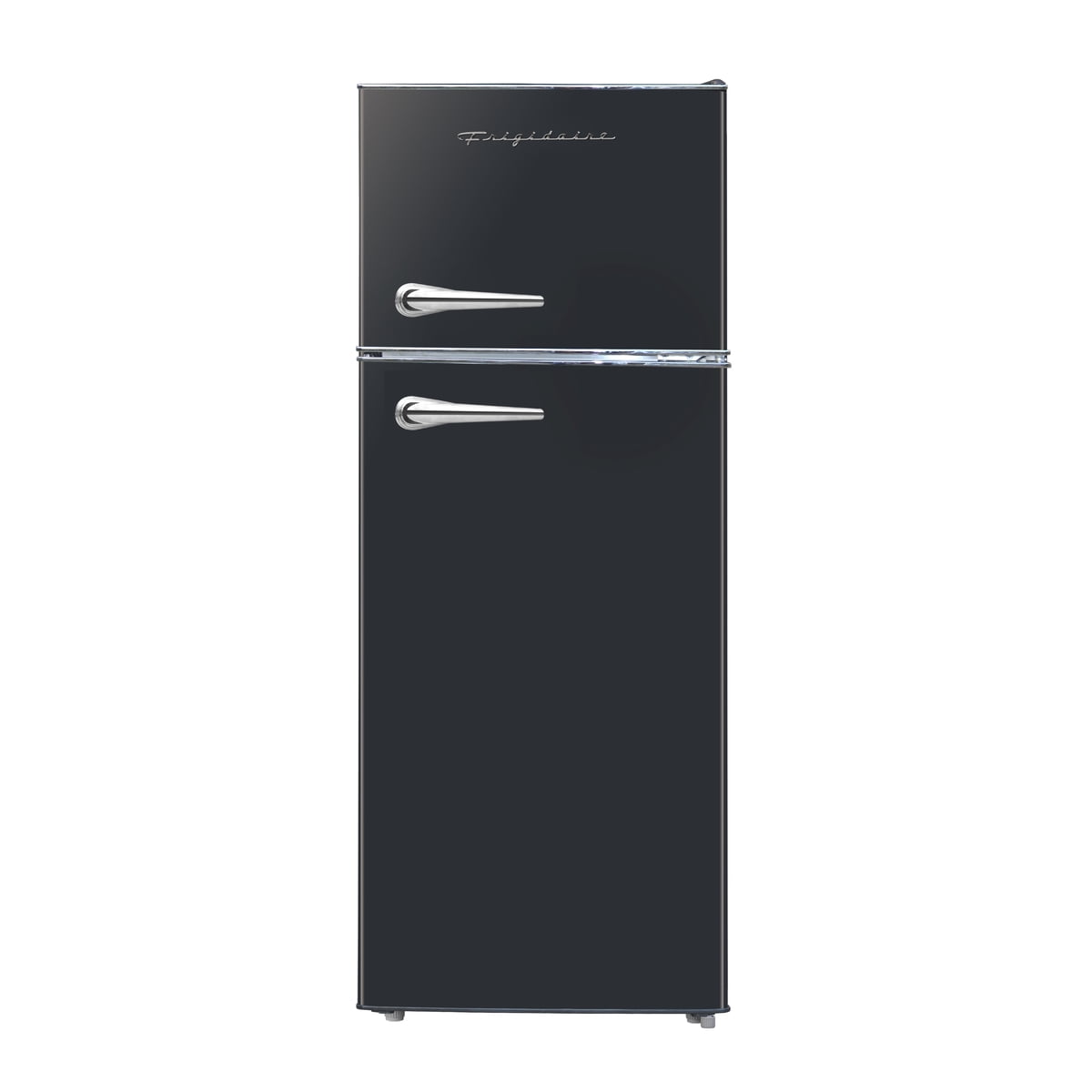
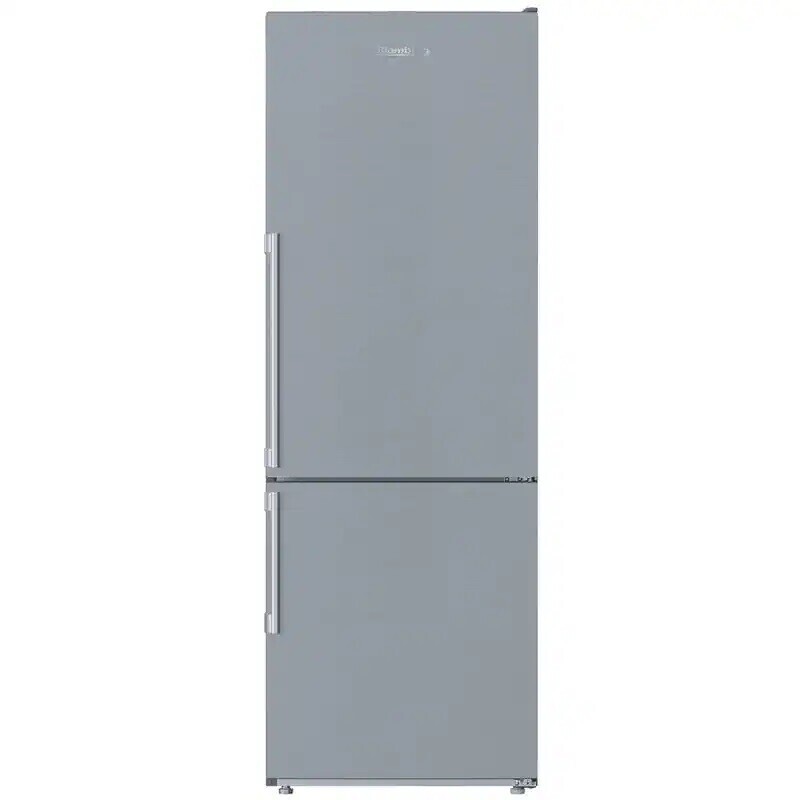
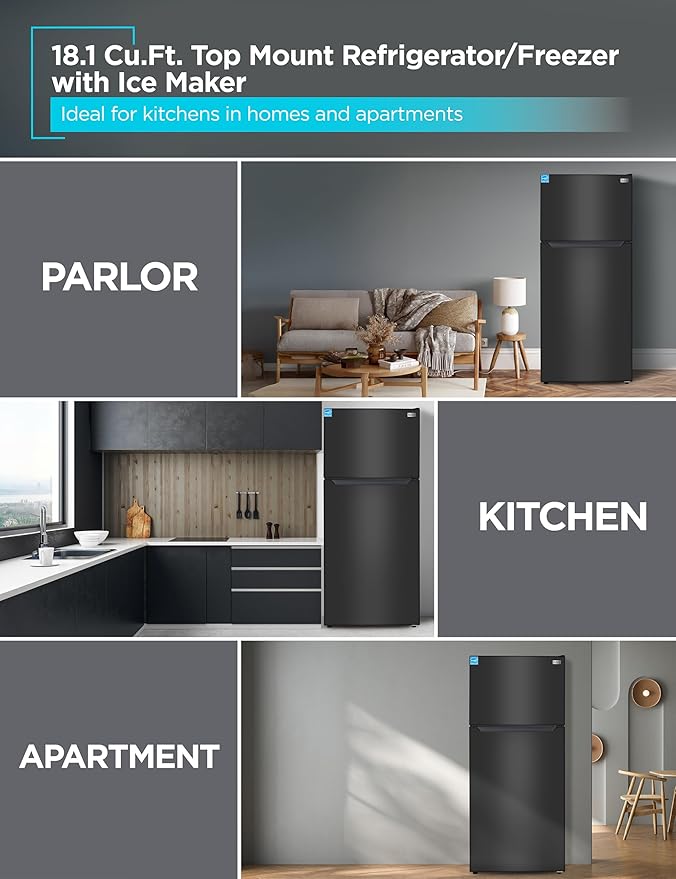
These units represent the most common refrigerator category in American homes, fitting standard kitchen cutouts and serving households of one to four people.
Comparing a standard-size refrigerator to an ice machine might seem unusual since these appliances serve different purposes, but both show up in kitchen planning conversations when homeowners are deciding how to allocate space and budget for cold storage and ice production. A standard-size refrigerator is a complete food preservation appliance that keeps fresh and frozen foods at safe temperatures while typically producing a modest amount of ice through a built-in ice maker. An ice machine is a dedicated appliance that produces large quantities of ice quickly and continuously without any food storage capability. Understanding what each delivers helps you decide whether your kitchen needs a better refrigerator, a dedicated ice machine, or both.
What Is a Standard-Size Refrigerator
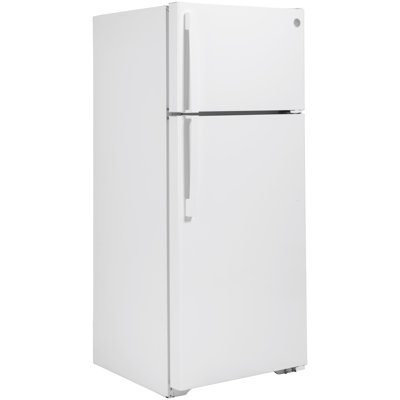
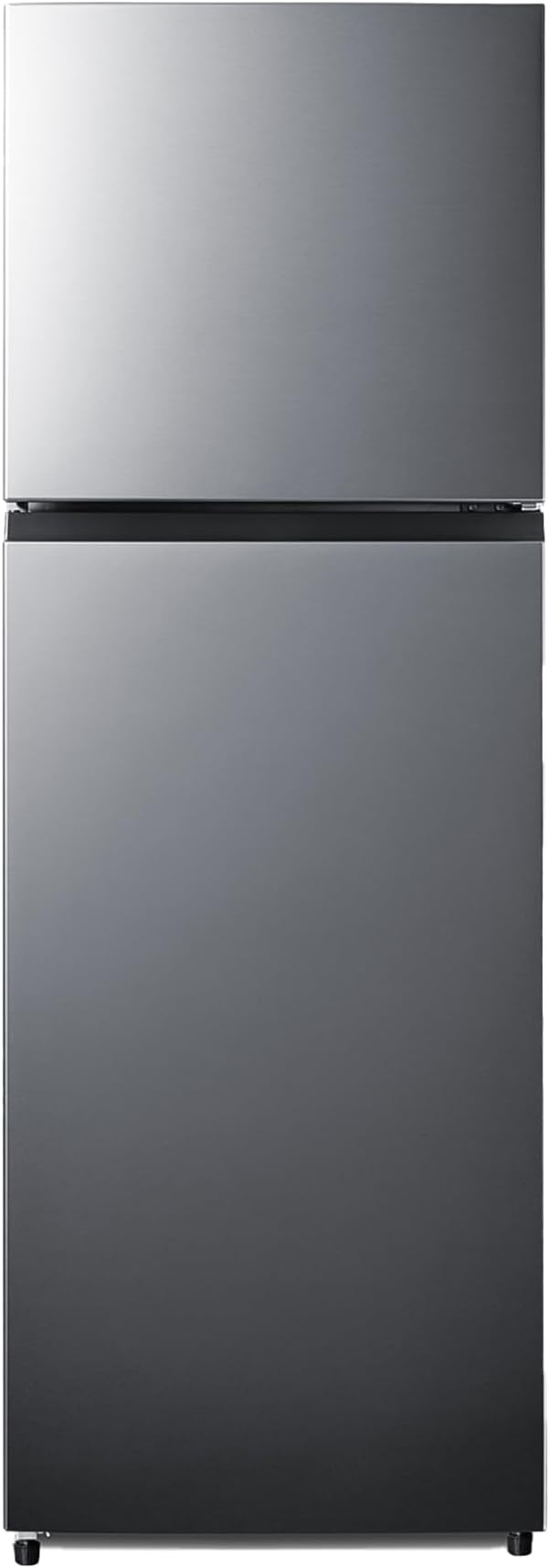
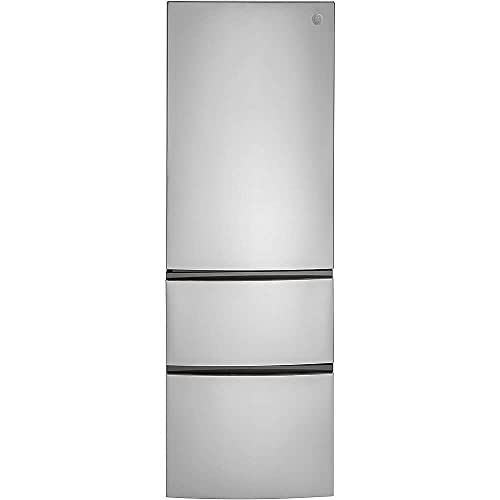
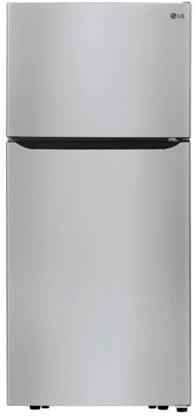
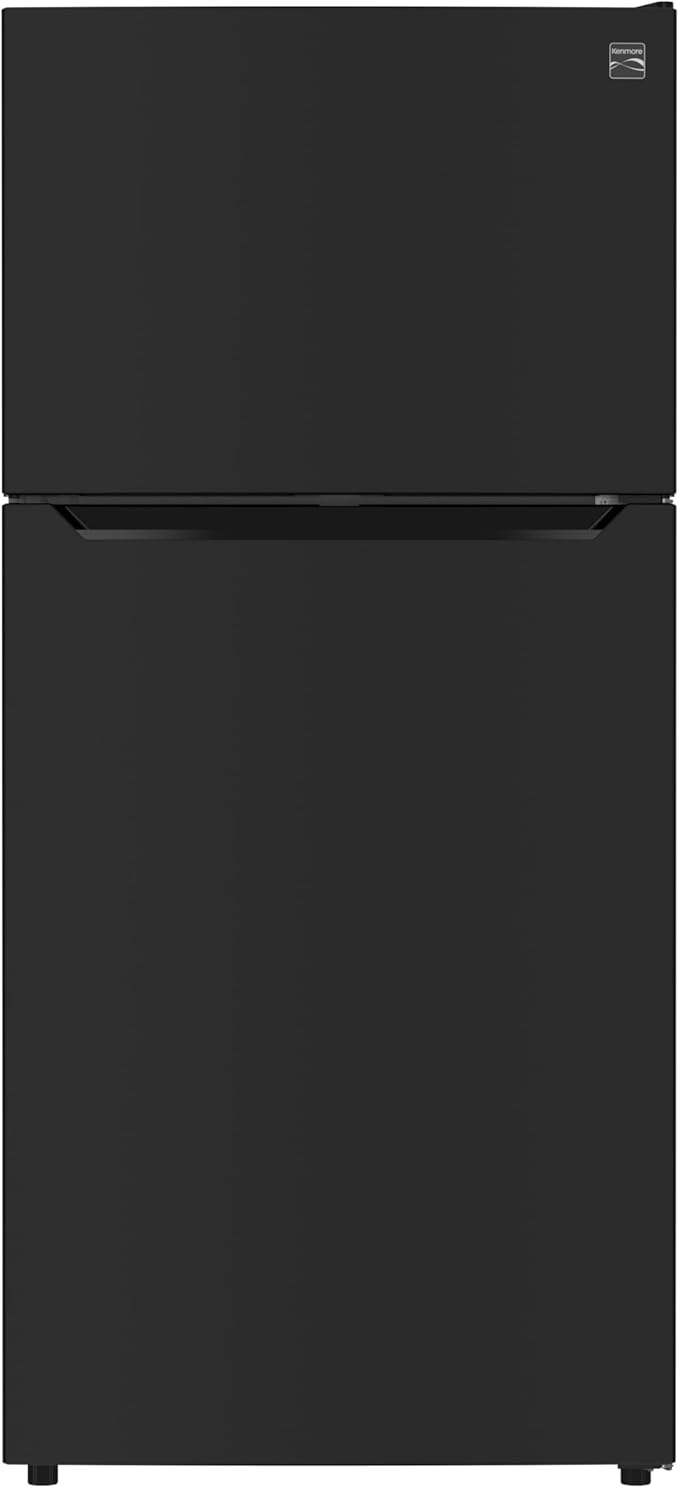
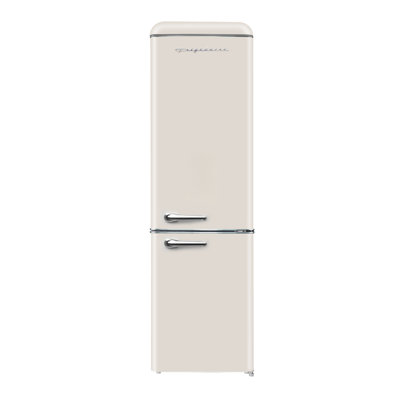
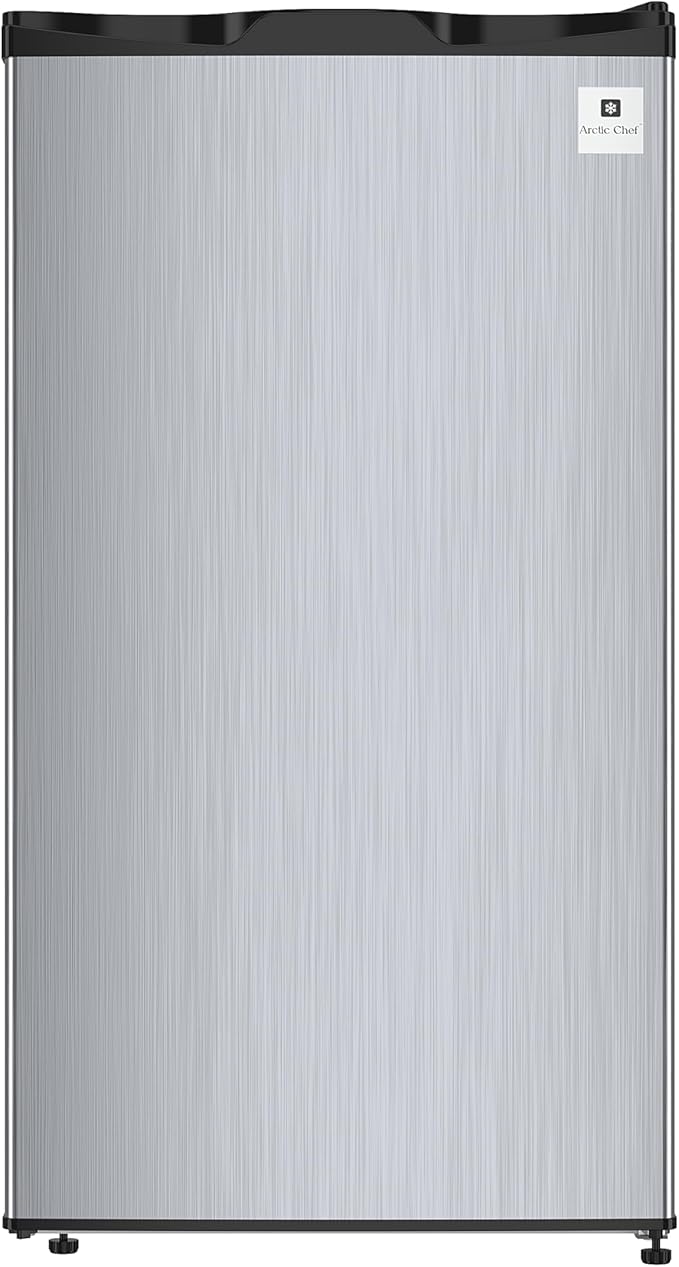
A standard-size refrigerator measures twenty-nine to thirty-two inches wide, sixty-five to sixty-nine inches tall, and thirty to thirty-four inches deep, providing eighteen to twenty-two cubic feet of total capacity split between a fresh food section and a freezer section. These units represent the most common refrigerator category in American homes, fitting standard kitchen cutouts and serving households of one to four people. The fresh food section maintains thirty-five to thirty-eight degrees Fahrenheit while the freezer holds at zero degrees, providing comprehensive food storage in a single appliance.
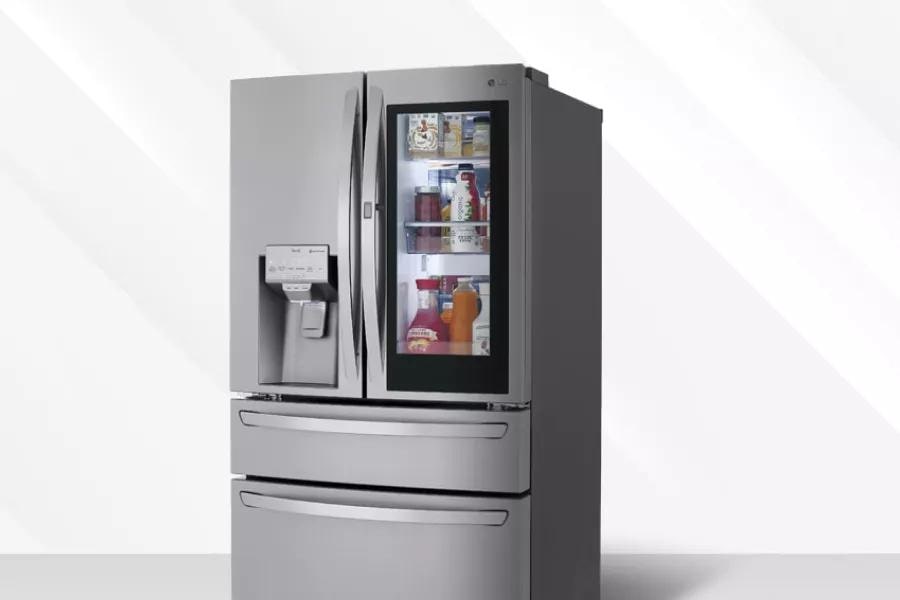
Most standard-size refrigerators include a built-in ice maker in the freezer section that produces approximately three to five pounds of ice per day, enough for a household's daily drinking and cooking needs. Some models feature through-the-door ice dispensers that provide cubed or crushed ice without opening the freezer door. The ice maker occupies a portion of the freezer space, typically reducing usable freezer capacity by half a cubic foot to one cubic foot depending on the ice maker size and storage bin design. Ice production rates and storage capacity vary by model, but a typical built-in ice maker holds two to four pounds of ice at any time.
An ice machine, also called an ice maker or ice production unit, is a standalone appliance dedicated entirely to producing, storing, and dispensing ice. Residential ice machines range from compact countertop models that produce twenty-five to thirty-five pounds of ice per day to undercounter built-in models that produce forty to eighty pounds daily. Commercial-grade residential units can produce over one hundred pounds per day for households that entertain extensively or operate home bars. These machines do not store food at any temperature and serve only one purpose: providing a continuous supply of fresh ice.
Ice machines produce ice through a rapid freeze cycle that creates individual ice pieces in as little as six to fifteen minutes, dramatically faster than the ice trays or built-in makers in standard refrigerators. The ice types available vary by model and include standard cubes, bullet-shaped ice, nugget or pellet ice, crescent shapes, and clear gourmet ice that is crystal transparent and melts slowly. The choice of ice type is a significant purchase factor for many buyers because different ice shapes affect drink presentation, cooling rate, and overall beverage experience. Nugget ice in particular has developed a devoted following for its soft, chewable texture that enhances cocktails, sodas, and blended drinks.
The ice production difference between these two appliance types is enormous. A standard refrigerator's built-in ice maker produces three to five pounds of ice per day under optimal conditions, with a storage bin holding two to four pounds at any given time. This output meets the casual daily ice needs of a small household for drinking water, a few glasses of iced tea, and occasional cooking use. However, this production rate is quickly overwhelmed during parties, gatherings, or any event where multiple guests need ice simultaneously. A dinner party of eight guests can deplete a refrigerator ice bin within the first hour of cocktails.
A dedicated ice machine produces twenty-five to eighty pounds of ice per day for residential models, with storage bins holding ten to thirty-five pounds. This output supports daily household use, entertaining, home bar service, and even small catering operations without ever running out of ice. Premium undercounter ice machines can refill their bins multiple times per day, providing a virtually unlimited supply of fresh ice as long as the unit has water and power. For households that entertain frequently, host pool parties, run home bars, or simply consume large quantities of iced beverages daily, the production capacity of a dedicated ice machine represents a transformative upgrade from relying on a refrigerator's built-in maker.
Feature
Standard Refrigerator Ice Maker
Dedicated Ice Machine
Daily Production
3–5 lbs
25–80 lbs
Storage Bin
2–4 lbs
10–35 lbs
Ice Types
Cubed, crushed (some models)
Cubed, nugget, bullet, clear, crescent
Production Speed
1 batch every 1–2 hours
1 batch every 6–15 minutes
Food Storage
18–22 cu ft
None
Ice Quality and Types
Standard refrigerator ice makers produce basic cubed ice, and some models with through-the-door dispensers offer a crushed ice option created by mechanically breaking cubes. The ice quality is adequate for everyday use but often includes cloudiness from trapped air bubbles and minerals, irregular shapes from imperfect freezing cycles, and occasional off-flavors absorbed from other freezer contents if the ice sits in the bin for extended periods. Ice stored in a refrigerator freezer bin can absorb odors from nearby frozen foods, resulting in ice that tastes faintly of whatever else shares the freezer space.
Dedicated ice machines produce significantly higher quality ice because the rapid freeze process creates denser, cleaner ice pieces, and the dedicated storage bin is not shared with food that can transfer flavors. Clear ice machines use a slow directional freezing process that pushes air bubbles and impurities out of the ice as it forms, creating crystal-clear cubes that look professional and melt more slowly than cloudy ice. Nugget ice machines produce the soft, chewable, porous ice pellets that have become wildly popular for home use, offering a premium beverage experience that no refrigerator ice maker can replicate. The variety of ice types available from dedicated machines allows you to match the ice to the drink for optimal presentation and performance.
A standard-size refrigerator occupies its dedicated kitchen cutout, typically twenty-nine to thirty-two inches wide and sixty-five to sixty-nine inches tall. The built-in ice maker requires a water line connection from the household plumbing to the back of the refrigerator, which most kitchens provide as a standard utility connection. No additional floor space, countertop space, or utility connections are needed beyond what the refrigerator itself requires. The ice making capability is essentially free from a space perspective since it is built into an appliance you already need.
A dedicated ice machine requires its own space and utilities separate from your refrigerator. Countertop models need twelve to eighteen inches of counter space plus access to a power outlet and either a manual water fill or a plumbed water line connection. Undercounter built-in models require a prepared cabinet opening of fifteen to twenty-four inches wide, a water supply line, a drain connection, and an electrical outlet. Freestanding models need floor space and the same utility connections. The space requirement for a dedicated ice machine is an important consideration because kitchens, bars, and outdoor entertainment areas often have limited room for additional appliances.
The ice maker in a standard refrigerator adds a modest energy increment to the overall refrigerator consumption. The total energy use for a standard-size refrigerator with ice maker is typically four hundred fifty to six hundred kilowatt-hours annually, costing fifty-four to seventy-two dollars per year. The ice maker itself accounts for roughly fifty to one hundred kilowatt-hours of this total, meaning the marginal energy cost of having built-in ice production is approximately six to twelve dollars per year.
Dedicated ice machines consume between two hundred and four hundred fifty kilowatt-hours annually for residential models, costing twenty-four to fifty-four dollars per year. Larger production models and clear ice machines that use slower freezing processes tend toward the higher end of this range. The energy cost is significant relative to the ice produced but represents a reasonable operating expense for households that value high-quality ice in large quantities. Countertop models that you turn on only when needed consume less energy annually than continuously operating undercounter models because you can power them down between uses.
Noise Levels
The ice maker in a standard refrigerator produces intermittent sounds including water filling, ice freezing and cracking, and ice dropping into the storage bin. These sounds are modest in volume, typically adding only a few decibels to the overall refrigerator noise during ice production cycles. The overall refrigerator operates at thirty-two to forty-two decibels with the ice maker contributing brief periodic sounds every one to two hours that most households barely notice.
Dedicated ice machines produce more noticeable noise during their rapid and frequent ice production cycles. Countertop models typically operate at thirty-five to forty-five decibels during active production, with the water pump, compressor, and ice ejection mechanism all contributing to the sound profile. Undercounter models operate at similar levels but benefit from partial sound dampening within the cabinet enclosure. The key difference is frequency: while a refrigerator ice maker runs a few cycles per day, a dedicated ice machine may run continuously or cycle every ten to fifteen minutes, creating a more constant noise presence. For kitchen or bar placement, this noise is usually acceptable, but for home office or bedroom-adjacent locations, it may be intrusive.
Pricing
Standard-size refrigerators with built-in ice makers range from six hundred to two thousand five hundred dollars, with the ice maker feature adding roughly fifty to one hundred fifty dollars to the base price of the same model without ice making capability. The ice maker is one of the most cost-effective ways to add ice production to your kitchen since it piggybacks on the refrigerator's existing compressor, water line, and electrical supply. For households with modest ice needs, the built-in option provides excellent value without requiring a separate appliance purchase.
Dedicated ice machines span a wide price range based on type, capacity, and ice quality. Countertop portable models producing twenty-five to thirty-five pounds daily start at one hundred to two hundred fifty dollars. Undercounter built-in models producing forty to sixty pounds daily cost between five hundred and two thousand dollars. Nugget ice machines range from three hundred fifty for countertop models to two thousand five hundred for built-in versions. Clear ice machines command premium prices of one thousand to three thousand dollars for residential models. Professional installation for plumbed undercounter models adds one hundred fifty to four hundred dollars to the total cost.
The ice maker in a standard refrigerator requires minimal dedicated maintenance beyond what the refrigerator itself needs. Replace the water filter every six months to ensure clean-tasting ice, clean the ice bin periodically to prevent frost buildup and odor absorption, and inspect the water supply line annually for leaks or mineral deposits. If the ice maker develops issues, repair costs typically run one hundred to three hundred dollars for part replacement, and most refrigerator technicians can service built-in ice makers during standard service calls.
Dedicated ice machines require more frequent and specific maintenance. Clean the ice machine interior and water system every three to six months using manufacturer-recommended descaling solutions to prevent mineral buildup that reduces ice quality and production efficiency. Replace water filters according to the manufacturer's schedule. Clean the condenser coils every six months. Drain and sanitize the water reservoir periodically to prevent bacterial growth and biofilm formation. Neglecting ice machine maintenance leads to reduced ice production, off-tasting ice, and premature component failure. Undercounter models with drain connections also need periodic drain line cleaning.
Common Mistakes
The most common mistake is expecting a standard refrigerator's ice maker to keep up with entertaining demands. If you host gatherings of ten or more people regularly, a built-in ice maker producing three to five pounds per day simply cannot provide enough ice. You will find yourself buying bags of ice from the store before every event, which quickly becomes both inconvenient and expensive. A dedicated ice machine eliminates this problem permanently.
The most common ice machine mistake is buying a countertop model without understanding its storage limitations. Many countertop ice machines produce ice rapidly but have small insulated bins that cannot keep ice frozen indefinitely since they lack true freezer-temperature storage. Ice that sits in the bin for hours slowly melts and recycles through the machine. If you need ice available all day without active production, choose a model with a well-insulated bin or pair the machine with a separate ice storage solution.
Buyers also frequently overlook the water quality factor. Hard water with high mineral content produces cloudy, off-tasting ice and causes rapid scale buildup in both refrigerator ice makers and dedicated machines. Installing a water filter on the supply line improves ice quality dramatically and extends the lifespan of the ice-making components in either appliance type.
Who Should Buy Which
A standard-size refrigerator with a built-in ice maker is sufficient for households with moderate daily ice needs who want the convenience of automatic ice production without an additional appliance. It suits small families, couples, and anyone who uses ice primarily for drinking water, a few beverages per day, and occasional cooking. Browse refrigerators with ice makers at Fridge.com for options in every configuration and size.
A dedicated ice machine is the right choice for households that entertain frequently, run home bars, consume large quantities of iced beverages daily, or want premium ice types like nugget or clear ice that refrigerator ice makers cannot produce. It also suits outdoor kitchens, pool areas, and media rooms where a refrigerator is not practical but ice demand is high. Explore ice machines at Fridge.com to find the perfect model for your entertaining and beverage needs.
Fridge.com carries both standard refrigerators with built-in ice makers and dedicated ice machines in every type and capacity. Whether you need a reliable kitchen refrigerator or a high-output ice machine for entertaining, Fridge.com has the right appliance at the right price. Every purchase includes free shipping and expert customer support to help you choose the best ice solution for your home.
Frequently Asked Questions
For 1-4 people with moderate daily use — yes. The built-in maker produces 3-8 lbs/day. For heavy use, entertaining, or premium ice types, add a standalone machine at $80-$4,000. Compare at Fridge.com.
Free tool
Ice Maker Capacity Calculator
Free interactive tool from Fridge.com — get a quick answer while you read.