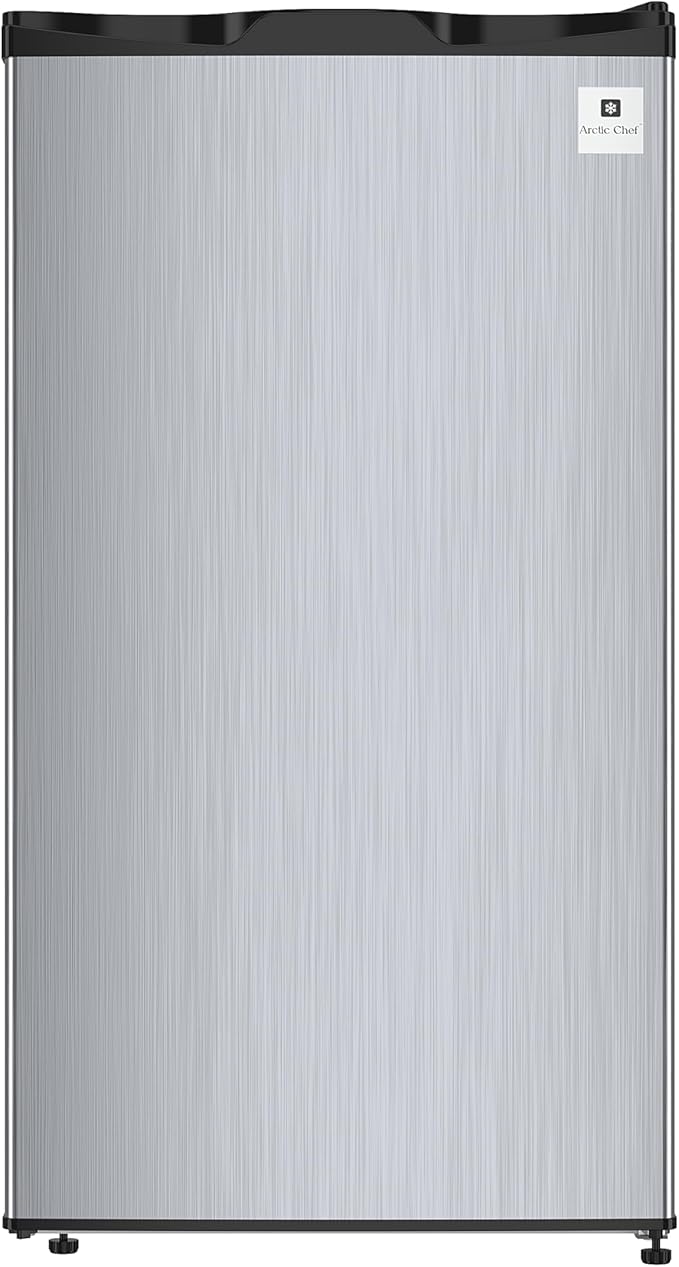
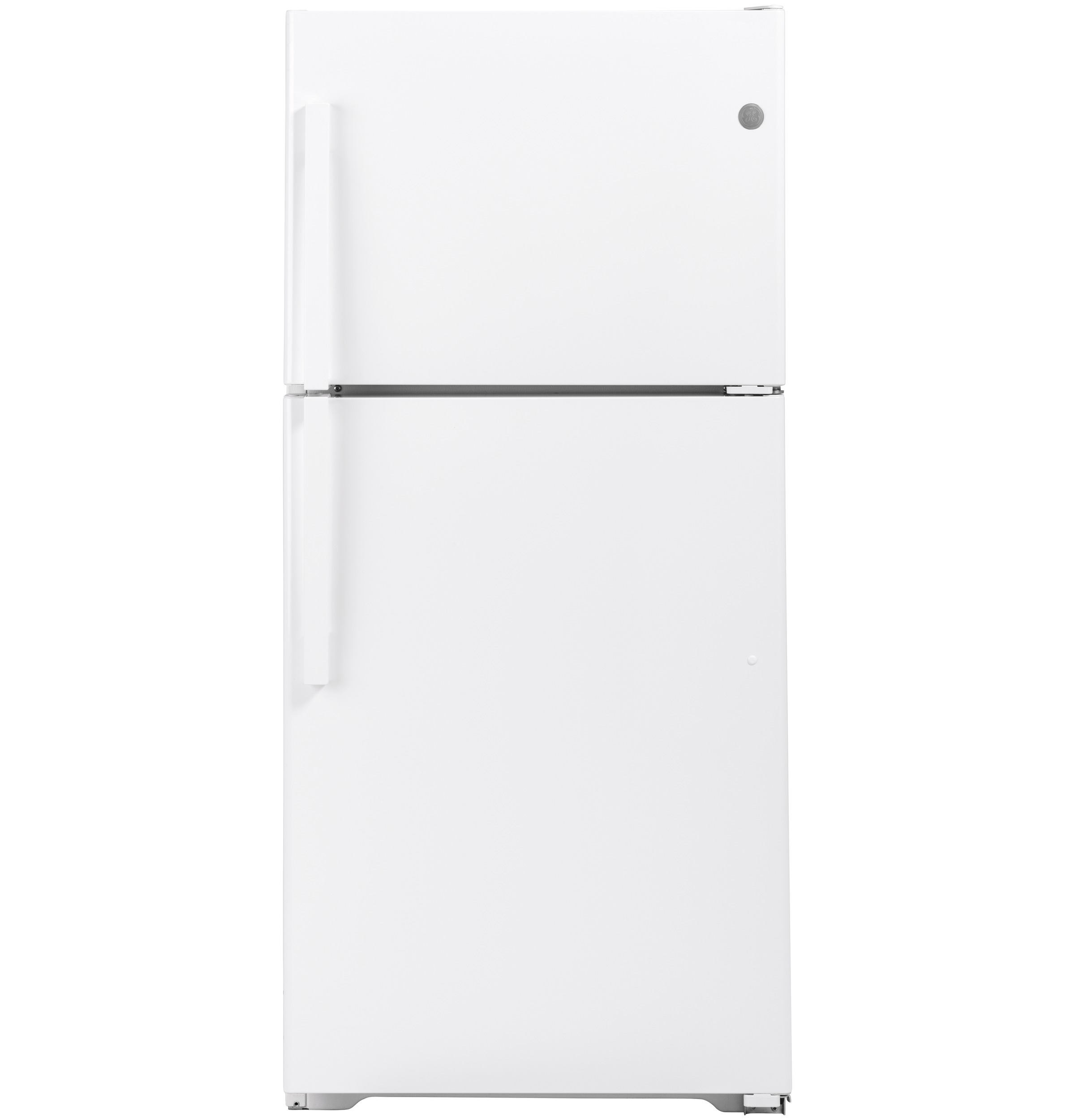
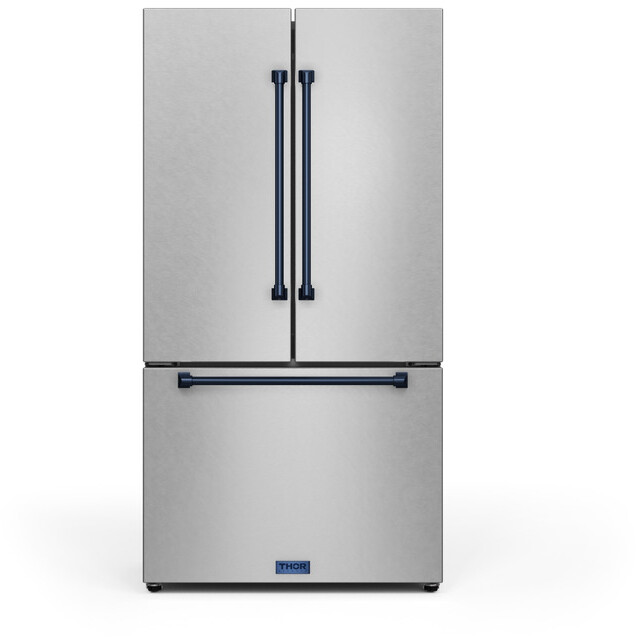
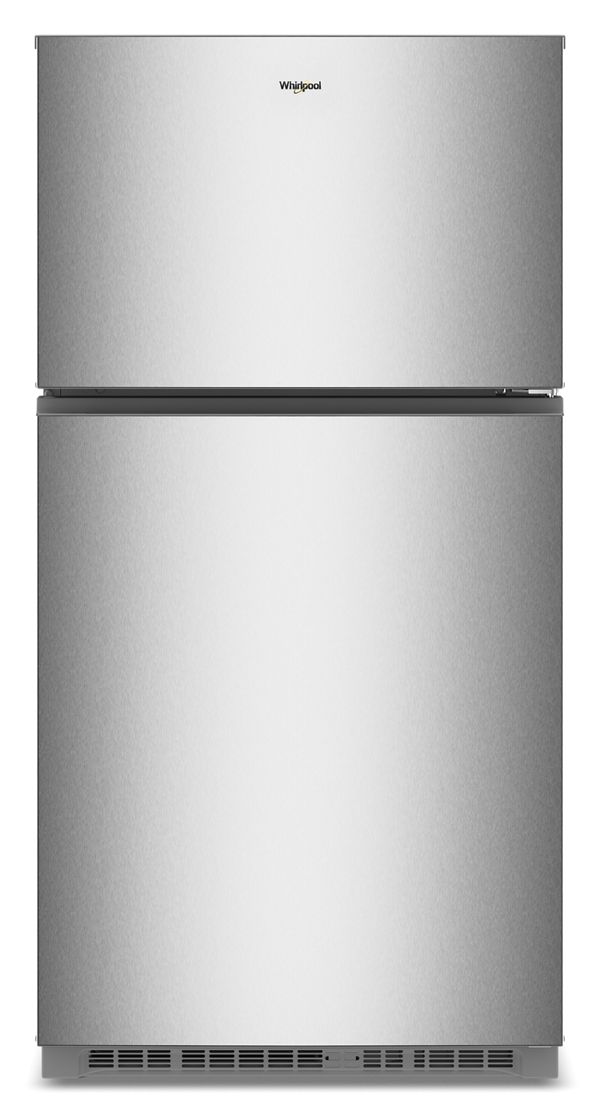
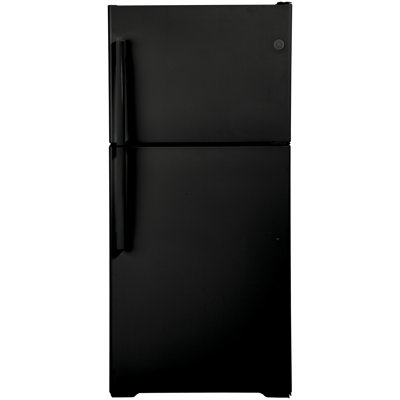
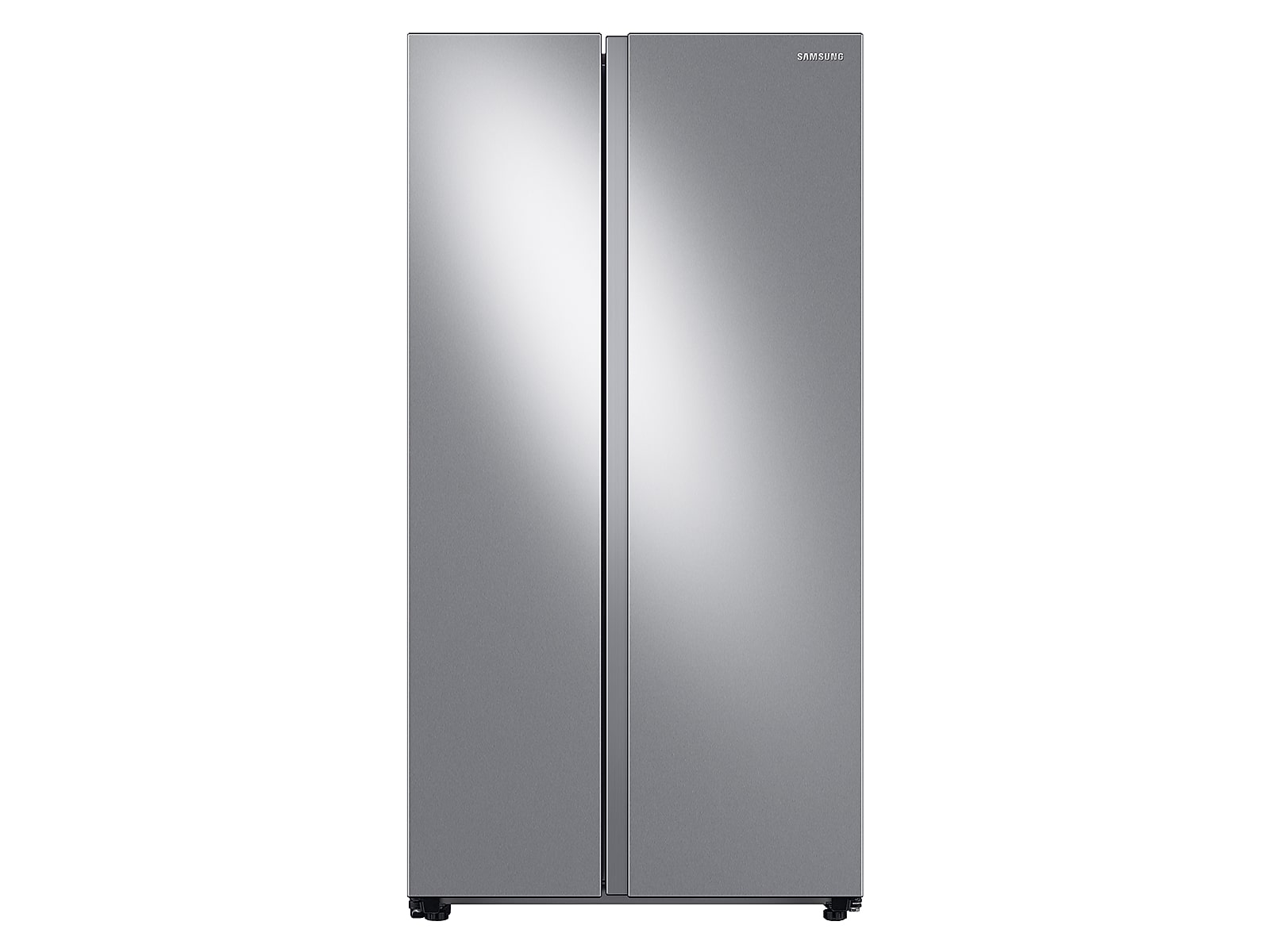
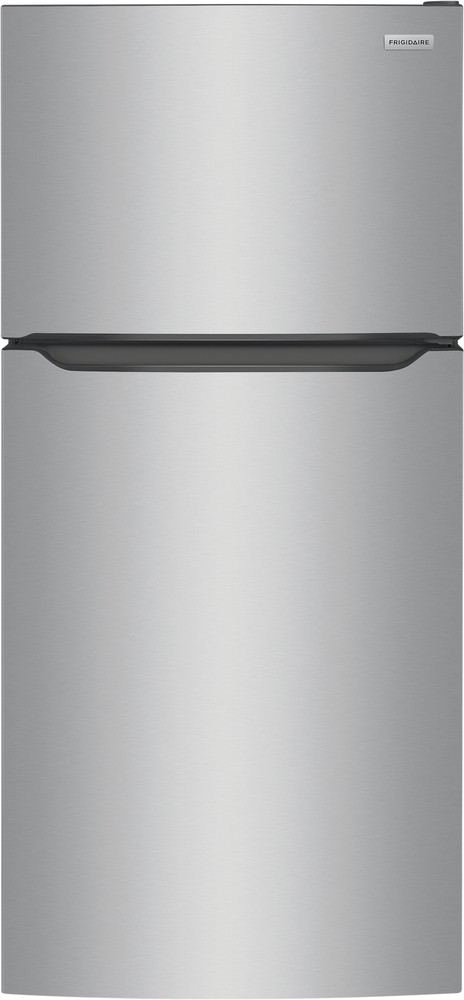
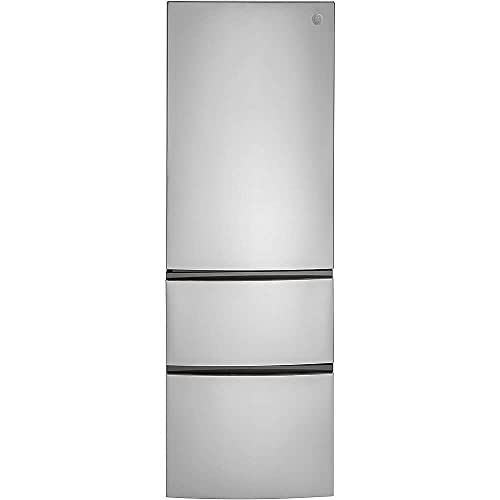
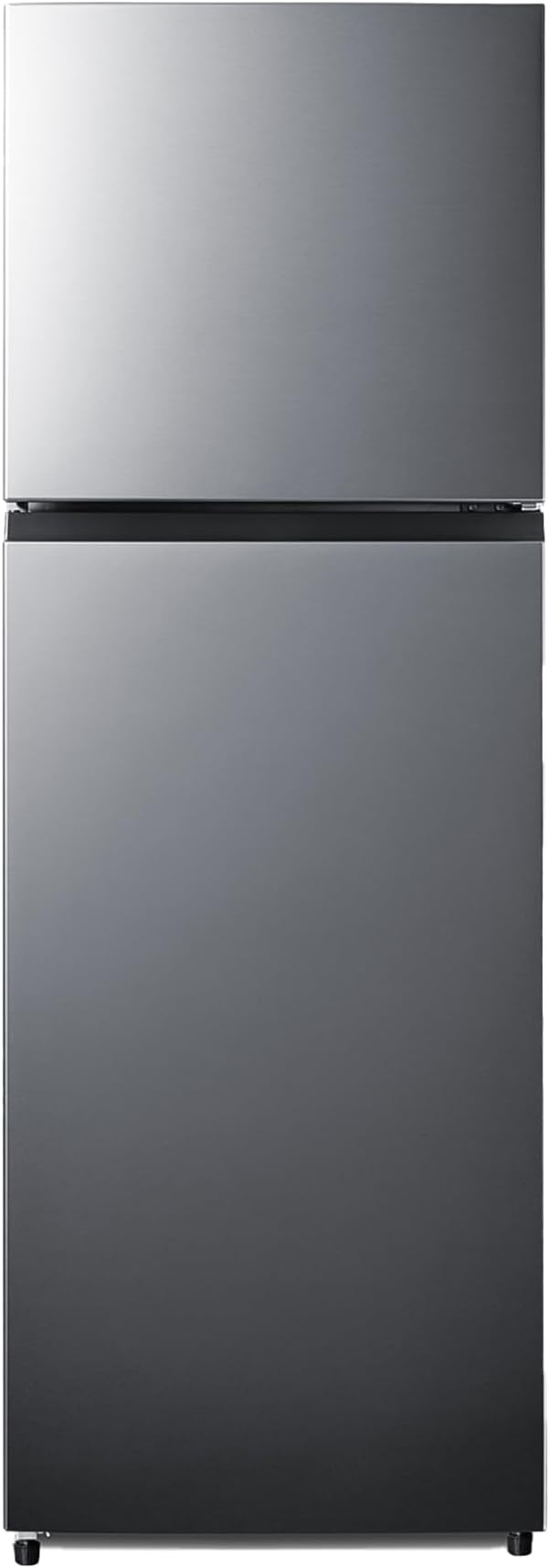
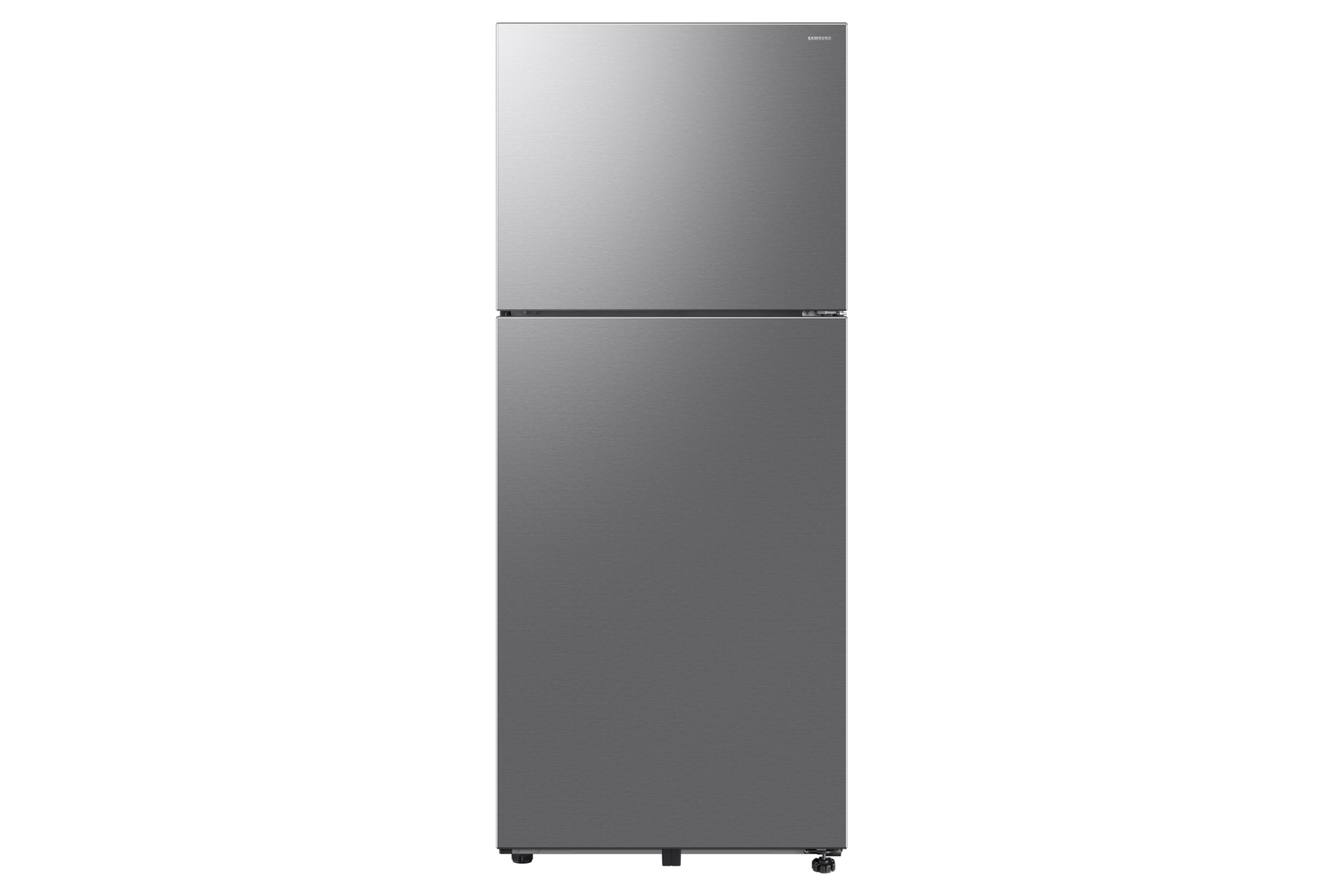
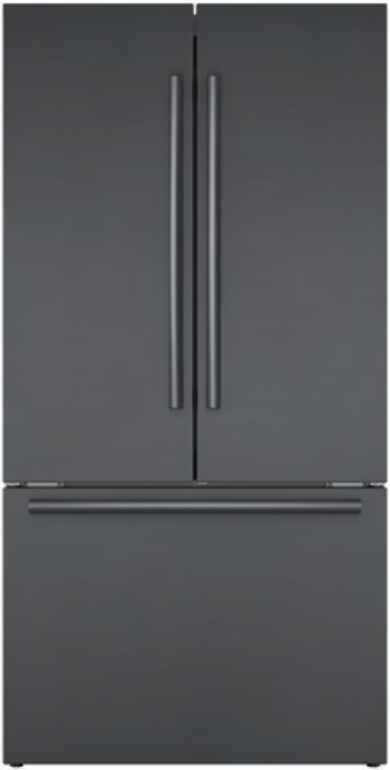
Both smart and traditional fridges maintain the recommended temperature range of 35 to 38 degrees Fahrenheit for the fresh food compartment and 0 degrees Fahrenheit for the freezer.
A quality traditional French door refrigerator from a major brand typically costs between $1,200 and $2,500.
Repair costs are generally manageable, with most common fixes running between $150 and $400.
A standard 25-cubic-foot traditional French door refrigerator typically uses between 500 and 700 kilowatt-hours per year.
Smart fridges and traditional fridges both keep food cold, but they take fundamentally different approaches to kitchen convenience, energy management, and long-term value. A smart fridge connects to Wi-Fi and offers features like interior cameras, touchscreen displays, and app-based inventory tracking. A traditional fridge focuses on reliable cooling without digital extras. Choosing between them depends on your budget, how you use your kitchen, and whether connected features will actually improve your daily routine. This guide breaks down every major difference so you can make the right call for your household.
What Makes a Fridge "Smart"
A smart refrigerator includes built-in technology that goes beyond basic temperature control. Most models feature a touchscreen panel on the door that can display calendars, recipes, weather updates, and streaming content. Interior cameras let you check what is inside the fridge from your phone while you are at the grocery store. Many smart fridges also support voice assistants like Amazon Alexa or Google Assistant, allowing you to add items to a shopping list, set timers, or control other smart home devices without leaving the kitchen.
The connectivity extends to diagnostics as well. Smart fridges can send alerts when the door is left open, when the water filter needs replacing, or when internal temperatures drift outside the safe range. Some models even track expiration dates and suggest recipes based on what you have on hand. These features sound impressive, but they also add complexity, cost, and potential points of failure that traditional fridges simply do not have.
What Defines a Traditional Fridge
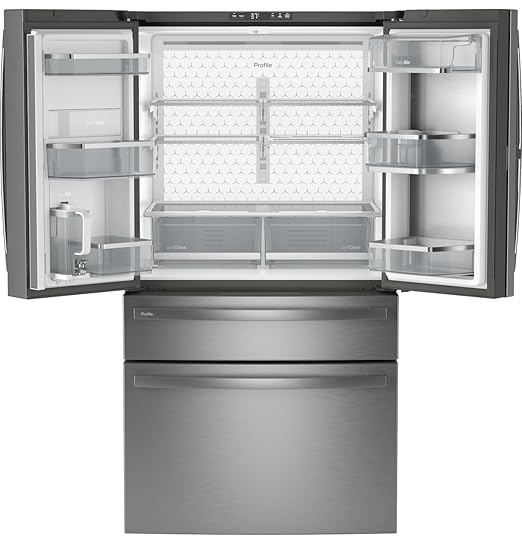
A traditional refrigerator is any model that cools food using a compressor-based system without internet connectivity or digital extras. These fridges come in every configuration — top-freezer, bottom-freezer, side-by-side, and French door — and range from basic apartment-sized units to premium stainless steel models with advanced temperature zoning. What they all share is simplicity. You plug them in, set the temperature, and they run quietly for years with minimal maintenance.
Traditional fridges have benefited from decades of engineering refinement. Modern models are significantly more energy-efficient than units from even ten years ago, and many include features like adjustable shelving, humidity-controlled crisper drawers, and built-in ice makers. They deliver everything most households actually need without requiring software updates or an internet connection to function properly.
Both smart and traditional fridges maintain the recommended temperature range of 35 to 38 degrees Fahrenheit for the fresh food compartment and 0 degrees Fahrenheit for the freezer. The core cooling technology is identical — a compressor circulates refrigerant through evaporator coils to absorb heat from the interior. Where they differ is in monitoring and response. Smart fridges can alert you via smartphone notification if the temperature rises due to a door left ajar or a power interruption. Traditional fridges rely on a simple audible alarm or no alert at all.
Some premium smart models use multiple temperature sensors distributed throughout the interior to maintain more consistent cooling across different zones. However, many mid-range traditional fridges also include dual evaporator systems that independently regulate the fridge and freezer compartments, delivering comparable temperature stability without any digital interface. For everyday food preservation, both types perform equally well when properly maintained.
Energy consumption is one area where traditional fridges often hold an advantage. A standard 25-cubic-foot traditional French door refrigerator typically uses between 500 and 700 kilowatt-hours per year. A comparable smart fridge consumes 600 to 800 kilowatt-hours annually because the touchscreen, Wi-Fi module, cameras, and processors draw additional power around the clock. That difference translates to roughly $15 to $30 more per year on your electricity bill depending on local rates.
Smart fridges do offer energy management features that can partially offset this gap. Some models learn your usage patterns and adjust cooling cycles to run the compressor less frequently during periods when the door is rarely opened, like overnight. Others display real-time energy consumption data so you can adjust habits accordingly. However, these savings rarely eliminate the overhead of powering the smart components themselves. If minimizing electricity costs is a priority, a traditional Energy Star-rated fridge remains the more efficient choice.
Upfront Cost and Long-Term Value
The price gap between smart and traditional fridges is substantial. A quality traditional French door refrigerator from a major brand typically costs between $1,200 and $2,500. A comparable smart fridge with a touchscreen, cameras, and full connectivity starts around $2,500 and can exceed $4,500 for top-tier models. That is a premium of $1,000 to $2,000 purely for the smart features.
Long-term value depends on how much you actually use those features. Surveys consistently show that many smart fridge owners stop using the touchscreen apps and camera features within the first year, treating the appliance as a regular fridge after the novelty wears off. If that happens, you have paid a significant premium for features you no longer use. On the other hand, households that fully integrate the fridge into their smart home ecosystem — using it as a hub for meal planning, grocery ordering, and family scheduling — may find genuine ongoing value in the investment.
Traditional fridges have a clear advantage in reliability. With fewer electronic components, there are simply fewer things that can break. A traditional fridge from a reputable manufacturer typically lasts 15 to 20 years with only occasional maintenance like replacing a water filter or door gasket. Repair costs are generally manageable, with most common fixes running between $150 and $400.
Smart fridges introduce additional failure points. The touchscreen can malfunction, the Wi-Fi module can stop connecting, cameras can fail, and software glitches can affect temperature regulation in rare cases. Repairs for smart components are significantly more expensive — a touchscreen replacement alone can cost $500 to $1,000. Software issues may require manufacturer support that becomes unavailable if the company discontinues support for your model. The average lifespan of smart fridges is less well-established since the technology is relatively new, but the additional electronic complexity suggests they may not match the longevity of traditional models.
Smart fridges offer genuine convenience features that traditional models cannot match. Checking your fridge contents remotely while shopping eliminates the guessing game of whether you need milk or eggs. Voice control lets you set timers or add items to a shopping list while your hands are covered in flour. The touchscreen can display step-by-step recipes at eye level, which is more convenient than propping up a phone or tablet on the counter.
However, traditional fridges offer a different kind of convenience — the convenience of simplicity. There are no software updates to install, no login credentials to remember, no apps to download, and no learning curve. The controls are intuitive mechanical dials or simple digital panels that anyone in the household can operate without instruction. For households with older family members or anyone who prefers appliances that just work without fuss, the traditional fridge's straightforward operation is a genuine advantage.
If you already have a connected home with smart speakers, smart lights, and automated routines, a smart fridge can serve as a natural extension of that ecosystem. Many smart fridges integrate with platforms like Samsung SmartThings, LG ThinQ, or Amazon Alexa to participate in automated routines. For example, the fridge camera could trigger a notification when you arrive at the grocery store, or the touchscreen could display your smart doorbell's video feed when someone rings.
Traditional fridges exist entirely outside the smart home ecosystem. They cannot communicate with other devices, receive commands, or participate in automated routines. For households that do not use smart home technology — which is still the majority — this is irrelevant. But for tech-forward households that want a unified connected experience, the traditional fridge creates a gap in the ecosystem that a smart fridge would fill.
Privacy and Security Considerations
Smart fridges collect data about your habits — when you open the door, what food you keep inside (via cameras), your shopping patterns, and your household routines. This data is typically stored on the manufacturer's cloud servers and may be shared with third parties for advertising or product development purposes. While manufacturers generally outline this in their privacy policies, many consumers do not realize the extent of data collection when they purchase a smart appliance.
There are also cybersecurity concerns. Any internet-connected device is a potential entry point for hackers, and smart fridges have been identified as among the least secure IoT devices in some security audits. A compromised smart fridge could potentially give attackers access to your home network. Traditional fridges collect no data, transmit no information, and present zero cybersecurity risk — a significant advantage for privacy-conscious households.
A smart fridge makes the most sense for tech-enthusiastic households that already use smart home devices and want a fully connected kitchen experience. It is also a strong choice for busy families who benefit from remote grocery management, shared family calendars on the fridge door, and voice-controlled kitchen assistance. If you frequently forget what is in your fridge and end up buying duplicates, the interior cameras can genuinely save you money on wasted groceries over time.
Who Should Stick With a Traditional Fridge
A traditional fridge is the better choice for budget-conscious buyers, anyone who prioritizes reliability and longevity, and households that prefer simple appliances without digital complexity. It is also the right pick for privacy-conscious consumers who do not want a camera and microphone in their kitchen. If you are replacing an aging fridge and just want something that keeps food cold for the next 15 to 20 years without fuss, a well-rated traditional model delivers exactly that at a significantly lower cost.
Common Mistakes When Choosing Between Smart and Traditional Fridges
The most frequent mistake is buying a smart fridge based on the showroom experience without considering long-term use. Touchscreens and demos look impressive in stores, but many owners find they rarely use the smart features after the first few months. Another common error is assuming smart features improve cooling performance — they do not. The refrigeration technology is fundamentally the same in both types. The smart features are purely about convenience and connectivity, not better food preservation.
On the other side, some buyers dismiss smart fridges entirely without considering whether specific features would genuinely improve their routine. If you consistently waste food because you lose track of what is in the fridge, or if you frequently make unnecessary grocery trips because you cannot remember what you need, a smart fridge's cameras and inventory tracking could deliver real savings. The key is honestly evaluating which features you will actually use daily versus which ones sound appealing in theory.
Compare prices on Fridge.com
Whether you want cutting-edge smart technology or proven traditional reliability, Fridge.com carries both options from top brands. Browse Fridge.com full selection of refrigerators to find models with the features that matter most to your household. Check out our French door refrigerators for spacious smart and traditional options, or explore our side-by-side refrigerators for a classic configuration. Every purchase ships with free delivery and our price-match guarantee.
Frequently Asked Questions
No — identical cooling systems. The smart features are technology additions, not cooling improvements. Food preservation is the same either way. The premium buys connected features, not better refrigeration. Compare at Fridge.com.
From Fridge.com research
Figures below come from data Fridge.com builds and maintains. Each links to the record behind it.
Fridge.com Energy Index, built on U.S. EPA and DOE ENERGY STAR records
Across 5,455 ENERGY STAR certified refrigerators and freezers from 263 brands, median use is 360 kWh per year.