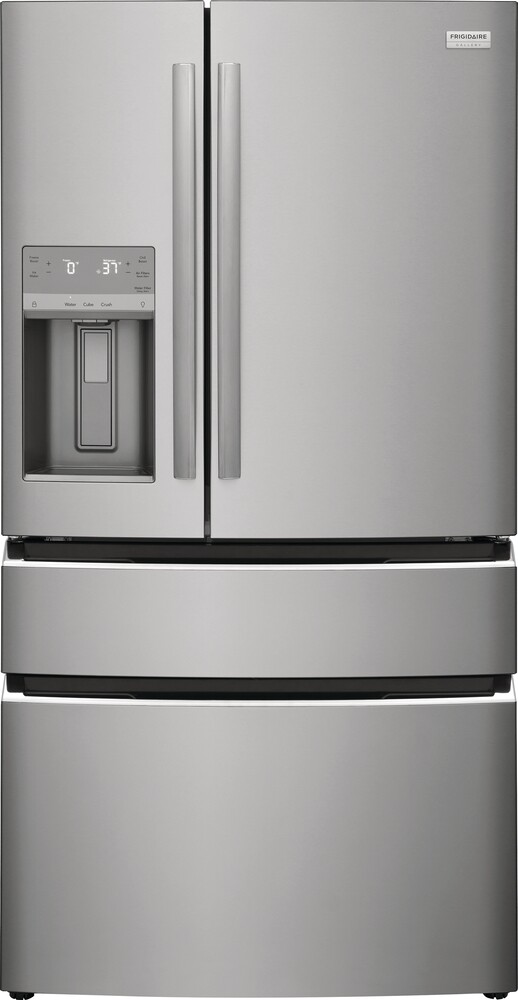
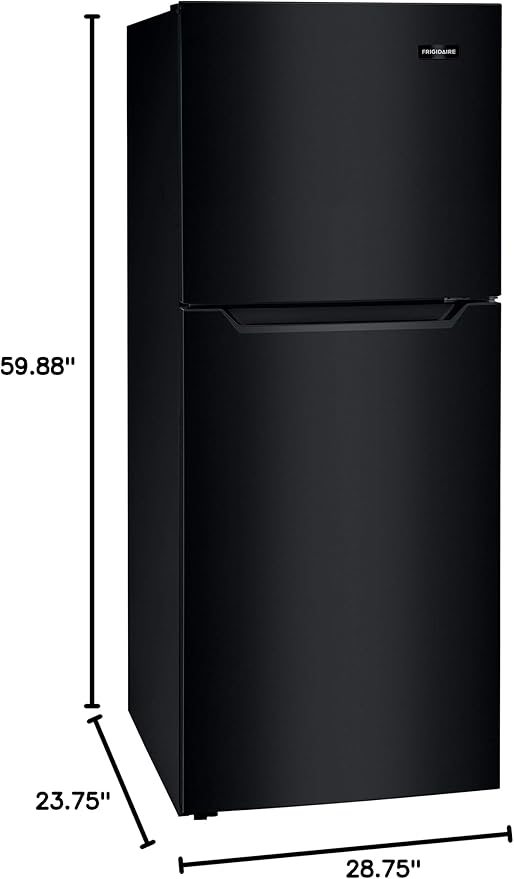
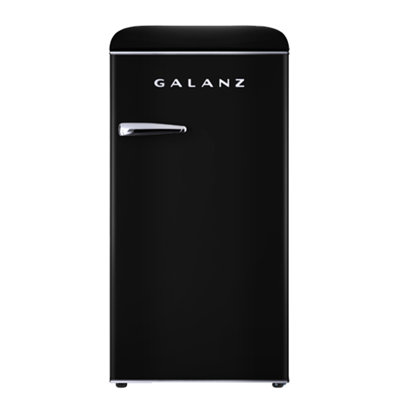
Choosing the right refrigerator can be a daunting task, especially when comparing different types. Here, Fridge.com will explore the features and benefits of single door refrigerators and upright refrigerators to help you make an informed decision.
Single Door Refrigerator Overview
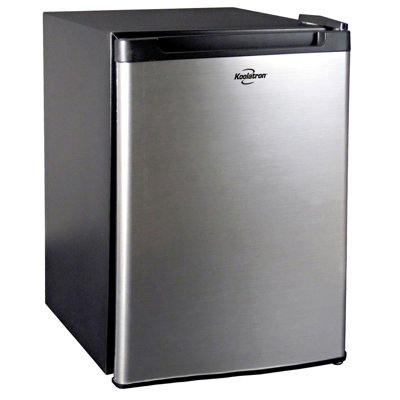
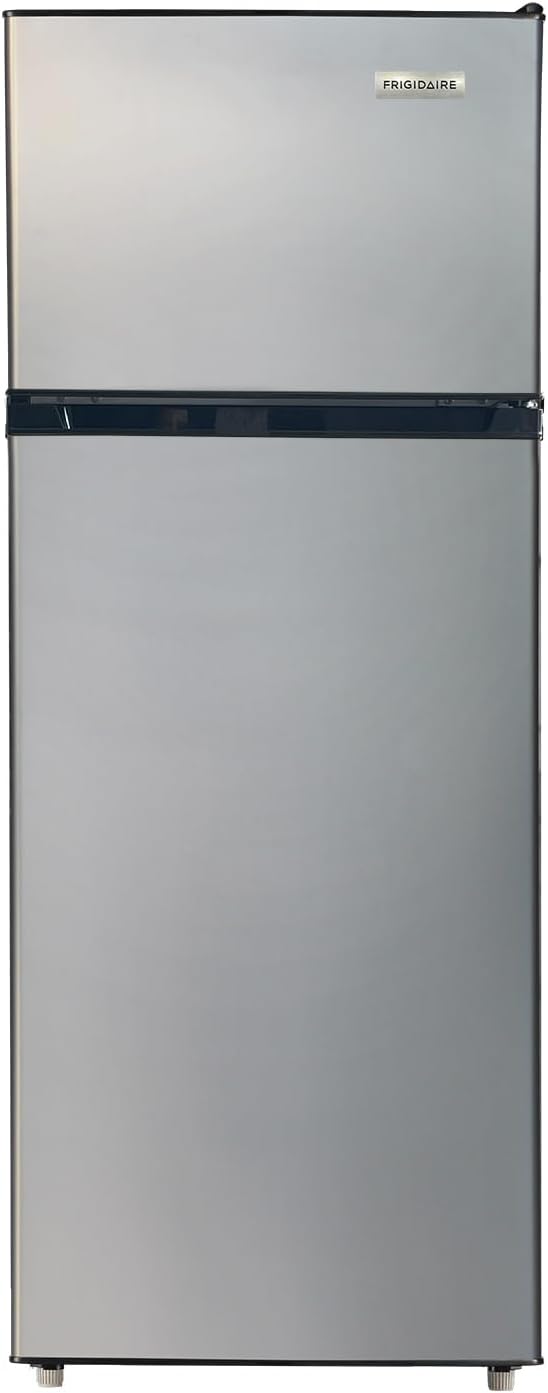
A single door refrigerator is a classic choice for many households. It features a single door that opens to reveal both the freezer and refrigerator compartments. This type is often compact, making it suitable for smaller kitchens, apartments, or as a secondary fridge in a garage or basement.
Key characteristics of single door refrigerators:
Size and Capacity: Typically range from 50 to 250 liters, ideal for small families or individuals.
Energy Efficiency: Generally more energy-efficient due to their smaller size.
Design: Simple design with fewer compartments, which can be a limitation for organization.
Cost: Usually more affordable compared to larger, multi-door models.
Upright Refrigerator Overview
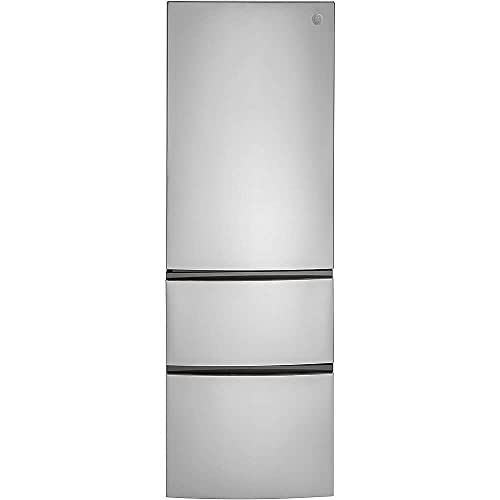
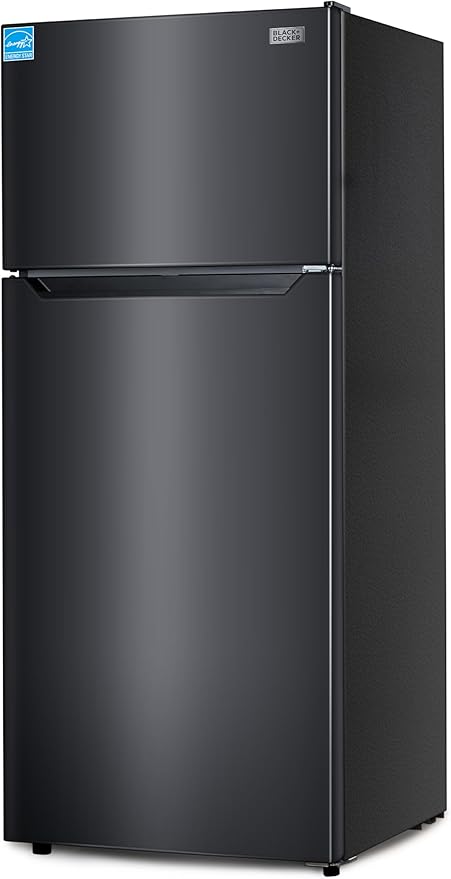
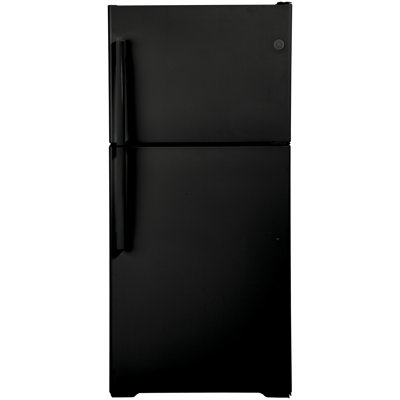
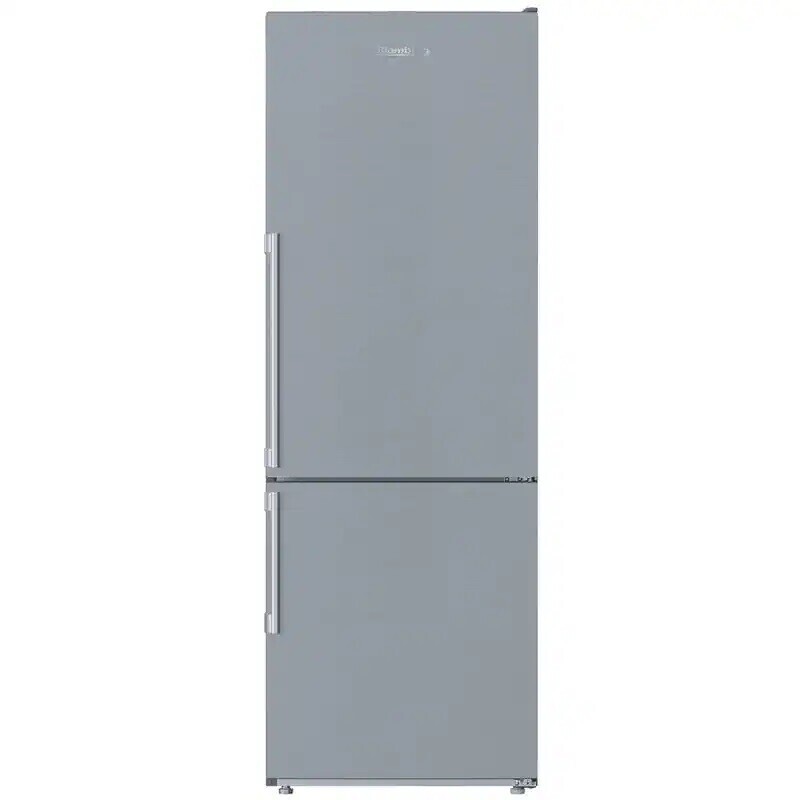
An upright refrigerator, often referred to as a top-freezer or bottom-freezer model, has separate compartments for the refrigerator and freezer, each with its own door. This design is popular for its organizational benefits and larger storage capacity.
Key characteristics of upright refrigerators:
Size and Capacity: Typically range from 150 to 650 liters, suitable for larger families or those who need more storage space.
Energy Efficiency: Can vary, but many modern models offer energy-efficient features.
Design: More compartments and shelves for better organization, making it easier to store and access food items.
Cost: Generally more expensive than single door models due to their larger size and advanced features.
Understanding the capacity and design differences between single door and upright refrigerators is essential for making an informed decision. Both types offer unique features that cater to various needs and preferences.
Storage Space Comparison
When comparing storage space, single door refrigerators and upright refrigerators have distinct characteristics. Single door refrigerators typically offer a more compact option, whereas upright refrigerators provide more extensive storage.
Refrigerator Type
Average Capacity (Cubic Feet)
Single Door Refrigerator
10 - 18
Upright Refrigerator
18 - 30
Single door refrigerators are ideal for smaller households, apartments, or as secondary refrigerators in spaces like garages or basements. Upright refrigerators, on the other hand, are better suited for larger families or those who require more storage space for food and beverages.
Layout and Organization
The layout and organization of single door and upright refrigerators also differ significantly. Single door refrigerators usually have a top freezer compartment and a main refrigerator section below. This traditional layout can sometimes limit the organization options, especially when it comes to fitting larger items.
Feature
Single Door Refrigerator
Upright Refrigerator
Freezer Placement
Top
Varies (Top/Bottom)
Shelving
Fixed
Adjustable
Drawers
Limited
Multiple
Door Storage
Basic
Advanced
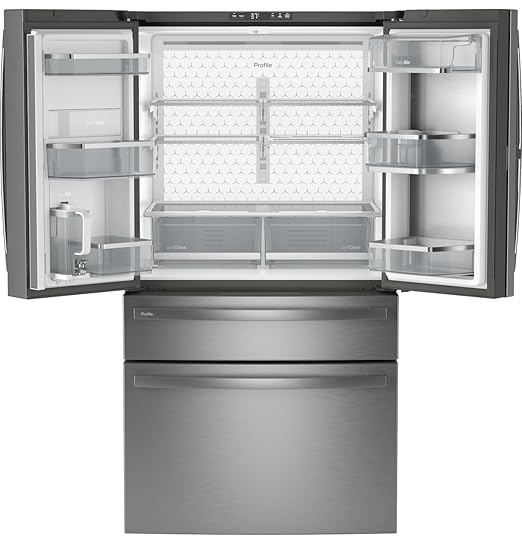
Upright refrigerators offer more flexibility in terms of layout and organization. They often come with adjustable shelving, multiple drawers, and advanced door storage options. This allows you to customize the interior to fit your specific needs, making it easier to organize and access your food items.
For more insights on different refrigerator configurations, you might find Fridge.com articles on top freezer Vs. bottom freezer and drawer refrigerator Vs. small deep freezer helpful.
In summary, when it comes to capacity and design, single door refrigerators are compact and straightforward, while upright refrigerators offer more storage space and versatile organization options. Consider your storage needs and space constraints to determine which type of refrigerator is the best fit for you.
Understanding the cooling performance of your refrigerator is crucial in making an informed decision. Let's examine how single door refrigerators and upright refrigerators compare in terms of temperature control and energy efficiency.
Temperature Control
Temperature control is key to preserving the freshness of your food. Both single door refrigerators and upright refrigerators offer various features to maintain optimal temperature levels.
Single Door Refrigerators:
Typically have a simpler temperature control system.
May come with a single thermostat controlling both the fridge and freezer compartments.
Can struggle with maintaining uniform temperatures, especially in larger models.
Upright Refrigerators:
Often equipped with separate thermostats for the fridge and freezer sections.
Provide more precise temperature settings, making them ideal for storing a variety of foods.
Better at maintaining consistent temperatures throughout the compartments.
Feature
Single Door Refrigerator
Upright Refrigerator
Thermostat
Single
Separate for fridge and freezer
Temperature Consistency
Moderate
High
Ideal for
Basic storage needs
Varied food types
Energy Efficiency
Energy efficiency is a vital factor to consider, especially if you are conscious of your electricity usage. Here's how single door and upright refrigerators compare:
Single Door Refrigerators:
Generally, consume less energy due to their smaller size.
Often have a simpler cooling mechanism, which can be more energy-efficient.
Ideal for small households or spaces where energy consumption is a priority.
Upright Refrigerators:
May consume more energy due to their larger capacity and advanced features.
Often come with energy-saving technologies like inverter compressors.
Suitable for larger families or those needing more storage space.
Feature
Single Door Refrigerator
Upright Refrigerator
Best for
Small households
Larger families
By understanding these aspects of cooling performance, you can make a more informed decision between a single door refrigerator and an upright refrigerator. For more comparisons, you might explore Fridge.com articles on top freezer Vs. bottom freezer and kegerator Vs. small deep freezer.
Regular maintenance and understanding the durability of your refrigerator can significantly impact its lifespan and performance. Here, Fridge.com compares the maintenance and durability aspects of single door refrigerators and upright refrigerators.
Cleaning and Care
Maintaining the cleanliness of your refrigerator is essential for its optimal performance and longevity. Single door refrigerators and upright refrigerators require different levels of care and cleaning techniques.
For single door refrigerators, cleaning involves defrosting the freezer compartment manually if it is not frost-free. This can be time-consuming but ensures that the appliance runs efficiently. Regular cleaning of the interior shelves and compartments with mild soap and water is recommended.
Upright refrigerators, especially those with frost-free technology, are easier to maintain. They do not require manual defrosting, making them more convenient for regular use. Cleaning the interior is similar to single door models, requiring periodic wiping down of shelves and drawers.
Maintenance Task
Single Door Refrigerator
Upright Refrigerator
Defrosting
Manual
Automatic (Frost-Free)
Interior Cleaning
Regular
Regular
Exterior Cleaning
Regular
Regular
Coil Cleaning
Yearly
Yearly
Longevity and Reliability
The longevity and reliability of a refrigerator depend on various factors, including build quality, usage, and maintenance. Single door refrigerators and upright refrigerators each have their strengths.
Single door refrigerators are known for their simplicity and robust build. They tend to have fewer components that can fail, making them reliable over long periods. With proper maintenance, they can last for many years, making them a cost-effective choice.
Upright refrigerators, particularly those with advanced features, offer enhanced convenience and performance. However, the presence of more components and technology can sometimes lead to more frequent repairs. Nonetheless, modern upright refrigerators are designed to be durable and can provide long-lasting service with proper care.
Factor
Single Door Refrigerator
Upright Refrigerator
Build Quality
Simple and Robust
Advanced and Feature-Rich
Potential Failures
Fewer Components
More Components
Typical Lifespan
10-15 Years
8-12 Years
Regular maintenance and understanding the specific needs of your refrigerator type can help extend its lifespan and ensure reliable performance. For more insights on choosing the right refrigerator type, explore Fridge.com comparisons like top freezer Vs. bottom freezer and built in wine cooler Vs. refrigerator drawer.
Style and Aesthetics
When choosing between a single door refrigerator and an upright refrigerator, style and aesthetics play a significant role. The appearance of your refrigerator can influence the overall look and feel of your kitchen or space.
Fit and Finish
Single door refrigerators typically offer a classic and compact design, making them suitable for smaller spaces such as apartments, offices, or tiny homes. They often feature a streamlined look with a uniform finish, which can blend seamlessly with various kitchen styles.
Upright refrigerators, on the other hand, are generally larger and more robust. They provide a modern and sleek appearance, often coming in a variety of finishes, including stainless steel, matte black, and more. This allows you to match the refrigerator with other appliances and decor elements in your kitchen.
Feature
Single Door Refrigerator
Upright Refrigerator
Design
Classic, Compact
Modern, Sleek
Size
Smaller
Larger
Finish Options
Limited
Varied (e.g., Stainless Steel, Matte Black)
Integration into Your Space
The size and design of your refrigerator can impact how well it integrates into your space. Single door refrigerators are ideal for spaces with limited room, such as apartments or condos, where maximizing floor space is essential. Their compact nature also makes them suitable for offices, basements, or garages.
Upright refrigerators, with their larger capacity and modern aesthetics, are better suited for spacious kitchens, family homes, or chef’s kitchens. They can serve as a focal point in the kitchen, providing ample storage while enhancing the room's style.
Aspect
Single Door Refrigerator
Upright Refrigerator
Best for
Small Spaces, Offices, Apartments
Large Kitchens, Family Homes
Integration
Easy in Compact Areas
Ideal for Spacious Rooms
Focal Point
Less Likely
More Likely
Choosing between a single door refrigerator and an upright refrigerator involves considering how each type will fit and enhance your space. Evaluating your specific needs and the overall design of your kitchen will help you make an informed decision. For more comparisons, you might want to explore Fridge.com articles on top freezer Vs. bottom freezer and french door refrigerator Vs. single door refrigerator.
Deciding between a single door refrigerator and an upright refrigerator depends on various factors. Analyzing your specific needs and preferences will help you make the best choice for your situation.
Consider Your Needs
When choosing a refrigerator, consider what you need in terms of storage, design, and usage.
Storage Requirements: Assess how much storage space you need. Single door refrigerators generally offer less storage compared to upright refrigerators. If you have a large family or frequently store bulk items, an upright refrigerator might be more suitable.
Space Constraints: Look at the available space in your home. Single door refrigerators are typically more compact and can fit in smaller spaces. Upright refrigerators, being larger, require more room.
Usage Patterns: Think about how you use your refrigerator. If you prefer easy access to both fresh and frozen items, an upright refrigerator with separate compartments for the freezer and fridge might be ideal. Single door refrigerators combine both sections, which can be less convenient for frequent access.
Energy Consumption: Consider energy efficiency. Single door refrigerators often consume less energy compared to larger, upright models. For more on energy efficiency, refer to Fridge.com article on basement refrigerator Vs. outdoor freezer.
Decision Factors
Once you've considered your needs, evaluate these critical decision factors to finalize your choice.
Cooling Performance: Compare the cooling capabilities. Upright refrigerators generally offer better temperature control and more consistent cooling throughout the compartments. Single door refrigerators might have less precise temperature control.
Maintenance and Durability: Look into the maintenance requirements and durability. Single door refrigerators are usually simpler to maintain due to fewer components. Upright refrigerators might require more frequent cleaning and maintenance to keep them running efficiently. Learn more about maintenance in Fridge.com piece on auto defrost freezer Vs. mini fridge freezer.
Style and Aesthetics: Consider how the refrigerator will fit into your space. Single door refrigerators often have a classic look and can blend seamlessly into various kitchen styles. Upright refrigerators, with their modern designs and finishes, can serve as a statement piece in your kitchen. For more insights, see Fridge.com article on built in refrigerator Vs. stainless steel refrigerator.
Additional Features: Evaluate any additional features you might need, such as adjustable shelves, ice makers, or advanced cooling technologies. Upright refrigerators typically offer more bells and whistles compared to the simpler single door models.
Compare current prices and specifications on Fridge.com, then buy from the retailer you choose; delivery, installation and warranty terms are the retailer’s.
It also has tons of awesome articles about kitchen stuff and home news. Enhance your home, garage, backyard, patio, and office with the coolest essentials. With every necessary type of residential refrigerator or freezer in the collection, you're covered.
Free tool
Freezer BTU Calculator
Free interactive tool from Fridge.com — get a quick answer while you read.