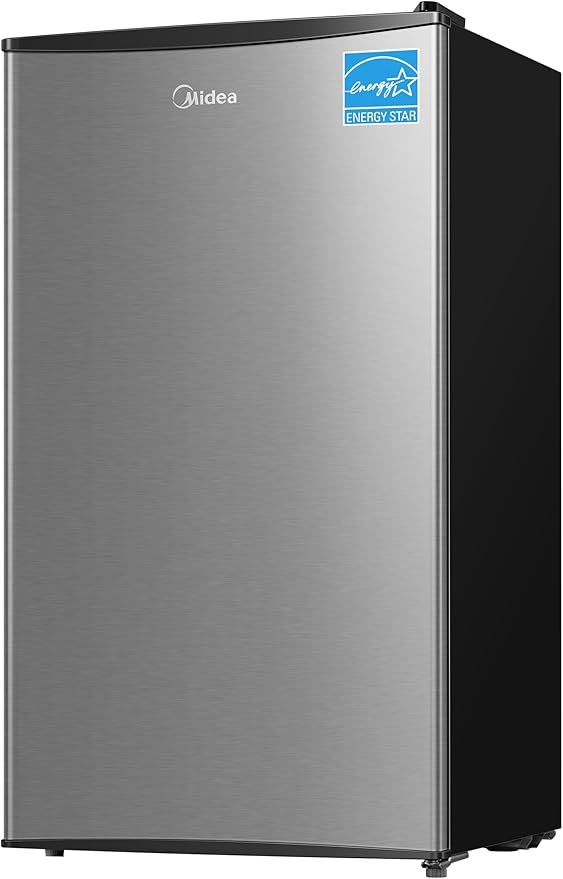
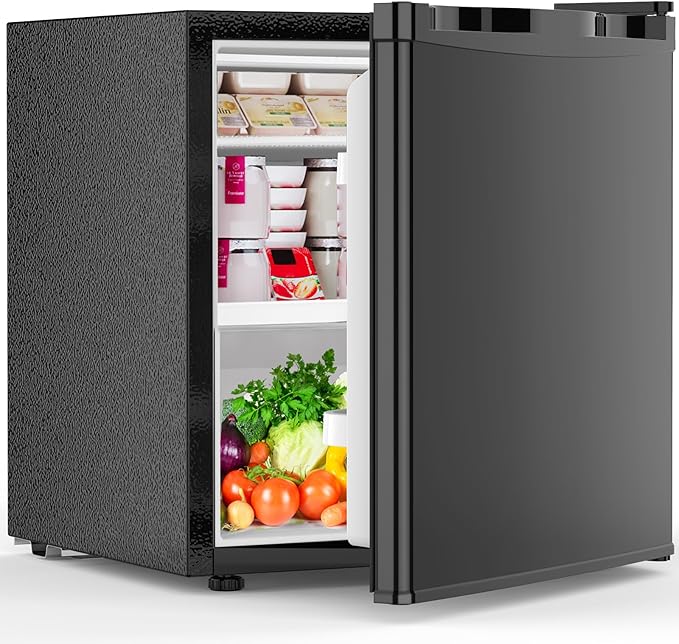
Freestanding drawer refrigerators offer pull-out drawers under a counter; glass-door mini fridges show contents behind a single door. Both provide cold storage in a small footprint. This guide compares them.
Drawer Refrigerator
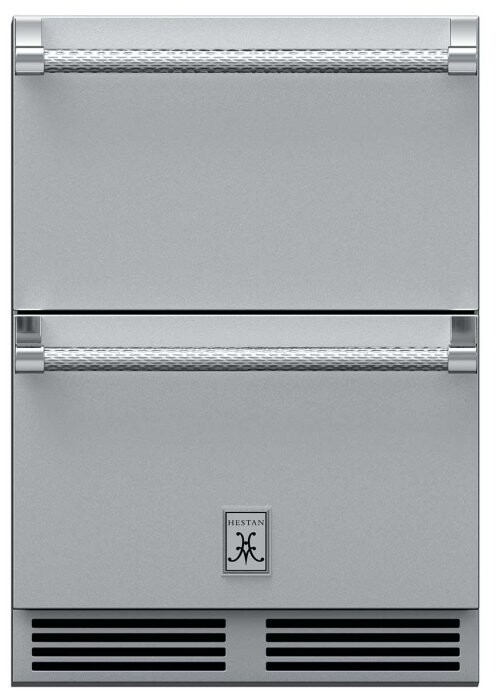
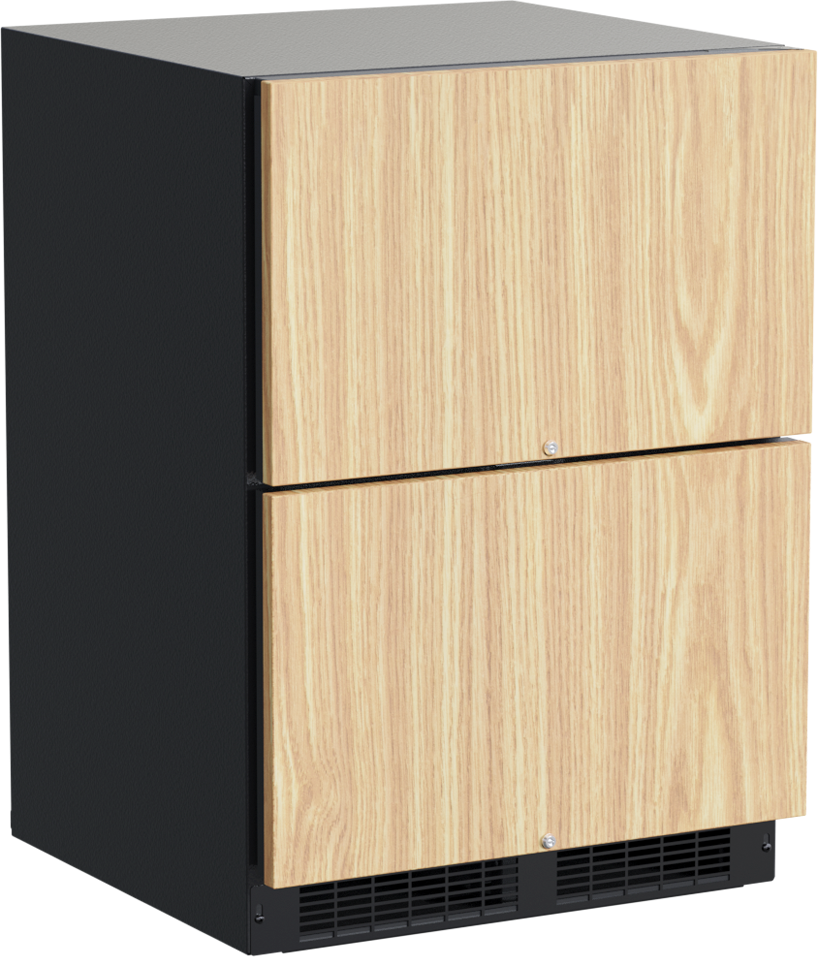
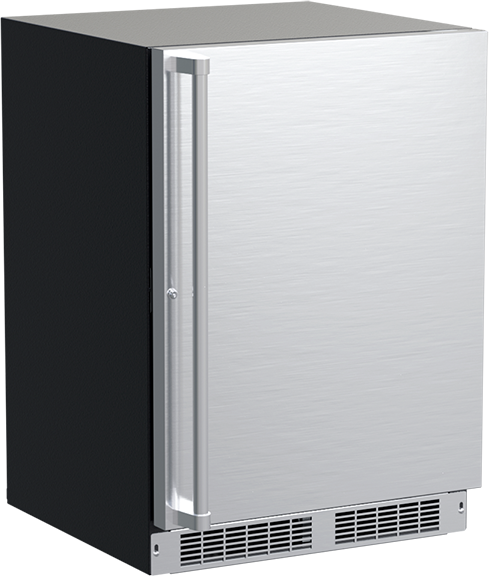
Drawer units have one or more horizontal drawers you pull out. They fit under counters and islands. Capacity is often 5–15 cu ft. You access items by opening a drawer rather than a door. No view of contents until you open the drawer.
Drawer refrigerators are designed for under-counter installation. They are typically 34 to 35 inches tall—the standard height under a 36-inch counter. They have no door swing, so they fit in spaces where a full-height refrigerator would not. The U.S. Department of Energy (DOE) measures capacity in cubic feet; 5 to 15 cubic feet provides meaningful storage for beverages, overflow groceries, or party supplies.
Access pattern differs from a door unit. You pull a drawer to see what is inside. There is no at-a-glance view. That can be a drawback if you want to quickly check contents, but it reduces cold air loss—you open only the drawer you need. Drawer units are often used in bars, butler's pantries, or islands as a secondary fridge.
Drawer refrigerators typically do not have a freezer. They run at 37–40°F as the USDA recommends for perishables. They hold beverages, condiments, overflow groceries, and party supplies. They cannot replace a primary fridge—they lack the capacity and freezer for full grocery storage. Installation requires a 34- to 35-inch cabinet opening and adequate ventilation.
Glass-Door Mini Fridge
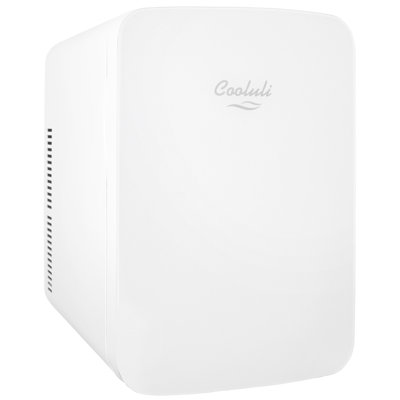
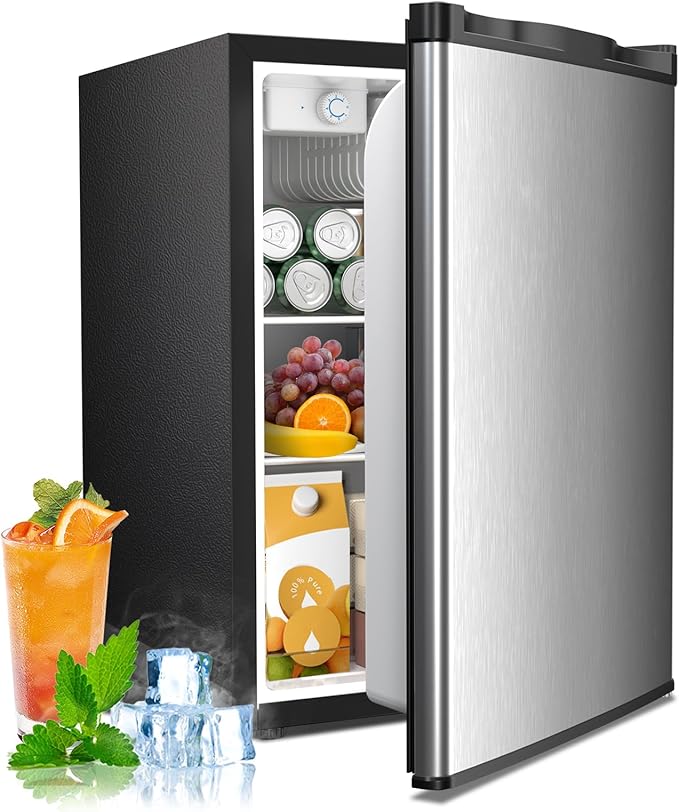
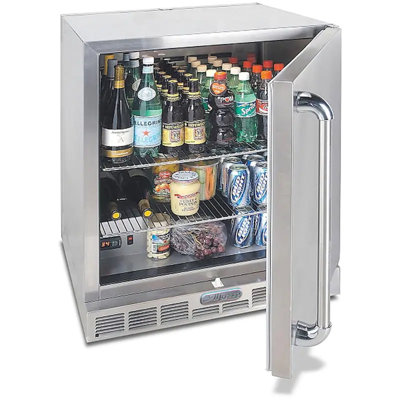
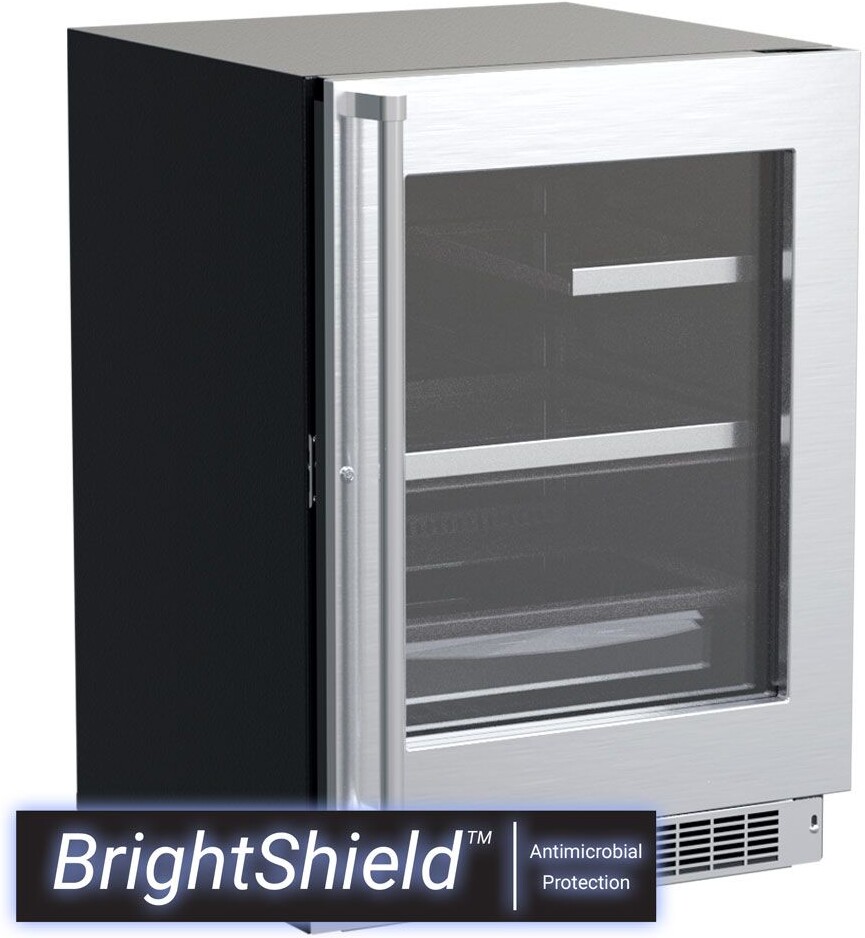
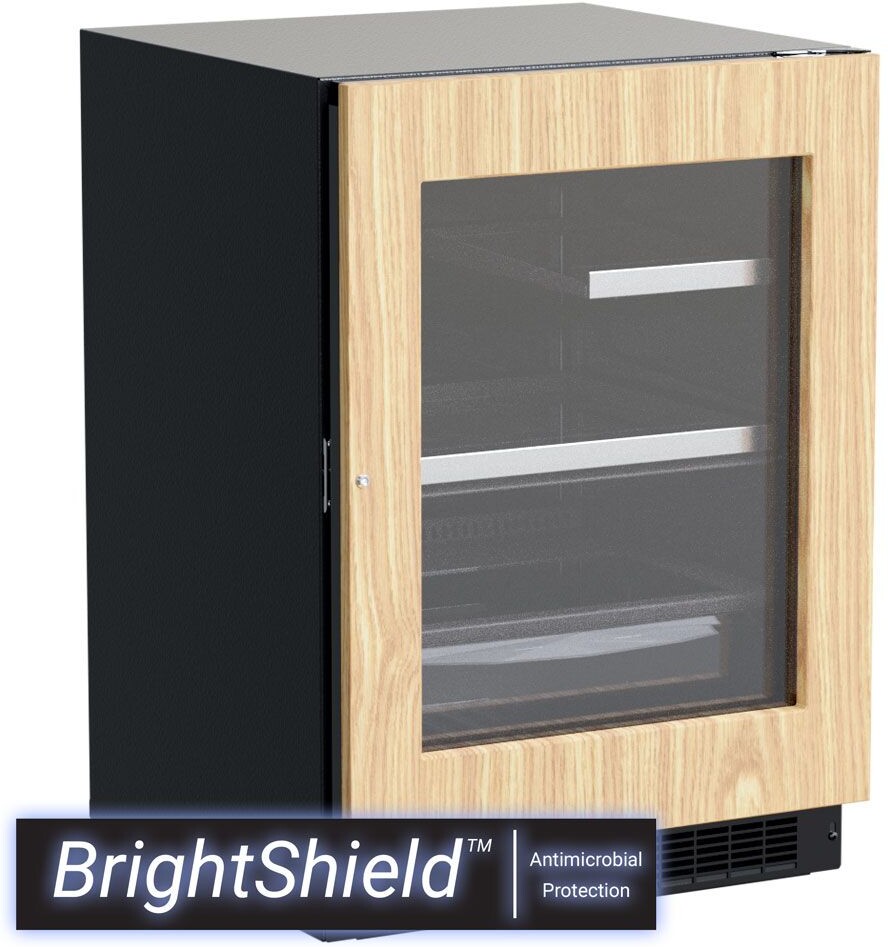
Mini fridges with a glass door let you see inside without opening. They are often 1.5–4.5 cu ft and sit on a counter or floor. Good for drinks and snacks in an office, bar, or dorm. Compact and portable.
Glass doors provide visibility. You can see the contents at a glance—useful for a bar or office where you want to display drinks. The tradeoff is that glass allows more heat transfer than a solid door, and light exposure can affect some beverages. For short-term storage of drinks and snacks, the impact is usually minimal.
Mini fridges are lightweight and portable—often 30 to 50 pounds. They can sit on a counter, under a desk, or in a corner. They plug into a standard outlet and require no installation. The DOE classifies units under 7.75 cubic feet as compact; mini fridges fall in this category with separate efficiency standards.
Glass doors allow more heat transfer than solid doors, which can increase energy use slightly. For short-term storage of drinks and snacks, the impact is usually minimal. The visibility benefit—seeing contents without opening—can reduce door openings, which may offset some of the heat transfer. Consider your priorities: display and convenience vs. maximum efficiency.
Drawer refrigerators are larger and go under a counter. Glass-door minis are smaller and can go anywhere there is power. Choose a drawer unit for built-in under-counter storage; choose a mini for visibility and portability.
Capacity differs significantly. A drawer refrigerator holds 5 to 15 cubic feet—enough for a bar or overflow storage. A glass-door mini holds 1.5 to 4.5 cubic feet—enough for a few dozen cans, some snacks, or a small amount of perishables. Match capacity to your needs. A drawer unit is for a dedicated under-counter location; a mini can go anywhere.
Placement constraints differ. Drawer refrigerators need an under-counter opening and space for the drawer to pull out. They are not portable. Glass-door minis need only a flat surface and an outlet. They can be moved easily. For a bar or island with under-counter space, a drawer unit fits. For an office, dorm, or flexible location, a mini is more versatile.
The USDA recommends 40°F or below for refrigerated food. Both drawer refrigerators and glass-door minis maintain this range. Neither has a freezer compartment—they are refrigerator only. If you need frozen storage, you would need a separate freezer or a different type of refrigerator.
Both run at standard refrigerator temperature—37 to 40°F, as the USDA recommends for perishables. Drawer refrigerators may have more insulation and a larger compressor; mini fridges are compact and may cycle more often. The DOE classifies refrigerators under 7.75 cubic feet as compact with separate efficiency standards. ENERGY STAR certifies efficient compact refrigerators; check the EnergyGuide label. The U.S. Energy Information Administration (EIA) reports average electricity prices; at typical rates, a 3-cubic-foot mini might use 100 to 150 kWh per year; a 10-cubic-foot drawer unit might use 200 to 300 kWh.
At 15 cents per kWh, a 3-cubic-foot mini might cost $15 to $22.50 per year; a 10-cubic-foot drawer unit might cost $30 to $45 per year. Both need ventilation. Drawer units may vent from the front (for built-in installation) or back. Mini fridges typically vent from the back. Blocking vents causes overheating and shortened compressor life.
Glass-door minis let you see contents without opening—useful for display and quick checks. Drawer units require opening a drawer to see inside. The tradeoff: glass allows more heat transfer and light exposure; drawers reduce cold air loss when you open only what you need. For a bar where you want to display drinks, a glass door helps. For a butler's pantry where you want efficient access with minimal cold loss, drawers may be better. Consider how you will use the unit day to day.
The DOE notes that minimizing door openings can reduce energy use. A glass door lets you check contents without opening, which may reduce openings. A drawer unit lets you open only the drawer you need, which may reduce cold air loss compared to opening a full door. The net effect depends on your usage pattern.
When to Choose Each
Choose a drawer refrigerator for under-counter installation in a bar, island, or pantry where you need more capacity (5–15 cu ft) and do not need visibility. Choose a glass-door mini for an office, dorm, or small space where you want to see contents at a glance and need portability. Drawer units are built-in; minis are plug-and-play. Match the type to your placement and capacity needs.
Households that entertain frequently may value a drawer unit for a bar or island—more capacity for beverages and overflow. Offices and dorms typically need a glass-door mini for visibility and portability. If you are doing a kitchen remodel and have under-counter space, a drawer unit integrates cleanly. If you need flexibility to move the unit, a mini is the choice.
Both drawer refrigerators and glass-door minis need periodic cleaning of the interior and gaskets. Clean condenser coils if accessible. Do not use a drawer unit as a primary fridge—it lacks the capacity and freezer. Do not overload either unit—crowding blocks airflow and can create hot spots.
Do not assume a drawer unit will fit any cabinet opening. Measure the space before purchasing. Standard dimensions are 24 or 30 inches wide and 34 inches tall. Drawer units that vent from the front can be fully enclosed; those that vent from the back need clearance. Follow the manufacturer's installation instructions.
Summary
Drawer refrigerators suit under-counter storage with 5–15 cubic feet; glass-door minis suit small spaces with 1.5–4.5 cubic feet and visible display. The USDA recommends 40°F or below for refrigerated food. Choose by placement, capacity, and whether you want visibility. Drawer units fit bars, islands, and pantries; glass-door minis fit offices, dorms, and flexible locations. The DOE sets efficiency standards; ENERGY STAR certifies efficient compact models. For more help comparing models and current prices, browse drawer refrigerators and mini fridges.
Frequently Asked Questions
A drawer refrigerator is an under-counter unit with pull-out drawers that cool like a refrigerator, typically 5–15 cu ft. It fits under a bar or island and holds beverages or overflow groceries.
From Fridge.com research
Figures below come from data Fridge.com builds and maintains. Each links to the record behind it.
Fridge.com Energy Index, built on U.S. EPA and DOE ENERGY STAR records
Across 1,728 ENERGY STAR certified compact refrigerator models, median use is 246 kWh per year — 11% better than the federal standard.