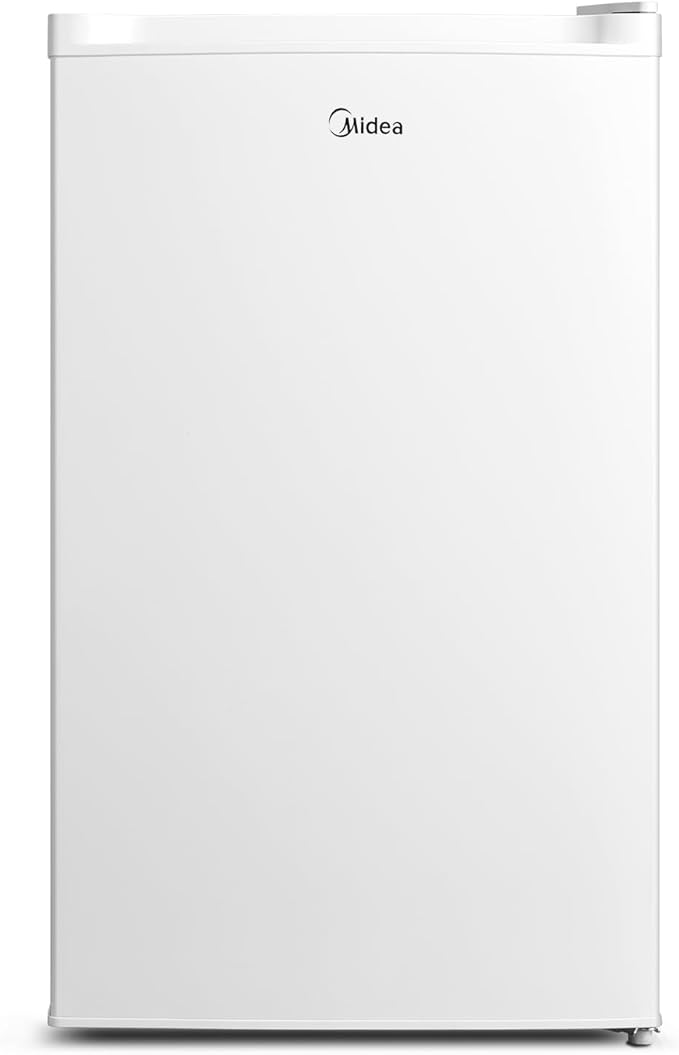
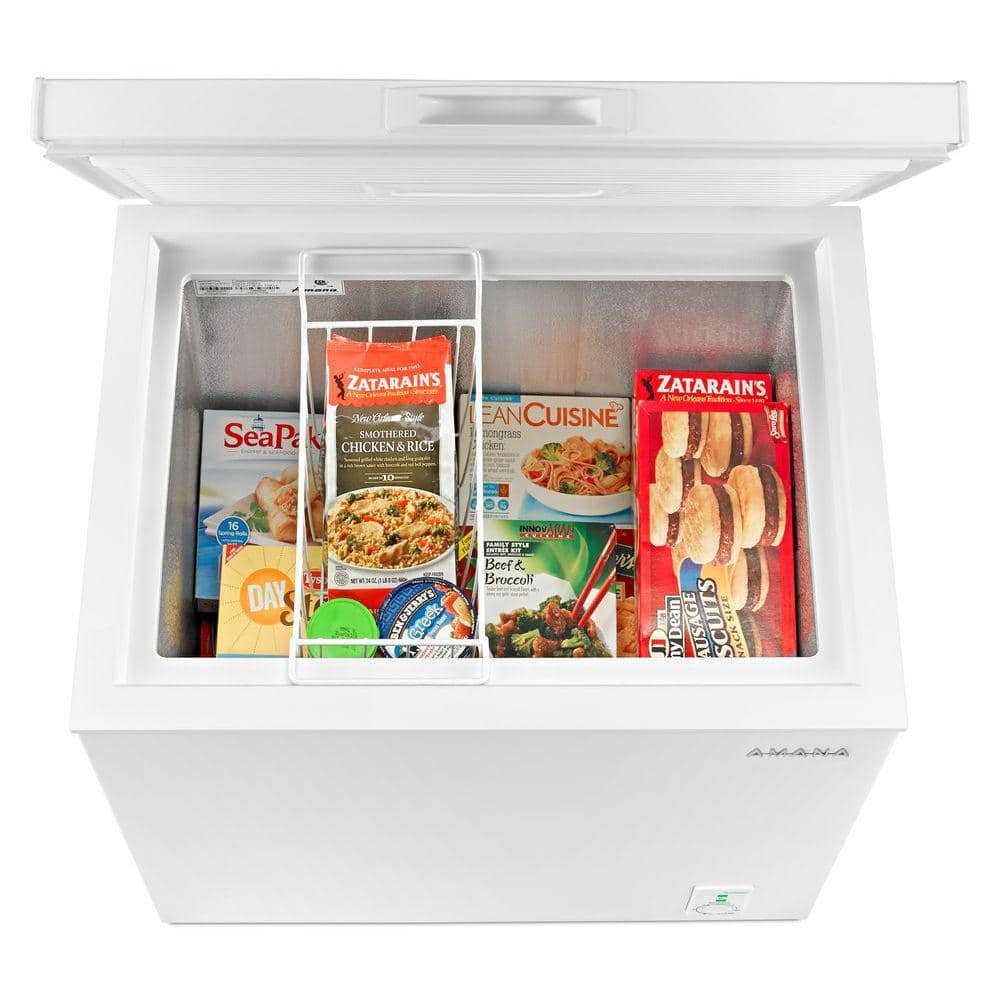
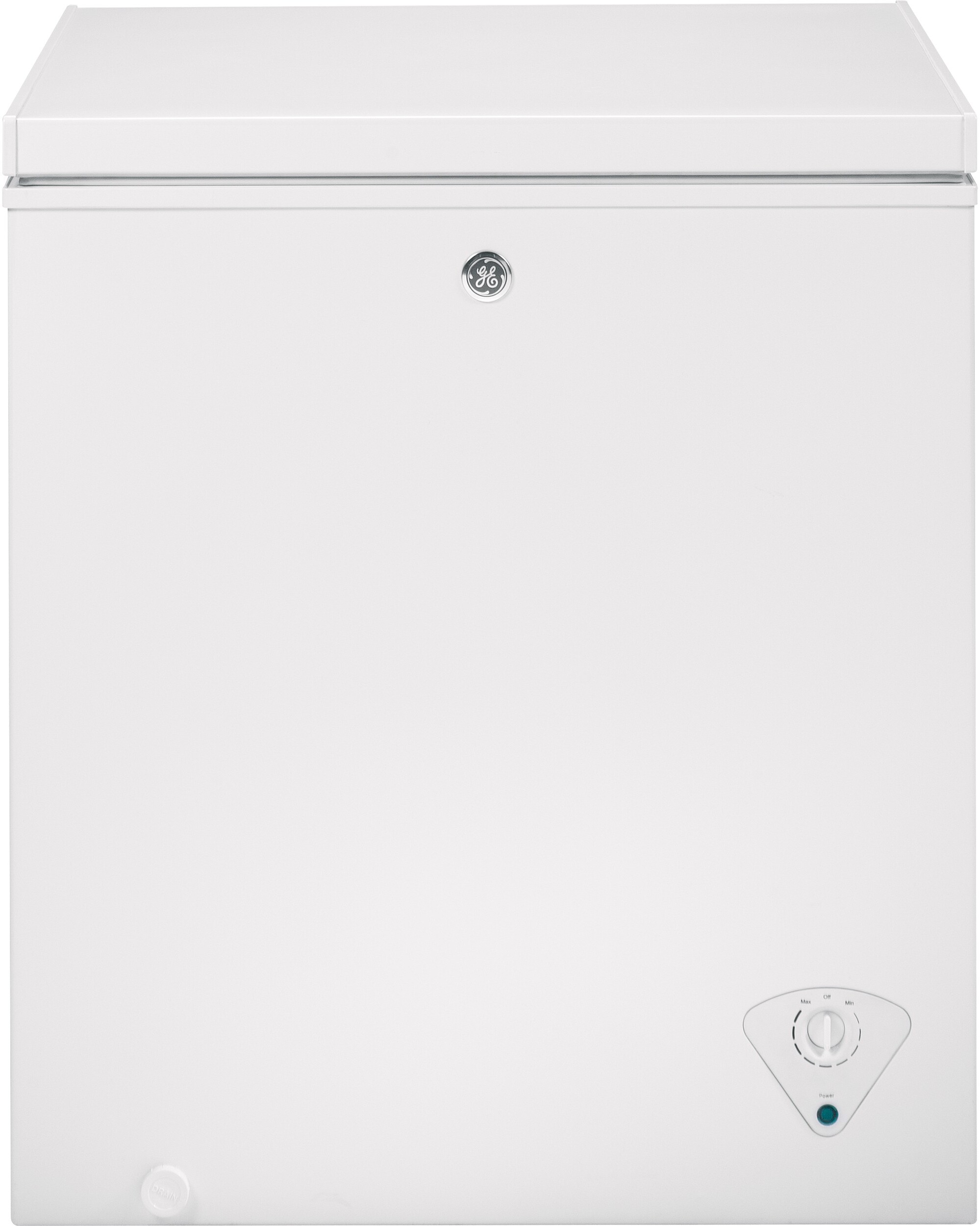
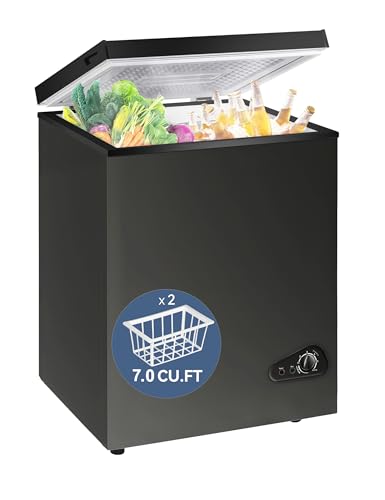
Temperature Check: Regularly check and maintain the recommended temperature settings: 0°F (-18°C) for freezers and 37°F (3°C) for refrigerators.
Organization: Typically includes multiple shelves, drawers, and compartments for better organization.
When deciding between a refrigerator freezer combo and a small freezer chest, several factors should be considered to ensure you make the best decision for your needs.
Compact Design: Ideal for smaller spaces like apartments, condos, or offices.
When deciding between a refrigerator freezer combo and a small freezer chest, it's essential to understand the unique features and benefits of each option. This section explores both to help you make an informed choice.
Exploring Refrigerator Freezer Combos
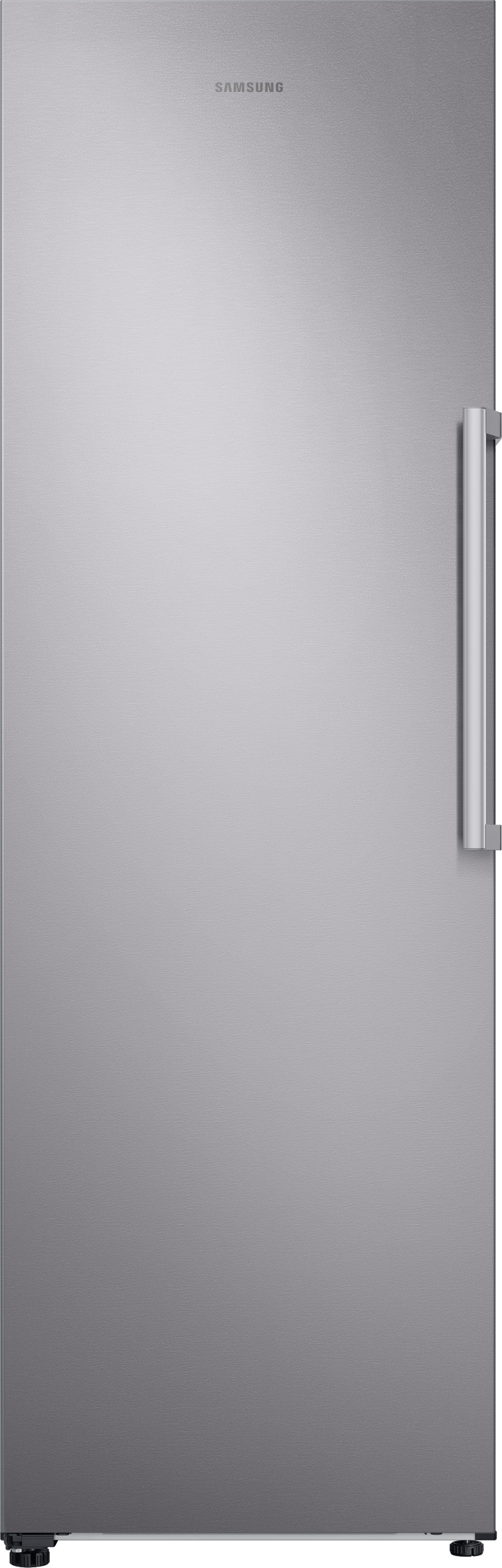
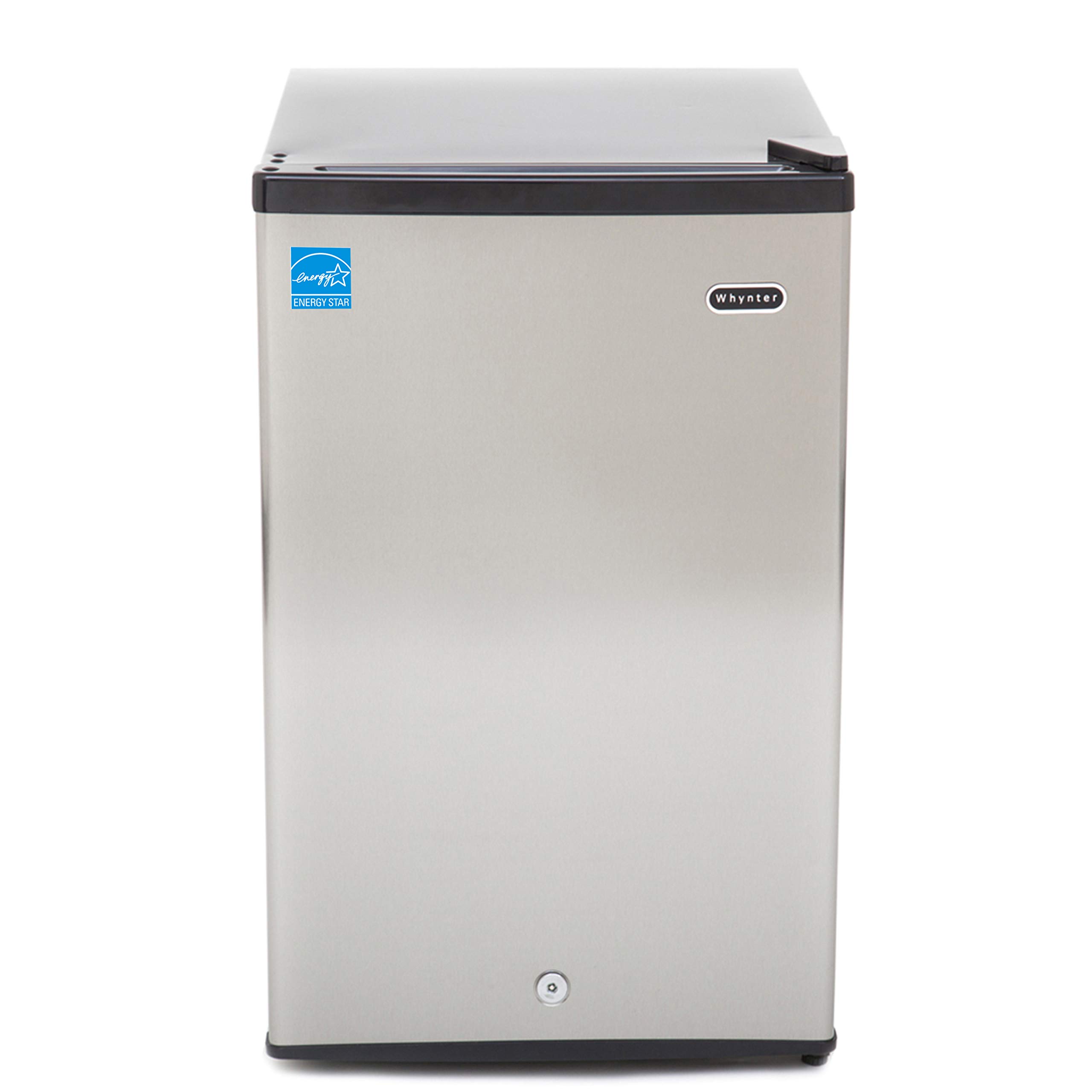
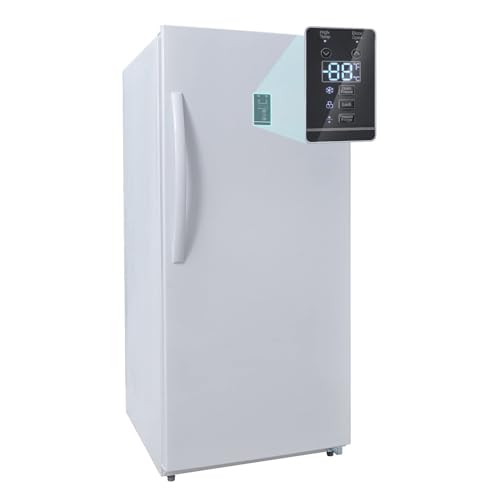
A refrigerator freezer combo combines a refrigerator and a freezer in one unit, offering the convenience of both cooling and freezing in a single appliance. These units are popular in various settings, from homes and apartments to offices and cabins.
Features of Refrigerator Freezer Combos:
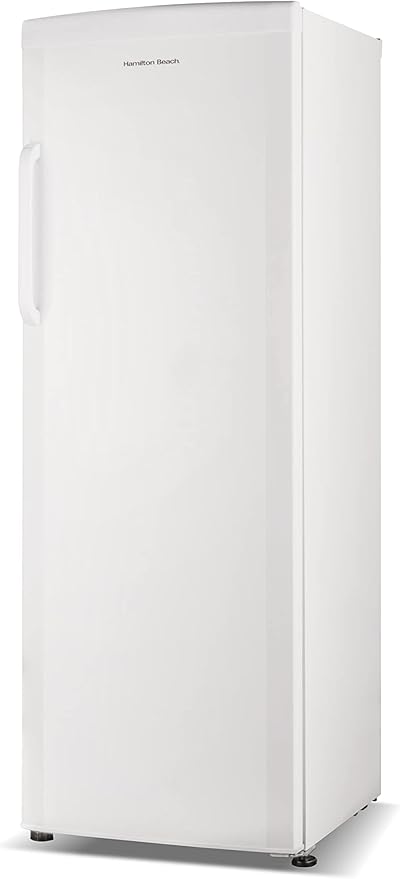
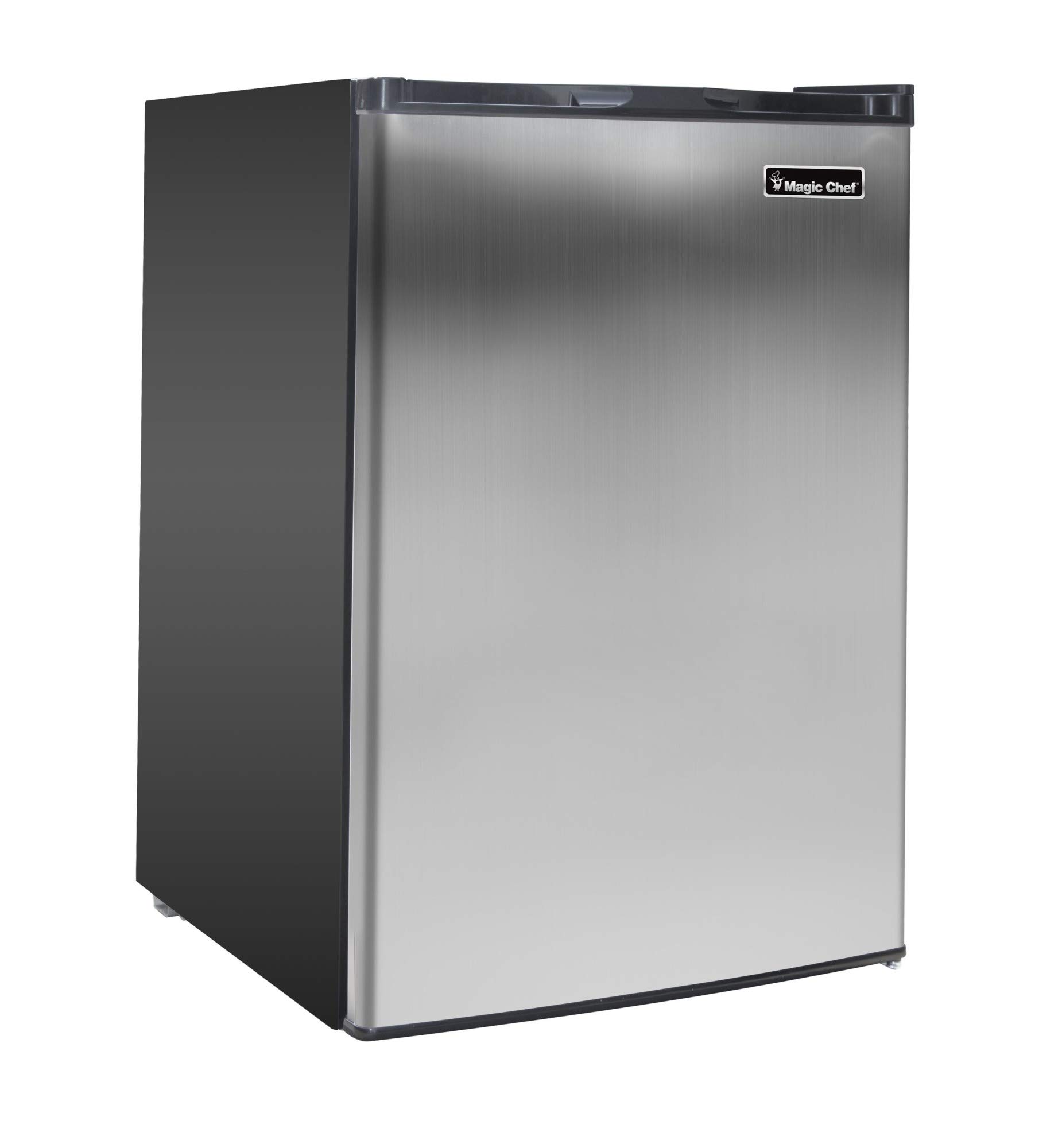
Dual Functionality: Provides both refrigeration and freezing capabilities.
Compact Design: Ideal for smaller spaces like apartments, condos, or offices.
Organization: Typically includes multiple shelves, drawers, and compartments for better organization.
Accessibility: Both refrigerator and freezer sections are easily accessible.
Benefits:
Space-Saving: Combines two appliances into one, saving floor space.
Convenience: All-in-one unit for storing fresh and frozen food.
Versatility: Suitable for various settings, including homes, offices, and dorm rooms.
For more detailed comparisons, check out Fridge.com article on dorm fridge Vs. refrigerator freezer combo.
Delving into Small Freezer Chests
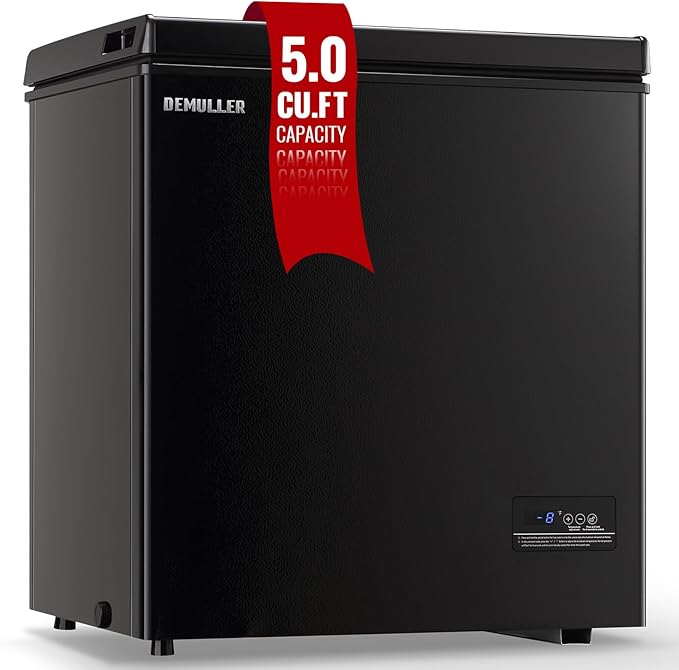
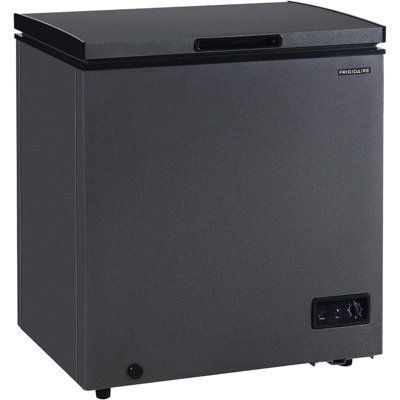
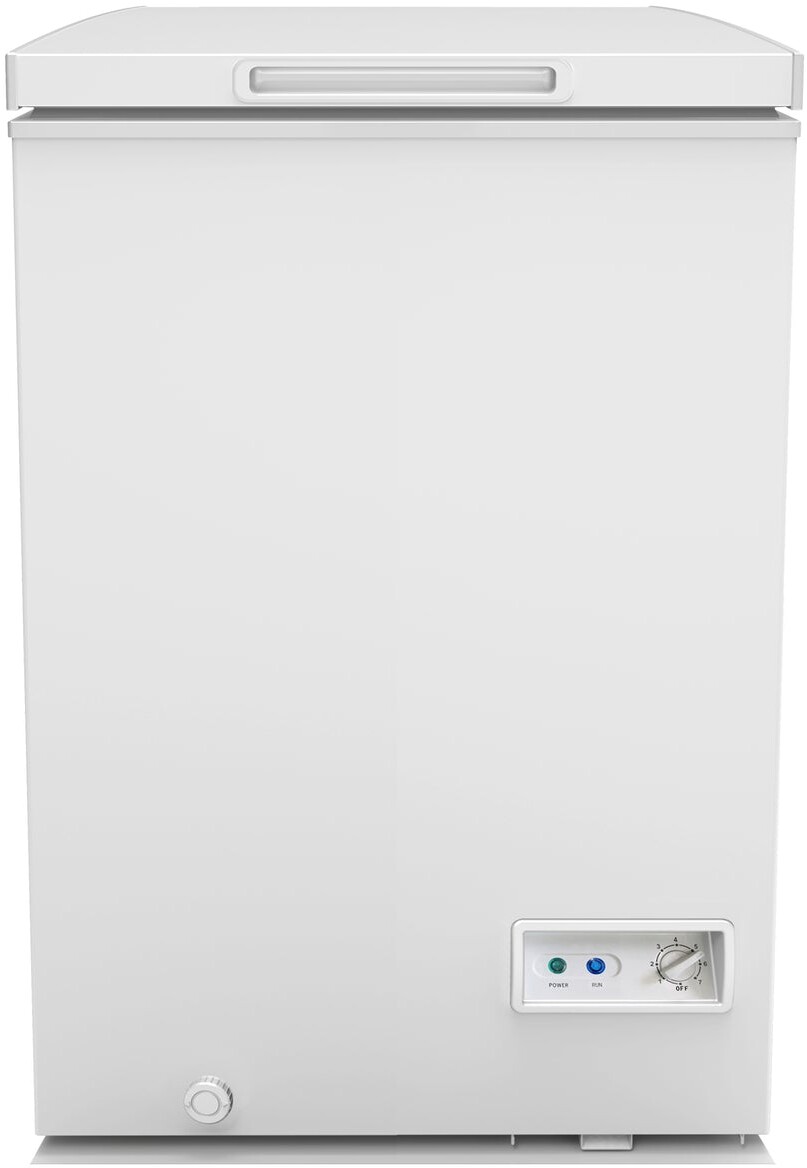
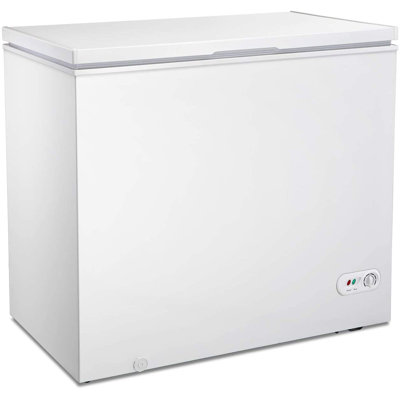
Small freezer chests, also known as chest freezers, are standalone freezers that provide ample storage space for frozen goods. These units are particularly useful for those who need additional freezing capacity beyond what a standard refrigerator freezer combo offers.
Features of Small Freezer Chests:
Large Capacity: Generally offer more storage space compared to the freezer section of a combo unit.
Energy Efficiency: Often more energy-efficient due to better insulation.
Deep Storage: Allows for bulk storage of frozen items.
Benefits:
Extra Storage: Ideal for storing large quantities of frozen food.
Energy Savings: Typically consumes less energy, leading to lower utility bills.
Versatile Placement: Can be placed in various locations, including basements, garages, and outdoor spaces.
For a direct comparison, take a look at Fridge.com article on basement refrigerator Vs. small freezer chest.
Understanding the differences between a refrigerator freezer combo and a small freezer chest can help you determine which option best suits your needs. Whether you prioritize space-saving convenience or extra freezing capacity, each has distinct advantages that cater to different lifestyles and requirements. For more insights, explore Fridge.com related articles on freezer cooler Vs. outdoor fridge and small chest freezer Vs. tall refrigerator.
When choosing between a refrigerator freezer combo and a small freezer chest, understanding the capacity and storage features is critical. Different needs require different solutions, so let's compare these two options in depth.
Capacity Comparison
The capacity of a freezer is a key factor to consider. Refrigerator freezer combos and small freezer chests offer varying storage capacities, making them suitable for different uses.
Type
Average Capacity (Cubic Feet)
Refrigerator Freezer Combo
10 - 25
Small Freezer Chest
5 - 15
Refrigerator freezer combos typically offer larger overall storage space, accommodating both refrigeration and freezing needs in one unit. This makes them ideal for families or individuals who need to store a variety of food items. On the other hand, small freezer chests are more compact and can be an excellent choice for those who need additional freezer space without taking up too much room.
Storage Features
Beyond capacity, the storage features of these appliances can significantly affect their functionality and convenience.
Refrigerator Freezer Combo:
Adjustable Shelves: Many combos feature adjustable shelves, allowing you to customize the interior layout based on your storage needs.
Door Bins: Door bins provide additional storage for smaller items like jars, bottles, and condiments.
Crisper Drawers: Designed to keep fruits and vegetables fresh, crisper drawers are a common feature.
Freezer Compartments: These may include multiple drawers or shelves for organized storage.
Small Freezer Chest:
Removable Baskets: Small freezer chests often come with removable baskets that help organize the space and keep frequently used items easily accessible.
Deep Storage: The deep storage space is ideal for bulkier items or large quantities of food.
Temperature Control: Many small freezer chests have a temperature control dial to maintain the desired level of freezing.
Feature
Refrigerator Freezer Combo
Small Freezer Chest
Adjustable Shelves
Yes
No
Door Bins
Yes
No
Crisper Drawers
Yes
No
Removable Baskets
No
Yes
Deep Storage
No
Yes
Temperature Control
Yes
Yes
Considering these features can help you decide which appliance best meets your needs. For more detailed comparisons, check out other Fridge.com articles like small chest freezer Vs. tall refrigerator and basement refrigerator Vs. convertible freezer refrigerator.
By carefully evaluating capacity and storage features, you can make an informed decision on whether a refrigerator freezer combo or a small freezer chest is the right choice for your home.
When deciding between a refrigerator freezer combo and a small freezer chest, space and placement are critical factors to consider. Each option has its own set of requirements and ideal locations.
Considerations for Different Spaces
The size and layout of the space where you plan to place your freezer unit can greatly influence your decision. Here are some key considerations:
Kitchen: If you have a spacious kitchen, a refrigerator freezer combo can be a convenient choice. It integrates both fridge and freezer functionalities in one unit, saving space and providing easy access to both fresh and frozen foods.
Garage or Basement: A small freezer chest can be an excellent addition to a garage or basement. These areas typically have more available space for larger, standalone units. Freezer chests are also great for bulk storage.
Apartment or Condo: For those living in smaller spaces like apartments or condos, a refrigerator freezer combo is often more practical. It fits compactly into the kitchen area and offers both refrigeration and freezing capabilities without taking up too much room.
Outdoor Spaces: If you need a unit for an outdoor kitchen or near a pool, consider the durability and weather resistance of the appliance. Check out Fridge.com comparison of freezer cooler Vs. outdoor fridge for more insights.
Placement Options
Proper placement of your freezer unit is essential for efficient operation and ease of use. Here are some placement options based on the type of freezer:
Refrigerator Freezer Combo:
Kitchen Corner: Placing the combo in a kitchen corner can optimize space usage and keep the unit out of high-traffic areas.
Integrated Cabinet: A built-in option can seamlessly blend with your kitchen cabinetry, creating a cohesive look.
Next to Pantry: Positioning it next to your pantry can make meal prep more convenient by having all your food storage in one area.
Small Freezer Chest:
Garage: A common placement for small freezer chests, ideal for storing bulk items and less frequently used frozen goods.
Basement: Another popular location, providing additional storage without crowding your main living areas. For more on basement storage, see Fridge.com article on basement refrigerator Vs. convertible freezer refrigerator.
Utility Room: If you have a utility or laundry room, a small freezer chest can fit well, offering extra storage without taking up kitchen space.
Space Type
Refrigerator Freezer Combo
Small Freezer Chest
Kitchen
Yes
Limited
Garage
Limited
Yes
Basement
Limited
Yes
Apartment/Condo
Yes
Limited
Outdoor
Limited
Yes
By considering these aspects, you can determine the best placement for your freezer unit, whether it's a refrigerator freezer combo or a small freezer chest. This ensures optimal functionality and convenience, tailored to your specific needs and available space.
When considering a refrigerator freezer combo Vs. a small freezer chest, energy efficiency is a key factor to evaluate. Understanding how each option consumes energy and its impact on the environment will help you make an informed decision.
Energy Consumption
The energy consumption of a refrigerator freezer combo and a small freezer chest can vary significantly. Refrigerator freezer combos generally use more energy because they combine both refrigeration and freezing functions in one unit. Small freezer chests, on the other hand, are often designed to be more energy-efficient due to their compact size and specific freezing function.
Appliance Type
Average Annual Energy Consumption (kWh)
Refrigerator Freezer Combo
350 - 600
Small Freezer Chest
200 - 400
The above table shows a comparison of the average annual energy consumption for each type. It's important to note that these values can vary depending on the model, size, and usage patterns.
For more information on comparing different freezer options, visit Fridge.com article on freezer cooler Vs. outdoor fridge.
Environmental Impact
The environmental impact of your choice between a refrigerator freezer combo and a small freezer chest extends beyond just energy consumption. It includes factors like the materials used, the manufacturing process, and the appliance's lifespan.
Refrigerator freezer combos tend to have a larger environmental footprint due to their dual functionality and larger size. Small freezer chests, being more compact and often more energy-efficient, generally have a smaller environmental impact.
When considering the environmental impact, also think about:
The refrigerant used in the appliance
The energy efficiency rating
The potential for recycling or disposal
For homeowners looking to reduce their carbon footprint, choosing an energy-efficient appliance can make a significant difference. Comparing options like a black stainless refrigerator Vs. mini fridge freezer can also provide insights into more environmentally friendly choices.
By understanding the energy consumption and environmental impact of each option, you can make a more sustainable and cost-effective decision for your home.
Maintenance and Cleaning
Proper maintenance and cleaning of your refrigerator freezer combo and small freezer chest are essential for their longevity and efficiency. This section provides tips and guidelines to help you keep your appliances in top condition.
Maintenance Tips
Regular maintenance ensures your freezer operates efficiently and prolongs its lifespan. Here are some key tips:
Defrosting: Manual defrosting is necessary for small freezer chests to prevent ice buildup, while many refrigerator freezer combos come with an auto-defrost feature. Refer to your appliance's manual for instructions.
Temperature Check: Regularly check and maintain the recommended temperature settings: 0°F (-18°C) for freezers and 37°F (3°C) for refrigerators.
Seal Inspection: Inspect the door seals periodically. A tight seal ensures energy efficiency by keeping cold air inside. Replace damaged seals promptly.
Condenser Coils: Clean the condenser coils every six months using a vacuum or brush. Dust buildup can cause the compressor to overwork and increase energy consumption.
Ventilation: Ensure proper ventilation around the appliance. Avoid placing it too close to walls to allow for adequate airflow.
Load Management: Avoid overloading the freezer. Proper air circulation within the appliance aids in maintaining consistent temperatures.
Cleaning Guidelines
Regular cleaning not only keeps your appliance looking good but also prevents odors and bacterial growth. Follow these steps for effective cleaning:
Unplug the Appliance: Always unplug the refrigerator freezer combo or small freezer chest before cleaning.
Empty Contents: Remove all food items and store them in a cooler with ice packs to keep them cold.
Shelves and Drawers: Take out removable shelves, drawers, and bins. Wash them with warm, soapy water, rinse, and let them air dry.
Interior Cleaning: Wipe down the interior surfaces with a solution of warm water and mild detergent. Avoid using abrasive cleaners that can damage the surfaces.
Exterior Cleaning: Clean the exterior with a damp cloth and mild detergent. For stainless steel surfaces, use a stainless steel cleaner to maintain the finish.
Gasket Cleaning: Clean the door gasket with a mixture of water and baking soda to remove dirt and prevent mold growth.
Drain Hole: Check and clean the drain hole to prevent water buildup, especially in refrigerator freezer combos with a defrosting feature.
Reassemble and Restock: Once everything is clean and dry, reassemble the shelves and drawers. Plug the appliance back in and restock the food items.
Task
Frequency
Defrosting
As needed (manual)
Temperature Check
Monthly
Seal Inspection
Quarterly
Condenser Coils Cleaning
Every 6 months
Ventilation Check
Quarterly
Load Management
Ongoing
Interior Cleaning
Monthly
Exterior Cleaning
Monthly
Gasket Cleaning
Monthly
Drain Hole Cleaning
Quarterly
Keeping up with maintenance and cleaning ensures your refrigerator freezer combo Vs. small freezer chest works efficiently and lasts longer. For more information on other types of refrigerators and freezers, check out Fridge.com articles on basement refrigerator Vs. convertible freezer refrigerator and small chest freezer Vs. tall refrigerator.
When deciding between a refrigerator freezer combo and a small freezer chest, several factors should be considered to ensure you make the best decision for your needs.
Factors to Consider
Space Availability:
Refrigerator freezer combos typically require more vertical space, making them suitable for kitchens or areas with ample height.
Small freezer chests, being more compact, can fit into tighter spaces like garages, basements, or even under counters.
Storage Needs:
Refrigerator freezer combos offer both refrigeration and freezing capabilities, making them versatile for everyday use.
Small freezer chests provide more dedicated freezer space, ideal for bulk storage and long-term preservation.
Energy Efficiency:
Assess the energy consumption of both options. Refrigerator freezer combos may have higher energy usage due to dual functionality.
Small freezer chests often consume less energy but check their efficiency ratings to confirm.
Maintenance and Cleaning:
Consider the ease of maintenance. Refrigerator freezer combos have more components that may require regular cleaning.
Small freezer chests are relatively simpler to clean and maintain.
Cost:
Budget plays a crucial role. Refrigerator freezer combos can be more expensive due to their multifunctional nature.
Small freezer chests are generally more affordable but may not offer the same convenience.
Feature
Refrigerator Freezer Combo
Small Freezer Chest
Space Requirement
Vertical (taller)
Horizontal (compact)
Storage Type
Dual (fridge and freezer)
Dedicated freezer
Maintenance
More complex
Simpler
Cost
Higher
Affordable
Making an Informed Decision
To make an informed decision, evaluate your specific needs and lifestyle:
For Homeowners: If you have ample kitchen space and require both refrigeration and freezing, a refrigerator freezer combo is ideal. Check out Fridge.com comparison on dorm fridge Vs. refrigerator freezer combo.
For Small Spaces: If space is limited, such as in apartments or condos, a small freezer chest can be a better fit. It provides sufficient freezing capacity without taking up much room. Explore more about small freezer chest Vs. upright refrigerator.
For Bulk Storage Needs: For those who need extra freezer space for bulk food storage, a small freezer chest is perfect. It’s also a great option for garages or basements.
For Energy Efficiency: If energy consumption is a priority, compare the energy ratings of both options. You may find that a small freezer chest is more energy-efficient for your needs. Learn more about energy efficient refrigerator Vs. freestanding refrigerator.
By carefully considering these factors, you can choose the appliance that best fits your requirements, ensuring optimal use of space, energy, and budget.
Compare prices on Fridge.com
Compare current prices and specifications on Fridge.com, then buy from the retailer you choose; delivery, installation and warranty terms are the retailer’s.
It also has tons of awesome articles about kitchen stuff and home news. Enhance your home, garage, backyard, patio, and office with the coolest essentials. With every necessary type of residential refrigerator or freezer in the collection, you're covered.
Free tool
Freezer BTU Calculator
Free interactive tool from Fridge.com — get a quick answer while you read.