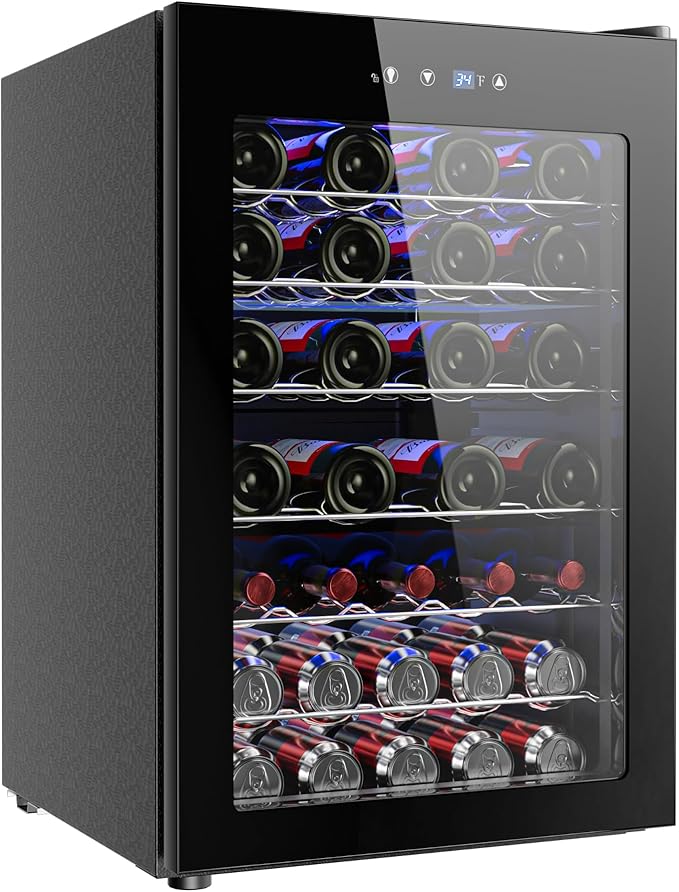
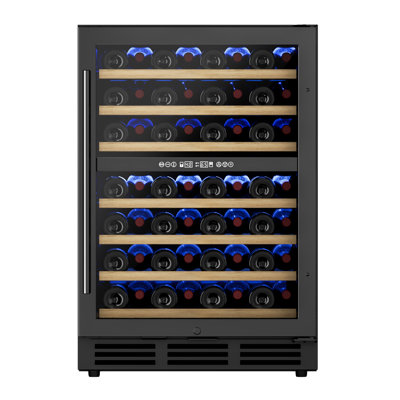
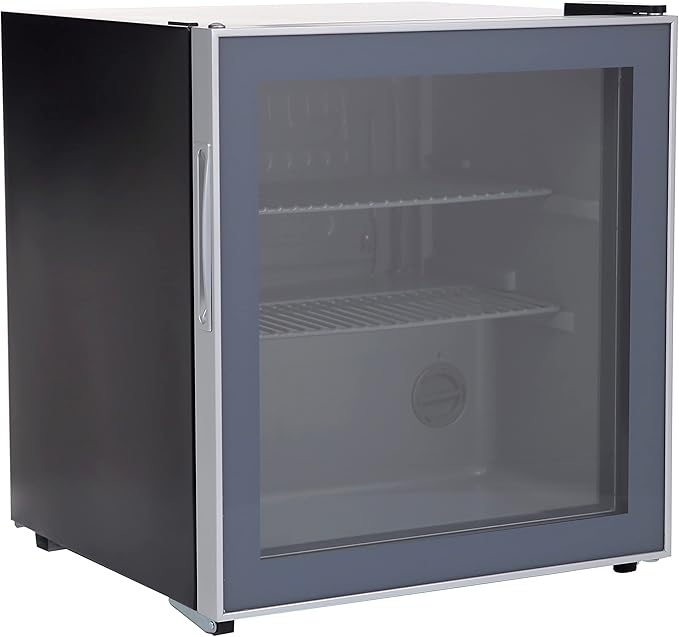
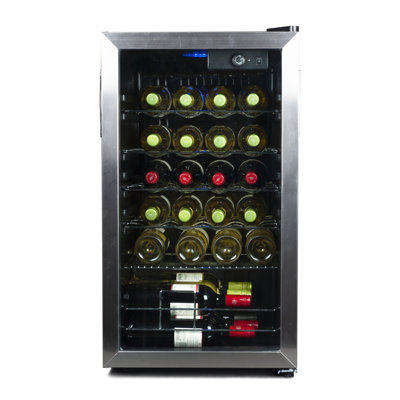
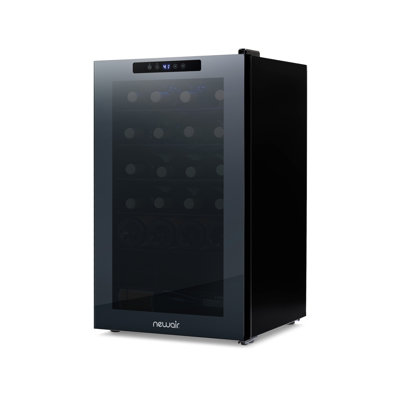
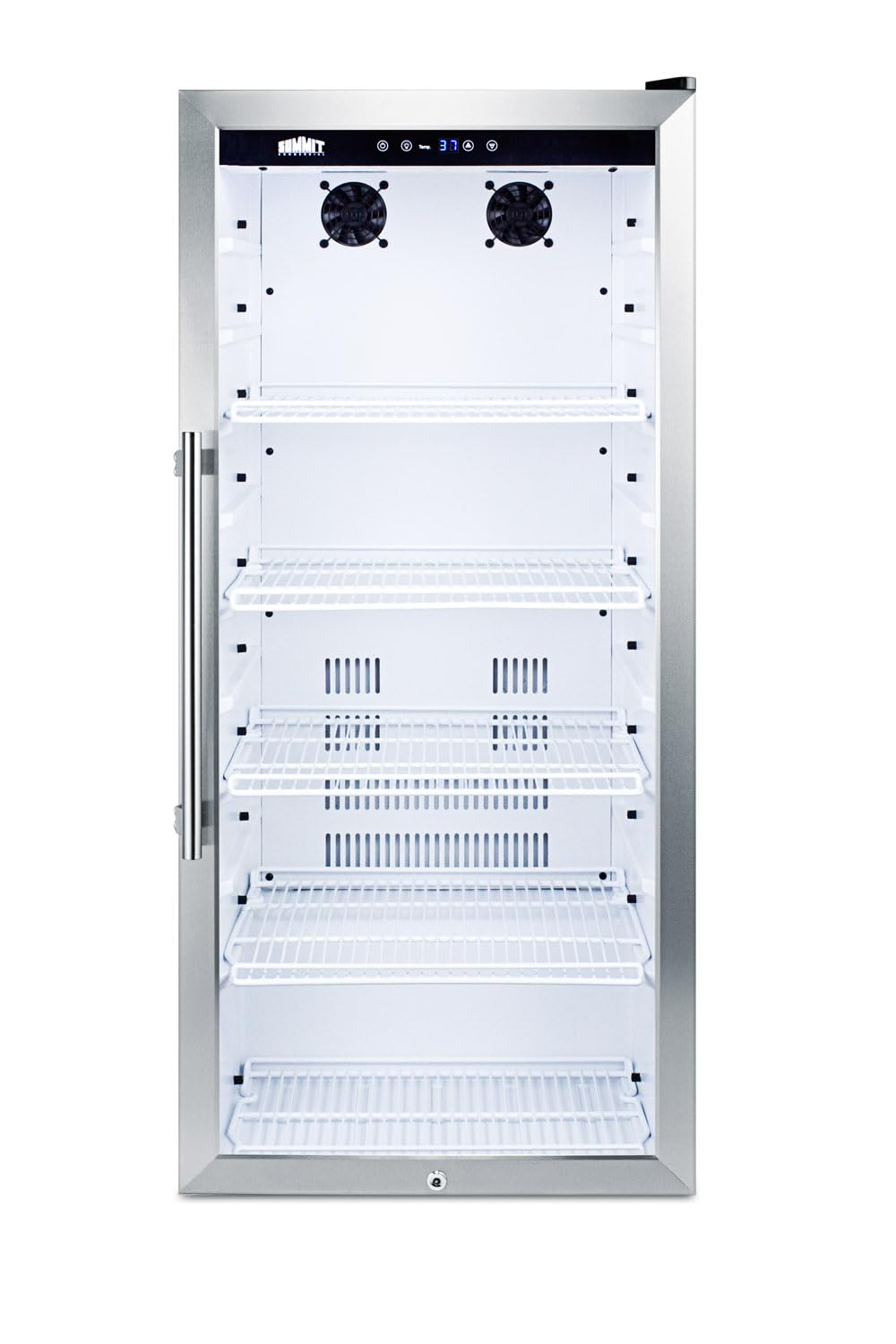
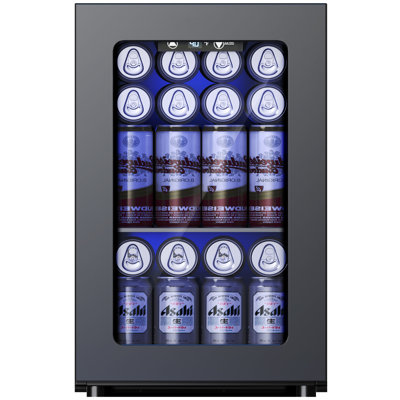
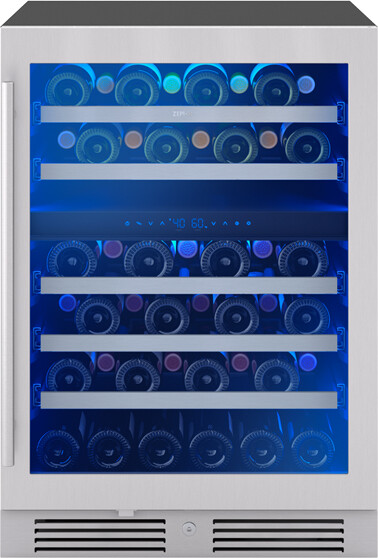
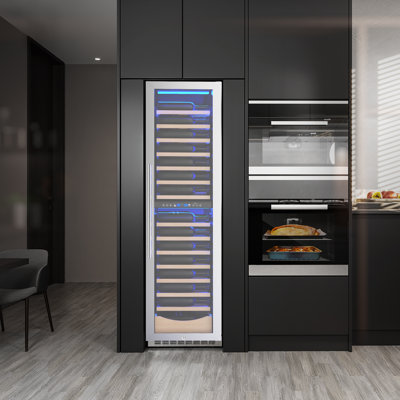
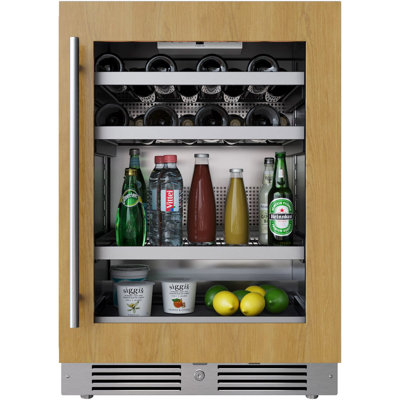
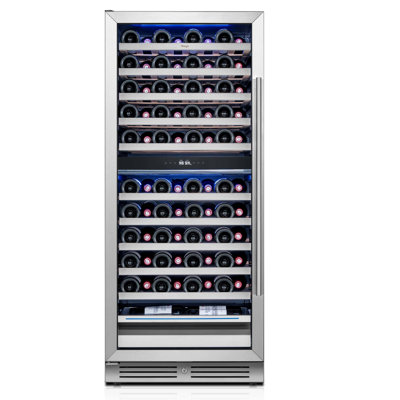
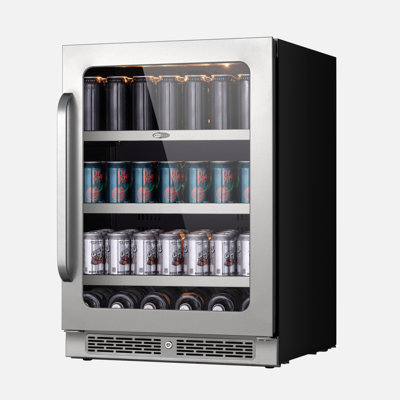
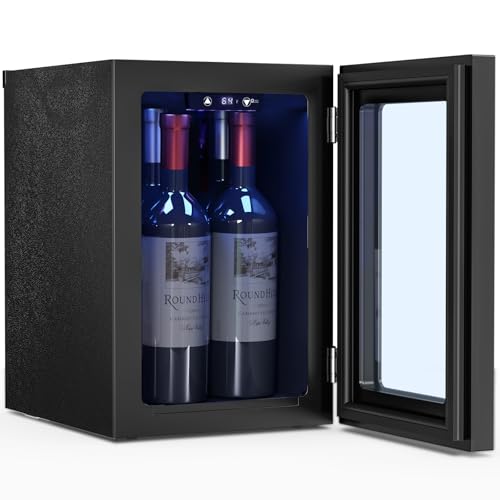
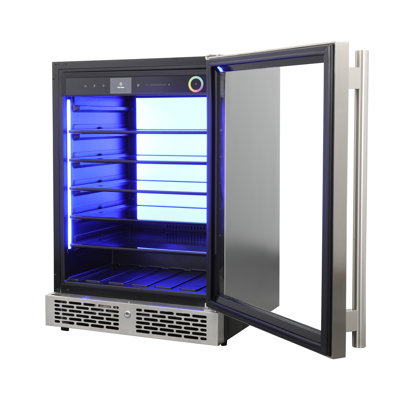
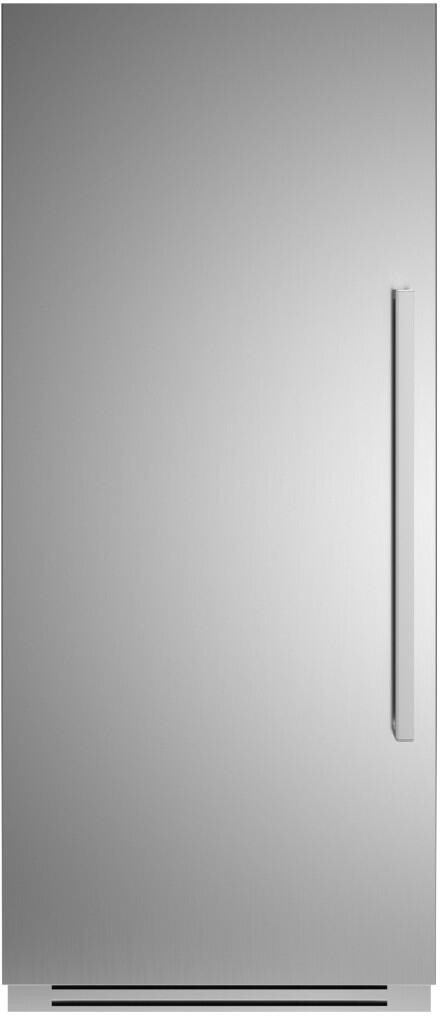
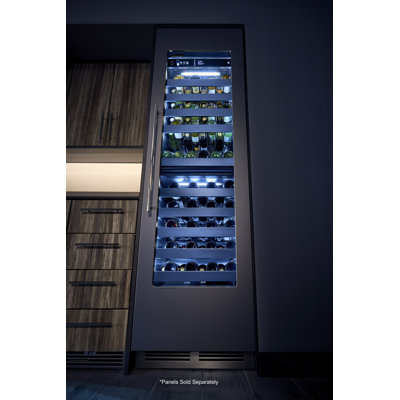
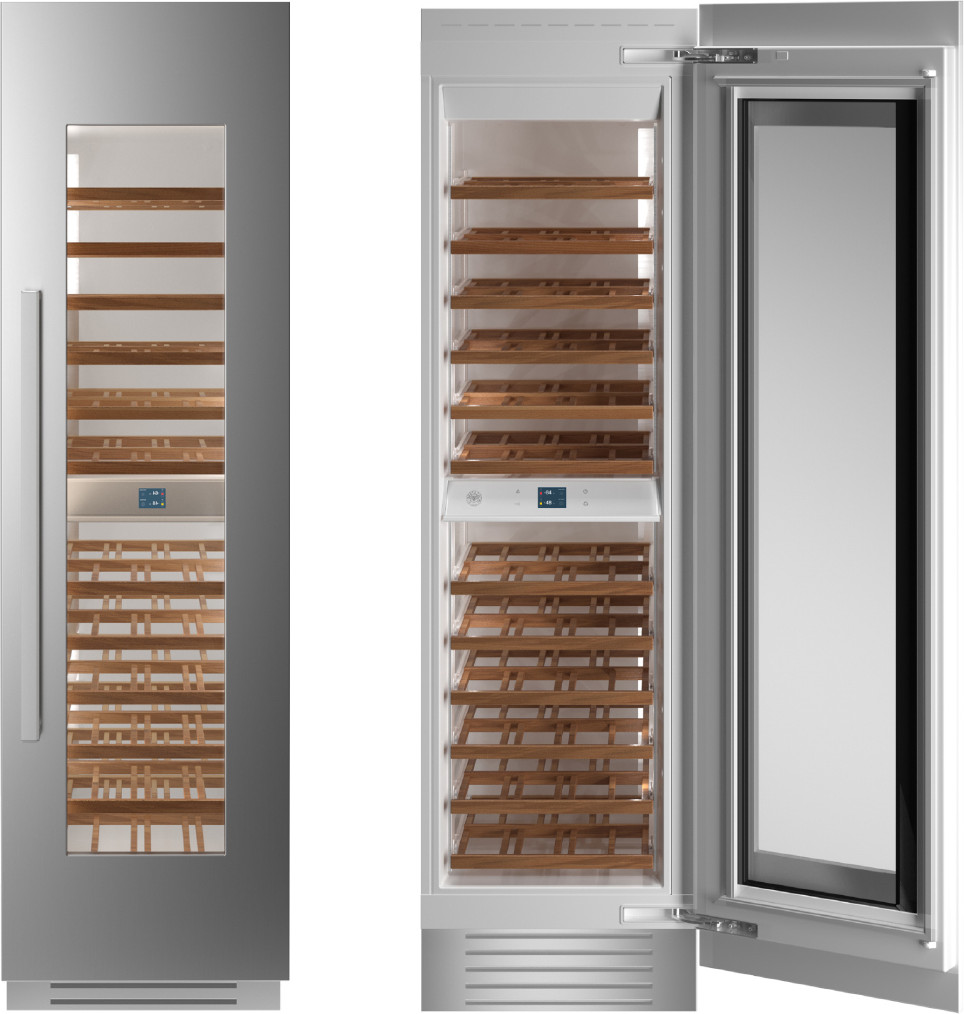
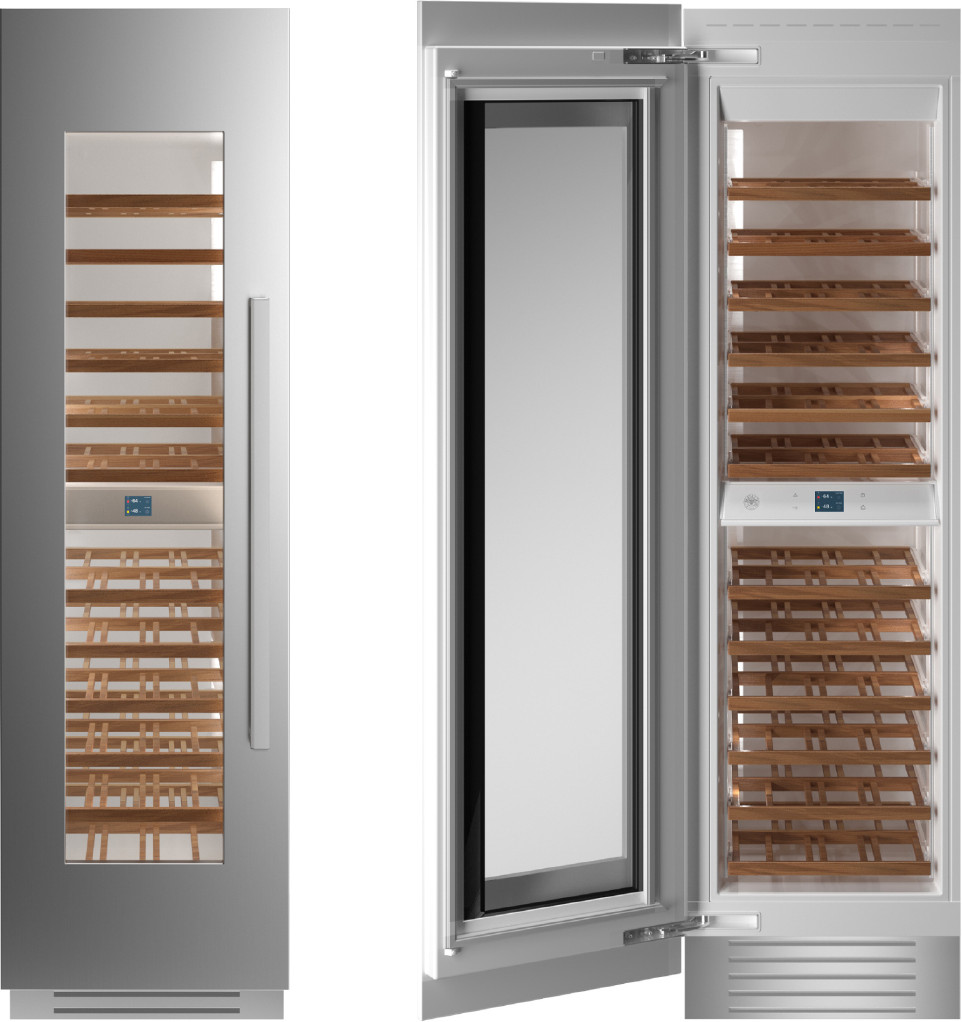
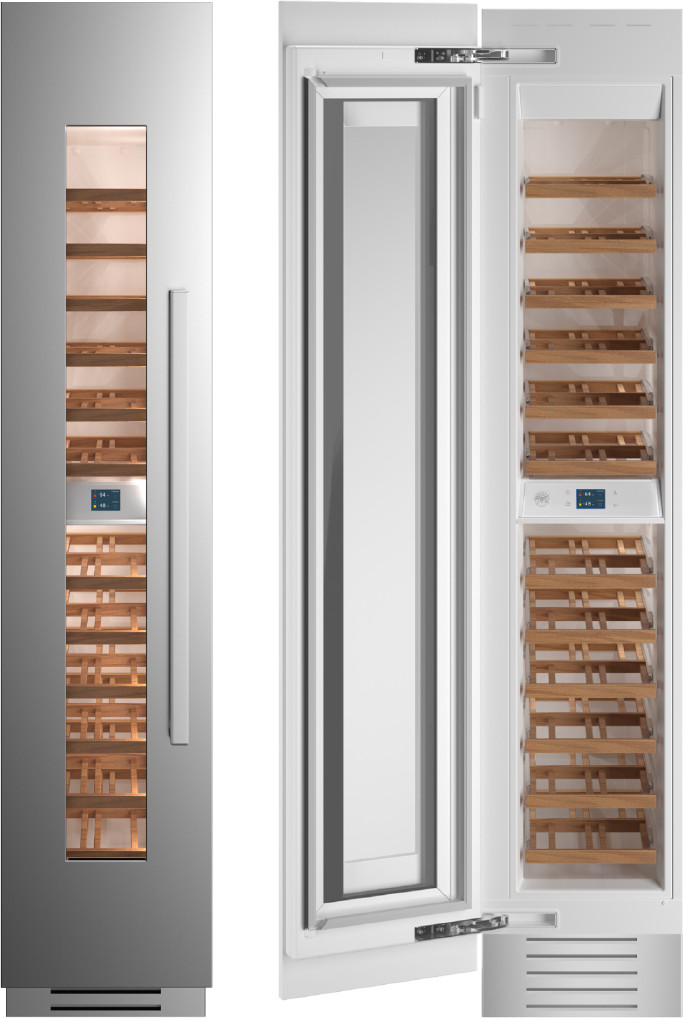
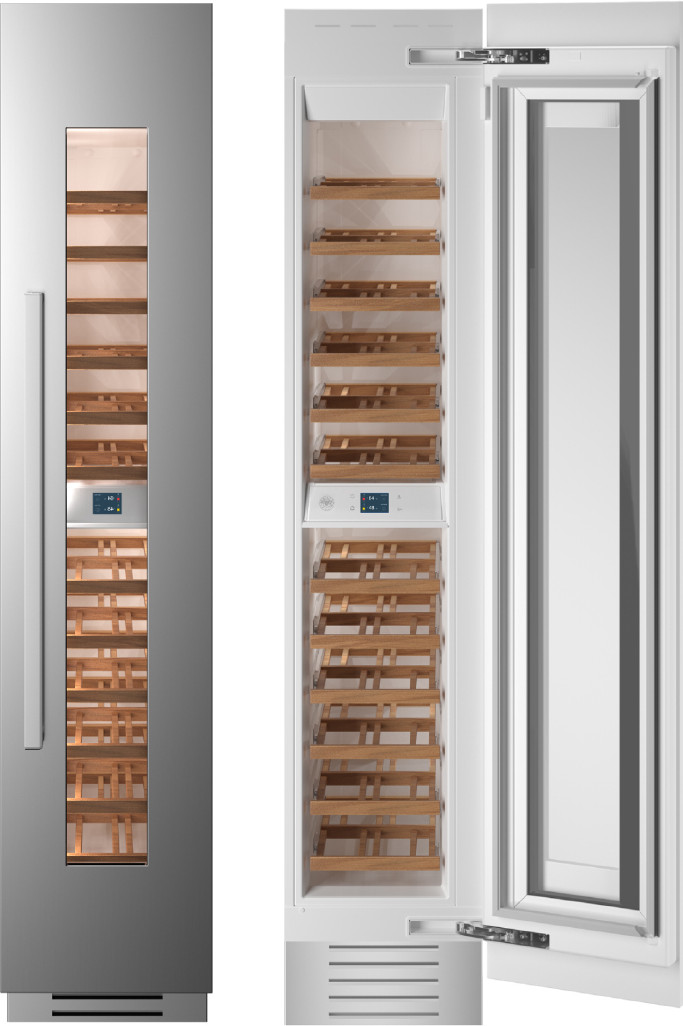
Wine coolers are designed to store your wine collection at optimal conditions. They provide a controlled environment, ensuring the right temperature and humidity levels needed to preserve the flavor and quality of your wine. Unlike regular refrigerators, wine coolers maintain a consistent temperature range, which is crucial for aging wines properly.
Types of Wine Coolers
When selecting a wine cooler, it's important to understand the different types available. Each type has its own features and benefits, catering to various needs and preferences.
Single-Zone Wine Coolers
Single-zone wine coolers have one temperature zone, making them ideal for storing one type of wine. Whether you prefer reds, whites, or sparkling wines, you can set the cooler to the desired temperature for that specific wine type.
Feature
Single-Zone Wine Cooler
Temperature Zones
1
Ideal For
One type of wine
Capacity
Varies
Dual-Zone Wine Coolers
Dual-zone wine coolers feature two separate temperature zones, allowing you to store different types of wine at their ideal temperatures simultaneously. These coolers are perfect for wine enthusiasts who enjoy both reds and whites and want to keep them in the same appliance.
Feature
Dual-Zone Wine Cooler
Temperature Zones
2
Ideal For
Multiple types of wine
Capacity
Varies
Built-In Wine Coolers
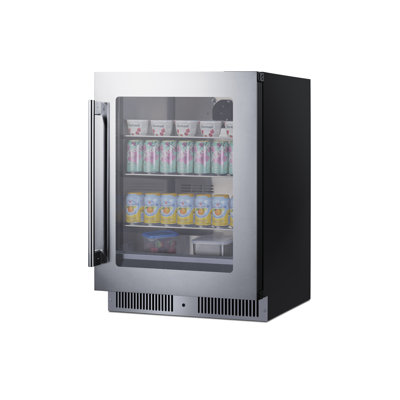
Built-in wine coolers are designed to be installed within cabinetry, providing a seamless look in your kitchen or bar area. These coolers often have front-venting systems, allowing them to be integrated into your existing design without compromising functionality.
Feature
Built-In Wine Cooler
Installation
Within cabinetry
Venting
Front
Capacity
Varies
Freestanding Wine Coolers
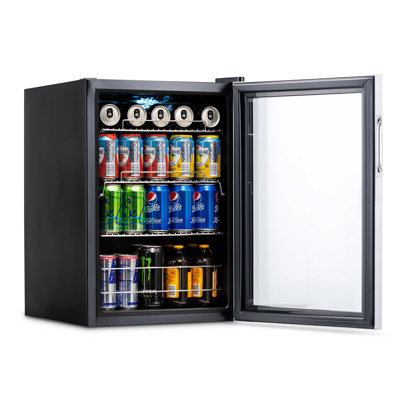
Freestanding wine coolers are versatile and can be placed anywhere in your home. They do not require installation within cabinetry and can be moved as needed. These coolers are available in various sizes, making them suitable for different spaces and wine collections.
Feature
Freestanding Wine Cooler
Installation
Standalone
Venting
Rear
Capacity
Varies
Understanding the types of wine coolers and their features will help you choose the best option for your needs. For more information on high end wine coolers and other related topics, explore other Fridge.com articles.
When choosing a wine cooler, there are several important factors to consider. These include capacity and size, cooling technology, and design and style.
Capacity and Size
The capacity and size of a wine cooler are critical considerations, especially if you have a large collection of wines or limited space. Wine coolers come in various sizes, from compact units that hold a few bottles to larger models that can store over a hundred bottles.
Capacity (Bottles)
Ideal For
6 - 20
Small collections, apartment living
21 - 40
Moderate collections, small homes
41 - 100
Large collections, wine enthusiasts
100+
Extensive collections, serious collectors
Consider your current collection and future growth when selecting a wine cooler. Additionally, take measurements of the space where you plan to place the cooler to ensure it fits perfectly. For more information on sizing, visit Fridge.com article on standard fridge size.
Cooling Technology
The cooling technology used in wine coolers can impact their efficiency and effectiveness. There are two main types of cooling systems: thermoelectric and compressor-based.
Thermoelectric Coolers: These coolers use an electronic cooling mechanism and are known for being quiet and vibration-free. They are ideal for smaller collections and are energy-efficient. However, they may struggle to maintain low temperatures in warmer environments.
Compressor Coolers: These coolers operate similarly to traditional refrigerators and can achieve lower temperatures. They are more powerful and suitable for larger collections but tend to be noisier and may produce slight vibrations.
Cooling Technology
Pros
Cons
Thermoelectric
Quiet, Vibration-free, Energy-efficient
Limited cooling range, Less effective in warm rooms
Compressor
Powerful, Effective in all environments
Noisier, Potential for slight vibrations
Understanding the differences between these technologies can help you choose the right cooler for your needs. For more details on cooling systems, check Fridge.com article on 4 door refrigerator Vs. refrigerator cooler.
Design and Style
Wine coolers come in various designs and styles, allowing you to choose one that complements your decor. Consider factors such as the exterior finish, door type, and interior lighting.
Exterior Finish: Wine coolers are available in finishes like stainless steel, black, or custom panel-ready options.
Door Type: Options include solid doors, glass doors, or dual-pane glass doors. Glass doors are popular for showcasing your collection, while solid doors provide better insulation.
Interior Lighting: LED lighting is commonly used to illuminate the interior without generating heat. It adds a touch of elegance and makes it easy to view your collection.
Design Feature
Options
Exterior Finish
Stainless Steel, Black, Custom Panel-ready
Door Type
Solid, Glass, Dual-pane Glass
Interior Lighting
LED
Selecting a wine cooler that fits your aesthetic preferences ensures it enhances your space while providing optimal wine storage. For more inspiration on fridge designs, visit Fridge.com article on best smart fridge for a neomodern house.
By considering these factors, you can find a wine cooler that meets your needs and enhances your wine-drinking experience.
When selecting a wine cooler, certain features can enhance your wine storage experience. Here, Fridge.com explores three popular features that can make a significant difference: dual temperature zones, UV protection, and humidity control.
Dual Temperature Zones
Dual temperature zones allow you to store different types of wine at their optimal temperatures within the same cooler. This feature is particularly beneficial if you enjoy both red and white wines, as they require different storage conditions.
Wine Type
Optimal Temperature (°F)
Red Wine
60 - 65
White Wine
45 - 50
Sparkling Wine
40 - 45
With dual temperature zones, you can set one section of the cooler to a higher temperature for red wines and another to a lower temperature for white and sparkling wines. This ensures that each type of wine is stored under ideal conditions, preserving its flavor and quality. For more details on wine serving temperatures, visit Fridge.com article on serving wine at the right temperature.
UV Protection
Exposure to ultraviolet (UV) light can degrade the quality of your wine, causing it to age prematurely and develop off-flavors. Wine coolers with UV-protected glass doors shield your wine collection from harmful light exposure.
UV protection is essential if your wine cooler is placed in a well-lit room or near windows. This feature helps maintain the wine's integrity by filtering out UV rays, ensuring that each bottle remains in pristine condition. For more tips on proper wine storage, check out Fridge.com article on storing wine properly.
Humidity Control
Maintaining an appropriate humidity level within your wine cooler is crucial for preserving the cork's integrity and preventing it from drying out. A dried-out cork can allow air to seep into the bottle, spoiling the wine.
Wine coolers with humidity control features help maintain the ideal humidity level, typically between 50-70%. This feature ensures that the cork remains moist and expands to seal the bottle tightly, protecting your wine from oxidation and spoilage.
Humidity Level
Effect on Cork
Below 50%
Cork dries out, risking spoilage
50-70%
Optimal for preserving cork integrity
Above 70%
Risk of mold growth
By choosing a wine cooler with these popular features, you can enhance your wine storage experience and ensure that your collection remains in optimal condition. For more information on wine cooler options, explore Fridge.com article on high end wine coolers.
When choosing a wine cooler, considering the installation options is crucial. The two main types are built-in wine coolers and freestanding wine coolers. Each has its own set of advantages and considerations.
Built-in Wine Coolers
Built-in wine coolers are designed to fit seamlessly into your kitchen cabinetry. These models vent through the front, allowing them to be installed flush with your cabinets without overheating. Built-in coolers are ideal for those looking to save space and maintain a sleek, integrated kitchen design.
Feature
Description
Venting
Front venting
Installation
Flush with cabinets
Space Requirement
Minimal additional space needed
Typical Capacity
18-50 bottles
Built-in wine coolers come in various sizes and capacities. When selecting a built-in model, it's important to measure the available space accurately. Consider checking Fridge.com guide on standard refrigerator size to get an idea of dimensions.
Freestanding Wine Coolers
Freestanding wine coolers offer more flexibility in terms of placement. These coolers vent from the back or sides, so they require adequate space around them for proper ventilation. Freestanding models can be placed anywhere in your home, including the kitchen, dining room, or even a dedicated wine cellar.
Feature
Description
Venting
Back or side venting
Installation
Standalone
Space Requirement
Adequate space for ventilation
Typical Capacity
12-100+ bottles
Freestanding coolers are perfect for those who may need to move the cooler or those who want to place it in a non-traditional location, like a garage or basement. For more ideas on placing your cooler, read Fridge.com article on best freestanding garage fridge for a dorm.
Both built-in and freestanding wine coolers have their own set of features and benefits. Your choice will depend on your specific needs, space availability, and aesthetic preferences. Explore other options and find the perfect cooler for your home by visiting Fridge.com articles on high end wine cooler and best fridge for national vinegar day.
Maintenance and Care
Proper maintenance and care are essential to keep your wine cooler functioning optimally and to ensure your wine collection remains in perfect condition. Below are some guidelines for cleaning, setting the right temperature, and troubleshooting common issues.
Cleaning Your Wine Cooler
Regular cleaning of your wine cooler helps to maintain its efficiency and prolong its lifespan. Follow these steps to clean your wine cooler:
Unplug the Unit: Always ensure the wine cooler is unplugged before cleaning.
Remove Contents: Take out all wine bottles and shelves.
Clean the Interior: Use a damp cloth with mild detergent to wipe down the interior surfaces.
Clean the Shelves: Wash the shelves with warm water and mild soap.
Dry Thoroughly: Make sure all parts are completely dry before reassembling.
Proper Temperature Settings
Setting the correct temperature is crucial for preserving the quality of your wine. Different types of wine require different storage temperatures:
Wine Type
Ideal Temperature (°F)
Red Wine
55 - 65
White Wine
45 - 55
Sparkling Wine
40 - 50
Refer to Fridge.com detailed guide on standard fridge size for more insights into optimizing your storage space.
Troubleshooting Common Issues
Even the best wine coolers can sometimes encounter issues. Here are some common problems and how to troubleshoot them:
Temperature Fluctuations: If your wine cooler isn't maintaining a consistent temperature, check the thermostat settings and ensure the door seals are intact.
Excessive Noise: Unusual noises can result from an uneven surface. Ensure the cooler is placed on a level surface.
Condensation Inside: Excess moisture can indicate a problem with the door seal. Inspect the seal and replace it if necessary.
Unit Not Cooling: If the cooler isn't cooling, check if the condenser coils are clean and ensure there's adequate ventilation around the unit.
For more troubleshooting tips and common issues, explore Fridge.com article on best smart fridge for a neomodern house.
By following these maintenance and care guidelines, you can ensure your wine cooler remains in top shape, providing the perfect environment for your wine collection. For additional tips on maintaining other kitchen appliances, visit Fridge.com article on built in beverage center Vs. pink fridge.
Enhancing your wine experience involves proper storage, serving at the right temperature, and utilizing the right accessories. This section provides essential tips for maximizing your enjoyment.
Storing Wine Properly
Proper storage of wine ensures that it maintains its quality and flavor. Here are a few key considerations:
Temperature: Store wine at a consistent temperature, ideally between 45°F and 65°F (7°C - 18°C).
Humidity: Maintain a humidity level of 50-80% to prevent corks from drying out.
Position: Store wine bottles horizontally to keep the cork moist.
Wine Type
Ideal Storage Temperature (°F)
Ideal Humidity (%)
Red Wine
55°F - 65°F
50-70%
White Wine
45°F - 55°F
50-70%
Sparkling Wine
45°F - 50°F
50-70%
Serving Wine at the Right Temperature
Serving wine at the correct temperature enhances its taste and aroma. Here are the recommended serving temperatures for different types of wine:
Wine Type
Serving Temperature (°F)
Red Wine
60°F - 65°F
White Wine
50°F - 55°F
Sparkling Wine
45°F - 50°F
Serving wine at these temperatures ensures that you experience the full flavor profile of each wine. For more tips on proper wine storage, visit Fridge.com article on high end wine cooler.
Wine Cooler Accessories
To further enhance your wine experience, consider investing in the following wine cooler accessories:
Wine Racks: Organize your wine collection efficiently.
Thermometers: Monitor the temperature inside your wine cooler.
Humidity Trays: Maintain optimal humidity levels.
Wine Glasses: Use appropriate glasses for different types of wine.