Discovering the ins and outs of proper pizza storage can help extend the enjoyment of your favorite meal. Below, Fridge.com will go over how to keep pizza in the refrigerator effectively and the factors that contribute to its shelf life.
Understanding Refrigerator Storage for Pizza
Storing pizza in the refrigerator is a common practice for preserving leftovers. Refrigeration slows down bacterial growth, which is the primary cause of food spoilage. The key is to maintain a consistent refrigerator temperature, ideally at or below 40°F (4°C). For insights on optimal fridge temperatures, peruse Fridge.com guide on unlocking the perfect cool: what temp should a fridge be.
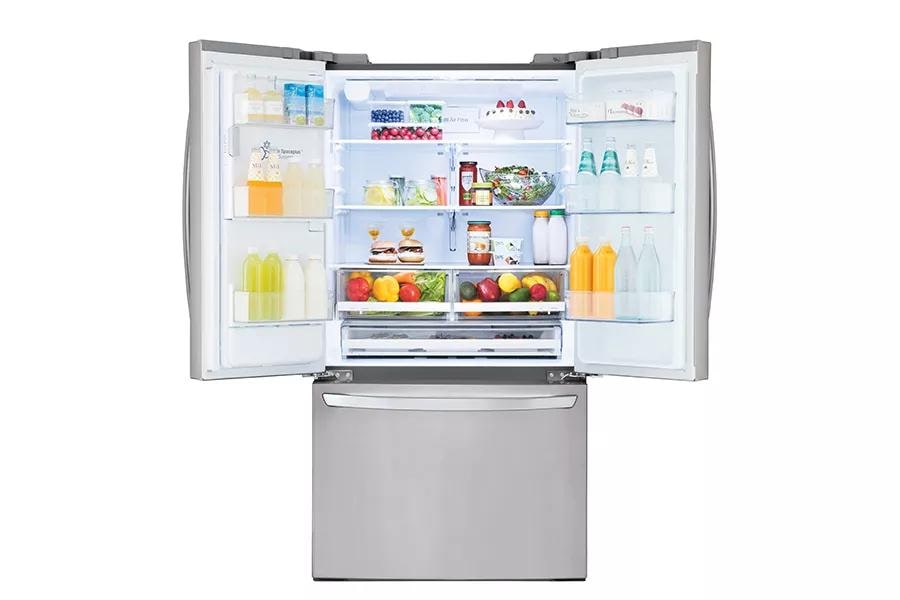
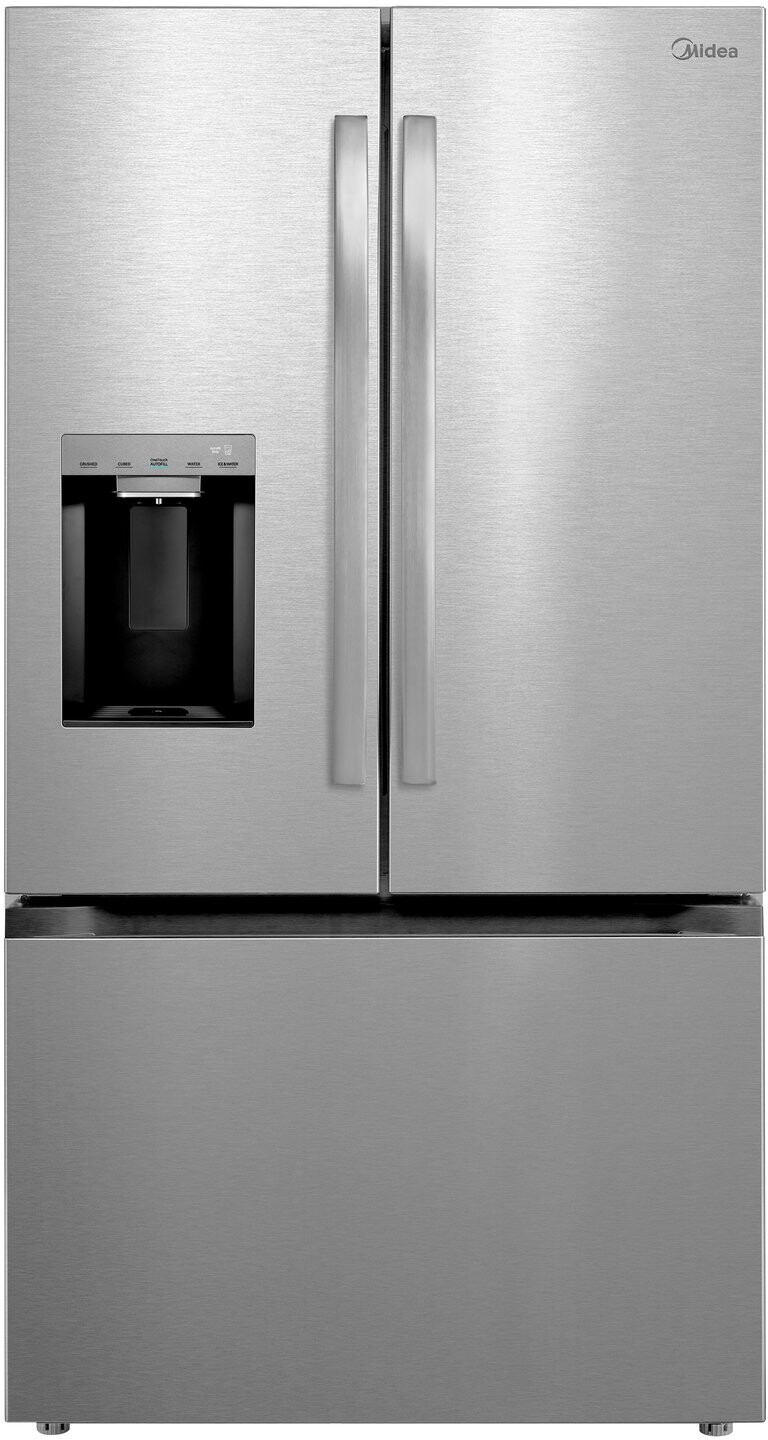
When preserving pizza, it's crucial to store it correctly to prevent moisture loss and to avoid absorbing odors from other foods. Place pizza in an airtight container or wrap it tightly in aluminum foil or plastic wrap. For those looking to modernize their kitchen storage, exploring the best counter depth bottom freezer refrigerators might yield new preservation options.
Factors Affecting Pizza Shelf Life
Several factors influence how long pizza can remain fresh in the refrigerator:
Ingredients: Pizzas with fresh vegetables or a high moisture content may not last as long as those with just cheese or cured meats.
Initial Temperature: If pizza remains at room temperature for an extended period before refrigeration, its shelf life may be reduced.
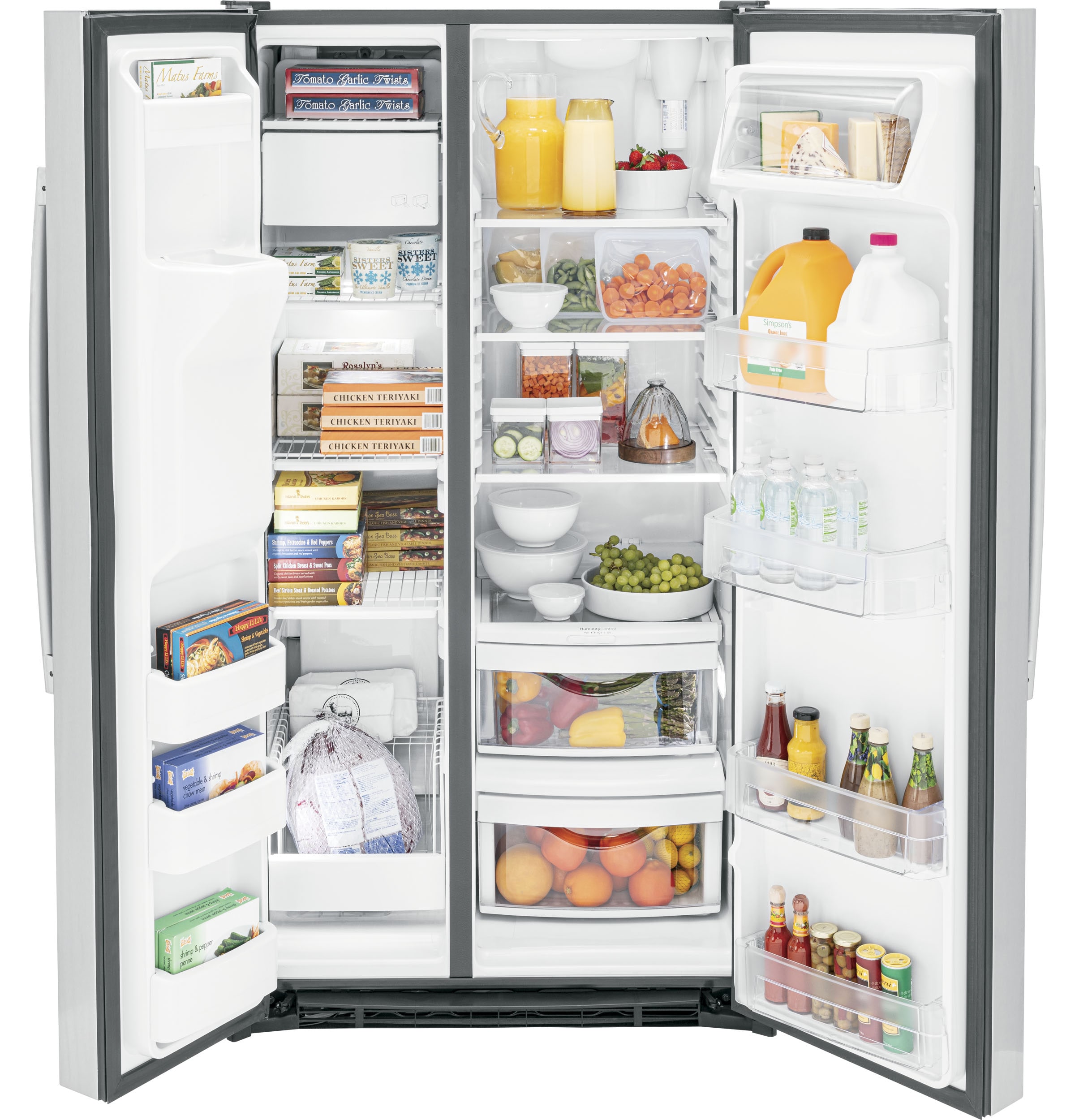
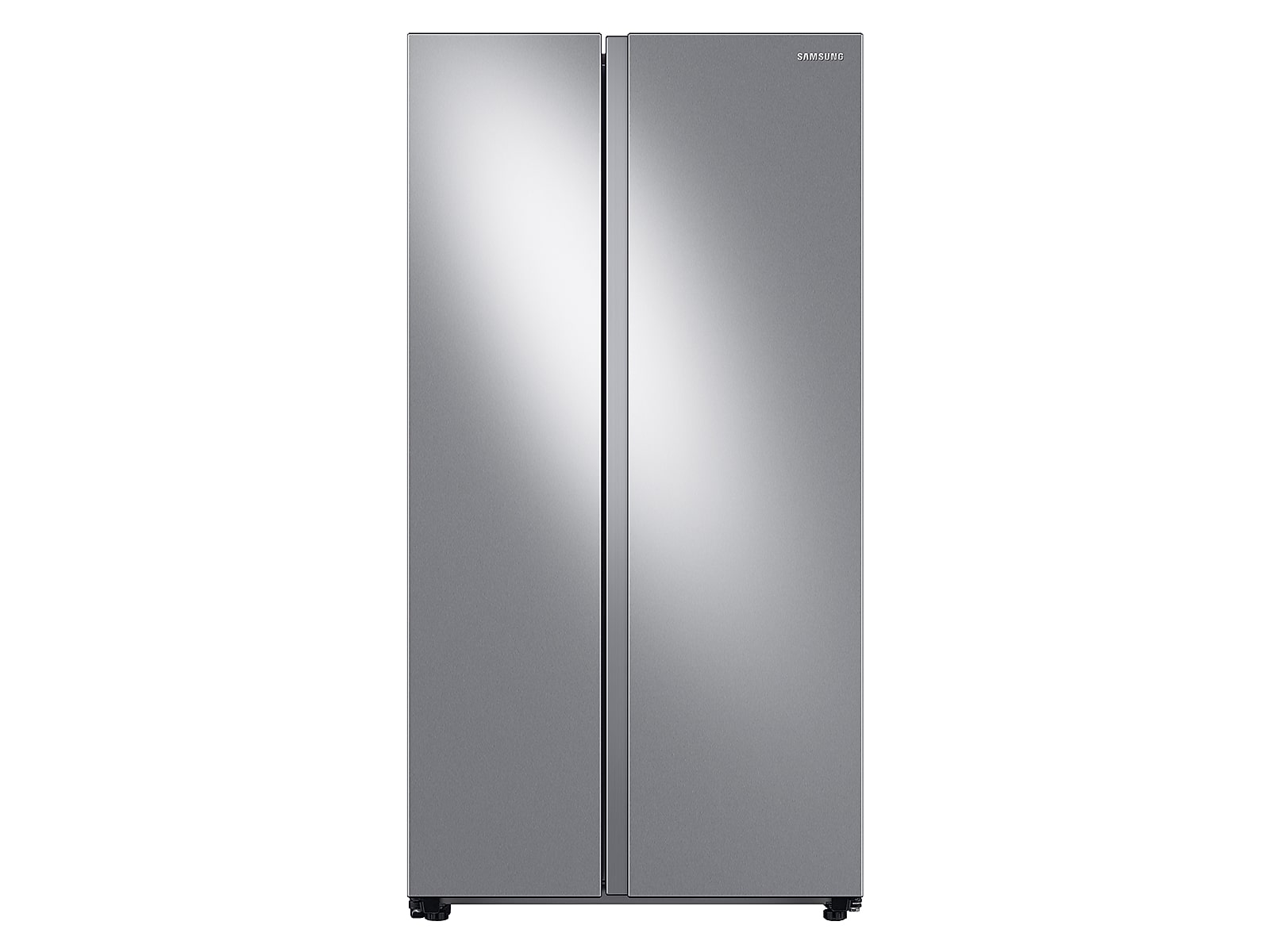
Fridge Conditions: The cleanliness and how well your fridge maintains its temperature play a part in food preservation. For advanced cooling options, consider the best side by side refrigerators.
Enjoying leftover pizza is a common pleasure, but knowing how long you can safely keep pizza in the refrigerator is crucial to avoid foodborne illness. Let's explore the guidelines for refrigerating pizza and how to identify when your pizza has gone past its prime.
Guidelines for Refrigerating Pizza
When it comes to refrigerating pizza, the general rule of thumb is that pizza can be stored in the fridge for 3-4 days. This timeframe allows you to enjoy your leftovers while still maintaining the quality and safety of the pizza. It's important to promptly refrigerate pizza within two hours of it being served to prevent any bacterial growth.
Pizza Type
Refrigerator Shelf Life
Cheese Pizza
3-4 days
Meat Lovers Pizza
3-4 days
Vegetable Pizza
3-4 days
Vegan Pizza
3-4 days
For optimal preservation, store your pizza slices in a shallow airtight container or wrap them tightly with aluminum foil or plastic wrap. This will help to maintain moisture and prevent air from drying out the crust. For more on keeping your food fresh, discover how to modernize your kitchen with the best counter-depth bottom freezer refrigerators.
Signs Your Pizza Has Gone Bad
While refrigeration slows down bacterial growth, it doesn't stop it entirely. Be on the lookout for these signs that your pizza has gone bad:
Odor: If your pizza emits a sour or unpleasant smell, it's a clear indicator that it's no longer safe to eat.
Texture: A slimy or sticky texture on the cheese or toppings is a sign of spoilage.
Mold: Any visible mold on the crust, cheese, or toppings means the pizza should be discarded immediately.
Taste: If you notice an off taste from a small bite, do not consume any further.
By following these guidelines for refrigerating pizza and being aware of the signs of spoilage, you can safely enjoy your leftover slices while minimizing the risk of food poisoning. Remember, when in doubt, throw it out.
Best Practices for Refrigerating Pizza
Ensuring that your leftover pizza remains as delicious as when it was fresh requires proper storage and reheating techniques. Here's how you can maintain the quality of your pizza when preserving it in the refrigerator.
Proper Storage Techniques
Your first step in preserving pizza lies in how you store it. Storing pizza correctly can extend its shelf life and maintain its taste and texture.
Cool Down: Allow your pizza to cool to room temperature before storing it to prevent condensation inside the storage container.
Airtight Containers: Place your pizza slices in airtight containers to keep out moisture and other flavors from the refrigerator. This also helps to prevent the pizza from drying out.
Stacking Slices: If space is a concern, you can stack pizza slices with a layer of parchment paper between each slice to prevent them from sticking together.
Refrigerator Placement: Store your pizza in the main body of the refrigerator rather than the door, where temperature fluctuations are more common. For more on optimal fridge temperatures, see Fridge.com guide on unlocking the perfect cool what temp should a fridge be.
By following these storage tips, you can enjoy your pizza for a little longer. For a comprehensive look at pizza preservation, check out the ultimate pizza storage guide how long can pizza stay in the fridge.
Reheating Methods for Refrigerated Pizza
Reheating pizza while retaining its original flavor and texture is possible with the right technique.
Oven or Toaster Oven: Preheat your oven to 375 degrees Fahrenheit. Place the pizza on a piece of foil and heat it for about 10 minutes or until the cheese is bubbly.
Skillet: For a crispier crust, reheat pizza slices in a non-stick skillet on medium heat. Cover the skillet to melt the cheese and heat until the bottom is crispy.
Microwave: If you’re short on time, the microwave can be used, but it may not preserve the crispness of the crust. Place a cup of water alongside the pizza to help keep the crust from getting too chewy.
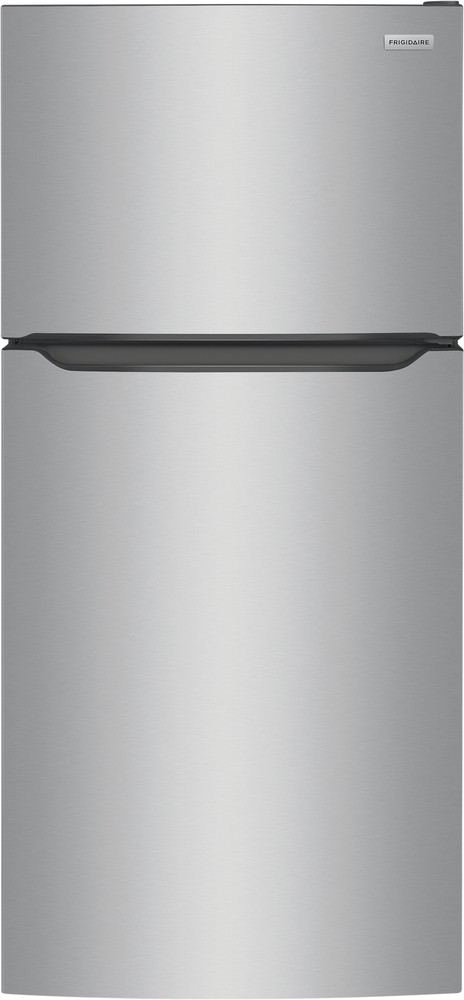
No matter which reheating method you choose, ensure that the pizza is heated to an internal temperature of 165 degrees Fahrenheit for food safety. If you're interested in various types of refrigerators and their features, explore articles like modernize your kitchen best counter depth bottom freezer refrigerators unveiled and efficiency meets style best top freezer refrigerators for the modern home.
By utilizing these best practices for refrigerating and reheating your pizza, you can extend the enjoyment of your meal while ensuring it remains safe and tasty to eat.
When it comes to preserving the delectable flavors of pizza, understanding the nuances of storage is key. Different toppings and crusts can affect how well a pizza retains its quality in the refrigerator. Here's a closer look at how to store various kinds of pizza to maintain their freshness.
Cheese Pizza
Cheese pizza, with its simple yet rich topping, can remain fresh in the refrigerator for approximately three to four days. To ensure optimal freshness, store your cheese pizza in an airtight container to prevent it from absorbing other flavors from your fridge. When placing pizza in the fridge, it's important to wait until it has cooled to room temperature to avoid moisture build-up which can lead to a soggy crust.
Meat Lovers Pizza
Pizzas topped with a variety of meats such as pepperoni, sausage, and bacon require careful attention due to their perishable nature. These should be refrigerated sooner rather than later and can be kept for up to three days. Because meats are susceptible to bacteria growth, ensure your refrigerator is at the right temperature, ideally at or below 40°F, which you can verify by reading Fridge.com guide on unlocking the perfect cool: what temp should a fridge be.
Vegetable or Vegan Pizza
Vegetable or vegan pizzas, which may include toppings like bell peppers, onions, or plant-based cheese, can last in the refrigerator for three to four days. As vegetables contain more moisture, it's crucial to store this type of pizza in a way that minimizes humidity. Consider wrapping slices with parchment paper before placing them in a container to help absorb excess moisture. This can prevent the crust from becoming soggy and preserve the crispness of the vegetables.
For more detailed insights on how to master the art of pizza preservation and to discover how long different types can stay fresh in the fridge, you can explore Fridge.com article on the ultimate pizza storage guide: how long can pizza stay in the fridge.
Whether you have a full-size refrigerator or a compact option, following these storage guidelines will help ensure your leftover pizza remains as delicious as the day it was baked. Remember, proper storage not only maintains the taste but also the safety of your food.
To savor your pizza longer, it's crucial to store it properly in the refrigerator. Here are some tips to ensure your pizza remains as delectable as when it was first delivered.
Using Airtight Containers
The secret to keeping your pizza fresh is to prevent air from reaching it. Airtight containers are your best friend in this endeavor. They not only keep the air out but also prevent any fridge odors from seeping into your pizza. When storing pizza slices, stack them with a layer of parchment paper in between to avoid them sticking together. For more information on the best storage solutions, you might want to explore articles like modernize your kitchen best counter depth bottom freezer refrigerators unveiled.
Avoiding Moisture Build-Up
Excess moisture is the bane of refrigerated pizza, leading to a soggy and unappetizing texture. To combat this, wrap your pizza in paper towels before placing it in the airtight container. This will soak up any condensation, keeping your crust crisp. For insights on maintaining the ideal humidity in your fridge, consider reading unlocking the perfect cool what temp should a fridge be.
Rotating Pizza Placement in the Refrigerator
The location of your pizza in the fridge can affect its shelf life. Avoid the fridge door, as the temperature fluctuates there. Instead, place your pizza in the main compartment, where the temperature is more constant. If you have a fridge with multiple cooling zones, place your pizza in the coldest part to slow down bacterial growth. For those considering an upgrade, articles like efficiency meets style get the best side by side refrigerator freezer can offer guidance on the latest fridge features.
By following these tips, you can enjoy your pizza for as long as possible, ensuring every slice is as delicious as the first. If you're keen to learn more about maximizing the shelf life of other foods, Fridge.com comprehensive guides like the ultimate pizza storage guide how long can pizza stay in the fridge and keep it fresh the shelf life of chicken in your fridge unveiled are excellent resources.
Compare refrigerator prices on Fridge.com
Compare current prices and specifications on Fridge.com, then buy from the retailer you choose; delivery, installation and warranty terms are the retailer’s.
It also has tons of awesome articles about kitchen stuff and home news. Enhance your home, garage, backyard, patio, and office with the coolest essentials. With every necessary type of residential refrigerator or freezer in the collection, you're covered.
Frequently Asked Questions
Enjoying leftover pizza is a common pleasure, but knowing how long you can safely keep pizza in the refrigerator is crucial to avoid foodborne illness. Let's explore the guidelines for refrigerating pizza and how to identify when your pizza has gone past its prime.