Temperature Monitoring: Regularly check the temperature settings to ensure the freezer is operating at the recommended temperature, typically -0.4°F to -13°F (-18°C to -25°C).
An ice cream freezer is cheaper to buy ($150 - $800) but typically uses more electricity (300 - 800 kWh/year) because it holds much lower temperatures.
For the best texture, a dedicated ice cream freezer holds it colder still, at -10°F to -20°F, which prevents ice crystals from forming.
A medium size refrigerator costs more upfront ($500 - $2,000 depending on style) but less to run (200 - 500 kWh/year).
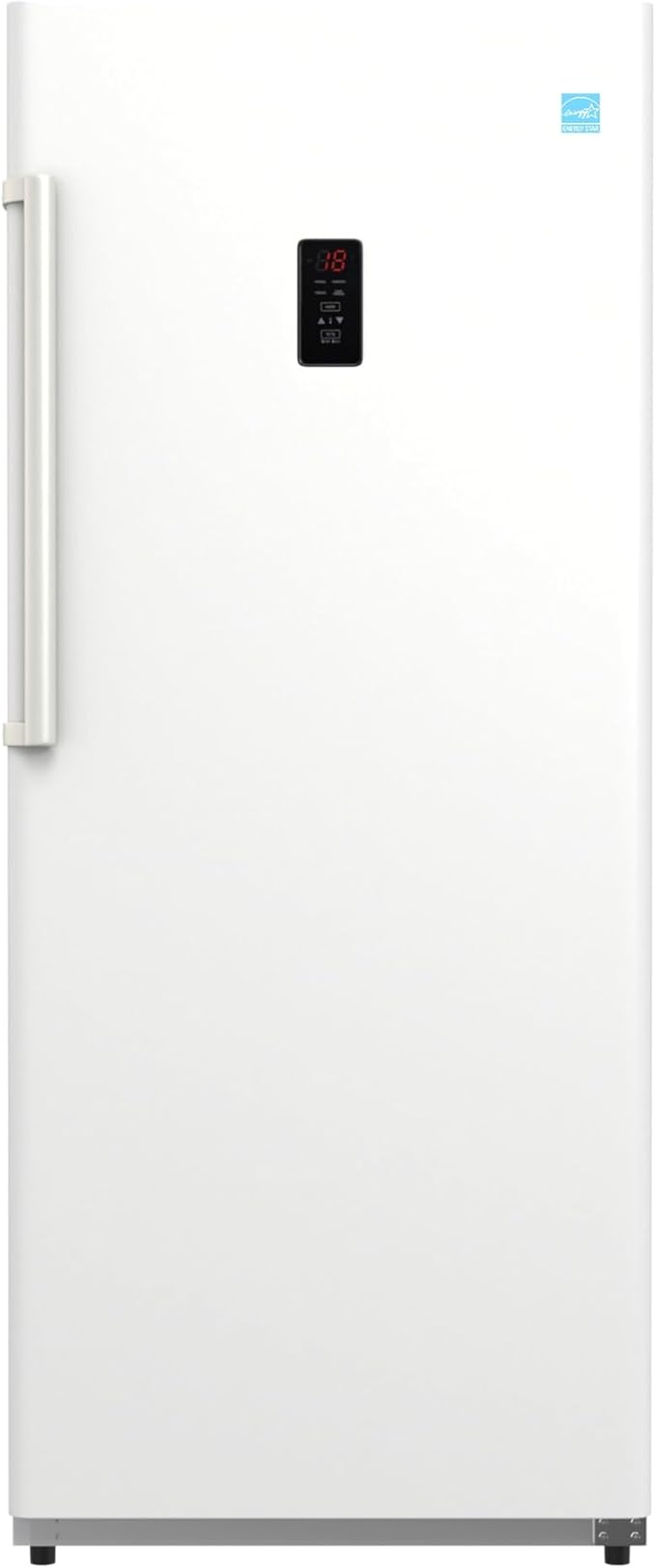
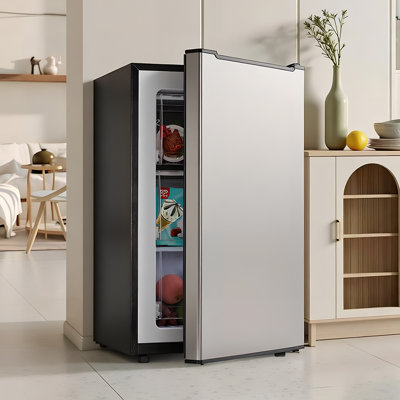
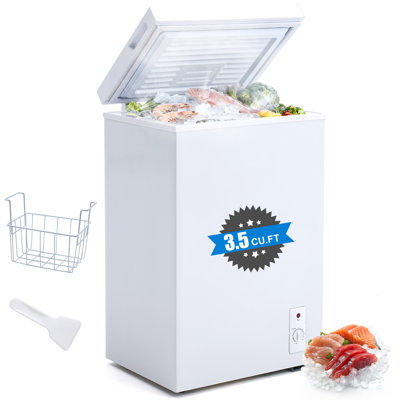
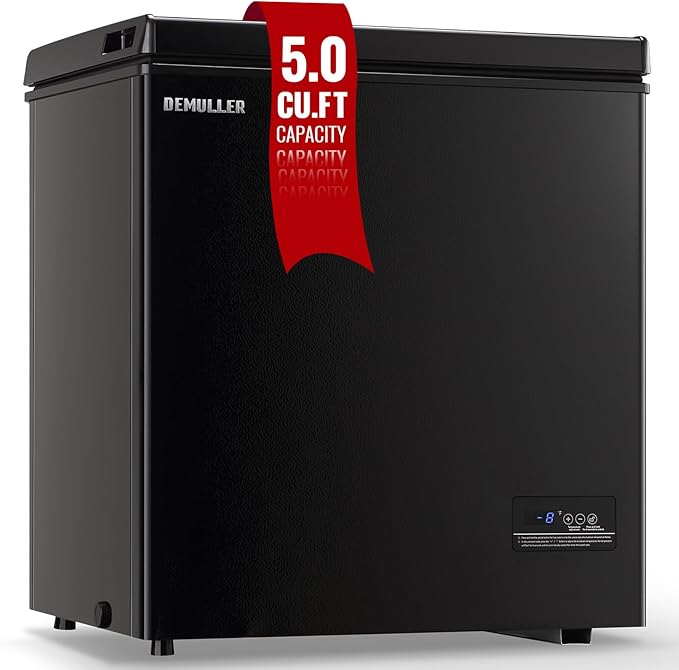
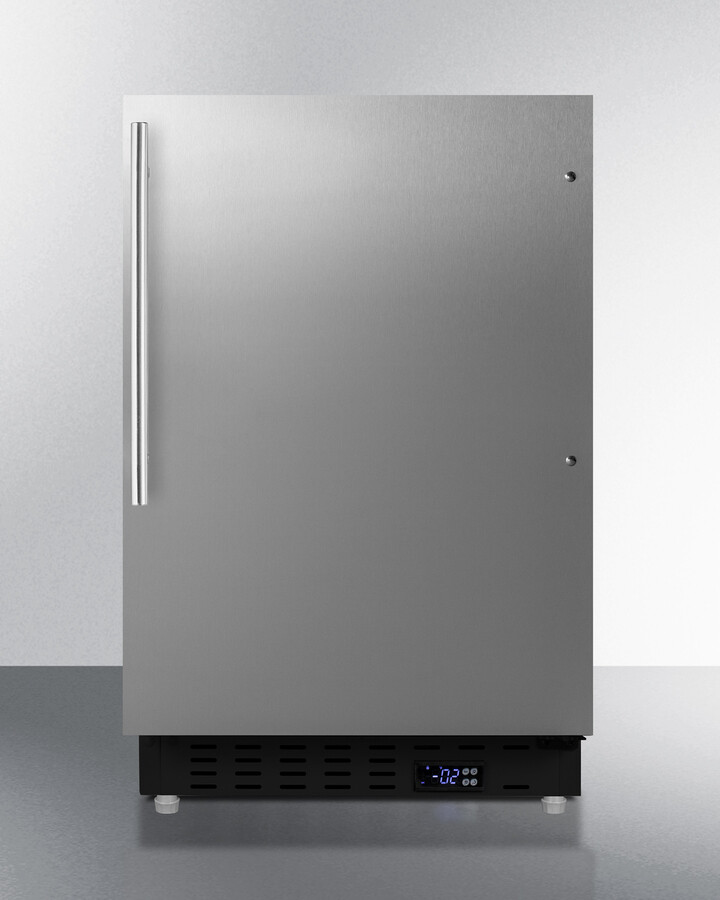
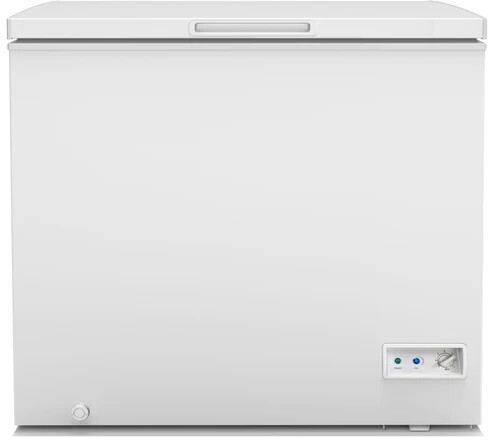
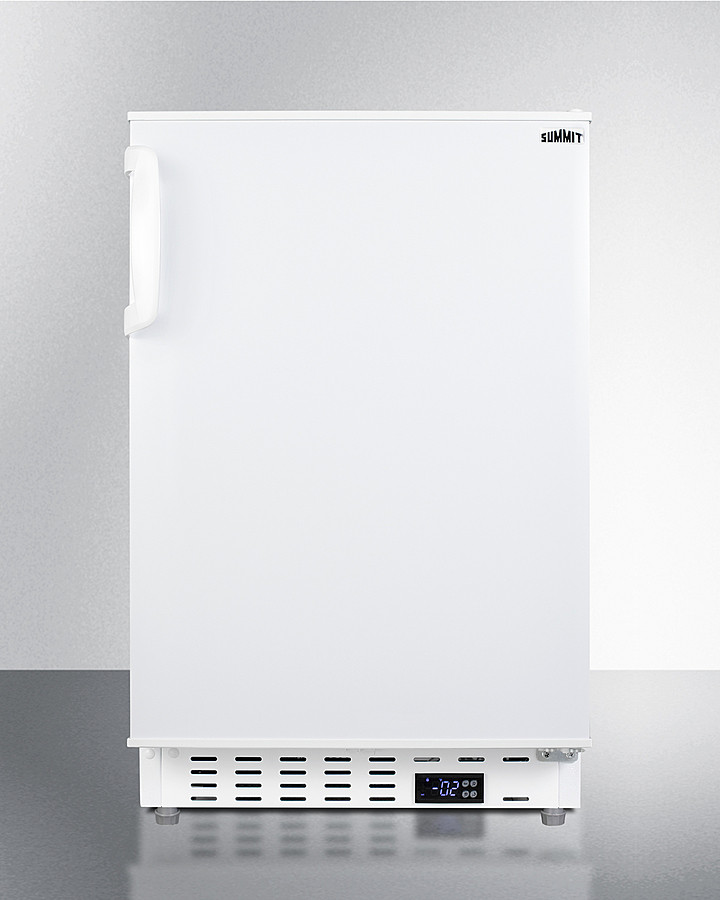
An ice cream freezer holds frozen desserts at -10°F to -20°F (-23°C to -29°C) — cold enough to keep ice cream firm and free of ice crystals — while a medium size refrigerator runs 35°F to 38°F in the fresh-food compartment and about 0°F in its freezer. Dedicated ice cream freezers range from 3 to 20+ cubic feet and cost roughly $150 to $800; medium size refrigerators run 10 to 22 cubic feet and $500 to $2,000. This guide compares capacity, temperature control, storage features, energy use, cost, and maintenance so you can pick the right appliance.
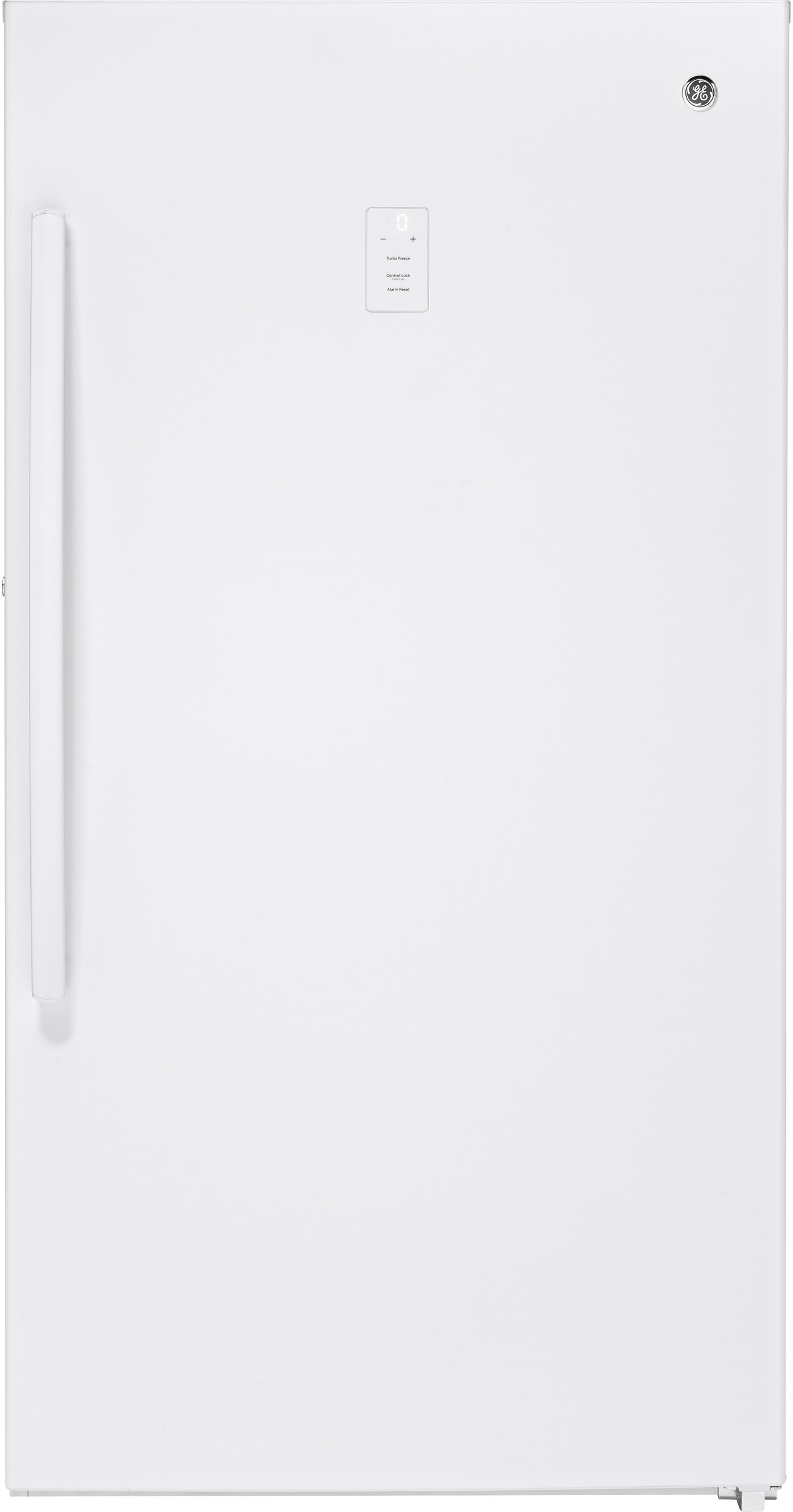
Medium size refrigerators provide space for both fresh and frozen food in homes, offices, and smaller apartments. Family households typically land in the 18 - 25 cubic foot range, which fits a week of groceries plus drinks and leftovers without crowding the kitchen.
Medium Size Refrigerator Type
Capacity (Cubic Feet)
Compact
10 - 14 cu. ft.
Standard
14 - 18 cu. ft.
Large
18 - 22 cu. ft.
For more insights on refrigerator comparisons, you might find Fridge.com article on medium size refrigerator Vs. red refrigerator helpful. For those focused on frozen storage, an ice cream freezer provides dedicated capacity, while a medium size refrigerator offers a balance of both refrigerated and frozen storage suitable for a wider range of food items.
Temperature Control
Ice Cream Freezer Temperature Settings
An ice cream freezer maintains -10°F to -20°F (-23°C to -29°C). The low setting keeps ice cream firm and prevents the ice crystals that ruin its creamy texture. Adjustable controls let you fine-tune the chill for different frozen desserts — gelato, sorbet, and hard-pack ice cream each hold best at slightly different points in that range.
Temperature Range
Ideal Use
-10°F to -20°F
Ice Cream and Frozen Desserts
Medium Size Refrigerator Temperature Settings
A medium size refrigerator runs 35°F to 38°F (1.7°C to 3.3°C) in the refrigerator compartment and around 0°F (-18°C) in the freezer compartment. These settings slow bacterial growth to keep perishables fresh while the freezer compartment keeps food frozen.
Shelves and Baskets: Ice cream freezers often have adjustable shelves and wire baskets. These elements help you organize different types of ice cream and frozen goods efficiently.
Dividers: Some models include dividers to keep items separated, making it easier to access what you need without having to dig through piles of frozen products.
Door Storage: Many ice cream freezers feature door storage compartments, perfect for storing smaller items like ice cream bars or popsicles.
Display Windows: Some models add a see-through glass lid or window so you can find flavors without opening the unit and letting cold air out — a feature borrowed from ice cream shop cases.
Feature
Description
Shelves and Baskets
Adjustable shelves and wire baskets for organized storage.
Adjustable Shelves: These refrigerators come with adjustable shelves that allow you to customize the interior layout to accommodate larger items.
Crisper Drawers: Crisper drawers are designed to keep fruits and vegetables fresh by maintaining optimal humidity levels.
Door Bins: Door bins provide additional storage for bottles, jars, and other small items, making it easy to keep frequently used items accessible.
Freezer Compartment: Many medium size refrigerators include a freezer compartment with its own shelves and bins for organized storage of frozen foods.
Feature
Description
Adjustable Shelves
Customizable interior layout for larger items.
Crisper Drawers
Maintain optimal humidity for fruits and vegetables.
Door Bins
Additional storage for bottles and jars.
Freezer Compartment
Separate section for frozen foods with shelves and bins.
Energy Efficiency
Ice Cream Freezer Efficiency
Because they hold much lower temperatures, ice cream freezers often consume more energy than regular refrigerators — most home units land between 400 and 600 kWh per year, with commercial-duty models reaching the top of the range below. Newer models with improved insulation narrow the gap.
Appliance
Energy Consumption (kWh/year)
Ice Cream Freezer
300 - 800
Medium Size Refrigerator Efficiency
Medium size refrigerators typically consume less energy than ice cream freezers thanks to higher operating temperatures, better insulation, and energy-saving modes.
Appliance
Energy Consumption (kWh/year)
Medium Size Refrigerator
200 - 500
For more insights on maintaining energy efficiency, explore Fridge.com tips on garage freezer Vs. outdoor refrigerator.
Food Preservation
Ice Cream Freezer Functionality
An ice cream freezer maintains -20°F to -10°F (-29°C to -23°C), keeping ice cream solid and preventing the ice crystals that degrade texture and flavor. Many models add rapid-freeze modes for hardening fresh batches.
Feature
Ice Cream Freezer
Temperature Range
-20°F to -10°F (-29°C to -23°C)
Best For
Ice cream, frozen desserts
Special Features
Rapid freezing, consistent low temperatures
Medium Size Refrigerator Functionality
A medium size refrigerator preserves fresh produce, dairy, meats, and beverages at 35°F to 38°F (1.7°C to 3.3°C), with a freezer compartment around 0°F (-18°C). That dual setup slows bacterial growth on perishables while keeping frozen food frozen.
Beyond the purchase price, factor in operating costs: ice cream freezers typically consume more energy than regular refrigerators because of their lower temperature settings, which shows up on your electricity bill.
Medium Size Refrigerator Cost Analysis
Medium Size Refrigerator Type
Average Cost ($)
Basic Top Freezer Refrigerator
500 - 800
Side-by-Side Refrigerator
800 - 1,200
French Door Refrigerator
1,200 - 2,000
Medium size refrigerators tend to have lower operating costs since they run at higher temperatures, so electricity bills stay lower over time. For further comparisons, check out Fridge.com article on ice cream refrigerator Vs. medium size refrigerator.
Which One Should You Choose?
Match the appliance to how you actually stock your kitchen. If your shelves hold a mix of produce, dairy, drinks, leftovers, and a couple of tubs of ice cream, a medium size refrigerator covers all of it in one footprint. If you make ice cream at home, host dessert-heavy gatherings, or stockpile pints, a dedicated ice cream freezer keeps them at the correct serving texture a standard freezer compartment cannot match.
Need
Medium Size Refrigerator
Ice Cream Freezer
Stores all kinds of foods
Yes
No
Holds ice cream at ideal serving temperature
No
Yes
Stores drinks and snacks
Yes
Limited space
Long-term general food storage
Yes
Frozen desserts only
Budget and floor space push the decision too: a medium size refrigerator needs a larger footprint and a bigger upfront spend, while a compact chest-style ice cream freezer tucks into a garage, basement, or party room for less.
Home entertaining: Serve multiple flavors at parties without crowding your kitchen freezer, with every tub at scooping temperature.
Ice cream stands and shops: Display-style units showcase stock while holding it at commercial serving temperatures for customers.
Large events: Birthdays, weddings, and family gatherings need more frozen-dessert capacity than a refrigerator's freezer compartment provides.
Homemade ice cream: A separate unit lets you harden and store experimental batches without displacing everyday frozen food.
Stocking up: Dedicated space for limited-edition pints and bulk purchases, kept at a temperature that preserves texture longer than a self-defrosting fridge freezer.
Regular Cleaning: Defrost and clean your ice cream freezer every 3-6 months to prevent ice buildup and maintain optimal performance. Use a mild detergent and warm water to clean the interior and gaskets.
Check the Seal: Ensure the door seals (gaskets) are tight and free of cracks. A proper seal keeps cold air in and reduces energy consumption.
Temperature Monitoring: Regularly check the temperature settings to ensure the freezer is operating at the recommended temperature, typically -0.4°F to -13°F (-18°C to -25°C).
Condenser Coils: Vacuum the condenser coils every 6 months to prevent dust accumulation, which can hinder the freezer's efficiency.
Avoid Overloading: Do not overfill the freezer, as this can block air circulation and affect the appliance's ability to maintain a consistent temperature.
Medium Size Refrigerator Maintenance Tips
Interior Cleaning: Clean the interior of your refrigerator every 3 months using a solution of baking soda and water. Remove all food items and shelves for thorough cleaning.
Gasket Inspection: Regularly inspect the door gaskets for wear and tear. Clean them with soapy water to ensure they remain flexible and can form a proper seal.
Temperature Settings: Keep the refrigerator temperature between 35°F and 38°F (1.7°C to 3.3°C) to ensure food safety and energy efficiency.
Condenser Coils: Clean the condenser coils at least twice a year to prevent dust buildup. This helps the refrigerator run more efficiently.
Drain Hole and Drip Pan: Clean the drain hole and drip pan regularly to prevent clogs and avoid unpleasant odors.
Maintenance Task
Ice Cream Freezer Frequency
Medium Size Refrigerator Frequency
Interior Cleaning
Every 3-6 months
Every 3 months
Gasket Inspection
Every 3 months
Every 3 months
Temperature Monitoring
Monthly
Monthly
Condenser Coil Cleaning
Every 6 months
Every 6 months
Avoiding Overloading
Always
Always
Drain Hole and Drip Pan
Not Applicable
Monthly
Proper maintenance not only extends the life of your appliance but also ensures it operates efficiently, saving you energy and money in the long run.
Frequently Asked Questions
Should ice cream go in the fridge or freezer?
The freezer, always. Ice cream must stay at 0°F (-18°C) or below to remain safe and solid; a refrigerator compartment at 35°F to 38°F will melt it within hours. For the best texture, a dedicated ice cream freezer holds it colder still, at -10°F to -20°F, which prevents ice crystals from forming.
What size is an ice cream fridge or freezer?
Household ice cream freezers run 3 - 7 cubic feet, medium units 7 - 12 cubic feet, and commercial display cases 12 - 20+ cubic feet. Small chest-style models start around $150, making them an inexpensive way to add dedicated frozen-dessert capacity.
Can a medium size refrigerator's freezer store ice cream?
Yes — its freezer compartment holds about 0°F (-18°C), which keeps ice cream safely frozen. The trade-off is texture: at 0°F ice cream stays softer and develops ice crystals faster than in a dedicated unit running -10°F to -20°F, so it is fine for everyday tubs but not ideal for long-term storage or homemade batches.
Which costs more to buy and run?
A medium size refrigerator costs more upfront ($500 - $2,000 depending on style) but less to run (200 - 500 kWh/year). An ice cream freezer is cheaper to buy ($150 - $800) but typically uses more electricity (300 - 800 kWh/year) because it holds much lower temperatures.
What temperature should an ice cream freezer be set to?
Set it between -10°F and -20°F (-23°C to -29°C) for storage. That range keeps ice cream firm, preserves flavor, and prevents the freeze-thaw cycling that creates icy texture. Check the setting monthly and keep door gaskets sealing tightly so the unit holds temperature efficiently.
Compare prices on Fridge.com
Compare current prices and specifications on Fridge.com, then buy from the retailer you choose; delivery, installation and warranty terms are the retailer’s.
It also has tons of awesome articles about kitchen stuff and home news. Enhance your home, garage, backyard, patio, and office with the coolest essentials. With every necessary type of residential refrigerator or freezer in the collection, you're covered.
Frequently Asked Questions
Match the appliance to how you actually stock your kitchen. If your shelves hold a mix of produce, dairy, drinks, leftovers, and a couple of tubs of ice cream, a medium size refrigerator covers all of it in one footprint. If you make ice cream at home, host dessert-heavy gatherings, or stockpile pints, a dedicated ice cream freezer keeps them at the correct serving texture a standard freezer compartment cannot match. Need.
Medium Size Refrigerator.
Ice Cream Freezer.
.
Stores all kinds of foods.
Yes.
No.
.
Holds ice cream at ideal serving temperature.
No.
Yes.
.
Stores drinks and snacks.
Yes.
Limited space.
.
Long-term general food storage.
Yes.
Frozen desserts only.
. Budget and floor space push the decision too: a medium size refrigerator needs a larger footprint and a bigger upfront spend, while a compact chest-style ice cream freezer tucks into a garage, basement, or party room for less. Consideration.
Medium Size Refrigerator.
Ice Cream Freezer.
.
Typical Price Range.
$500 - $1,500.
$200 - $800.
.
Space Needs.
Larger footprint.
Compact.
.
Versatility.
All food types.
Frozen desserts.
. For help sizing up a full-kitchen unit, see our fridge buying guide.